
Reviewed · MIYAJIMA ISLAND TOURS
Hiroshima and Miyajima 1 Day Cruise Tour
The best Hiroshima day pairs beauty with memory. This 7 to 8 hour private outing brings you from Miyajima’s deer and famous torii gate to the Peace Memorial Park, Atomic Bomb Dome, and museum in one carefully arranged day. I like the two boat rides, especially the direct ferry from Miyajima toward Hiroshima, and I like having an English-speaking guide to explain places that can feel difficult to understand alone. The main consideration is that this is not a sightseeing cruise in the usual sense. It uses local ferries, so the water travel is scenic transportation rather than a narrated cruise.
I also like the way the route links two very different sides of Hiroshima: the calm beauty of Miyajima and the serious, often painful lessons of the 1945 atomic bombing. Guides such as Rimona, Milky, Arki, Tom, Akie, Yuki, Kumi, Chikako, Tomo, and Momoko have been praised for friendly help, local insight, good pacing, and thoughtful recommendations. You should allow emotional energy for the museum, and remember that lunch costs extra.
In This Review
- Key points to know before booking
- Why this Hiroshima day works so well
- Miyajima: deer, sea air, and a floating torii gate
- Itsukushima Shrine: the island’s great architectural moment
- The ferry to Hiroshima is part of the experience
- Hiroshima Peace Memorial Park: space for quiet reflection
- The Peace Memorial Museum requires time and composure
- The Atomic Bomb Dome gives the day a powerful visual focus
- The guide determines the tone of the day
- Lunch, shopping, and the rhythm of the day
- Who should book this private Hiroshima tour
- Should you book it?
- FAQ
- What time does the tour start?
- How long does the experience last?
- Is lunch included?
- Are transportation costs included?
- Is the tour private?
- Can the schedule be changed?
Key points to know before booking
- Two World Heritage sights in one day: You visit Itsukushima Shrine on Miyajima and the Atomic Bomb Dome in Hiroshima.
- The water route saves transfers: A local train and ferries are included, including a ferry from Miyajima to the Peace Memorial Park area.
- It is a private tour: Only your own group takes part, with some flexibility to adjust the schedule.
- The museum is self-guided inside: Your guide can prepare and explain the visit, but conversation is limited within the museum itself.
- The guide makes a major difference: Strong guides have helped with pacing, local food suggestions, luggage problems, and personal interests.
- Budget for lunch and possible extras: Lunch is not included, and requested additions may bring extra ticket or transport costs.
Why this Hiroshima day works so well
Hiroshima and Miyajima are close enough to combine, but they offer sharply different experiences. Miyajima gives you forested island scenery, shrine architecture, sea views, and wild deer. Hiroshima brings you to a place of remembrance, where the Peace Memorial Park and museum ask you to slow down and think.
Trying to arrange both independently is possible, but you would need to coordinate trains, ferries, shrine admission, museum admission, and your return route. This tour handles the local train fee, the ferry from Hiroshima to Miyajima, and the ferry onward to Hiroshima’s Peace Memorial Park. That saves time and reduces the chance of taking the wrong connection on a busy sightseeing day.
The private format is important. You are not tied to the pace of a large coach group. If your group wants more time at the museum, more shopping on Miyajima, or a different balance between the stops, you can ask the guide. The operator says schedule changes may be possible even on the day itself, though skipped stops do not bring a refund and new stops can add ticket or transport charges.
The published price is $163.40 per person. That is not a bargain for a simple sightseeing ride, but it becomes easier to justify if you value private guiding and efficient transportation. The cost covers the local train, two ferry services, an English-speaking guide, and admission to the Hiroshima Peace Memorial Museum and Itsukushima Shrine. Lunch is separate.
Solo visitors should pay close attention to the pricing structure. One solo participant felt the need to pay twice, which can make this a poor fit for someone traveling alone. For two or more people, the private format spreads the cost across your group and offers a more personal day.
More Miyajima island trips:
- Peaceful Hiroshima & Miyajima UNESCO 1 Day Bus Tour
★ 5.0 · 5,309 reviews - Hiroshima: Hiroshima and Miyajima UNESCO Sites 1-Day Tour
★ 4.9 · 2,330 reviews - Hiroshima / Miyajima Full-day Private Tour with Government Licensed Guide
★ 5.0 · 1,298 reviews
Miyajima: deer, sea air, and a floating torii gate
The day begins at 8:45 a.m., with Miyajima as one of the main early stops. The island is less than an hour from Hiroshima, and the approach by ferry is part of the pleasure. You get to see the island from the water instead of simply arriving by road or train.
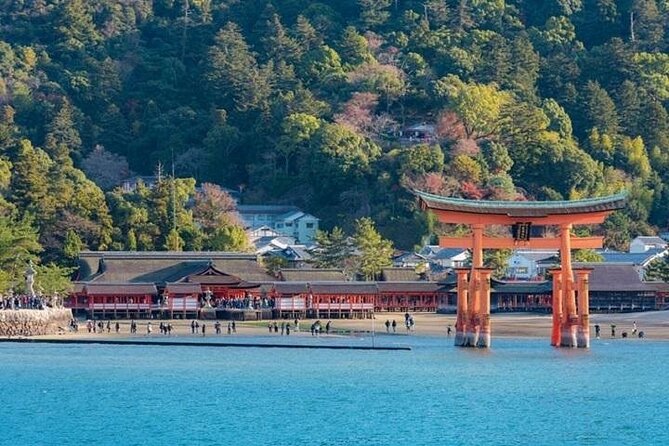
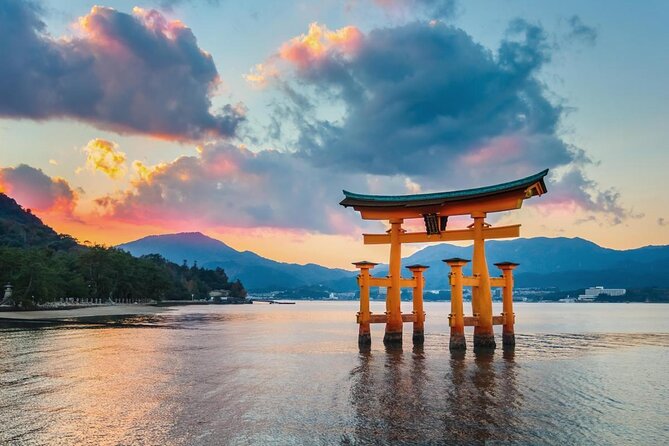
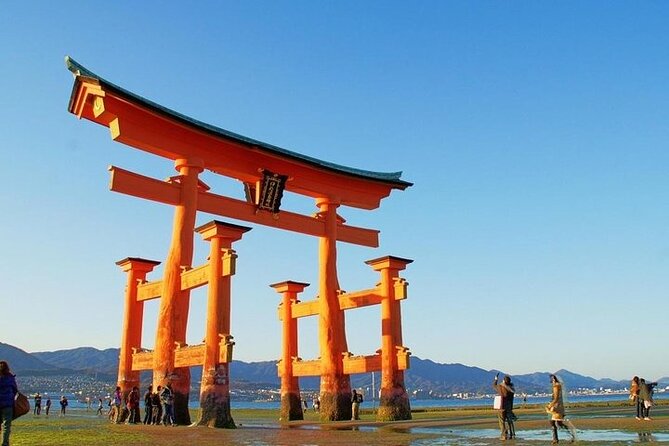
Miyajima is best known for the large torii gate associated with Itsukushima Shrine. At high tide, the gate appears to float offshore, creating one of Japan’s most recognizable views. Tide conditions matter here, so the appearance can change during the day. The tour gives you a chance to see the shrine and the gate as part of a larger island visit rather than rushing in for a single photograph.
Wild deer roam Miyajima, adding a lively, unexpected touch to the visit. The island also has abundant natural scenery, which gives you a welcome change of mood before the more serious Hiroshima portion. You might find the deer charming, but keep your attention on your belongings and surroundings, since free-roaming animals are not the main reason for the visit.
There is also time for shopping on the island. The exact amount depends on the day’s pace and ferry connections, but the schedule allows roughly an hour at Miyajima as a listed stop. That is enough for a focused visit, though you should not expect a slow, full-day exploration of every corner of the island.
Itsukushima Shrine: the island’s great architectural moment
Itsukushima Shrine is the cultural heart of Miyajima. The centuries-old shrine is the reason the island became famous, and its buildings are designed to relate closely to the water around them. Entering the shrine is included in the tour price, so you do not need to arrange that ticket separately.
I like this stop because it gives the island more substance than a quick ferry ride and a torii photograph. The shrine explains the island’s identity and shows how religious architecture can be shaped by tides, shorelines, and changing views. Your guide can also help you understand what you are seeing, which is useful when the site is busy or when the layout feels unfamiliar.
The allotted time is about one hour. That is practical for a combined Hiroshima day, but it can feel short if you want extensive photography, shopping, and a relaxed shrine visit. Tell your guide early if the shrine is your main priority. Since the activity is private, your group may be able to adjust the balance, subject to the day’s transport and timing.
The ferry to Hiroshima is part of the experience
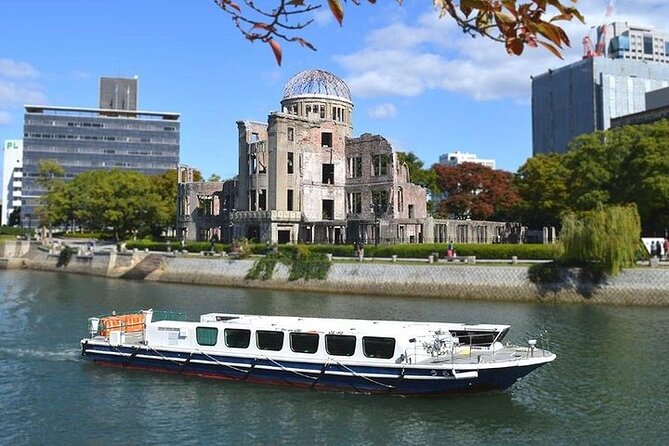
The tour’s use of ferries is one of its best practical features. You travel from Hiroshima to Miyajima by local ferry, then take a ferry from Miyajima toward the Peace Memorial Park area. The second ride gives you city views from the river and sea, and it avoids a tiresome transfer back through the transport network.
The word cruise needs a little explanation. This is a ferry ride, not a luxury boat with onboard commentary, reserved sightseeing seats, or a long loop around the bay. One unhappy participant expected a proper cruise and found the ferry less special than advertised. You should book it for efficient and attractive water transportation, not for a dedicated cruise program.
That said, the ferries add something a train-only route cannot. You see Hiroshima from the water, and the change from island scenery to city scenery helps the day feel like a connected journey. There are no troublesome transfers between Miyajima and the Peace Memorial Park by land, which is a real benefit when your schedule is tight.
More boat tours:
- Hiroshima and Miyajima by Bike and Boat
★ 5.0 · 172 reviews - Mt Fuji & Hakone Cruise, Drum Show Bullet Train 1 Day from Tokyo
★ 4.0 · 7,413 reviews - Tokyo Mt Fuji 5th St & Hakone Cruise Bus Tour w/Bullet Train
★ 4.4 · 5,024 reviews - Tokyo: Mt. Fuji 5th Station & Hakone Cruise 1-Day Bus Tour
★ 4.2 · 2,381 reviews
Hiroshima Peace Memorial Park: space for quiet reflection
Hiroshima’s Peace Memorial Park covers more than 120,000 square meters and occupies a central place in the city’s remembrance of the atomic bombing. The open setting gives you room to process what you have seen and what you are about to encounter in the museum.
The park can be emotionally heavy, but it is not presented as a single dramatic attraction. You move through a wider area devoted to remembrance and hopes for world peace. The guide’s role here is valuable because the significance of the monuments and buildings may not be obvious from their appearance alone.
The listed time is about one hour. That does not mean every part of the park is covered in detail. It gives you a solid introduction, with the museum and Atomic Bomb Dome providing the main focus. The guide can help you spend your time where it matters most to your group.
Parents should know that this part of the day can be difficult for children, though one family found the pace suitable with a small child. I would prepare younger members in advance and avoid treating the park as just another sightseeing stop.
The Peace Memorial Museum requires time and composure
The Hiroshima Peace Memorial Museum is the most demanding stop on the route. Admission is included, and the scheduled visit lasts about one hour. Inside, the museum is self-guided, so your guide cannot freely talk with you as you move through the exhibits.
That detail matters. A good guide can provide context before or after your visit, explain how the museum fits into Hiroshima’s story, and help you think through what you have seen. But you should not expect a running explanation beside every display. One complaint about the tour came from a participant who did not realize that the museum itself was largely self-guided.
The museum opened in 1955 and was designed by architect Tange Kenzo. Its purpose is not to entertain you. It presents the effects of the atomic bombing on ordinary people, families, and the city. You may find the material traumatic, and the experience can linger well after you leave. Several people have described this as the most moving part of their Japan visit, while also noting the lasting emotional weight.
One hour is enough for an introduction, but not enough for an unhurried study of every exhibit. If the museum is your central reason for coming to Hiroshima, ask about spending longer there. The schedule has to account for Miyajima, ferries, and the remaining city stops, so flexibility will depend on the day.
The Atomic Bomb Dome gives the day a powerful visual focus
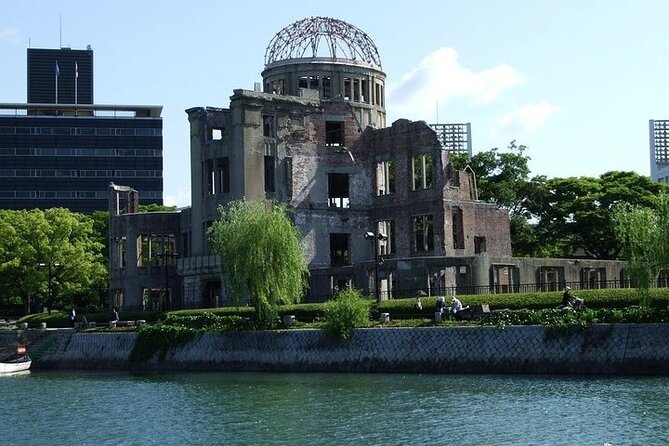
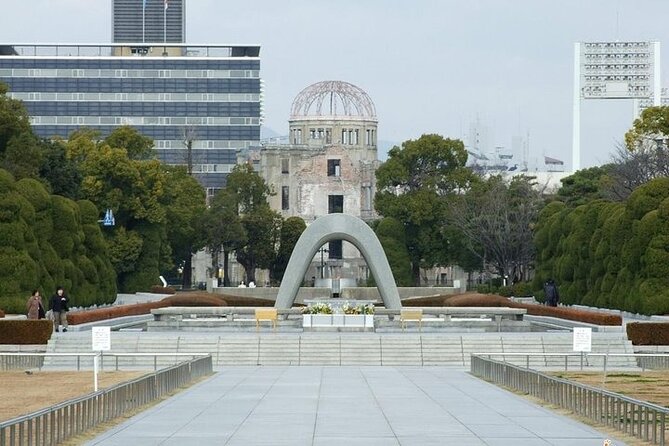
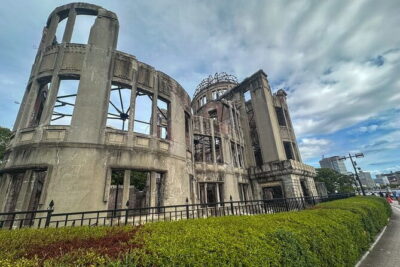
The Atomic Bomb Dome receives about 30 minutes on the schedule. The building is a symbol of Hiroshima and a place where people pray for world peace. It is also a stark physical reminder of the bombing on August 6, 1945, at 8:15 a.m.
After the museum, seeing the Dome from outside can help connect the human stories inside with the actual city. Its damaged structure is difficult to treat as a normal historic building, and the short stop is usually enough to see it, reflect, and take in the surrounding area.
Do not expect a long guided lecture here. The value comes from the site itself and from the guide’s ability to frame what you are seeing. If you need more time for photographs or quiet reflection, tell your guide, but remember that the day has a fixed start and a return to the meeting point.
The guide determines the tone of the day
The strongest feature of this experience is the guide. The day includes logistics, but it also asks you to move between beauty, food, grief, and remembrance. A thoughtful guide helps those parts feel connected rather than abrupt.
Rimona was praised for preparing carefully and making the most of both Miyajima and Hiroshima. Milky was described as approachable, patient, and helpful with a delicious lunch recommendation. Arki kept the schedule moving without making the group feel rushed, while Tom was praised for kindness and a hopeful approach to a difficult subject.
Akie brought local information to the historical sites. Yuki was remembered for being genuine, thoughtful, and fun. Kumi combined strong English with friendly engagement and took the group to places they might not have found alone. Chikako handled the pace well for a group with a small child, and Momoko even helped with a luggage problem.
English ability may vary by guide. One negative experience specifically cited weak English and a dull presentation. That is worth keeping in mind, since the quality of explanation matters greatly at the museum and Peace Memorial Park. The overall pattern is positive, but a private tour is still shaped by the individual assigned to your group.
Lunch, shopping, and the rhythm of the day
Lunch is not included, so you need to pay for your own meal. A guide may recommend a good option, as Milky did for one group, but the supplied details do not promise a particular restaurant or meal.
Miyajima is the natural place to eat or shop, though your guide may adjust the plan around ferry times and your interests. If food is a priority, mention it before departure. If you prefer to spend more time at the museum or shrine, say that too.
The tour lists about 4.5 hours of stops, but the full experience lasts 7 to 8 hours. The remaining time is transportation between Hiroshima, Miyajima, and the city sites. That is not wasted time. The ferries and train are necessary parts of the route, and the water rides provide some of the day’s prettiest views.
Arrive at the meeting point on time for the 8:45 a.m. start. Since the schedule depends on public transportation and ferries, a late start could cut into your time at the shrine or museum.
Who should book this private Hiroshima tour
I would recommend this outing if you have only one day for Hiroshima and want both Miyajima and the Peace Memorial sites without handling every connection yourself. It suits couples, families, and small groups who value a private guide and the ability to request changes.
It is also a good choice if you want a human explanation of Hiroshima’s difficult past but prefer to set your own pace. The best guides make the day feel personal, helping with food, luggage, local details, and the order of stops.
You may want a different plan if you want a full-length cruise, a slow Miyajima visit, or extensive independent museum time. The boat is a ferry, the museum is self-guided, and the schedule is active. Solo visitors should also compare the total price carefully, since the private pricing can feel steep when paid alone.
Bad weather can cancel the experience, with a different date or full refund offered in that situation. The same applies if the minimum number of participants is not reached. Otherwise, the booking is non-refundable and cannot be changed, so choose your date carefully.
Should you book it?
Book this tour if your goal is an efficient, thoughtful first look at Hiroshima and Miyajima, with ferries, shrine scenery, deer, the Peace Memorial Park, and the museum all joined in one day. At $163.40 per person, it offers its best value to pairs or groups who will use the private guide well.
I would book it for the combination of sites and the chance to work with a guide such as Kumi, Tom, Akie, Yuki, or the other highly praised local hosts. I would not book it expecting a polished sightseeing cruise or a leisurely island holiday. Set the right expectations, ask for your priorities in advance, and this can become one of the most meaningful days in Hiroshima.
FAQ
What time does the tour start?
The tour starts at 8:45 a.m. You should arrive at the meeting point on time.
How long does the experience last?
The tour lasts approximately 7 to 8 hours. The scheduled sightseeing stops total several hours, with the remaining time used for local train and ferry travel.
Is lunch included?
No. Lunch is not included, so you must pay for your own meal.
Are transportation costs included?
The local train fee, the local ferry from Hiroshima to Miyajima, and the ferry from Miyajima to the Peace Memorial Park area are included.
Is the tour private?
Yes. Only your own group participates in the activity.
Can the schedule be changed?
You can request changes, including on the day of the tour, and the guide will try to help. Skipping a stop does not result in a refund. Adding a new stop may require you to pay admission and additional transportation costs.
Just added around Hiroshima
- Hiroshima Country Cycling: Explore Rural Life 1 HR from City★ 5.0 · 22 reviews
- History of Hiroshima Group Walking Tour★ 5.0 · 23 reviews
- Hiroshima Peace Park & Atomic Bomb Dome Guided Walk★ 4.9 · 24 reviews
- Hiroshima Private Tour with a Local – Highlights & Hidden Gems★ 4.5 · 24 reviews
- Hiroshima & Miyajima: UNESCO A-Bomb Dome & Itsukushima with Local★ 5.0 · 25 reviews
- Calligraphy Workshop at Traditional Folk Craft Shop in Hiroshima★ 5.0 · 26 reviews
- Hiroshima Peace Park & A-Bomb Dome Private Walking Tour (4 Hours)★ 5.0 · 26 reviews
- Hiroshima History Tour : A-Bomb Dome, Peace Memorial & City★ 5.0 · 26 reviews
Miyajima Island Tours, compared.
Peaceful Hiroshima & Miyajima UNESCO 1 Day Bus Tour
Read our review →
Hiroshima and Miyajima UNESCO Sites 1-Day Tour
Read our review →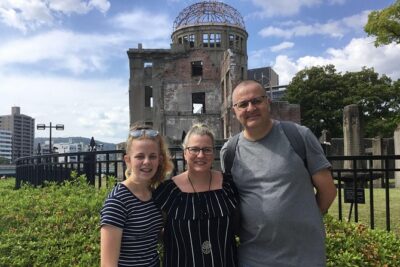
Hiroshima / Miyajima Full-day Private Tour with Government Licensed Guide
Read our review →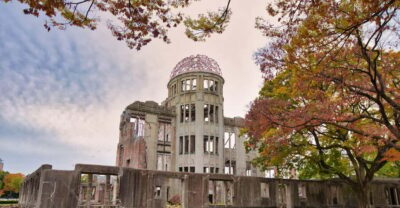
Osaka/Kyoto: Hiroshima Miyajima Bus Tour & Shinkansen Ticket
Read our review →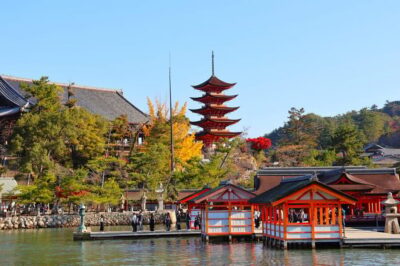
Hiroshima and Miyajima Day Trip with Itsukushima Shrine & Ferry
Read our review →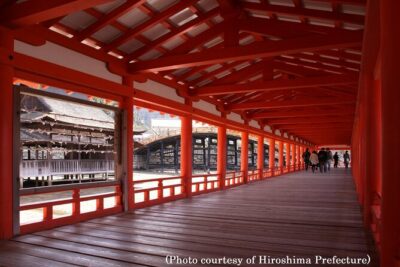
Full Day Hiroshima and Miyajima Bus Tour from Hiroshima
Read our review →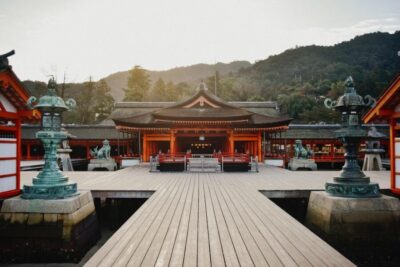
Miyajima Peace Memorial Icons of Peace and Beauty
Read our review →Browse the lists this tour appears in