
Reviewed · CYCLING TOURS
Hiroshima Country Cycling: Explore Rural Life 1 HR from City
Leave the city behind for a day. This four-hour cycling tour carries you into rural Hiroshima, where rice fields, old farmhouses, quiet streams, and small-town streets replace urban traffic. I like the easy electric bikes, which make the hills manageable, and I like the small group, capped at eight people, which gives the guide room to explain local life rather than simply lead a procession.
The lunch stop is another strong point, especially at Aino Sato Herb Garden, where locally grown vegetables and edible flowers feature on the menu. The main drawback is cost and planning: the advertised price of $85.39 does not include the 3,560-yen round-trip bus fare from Hiroshima or lunch, which adds roughly 900 to 2,000 yen.
In This Review
- Key Points Before You Book
- Why Rural Oasa Is Worth the Bus Ride
- Electric Bikes Make Kakeyama Enjoyable
- Doitaya Shows Japan’s Farming Side
- Aino Sato Herb Garden Adds a Local Lunch
- Oasa’s Quiet Main Street Tells Another Story
- The Real Cost Is More Than $85.39
- Getting There Requires Careful Timing
- Who Will Enjoy This Ride Most
- Should You Book Hiroshima Country Cycling?
- FAQ
- How long does the Hiroshima country cycling tour last?
- Where does the tour meet?
- Is transportation from Hiroshima included?
- Is lunch included in the tour price?
- Can I request a vegan meal?
- What physical requirements apply?
Key Points Before You Book
- Electric bikes tame the hills around Kakeyama, making this ride possible for anyone who can ride a bicycle but does not want a hard workout.
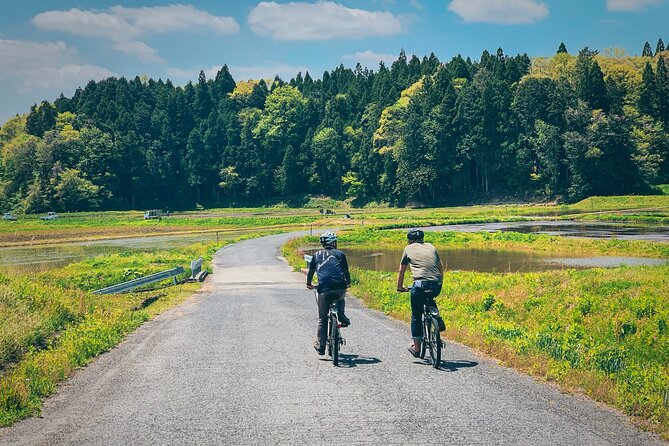
- Oasa feels genuinely rural, with rice paddies, streams, older homes, and a quiet former market street.
- Jonah is a thoughtful guide, with clear help about the bus, pickup, timing, and route. On a rainy day, he even supplied a poncho.
- Lunch is separate from the tour price, costing 900 to 1,250 yen at the herb garden, or 2,000 yen for seasonal sushi at a farmhouse.
- The tour starts and ends at Oasa I.C. Bus Stop, not in central Hiroshima, so you must allow for the bus journey.
- This is active but not extreme, though you need to ride independently, meet the 140-centimeter height minimum, and have moderate physical fitness.
Why Rural Oasa Is Worth the Bus Ride
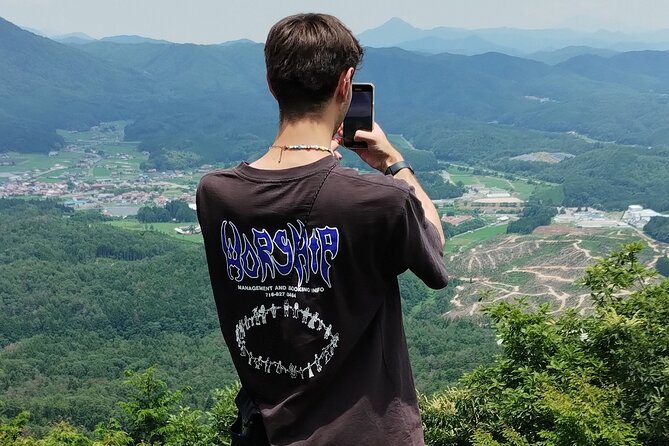
Hiroshima is rightly known for its Peace Memorial Park, museum, castle, and island day trips. Those sights matter, but they show only one part of the prefecture. Oasa, about an hour from the city by highway bus, gives you a look at everyday rural Japan and the slower rhythm of a small farming community.
The ride begins at Oasa I.C. Bus Stop in Kitahiroshima. That location requires planning, but it also keeps the experience focused. You are not wasting tour time getting through city traffic before reaching the countryside.
The tour runs for about four hours and begins at 10:00 a.m. It returns to the same meeting point, a useful detail when you are arranging the bus back to Hiroshima. The route is handled by Oasa Mobility Station, and the small group size means no more than eight people ride together.
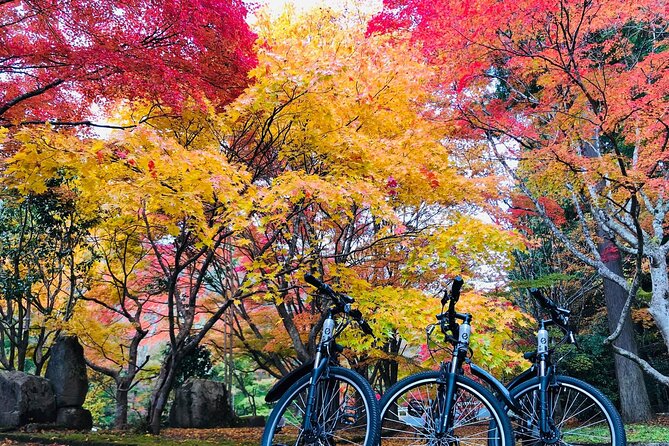
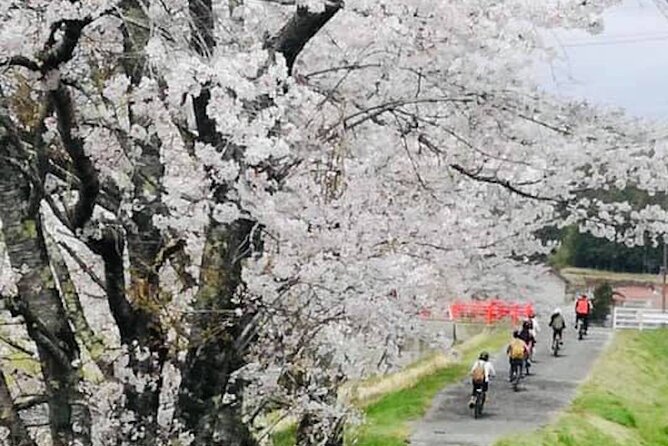
I like that this is not presented as a race or a long-distance cycling challenge. The point is to notice the place. You stop often, hear about local life, and have time to look around. The electric bike gives you the freedom to pay attention instead of spending the day fighting uphill.
More Bike Tours in Hiroshima
- Hiroshima in a Nutshell: Morning Bike Adventure
★ 5.0 · 524 reviews - Hiroshima 2hr Peace Cycling Tour with Local Guide
★ 5.0 · 321 reviews - Hiroshima: Peace Cycling Tour with Local Guide
★ 4.8 · 286 reviews
Electric Bikes Make Kakeyama Enjoyable
The first section takes you through Kakeyama, where the hills give the e-bikes their first real job. The bikes are described as high-quality electric bicycles, and the assistance is meant to make steep sections feel manageable.
That matters because a rural cycling route can be deceptive. The distance may not look intimidating, but hills change the equation quickly. If you are comfortable on a bike but not used to climbing, electric assistance lets you keep moving without arriving at every stop exhausted.
You still need to ride the bike yourself. This is not a motorized sightseeing ride, and the tour requires you to control your own bicycle. You will also need moderate physical fitness. The electric motor reduces effort, but it does not remove the need to balance, steer, brake, and stay alert.
A helmet is included, along with accident insurance coverage. Water refill stations are available along the route, but you need to bring your own bottle. I would do that from the start, since stopping for water is easier when you are already carrying a reusable container.
Kakeyama is less about a formal attraction and more about the pleasure of moving through rural terrain. The reward is the ride itself, with the e-bike opening up roads and slopes that might otherwise feel too demanding.
Doitaya Shows Japan’s Farming Side
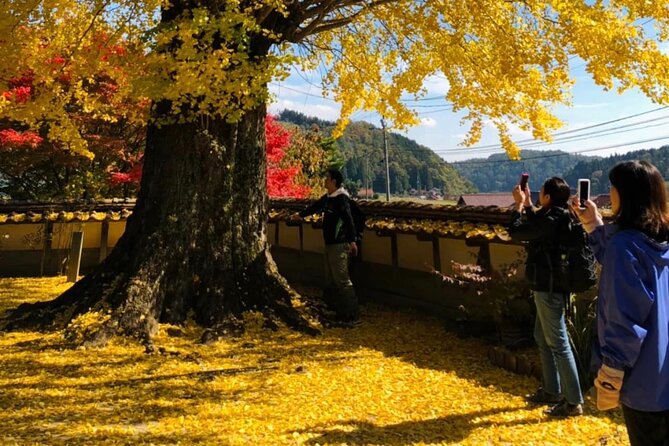
The next stop, Doitaya, is the best part of the tour for seeing how a traditional farming community fits together. The area has older-style houses, rice fields, and streams where wildlife can be found.
Do not expect a staged village display. The appeal is that Doitaya remains a lived-in community. You see the relationship between homes, fields, water, and roads, while your guide explains what you are looking at.
This stop also gives the tour its strongest sense of place. Many short excursions from Hiroshima focus on famous landmarks. Here, the details are smaller: the layout of a rural settlement, the upkeep of farmland, and the way a quiet stream runs through the community.
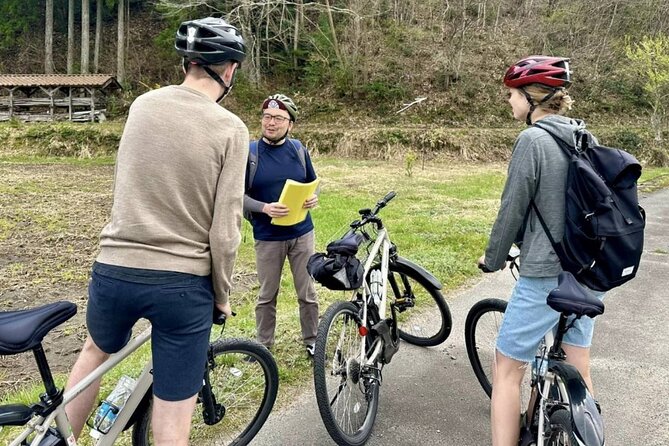
The pace helps. Regular stops mean you are not asked to absorb everything while riding. Jonah, one of the named guides, has earned particular praise for giving clear information and making the day feel personal. His help with the bus schedule and pickup is useful before the ride even begins, while his local explanations add value once you are on the road.
If your idea of a good tour is constant activity, Doitaya may feel quiet. If you want time to observe and ask questions, it is exactly the kind of stop that makes the trip worthwhile.
Aino Sato Herb Garden Adds a Local Lunch
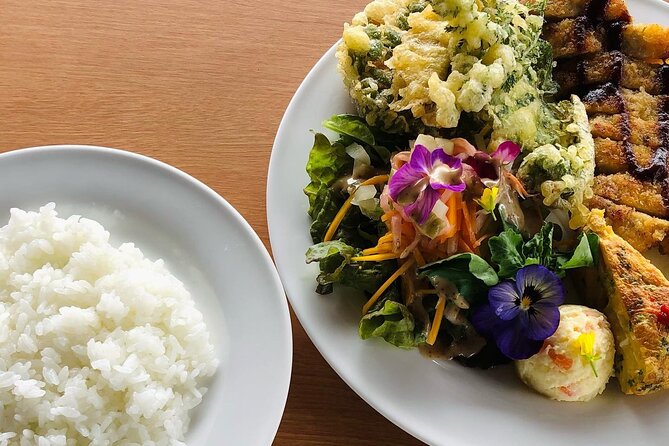
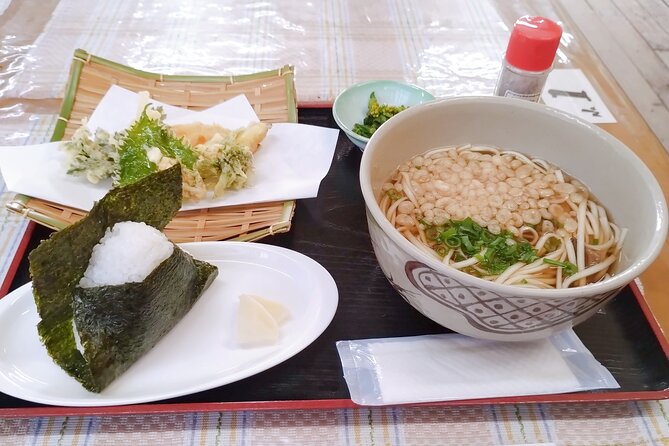
Lunch takes place at Aino Sato Herb Garden, where the restaurant uses locally grown vegetables and edible flowers. The food is not included in the headline tour price, so budget 900 to 1,250 yen per person for this option.
That extra charge is reasonable for a meal, but it should be part of your planning. The $85.39 tour price covers the bicycle, helmet, guide fee, insurance, and access to the route. Once you add the 3,560-yen return bus fare and lunch, your actual spending is higher than the first number suggests.
The herb garden stop gives the day a welcome break from cycling. You can refuel, talk with the guide, and enjoy food tied to the surrounding farms. The use of vegetables and edible flowers also fits the tone of the tour: local, simple, and connected to the place.
Vegan lunch is available if you request it at least three days ahead. That is a useful option, but do not leave it until the morning of the tour. You should also confirm your preferred lunch arrangement when booking, since the seasonal alternative changes the meal and price.
From December through March, the lunch plan may instead be sushi at a farmhouse. That option costs 2,000 yen per person. It gives the winter version of the tour a different character, but it also makes the total cost higher than the herb garden meal.
A completely different kind of day out in Hiroshima:
- Peaceful Hiroshima & Miyajima UNESCO 1 Day Bus Tour
★ 5.0 · 5,309 reviews - Hiroshima: Hiroshima and Miyajima UNESCO Sites 1-Day Tour
★ 4.9 · 2,330 reviews - Hiroshima / Miyajima Full-day Private Tour with Government Licensed Guide
★ 5.0 · 1,298 reviews - Hiroshima Historical Walking Tour – Why A-Bomb was Dropped
★ 4.8 · 893 reviews
Oasa’s Quiet Main Street Tells Another Story
The final stop is Oasa itself. Its main street was once a busy center with more people and shops. Today it is quieter, with older buildings that hint at a period when the town had more commercial activity.
This is not a polished shopping district, and that is part of the appeal. You may find only a handful of shops still open, but the street lets you see how a small Japanese town changes over time. The old buildings are not just scenery. They help explain the town’s past and its present pace.
One of the strongest impressions from the experience is the feeling of meeting a place rather than checking off an attraction. A previous visitor described falling in love with Oasa despite visiting in the rain, and that response makes sense. Oasa’s charm is not dependent on perfect weather or a famous monument.
The rain experience also offers a practical lesson. This activity depends on good weather and may be canceled if conditions are poor. On one wet outing, Jonah brought a poncho for a rider, which shows useful care from the guide. Still, you should not assume rain will be comfortable. Wear suitable clothing and keep the cancellation terms in mind.
The Real Cost Is More Than $85.39
At $85.39 per person, the tour is priced like a guided half-day activity rather than a simple bike rental. That distinction matters. You are paying for a quality electric bike, helmet, guide, insurance, route planning, and a small group that does not exceed eight people.
The extra costs are clear:
- Round-trip highway bus from Hiroshima to Oasa: 3,560 yen
- Herb garden lunch: 900 to 1,250 yen
- Seasonal farmhouse sushi lunch from December to March: 2,000 yen
The bus fare is the biggest addition. Even so, the package can offer fair value if you want rural access without arranging a separate bike rental, route, meal, and transport plan. The guide is especially important here because rural connections and pickup details can be less intuitive than city transit.
I would compare this with the cost of arranging your own transport and bicycle, not with the price of a free walk. The tour gives you a ready-made route and local interpretation, plus the confidence of accident insurance.
Group discounts may be available, which could improve the value for families or friends. However, the 140-centimeter minimum height means younger children may not qualify. You also need to be able to ride a bike without assistance.
Getting There Requires Careful Timing
The meeting point is Oasa I.C. Bus Stop, at 2310 Shinjō, Kitahiroshima, Yamagata District, Hiroshima 731-2103. The activity starts at 10:00 a.m. and ends back at the same point.
The highway bus between Hiroshima and Oasa is not included. The total round-trip fare is listed as 3,560 yen. The tour provider supplies information about the bus schedule and pickup, and clear instructions matter here, so read the booking details closely and allow enough time to reach the stop.
This is one of the few parts of the experience that may feel less convenient than a city-based tour. You cannot simply walk from a central Hiroshima hotel to the bikes. The upside is that the bus takes you toward the rural setting instead of requiring a complicated self-guided plan.
Bring your own water bottle, comfortable cycling clothes, and clothing suited to the forecast. The route has refill points, and a helmet is supplied. Since the activity requires good weather, check for updates before setting out.
Free cancellation is available if you cancel at least 24 hours before the start time. Cancellations inside that window are not refunded, and changes are not accepted then. If poor weather causes the provider to cancel, you can choose another date or receive a full refund.
Who Will Enjoy This Ride Most
I would choose this tour if you have already seen Hiroshima’s main city sights and want something quieter. It suits you if you enjoy small communities, local food, gentle outdoor activity, and a guide who can add context to ordinary places.
The e-bike makes it more accessible than a standard hill ride, but you should not confuse accessible with effortless. You must ride independently and have moderate physical fitness. The 140-centimeter minimum also rules out some young children.
The small group works well for solo riders, couples, and friends who prefer conversation over a large bus excursion. A maximum of eight people leaves more room for questions and makes regular stops easier to manage.
This may not suit you if you want a packed schedule of famous sights, a completely flat ride, or a tour with all costs included. It is also not the best pick if a long bus connection feels like too much work for a half-day activity.
The experience is strongest for people who value atmosphere. Oasa, Doitaya, and Kakeyama are not famous icons, but together they show a side of Hiroshima that most short city visits miss.
Should You Book Hiroshima Country Cycling?
Book it if you want rural Japan with practical support, rather than another stop in central Hiroshima. The electric bike, small group, included equipment, local lunch options, and guide support make the day easy to enjoy once you reach Oasa.
Before paying, calculate the full cost with the 3,560-yen bus fare and your chosen lunch. Request vegan food at least three days ahead, check the weather, and make sure every rider meets the height and cycling requirements.
I would especially recommend it for anyone curious about small-town Japan and willing to trade famous sights for rice fields, old homes, quiet streams, and a slower afternoon. If that sounds like your kind of travel, Oasa is worth the extra bus ride.
FAQ
How long does the Hiroshima country cycling tour last?
The activity lasts approximately four hours. It starts at 10:00 a.m. and ends back at the Oasa I.C. Bus Stop meeting point.
Where does the tour meet?
The meeting point is Oasa I.C. Bus Stop, 2310 Shinjō, Kitahiroshima, Yamagata District, Hiroshima 731-2103, Japan.
Is transportation from Hiroshima included?
No. The highway bus between Hiroshima and Oasa costs 3,560 yen round trip and is paid separately.
Is lunch included in the tour price?
No. Lunch at Aino Sato Herb Garden costs 900 to 1,250 yen per person. From December to March, the meal may be sushi at a farmhouse for 2,000 yen per person.
Can I request a vegan meal?
Yes. Vegan lunch is available if you request it at least three days before the tour.
What physical requirements apply?
You must be at least 140 centimeters tall, able to ride a bicycle independently, and have moderate physical fitness. The tour supplies the bicycle and helmet, including electric bikes that assist on steep hills.
Just added around Hiroshima
- History of Hiroshima Group Walking Tour★ 5.0 · 23 reviews
- Hiroshima and Miyajima 1 Day Cruise Tour★ 5.0 · 24 reviews
- Hiroshima Peace Park & Atomic Bomb Dome Guided Walk★ 4.9 · 24 reviews
- Hiroshima Private Tour with a Local – Highlights & Hidden Gems★ 4.5 · 24 reviews
- Hiroshima & Miyajima: UNESCO A-Bomb Dome & Itsukushima with Local★ 5.0 · 25 reviews
- Calligraphy Workshop at Traditional Folk Craft Shop in Hiroshima★ 5.0 · 26 reviews
- Hiroshima Peace Park & A-Bomb Dome Private Walking Tour (4 Hours)★ 5.0 · 26 reviews
- Hiroshima History Tour : A-Bomb Dome, Peace Memorial & City★ 5.0 · 26 reviews
Cycling Tours, compared.
3h Tokyo E-Bike Tour: Hidden Gems, and Local Life with guide
Read our review →
Arashiyama Bamboo Forest & Hidden Gems Bike Tour (Early Bird)
Read our review →
Hiroshima in a Nutshell: Morning Bike Adventure
Read our review →Browse the lists this tour appears in