
Reviewed · MIYAJIMA ISLAND TOURS
Hiroshima & Miyajima: UNESCO A-Bomb Dome & Itsukushima with Local
History here asks for your full attention. This private seven-hour tour links Miyajima’s sacred sites with Hiroshima’s Peace Memorial Park, using public transportation and a local guide to put both places into human context. I like the flexible pace and the chance to shape the day around your interests. I also like that pickup is offered from a Hiroshima hotel or train station. The main consideration is stamina: this is a long walking day, and transportation and lunch cost extra.
The tour works especially well if you want more than quick photographs of the floating torii gate. Guides including Yuka, Masa, Massa, and Ally have been praised for clear English, thoughtful explanations, and adjusting the pace to the group. The personal family stories connected to Hiroshima can add meaning that a standard sightseeing route often misses, but the emotional weight of the Peace Museum may be difficult for some people.
In This Review
- Six things to know before you book
- Why this private Hiroshima tour feels different
- Miyajima: a sacred island before the city
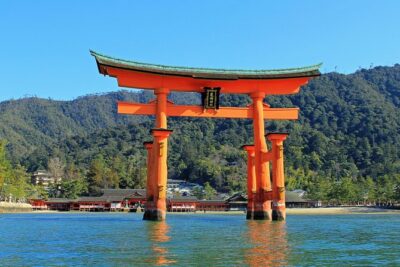
- Itsukushima Shrine and the famous floating torii
- Daishoin Temple shows another side of Miyajima
- Senjokaku and the quiet wooden hall
- Omotesando Street: oysters, eel, and momiji manju
- Crossing back to Hiroshima by public transportation
- The Atomic Bomb Dome puts history in plain view
- The hypocenter monument makes the scale personal
- Peace Memorial Park and the one-hour museum visit
- Sadako and the Children’s Peace Monument
- The guide makes or breaks the day
- Walking, weather, and the real cost
- Who should book this Hiroshima experience?
- Should you book it?
- FAQ
- How long does the Hiroshima and Miyajima tour last?
- Where does pickup take place?
- Is transportation included in the tour price?
- Are entrance fees included?
- Can the order of Miyajima and Peace Memorial Park change?
- Is lunch included?
Six things to know before you book
- Miyajima comes first for most groups: Begin with Itsukushima Shrine, Daishoin Temple, Senjokaku, the shopping street, and the famous torii gate.
- The tide matters: The torii gate appears to float at high tide, so ask about timing before your visit.
- You travel like a local: The tour mainly uses ferries, JR, trains, and walking rather than a private vehicle.
- Hiroshima’s history is treated seriously: The route includes the Atomic Bomb Dome, the hypocenter monument, Peace Memorial Park, and the Peace Memorial Museum.
- The private format has real value: You can ask questions, slow down, skip a stop, or focus more on temples, food, or wartime history.
- Budget for extras: The tour price is $181.19 per person, but basic public transportation is about ¥1,340 to ¥1,380 per person, and lunch is not included.
Why this private Hiroshima tour feels different
A large group tour can show you the sights. This experience is built to help you understand them.
The day begins with pickup on foot from your Hiroshima hotel or train station. From there, your guide helps you move through the city and across to Miyajima by public transportation. That means you do not simply watch Hiroshima pass from a private bus window. You deal with the same ferries and trains that local people use, with someone beside you to help keep the day moving.
The private setup is the biggest advantage. You can ask why a shrine was built where it was, how the city rebuilt after 1945, or what local families remember about the bombing. You can also tell your guide when you need a slower pace. One guide, Massa, was especially praised for helping with tickets, adjusting the walking speed, and keeping the group on schedule without making the day feel hurried.
The tour is priced at $181.19 per person. That is not a bargain for a walking tour, especially once you add transport and food. Still, the price can make sense for a small group that wants a private guide for seven hours, entrance to Itsukushima Shrine and the Peace Memorial Museum, pickup, photos, and advance planning help. If you are traveling alone, the cost is harder to justify. For a couple or family, the personal attention may be worth more than a cheaper large-group excursion.
More Miyajima island trips:
- Peaceful Hiroshima & Miyajima UNESCO 1 Day Bus Tour
★ 5.0 · 5,309 reviews - Hiroshima: Hiroshima and Miyajima UNESCO Sites 1-Day Tour
★ 4.9 · 2,330 reviews - Hiroshima / Miyajima Full-day Private Tour with Government Licensed Guide
★ 5.0 · 1,298 reviews
Miyajima: a sacred island before the city
Miyajima, officially known as Itsukushima, has long been treated as a sacred island. The name means island of worship, and the mix of Shinto and Buddhist sites gives the visit more depth than a single famous gate suggests.
The island is reached by ferry or another public transport connection. The crossing is part of the experience, but it also takes time. The return trip toward Hiroshima can take about an hour by ferry, JR, or train. A direct boat to Peace Memorial Park is available as an option and takes about 45 minutes, though it costs extra.
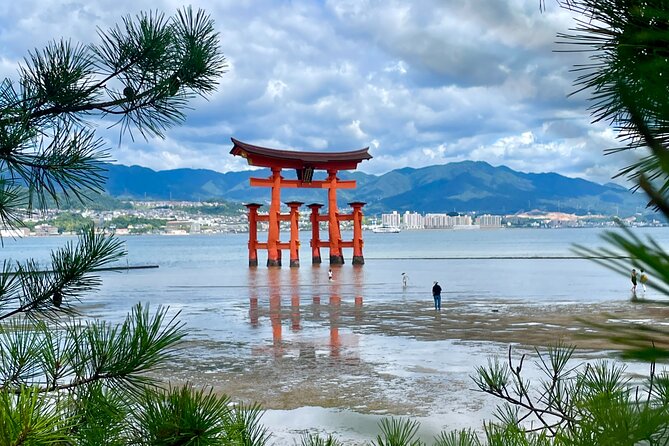
The guide can change the order of Miyajima and Peace Park. That flexibility matters because the torii gate’s appearance depends on the tide. At high tide, water surrounds the gate and creates the classic floating effect. At low tide, you may be able to see the muddy shoreline around it. Neither view is wrong, but they feel very different.
Itsukushima Shrine and the famous floating torii
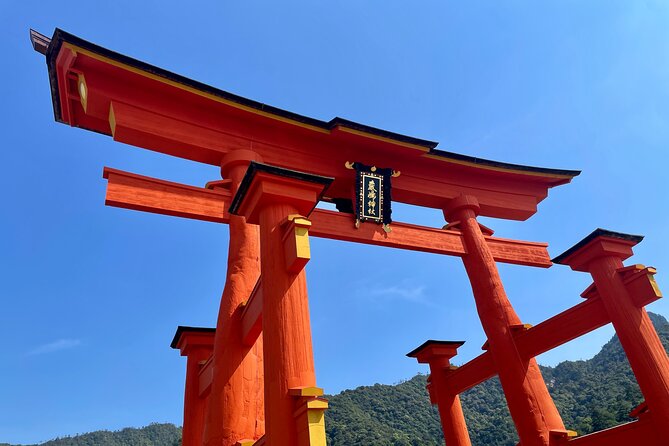
Itsukushima Shrine is the island’s best-known sight and a UNESCO World Heritage Site. The shrine is also recognized as a Japanese national treasure, with buildings set beside the water to create the impression that the complex floats with the tide.
The visit to the shrine is included in the tour price. Your guide can explain how the shrine relates to the island’s sacred status instead of leaving you with only a few photographs and a quick explanation. Allow about 20 minutes for the shrine portion, though the private format may allow some adjustment.
The torii gate itself is a separate short stop of about 15 minutes. It is an excellent place to ask about tide times and take photographs, but do not expect the gate to look identical in every weather condition. The tour requires good weather, and the order may be changed to improve your chances of seeing the gate in a favorable setting.
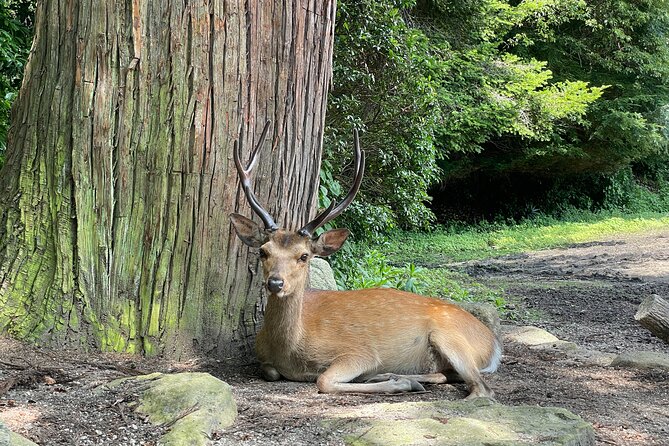
Miyajima is also known for deer that roam around the island. You may find them near the main sightseeing areas, adding a light, slightly comic touch to a place with serious religious meaning. Keep your attention on the buildings and scenery too. The deer are not the reason to come.
Daishoin Temple shows another side of Miyajima
Many first-time visitors focus almost entirely on Itsukushima Shrine. Daishoin Temple helps correct that imbalance.
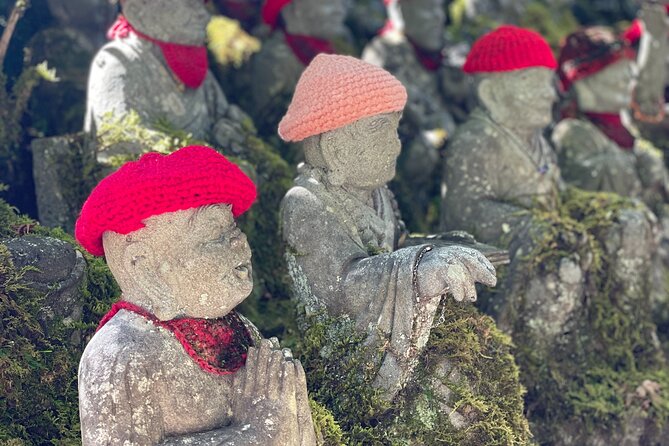
This is described as Miyajima’s oldest temple, with more than 1,200 years of history. The stop lasts around 40 minutes, giving you time to look at its distinctive details and religious objects. The temple is Buddhist, while Itsukushima Shrine is Shinto, so seeing both in one morning helps you understand the island’s layered spiritual traditions.
The temple is also a good reason to choose a private guide. You can ask questions as you move through the grounds, rather than trying to absorb every detail from a printed sign. The route may include steps and uneven surfaces, so this portion adds to the walking demand.
A few more Hiroshima experiences worth weighing up
- Hiroshima Historical Walking Tour – Why A-Bomb was Dropped
★ 4.8 · 893 reviews - Hiroshima Peace (Heiwa) Walking Tour at World Heritage Sites
★ 5.0 · 872 reviews - Hiroshima in a Nutshell: Morning Bike Adventure
★ 5.0 · 524 reviews - Hiroshima City 4hr Private Walking Tour with Licensed Guide
★ 5.0 · 437 reviews
Senjokaku and the quiet wooden hall
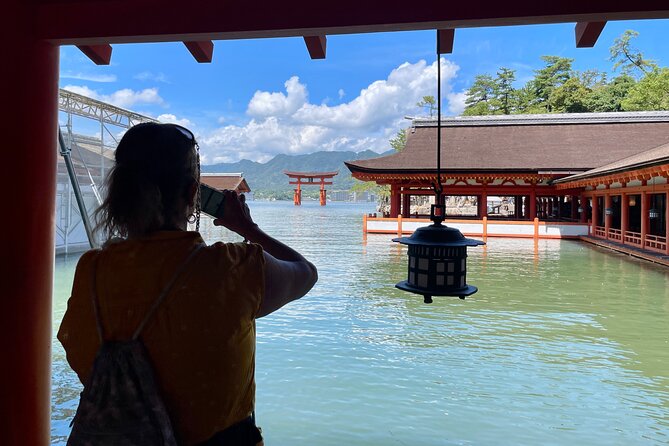
Senjokaku is part of the Itsukushima shrine complex and dates to the 16th century. It was ordered by Toyotomi Hideyoshi and is known for its large, open halls and wall-less spaces.
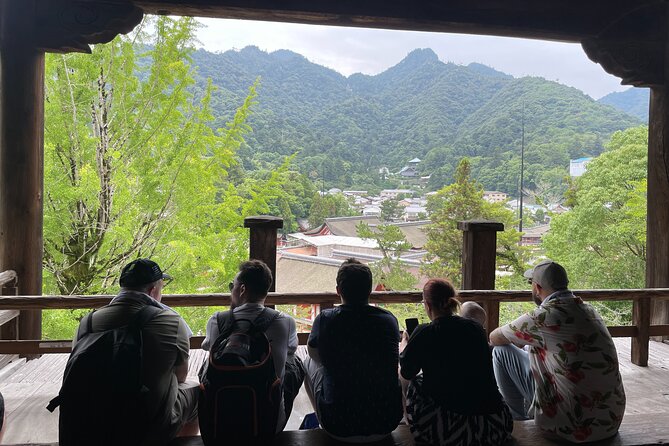
The building offers a pause from the more crowded sightseeing areas. Its broad wooden interior is simple and calm, with space to look out across the surroundings. The admission charge is not included, so confirm the current fee with your guide or at the entrance.
This stop is brief, about 15 minutes, but it gives the day a useful change of pace. You are not moving from one famous object to another without stopping. You get a chance to sit with the scale and quiet of traditional Japanese architecture.
Omotesando Street: oysters, eel, and momiji manju
Miyajima Omotesando Shopping Street is the practical food and souvenir stop. You can find local oysters, conger eel rice, momiji manju, and other small gifts.
Lunch is not included, so this is where you can buy food according to your appetite and budget. The tour allows about an hour here, which is helpful if you want to eat instead of simply passing through. Ask your guide how much time is available before ordering, since the group still needs to reach Hiroshima’s Peace Memorial area.
Momiji manju, a maple-leaf-shaped sweet, is one of the island’s familiar treats. Oysters and eel offer more substantial choices. Food options are not the focus of the tour, but the street gives you a chance to sample local specialties without adding a separate restaurant reservation.
The shopping street can feel crowded, especially at busy times. If you prefer temples and quiet views, tell your guide. The private format means you may be able to shorten the shopping stop and spend more time elsewhere.
Crossing back to Hiroshima by public transportation
The return from Miyajima is not a hidden extra. It is a real part of the day and should be included in your planning.
The standard transport cost is listed at about ¥1,340 per person, with another estimate of ¥1,380 for basic transportation. JR Pass users may pay as little as ¥0 to ¥270, depending on the route and pass conditions. Direct boats are quicker in some cases but can cost around ¥4,500, while taxis and other private options range from roughly ¥2,300 to ¥8,000 one way.
The guide handles the route, but you pay these costs yourself. This arrangement keeps the tour flexible and avoids the higher cost of private transport. It also means you should carry enough Japanese yen or have a reliable way to pay transport fares.
The Atomic Bomb Dome puts history in plain view
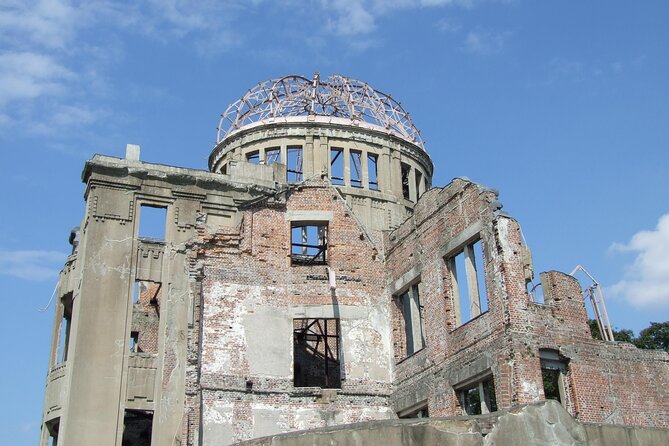
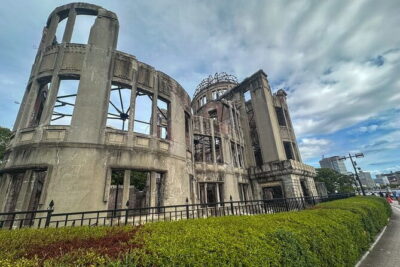
The Atomic Bomb Dome is a UNESCO World Heritage Site and one of Hiroshima’s most recognizable structures. The ruined building remains near the area where the atomic bomb caused enormous destruction, and its damaged frame communicates the force of the event more directly than a photograph can.
The stop is scheduled for about 15 minutes. That is enough to view the exterior and hear the basic explanation, but you may want more time for photographs or quiet reflection. Your guide can connect the building to the wider story of the city’s destruction and reconstruction.
This is not a cheerful sightseeing stop, nor should it be. The value comes from seeing a physical reminder before entering the memorial grounds and museum.
The hypocenter monument makes the scale personal
The hypocenter monument marks the location above which the atomic bomb exploded. The bomb detonated about 600 meters above a hospital at this point.
The stop lasts around 15 minutes, but its effect can last much longer. The location is more than a general memorial to the city. It identifies the point where the blast began, which makes the geography of Hiroshima easier to grasp.
A guide can help you understand the relationship between this point, the Dome, the park, and the museum. That connection matters because the sites are not isolated attractions. Together, they show the event, its human cost, and the city’s effort to remember it.
Peace Memorial Park and the one-hour museum visit
Peace Memorial Park brings many monuments together in a setting devoted to memory and peace. The scheduled visit is about 20 minutes, followed by roughly an hour inside the Hiroshima Peace Memorial Museum.
Museum admission is included. The displays contain photographs and documents and describe the effects of radiation exposure. Some exhibits are upsetting and direct. You should not plan this portion as casual sightseeing.
The guide’s role can be particularly useful here. Masa was praised for offering thought-provoking explanations about why the bomb was dropped and for describing the effects of the bombing. That kind of discussion can help you place the museum’s objects within a larger story, though you should still allow the exhibits to speak for themselves.
One hour is enough for an introduction, not a complete study of every display. If you want a very detailed museum visit, ask during the advance customization conversation if more time can be arranged. The seven-hour schedule has many moving parts, so a longer museum stay may require reducing Miyajima time.
Sadako and the Children’s Peace Monument
The Children’s Peace Monument is connected with Sadako Sasaki, the girl whose story became linked to the thousands of origami cranes displayed at the memorial.
The visit lasts about 10 minutes. It is a short stop, but it brings the effects of the bombing into the life of one child rather than leaving the subject at the level of dates and military decisions. You can see the cranes and consider why this story has become important to Hiroshima’s peace message.
This is one reason the tour suits families with older children, provided they are ready for difficult subject matter. The guide can explain the story in an age-appropriate way, but the museum and memorials remain emotionally serious.
The guide makes or breaks the day
The strongest part of this experience is the person leading it. Yuka has been praised for engaging conversation, strong English, and a willingness to answer questions. She has also guided honeymooners and helped make a full seven-hour day feel quick without rushing the group.
Masa has been praised for guiding the Peace Memorial Museum and explaining both the decision to use the bomb and its effects. Massa helped with station pickup and ticket purchases, then adjusted the pace while keeping the key stops in view. Ally has been praised for discussing both Miyajima’s Shinto shrine and its Buddhist temples.
Because this is a private tour, your guide’s style matters even more than it would on a large group outing. Use the advance customization consultation well. Tell the provider if you care most about religious sites, wartime history, food, photography, shopping, or a slower walking day.
Walking, weather, and the real cost
This is a walking tour that uses public transportation. Most people can participate, but it is not recommended if you cannot walk long distances. You will move through stations, ferry areas, shrine grounds, temple grounds, shopping streets, parks, and museum spaces.
Wear comfortable shoes and keep your schedule realistic. The seven-hour duration includes transport, so the day covers a lot of ground. You should also expect to pay for lunch, basic transport, and any optional direct boat or taxi.
The tour requires good weather. If poor weather causes cancellation, you are offered another date or a full refund. For any other cancellation, you need to cancel at least 24 hours before the start time to receive a full refund.
Who should book this Hiroshima experience?
I would choose this tour if you want a private day with a local guide and prefer conversation over a fixed script. It is especially suitable for couples, families, and small groups who want to adjust the pace or ask detailed questions.
It also suits first-time visitors who find Hiroshima’s history difficult to organize on their own. Miyajima and the Peace Memorial sites are both major stops, but they call for different moods. A guide can help you move between them without losing the thread.
I would think twice if you want a cheap, relaxed day with plenty of free time. The price is significant, transport is extra, lunch is extra, and the schedule is active. I would also avoid it if long walks are a problem or if you want to spend several hours in the museum alone.
Should you book it?
Book this tour if you value a private, adaptable guide and want Miyajima’s temples and shrine explained alongside Hiroshima’s memorial sites. The strongest reasons are the local perspective, included museum and shrine admission, hotel or station pickup, and the ability to change the order around the tide.
Skip it if you are comfortable arranging trains and ferries yourself and prefer to set your own pace. For everyone else, the $181.19 price can be fair for a full day of personal guidance, as long as you add transport and food to the budget and prepare for an emotionally demanding visit.
FAQ
How long does the Hiroshima and Miyajima tour last?
The tour lasts approximately seven hours, including sightseeing, walking, and public transportation between Miyajima and Hiroshima.
Where does pickup take place?
Pickup is offered on foot from a hotel or train station in Hiroshima City.
Is transportation included in the tour price?
No. Basic public transportation costs about ¥1,340 to ¥1,380 per person. Optional direct boats, taxis, or other private transport cost extra.
Are entrance fees included?
Admission to Itsukushima Shrine and the Hiroshima Peace Memorial Museum is included. The admission fee for Senjokaku is not included.
Can the order of Miyajima and Peace Memorial Park change?
Yes. The order can be changed, including to help you see the floating torii gate according to the tide.
Is lunch included?
No. Food and drinks are not included, so you need to budget separately for lunch and any snacks.
Just added around Hiroshima
- Hiroshima Country Cycling: Explore Rural Life 1 HR from City★ 5.0 · 22 reviews
- History of Hiroshima Group Walking Tour★ 5.0 · 23 reviews
- Hiroshima and Miyajima 1 Day Cruise Tour★ 5.0 · 24 reviews
- Hiroshima Peace Park & Atomic Bomb Dome Guided Walk★ 4.9 · 24 reviews
- Hiroshima Private Tour with a Local – Highlights & Hidden Gems★ 4.5 · 24 reviews
- Calligraphy Workshop at Traditional Folk Craft Shop in Hiroshima★ 5.0 · 26 reviews
- Hiroshima Peace Park & A-Bomb Dome Private Walking Tour (4 Hours)★ 5.0 · 26 reviews
- Hiroshima History Tour : A-Bomb Dome, Peace Memorial & City★ 5.0 · 26 reviews
Miyajima Island Tours, compared.
Peaceful Hiroshima & Miyajima UNESCO 1 Day Bus Tour
Read our review →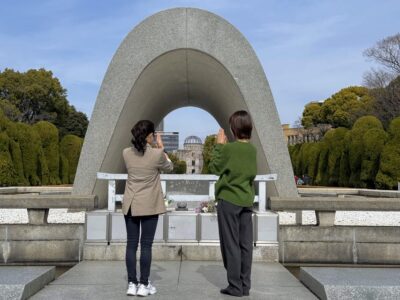
Hiroshima and Miyajima UNESCO Sites 1-Day Tour
Read our review →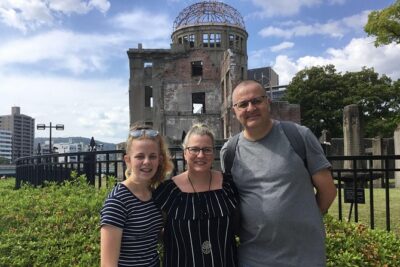
Hiroshima / Miyajima Full-day Private Tour with Government Licensed Guide
Read our review →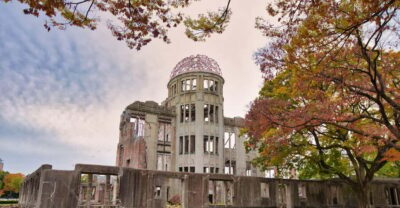
Osaka/Kyoto: Hiroshima Miyajima Bus Tour & Shinkansen Ticket
Read our review →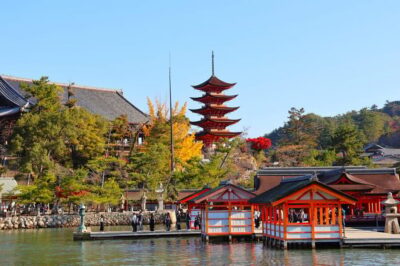
Hiroshima and Miyajima Day Trip with Itsukushima Shrine & Ferry
Read our review →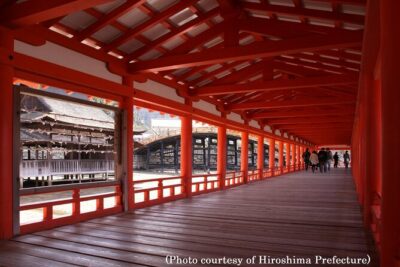
Full Day Hiroshima and Miyajima Bus Tour from Hiroshima
Read our review →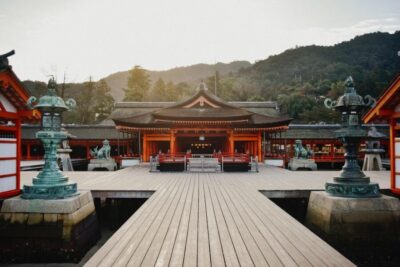
Miyajima Peace Memorial Icons of Peace and Beauty
Read our review →Browse the lists this tour appears in