
Reviewed · MIYAJIMA ISLAND TOURS
Hiroshima & Miyajima 1 Day Bus Tour with Bullet Train Tickets
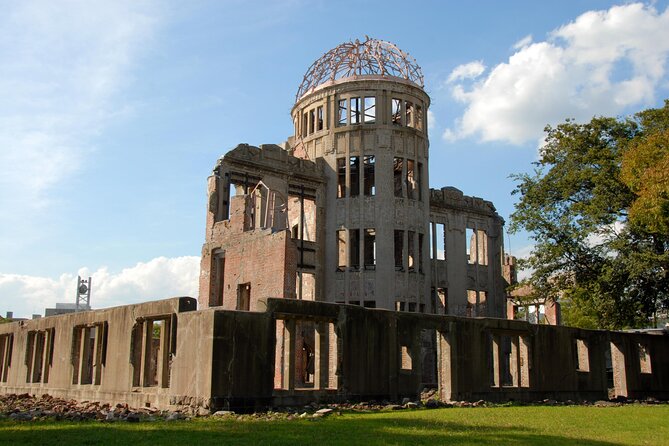
One long day covers two very different Japans. This Hiroshima and Miyajima tour pairs the solemn Atomic Bomb Dome and Peace Memorial Museum with Itsukushima Shrine, island deer, ferry views, and an authentic okonomiyaki lunch. I especially like the prearranged Shinkansen tickets and the fact that entrance fees, local transport, ferry travel, and lunch are bundled together. The main drawback is the pace: the day lasts about 12 hours, and both Hiroshima and Miyajima receive only a short window.
The logistics are handled well, with station staff helping you find the right train and a guide meeting you in Hiroshima. Guides including Joe, Kane, Hiro, Tom, Miyuki, and Takane have been praised for clear explanations and kind, well-organized leadership. Still, you should expect a large group, plenty of walking, and limited time inside the museum and on the island.
In This Review
- Key points before you book
- Why this day trip makes sense from Osaka
- The Shinkansen start from Osaka, Kyoto, or Fukuoka
- Atomic Bomb Dome: a brief but powerful first stop
- Peace Memorial Museum: important, crowded, and time-limited
- Hiroshima-style okonomiyaki gives the day a local pause
- The ferry to Miyajima and its Great Torii view
- Itsukushima Shrine in a one-hour visit
- Omotesando Shopping Street: one hour to explore and snack
- What the guides add to the day
- Walking, weather, and the pace you should expect
- Who should book this Hiroshima and Miyajima tour?
- Is $270.88 good value?
- Should you book it?
- FAQ
- Where does the tour depart from?
- How long is the tour?
- Are the Shinkansen tickets included?
- Is lunch included?
- What happens if the Peace Memorial Museum is closed?
- Are ferry and attraction fees included?
- Can I cancel for a refund?
Key points before you book
- Shinkansen travel does the heavy lifting: Round-trip bullet train tickets are included from Osaka, Kyoto, or Fukuoka, saving you the hardest part of planning.
- The day balances sorrow and beauty: Hiroshima’s memorial sites fill the morning, while Miyajima offers shrines, sea views, deer, shopping, and local snacks later.
- Lunch is a real Hiroshima specialty: You receive Hiroshima-style okonomiyaki with pork, cabbage, bean sprouts, fish powder, noodles, and eggs, with three set dietary choices.
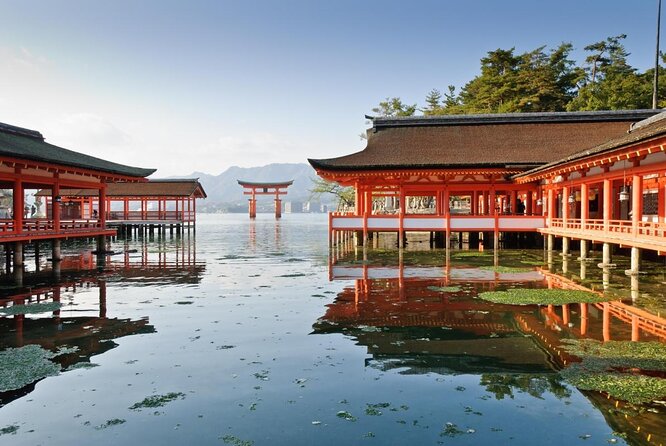
- Itsukushima Shrine is approached by the scenic ferry route: The ferry is selected to give you close views of the famous Great Torii from the water.
- The schedule is efficient but tight: The Atomic Bomb Dome gets 30 minutes, the museum 60 minutes, and Miyajima receives about two hours split between the shrine and shopping street.
- This suits organized, active visitors: It is a good fit if you want the major sights without arranging several trains, buses, tickets, and ferry connections yourself.
Why this day trip makes sense from Osaka
Hiroshima is a long way from Osaka for a casual outing, but the Shinkansen changes the calculation. The train gets you across the country quickly, and the tour staff takes care of the handoff between the station, local bus, ferry, and return train.
You meet at Shin-Osaka Station at 8:18 a.m. The meeting point is at the Central Gate on the third floor. A staff member provides your train ticket and helps you board, but the assistant does not accompany you all the way to Hiroshima. That detail matters. You need to follow the instructions, keep your ticket safe, and meet the guide at Hiroshima Station.
At Hiroshima, meet at the Shinkansen gate on the second floor, North Exit. From there, you join the air-conditioned tour bus. The bus is a practical choice because the day covers several places, and reviews specifically praise the comfortable ride and helpful cooling on hot days.
The return train listed for the Osaka route leaves Hiroshima at 6:43 p.m. and reaches Shin-Osaka at 8:04 p.m. The Kyoto service arrives at 8:19 p.m., while the Fukuoka option reaches Hakata at 7:59 p.m. In other words, this is a full day from breakfast to evening. Do not schedule a dinner reservation too tightly after returning.
More Bus Tours in Osaka
- Osaka/Kyoto: Hiroshima Miyajima Bus Tour & Shinkansen Ticket
★ 4.7 · 919 reviews - From Kyoto/Osaka: Kyoto Top Highlights 1-Day Guided Bus Tour
★ 4.5 · 714 reviews - From Osaka or Kyoto: Kyoto and Nara 1-Day Bus Tour
★ 3.5 · 141 reviews
The Shinkansen start from Osaka, Kyoto, or Fukuoka
The tour is offered from three cities, with slightly different meeting arrangements.
From Kyoto, you meet at Kyoto Station’s Shinkansen Central Gate on the second floor at 8:03 a.m. From Fukuoka, the meeting point is at Hakata Station’s Chikushi Gate, in front of three mailboxes, at 8:23 a.m. The onward meeting process in Hiroshima is the same.
The bullet train is more than a pleasant extra here. One direct comment put the round-trip train cost at roughly $150, which helps explain the $270.88 tour price. The remaining amount covers the guide, bus, ferry, lunch, and admission to Itsukushima Shrine and the Hiroshima Peace Memorial Museum.
At that price, the tour is not a bargain in the simple sense. You can always try to arrange the journey yourself. But you would need to coordinate long-distance rail tickets, Hiroshima transport, the ferry, shrine admission, museum admission, lunch, and a return train that fits the day. I see the fee as reasonable for anyone who values time and wants a managed day rather than a rail-planning project.
Atomic Bomb Dome: a brief but powerful first stop
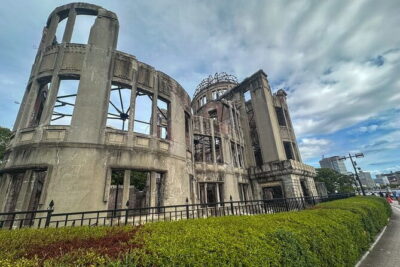
The first Hiroshima stop is the Atomic Bomb Dome, with about 30 minutes to see the building and surrounding area. The structure is a stark reminder of the 1945 atomic bombing, and the setting gives you an immediate sense of how close the memorial sites are to one another.
Thirty minutes is enough for photographs, a short explanation, and quiet reflection. It is not enough for a slow examination of every angle or a long walk through the wider Peace Memorial Park. Your guide will likely gather the group at a set point, so listen carefully before wandering off.
This is an emotionally serious morning. The tour does not treat the site as just another sightseeing stop, and guides such as Kane, Tom, Joe, and Hiro have been praised for explaining the subject with care. The best approach is to allow the place some silence. You will get more from it if you resist trying to rush through with a camera in hand.
Peace Memorial Museum: important, crowded, and time-limited
The Hiroshima Peace Memorial Museum follows the Atomic Bomb Dome. Admission is included, and you have about 60 minutes inside. The museum provides personal accounts, objects, and explanations about the bombing and its aftermath. It is a necessary visit for understanding Hiroshima, but it is also emotionally demanding.
The time limit is the clearest weakness of this portion. The museum can be crowded, and the layout may make an hour feel short. You probably will not read every display carefully. Instead, focus on the sections that speak most strongly to you, then use the remaining time for the displays you do not want to miss.
If the museum is closed, the replacement is the Hiroshima National Peace Memorial Hall for the Atomic Bomb Victims. The museum is closed December 30 to 31 and February 16 to 21, so check your date before booking if this stop is central to your plans.
A useful detail: the tour provides earphone guides. Handle them carefully and return them at the end, as loss or damage can lead to a replacement charge of up to 18,000 yen. That is an unusually high fee for a small device, so keep yours around your neck or in your hand.
More Miyajima island trips:
- Full Day Hiroshima and Miyajima Tour by Bullet Train from Osaka
★ 4.5 · 117 reviews - From Osaka: Hiroshima and Miyajima Day Trip by Bullet Train
★ 4.6 · 83 reviews - Peaceful Hiroshima & Miyajima UNESCO 1 Day Bus Tour
★ 5.0 · 5,309 reviews - Hiroshima: Hiroshima and Miyajima UNESCO Sites 1-Day Tour
★ 4.9 · 2,330 reviews
Hiroshima-style okonomiyaki gives the day a local pause
Lunch includes Hiroshima-style okonomiyaki, a layered savory pancake that usually combines pork, cabbage, bean sprouts, fish powder, noodles, and eggs. It is a fitting meal because it is strongly tied to Hiroshima’s food culture, and it gives you something more distinctive than a standard restaurant lunch.
The set choices are:
- Regular okonomiyaki
- No pork with eggs
- No pork, no fish powder, and no eggs
You must report allergies or dietary restrictions when booking. Changes cannot be made on the day, and you cannot bring your own food or drinks into the restaurant. The meal has been praised for being tasty, and some people arriving uncertain about the dish were glad they tried it.
The menu is not fully flexible, so read the choices closely. Vegetarians and people avoiding fish should not assume that the regular version can be altered at the table. Choose the correct option in advance.
The ferry to Miyajima and its Great Torii view
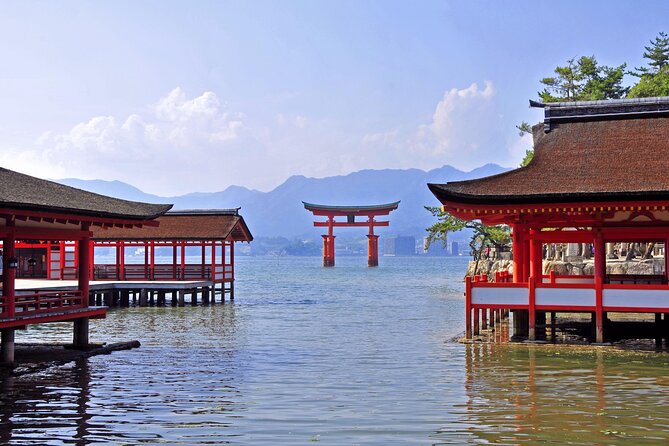
After Hiroshima, the bus takes you to Miyajimaguchi. From there, the included ferry carries you to Miyajima using the Great Torii Ferry Route, selected to bring you especially close to the gate from the sea.
This short crossing is one of the most photogenic parts of the day. The Great Torii is the symbol of Miyajima, and seeing it from the water gives you a better sense of its famous floating appearance. Conditions and tide levels affect how it looks, so do not expect exactly the same view in every season or at every hour.
The ferry also creates a pleasant change in mood. The morning is devoted to memorial sites and difficult stories. The crossing opens the afternoon to sea air, island scenery, shrines, shops, and deer. That contrast is one of the tour’s strongest features.
Itsukushima Shrine in a one-hour visit
At Miyajima, you have about 60 minutes at Itsukushima Shrine. The shrine is known for its setting over the water and its connection to the Great Torii. Admission is included, so you do not need to queue up and buy a separate ticket.
One hour lets you walk through the main shrine area, take photographs, and hear an explanation from the guide. It does not leave time for a slow visit to every corner of Miyajima, a long stop at another temple, or a mountain hike. Keep your expectations realistic.
The island’s deer are part of the experience, though they are not always as pushy as the deer in Nara. They may still try to eat anything you carry. Keep food and loose paper tucked away, especially near the shopping streets.
The shrine can be especially lovely in changing weather. Rain does not remove its appeal, though it can make walking less comfortable. Bring suitable footwear and be ready for outdoor time.
Omotesando Shopping Street: one hour to explore and snack
The final scheduled stop is Omotesando Shopping Street, with about 60 minutes of free time. This is your chance to browse souvenir shops, look for island snacks, and enjoy Miyajima without following a continuous explanation from the guide.
The hour goes quickly. If you want food beyond lunch, use this time efficiently. Miyajima is known for plenty of things to eat, including oysters in grilled and fried forms, according to the experience shared by one visitor. The tour price covers lunch, but not extra food or drinks.
You may also want to buy a small souvenir or simply enjoy the streets near the shrine. The key is to note the meeting time and location before setting off. Large groups cannot wait long for late arrivals, and several people have pointed out that the schedule depends on everyone returning promptly.
What the guides add to the day
A good guide matters most in Hiroshima. The places are meaningful, but the context helps you understand what you are seeing. Guides named Joe, Kane, Hiro, Tom, Miyuki, and Takane have been praised for clear English, warmth, patience, and strong time management.
Tom received particular praise for looking after the group in hot weather, including encouraging water breaks and finding shade. Miyuki was noted for pacing the day well, while Kane was praised for keeping the group together and explaining Hiroshima from a local point of view.
Guide quality can vary slightly from one departure to another. One person found a guide difficult to understand and felt the explanations stayed at a basic level. That is worth keeping in mind if you want a specialist lecture. This is a practical sightseeing tour with historical explanation, not a private academic seminar.
The group size also affects the experience. Large groups can slow down when someone is late, and you will need patience at meeting points. The strongest guides keep things moving, but the schedule remains dependent on group discipline.
Walking, weather, and the pace you should expect
This tour is not hard in the technical sense, but it includes a lot of walking. You move around the memorial area, enter the museum, board and leave the bus, cross by ferry, walk around the shrine, and explore Omotesando. It is not recommended for anyone who has difficulty walking for long periods.
The day can also be hot. Wear comfortable shoes, carry water, and use shade when available. The bus is air-conditioned, but much of the interesting part of Hiroshima and Miyajima takes place outdoors.
Toilet breaks and free time are limited because the schedule is packed. The reward is coverage. You see the major Hiroshima memorial sights and the main Miyajima highlights in one day. The cost is a slower, more relaxed visit.
Luggage can be stored in the bus luggage compartment during the tour, which is useful if you are moving between hotels or cities. Keep valuables and essential items with you rather than in stored luggage.
Who should book this Hiroshima and Miyajima tour?
I would recommend it most strongly if you are based in Osaka, Kyoto, or Fukuoka and have only one day available for Hiroshima. It is also a good fit if rail connections make you nervous, if you want English guidance, or if you prefer having admission and local transport arranged ahead of time.
Families with older children and teenagers can get a lot from the day. One family found that a teenager appreciated both the historical sites and Miyajima. The emotional subject matter may not suit very young children, but the balance of museum, food, ferry, shrine, and shopping gives the day some variety.
You may want another plan if you are a slow museum visitor, a keen photographer, or someone who wants to hike and explore Miyajima beyond the main shrine area. You will feel hurried at times. An overnight stay in Hiroshima or Miyajima would give you more freedom and quieter hours.
Is $270.88 good value?
The price is high for a day trip, but the included Shinkansen tickets change the equation. You are not paying only for a bus excursion. You are paying for fast intercity transport, a local coach, a ferry, two admission fees, lunch, an English-speaking guide, and help at complicated stations.
The tour also removes several chances to make an expensive mistake. A missed train, wrong station exit, or poorly timed return ticket could create trouble on a day with little spare time. For a first visit to Japan, that practical support can be worth a great deal.
The value is weaker if you are comfortable arranging transport yourself and want full control over how long you stay at the museum or shrine. In that case, independent travel may suit you better. If convenience is your priority, the price is defensible.
Should you book it?
Book this tour if you want the essential Hiroshima and Miyajima experience from Osaka, Kyoto, or Fukuoka in one carefully organized day. The strongest reasons are the included bullet train, thoughtful guide support, authentic okonomiyaki, Great Torii ferry view, and useful mix of memorial sites and island scenery.
Skip it if you dislike early starts, fixed schedules, large groups, or short museum visits. For everyone else, this is a long but worthwhile day that handles the difficult logistics and leaves you with both a serious understanding of Hiroshima and a beautiful afternoon on Miyajima.
Free cancellation is available up to 24 hours before the start time for a full refund. The tour may be canceled for poor weather or if its minimum number is not reached, in which case you are offered another date, another experience, or a full refund.
FAQ
Where does the tour depart from?
You can depart from Shin-Osaka Station, Kyoto Station, or Hakata Station, depending on the option you book.
How long is the tour?
The experience lasts approximately 12 hours. Osaka departures begin at 8:18 a.m. and return to Shin-Osaka at about 8:04 p.m.
Are the Shinkansen tickets included?
Yes. Round-trip Shinkansen tickets are included from Osaka, Kyoto, or Fukuoka.
Is lunch included?
Yes. Lunch is Hiroshima-style okonomiyaki, with regular, no-pork with eggs, and no-pork, no-fish-powder, and no-eggs choices.
What happens if the Peace Memorial Museum is closed?
The tour visits the Hiroshima National Peace Memorial Hall for the Atomic Bomb Victims instead. The museum is closed December 30 to 31 and February 16 to 21.
Are ferry and attraction fees included?
Yes. The tour includes the Miyajima ferry, Itsukushima Shrine admission, and Hiroshima Peace Memorial Museum admission.
Can I cancel for a refund?
You can cancel at least 24 hours before the experience start time for a full refund. Cancellations and changes made less than 24 hours before the start time are not accepted.
More Train Experiences
- Sagano Romantic Train & Arashiyama, Kiyomizudera, Fushimi Inari Taisha Day Tour
★ 4.5 · 171 reviews - Mt Fuji and Hakone 1-Day Bus Tour Return by Bullet Train
★ 5.0 · 26,383 reviews - Mt Fuji & Hakone Cruise, Drum Show Bullet Train 1 Day from Tokyo
★ 4.0 · 7,413 reviews - Tokyo Mt Fuji 5th St & Hakone Cruise Bus Tour w/Bullet Train
★ 4.4 · 5,024 reviews
Just added around Osaka
- Osaka Food Tour with 10 Classic Japanese Tastings & Drinks★ 5.0 · 38 reviews
- Osaka: Highlights & Hidden Gems Private Walking Tour★ 4.7 · 38 reviews
- Kyoto private tour (Shore excursion available from Osaka or Kobe port)★ 5.0 · 39 reviews
- Osaka Private Day Trip – Enjoy Your First-Time Visit to Osaka!★ 5.0 · 39 reviews
- Kyoto & Nara & Uji: Full Day Sightseeing Tour from Osaka or Kyoto★ 4.5 · 39 reviews
- Authentic SUSHI Course Cooking Class★ 5.0 · 39 reviews
- Osaka: Mind & Spirit Balance Temple Reiki Healing★ 5.0 · 41 reviews
- Osaka: Gluten-Free Ramen and Gyoza Cooking Class★ 5.0 · 42 reviews
Miyajima Island Tours, compared.
Peaceful Hiroshima & Miyajima UNESCO 1 Day Bus Tour
Read our review →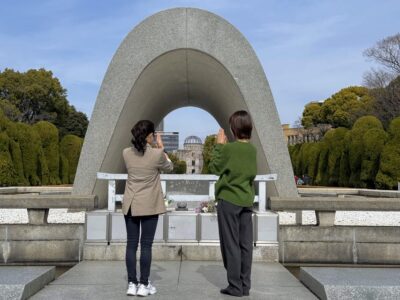
Hiroshima and Miyajima UNESCO Sites 1-Day Tour
Read our review →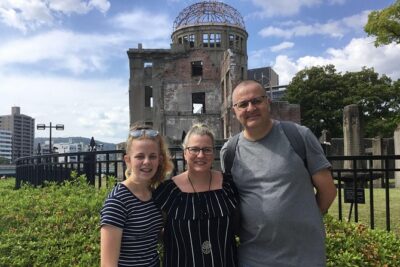
Hiroshima / Miyajima Full-day Private Tour with Government Licensed Guide
Read our review →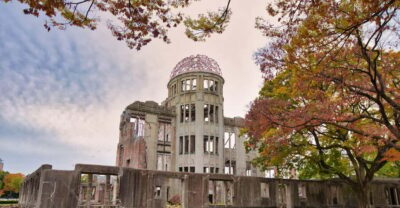
Osaka/Kyoto: Hiroshima Miyajima Bus Tour & Shinkansen Ticket
Read our review →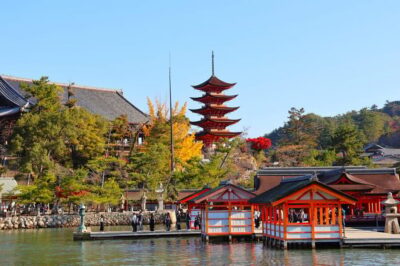
Hiroshima and Miyajima Day Trip with Itsukushima Shrine & Ferry
Read our review →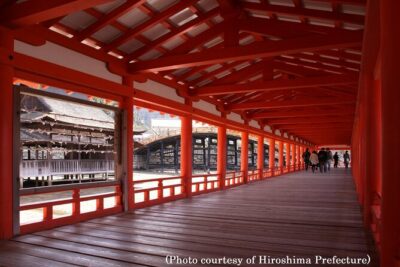
Full Day Hiroshima and Miyajima Bus Tour from Hiroshima
Read our review →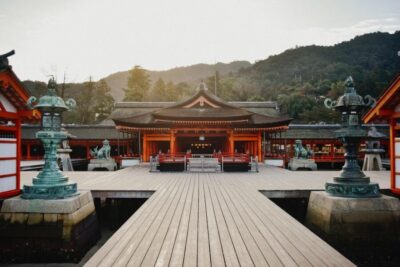
Miyajima Peace Memorial Icons of Peace and Beauty
Read our review →Browse the lists this tour appears in