
Reviewed · MIYAJIMA ISLAND TOURS
Hiroshima/Miyajima Private Custom Tour with Local Guide
Hiroshima rewards a slower look. This private tour pairs the solemn Peace Memorial Park and Atomic Bomb Dome with Miyajima’s beautiful Itsukushima Shrine, using trains and ferries instead of keeping you sealed in a tour bus. I like the personal pace, and I like that guides can adjust the day around your interests, food needs, family energy, or limited time.
The main consideration is cost control. The $55 per-person starting price covers a private English-speaking guide, but you pay your own transport, entrance fees, meals, personal expenses, and the guide’s necessary costs. That can still be good value, especially for a small group, but ask for a clear estimate before you go.
In This Review
- Key points at a glance
- Why this Hiroshima and Miyajima tour works
- Meeting at Hiroshima Station
- Hiroshima’s Peace Memorial Park and Atomic Bomb Dome
- Miyajima by train and ferry
- Itsukushima Shrine and Miyajima’s island atmosphere
- Shukkeien Garden and Hiroshima’s quieter side
- How the two to seven hours changes the day
- Personal guides, family needs, and accessibility
- What the $55 price really buys
- Who should book this private tour?
- Should you book it?
- FAQ
- Where does the tour meet?
- How long does the tour last?
- Is the tour private?
- Are transportation and entrance fees included?
- Can the tour include both Hiroshima and Miyajima?
- Can I request a private vehicle?
Key points at a glance
- Two major Hiroshima experiences in one day: Combine the Peace Memorial Park and Atomic Bomb Dome with Miyajima and Itsukushima Shrine.
- Public transport is part of the tour: Trains and the ferry give you a practical look at local travel, with excellent views across the water.
- Personal stories add weight: Guides such as Toshi and Joe have family connections to Hiroshima and can explain the bombing in human terms.
- The schedule bends to you: Guides have adjusted plans for teenagers, food allergies, limited hours, mobility needs, Mt. Misen requests, and cruise departure times.
- The short version can work: A two-hour booking can focus on one area, while seven hours allows both Hiroshima and Miyajima.
- Expect extra costs: Transport, admission, lunch, and private vehicle service are not included in the listed price.
Why this Hiroshima and Miyajima tour works
The strength of this experience is not simply the number of places you visit. It is the combination of a private guide, a flexible route, and local transport that links two very different sides of the region.
Hiroshima asks for attention and quiet. Miyajima offers shrine architecture, water views, island paths, food, and a lighter sense of discovery. Seeing both in one outing helps you understand why Hiroshima is more than a single memorial site.
The tour has a perfect rating from 134 reviews, and the praise is remarkably consistent. Guides are repeatedly described as warm, careful with time, good with children, and willing to explain difficult subjects without rushing you. That matters here. The Peace Memorial Museum is not a place to race through with a guide waving a flag.
You are assigned an English-speaking guide, with names such as Toshi, Joe, Yuka, Emiko, Eri, Mariko, Hina, Naoya, and others appearing in recent bookings. The quality of the day will depend partly on your individual guide, but the service pattern is clear: careful planning and personal attention are central to the experience.
More Miyajima island trips:
- Peaceful Hiroshima & Miyajima UNESCO 1 Day Bus Tour
★ 5.0 · 5,309 reviews - Hiroshima: Hiroshima and Miyajima UNESCO Sites 1-Day Tour
★ 4.9 · 2,330 reviews - Hiroshima / Miyajima Full-day Private Tour with Government Licensed Guide
★ 5.0 · 1,298 reviews
Meeting at Hiroshima Station
The standard meeting point is in front of the Starbucks at Hiroshima Station. This is a sensible place to begin because the station is the region’s main transport hub and easy to identify.
Some guides have met visitors directly at a train platform or hotel by prior arrangement. Do not assume that is automatic. Confirm the meeting details ahead of time, particularly if you are arriving by bullet train, coming from Osaka, or traveling with a larger group.
The first minutes are useful for setting the shape of the day. Tell your guide what matters most to you. You might want the museum and memorial sites, more time on Miyajima, a local meal, photography, a garden, or a less familiar neighborhood. Families should mention children’s ages and energy levels. Anyone with food allergies or mobility concerns should say so before departure.
Hiroshima’s Peace Memorial Park and Atomic Bomb Dome
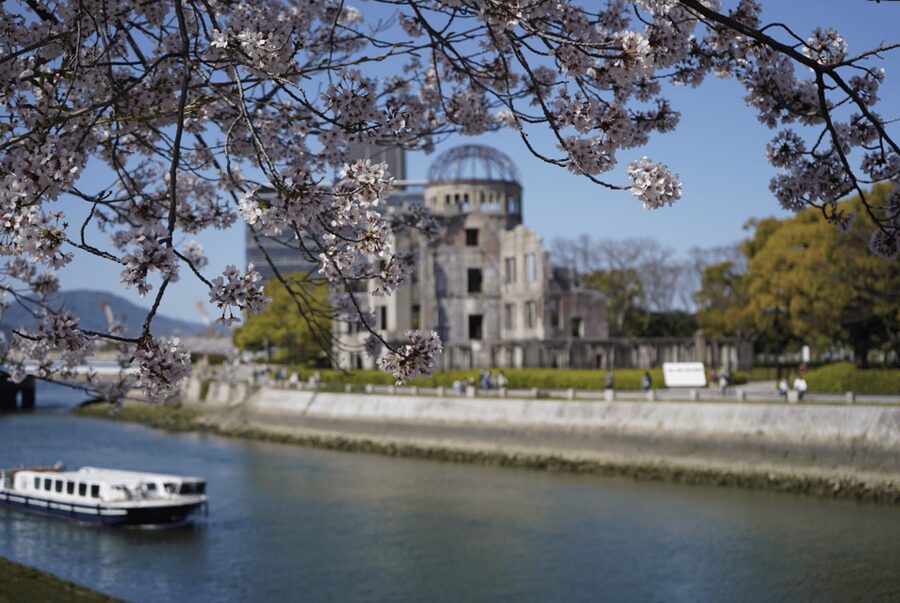
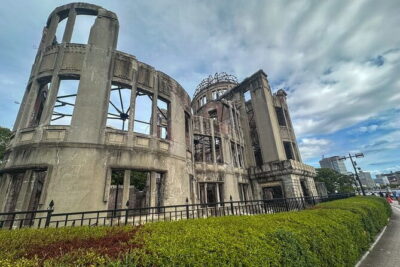
For most people, the Peace Memorial Park is the emotional center of the tour. The park’s outdoor memorials and the Atomic Bomb Dome give you a physical setting for the events of August 6, 1945, before or alongside a visit to the museum.
A guide helps connect these places. Instead of seeing a series of monuments without context, you can ask what each one represents and how Hiroshima remembers the bombing today. Guides may also point out nearby landmarks connected with the city’s wartime past and rebuilding.
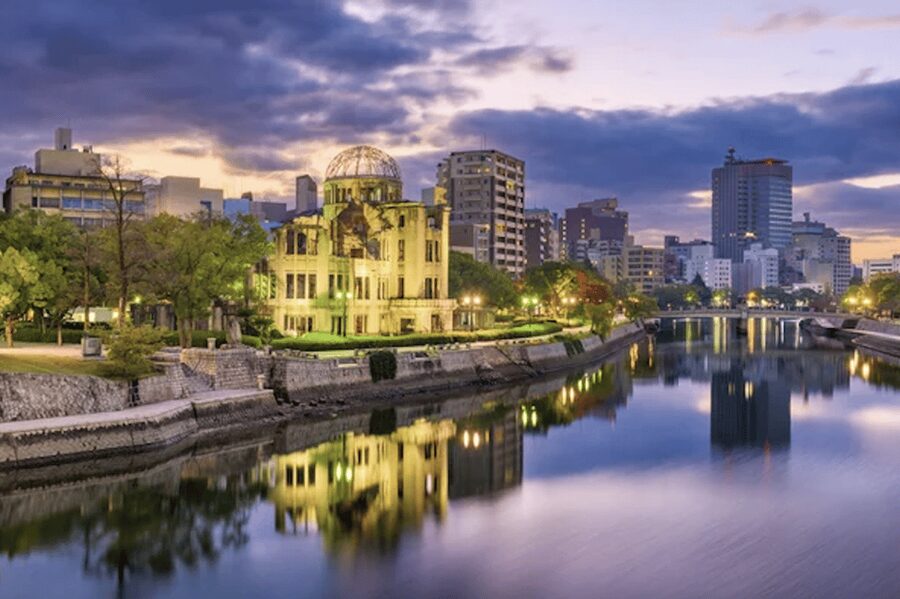
The Atomic Bomb Dome is especially powerful because it is both familiar in photographs and more affecting in person. Its damaged structure remains close to the river, surrounded by a modern city that has continued its life around it.
The museum can be upsetting. I would allow enough time to absorb what you see, rather than forcing it into the last rushed hour of a packed itinerary. One guide, Toshi, has spoken about his mother’s experience of the bombing, while Joe has family ties to Hiroshima and a personal connection to the city’s wartime story. These accounts can make the subject more direct, but they also make the visit more intense.
Museum opening hours matter. During New Year’s, one group found the museum closed, so Toshi used a prepared photo book and gave a history talk during the ferry and train journeys. That is a useful example of the tour’s flexibility, but you should still check opening arrangements for your date.
Miyajima by train and ferry
The journey to Miyajima is part of the appeal. You generally travel by public transport, then cross the water by ferry. This is not just a transfer between attractions. It gives you a small lesson in how people move around the Hiroshima area.
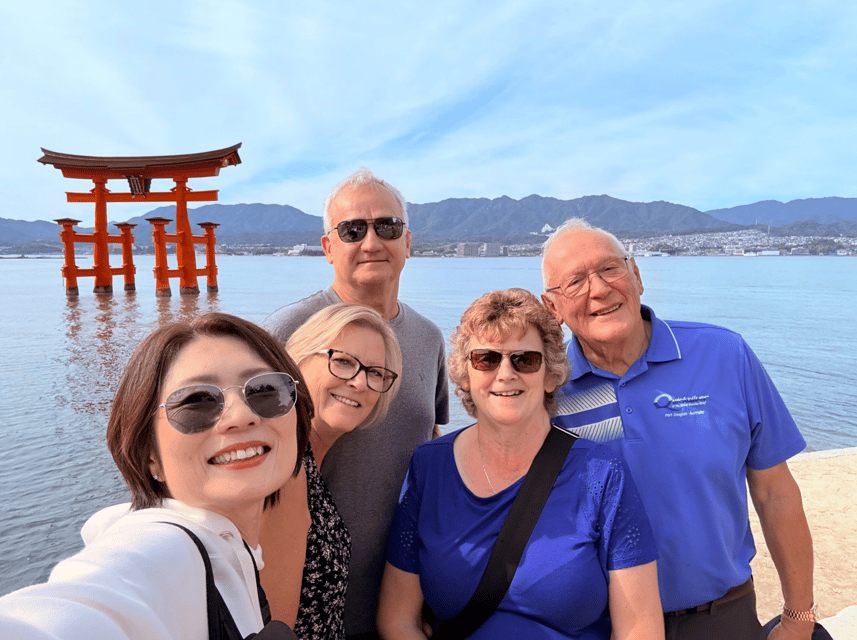
The ferry ride is one of the most praised parts of the day. Your guide can help you choose a boat and viewing position for the best look at the great torii gate, depending on the service and conditions. On a clear day, the sight of the gate over blue water is memorable. Weather can change quickly, though. One outing moved from sunshine to snowfall, which sounds dramatic but also shows why you should bring a layer and sensible shoes.
The ferry crossing also creates breathing room after the memorial sites. A guide can explain Hiroshima’s story while you travel, as Toshi did when the museum was unavailable. You are still learning, but the setting changes from memorial grounds to open water.
Transport costs are paid separately. If you want a private vehicle, that can be arranged for an added fee if requested in advance. Public transport is usually the better fit for an authentic local outing and keeps the tour closer to the advertised price, while a vehicle may help large groups, people with mobility concerns, or visitors working against a strict ship departure.
A few more Hiroshima experiences worth weighing up
- Hiroshima Historical Walking Tour – Why A-Bomb was Dropped
★ 4.8 · 893 reviews - Hiroshima Peace (Heiwa) Walking Tour at World Heritage Sites
★ 5.0 · 872 reviews - Hiroshima in a Nutshell: Morning Bike Adventure
★ 5.0 · 524 reviews - Hiroshima City 4hr Private Walking Tour with Licensed Guide
★ 5.0 · 437 reviews
Itsukushima Shrine and Miyajima’s island atmosphere
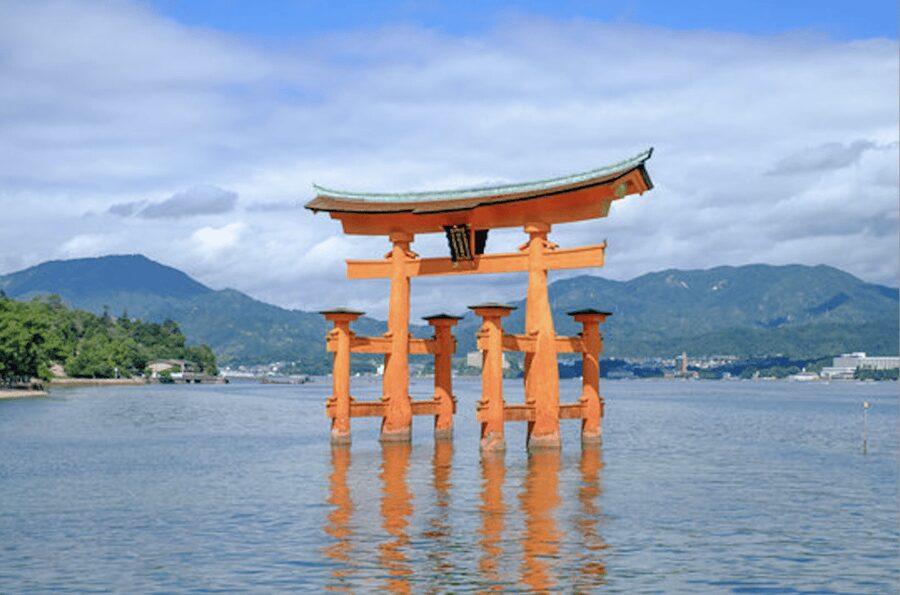
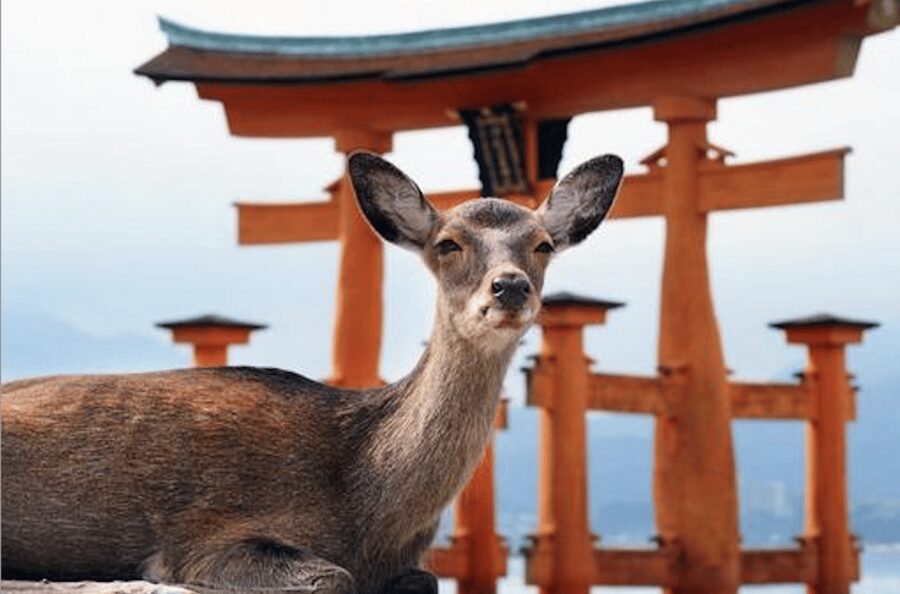
Miyajima is best known for Itsukushima Shrine and its floating torii gate. The shrine’s position beside the water gives the visit its special character, with changing views depending on tide, weather, and light.
A guide can explain the religious meaning of the site and the customs surrounding shrine visits. You also get help with orientation, photography, and deciding how much time to spend at the shrine compared with the rest of the island.
The island is not only a single photograph. Your guide may lead you to scenic viewpoints, temples, quieter paths, and local shops. The tour description promises less familiar spots, but the exact route depends on your guide, timing, weather, and requests. That uncertainty is a benefit for some people, since the day does not have to follow a rigid checklist.
Miyajima involves walking, and the day can be active. One family described fitting a great deal into a hot-weather visit, while another group requested a climb of Mt. Misen that added two hours. If you want Mt. Misen, say so before booking or as early as possible. It can change the shape of a seven-hour outing and may not suit a short tour.
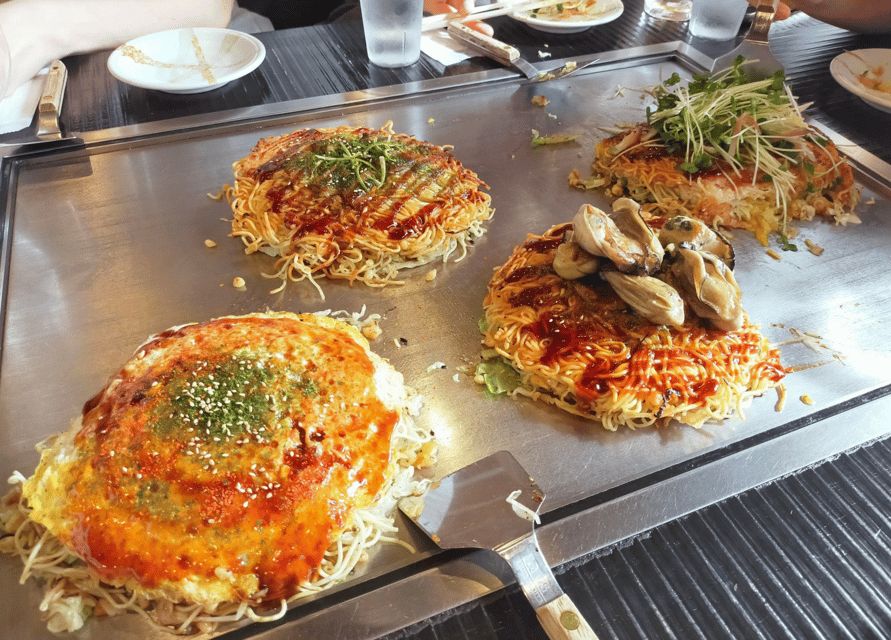
The island also has plenty to eat and buy. Guides have steered visitors toward Hiroshima-style okonomiyaki, fresh momiji manju cakes, and small local souvenirs. Lunch is not included, but a guide can make the meal more useful by helping you choose something tied to the area. If you have dietary restrictions, provide the details in advance. Joe arranged a local dish without pork for one visitor, and other guides have addressed food allergies during planning.
Shukkeien Garden and Hiroshima’s quieter side

Shukkeien Garden offers a useful change of mood. After the difficult subject of the Peace Park, a garden visit gives you space to consider Japanese design, water, plants, paths, and carefully framed views.
The garden is included among the possible Hiroshima highlights, but it may not fit alongside every Miyajima plan. A two-hour tour cannot reasonably cover all major sites. If the garden matters to you, make it clear when arranging the itinerary.
The same applies to downtown Hiroshima and Hiroshima Castle. Some outings have included time outside the castle or a walk through central areas, while others have focused almost entirely on the Peace Park and Miyajima. The private format is valuable because you can choose between a broad introduction and a concentrated visit.
How the two to seven hours changes the day
The duration range is unusually wide, so the number on your booking matters more than the headline title.
A two-hour tour is best treated as a focused introduction. You might choose the Peace Memorial Park, the Atomic Bomb Dome, and nearby memorials, or concentrate on Miyajima if you are already familiar with Hiroshima.
A half-day allows more room for explanations and a slower pace in one area. It may suit visitors arriving late, leaving early, or traveling with children who need breaks.
A seven-hour booking is the practical choice if you want both Hiroshima and Miyajima. Even then, this is a full day of walking, public transport, ferry travel, and concentrated listening. Add Mt. Misen only if you are ready for a more active schedule.
Time management is one of the service’s strongest features. Guides have kept groups on schedule for cruise departures, managed visits from Osaka by bullet train, and adapted routes for families and large parties. Still, do not pack every possible stop into a short booking. You will get more from the Peace Museum and Miyajima if you leave room to pause.
Personal guides, family needs, and accessibility
This is a private group tour, not a fixed bus outing. That makes it a good choice for families, couples, solo visitors, and groups who do not all have the same interests.
Teenagers have been kept involved through questions, visual materials, food stops, and a change of pace. Families with younger children have benefited from guides adjusting the route to their energy. A guide also helped care for a disabled father, and the activity is listed as wheelchair accessible.
Accessibility does not mean every route or historic site will be effortless. Miyajima’s paths, shrine areas, ferries, and optional mountain trips may present different challenges. Discuss your exact needs before the tour so the guide can plan sensibly.
Solo visitors may also get extra value. Naoya has been praised for taking strong photographs, and other guides have taken pictures for people who wanted more than selfies. This is a small service, but it can make a private day feel much more complete.
The human touch can be unusually strong. Toshi gave folded paper cranes made by his 93-year-old mother to one group. Such gestures are not guaranteed, but they show the personal spirit that can shape this experience.
What the $55 price really buys
At $55 per person, the starting price is attractive for a private English-speaking guide. The value improves when two or more people share the cost, since you receive a personal route rather than joining a large group.
The price does not cover your train and ferry fares, entrance fees, lunch, personal spending, or the guide’s necessary expenses. A private vehicle costs extra. Bring enough money for the day and do not assume admission or food is bundled into the booking. One visitor specifically wished the need for cash for entrance fees had been made clearer.
The real purchase is organization and interpretation. Your guide handles the route, explains cultural details, watches the clock, helps with local food, and changes the plan when conditions require it. If you are comfortable navigating Hiroshima and Miyajima alone, a self-guided visit will cost less. If you want context, translation help, and a day shaped around your priorities, the extra cost can be justified.
Who should book this private tour?
I would recommend it most strongly to first-time visitors who want Hiroshima’s memorial sites and Miyajima in one day. It also suits people arriving from Osaka, visitors with a cruise deadline, families with teenagers, and anyone who wants help using trains and ferries.
It is a good match if you prefer conversation over a scripted speech. Guides answer questions about Japanese culture, daily life, food, religion, and the long-term effects of the atomic bombing. You can also ask for photography help, local restaurant suggestions, or a route with fewer stairs.
I would hesitate if you want a cheap, fixed-price excursion with every fee included. The final spending will be higher than $55 per person, and a seven-hour schedule can feel demanding in hot weather or during a packed sightseeing day.
Should you book it?
Book this tour if you want the flexibility to see both Hiroshima and Miyajima without spending your day decoding train connections, ferry choices, shrine customs, and memorial sites on your own.
Choose seven hours for the full pairing, and tell the company early about food allergies, mobility concerns, Mt. Misen, hotel or platform pickup, and any firm return time. For a shorter visit, focus on either the Peace Park or Miyajima instead of trying to collect every stop.
The best reason to book is the guide’s personal role. Toshi, Joe, Yuka, Emiko, Eri, and the other local guides have helped turn a difficult subject and a busy day into something thoughtful, practical, and memorable. Just budget for the extras, wear comfortable shoes, and leave enough time for Hiroshima to sink in.
FAQ
Where does the tour meet?
The standard meeting point is in front of the Starbucks at Hiroshima Station.
How long does the tour last?
The tour can last from two to seven hours. Starting times depend on availability.
Is the tour private?
Yes. It is arranged as a private group tour with an English-speaking live guide.
Are transportation and entrance fees included?
No. You pay your own transportation fees and entrance fees. Lunch, personal expenses, the guide’s necessary expenses, and private transportation are also excluded.
Can the tour include both Hiroshima and Miyajima?
Yes. The itinerary can include the Peace Memorial Park, Atomic Bomb Dome, Hiroshima’s central areas, Shukkeien Garden, Miyajima, and Itsukushima Shrine. The number of places you see depends on the tour length and your chosen priorities.
Can I request a private vehicle?
Yes. Private transportation can be arranged for an additional fee if requested in advance. Public transportation is the main way the tour operates.
Just added around Hiroshima
- Hiroshima & Miyajima: Private Full-Day Tour with a Local Guide★ 5.0 · 39 reviews
- Hiroshima and Miyajima 1 Day Walking Tour★ 5.0 · 43 reviews
- Hiroshima History Tour : A-Bomb Dome, Peace Memorial & City★ 5.0 · 43 reviews
- The Journey of Hiroshima from Tragedy to Peace★ 4.8 · 44 reviews
- Cultural Activities :Kimono, tea ceremony, Calligraphy and Amulet★ 5.0 · 44 reviews
- Miyajima: Private Rickshaw Tour to Itsukushima Shrine★ 4.9 · 45 reviews
- Hiroshima Private Tour: Best Highlights in a Day★ 5.0 · 49 reviews
- Hiroshima & Miyajima All-Inclusive Tour w/Licensed guide Pancho★ 5.0 · 54 reviews
Miyajima Island Tours, compared.
Peaceful Hiroshima & Miyajima UNESCO 1 Day Bus Tour
Read our review →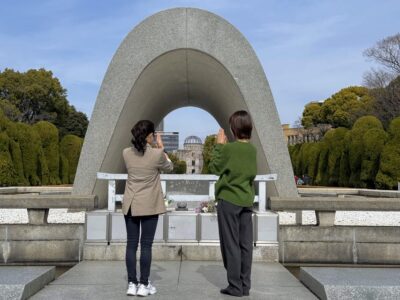
Hiroshima and Miyajima UNESCO Sites 1-Day Tour
Read our review →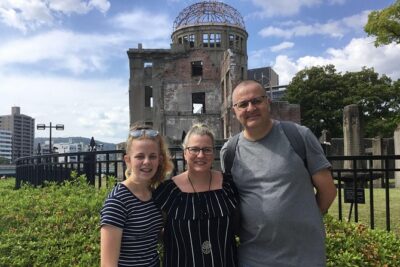
Hiroshima / Miyajima Full-day Private Tour with Government Licensed Guide
Read our review →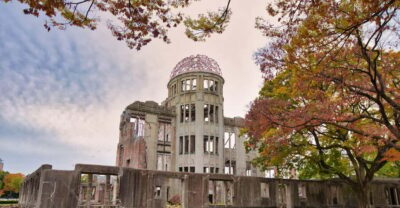
Osaka/Kyoto: Hiroshima Miyajima Bus Tour & Shinkansen Ticket
Read our review →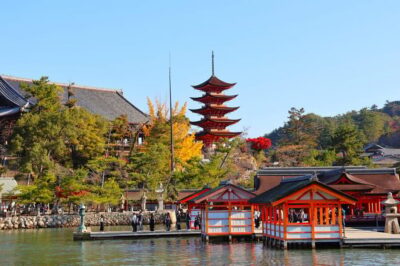
Hiroshima and Miyajima Day Trip with Itsukushima Shrine & Ferry
Read our review →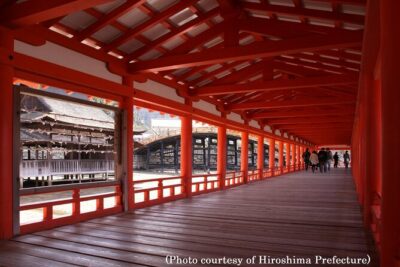
Full Day Hiroshima and Miyajima Bus Tour from Hiroshima
Read our review →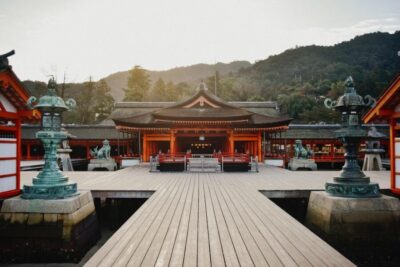
Miyajima Peace Memorial Icons of Peace and Beauty
Read our review →Browse the lists this tour appears in