
Reviewed · MIYAJIMA ISLAND TOURS
Hiroshima & Miyajima: UNESCO A-Bomb Dome & Itsukushima
Some days in Japan stay with you forever. This seven-hour private tour brings together the quiet beauty of Miyajima Island and the solemn sites of Hiroshima, with local Japanese guides who can explain both places in personal, human terms.
I especially like the chance to visit Itsukushima Shrine and Daishoin Temple with a Hiroshima-born guide, rather than simply walking through and taking pictures. I also value the family stories connected to the atomic bombing, including those shared by second-generation survivors. The main consideration is time: fitting Miyajima, central Hiroshima, Shukkei-en Garden, Hiroshima Castle, and the Peace Memorial Museum into one day makes for a full schedule.
- Personal Hiroshima connection: Guides such as Masa, Masayo, and Yuka explain the city through local family stories, not just textbook dates.
- Two major UNESCO sites: You visit Itsukushima Shrine and the Atomic Bomb Dome in one private day.
- Public transportation with help: Trains, ferries, trams, and possibly taxis are part of the experience, with the guide handling the route.
- Flexible pacing: The route can change around tides, departure points, mobility needs, and your interests.
- Local food stops: You have time for Miyajima snacks, oysters, eel, beef, or Hiroshima-style okonomiyaki.
- A serious but balanced day: Spiritual sites and gardens give the schedule breathing room between the memorial sites.
In This Review
- What This Hiroshima Day Feels Like
- Reaching Miyajima by Train and Ferry
- Itsukushima Shrine and the Floating Torii
- Daishoin, Senjokaku, and the Island’s Spiritual Side
- Snacks and Lunch on Omotesando Street
- Returning to Hiroshima by Ferry and Tram
- Shukkei-en Garden and Hiroshima Castle
- The Atomic Bomb Dome and Hypocenter
- Peace Memorial Park, Children’s Monument, and Museum
- How Much Value Do You Get for $177?
- Who Should Book This Private Day?
- Should You Book It?
- FAQ
- How long does the Hiroshima and Miyajima tour last?
- What languages are available?
- Is the tour private?
- Is transportation included in the price?
- Is the Peace Memorial Museum included?
- Can wheelchair users join the tour?
What This Hiroshima Day Feels Like
This is not a standard bus tour where you follow a flag from one stop to the next. You meet a Hiroshima-born guide at a central hotel, station, museum, cruise terminal, or another agreed location in central Hiroshima City. From there, you move around by public transportation or taxi, depending on your preferences and physical comfort.
That arrangement matters. Hiroshima is not difficult to navigate, but the day includes several trains, ferries, trams, and walks. A guide who knows the area can keep you moving without making you feel rushed at every transfer. Several guides have also helped older participants, wheelchair users, and families with children adjust the plan.
The strongest part of the experience is the human connection. Guides including Masa, Masayo, and Yuka are praised for excellent English, warmth, patience, and an ability to adjust the day. Masa, who was born and raised in Hiroshima, has shared stories about the effect of the bombing on her family. That kind of explanation cannot be copied from a museum label.
Still, personal stories require care. The Peace Memorial Museum is emotionally heavy, and a private guide cannot make that material easy. The value is in helping you understand the places and giving context, not in turning tragedy into entertainment.
Reaching Miyajima by Train and Ferry
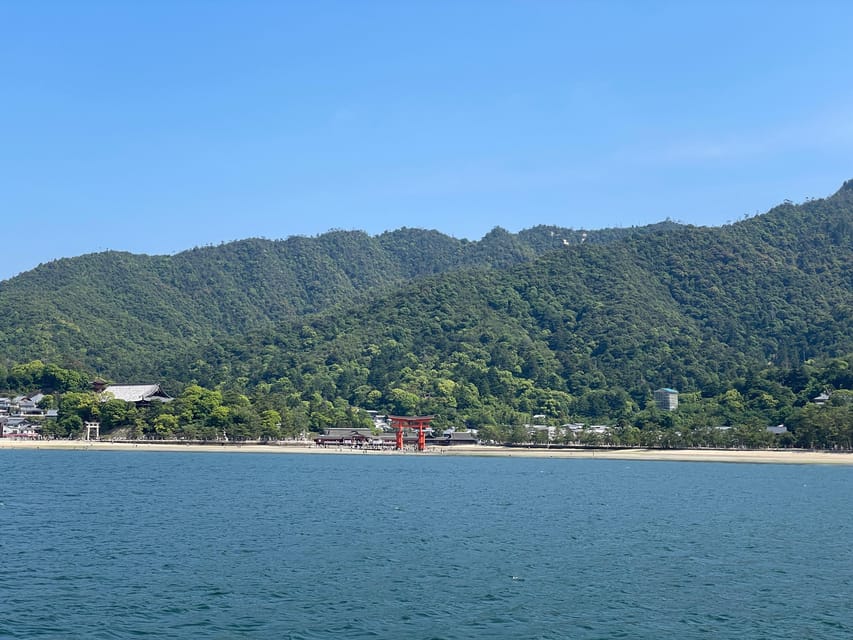
The usual route begins with about 40 minutes by train, followed by a 15-minute ferry ride. The ferry crossing gives you your first broad view of Miyajima and its famous torii gate, though the exact order of the day can change with the tides.
You are responsible for transportation costs, including trains, ferries, trams, buses, or taxis. That is important when comparing the $177 price with a do-it-yourself day. The fee pays for a private guide, planning, photography, and entry to the Peace Memorial Museum and Shukkei-en Garden, but it does not cover your meals, drinks, Miyajima visitor tax, or transport.
A guide can also make the transfer more pleasant for anyone arriving by cruise ship or Shinkansen. One guide met an older couple at Hiroshima Station, helped them manage the station area, and took them to their hotel before beginning the sightseeing. That sort of practical help is one of the real benefits of a private arrangement.
More Miyajima island trips:
- Peaceful Hiroshima & Miyajima UNESCO 1 Day Bus Tour
★ 5.0 · 5,309 reviews - Hiroshima: Hiroshima and Miyajima UNESCO Sites 1-Day Tour
★ 4.9 · 2,330 reviews - Hiroshima / Miyajima Full-day Private Tour with Government Licensed Guide
★ 5.0 · 1,298 reviews
Itsukushima Shrine and the Floating Torii
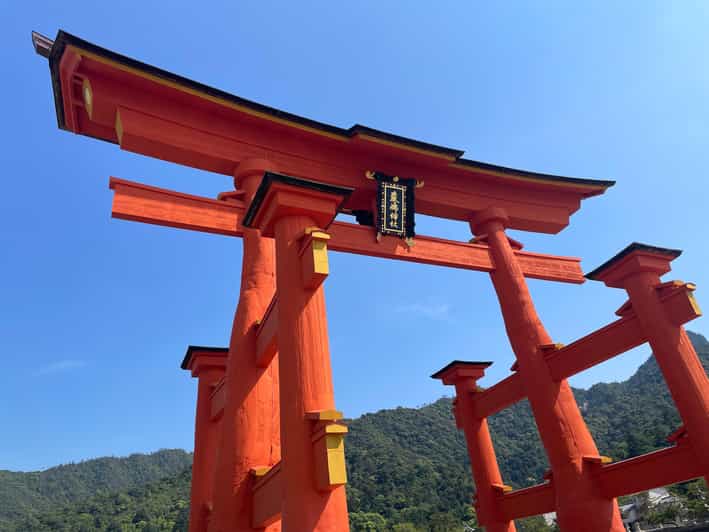
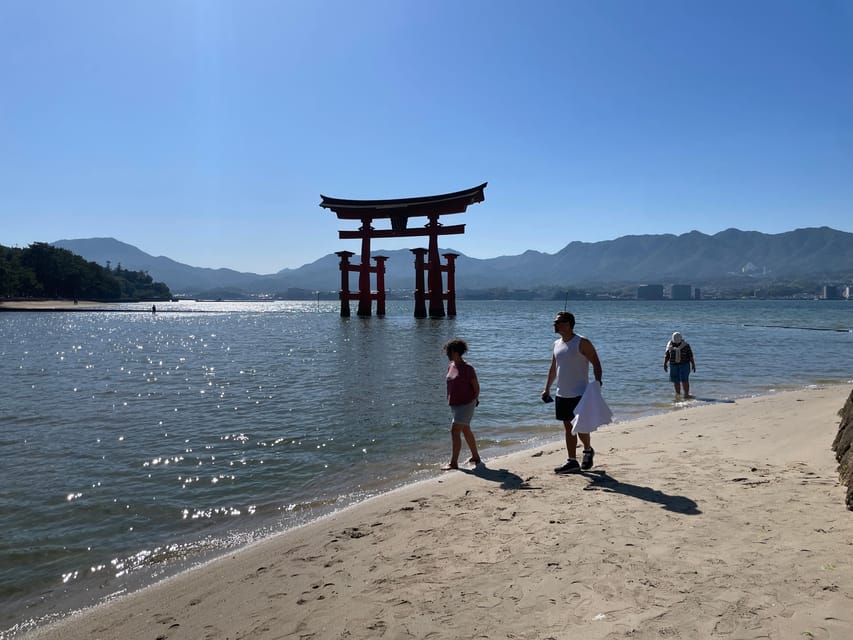
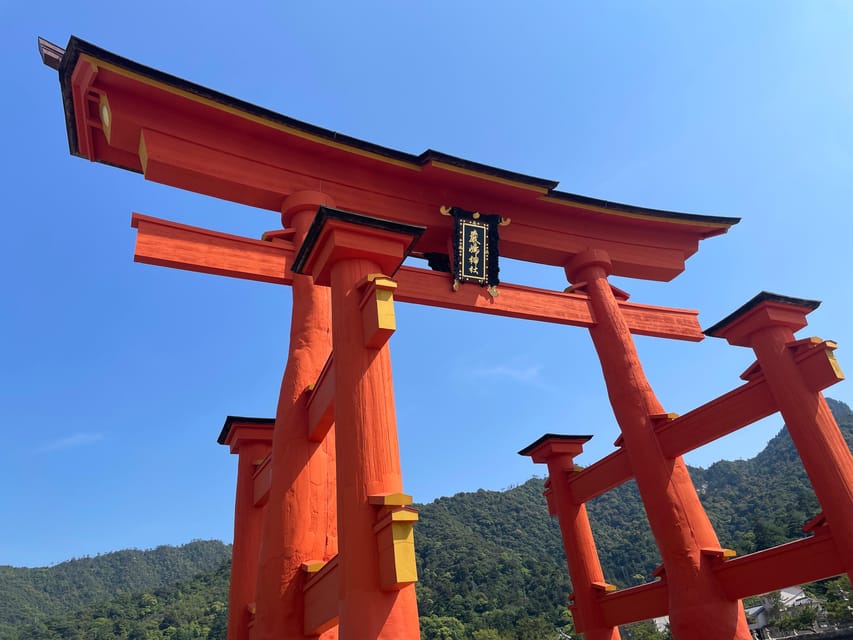
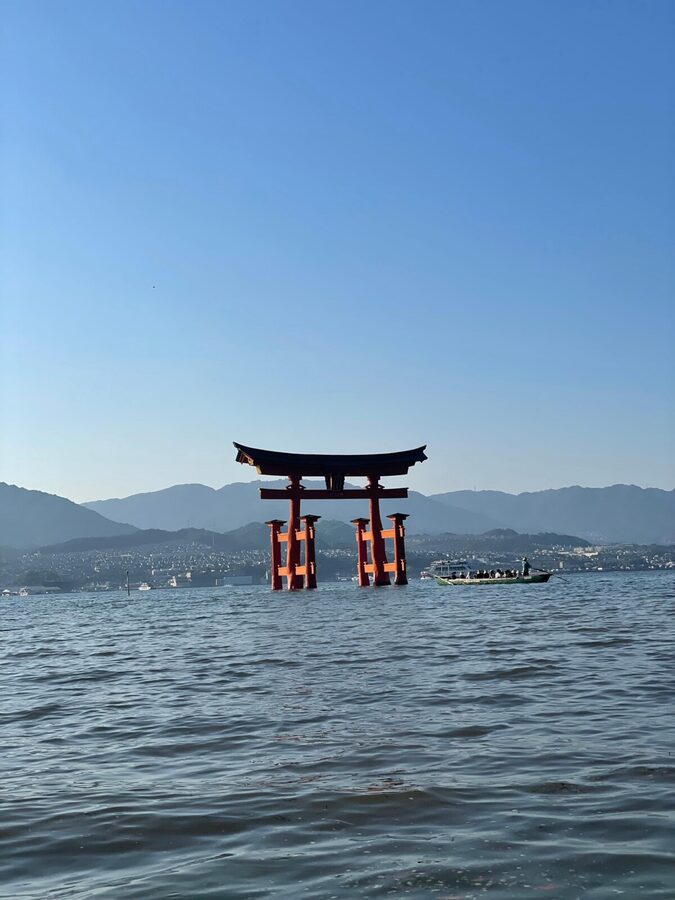
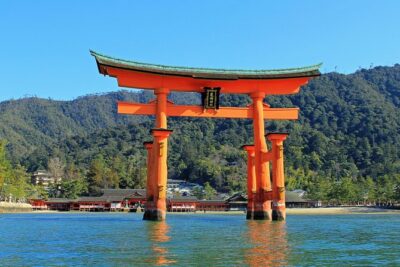
Miyajima is best known for Itsukushima Shrine, whose bright red torii gate appears to float offshore at high tide. The view changes with the water level, so the guide may rearrange the itinerary to give you the best chance of seeing the gate in its classic setting.
At low tide, the gate can be approached on foot. At high tide, it sits in the water and looks more detached from the island. Neither view is better for everyone, but the timing changes the photographs and the feeling of the place.
The shrine visit lasts about 20 minutes in the planned schedule, followed by free time and scenic stops. That is enough for an introduction, but not a slow architectural study. If you want to linger at every gate, hall, and viewpoint, tell your guide early. The private format makes that possible, though you may need to shorten another stop.
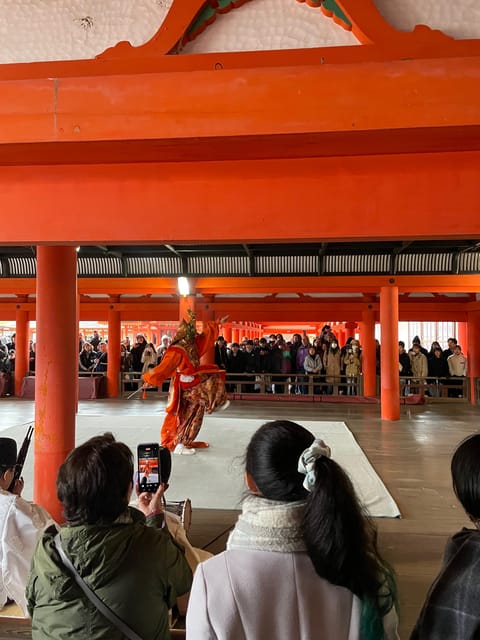
The guide explains the religious meaning of the shrine and the island’s traditions. You also encounter Miyajima’s free-roaming deer, one of the island’s familiar sights. They add a light touch to a morning that otherwise includes a great deal of history and ceremony. Keep food secure, and remember that the deer are part of the setting rather than a petting zoo attraction.
Daishoin, Senjokaku, and the Island’s Spiritual Side
Daishoin Temple receives around 30 minutes, with time for a visit and photographs. It offers a different experience from Itsukushima Shrine, allowing your guide to explain Buddhist traditions alongside the shrine’s Shinto setting.
I like this part of the route because it slows the day down. The island is not only a picture of the torii gate. Daishoin and the surrounding temple complex give you a better sense of Miyajima as a sacred place with layers of religious practice.
Senjokaku Pavilion follows as a short photo and guided stop. The pavilion adds another useful viewpoint and helps break up the walk through the island. If you are hoping to hike Mount Misen, this tour does not provide enough time for that. The advertised route focuses on the shrine, temple, pavilion, shopping street, and food rather than a mountain excursion.
Snacks and Lunch on Omotesando Street
Miyajima Omotesando Shopping Street is your chance to eat and browse. The schedule allows about 30 minutes for a workshop or local activity, followed by roughly 90 minutes for lunch, street food, regional dishes, and shopping.
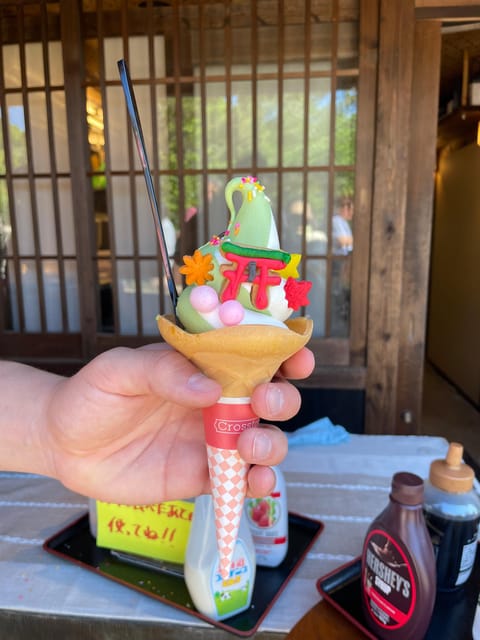
The exact meal is flexible and paid separately. Miyajima is associated with oysters and eel, while the island’s momiji manju, a small maple-leaf-shaped cake, makes an easy snack. Some groups have chosen oyster meals, eel, or local beef. Your guide can point you toward suitable options and may help with queues, which is useful during a busy meal period.
You may also stop in Hiroshima for okonomiyaki, the city’s famous savory layered pancake-style dish. One well-liked pattern is to eat on Miyajima and have okonomiyaki later, but the order depends on the schedule and transport.
Food is one place where the private format pays off. You can tell the guide if you want a proper sit-down meal, more street food, or simply a quick bite to protect sightseeing time. The drawback is that $177 does not include lunch, so the final cost depends on what you order and how much taxi or other transport you use.
A few more Hiroshima experiences worth weighing up
- Hiroshima Historical Walking Tour – Why A-Bomb was Dropped
★ 4.8 · 893 reviews - Hiroshima Peace (Heiwa) Walking Tour at World Heritage Sites
★ 5.0 · 872 reviews - Hiroshima in a Nutshell: Morning Bike Adventure
★ 5.0 · 524 reviews - Hiroshima City 4hr Private Walking Tour with Licensed Guide
★ 5.0 · 437 reviews
Returning to Hiroshima by Ferry and Tram
After Miyajima, you take another 15-minute ferry and then continue toward Hiroshima by tram, listed at about 45 minutes. In some cases, a private boat or river boat may be suggested, especially if it reduces walking or improves the timing.
That flexibility has helped people with limited stamina, older family members, and tight schedules. It also means the day is not identical for every group. If you prefer public transportation to keep costs down, say so. If comfort matters more than the lowest possible price, ask about taxi or boat alternatives before setting off.
The transportation is part of the lesson. Your guide explains how Hiroshima works as a modern city while taking you between places connected to ancient religion, wartime destruction, and postwar recovery. You are not simply being delivered to photo stops.
Shukkei-en Garden and Hiroshima Castle
Shukkei-en Garden provides a calm change of mood. The planned visit takes about 30 minutes, and admission is included. The garden gives you water, plants, paths, and carefully arranged views after the intensity of the memorial sites.
Half an hour is enough for a guided introduction and photographs, but not for a long, quiet wander. If gardens are a priority, ask to give Shukkei-en more time and reduce another stop. The guide can shape the route around your interests, though seven hours still imposes limits.
Hiroshima Castle is a short photo and visit stop of about 15 minutes. It is a useful addition if you want more than the city’s atomic bomb sites. One participant specifically requested the castle, and the guide fitted it into the day. That is a good example of how to use the private format: send a wish list before the tour instead of hoping there will be time on the day.
The Atomic Bomb Dome and Hypocenter
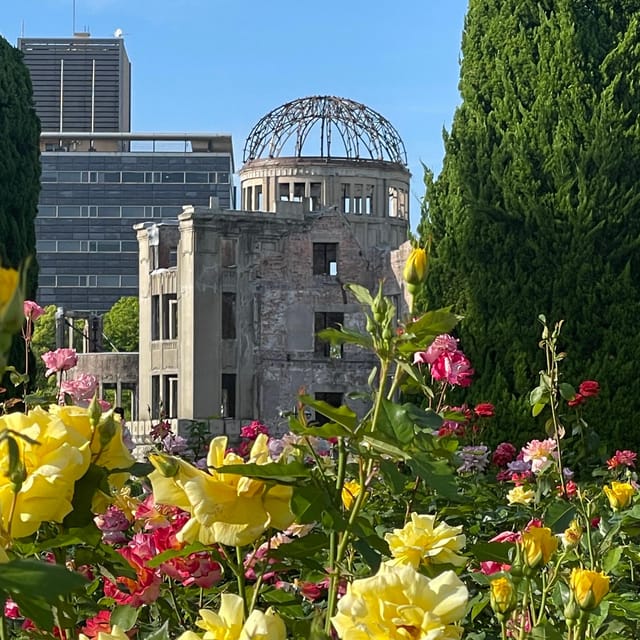
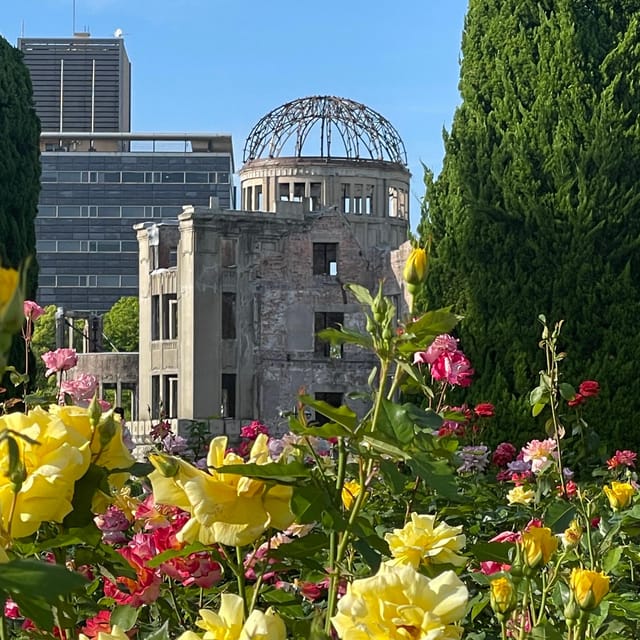
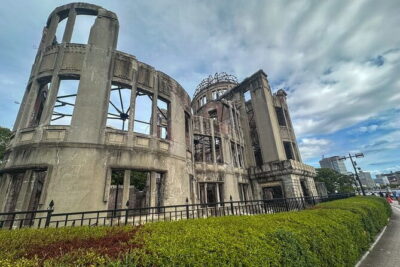
The Atomic Bomb Dome is one of Hiroshima’s most recognizable buildings and a UNESCO World Heritage site. The tour allows about 15 minutes for photographs and an explanation from the guide.
The remains are powerful partly because they sit within a living city. You can see the damaged structure, then walk through nearby streets where people work, shop, and commute. The contrast is not something a photograph can fully convey.
The Hypocenter stop is shorter, around 10 minutes. It marks the location directly below the explosion, a detail that can be easy to miss without guidance. The site is relatively modest in appearance, which makes the explanation especially useful. Your guide connects the physical location with the larger memorial area without asking you to treat it as a spectacle.
Peace Memorial Park, Children’s Monument, and Museum
Peace Memorial Park receives about 30 minutes, including the Children’s Peace Monument. The park is a place for reflection, but it is also a public space shaped by remembrance and calls for peace.
The Children’s Peace Monument is linked with the story of children affected by the bombing. Your guide can explain the symbolism and place it within Hiroshima’s larger memorial tradition. This is one of the moments when personal family accounts can make the history feel close without reducing it to a single story.
The Peace Memorial Museum is scheduled for about one hour, and admission is included. The museum presents photographs, objects, testimony, and the consequences of the atomic bombing. It is difficult material. You should expect to leave with more questions than you had when you entered.
A guide can walk you to the museum and provide background beforehand, but the galleries may be crowded. One participant felt the guide had limited room to add comments inside during a busy visit and preferred a little more time alone with the exhibits. That is a fair point. I would ask your guide to explain the key context before entering, then decide together whether you want to tour every room side by side or separate briefly.
The museum is closed for renewal from February 16 through February 21. Check the date carefully before booking if this stop is central to your plans.
How Much Value Do You Get for $177?
At $177 per person, this is not the cheapest way to see Hiroshima and Miyajima. You still pay for trains, ferries, trams, taxis, food, drinks, and the Miyajima visitor tax. A solo participant or couple may find the total higher than an independent day using a transit card and a guidebook.
The value improves for families or small groups who would otherwise book several separate activities. You get a private group, a flexible plan, a local English-speaking guide, photography with the images provided, and admission to two paid attractions. Most important, you do not have to work out every transfer or decide how to divide your limited time between the island and city.
I would also put a price on the family perspective. A standard audio guide can give you dates and names. A Hiroshima-born guide who has heard atomic bomb stories within her own family can help you understand how memory continues across generations. That does not replace the museum, but it gives the visit a more personal frame.
Who Should Book This Private Day?
This tour suits you if you want to cover the essential sights in one day and prefer company over route planning. It is especially useful for first-time visitors, families, older couples, cruise passengers, and anyone who wants a local guide to adjust the pace.
It also suits people who want culture beyond the bombing memorials. Miyajima’s shrine, temple, deer, snacks, and calm island setting balance the serious afternoon in Hiroshima.
You should think twice if you want a slow day. The route is ambitious, and each major stop receives a limited amount of time. Independent visitors who want a long Mount Misen hike, extended museum study, or several hours of shopping may prefer to split Miyajima and Hiroshima across two days.
The tour is wheelchair accessible, but you must tell the operator in advance. Pickup is on foot, and the exact route may involve public transport or taxis. If your hotel or rental is not among the listed pickup points, pickup can be arranged within central Hiroshima City by email.
Should You Book It?
I would book this tour if you have one day and want Hiroshima and Miyajima handled with care. The guides receive especially strong praise for warmth, clear English, local insight, photography, and attention to comfort. Masa and Masayo are particularly well suited to anyone seeking personal historical context, while Yuka has shown strong skill in planning around individual requests and mobility needs.
Before booking, decide what matters most: more time at the museum, a longer Miyajima visit, Hiroshima Castle, a special meal, or reduced walking. Send that preference in advance. If you accept a full schedule and budget extra for transport and food, this private day offers a thoughtful way to see two very different sides of Hiroshima.
FAQ
How long does the Hiroshima and Miyajima tour last?
The tour lasts seven hours. The schedule includes Miyajima Island, Hiroshima City, the Peace Memorial sites, and the Peace Memorial Museum.
What languages are available?
The live tour is available in English and Japanese.
Is the tour private?
Yes. It is operated as a private group, so the itinerary can be adjusted to your pace, interests, and physical needs.
Is transportation included in the price?
No. You are responsible for transportation costs, including trains, ferries, trams, buses, and taxis. The route may use public transportation or taxis.
Is the Peace Memorial Museum included?
Yes. Entry to the Peace Memorial Museum is included. The museum is closed for renewal from February 16 through February 21.
Can wheelchair users join the tour?
Yes, the tour is wheelchair accessible. You need to provide notice in advance so the route can be planned properly.
Just added around Hiroshima
- Hiroshima & Miyajima: Private Full-Day Tour with a Local Guide★ 5.0 · 39 reviews
- Hiroshima and Miyajima 1 Day Walking Tour★ 5.0 · 43 reviews
- Hiroshima History Tour : A-Bomb Dome, Peace Memorial & City★ 5.0 · 43 reviews
- The Journey of Hiroshima from Tragedy to Peace★ 4.8 · 44 reviews
- Cultural Activities :Kimono, tea ceremony, Calligraphy and Amulet★ 5.0 · 44 reviews
- Miyajima: Private Rickshaw Tour to Itsukushima Shrine★ 4.9 · 45 reviews
- Hiroshima Private Tour: Best Highlights in a Day★ 5.0 · 49 reviews
- Hiroshima & Miyajima All-Inclusive Tour w/Licensed guide Pancho★ 5.0 · 54 reviews
Miyajima Island Tours, compared.
Peaceful Hiroshima & Miyajima UNESCO 1 Day Bus Tour
Read our review →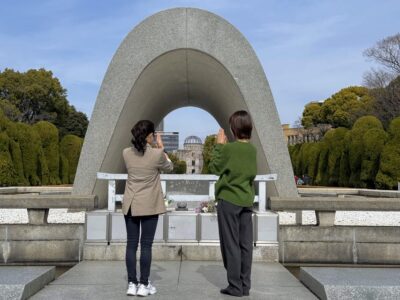
Hiroshima and Miyajima UNESCO Sites 1-Day Tour
Read our review →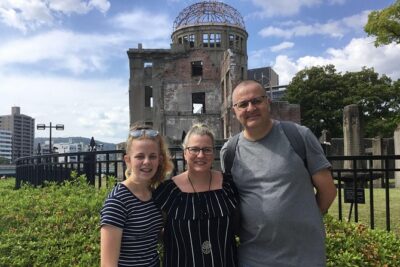
Hiroshima / Miyajima Full-day Private Tour with Government Licensed Guide
Read our review →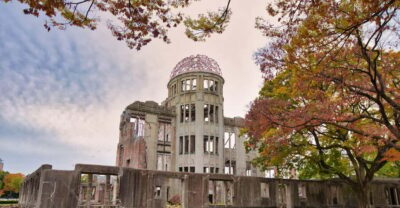
Osaka/Kyoto: Hiroshima Miyajima Bus Tour & Shinkansen Ticket
Read our review →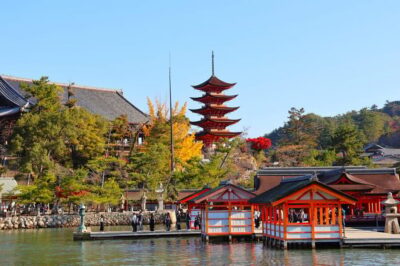
Hiroshima and Miyajima Day Trip with Itsukushima Shrine & Ferry
Read our review →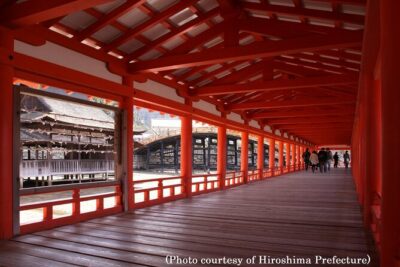
Full Day Hiroshima and Miyajima Bus Tour from Hiroshima
Read our review →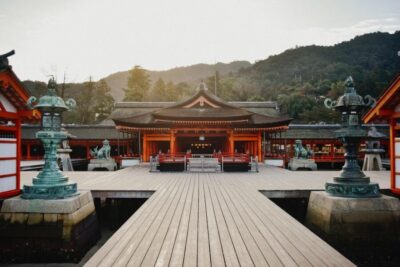
Miyajima Peace Memorial Icons of Peace and Beauty
Read our review →Browse the lists this tour appears in