
Reviewed · GEISHA & GION DISTRICT TOURS
Kyoto: Gion Food Tour 13 Dishes at 4 Eateries
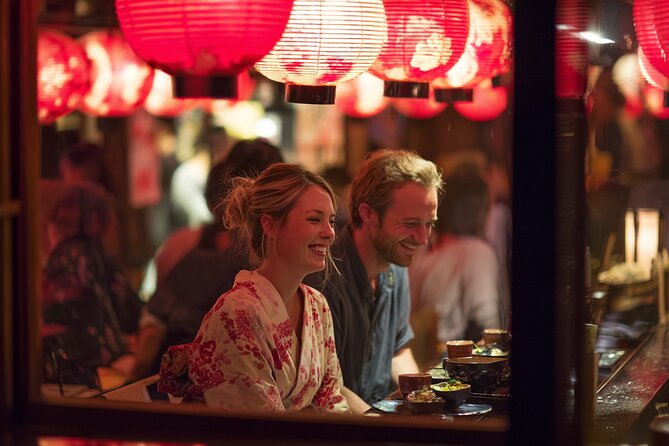
Lanterns make dinner feel like theater. This Kyoto evening tour pairs 13 dishes at four eateries with walks through Pontocho and Gion, so you get more than a meal in one restaurant. I like the variety, from Kyoto-style obanzai and yuba to takoyaki, sushi, small snacks, drinks, and sweets. I also like the cultural stories about geisha, teahouses, and local food customs, especially when guides such as Alessio, Amy, Pedro, Yuvia, Mehrab, Maggie, Liz, and Gian bring their own energy to the evening.
The main drawback is that the food and guiding can vary from group to group. Most visits sound warm, filling, and well organized, but a few people found the dishes ordinary or the commentary repetitive. The walking route may also feel shorter than expected if you picture a broad tour of Gion. One practical note: some stops require you to remove your shoes, and the tour cannot handle vegan, gluten-free, celiac, or FODMAP diets.
In This Review
- Key points at a glance
- Why an evening food walk works so well in Kyoto
- Meeting at Sanjo-ohashi Bridge
- Pontocho’s lantern-lit opening act
- Four stops, four different moods
- Small dishes and Kyoto specialties
- Takoyaki with a little theater
- Sushi, tempura, and wagyu bites
- Taiyaki and the sweet finish
- Drinks are part of the evening
- The Gion portion: atmosphere, culture, and expectations
- How good is the guiding?
- Price and value at $72.96
- Food restrictions and comfort notes
- Who should book this Kyoto food tour?
- Should you book it?
- FAQ
- How long does the Kyoto Gion food tour last?
- How many dishes are included?
- Are drinks included?
- Can I choose an alcoholic drink?
- Is the tour suitable for vegans or people needing gluten-free food?
- How large is the group?
- Where does the tour begin and end?
- Is the tour suitable for someone with a mobility impairment?
Key points at a glance
- Four eateries, 13 tastings: You sample several small portions instead of committing to one full dinner.
- Pontocho and Gion after dark: Lantern-lit lanes and traditional facades provide the setting, with stories about geisha culture along the way.
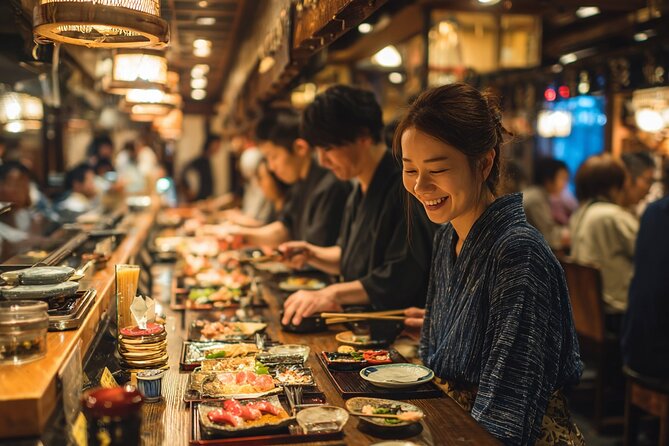
- A strong mix of foods: Depending on the evening, you might try obanzai, yuba, sushi, tempura, takoyaki, potato salad, taiyaki, sweets, sake, or nonalcoholic drinks.
- Small group format: The maximum group size is 10, which makes it easier to hear the guide and move through narrow streets.
- About three hours and $72.96: The price is reasonable if you value food, guiding, and several restaurant visits in one evening.
- Important food limits: This is not suitable for vegans, people with celiac disease, gluten-free diners, or anyone following a FODMAP diet.
Why an evening food walk works so well in Kyoto
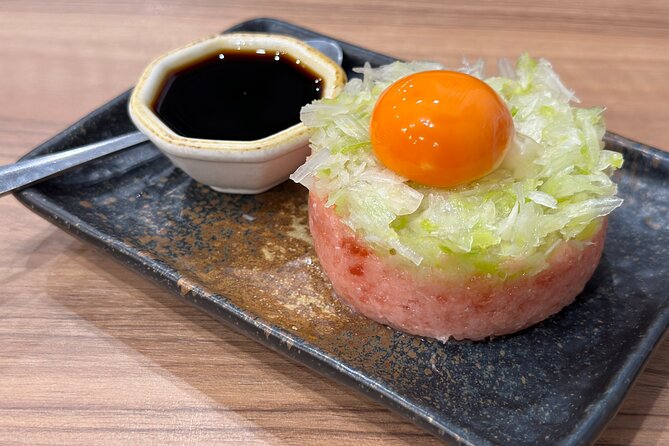
Kyoto food can be hard to approach on your own. Menus may not offer much English, small restaurants can be difficult to identify, and a dish that looks familiar may arrive with flavors or textures you did not expect. This tour removes much of that guesswork while still giving you the pleasure of moving through the city.
The evening is built around four separate eating stops, with short walks between them. That structure matters. You are not sitting at one table for three hours, and you do not have to order a large meal from a menu you cannot fully read. Instead, the food arrives in manageable portions, and the guide explains what you are trying.
The meal is designed to be substantial. People commonly describe leaving with a full stomach, so you should not plan a major dinner afterward. The exact menu can change with the season, the restaurants, and the evening’s arrangements, but the broad aim is clear: introduce you to Kyoto flavors, familiar Japanese comfort foods, drinks, and sweets in one outing.
I especially like this format for your first night in Kyoto. It gives you a useful orientation to the Pontocho and Gion area, introduces dishes you may want to seek out later, and lets you ask basic questions before you spend the rest of your trip ordering alone.
More Food Tours in Kyoto
- Kyoto Night Foodie Tour in Gion (9+ dishes + 6 Sake tastings)
★ 5.0 · 1,762 reviews - 3-Hour Kyoto Insider Sake Brewery Tour with Tastings & Pairings
★ 5.0 · 917 reviews - Arashiyama Bamboo, Temple, Monkeys, or Secret Sake Brewery
★ 4.8 · 886 reviews
Meeting at Sanjo-ohashi Bridge
The tour begins at the Starbucks Coffee beside Kyoto Sanjo-ohashi Bridge, at 113 Nakajimacho in Nakagyo Ward. This is a central meeting point near public transportation, but give yourself enough time to locate the correct Starbucks and arrive ready to walk.
The tour ends at Gion-Shijo Station on Miyagawasuji in Higashiyama Ward. That is handy for continuing your evening, returning to your hotel, or connecting with Kyoto’s transport network. Since you finish at a station rather than back at the starting point, think of this as a one-way evening walk through central Kyoto.
The experience lasts about three hours. The walking is not described as a strenuous hike, but it is a real walking tour with movement between restaurants and a stroll through narrow historic streets. One account specifically noted quite a bit of walking between stops. Wear comfortable shoes, and do not choose this tour if you have a mobility impairment that makes frequent walking or changes in flooring difficult.
The maximum group size is 10 people. That is a useful limit in Pontocho, where the lanes are narrow and the eateries may be small. It also gives the guide a fair chance to explain the dishes and keep the group together.
Pontocho’s lantern-lit opening act
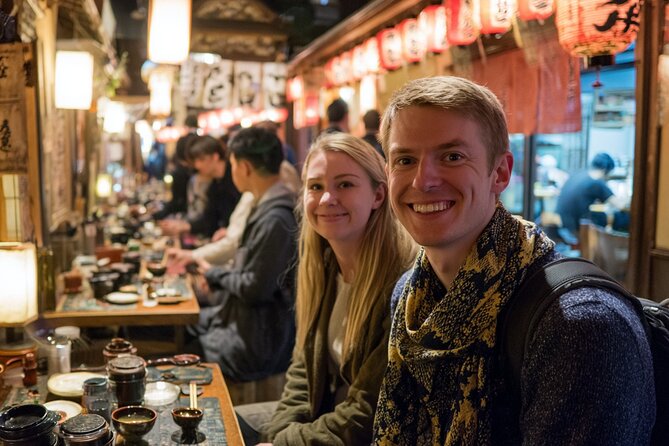
The first hour focuses on the Pontocho District, one of Kyoto’s best-known preserved alley areas. In the evening, lanterns and traditional facades create the mood people hope to find in old Kyoto. You pass teahouses associated with geisha entertainment and hear about the role of geisha in Japanese culture.
This part is valuable because Pontocho is easy to admire without understanding. Its quiet wooden fronts and discreet entrances can make you wonder what happens inside. A guide can provide context about the neighborhood and explain the difference between a scenic lane and an ordinary restaurant street.
Keep your expectations sensible. This is not a private geisha performance, and you should not expect to enter every teahouse you pass. The focus is on seeing the area respectfully while learning about its customs and history.
The food begins as the walk gains shape. Kyoto cuisine is often associated with careful presentation, seasonal ingredients, and restrained flavors. Obanzai, a style of everyday home cooking from Kyoto, offers a useful contrast to more formal kaiseki dining. Yuba, the delicate skin that forms on simmering soy milk, is another local specialty that can seem unfamiliar if you have only eaten standard restaurant tofu.
The guide’s explanation makes these dishes more useful than a random sample from a menu. You learn not only what is on the plate, but also why seasonal timing and local ingredients matter in Kyoto cooking.
Four stops, four different moods
The heart of the tour is the sequence of eateries. Each place has its own food and character, and the short walks between them prevent the meal from becoming a blur of courses.
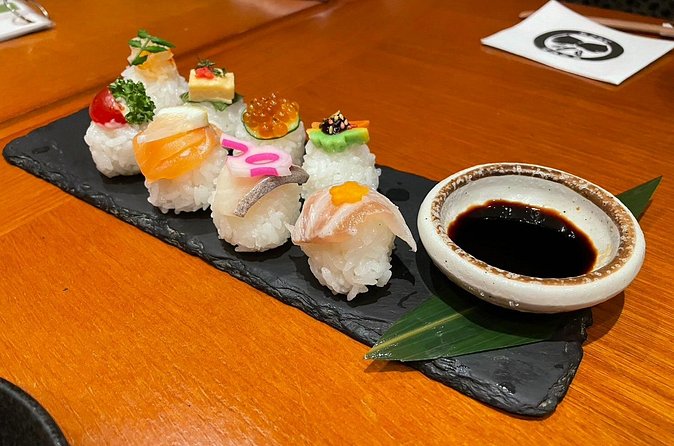
The included tastings are described as 13 dishes across four eateries. Specific food reported from different evenings includes sushi, tempura, takoyaki, potato salad, wagyu sushi, taiyaki, obanzai, yuba, and sweet treats. Because the tour highlights seasonal Kyoto food and uses several venues, you should treat these as examples rather than a guaranteed menu.
More geisha district walks in Kyoto:
- Kyoto Geisha Walking Tour: Gion District & Hidden Gems
★ 4.7 · 3,273 reviews - Kyoto: Gion Magical Night Walking Tour with Geisha Trivia
★ 4.9 · 2,393 reviews - Kyoto: Gion Geisha District Walking Tour – Stories of Geisha
★ 4.7 · 2,187 reviews - Best of Kyoto: Gion, Geisha, Pagodas & Cobblestones
★ 4.9 · 2,058 reviews
Small dishes and Kyoto specialties
The first dishes may help you understand the local style. Obanzai can include simple vegetable preparations and home-style side dishes, while yuba offers a soft, delicate texture that is unlike firm tofu. These foods may not deliver a dramatic hit of spice or richness, but they show why Kyoto cooking is prized for balance and care.
Some diners enjoy this gentle approach. Others looking for bold flavors may find parts of the meal too basic. That difference is worth considering. This is a food introduction, not a high-end tasting menu, and not every plate will be a revelation.
Takoyaki with a little theater
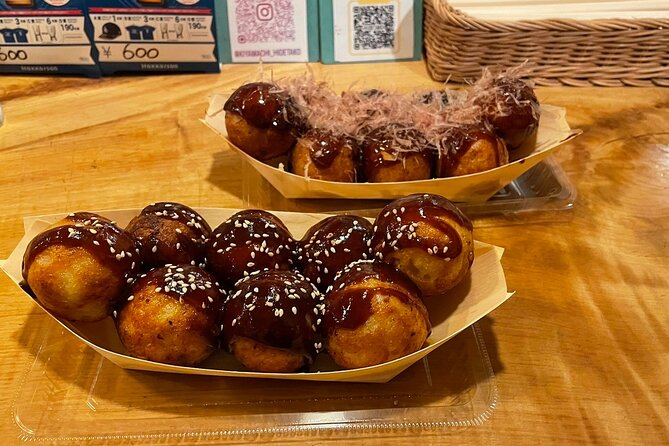
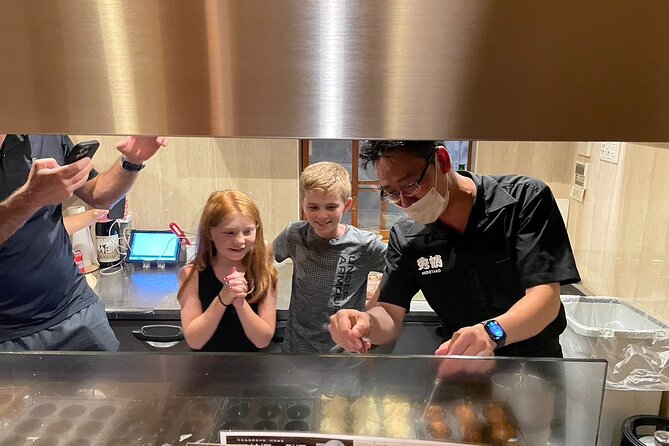
Takoyaki appears to be one of the most popular parts of the experience. This Osaka-born snack consists of batter cooked around octopus, usually finished with sauce and toppings. The tour gives you a chance to compare it with the Kyoto setting, and one particularly praised stop includes quick, theatrical preparation by the cooks.
The dish can be playful and satisfying, especially when served hot. Some evenings include a spicy sauce, which adds more punch than you might expect from a small snack. If you enjoy watching food being prepared in front of you, this stop may be one of the evening’s highlights.
Sushi, tempura, and wagyu bites
Sushi and tempura bring more familiar Japanese favorites into the mix. The point is not simply quantity. Moving from delicate dishes to fried food and then to a carefully presented sushi bite gives the meal a useful range.
Wagyu sushi has also appeared as a memorable tasting. It is a rich bite, and the appeal is easy to understand, but do not book the tour solely for that item. Menus can change, and the experience is built around variety rather than one guaranteed luxury dish.
Taiyaki and the sweet finish
The dessert portions may include taiyaki, the fish-shaped Japanese cake often filled with custard, sweet potato, or red bean paste. Custard-filled taiyaki and creamy sweet potato filling have both received strong praise. The contrast between the crisp outside and warm filling makes a pleasant finish after several savory stops.
A sweet ending also keeps the evening from feeling like a parade of similar snacks. You may encounter other sweets as well, but the exact final dish depends on the route and the day.
Drinks are part of the evening
A complimentary drink is provided at two eateries, with an alcoholic or nonalcoholic choice. Depending on the stop, that can mean local sake or a refreshing soft drink. Some drinks have been described as lightly sweet, fizzy, or citrusy.
The drink inclusion adds value, particularly because you are tasting food in more than one setting. It also gives the guide a natural opening to explain drinking customs and local flavor preferences. Alcohol is served only to people of legal drinking age, so choose the nonalcoholic option if needed.
This is not a dedicated sake tasting. If your main goal is a detailed lesson in brewing, varieties, and production, you will want a more specialized experience. Here, drinks support the meal and the social feel of the night.
The Gion portion: atmosphere, culture, and expectations
The route continues toward Gion, where lantern-lit streets and traditional architecture supply much of the evening’s visual appeal. You hear more about geisha culture and pass areas where teahouses still operate.
Gion is one of Kyoto’s most photographed neighborhoods, but it is also a working area with residents, businesses, and strict expectations around privacy. A guided walk helps you enjoy the atmosphere without treating the streets like a film set. Keep your voice down, do not photograph people without permission, and follow the guide’s lead around private entrances.
The tour description gives Gion a full hour, but the actual route may feel compact. One disappointed participant expected a broader exploration and felt the walk covered only one street. I would book this for a food tour with a Gion setting, not as your main Gion sightseeing walk.
If you want to spend more time exploring the district, arrive early or stay afterward. The finish at Gion-Shijo Station gives you a convenient starting point for your own evening stroll, though the tour itself ends there.
How good is the guiding?
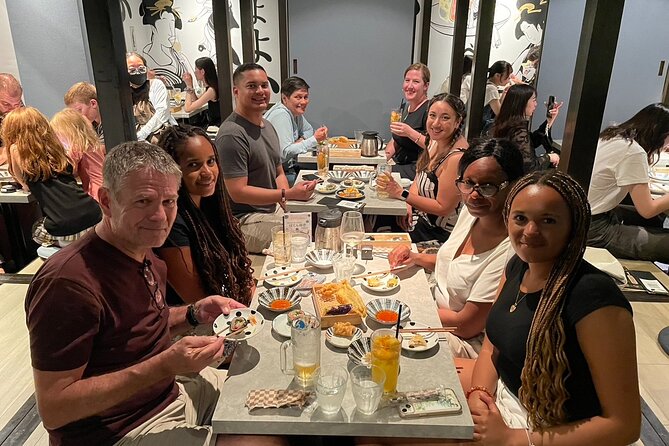
The guide can make or break a small food tour. The strongest accounts describe guides who explain each dish, include everyone in the group, share local food history, and create easy conversation among people from different countries. Alessio, Amy, Pedro, Yuvia, Mehrab, Maggie, Liz, and Gian are among the guides praised for warmth, enthusiasm, or useful explanations.
Several guides seem especially good at helping you try foods you would not order alone. That is one of the best reasons to take this tour. A guide can explain an unfamiliar texture, suggest how to eat it, and remove the worry that you have chosen badly.
The quality is not perfectly uniform. Some commentary has been described as rehearsed or repetitive, and one guide was difficult for a participant to understand. You should allow for some variation based on the individual leading your group. The tour provider is Traveling Kyoto, and the small group limit should help even when the guide’s presentation style is less polished.
Price and value at $72.96
At $72.96 per person, the cost is fair if you would otherwise pay for dinner, drinks, and a guided neighborhood walk separately. You receive food at four eateries, 13 tastings, an English-speaking guide, and included drinks at two stops.
The value is strongest for first-time visitors who want an easy introduction to Kyoto food. You are paying for access and interpretation as much as for the ingredients. The guide helps connect the food to the neighborhoods, and the restaurant sequence lets you sample more than one local setting.
The value is weaker if you are already comfortable ordering Japanese food, have a strict diet, or expect every dish to be unusual. A few people found the selection ordinary, and the tour is not designed as a premium dining experience. It is a guided sampler with atmosphere.
Tips are optional and not included. Carry some water, though the included drinks and food should make this a filling evening.
Food restrictions and comfort notes
This tour is not suitable for vegans, people who need gluten-free food, anyone with celiac disease, or people following a FODMAP diet. The provider states that gluten-free options are not available, so do not rely on last-minute substitutions.
Vegetarian suitability is not clearly stated in the available details. If you have any restriction beyond those listed, ask before booking rather than hoping the group menu can be changed.
Some restaurants require you to remove your shoes. Wear clean, comfortable socks and avoid footwear that is difficult to take off and put back on. You will also walk between venues, stand at times, and enter traditional spaces that may not be designed for modern accessibility needs.
Who should book this Kyoto food tour?
I would choose this tour if you want a social first look at Kyoto cuisine, enjoy trying small portions, and like the idea of eating your way through historic streets rather than sitting in one restaurant. It suits couples, friends, and solo visitors who enjoy meeting other people in a small group.
It is also a smart choice for anyone nervous about Japanese menus. You can ask questions in English, learn the names and customs behind the food, and leave with ideas for later meals.
I would skip it if you want a long, detailed Gion sightseeing walk, a luxury food experience, or strict control over every ingredient. I would also avoid it if three hours of walking and several restaurant changes sound tiring.
Should you book it?
Book this tour if food, local stories, and evening atmosphere matter equally. The four-stop format gives you a broad taste of Kyoto, and the lantern-lit route adds a setting you would not get from an ordinary dinner reservation.
Go in expecting a friendly introduction rather than a flawless gourmet event. The best evenings combine tasty food, good pacing, and a lively guide such as Amy, Alessio, Pedro, or Yuvia. The less successful evenings may feel scripted, and the Gion walk may be shorter than the name suggests.
For $72.96, I think it is a sensible pick for your first Kyoto night, provided you can eat the menu and are happy with a compact neighborhood walk. Cancel at least 24 hours before the start time if your plans change, since later cancellations are not refundable.
FAQ
How long does the Kyoto Gion food tour last?
The tour lasts approximately three hours.
How many dishes are included?
The experience includes 13 dishes served at four eateries.
Are drinks included?
A complimentary alcoholic or nonalcoholic drink is provided at two eateries.
Can I choose an alcoholic drink?
Alcoholic beverages are offered to people of legal drinking age. Nonalcoholic drinks are available.
Is the tour suitable for vegans or people needing gluten-free food?
No. The tour cannot cater for vegan or gluten-free diets and is not suitable for people with celiac disease or those following a FODMAP diet.
How large is the group?
The tour has a maximum of 10 participants.
Where does the tour begin and end?
It begins at the Starbucks Coffee near Kyoto Sanjo-ohashi Bridge and ends at Gion-Shijo Station.
Is the tour suitable for someone with a mobility impairment?
No. The experience is not suitable for a person with a mobility impairment. It includes walking between eateries, and some restaurants may require you to remove your shoes.
Just added around Kyoto
- Kyoto: Private Customizable Day Trip by Car★ 5.0 · 38 reviews
- Kyoto: Gion Night Walking Tour with Geisha Insight★ 5.0 · 39 reviews
- Kyoto: Full Day Bike Tour★ 4.9 · 39 reviews
- Private Japanese Calligraphy in Kyoto – Learn Shodō with a Master★ 5.0 · 39 reviews
- Experience a tea ceremony in an authentic tearoom, in Kyoto!★ 4.5 · 41 reviews
- Kyoto: Gion Evening Walk with Hidden Gems, Geisha & Sake★ 5.0 · 41 reviews
- Kyoto Private Photo Shoot & Tour by SnapKyoto★ 5.0 · 41 reviews
- The Way of Tea: Kyoto Crafts, Hidden Temples & Wabi-Sabi Walk★ 5.0 · 41 reviews
Geisha & Gion District Tours, compared.
Kyoto Geisha Walking Tour: Gion District & Hidden Gems
Read our review →
Gion Magical Night Walking Tour with Geisha Trivia
Read our review →
Gion Geisha District Walking Tour – Stories of Geisha
Read our review →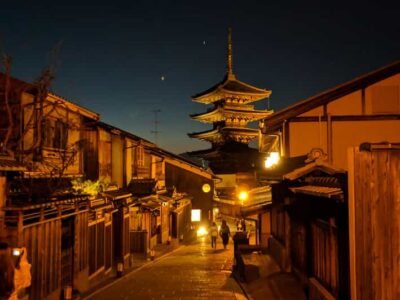
Best of Kyoto: Gion, Geisha, Pagodas & Cobblestones
Read our review →
Kyoto Night Foodie Tour in Gion (9+ dishes + 6 Sake tastings)
Read our review →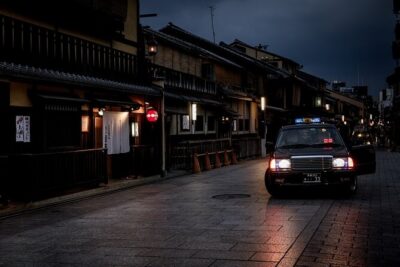
Kyoto Gion Geisha District Walking Tour – The Stories of Geisha
Read our review →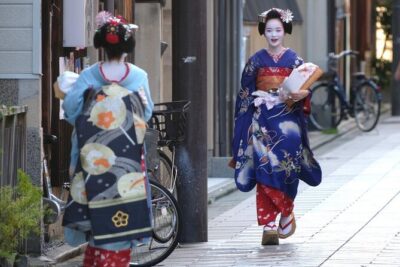
Kyoto Gion: 2-Hour Geisha Culture & History Walking Tour
Read our review →Browse the lists this tour appears in