
Reviewed · GEISHA & GION DISTRICT TOURS
Kyoto: Gion & Pontocho Food Tour with 13 Dishes
Kyoto tastes better after sunset. This three-hour evening walk links Gion and Pontocho with meals at one restaurant and one izakaya, giving you a useful mix of local food, neighborhood history, and shrine culture. I especially like the chance to try up to 13 dishes without ordering blindly, and the small group size, capped at 10 people, should make it easier to ask questions and keep pace.
The tour also includes two drinks, alcoholic or non-alcoholic, which adds solid value at $105.71 per person. The main consideration is timing: a night walk gives you atmospheric streets and lanterns, but it is not the best setting for spotting geisha, and the tour may feel food-heavy if you prefer a longer sightseeing walk.
In This Review
- Key details that shape the evening
- Why this Gion and Pontocho food walk works
- Starting at Yasaka Shrine after dark
- Walking through Gion’s wooden streets
- Eating your way through two Kyoto venues
- Pontocho adds a different evening mood
- The guides make the biggest difference
- What $105.71 buys you in Kyoto
- Timing, meeting point, and practical limits
- Who should book this evening food tour?
- Should you book it?
- FAQ
- How long does the Kyoto food tour last?
- What time does the tour start?
- Where does the tour meet?
- Where does the tour end?
- How many dishes are included?
- Are drinks included?
- How large is the tour group?
- Can I cancel for a refund?
Key details that shape the evening
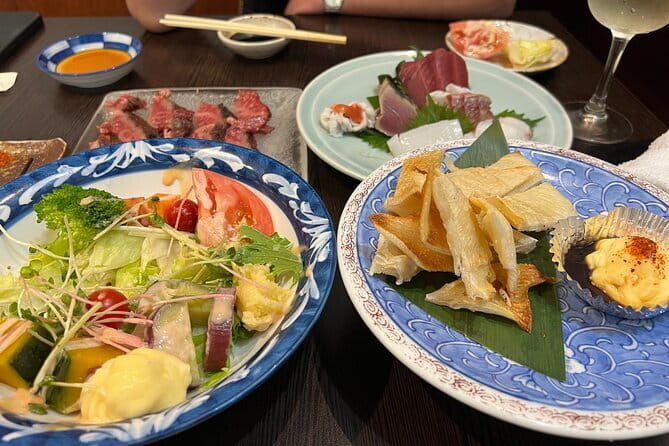
- Up to 13 dishes across two venues: You eat at one restaurant and one izakaya, with food such as tempura, sashimi, tofu, and Japanese fried chicken.
- Yasaka Shrine comes first: The tour adds a cultural stop before dinner, with about 30 minutes at one of Gion’s best-known landmarks.
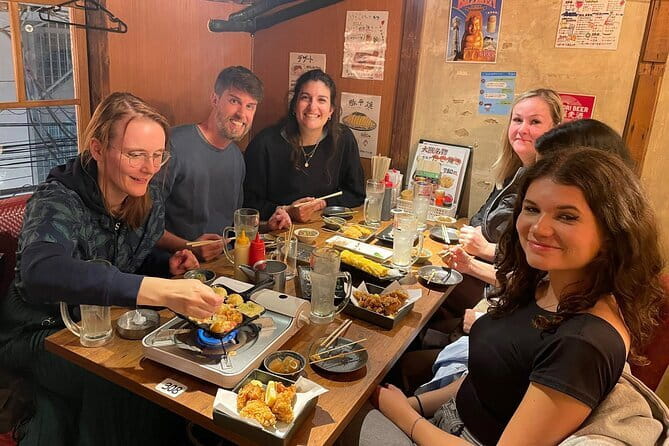
- A maximum of 10 people: The small group should help the guide manage restaurant seating, explain unfamiliar dishes, and answer questions.
- Two drinks are included: You can choose alcoholic or non-alcoholic drinks, though extra drinks cost more.
- Named guides receive warm praise: Kohtaro, Yuna, Meiko, Moto, and Takuma are singled out for friendly explanations and local insight.
- A 7 p.m. start suits evening plans: You meet at FamilyMart 300 Gionmachi Kitagawa and finish near Kyoto-Kawaramachi Station.
Why this Gion and Pontocho food walk works
Kyoto has plenty of restaurants, but choosing one can be difficult when menus are in Japanese or when a narrow doorway gives you no clue what happens inside. This tour solves that problem by pairing a local guide with prearranged food stops. You can focus on tasting rather than decoding menus, finding seats, or worrying about ordering the wrong thing.
The route is also more than a restaurant crawl. You begin at Yasaka Shrine, walk through Gion, then continue toward Pontocho. That gives the evening a simple rhythm: shrine, old streets, dinner, another historic district, and more food. I like that structure because it connects what is on your plate with the neighborhoods around you.
The food itself is broad enough to introduce a first-time visitor to several familiar Japanese categories. Tempura brings crisp fried batter and delicate ingredients. Sashimi offers a taste of raw seafood. Tofu shows a quieter side of Japanese cooking, while Japanese fried chicken gives you a comforting dish that is easy to enjoy even if you are cautious about unfamiliar foods.
The experience has earned a 4.8 rating from 81 reviews, with 98 percent recommending it. Those numbers do not guarantee a perfect evening, but they fit the consistent pattern in the feedback: the guides are friendly, the food selection is varied, and the cultural explanations add real value.
More Food Tours in Kyoto
- Kyoto Night Foodie Tour in Gion (9+ dishes + 6 Sake tastings)
★ 5.0 · 1,762 reviews - 3-Hour Kyoto Insider Sake Brewery Tour with Tastings & Pairings
★ 5.0 · 917 reviews - Arashiyama Bamboo, Temple, Monkeys, or Secret Sake Brewery
★ 4.8 · 886 reviews
Starting at Yasaka Shrine after dark
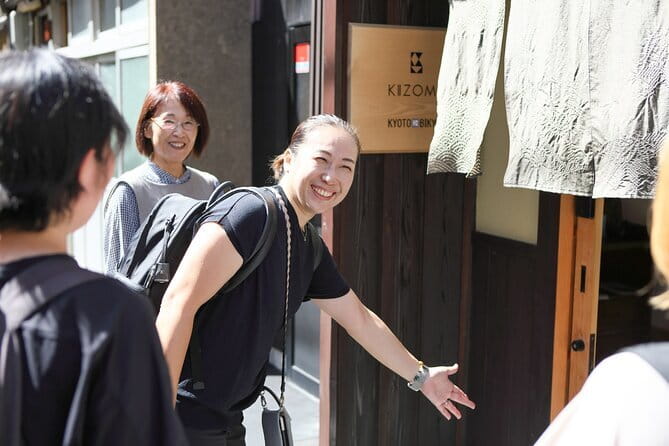
Your meeting point is FamilyMart 300 Gionmachi Kitagawa, in Kyoto’s Higashiyama Ward. From there, the tour visits Yasaka Shrine for about 30 minutes. Admission is free, so your fee goes toward the guided experience, food, drinks, and organization rather than an entrance ticket.
Yasaka Shrine is one of Kyoto’s best-known Shinto shrines and is said to be more than 1,350 years old. Its red main gate and lantern-lit paths provide an easy introduction to Gion. A guide can help explain how the shrine fits into local religious life, which is useful if you have only seen Japanese shrines as attractive photo stops.
A half-hour is enough to see the main atmosphere without turning the evening into a formal shrine tour. You should expect a concise visit rather than an exhaustive lesson in Shinto practice. That is a fair trade here because the food stops are the main event.
The evening timing has both advantages and limits. Lanterns and older streets can feel especially atmospheric after sunset, and a 7 p.m. start leaves your daytime free for temples and museums. On the other hand, low light means you may notice less architectural detail than you would during the day.
Walking through Gion’s wooden streets
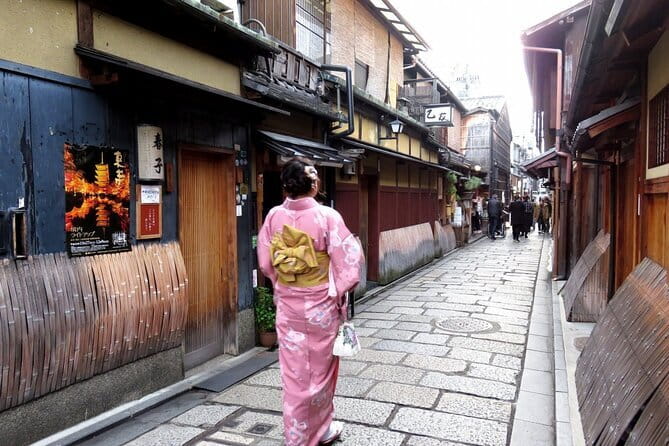
The tour gives Gion about an hour. This is the part of Kyoto most associated with geisha, traditional wooden machiya houses, teahouses, and streets such as Hanami-koji. Your guide helps you move through the district while adding context about its past and present.
Gion is best enjoyed at a slow pace. The appeal is in the wooden facades, narrow lanes, quiet entrances, and the contrast between old buildings and modern Kyoto around them. A guide can point out details that are easy to miss when you are simply following a map.
The guide’s role matters here. Kohtaro was praised for explaining the city, local food, and the surrounding area, while Meiko was noted for covering both older and modern Kyoto. Takuma also received praise for discussing food, history, religion, and language. Those comments suggest that the strongest part of the tour is not only the route, but the conversation along it.
You should keep expectations realistic about geisha sightings. One piece of feedback gives useful advice: night is not the best time to see geisha. Treat Gion as a historic neighborhood and cultural district, not as a guaranteed performance or celebrity sighting. That outlook will make the walk more respectful and more rewarding.
The route is on foot, so comfortable shoes are sensible. The supplied details do not give a precise walking distance or terrain description, but the tour is described as a walking tour lasting about three hours. Most people can participate, and the small group should make street crossings and restaurant transitions easier to manage.
Eating your way through two Kyoto venues
The included food is served at one restaurant and one izakaya. An izakaya is a casual Japanese drinking and dining place, usually built around small plates that are shared or ordered in several rounds. It is a useful format for sampling several flavors in one sitting.
The plan includes up to 13 dishes, though the general description also refers to around 10 dishes. That difference likely reflects the way portions or menu choices are counted, so I would think of the meal as a substantial tasting course rather than expect exactly 13 large plates. The important point is variety, not the number alone.
The dishes named in the tour details include:
- Crispy tempura
- Fresh sashimi
- Japanese fried chicken
- Tofu
- Other traditional Japanese dishes
That list covers several textures and styles. Tempura is light and crisp, sashimi is cool and raw, tofu is soft and mild, and fried chicken is savory and familiar. This range makes the tour a good introduction if you have limited experience with Japanese food.
The meal is also helpful for people who want cultural context with dinner. A guide can explain what you are eating, how it is commonly served, and which flavors or ingredients matter. Yuna was praised for choosing traditional restaurants and offering a wide selection, while another guide was noted for speaking excellent English and explaining the menu clearly.
Do not expect a luxury tasting menu. The experience is designed as a relaxed walking food tour, not a formal kaiseki dinner or a single high-end restaurant meal. You are paying for food at two venues, two drinks, a guide, translation help, and a route through two famous districts. For a visitor who would otherwise spend time guessing where to eat, that package can be good value.
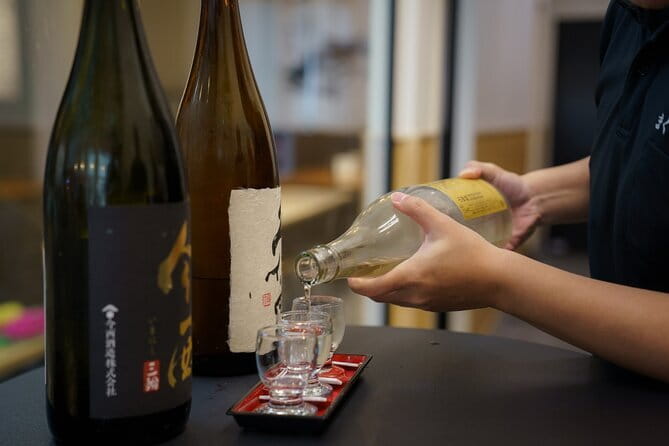
The two included drinks improve the calculation. You can choose alcoholic or non-alcoholic options, which makes the tour workable for people who do not drink. Extra drinks are not included, so big drinkers should budget more.
More geisha district walks in Kyoto:
- Kyoto Geisha Walking Tour: Gion District & Hidden Gems
★ 4.7 · 3,273 reviews - Kyoto: Gion Magical Night Walking Tour with Geisha Trivia
★ 4.9 · 2,393 reviews - Kyoto: Gion Geisha District Walking Tour – Stories of Geisha
★ 4.7 · 2,187 reviews - Best of Kyoto: Gion, Geisha, Pagodas & Cobblestones
★ 4.9 · 2,058 reviews
Pontocho adds a different evening mood
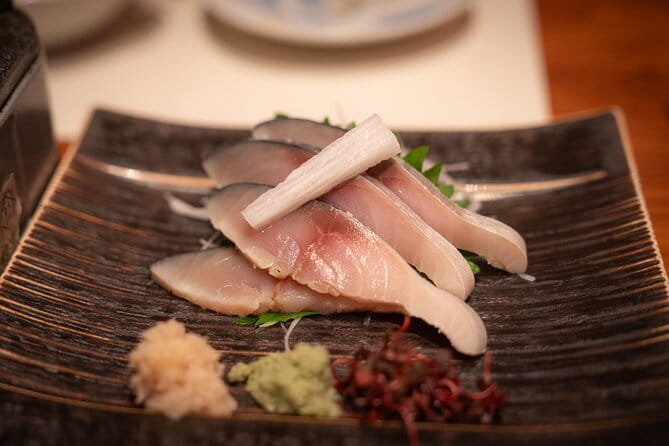
After Gion, the route continues to Pontocho for about an hour. This narrow district runs between the Kamogawa River and Kiyamachi Street. Like Gion, it is known for traditional wooden machiya buildings, but Pontocho has a stronger evening dining and nightlife feel.
The alley is narrow, atmospheric, and packed with restaurants and small bars. Your guide can help you understand the difference between simply walking past these places and entering one with confidence. That translation help is especially useful in a district where menus, signs, and doorways may not explain much in English.
Pontocho is a good final sightseeing stop because it feels different from Gion. Gion gives you shrine grounds, geisha-district associations, and classic streets. Pontocho brings you closer to Kyoto’s evening restaurant culture. Together, they create a fuller picture of the city than a meal at one isolated restaurant would.
The one-hour timing should give you enough time to see the district without making the walk feel endless. Since the tour ends near Kyoto-Kawaramachi Station, Pontocho also leaves you in a practical location for continuing your evening or returning to your accommodation.
The guides make the biggest difference
Food tours live or die by the guide, and this experience has a strong record in that area. Kohtaro is described as friendly, engaging, and well informed about Kyoto, the neighborhoods, and Japanese food. He also offered useful suggestions about where to buy matcha and when to visit popular sights at quieter times.
That sort of extra advice can be worth a lot. You are not only getting dinner. You may leave with ideas for the next day, such as better timing for crowded attractions or places to shop for matcha. The information is practical rather than decorative.
Yuna received praise for both the food choices and clear guidance. Meiko was singled out for covering a great deal of history and culture during the walk. Moto was described as fun and willing to introduce foods that a visitor might not choose alone. Takuma was praised for answering many questions about food, religion, language, and local customs.
Guide quality can vary from one departure to another, so you should not book expecting a particular person unless the booking system confirms the guide. Still, the repeated pattern is encouraging: the guides are not simply escorting you from one restaurant to another. They help translate the meal and the neighborhood.
The maximum group size of 10 supports that style. A smaller party makes it easier to hear explanations in narrow streets and easier for the guide to check that everyone understands the dishes. It also helps the dinner feel less like a large bus excursion.
What $105.71 buys you in Kyoto
At $105.71 per person, this is not a cheap dinner. You should compare it with the likely cost of ordering up to 13 dishes, two drinks, and a guided walk through Gion and Pontocho. The tour becomes more attractive if you value guidance and want to sample several foods rather than pay for one large dish at a single restaurant.
The price also covers the part that is hard to buy separately: translation and local judgment. You could walk through Gion and Pontocho on your own for free, but you would need to select restaurants, interpret menus, order enough variety, and manage the evening yourself. If that sounds like fun, you may prefer independent dining. If it sounds tiring, the fixed format earns its keep.
I see the best value for first-time visitors to Kyoto, people traveling alone, and anyone nervous about ordering Japanese food. It also suits couples or friends who want a social evening without planning every detail. The small group offers company while still allowing more personal attention than a large organized tour.
The value is weaker for confident Kyoto diners who already know these districts and want complete freedom over restaurants and drink choices. You also pay for a set route, so the experience is less flexible than wandering until you find a place that catches your eye.
Timing, meeting point, and practical limits
The tour starts at 7 p.m. and lasts about three hours. That makes it easy to pair with daytime sightseeing, but you should avoid scheduling another fixed evening activity immediately afterward. The exact pace can depend on restaurant service and the walking group.
You meet at FamilyMart 300 Gionmachi Kitagawa in Gion and finish at Kyoto-Kawaramachi Station. Both points are near public transportation, which is useful in Kyoto, where a clear end point can save you a confusing late-night walk.
A mobile ticket is provided, and confirmation arrives at booking. Most people can participate, according to the supplied details. The tour is not presented as an accessibility-focused experience, so anyone with specific mobility needs should confirm the walking conditions before paying.
Free cancellation is available if you cancel at least 24 hours before the start time. Inside that window, the payment is not refunded and changes are not accepted. That rule is worth noting because the tour includes restaurant reservations and begins in the evening.
Who should book this evening food tour?
I would choose this tour if you want a guided first taste of Kyoto rather than a restaurant research project. It is particularly useful for visitors who want help with language, enjoy trying several small dishes, and like learning about religion, history, and local customs while walking.
It also works well at the start of a Kyoto stay. Advice from guides such as Kohtaro about matcha shopping and quieter sightseeing times could help you plan later days. The tour gives you orientation in two central districts before you return on your own.
I would think twice if you need a completely quiet dinner, dislike raw seafood, or want a long sightseeing tour with detailed daytime architecture. Sashimi is included among the sample foods, and the evening route gives priority to atmosphere and dining rather than close study of every building.
The tour is also not the right choice if your main goal is to see geisha. Gion is linked to that culture, but this evening walk does not promise sightings. Go for the streets, the shrine, the food, and the guide’s explanations instead.
Should you book it?
Book it if you want a friendly, compact introduction to Kyoto’s food and evening districts. The combination of up to 13 dishes, two drinks, Yasaka Shrine, Gion, Pontocho, and a group capped at 10 offers a lot in three hours.
At $105.71, you are paying for convenience and local help as much as for dinner. I think that is fair for first-time visitors and cautious eaters, especially when the guide quality is as strong as the comments about Kohtaro, Yuna, Meiko, Moto, and Takuma suggest. Independent diners may get better value elsewhere, but for an easy, informative first night in Kyoto, this is a sensible choice.
FAQ
How long does the Kyoto food tour last?
The tour lasts approximately three hours.
What time does the tour start?
The tour starts at 7:00 p.m.
Where does the tour meet?
The meeting point is FamilyMart 300 Gionmachi Kitagawa, Higashiyama Ward, Kyoto, 605-0073, Japan.
Where does the tour end?
The tour ends at Kyoto-Kawaramachi Station in Kyoto’s Shimogyo Ward.
How many dishes are included?
The food portion includes up to 13 dishes at one restaurant and one izakaya.
Are drinks included?
Yes. Two drinks are included, and you can choose alcoholic or non-alcoholic drinks. Extra drinks are not included.
How large is the tour group?
The group has a maximum of 10 travelers.
Can I cancel for a refund?
Yes. You can cancel at least 24 hours before the start time for a full refund. Cancellations and changes made within 24 hours are not accepted, and the payment is not refunded.
Just added around Kyoto
- Kyoto: Private Customizable Day Trip by Car★ 5.0 · 38 reviews
- Kyoto: Gion Night Walking Tour with Geisha Insight★ 5.0 · 39 reviews
- Kyoto: Full Day Bike Tour★ 4.9 · 39 reviews
- Private Japanese Calligraphy in Kyoto – Learn Shodō with a Master★ 5.0 · 39 reviews
- Experience a tea ceremony in an authentic tearoom, in Kyoto!★ 4.5 · 41 reviews
- Kyoto: Gion Evening Walk with Hidden Gems, Geisha & Sake★ 5.0 · 41 reviews
- Kyoto Private Photo Shoot & Tour by SnapKyoto★ 5.0 · 41 reviews
- The Way of Tea: Kyoto Crafts, Hidden Temples & Wabi-Sabi Walk★ 5.0 · 41 reviews
Geisha & Gion District Tours, compared.
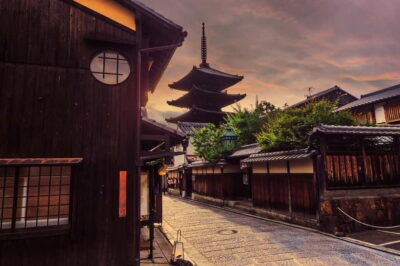
Kyoto Geisha Walking Tour: Gion District & Hidden Gems
Read our review →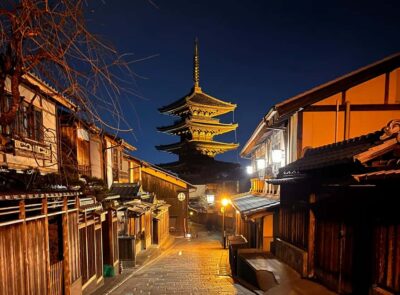
Gion Magical Night Walking Tour with Geisha Trivia
Read our review →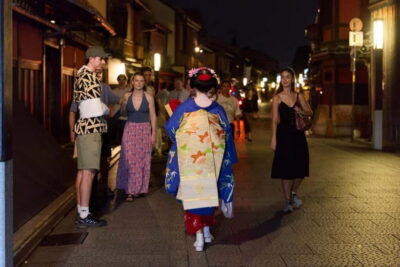
Gion Geisha District Walking Tour – Stories of Geisha
Read our review →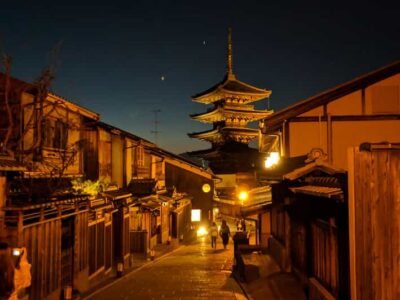
Best of Kyoto: Gion, Geisha, Pagodas & Cobblestones
Read our review →
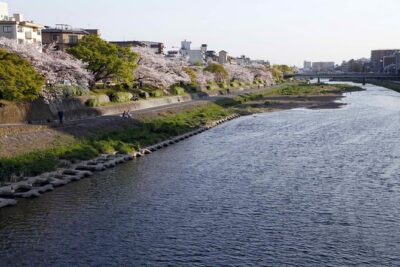
Kyoto Night Foodie Tour in Gion (9+ dishes + 6 Sake tastings)
Read our review →
Kyoto Gion Geisha District Walking Tour – The Stories of Geisha
Read our review →
Kyoto Gion: 2-Hour Geisha Culture & History Walking Tour
Read our review →Browse the lists this tour appears in