
Reviewed · GEISHA & GION DISTRICT TOURS
Kyoto: Gion & Pontocho Food Tour with 13 Dishes
Kyoto tastes better after dark. I like this tour for its small group of eight or fewer and its smart mix of food, walking, shrine visits, and geiko culture. You are not simply seated for dinner. You move through Gion and Pontocho, then sit down to try up to 13 Japanese dishes, including tempura, sashimi, karaage, tofu skin, tonkatsu, and regional specialties.
I also like the two-drink allowance, which can include sake, beer, cocktails, or nonalcoholic drinks. Guides such as Tomoko, Takuma, Kohtaro, Mia, and Minori have earned especially warm praise for their clear explanations and friendly manner. The main consideration is value: at $82 per person, this is not a cheap dinner, and the meal is concentrated into two venues rather than spread across many small food stalls.
In This Review
- Key Points Before You Book
- Starting at Yasaka Shrine After Dark
- Walking Shirakawa Lane and Gion’s Quiet Corners
- First Meal: Izakaya Food in Gion
- Japanese Food Customs Explained Along the Way
- Pontocho: A Different Mood and More Food
- How Much Food Do You Really Get?
- What the $82 Price Really Buys
- Pace, Comfort, and Practical Details
- Who Will Enjoy This Kyoto Food Tour Most?
- Should You Book It?
- FAQ
- How long does the Gion and Pontocho food tour last?
- How many dishes are included?
- Are drinks included?
- Where does the tour meet?
- Is the tour conducted in English?
- How many people are in the group?
Key Points Before You Book
- Up to 13 dishes in three hours: Expect a full meal, not a few sample bites.
- Two different dining settings: The evening includes one izakaya in Gion and another dining spot in Pontocho.
- A useful introduction to geiko culture: You hear about Kyoto’s geisha traditions while walking through the historic districts.
- Sake is part of the fun: Two drinks are included, and several guides provide clear explanations of different sake styles.
- A true small-group format: With no more than eight participants, it is easier to ask questions and meet the people around you.
- Walking comes first: The route includes Yasaka Shrine, Shirakawa Lane, Gion streets, and Pontocho, so wear comfortable shoes.
Starting at Yasaka Shrine After Dark
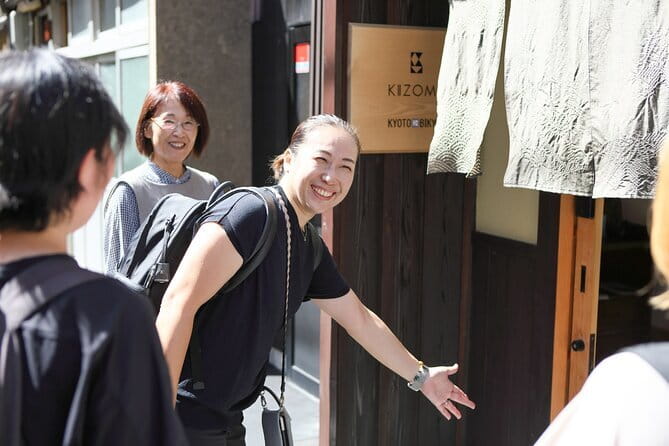
The meeting point is in front of the main entrance of FamilyMart Gion, facing the main street. That detail matters because Gion has several small lanes and multiple convenience stores. Arrive a little early, find the main entrance, and look for the English-speaking guide.
The evening begins with a short visit around Gion. Yasaka Shrine is especially atmospheric at night, when its lanterns and illuminated buildings give the approach a softer, quieter feel. The stop is brief, about a minute according to the planned route, but your guide uses the setting to explain the shrine’s place in Kyoto life and its cultural importance.
This opening works well because it gives the food a sense of place. You are not eating anonymous Japanese dishes in a restaurant far from the sights. You are starting in one of Kyoto’s best-known traditional districts, then learning how food, festivals, shrines, and local customs connect.
The guide is the key to this part. Tomoko has been praised for explaining both Kyoto and its food in a friendly, useful way. Takuma is noted for answering questions and keeping conversation flowing. Kohtaro has received particular praise for explaining the areas along the route. The exact guide varies, but the repeated pattern is a warm host who does more than point out buildings.
More Food Tours in Kyoto
- Kyoto Night Foodie Tour in Gion (9+ dishes + 6 Sake tastings)
★ 5.0 · 1,762 reviews - 3-Hour Kyoto Insider Sake Brewery Tour with Tastings & Pairings
★ 5.0 · 917 reviews - Arashiyama Bamboo, Temple, Monkeys, or Secret Sake Brewery
★ 4.8 · 886 reviews
Walking Shirakawa Lane and Gion’s Quiet Corners
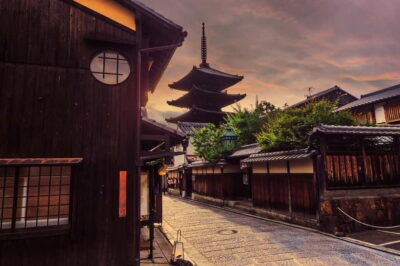
From the shrine, you walk through Gion and spend about 30 minutes around Shirakawa Lane. This is one of the prettiest stretches of the district, with traditional façades, narrow lanes, and the Shirakawa stream nearby. It is a place where the value lies in the guide’s commentary as much as in the scenery.
Gion is strongly linked with geiko culture. Geiko is Kyoto’s local term for a professionally trained entertainer often called a geisha elsewhere in Japan. Maiko are apprentice performers. Your guide explains the customs and working world connected with these districts, while also reminding you that these are living neighborhoods, not open-air theater sets.
That distinction is important. You may see a geiko or maiko moving between appointments, but you should not block lanes, chase anyone, or photograph people without permission. One evening, a participant happened to spot a geisha while waiting to enter the second restaurant, but that was a lucky moment, not a promised feature of the tour.
The best guides make this walk feel natural rather than like a lecture. Ruko, for example, was praised for explaining geiko culture and Japanese dining manners in clear English. Tomoko once wrote down answers to questions and handed the notes to a participant at the end, a thoughtful touch for anyone trying to remember unfamiliar dishes and customs.
First Meal: Izakaya Food in Gion
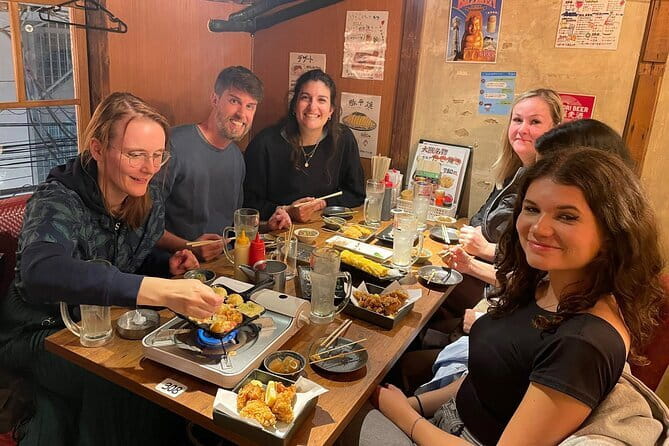
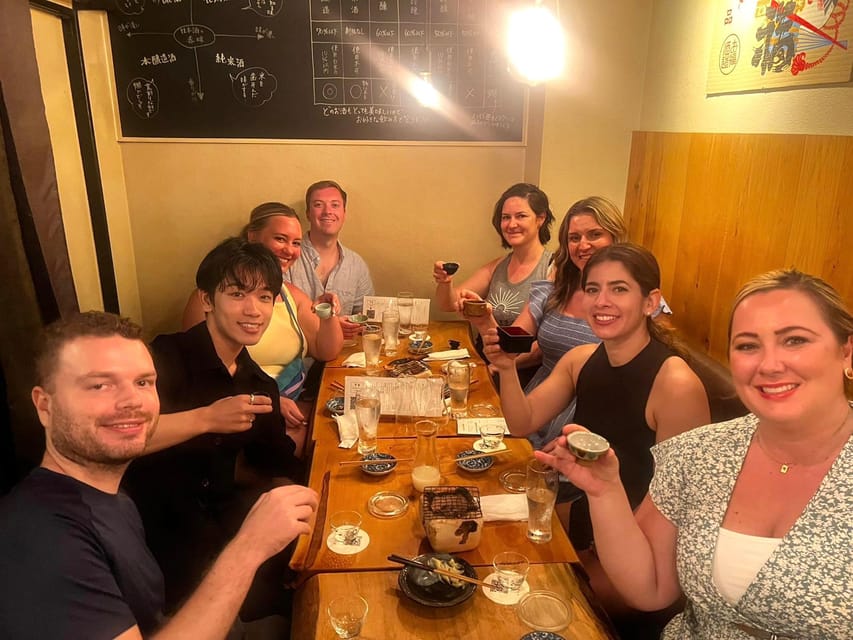
After the walk, you settle into a cozy izakaya in Gion. An izakaya is a Japanese restaurant and drinking place where food arrives in shared portions. This style suits a tasting tour because you can try several dishes without ordering a full serving of everything yourself.
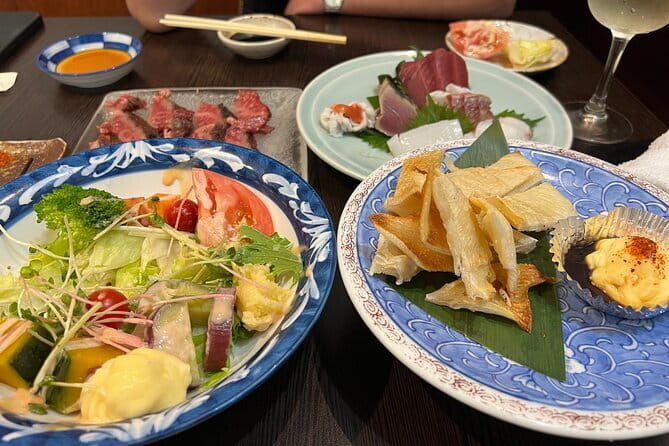
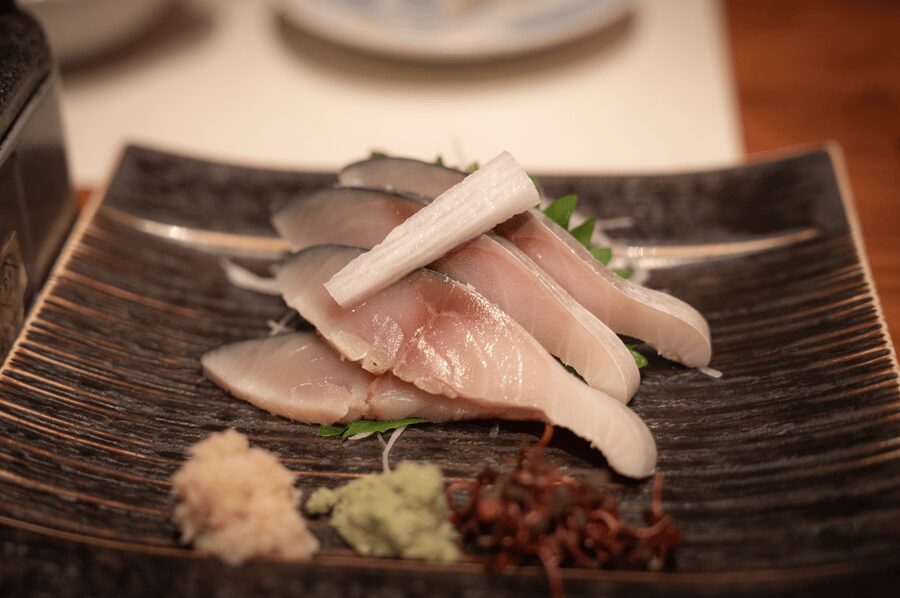
The menu can include karaage, Japanese fried chicken; tempura; sashimi; tonkatsu; tofu skin; and other traditional dishes. Sting ray has also appeared among the selections. The precise dishes may change, so think of the advertised 13 as an upper limit rather than a fixed promise.
This is where the tour earns much of its price. Ordering thirteen dishes independently can be awkward, especially if you do not read Japanese menus or know which regional foods to choose. Your guide can introduce each plate, explain how it is eaten, and help you notice differences in texture, preparation, and seasoning.
The food is not designed for cautious nibbling. Several people found the portions surprisingly generous, and one description called the amount of food a lot. Plan on arriving hungry. If you have already eaten a large dinner, the later courses may feel like a challenge rather than a pleasure.
You also receive one of your included drinks here or later, depending on the evening’s arrangement. The two drinks may be alcoholic or nonalcoholic. Sake is a natural choice, but beer and cocktails are also possible. If you drink heavily, budget for extra beverages, which are not included.
Japanese Food Customs Explained Along the Way
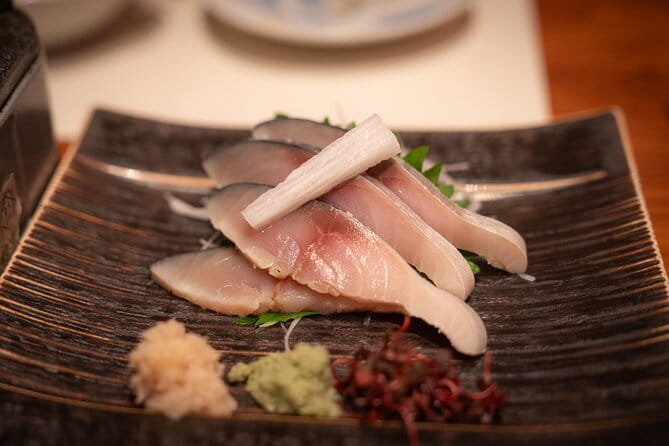
A strong food tour should tell you how to eat, not just what is on the plate. This experience includes explanations of Japanese food etiquette, and that can make the rest of your Kyoto dining much easier.
You may learn when to use chopsticks, how shared dishes work, and why certain foods are presented in particular ways. The guides also connect dishes to Kyoto’s culinary traditions. Daniel described the food as historically tied to Kyoto culture, while Anik appreciated learning the names of dishes and drinks well enough to seek them out again.
That practical knowledge has lasting value. A restaurant menu can be intimidating when you do not know whether you are ordering raw fish, fried chicken, tofu skin, or something more unusual. After this tour, you have a better chance of recognizing dishes and ordering with confidence.
The group setting helps here. With a limit of eight, you can ask a question without holding up a large crowd. Solo participants have a natural way to meet people, and families can share plates while the guide keeps the pace comfortable. A family group with two small children found the guide accommodating, though parents should still consider how well young children handle a three-hour evening meal and walk.
More geisha district walks in Kyoto:
- Kyoto Geisha Walking Tour: Gion District & Hidden Gems
★ 4.7 · 3,273 reviews - Kyoto: Gion Magical Night Walking Tour with Geisha Trivia
★ 4.9 · 2,393 reviews - Kyoto: Gion Geisha District Walking Tour – Stories of Geisha
★ 4.7 · 2,187 reviews - Best of Kyoto: Gion, Geisha, Pagodas & Cobblestones
★ 4.9 · 2,058 reviews
Pontocho: A Different Mood and More Food
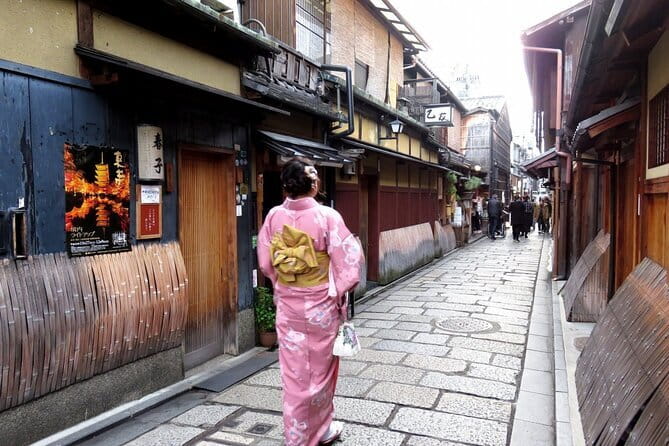
The route continues on foot to Pontocho, one of Kyoto’s most atmospheric dining streets. The planned walk through Pontocho lasts about 15 minutes before the final dining stop.
Pontocho feels different from Gion. The lane is narrow, and its restaurants and bars sit close together behind traditional-looking entrances. Some venues are difficult to identify from the street, which is one reason a local guide is useful. You do not have to guess which door is yours or worry about choosing a restaurant that does not suit your budget.
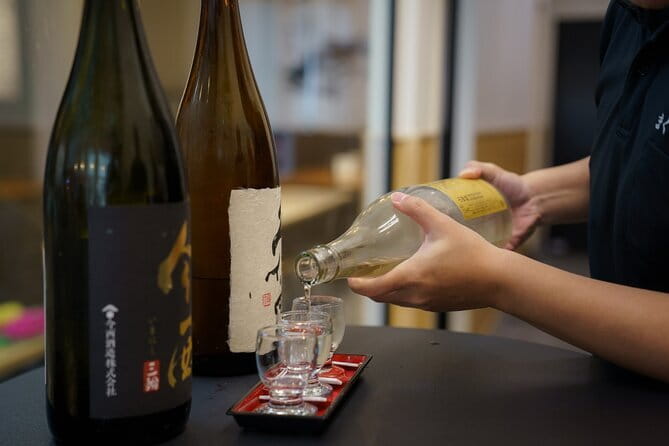
The final stop lasts about an hour and has a different mood from the Gion izakaya. The evening may include dinner, food tasting, beer, a cocktail, or a sake tasting. Matthias enjoyed a proper sake tasting at the second venue, and Jeff particularly valued learning how several sake varieties differed.
Sake can seem like one drink until someone explains it. Rice variety, brewing method, serving temperature, and local style all affect the result. The guide’s explanation turns the tasting into more than a quick pour. You may find a style you prefer, or at least learn what to ask for at another Japanese restaurant.
The Pontocho stop also provides a satisfying finish because you have moved from street scenes into a second dining setting. One participant wished for more stops with less food at each, which is a fair criticism. If your priority is seeing many venues, this tour may feel food-heavy. If your priority is trying a broad selection without managing the ordering yourself, the two-restaurant plan makes good sense.
How Much Food Do You Really Get?
The advertised total is up to 13 traditional dishes. That is a substantial amount for a three-hour tour, particularly when the food includes filling items such as fried chicken, tempura, and tonkatsu alongside sashimi and lighter plates.
I would treat the meal as dinner. Do not schedule another serious restaurant booking afterward. The tastings are served at one izakaya and one restaurant or dining venue, and the reviews consistently describe the food as plentiful. The mix is broad enough to suit curious eaters who want to sample beyond sushi.
You should tell the operator about allergies or dietary needs when booking or before the meal. One participant with allergies received careful attention, but the supplied details do not promise that every restriction can be handled. Because the dishes are selected in advance for the group, this is not the best format for highly restrictive diets unless you confirm arrangements beforehand.
Picky eaters may also want to think carefully. This is a tasting tour, not a safe menu built around familiar favorites. You could encounter raw fish, seafood, tofu preparations, and less familiar items such as sting ray. That is part of the appeal, but it is worth knowing before you sit down.
What the $82 Price Really Buys
At $82, you are paying for more than the ingredients. The fee includes food at one restaurant and one izakaya, up to 13 dishes, two drinks, and a three-hour walking tour with an English-speaking local guide.
The food alone may not justify the cost if you are comfortable ordering in Japanese restaurants and already know where you want to eat. You can spend less on a casual dinner in Kyoto. But the price becomes more reasonable when you add the guidance, the sake explanation, the cultural background, and the reduced risk of choosing poorly in unfamiliar districts.
I see the best value for first-time visitors, solo visitors, and anyone who wants an organized introduction to Kyoto food. It is also useful early in your stay, since the guide may help you understand menus and suggest dishes for later meals. Several participants appreciated recommendations for the rest of their time in Kyoto.
The group size is a major part of the value. Eight people is small enough for personal conversation, but large enough to create a social evening. Some departures may be much smaller. One February booking had only two participants and felt almost private, though you should not count on having that arrangement.
Pace, Comfort, and Practical Details
The experience lasts three hours and takes place in the evening. You walk between Gion, Shirakawa Lane, and Pontocho, with restaurant time built into the route. Comfortable shoes are sensible, and a rain layer is wise because the sightseeing portions are outdoors.
The route is listed as wheelchair accessible. Still, you should confirm the specific departure details if you use a wheelchair, since the tour passes through narrow traditional streets and restaurant entrances can differ.
The meeting point is easy to describe but not necessarily easy to spot in a crowded district. Use the full name, FamilyMart Gion, and face the main street. Do not wait at a random side entrance or assume every FamilyMart in the area is the correct one.
Cancellation is flexible up to 24 hours before the start for a full refund, and you can reserve while paying later. Starting times vary, so check the available evening departure before you plan dinner, a show, or a late-night train.
Who Will Enjoy This Kyoto Food Tour Most?
I would recommend it to you if you want a guided first taste of Japanese food and prefer conversation over a formal culinary class. The combination of walking and eating keeps the night varied, while the small group makes it easy to ask about food, etiquette, history, and daily life.
It is particularly good for solo visitors. The shared meal gives you an immediate social setting, and several participants enjoyed meeting people from different countries. Couples and families can also benefit, especially if one person in the group feels unsure about ordering unfamiliar dishes.
Food enthusiasts will appreciate the range, but the tour is not aimed at specialists. You will not spend three hours on technical cooking instruction. Instead, you get a friendly introduction to what appears on the table and why it matters in Kyoto.
I would hesitate if you want a slow, multi-course kaiseki dinner, a market tour, or a long list of separate food stalls. I would also hesitate if you dislike shared dishes, raw seafood, alcohol-centered settings, or walking at night. The tour can provide nonalcoholic drinks, but its atmosphere is built around izakaya dining and sake.
Should You Book It?
Book this tour if you want one well-organized evening that combines Kyoto sightseeing with a very full dinner. The strongest reasons are the small group, the wide range of dishes, and the guides, with Tomoko, Takuma, Kohtaro, Mia, Ruko, and Minori receiving especially warm praise for their hospitality and explanations.
Skip it if $82 feels high for dinner or if you would rather choose every dish and restaurant yourself. For most first-time visitors who want help navigating Gion and Pontocho, the fee buys useful context, two distinct dining settings, two drinks, and enough food to replace dinner. Come hungry, ask questions, and treat the geiko sightings as a possibility rather than the main event.
FAQ
How long does the Gion and Pontocho food tour last?
The tour lasts three hours and includes walking, cultural explanations, visits to Gion and Pontocho, and food at two dining venues.
How many dishes are included?
The tour includes up to 13 dishes. The food can include items such as karaage, tempura, sashimi, tonkatsu, tofu skin, and other traditional Japanese specialties.
Are drinks included?
Yes. Two drinks are included, and they can be alcoholic or nonalcoholic. Sake, beer, and cocktails may be available. Extra drinks are not included.
Where does the tour meet?
The meeting point is in front of the main entrance of FamilyMart Gion, facing the main street.
Is the tour conducted in English?
Yes. The tour has a live English-speaking guide.
How many people are in the group?
The group is limited to eight participants, although some departures may have fewer people. The tour is also listed as wheelchair accessible.
Just added around Kyoto
- Kyoto: Gion Night Walking Tour with Geisha Insight★ 5.0 · 39 reviews
- Kyoto: Private Customizable Day Trip by Car★ 5.0 · 38 reviews
- Kyoto: Full Day Bike Tour★ 4.9 · 39 reviews
- Private Japanese Calligraphy in Kyoto – Learn Shodō with a Master★ 5.0 · 39 reviews
- Experience a tea ceremony in an authentic tearoom, in Kyoto!★ 4.5 · 41 reviews
- Kyoto: Gion Evening Walk with Hidden Gems, Geisha & Sake★ 5.0 · 41 reviews
- Kyoto Private Photo Shoot & Tour by SnapKyoto★ 5.0 · 41 reviews
- The Way of Tea: Kyoto Crafts, Hidden Temples & Wabi-Sabi Walk★ 5.0 · 41 reviews
Geisha & Gion District Tours, compared.
Kyoto Geisha Walking Tour: Gion District & Hidden Gems
Read our review →
Gion Magical Night Walking Tour with Geisha Trivia
Read our review →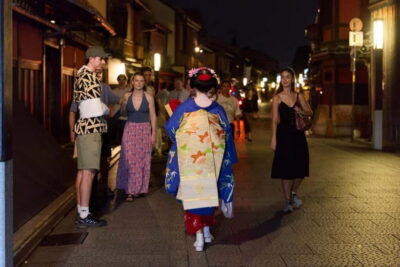
Gion Geisha District Walking Tour – Stories of Geisha
Read our review →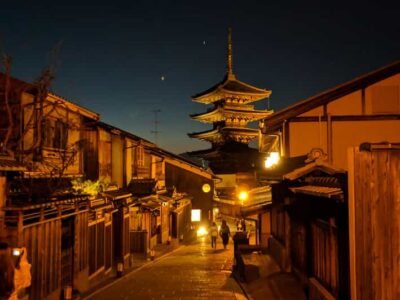
Best of Kyoto: Gion, Geisha, Pagodas & Cobblestones
Read our review →
Kyoto Night Foodie Tour in Gion (9+ dishes + 6 Sake tastings)
Read our review →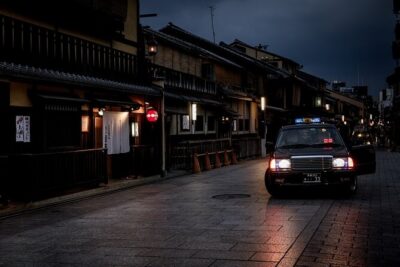
Kyoto Gion Geisha District Walking Tour – The Stories of Geisha
Read our review →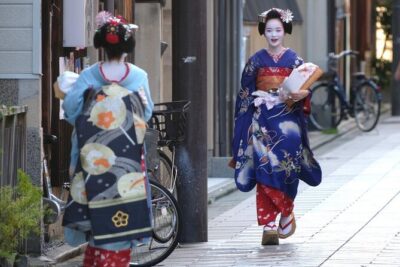
Kyoto Gion: 2-Hour Geisha Culture & History Walking Tour
Read our review →Browse the lists this tour appears in