
Reviewed · WALKING TOURS
Kyoto : Private Custom Walking Tour With A Local Guide
Kyoto rewards a little local help. This private walking tour lets you shape the day around the temples, shrines, neighborhoods, food, and museums you care about, instead of following a fixed route. I especially like the chance to combine famous places with quieter corners, and the useful advice guides give you for the rest of your stay. The main tradeoff is that attraction tickets, food, drinks, and local transportation are extra.
The tour is also a smart way to begin a Kyoto visit. A guide can explain the difference between a Buddhist temple and a Shinto shrine, show you how to move around the city, and help you avoid wasting time. But Kyoto is spread out, so a two-hour booking may feel rushed if you want several major sights.
In This Review
- Key points at a glance
- Why a private guide helps in Kyoto
- Start in Kyoto with a route that fits your plans
- Fushimi Inari and the southern approach
- Kiyomizu-dera, Sannenzaka, and Ninenzaka
- Gion, Maruyama Park, and the old city
- The Philosopher’s Path and Ginkakuji
- Food, sake, cafes, and local suggestions
- How much can you cover in two to eight hours?
- Is $62 per person good value?
- What the guides do best
- Who should book this Kyoto walk?
- Final verdict: book it for guidance, not a checklist
- FAQ
- How long does the private Kyoto walking tour last?
- Can I customize the route?
- Is hotel pickup included?
- Are attraction tickets included?
- Is transportation included?
- What languages are available?
Key points at a glance
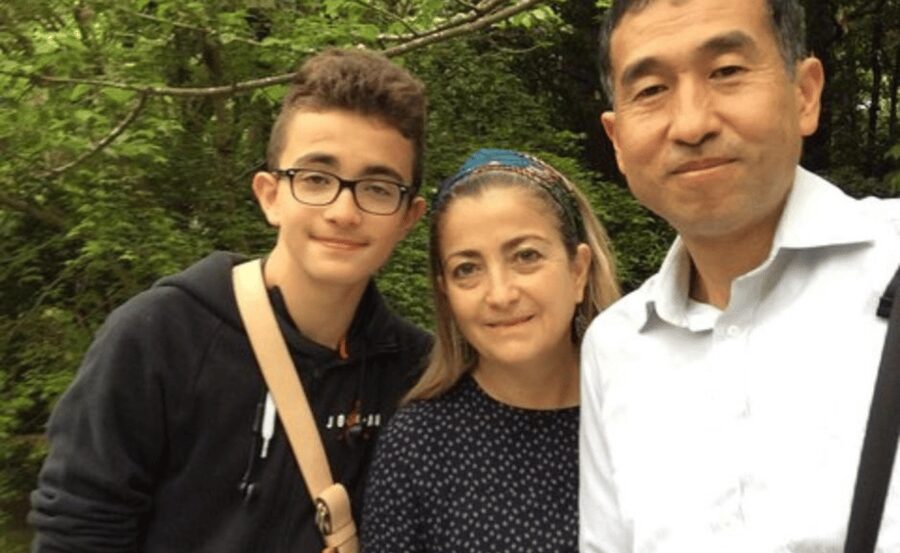
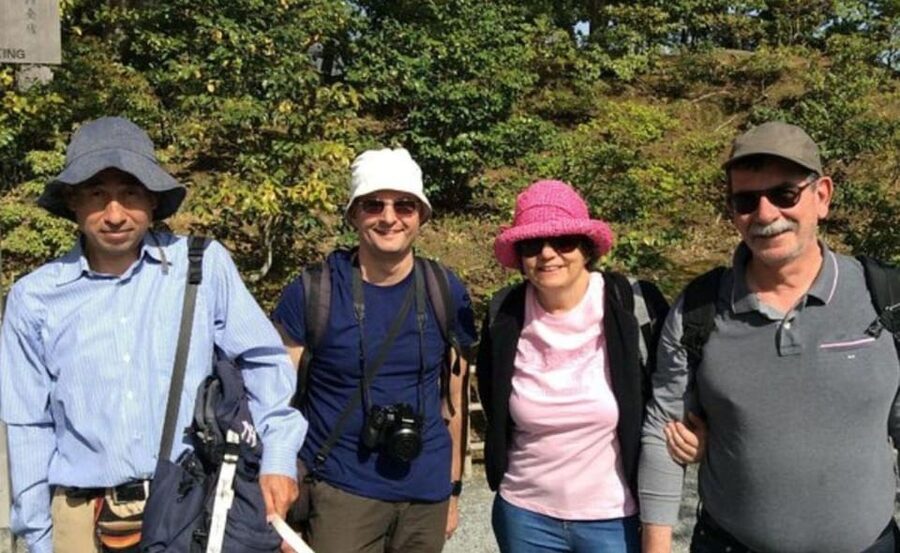
- Your route is built around you: Choose temples, shrines, historic districts, museums, food areas, or lesser-known streets.
- Private means flexible: Your guide can adjust the pace for children, hot weather, mobility needs, or changing interests.
- Expect more than sightseeing: Guides offer practical advice on restaurants, transport, and places to visit later.
- Popular routes are available: Fushimi Inari, Kiyomizu-dera, Gion, Sannenzaka, Ninenzaka, Maruyama Park, and the Philosopher’s Path can all fit your plans.
- A longer booking gives better value: The tour can last from 2 to 8 hours, but Kyoto’s distances make half-day or full-day options more useful for ambitious plans.
- Budget for extras: Entry tickets, meals, drinks, and local transport are not included, although public transport used during the walking tour is part of the experience unless you choose an alternative option.
Why a private guide helps in Kyoto

Kyoto can look simple on a map. In practice, its famous sights are scattered across several parts of the city, and each area has its own pace and character. You can spend a morning at a shrine, walk through an old street, take a train or bus across town, and still feel that you have only scratched the surface.
A private guide gives you a person to help make those choices. You can ask for the major sights, a calmer route, a family-friendly outing, or a day focused on architecture and culture. You are not tied to a group schedule or a standard sightseeing loop.
I like this format especially for a first morning in Kyoto. Your guide can help you understand the city’s basic layout, point out areas worth returning to, and suggest places for later meals or visits. Maria, one of the guides, has lived in Japan for more than 25 years and is a licensed guide. Her background is a good example of the kind of cultural and historical context that can turn a quick temple visit into a more meaningful one.
The experience is available in English, Spanish, French, and Italian. It is a private group tour, so the conversation can stay focused on your questions rather than on a mixed group with different interests.
More Walking Tours in Kyoto
- Kyoto Geisha Walking Tour: Gion District & Hidden Gems
★ 4.7 · 3,273 reviews - Kyoto: Gion Magical Night Walking Tour with Geisha Trivia
★ 4.9 · 2,393 reviews - Kyoto: Gion Geisha District Walking Tour – Stories of Geisha
★ 4.7 · 2,187 reviews
Start in Kyoto with a route that fits your plans
Pickup is available at your accommodation if it is located in the city. Otherwise, you meet in Kyoto at an agreed point. The exact route is not fixed, which is both the appeal and the one thing you should settle clearly before the day.
Tell the guide what matters to you ahead of time. You might want:
- A first look at Kyoto’s major temples and shrines
- A walk through Gion and nearby historic streets
- A family-friendly route with regular breaks
- A quieter day along the Philosopher’s Path
- A visit to a museum
- Advice about food and neighborhoods
- A mix of famous places and local areas
If you want to enter a museum or another attraction, say so before the tour. The guide can help arrange the desired tickets, but you pay attraction admission separately. The standard experience focuses on walking and exterior sightseeing, so do not assume that every temple or museum interior is included.
That distinction matters in Kyoto. Some of the best moments come from simply moving through a district, looking at old streets, gardens, gates, and building details. But if a particular temple interior or museum is central to your plans, arrange it in advance.
Fushimi Inari and the southern approach
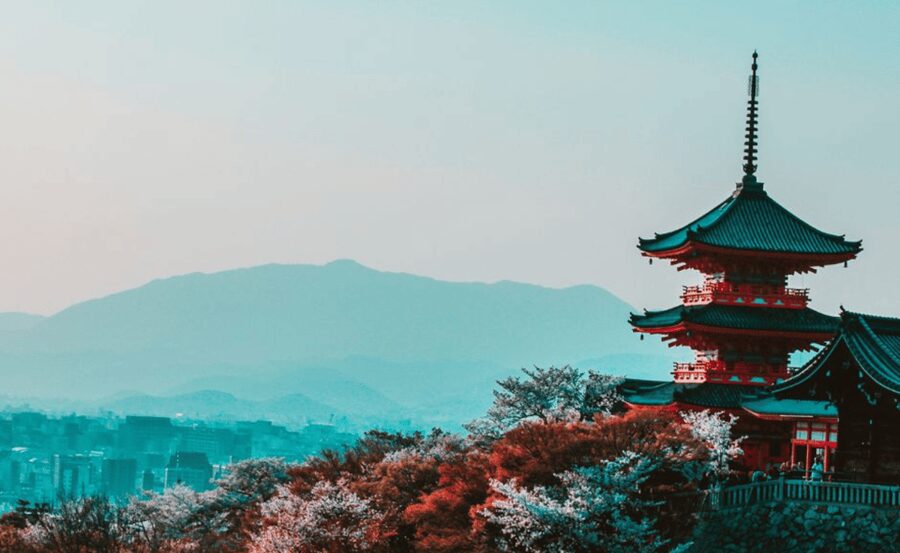
Fushimi Inari Shrine is one of Kyoto’s most recognizable sights, known for its long paths of orange torii gates. It is an obvious choice for a custom tour, but it can also be physically demanding, especially in summer or if you want to walk far up the mountain.
A guide can help you decide how much of the route makes sense for your time and energy. The value is not only in pointing out the gates. A good explanation of Shinto practice, shrine design, and the role of the site gives the walk more meaning.
The route can also include Sanjusangendo Temple, famous for its 1,001 statues of Kannon. Wajid guided one full-day route through Fushimi Inari, Sanjusangendo, and Kiyomizu-dera, with explanations that helped connect each place to Kyoto’s wider religious culture.
Do not try to cram every major sight into two hours. Fushimi Inari alone can take as much time as you want to give it, and adding another district means travel between areas. If this southern Kyoto route is your priority, a half-day booking is more sensible.
Kiyomizu-dera, Sannenzaka, and Ninenzaka
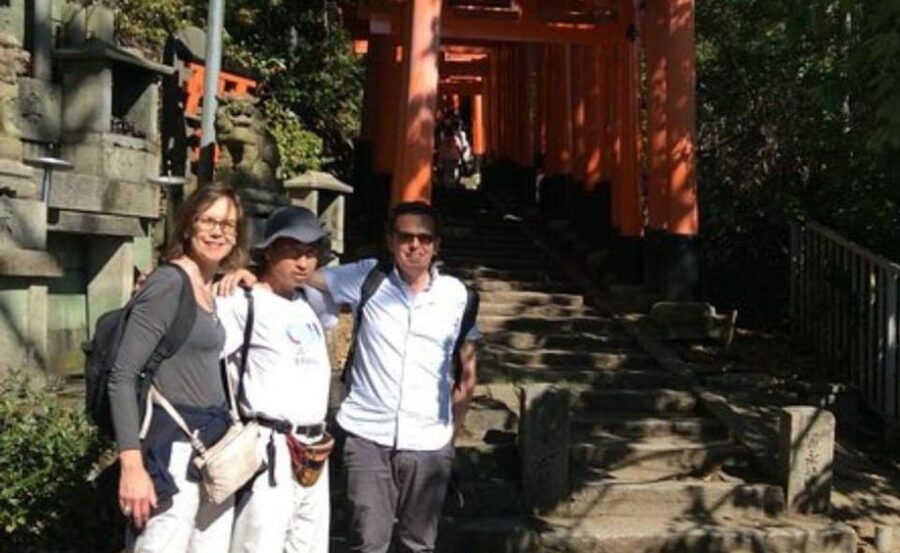
Kiyomizu-dera is one of Kyoto’s best-known temple complexes, and the approach streets of Sannenzaka and Ninenzaka are part of the experience. These lanes are scenic and historic, but they are also among the city’s busiest sightseeing areas.
This is where a private guide earns their keep. You can ask about the details you might otherwise miss, including traditional buildings, cultural customs, photo spots, and the relationship between the temple and the surrounding streets. Wajid also included Maruyama Park and explained aspects of geisha culture along the way.
The route involves walking on sloping streets and through busy areas. Wear shoes you can walk in for several hours, and tell your guide if you need a slower pace. The private format makes it easier to pause, change direction, or leave out a stop that no longer appeals.
Kiyomizu-dera is a strong choice for first-time visitors who want one compact area with several types of Kyoto experience: a major temple, old lanes, shops, cultural details, and a park nearby. The drawback is that this area may feel less quiet than the city’s smaller neighborhoods.
A completely different kind of day out in Kyoto:
- PERFECT KYOTO 1-Day Bus Tour
★ 5.0 · 13,518 reviews - Kyoto: Fushimi Inari, Kinkakuji, Bamboo Grove 1 Day Bus Tour
★ 4.8 · 4,316 reviews - Kyoto: Tea Ceremony in a Traditional Tea House in Kiyomizu
★ 4.9 · 3,519 reviews - Kyoto: Tea Ceremony Ju-An at Jotokuji Temple
★ 4.9 · 3,207 reviews
Gion, Maruyama Park, and the old city

Gion is often the Kyoto district people picture before arriving. Its traditional streets, teahouse architecture, and connection with geisha culture make it an appealing walking area, but it deserves respectful sightseeing. A guide can explain what you are seeing without reducing the neighborhood to a photo backdrop.
Jerome adapted a Gion tour for children, which shows why the private format works well for families. Children may enjoy the visual details and stories for a while, but they may not want a long sequence of formal temple explanations. A guide who can change the pace makes the day easier for everyone.
Maruyama Park provides a natural break from the narrow streets. Depending on your route and interests, it can work as a pause between Gion and nearby temples. Small details can make the walk more memorable. One guide pointed out a Pokémon manhole, a fun modern touch amid the historic surroundings.
If you want photos, mention that before starting. Jerome is known for taking good pictures, and this kind of small service can be useful for couples or families who want everyone in the frame.
The Philosopher’s Path and Ginkakuji
The Philosopher’s Path offers a different mood from the central sightseeing districts. The route follows a canal and connects with the area around Ginkakuji, also called the Silver Pavilion. It is a good choice if you want a slower walk with space for conversation.
Kevin combined a stop at a cafe, a climb toward Daimonji, the Philosopher’s Path, and Ginkakuji. He explained the difference between temples and shrines before the walk, then adjusted the amount of information and the route to suit the group. That balance matters. You want enough explanation to understand Kyoto, but not a nonstop lecture while walking.
The climb toward Daimonji is not suitable for every itinerary or every visitor. Heat can be intense in Kyoto, and one family specifically appreciated a guide who kept children cool and entertained. If you visit in hot weather, tell the guide your limits. A private tour can shift toward shaded streets, cafes, and shorter walks.
This northern and eastern route can fill several hours on its own. It is a better match for a half-day booking than for a brief introduction.
Food, sake, cafes, and local suggestions

Food is not included, but food advice is one of the most useful extras. Your guide can suggest places for noodles, pizza, cafes, or other meals that fit your interests and location.
Kevin began with iced coffee at AG Coffee in Sakyo, then stopped at another cafe for frozen apple pie. Flavio included a sake tour and tasting, finished with pizza, and later recommended a bowl of ramen. These examples show how a custom walk can include everyday Kyoto, not only monuments.
You pay for your own food and drinks, so keep that in your budget. Still, the recommendations can save time and help you choose a meal that fits naturally into the route. At the end of a long walking day, a guide who knows where to find a good bowl of ramen may be more useful than another formal sightseeing stop.
Be clear about dietary needs and food preferences before the tour. The supplied information confirms that guides offer advice, but it does not promise specific restaurant bookings or a meal included in the price.
How much can you cover in two to eight hours?
The duration range is unusually flexible. Two hours works for a focused introduction to one compact area, such as Gion or a short temple route. It is also useful if you already know Kyoto and want help with one particular neighborhood.
A four-hour booking gives you room for a main area plus conversation, photographs, and a break. This is the best middle ground for many visitors. You can see meaningful sights without turning the day into a march.
Six to eight hours is the right choice if you want several districts, public transport between them, a museum, a food stop, or a mix of major sights and quieter streets. One visitor who booked only two hours wished they had reserved longer after seeing how much the guide could cover.
The walking element is important. Local transportation around the city is not included as a separate cost, and car transportation is not part of the standard walking tour. The experience includes walking and public transport, except if you select another option. Ask about the exact transport plan before you begin, since Kyoto’s distances can affect both time and energy.
Is $62 per person good value?
At $62 per person, the tour offers solid value if you want personal attention and help making choices in a complicated city. You are paying for a private guide, a custom route, hotel pickup within the city when available, and practical advice that can improve the rest of your trip.
The value rises when two or more people share the experience, since the guide’s attention stays with your own group. It also rises if you use the guide to solve a specific problem, such as fitting several sights into one day, planning around children, or choosing between different neighborhoods.
The price does not cover attraction tickets, food, drinks, or local transportation costs. Add those expenses before comparing this tour with a group excursion. If you want a low-cost walk with no paid stops, keep the route to outdoor sightseeing and ask the guide to focus on areas that do not require admission.
For a first day in Kyoto, the advice can be worth as much as the sightseeing. Anne and her son used their tour to understand the city’s areas and decide where to spend the following days. That is a practical benefit you do not get from simply checking monuments off a map.
What the guides do best
The strongest part of this experience is the guide-to-guest relationship. The guides are repeatedly praised for adapting routes, explaining culture clearly, and keeping a relaxed pace.
Maria brings long-term experience in Japan. Terry helped connect the history of shrines and temples to the rest of a Kyoto visit. Ian showed a group all the areas they requested and added more, although the two-hour time limit left them wanting extra time.
Other guides bring different strengths. Kevin is good at adjusting for heat and family needs. Jerome has been praised for punctuality, local tips, and photographs. Flavio added food and sake to a full-day route, while Kenta made a complicated day of Kyoto sightseeing easier to manage.
That variety is worth remembering. Your experience depends partly on the guide assigned to you, so send clear interests before the meeting. Say if you want more history, less formal explanation, architecture, food, photography, family activities, or a gentle pace.
Who should book this Kyoto walk?
I would choose this tour for:
- First-time Kyoto visitors who want help getting oriented
- Families who need a flexible pace
- Couples who prefer a private experience
- Solo visitors who want company and local advice
- Travelers interested in a particular neighborhood or museum
- Visitors who want to combine famous sights with quieter places
- People who value explanations of culture rather than quick photo stops
It may be less suitable if you want a fully packaged sightseeing day with every ticket and meal included. It is also not the best choice for someone who dislikes walking or does not want to decide what they want to see.
Wheelchair accessibility is listed, which is useful, but Kyoto’s streets, slopes, temple approaches, and historic areas can vary. Discuss the route and any access needs in advance so the guide can plan appropriately.
Final verdict: book it for guidance, not a checklist
I recommend the Kyoto Private Custom Walking Tour if you want your time shaped around your interests. The private setup, flexible duration, multilingual guides, and advice for the rest of your stay make it more useful than a standard route for many visitors.
Book at least four hours if you want more than one major area. Choose six to eight hours for a serious first look at Kyoto, especially if you want public transport, a museum, food suggestions, or several temple districts.
Choose two hours only for a focused introduction. The experience is strongest when you use the guide as a local planner, cultural interpreter, and practical problem-solver, not simply as someone who leads you from one famous gate to the next.
FAQ
How long does the private Kyoto walking tour last?
You can book the tour for 2 to 8 hours. Check availability for the starting times offered on your date.
Can I customize the route?
Yes. The tour can be adapted to your interests, including major sights, neighborhoods, venues, and museums. Tell the guide what you want ahead of time.
Is hotel pickup included?
Hotel pickup is included when you are staying at accommodation located within the city. The meeting details should be confirmed when you arrange the tour.
Are attraction tickets included?
No. Tickets to attractions are not included. The guide can help your team book tickets for visits you want to make.
Is transportation included?
The standard experience is a walking tour using public transport when needed. Local transportation around the city is not included as a separate tour feature, and car transportation is not included unless you select another option.
What languages are available?
Live tours are available in English, Spanish, French, and Italian. The tour is offered for a private group and is listed as wheelchair accessible.
Just added around Kyoto
- Kyoto: Private Customizable Day Trip by Car★ 5.0 · 38 reviews
- Kyoto: Gion Night Walking Tour with Geisha Insight★ 5.0 · 39 reviews
- Kyoto: Full Day Bike Tour★ 4.9 · 39 reviews
- Private Japanese Calligraphy in Kyoto – Learn Shodō with a Master★ 5.0 · 39 reviews
- Kyoto: Gion Evening Walk with Hidden Gems, Geisha & Sake★ 5.0 · 41 reviews
- Experience a tea ceremony in an authentic tearoom, in Kyoto!★ 4.5 · 41 reviews
- Kyoto Private Photo Shoot & Tour by SnapKyoto★ 5.0 · 41 reviews
- The Way of Tea: Kyoto Crafts, Hidden Temples & Wabi-Sabi Walk★ 5.0 · 41 reviews
Walking Tours, compared.
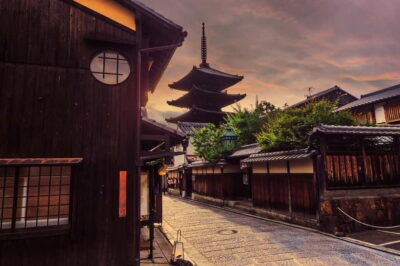
Kyoto Geisha Walking Tour: Gion District & Hidden Gems
Read our review →
Tokyo Tsukiji Fish Market Food and Culture Walking Tour
Read our review →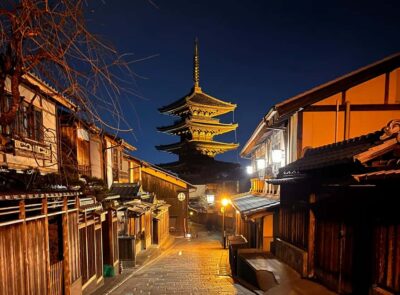
Gion Magical Night Walking Tour with Geisha Trivia
Read our review →
Imperial Palace and Shogun Historical Walking Tour
Read our review →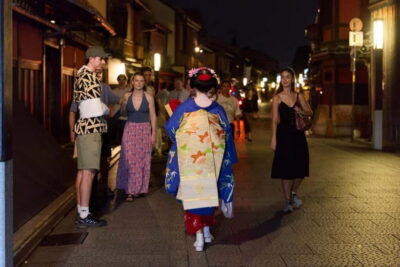
Gion Geisha District Walking Tour – Stories of Geisha
Read our review →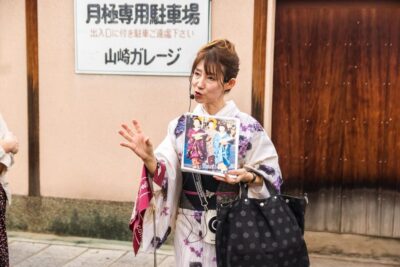

Shinjuku Local Bar and Izakaya Guided Walking Tour
Read our review →
Browse the lists this tour appears in