
Reviewed · FOOD & DRINK
Osaka: Kuromon Market Food Walking Tour (6 stops, 6 tastes)
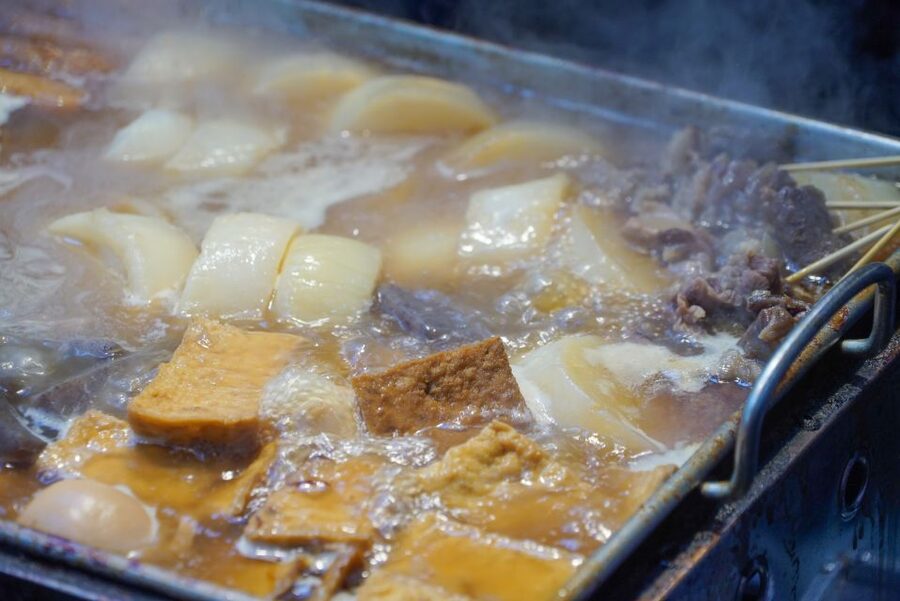
Come hungry, leave better oriented. This two-hour walk through Osaka’s food quarter combines five or six local tastings with stops at Kuromon Ichiba Market, Kitchen Street, Hozenji Yokocho, and Dotonbori. I like the way it uses food to explain Osaka, rather than treating the market as a simple snack stop. I also like the guide-led shopping advice, especially for Japanese knives, cookware, and tableware.
The main drawback is that this is a walking tour through crowded, sometimes cramped areas, with several places that are not suitable for wheelchairs or strollers. You also need to arrive on time at the Nippon-bashi meeting point. Late arrivals cannot join or receive a refund.
In This Review
- Six useful things to know before you book
- Why Kuromon Market makes a smart first Osaka stop
- Meeting at Nippon-bashi without a last-minute scramble
- The first 15 minutes: local context before the eating begins
- Kuromon Ichiba Market: the main course of the walk
- Kitchen Street and the appeal of Japanese tools
- A local restaurant stop for a different Osaka rhythm
- Hozenji Yokocho and a small pause from the food
- Dotonbori closes the tour with Osaka’s big personality
- Is $49 good value for two hours?
- Weather, walking, and who should skip it
- Should you book the Kuromon Market food tour?
- FAQ
- How long does the Kuromon Market food tour last?
- How many food tastings are included?
- Where is the meeting point?
- Is the tour conducted in English?
- Are drinks and extra food included?
- Can vegetarian or vegan visitors join?
- Can the tour accommodate gluten-free diets or food allergies?
- Is the tour wheelchair accessible?
Six useful things to know before you book
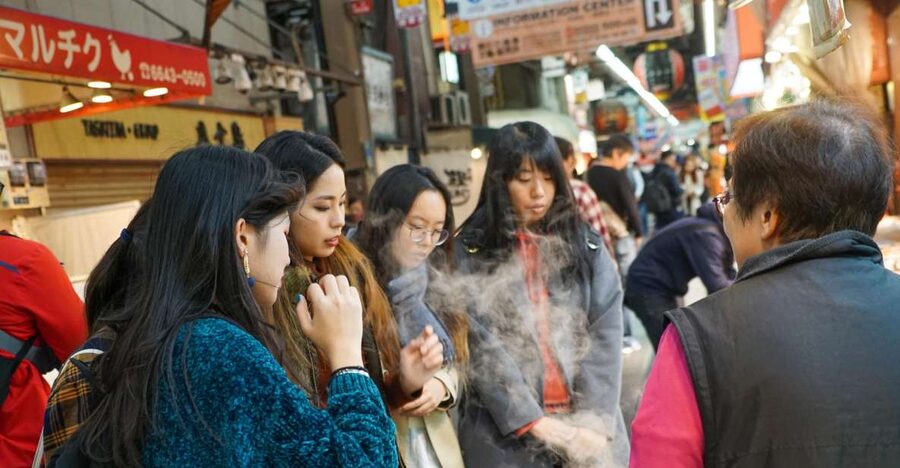
- The food is enough for lunch: Tastings can include takoyaki, scallops, yakitori, sashimi, sweets, fruit, and other Osaka specialties.
- Kuromon is the star: You spend about 30 minutes in Osaka’s famous food market, with a guide choosing stops and helping you order.
- You get more than market snacks: The route also includes a local restaurant, Kitchen Street, a small shrine area, Hozenji Yokocho, and Dotonbori.
- Guides shape the experience: Nina, Niko, Aiko, Noz, and other English-speaking guides have received especially warm praise for friendliness, photos, and local tips.
- The $49 price is reasonable: The included food can fill you up, and the local orientation may save you from guessing at unfamiliar stalls.
- Tell the operator about dietary needs early: Vegetarian and vegan requests may be possible with at least one day’s notice, but gluten-free meals and guaranteed allergy substitutions are not available.
Why Kuromon Market makes a smart first Osaka stop

Osaka is often introduced through its appetite. The city is famous for dishes such as takoyaki and for a food culture that treats a good meal as part of everyday life, not a special event. Kuromon Ichiba Market gives you a quick look at that food culture in motion.
The market is also known as the Kitchen of the Nation. Family-run shops have operated here for decades, selling seafood, produce, prepared foods, cooking tools, and other supplies. That matters because you are not walking through a purpose-built attraction made only for sightseers. You are seeing a working food district, even though the market is now a major stop for international visitors.
A guide helps you read the place. You might see a stall selling something unfamiliar, but the hard part is knowing what is fresh, what is local, how much to order, and where you can stand without blocking the narrow passage. Your guide handles much of that practical work.
The tour has an overall rating of 4.6 from 272 reviews, and the strongest praise centers on the guides. Nina is repeatedly described as warm and well organized, while Niko, Aiko, Noz, and others are praised for clear English, good food choices, and an easygoing manner. Guides vary, so your exact personality match cannot be guaranteed, but the human side of the tour is clearly a major part of its appeal.
More Food Tours in Osaka
- Osaka: Shinsekai Food Tour with 13-15 Dishes at 5 Eateries
★ 4.8 · 2,204 reviews - Osaka Food Tour: 13 Dishes at 5 Local Eateries
★ 5.0 · 2,149 reviews - Hungry Osaka Street Food Tour:15 Tastings & 3 Drinks with a Local
★ 5.0 · 1,727 reviews
Meeting at Nippon-bashi without a last-minute scramble
The starting point is in front of the SMBC ATM at Nippon-bashi 1chome, close to Kintetsu Nippon-bashi Station. From the station, use Exit 10. Your guide will hold a MagicalTrip sign.
Give yourself extra time here. One participant found the meeting point a little worrying to locate, though not impossible. That is a good reason to arrive early, check the station exit before the tour day, and avoid cutting it close with train connections.
The tour starts on time. This is not a casual drop-in walk where the group can wait while you finish a coffee. If you arrive late, you may not be allowed to join, reschedule, or claim a refund.
The tour is offered as a private experience or in a small group, depending on the booking. A small group is useful in Kuromon, where the walkways can become tight and crowded. One family found the smaller size made it easier to move around, while another participant enjoyed a private tour that could follow personal food interests.
The first 15 minutes: local context before the eating begins
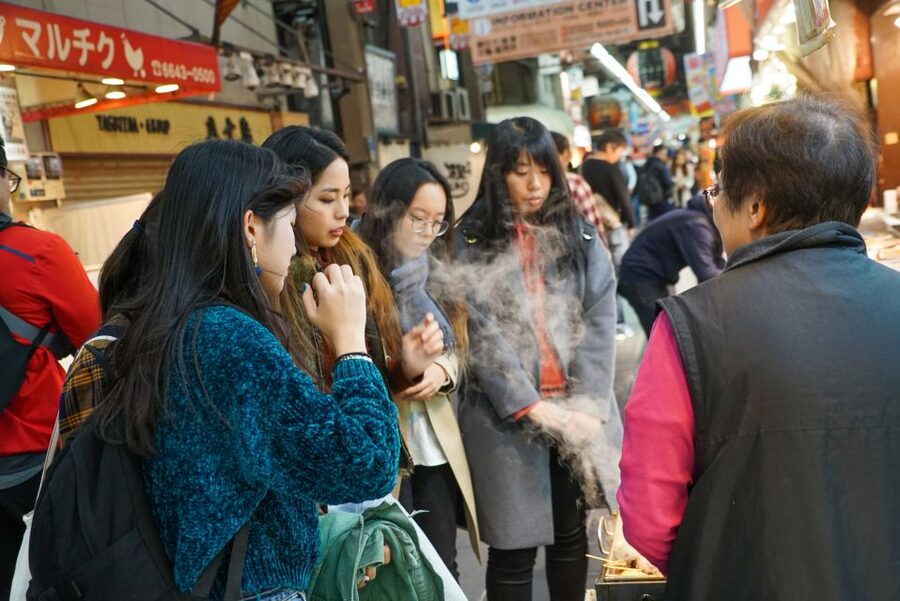
The opening guided stop lasts about 15 minutes and works as an introduction to the neighborhood. Rather than racing straight to the first bite, the guide sets up the story of Osaka’s food culture and the role of the surrounding districts.
This brief beginning is valuable if Osaka is your first Japanese city. You can ask basic questions about local dishes, eating customs, nearby neighborhoods, and what to do later in your stay. Several guides have also given practical suggestions for evening meals and activities, including advice for families with teenagers during very hot weather.
Do not expect a museum lecture. The strength here is conversation. You can ask what you are looking at, why a food is popular, or how to return to a stall later. The best guides adjust the talk to the group, which makes this more useful than a fixed speech.
Kuromon Ichiba Market: the main course of the walk
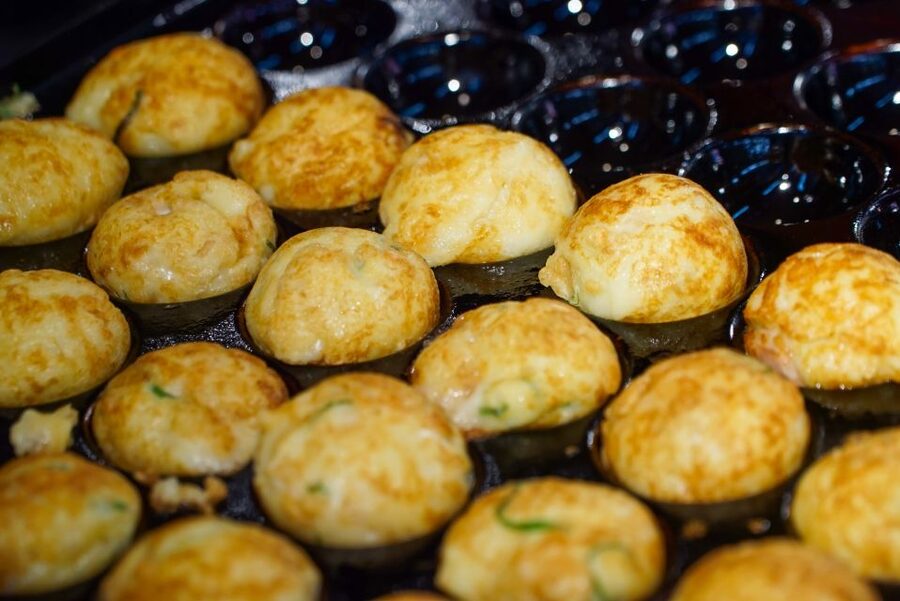
About 30 minutes are set aside for Kuromon Ichiba Market, though food buying and eating can stretch into the wider route. This is the part to anticipate most if you enjoy seafood and quick local dishes.
Possible tastings include:
- Takoyaki, Osaka’s famous octopus-filled batter balls
- Grilled scallops
- Yakitori skewers
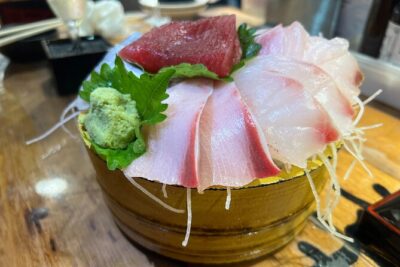
- Tuna belly sashimi
- Tempura and gyoza
- Fresh fruit
- Roast chestnuts and dried fruit
- Strawberry mochi, sakura mochi, or taiyaki with red bean paste
- Ice cream sandwiches
- More unusual foods, including puffer fish or whale, depending on the day and your choices
The exact menu is not fixed. That is a strength, since the guide can respond to what is open and what you want to try. It is also a limitation if you are booking for one particular dish. The advertised promise is five or six food samples, not a guaranteed list of six named items.
You are given enough food to feel full. One participant specifically described the tastings as a satisfying lunch, and several others said the amount was more than expected. Still, bring cash for your own extra purchases and drinks. Additional food and beverages are not included.
The crowd is part of the experience, but it can make eating awkward. One useful habit is to let the guide buy the food and then move to a quieter spot before eating. That keeps you out of the way and makes it easier to listen, take photos, and enjoy the sample.
This is also where the guide earns the fee. If you have never visited Japan, you may hesitate over a stall because you cannot read the signs or tell how the food is served. A local guide removes that friction and encourages you to try something beyond the safe, familiar choice.
More Market Tours in Osaka
- Kuromon Market Food Walking Tour in Osaka (6 stops, 6 tastes)
★ 5.0 · 550 reviews - Kuromon Market Tour: All inclusive 6~8 Dishes & 3~4 samplings
★ 5.0 · 103 reviews - Osaka: Cooking Class & Sake Tasting with Local Market Visit
★ 4.8 · 31 reviews
Kitchen Street and the appeal of Japanese tools
The stop at Sennichimae Doguyasuji Shotengai, often called Kitchen Street, lasts about 20 minutes. It is a useful change of pace after the food stalls.
This shopping street is known for kitchenware and restaurant supplies. You may find Japanese knives, cookware, tableware, and other items that are more practical than a standard souvenir. If you enjoy cooking, this may be your favorite part of the walk.
One participant spent time looking for a knife, while several others singled out the cookware and knife area as a highlight. Your guide can point out shops and offer ideas about what makes a useful purchase. That guidance matters because knives and ceramics can be expensive, heavy, or difficult to pack.
Keep your luggage in mind. A beautiful bowl is only a good souvenir if you can carry it home safely. You should also ask the shop about packing and any travel concerns before paying. The tour provides suggestions, but purchases are your responsibility.
The 20-minute visit is enough to get oriented, but not enough for a long shopping session. If you spot something you want, note the shop and return after the tour. Several people have done exactly that with Kuromon Market and the surrounding stores.
A local restaurant stop for a different Osaka rhythm
The route includes about 10 minutes at a local restaurant. This is a short visit, so do not expect a full sit-down meal or an extended restaurant lesson.
Its value is contrast. Market food is eaten in quick portions, often while standing or moving between stalls. A restaurant gives you a glimpse of a more settled way to eat. Depending on the day and food choices, it may also add another taste to the tour’s mix.
Food preferences can be discussed with the guide, but you should be realistic. Vegetarian and vegan requests may be accommodated when the operator receives notice at least one day in advance, yet choices can be limited because many Japanese restaurants are not fully prepared for those diets. Same-day requests cannot be accepted.
Gluten-free requests cannot be accommodated. Allergy-free meals and substitutions are not guaranteed because food is prepared in outside kitchens. If you have a serious allergy, this tour is not a safe choice for relying on a guide to manage every ingredient.
Hozenji Yokocho and a small pause from the food
The 10-minute visit to Hozenji Yokocho brings you into a more atmospheric part of central Osaka. The route also includes a shrine, which gives the walk a cultural pause between food stops and shopping streets.
This is an important touch. Without it, the experience could feel like a two-hour eating circuit. The shrine and narrow lane help connect Osaka’s food culture with its everyday religious spaces and older neighborhood character.
Ten minutes is brief, but that is appropriate. You get a look, a little explanation, and time for photos. If you want to linger, pray, or explore the area slowly, plan to return on your own.
Guides have been praised for taking plenty of photos during the tour. That is especially handy when you are traveling as a couple or family and do not want to keep asking strangers to take pictures. Photo service is a pleasant extra, but the real benefit is the guide’s help in noticing small cultural details while you walk.
Dotonbori closes the tour with Osaka’s big personality
The final 25-minute visit is in Dotonbori, one of Osaka’s best-known entertainment and food districts. Here, the scale shifts from market lanes and local shops to bright signs, restaurants, and the famous central Osaka atmosphere.
Ending here works well. You finish with a clear sense of where you are in Namba and how the market connects to the city’s larger food scene. The guide can also suggest places to eat later, which is useful because you may still want dinner even after a generous round of samples.
Do not confuse the Dotonbori stop with a full tour of the district. Twenty-five minutes gives you an orientation, not a detailed exploration. You will have time to see the main area and ask questions, then return later if you want shopping, nightlife, or more food.
The full route is packed. Kuromon, Kitchen Street, a restaurant, Hozenji Yokocho, and Dotonbori all appear in two hours. Most people find the pace comfortable, but the tour is not designed for lingering at every stall. If you prefer slow photography, long shopping stops, or sitting down between bites, this may feel busy.
Is $49 good value for two hours?
At $49 per person, the price is fair if you plan to eat most of the included samples. Five or six small tastings can add up quickly in Kuromon, especially if you are trying seafood, sweets, grilled items, and fruit. You also receive a guide, tour photos, neighborhood orientation, and food suggestions that can help with the rest of your Osaka stay.
The value is strongest for first-time visitors. You are paying not just for food, but for someone to sort the choices, explain the setting, translate where needed, and lead you through several areas without losing time.
It is less compelling if you already know Kuromon well, speak Japanese comfortably, and enjoy choosing every stall yourself. In that case, you may prefer to spend $49 on your own meal and shopping.
You do not need to pay for the guide’s meals, but you should bring cash for personal food and drinks beyond the included samples. It is wise to eat lightly beforehand and arrive ready for several different tastes.
Weather, walking, and who should skip it
Osaka’s weather can be severe. Summer temperatures may reach about 40°C, while winter lows can fall to around minus 5°C. Wear suitable clothing, carry water, and think carefully about the season before booking a midday food walk. One guide even provided chilled neck rings on a very hot day, but that was a thoughtful touch, not something you should count on.
The route includes walking through crowded areas and places with limited access. It is not suitable for wheelchair users and is not recommended if you have mobility issues. Some locations are also difficult for strollers.
I would recommend it most strongly to first-time visitors, food-focused couples, families with older children, and anyone nervous about ordering unfamiliar Japanese food. The tour is also a good choice early in your Osaka stay, since you can return to the market or restaurants you liked.
It suits teenagers well when they are open to trying new foods. Families should tell the operator about vegetarian or vegan needs at least a day ahead and understand that options may remain limited.
The tour is available in English. Group sizes vary, with private and small-group options available. If personalized attention matters to you, check the booking type rather than assuming every departure will be private.
Should you book the Kuromon Market food tour?
Book it if you want a friendly introduction to Osaka that combines food, local background, shopping, and a little shrine time. The generous samples, photo help, and guide-led ordering make the $49 cost sensible for a first visit.
Skip it if you need strict allergy control, gluten-free food, wheelchair access, or a slow, unstructured market wander. For everyone else, arrive early at Exit 10, bring cash, wear comfortable shoes, and let yourself try at least one item you would not have chosen alone. That is where this short tour earns its place.
FAQ
How long does the Kuromon Market food tour last?
The tour lasts two hours.
How many food tastings are included?
The tour includes five to six food samples. The exact foods can vary, but possible choices include takoyaki, grilled scallops, yakitori, sashimi, tempura, fruit, sweets, and other local specialties.
Where is the meeting point?
Meet in front of the SMBC ATM at Nippon-bashi 1chome, near Kintetsu Nippon-bashi Station. Use Exit 10. The guide will hold a MagicalTrip sign.
Is the tour conducted in English?
Yes. The tour includes a live English-speaking local guide.
Are drinks and extra food included?
Only the listed food samples are included. Additional food and drinks are available for purchase and are not included in the price. Bring cash for personal purchases.
Can vegetarian or vegan visitors join?
Vegetarian and vegan requests can be accommodated, but options may be limited. You must inform the operator at least one day in advance. Same-day requests cannot be accepted.
Can the tour accommodate gluten-free diets or food allergies?
Gluten-free requests cannot be accommodated. Allergy-free meals and substitutions are not guaranteed because food is prepared in external kitchens.
Is the tour wheelchair accessible?
No. Some locations are not wheelchair or stroller accessible, and the experience is not recommended for people with mobility issues.
More Shopping Tours
- Cooking Ramen&Gyoza/KatsuCurry/Bento/Okonomiyaki+Store Tour@Osaka
★ 5.0 · 138 reviews - Tokyo Tsukiji Fish Market Food and Culture Walking Tour
★ 5.0 · 3,184 reviews - Tokyo: Tsukiji Fish Market Food and Walking tour
★ 5.0 · 1,724 reviews - Tokyo: Tsukiji Fish Market Guided Walking Tour
★ 4.9 · 1,397 reviews
More Walking Tours in Osaka
- Osaka: Hotspots & Hidden Gems Walking Tour Private or Group
★ 4.9 · 1,300 reviews - Osaka Local Foodie Walking Tour in Dotonbori and Shinsekai
★ 5.0 · 985 reviews - Osaka Bar Hopping Night Walking Tour in Namba (3 bars, 6 tastes)
★ 5.0 · 958 reviews - Osaka: Deep Backstreets Walking Tour with Dinner Option
★ 4.9 · 902 reviews
Just added around Osaka
- Osaka Food Tour with 10 Classic Japanese Tastings & Drinks★ 5.0 · 38 reviews
- Osaka: Highlights & Hidden Gems Private Walking Tour★ 4.7 · 38 reviews
- Kyoto private tour (Shore excursion available from Osaka or Kobe port)★ 5.0 · 39 reviews
- Osaka Private Day Trip – Enjoy Your First-Time Visit to Osaka!★ 5.0 · 39 reviews
- Kyoto & Nara & Uji: Full Day Sightseeing Tour from Osaka or Kyoto★ 4.5 · 39 reviews
- Authentic SUSHI Course Cooking Class★ 5.0 · 39 reviews
- Osaka: Mind & Spirit Balance Temple Reiki Healing★ 5.0 · 41 reviews
- Osaka Afternoon Walking Tour with Osaka River Cruise★ 3.5 · 42 reviews
Food & Drink, compared.
Shinjuku Food Tour (13 Dishes at 4 Local Eateries)
Read our review →
Tokyo Tsukiji Fish Market Food and Culture Walking Tour
Read our review →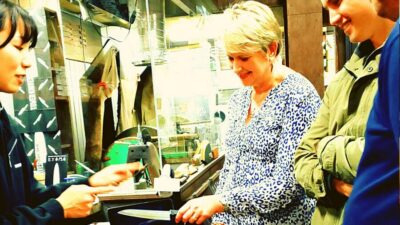
Shinsekai Food Tour with 13-15 Dishes at 5 Eateries
Read our review →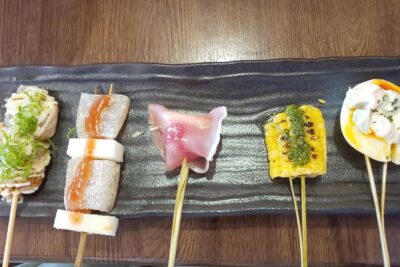
Osaka Food Tour: 13 Dishes at 5 Local Eateries
Read our review →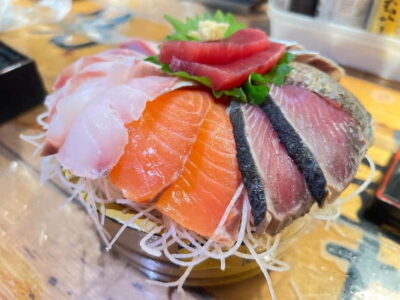
Shinjuku Food Tour (15 Dishes and 4 Eateries)
Read our review →
Best of Shinjuku: Izakaya Food Tour (4 Stops, 14+ Tastings)
Read our review →
Kyoto Night Foodie Tour in Gion (9+ dishes + 6 Sake tastings)
Read our review →
Hungry Osaka Street Food Tour:15 Tastings & 3 Drinks with a Local
Read our review →Browse the lists this tour appears in