
Reviewed · SHOW
Osaka: UTAGE Japanese Taiko Live Show
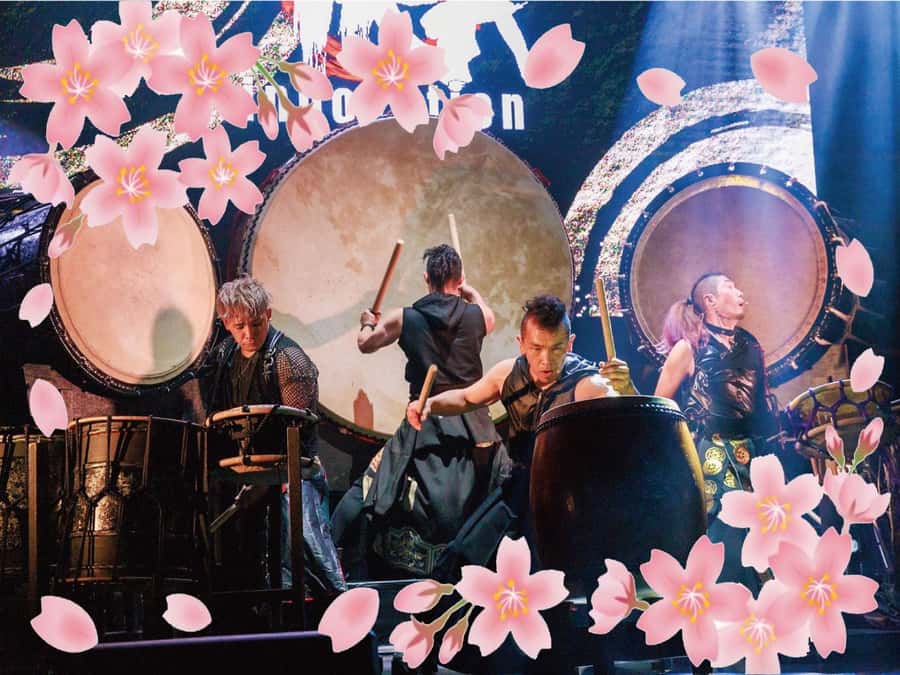
The drums arrive before the applause does. Osaka’s UTAGE Japanese Taiko Live Show mixes powerful taiko, shamisen, shakuhachi, and shinobue with computer music and visual effects. I like the close-up theater setting and the chance to play one song with the performers. The main drawback is that the show is presented in Japanese, so you should not expect much spoken explanation in English.
I also like the scale of the 180-centimeter drum, said to be one of the largest in Kansai, and the way the performance moves beyond a traditional concert format. It costs about $40 per person, which is fair for a roughly hour-long live production, though it may feel less useful if you want a quiet, museum-style look at Japanese instruments.
In This Review
- Key points to know before booking
- What UTAGE is really offering
- The 180-centimeter drum takes center stage
- Shamisen, shakuhachi, and shinobue with a modern beat
- A small theater makes the performance feel close
- Audience participation is more than a quick photo opportunity
- Visual effects and photos add value after the music
- Is $40 a fair price?
- Who will enjoy UTAGE most?
- Practical timing and arrival advice
- What makes the performance memorable
- Should you book the UTAGE Taiko Live Show?
- FAQ
- Where does the UTAGE Japanese Taiko Live Show take place?
- Where does the activity end?
- How much does the show cost?
- What instruments are used?
- Can I play a Japanese instrument?
- Is the show suitable for families?
- Is the show presented in English?
- How early should I arrive?
- Can I take photos?
- Can I pay later or cancel?
Key points to know before booking
- The 180-centimeter drum is the visual and musical centerpiece: Its size gives the show a physical punch you can feel from a nearby seat.
- Traditional instruments meet computer music: Taiko, shamisen, shakuhachi, and shinobue are placed inside a modern stage production.
- The audience is part of the show: Some people are invited up to try Japanese instruments and may join the performers for one song.
- The theater setting is intimate: The performance is designed for a small audience, with reports of around thirty people seated in three rows.
- Photos are part of the experience: You may be able to take pictures during the performance and with the band afterward.
- Arrive early: You must be at the Osaka Cultural Center at least five minutes before showtime, since late entry is not allowed once the production begins.
What UTAGE is really offering
UTAGE is not simply a concert where you sit quietly and watch musicians play. It is a compact Japanese entertainment show built around sound, movement, audience contact, and a strong visual presentation.
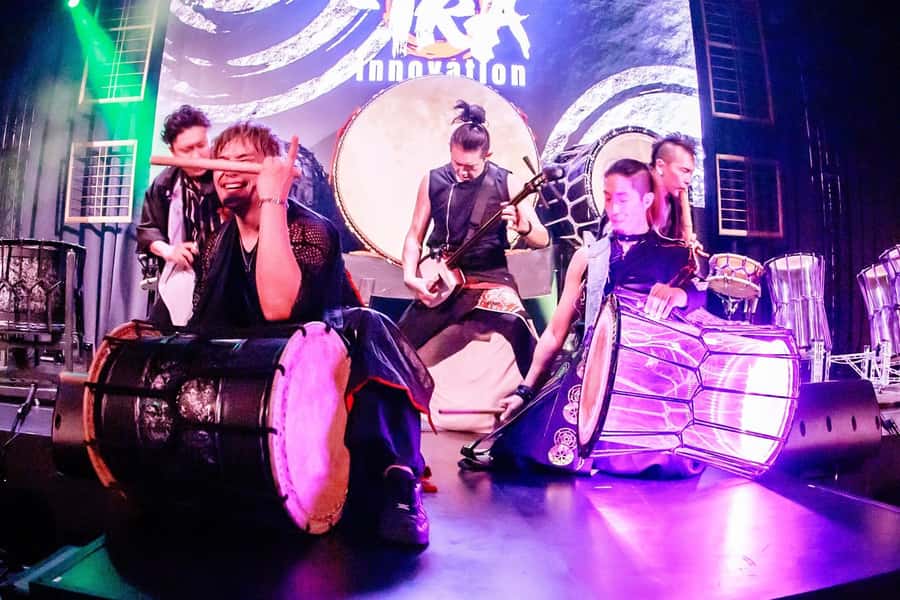
The core lineup includes Japanese drums, shamisen, shakuhachi, and shinobue. The taiko supplies the force, the shamisen adds its sharp plucked sound, and the bamboo flutes bring a more airy tone. Computer music gives the performance a modern frame, so the result is closer to a stage production than a formal traditional recital.
That mix is the central reason to book. You get recognizable elements of Japanese music, but you also get a contemporary show aimed at an international audience. The presentation is energetic enough for people who might not usually attend a traditional music performance.
The band behind the show is TRAinnovation, described as a group that won a world number one indie band title. The performance uses several musicians, visual elements, and direct contact with the audience to keep the hour moving.
A few more Osaka experiences worth weighing up
- Osaka: Sumo Show & Experience w/ Optional Kimono & Hot Pot
★ 4.5 · 609 reviews - Osaka: Sumo Stage Show with Bento or Snack + Fight & Photo
★ 4.3 · 364 reviews - Osaka: English Stand Up Comedy Show at Osaka Comedy Club
★ 4.7 · 203 reviews
The 180-centimeter drum takes center stage
The large drum is the detail that gives UTAGE its strongest visual hook. With a diameter of 180 centimeters, it is presented as one of the largest large drums in Kansai.
Size matters here because taiko is not only heard. It is seen in the full-body movement of the performer and felt in the rhythm. A drum this large gives the performance a ceremonial quality, but the show places it inside a modern concert setting rather than treating it as a museum object.
You may also get a chance to play one of the large drums. One audience member described being invited to try it, and audience participation is built into the program for a limited time. That does not mean every person will play, so you should regard it as a possible part of the evening rather than a guaranteed individual lesson.
If you are chosen or invited onstage, expect a fun public moment rather than a detailed music class. The point is to join the rhythm, feel the instrument, and become part of one song. That makes the experience especially memorable for families and people who enjoy interactive entertainment.
Shamisen, shakuhachi, and shinobue with a modern beat

The instrument lineup gives the show more variety than a drum concert. The shamisen, a traditional three-stringed instrument, brings a bright, percussive sound. The shakuhachi and shinobue offer two different bamboo flute voices, helping break up the heavier drum passages.
Computer music links these sounds to present-day entertainment. I like this approach because it gives you a simple way into traditional Japanese music. You do not need to know the names of every instrument or understand the structure of each piece to appreciate the contrast between old and new.
The music is presented as accessible to people of all nationalities. Since the official language is Japanese, the show’s appeal comes mostly through rhythm, movement, and visual staging rather than narration. That is useful if you want a cultural activity without needing an English-speaking guide.
You should still set your expectations correctly. This is not a scholarly presentation about Japanese musical traditions, and the supplied information does not promise historical explanations or translations. It is a performance first, with cultural elements expressed through the instruments and stage action.
A small theater makes the performance feel close
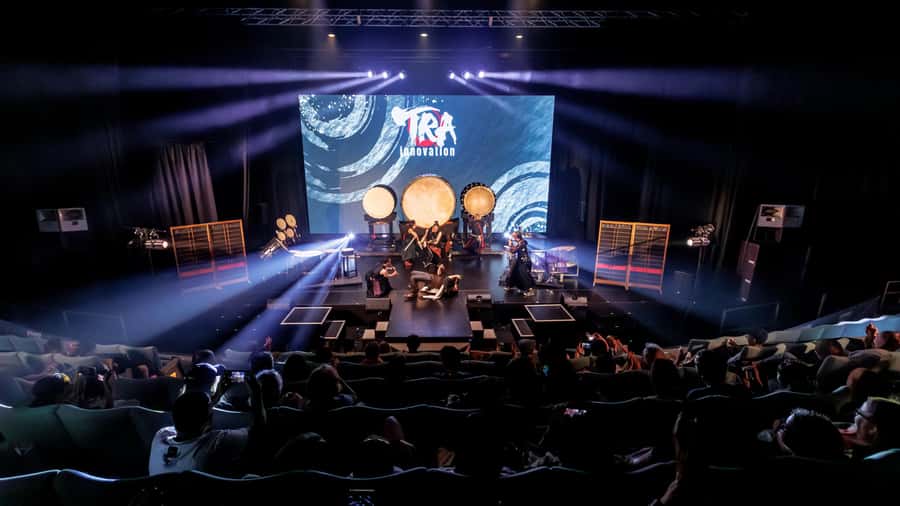
The seating arrangement is one of UTAGE’s strongest features. One account describes roughly thirty people seated in three rows, with the musicians only a few meters away.
A small room changes the way a drum show feels. You can see the performers’ movements more clearly, and audience interaction becomes natural instead of distant. The musicians are not tiny figures at the far end of a large hall.
The tradeoff is that the experience may feel less like a grand arena concert. If you want a huge crowd, elaborate scenery, or a long evening production, this may seem compact. If you prefer a close view of the performers, the smaller setup is a real advantage.
The limited audience can also make the show feel personal even when attendance is light. One person described being the only audience member at a particular performance and still receiving a full-energy presentation. That says something useful about the performers’ commitment: the production does not depend entirely on a packed house to create excitement.
A completely different kind of day out in Osaka:
- Osaka Go Karting Tour with Funny Costume
★ 5.0 · 2,658 reviews - Osaka Castle: Museum and Tower Entry Ticket
★ 4.5 · 2,380 reviews - Osaka: Shinsekai Food Tour with 13-15 Dishes at 5 Eateries
★ 4.8 · 2,204 reviews - Osaka Food Tour: 13 Dishes at 5 Local Eateries
★ 5.0 · 2,149 reviews
Audience participation is more than a quick photo opportunity

UTAGE invites people into the action. The program may bring audience members onto the stage to experience the instruments, and participation in one song is offered for a limited time.
That is a good feature for families, couples, and anyone who prefers doing something rather than only watching. It also helps make the instruments less remote. After seeing a professional play the large drum, trying it yourself gives you a more direct sense of the strength and coordination involved.
The interaction is not limited to drumming. The musicians work to engage the room through movement, humor, and encouragement. Several descriptions emphasize the fun, high-energy atmosphere, and one solo attendee felt comfortable enough to join in the dancing.
You should be ready for some attention if you sit near the front or accept an invitation. Since the show is designed around audience contact, this is not the best choice if you want to remain completely anonymous throughout the performance.
Visual effects and photos add value after the music
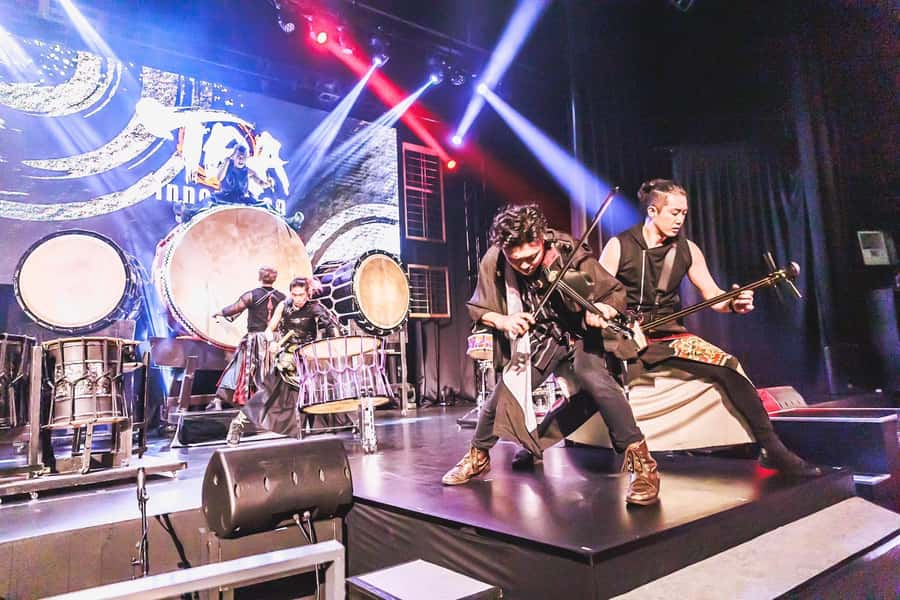
UTAGE includes visual elements as well as live sound. The stage production uses computer music and visual material to keep the show from feeling like a straightforward instrument demonstration.
Photography is also part of the appeal. Photos may be taken during the performance, and you may have a chance to meet and photograph the performers afterward. That gives you a useful souvenir, especially if this is your first close encounter with taiko and other Japanese instruments.
Additional photo opportunities are available in the shop downstairs, according to one detailed account. There, you can pose with samurai swords and traditional Japanese umbrellas for complimentary photos. This is not the main show, and you should not book UTAGE solely for the shop, but it can extend the visit after the final song.
The post-show contact also helps the experience feel less formal. You are not simply watching a band disappear backstage. The performers and staff may remain available for pictures and interaction, which fits the friendly tone of the production.
Is $40 a fair price?
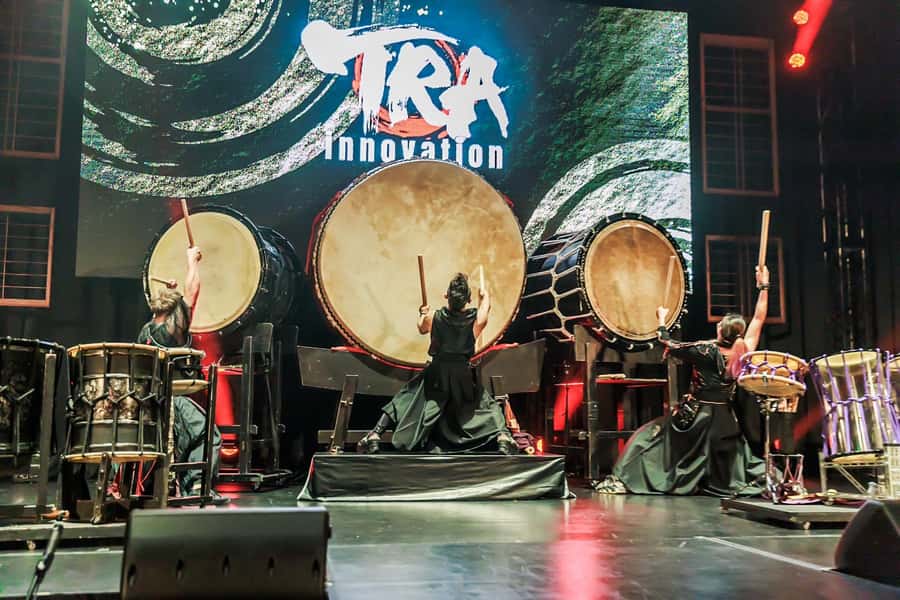
At about $40 per person, UTAGE sits in a reasonable range for a dedicated live cultural performance in Osaka. The price includes the full experience, with no separate charge listed for the performance or the audience activity.
Value depends on what you want from Japanese culture. If you are looking for a polished show with professional musicians, a very large drum, modern staging, and possible audience participation, the price is easy to justify. Several descriptions call the performance excellent value, especially for the energy and musicianship packed into roughly an hour.
The calculation is different if you want a long concert or extensive cultural instruction. The official information does not describe a full-day program, a guided explanation of the instruments, or an English-language presentation. You are paying for a focused live show, not a broad Osaka cultural tour.
The location also helps with planning. The show begins and ends at the Osaka Cultural Center, so you do not need to manage transportation between several stops. One person noted that an aquarium and Ferris wheel are nearby, making this easy to combine with other entertainment in the same outing.
Who will enjoy UTAGE most?
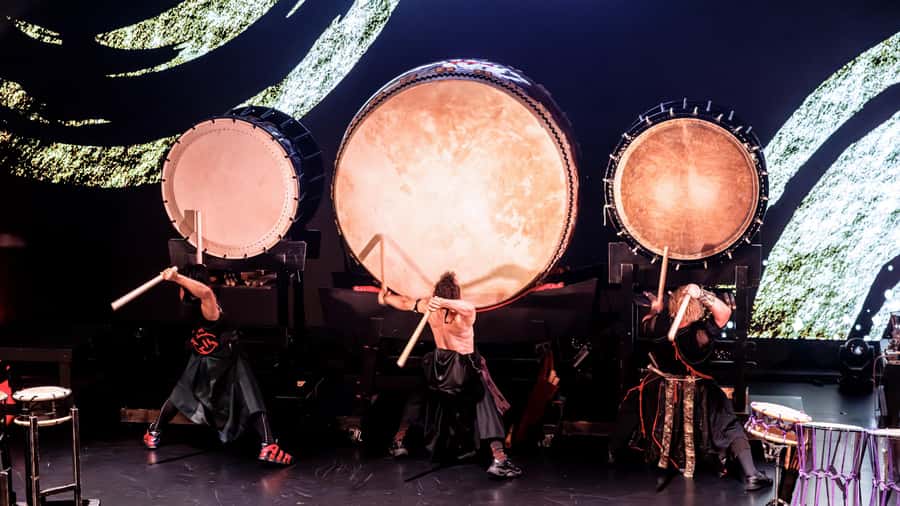
I would recommend this show to several kinds of people:
- Families wanting a cultural activity with movement and participation
- First-time visitors seeking Japanese music in a modern format
- Couples looking for an evening performance that is shorter and more intimate than a large theater production
- Solo visitors who enjoy friendly audience interaction
- Music fans interested in the sound of taiko, shamisen, and bamboo flutes
- People who do not speak Japanese but want a show that communicates through music and action
The show also suits mixed-age groups. The descriptions emphasize that adults, children, and older family members can enjoy it, though the exact age policy is not provided. The high energy may be a plus for younger audiences and a drawback for anyone hoping for a calm, meditative concert.
It is less suitable for someone who wants detailed spoken context in English. The listed language is Japanese, and the focus is on performance rather than translation. It may also be a poor fit if you dislike being invited to participate or photographed.
Practical timing and arrival advice
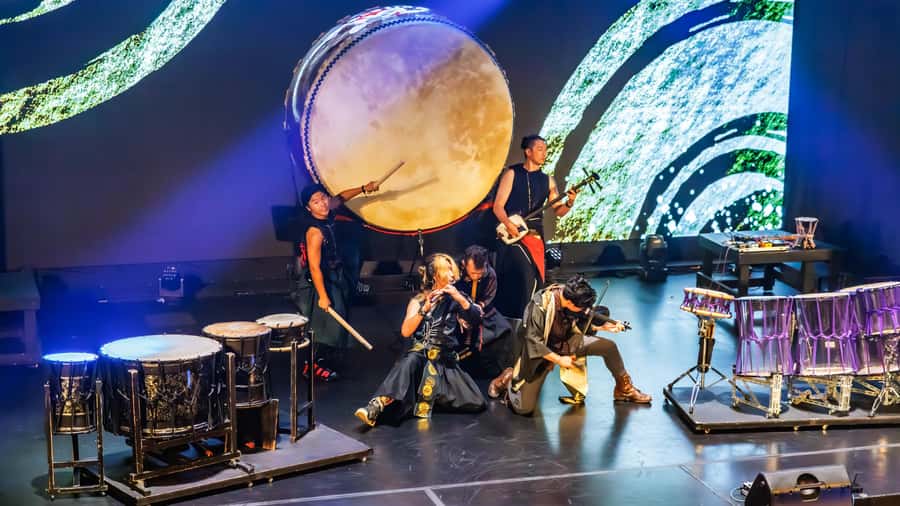
Arrive at least five minutes before the advertised start. This is not a casual recommendation. Once the show begins, late entry is not allowed for production reasons.
Give yourself enough time to reach the Osaka Cultural Center and find the venue before the cutoff. The information provided does not specify a detailed check-in process, so arriving early is the safest plan.
The activity returns to the same meeting point because the show takes place there. You are not being escorted around Osaka, and there is no separate end location to arrange transportation from.
Booking is flexible. You can reserve and pay later, which is useful when your Osaka schedule is still changing. You can also cancel up to 24 hours in advance for a full refund, according to the stated terms.
What makes the performance memorable
The strongest feature is the combination of force and closeness. A large taiko performance can easily become a distant spectacle, but the small seating layout puts you near the musicians and lets you follow their physical effort.
The second strength is the balance between tradition and current entertainment. The instruments remain the heart of the show, yet computer music, visual effects, humor, and audience participation prevent it from feeling like a formal lesson.
The musicianship is another major reason to go. The performers are repeatedly described as talented, enthusiastic, and energetic, with a powerful vocalist also part of the wider production. That matters because interactive shows can sometimes rely too much on audience games. Here, the musical performance is still the main event.
Finally, UTAGE appears to take its audience seriously. Even with a small crowd, the performers maintain their energy. That is reassuring if you are visiting during a quieter period or worrying that a half-full room might reduce the quality of the show.
Should you book the UTAGE Taiko Live Show?
Book it if you want a lively, close-up introduction to Japanese instruments rather than a quiet cultural lecture. The 180-centimeter drum, strong performers, modern music, visual staging, and chance to join one song create a lot of entertainment for about $40.
I would place it high on an Osaka plan for families, music lovers, and anyone who enjoys audience participation. Plan another nearby activity, such as the aquarium or Ferris wheel, if you want to make a full outing of the area.
Skip it if you need English narration, dislike being called onstage, or want a long traditional concert with careful historical explanation. For everyone else, UTAGE offers a cheerful and physical way to encounter Japanese music, with enough modern energy to keep the experience from feeling predictable.
FAQ
Where does the UTAGE Japanese Taiko Live Show take place?
The show takes place at the Osaka Cultural Center in Osaka, Japan.
Where does the activity end?
The activity ends back at the Osaka Cultural Center, which is also the meeting point.
How much does the show cost?
The listed price is $40 per person.
What instruments are used?
The performance features Japanese drums, including a 180-centimeter drum, shamisen, shakuhachi, and shinobue. Computer music is also part of the production.
Can I play a Japanese instrument?
Audience members may be invited onstage to try Japanese instruments and participate in one song for a limited time. Individual participation is not described as guaranteed.
Is the show suitable for families?
Yes. The performance is described as suitable for families and audiences of all ages.
Is the show presented in English?
The listed language is Japanese. No English-language presentation is specified.
How early should I arrive?
You should arrive at least five minutes before the show begins. Late entry is not allowed once the performance has started.
Can I take photos?
Photos may be allowed during the performance, and you may be able to take pictures with the performers afterward. Complimentary photo opportunities with samurai swords and traditional Japanese umbrellas are also available in the shop downstairs.
Can I pay later or cancel?
You can reserve your place and pay later. Cancellation up to 24 hours in advance is listed as eligible for a full refund.
Just added around Osaka
- Osaka Food Tour with 10 Classic Japanese Tastings & Drinks★ 5.0 · 38 reviews
- Osaka: Highlights & Hidden Gems Private Walking Tour★ 4.7 · 38 reviews
- Kyoto private tour (Shore excursion available from Osaka or Kobe port)★ 5.0 · 39 reviews
- Osaka Private Day Trip – Enjoy Your First-Time Visit to Osaka!★ 5.0 · 39 reviews
- Kyoto & Nara & Uji: Full Day Sightseeing Tour from Osaka or Kyoto★ 4.5 · 39 reviews
- Authentic SUSHI Course Cooking Class★ 5.0 · 39 reviews
- Osaka: Mind & Spirit Balance Temple Reiki Healing★ 5.0 · 41 reviews
- Osaka Afternoon Walking Tour with Osaka River Cruise★ 3.5 · 42 reviews
Show, compared.

Mt Fuji & Hakone Cruise, Drum Show Bullet Train 1 Day from Tokyo
Read our review →
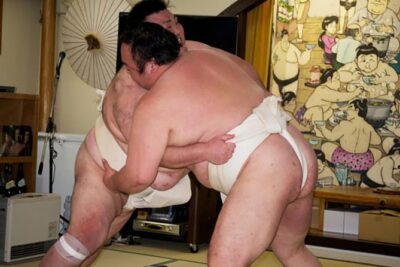
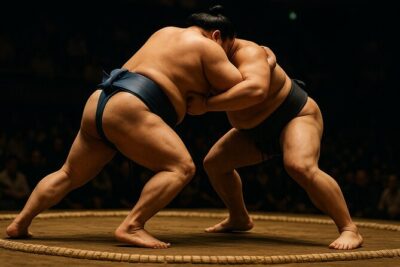
Tokyo Shinjuku Sumo Show & Experience with Photo
Read our review →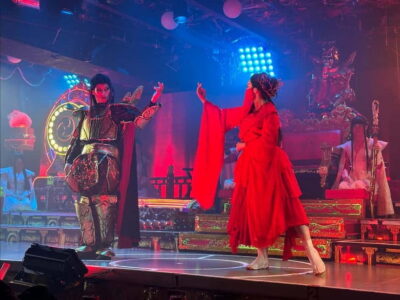

Mt Fuji & Hakone Cruise, Drum Show Bus 1 Day from Tokyo
Read our review →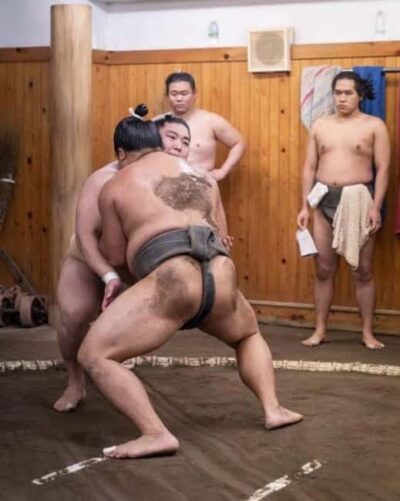
Sumo Show & Experience w/ Optional Kimono & Hot Pot
Read our review →Browse the lists this tour appears in