
Reviewed · SUMO EXPERIENCES
Tokyo Sumo Morning Practice: Viewing & Exclusive Interaction
Sumo begins before Tokyo wakes. This three-hour experience takes you from Narihira Park into an active sumo stable, where you can watch professional wrestlers train in a setting usually closed to the public. I especially like the real practice session, rather than a staged dinner show, and the chance to speak with wrestlers afterward.
The guided introduction makes the rules and rituals easier to follow, while the personal Q&A and photo session add a human side to the sport. The main drawback is the early start and strict stable rules: no food, alcohol, recording, or flash photography. You also need to stay quiet during practice.
At $93 per person, this is not a cheap morning activity, but the price includes the stable visit, an English or Japanese guide, direct interaction with active wrestlers, and an official banzuke ranking sheet in a souvenir folder. Guides including Haru, Momo, Sana, Ryoko, and Sarah have earned strong praise for making the experience clear and friendly.
In This Review
- Key Points Before You Book
- Meeting at Narihira Park Before Sunrise
- Learning Sumo Rules Before the Action
- Inside an Active Sumo Stable
- Zabuton or Stool Seating
- Meeting the Wrestlers After Training
- The Banzuke Souvenir and Final Questions
- Is $93 a Fair Price?
- What the Morning Requires From You
- Who Will Enjoy This Most?
- Final Verdict: Should You Book It?
- FAQ
- Where does the Tokyo sumo morning practice tour meet?
- How long does the experience last?
- Is transportation to the meeting point included?
- What seating options are available?
- Can I take photographs during sumo practice?
- Can I record video or audio?
- Can I speak with the sumo wrestlers?
- Is the tour suitable for young children?
Key Points Before You Book
- Real morning training: Watch warmups, drills, sparring, and the physical force of professional sumo inside an active stable.
- Direct wrestler interaction: Ask about training and daily life, then take commemorative photos after practice.
- Seating choice: Sit on a traditional zabuton cushion near the front or use stools at the back if floor seating is uncomfortable.
- Useful Tokyo location: The tour ends around 11:00 AM, putting you close to Tokyo Skytree and the Asakusa area.
- Meaningful souvenir: Take home an official banzuke ranking sheet in a specially designed folder.
- Important restrictions: Children under six are not permitted, and recording is not allowed.
Meeting at Narihira Park Before Sunrise
Your morning starts near the multipurpose restroom at Narihira Park in Sumida. This meeting point matters because the tour does not include transportation, so you need to reach the park on your own and arrive ready for an early start.
At the park, your guide checks your name, distributes sumo-related materials, and explains the manners required inside the stable. This briefing is more than a routine introduction. Sumo practice is not arranged as a performance for tourists, so knowing when to remain silent, where to sit, and how to handle photography helps protect the training environment.
The walk from the park to the stable is short. That keeps the morning simple, but you should still wear comfortable shoes and dress for the early hours. Starting in a public park also gives the guide space to explain the sport before you enter a quiet working place.
Guides such as Haru, Momo, Sana, Ryoko, Sarah, and Momo have received especially warm praise for their friendly manner and clear explanations. You will rely on the guide to explain customs that may not be obvious from watching alone.
More Sumo Experiences in Tokyo
- Tokyo: Sumo Show Experience with Chicken Hot Pot and a Photo
★ 4.8 · 6,678 reviews - Tokyo: Sumo Show and Dining Experience
★ 4.8 · 2,742 reviews - the SUMO show
★ 5.0 · 1,960 reviews
Learning Sumo Rules Before the Action
Sumo can look simple at first: two wrestlers face each other, and one tries to force the other out of the ring. The rituals, rankings, training methods, and etiquette make the sport far more involved.
The opening talk covers sumo history, rules, and manners. That preparation improves the viewing because you can watch for more than collisions. You begin to notice the discipline behind the movements, the repeated exercises, and the controlled way wrestlers prepare their bodies and minds.
I like this part of the tour because it gives the practice a framework without turning the morning into a lecture. The guides are there to answer questions, so you can ask for clarification before entering the stable. If you know little about sumo, this introduction should help you follow the action. If you already watch tournaments, the later Q&A gives you a chance to ask more specific questions.
Inside an Active Sumo Stable
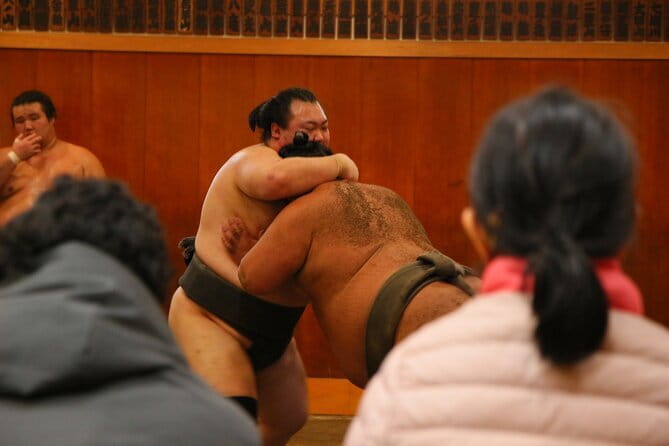
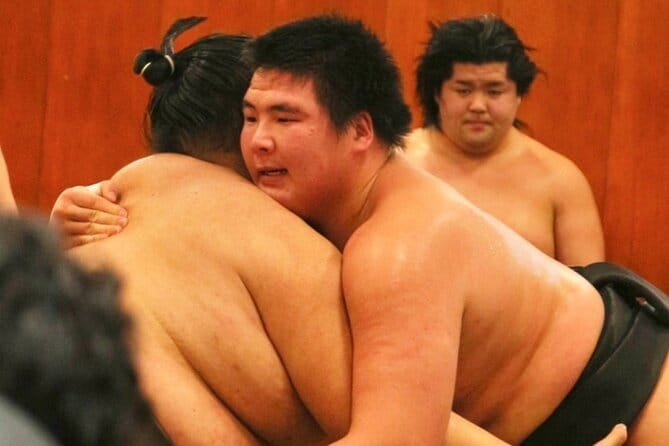
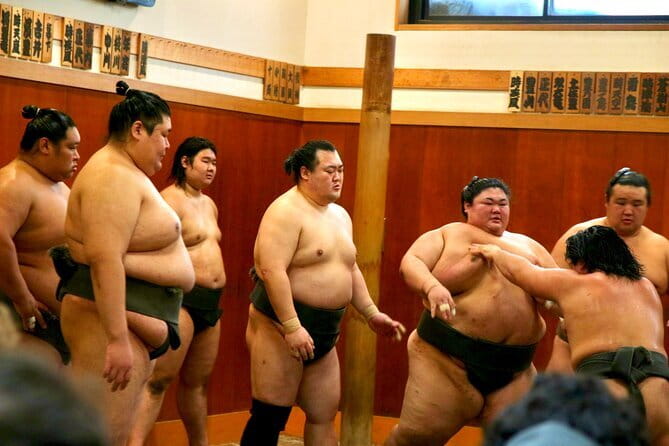
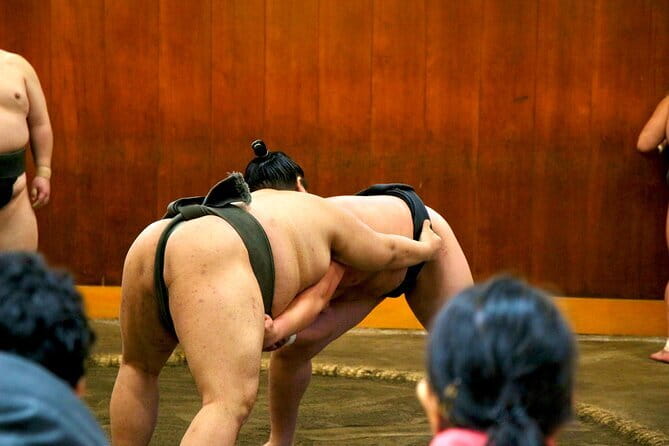
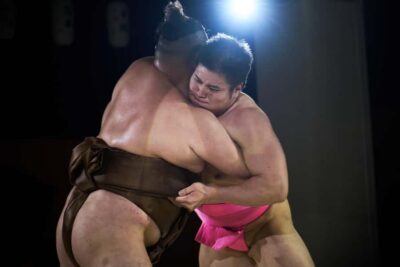
The central feature is the stable visit. You watch current wrestlers complete their morning training, including warmups, practice exercises, and sparring. The setting is direct and workmanlike. This is not a theatrical match created for an audience.
The physical impact is the first thing you notice. Bodies meet with great force, but the session also reveals repetition and routine. Wrestlers train when most of Tokyo is still quiet, following a demanding schedule that requires focus and endurance.
Several people who joined the experience described the practice as powerful, intense, and at times overwhelming. That is useful to know before you go. You are not simply watching a polished contest with a clear beginning and end. You are watching athletes work through hard training, often at close range, and the atmosphere can feel serious.
You must remain quiet while the practice is underway. Photography is allowed under the stable’s rules, but flash photography is forbidden. Video and audio recording are not allowed. These limits may disappoint anyone hoping to capture the full session, but they help keep the room focused on training rather than on a visitor’s phone.
Zabuton or Stool Seating
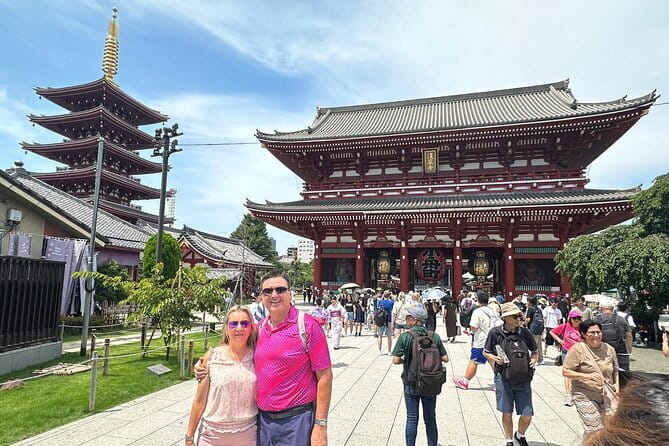
The tour offers two seating choices. You can sit on a traditional zabuton floor cushion toward the front, or choose a stool at the back if sitting on the floor is difficult.
The floor cushion gives you a closer view and a stronger sense of being part of the room. It is the choice for people who want the most direct sightline and do not mind sitting low for the practice.
The stools are a practical alternative. You give up some closeness, but you gain comfort and an easier position for the session. This flexibility is important because a three-hour morning can feel much longer if you are uncomfortable before the main activity even begins.
The exact seating position remains subject to the stable’s rules. Follow the guide’s instructions and stay in the assigned area. You should not move around during practice simply to improve a photograph.
A completely different kind of day out in Tokyo:
- Mt Fuji and Hakone 1-Day Bus Tour Return by Bullet Train
★ 5.0 · 26,383 reviews - 1-Day Tokyo Bus Tour
★ 5.0 · 14,250 reviews - Tokyo: TOKYO SKYTREE® Admission ticket
★ 4.5 · 11,192 reviews - Tokyo: teamLab Planets TOKYO Digital Art Museum Entry Ticket
★ 4.6 · 9,779 reviews
Meeting the Wrestlers After Training
The most personal part comes after the practice session. You have an opportunity to speak directly with active wrestlers through an organized Q&A and take commemorative photos together.
Questions can cover daily life, training, athletic mindset, and the demands of the sport. The guide helps with communication, allowing you to ask things that would be difficult to discuss independently.
This exchange changes the tone of the experience. During practice, the wrestlers can seem almost larger than life. Afterward, a short conversation and a photograph show the people behind the ritual and physical strength.
Some sessions have included the chance for male audience members to try a short bout with a professional wrestler. This is not presented as a guaranteed part of every visit, so you should treat it as a possible extra rather than a promise. If it happens, it can be a playful way to understand the difference between watching sumo and trying to resist a trained athlete.
The photo session is also subject to the stable’s rules and timing. It is a chance for a keepsake, not a long private meeting with each wrestler. Still, direct access of this kind is a major reason the $93 price can make sense.
The Banzuke Souvenir and Final Questions
After leaving the stable, you return to Narihira Park for the closing portion. You receive an official banzuke, the ranking sheet used in the sumo world, inside a specially designed souvenir folder.
This is more useful than a generic branded gift because it connects directly to the sport’s ranking system. You can keep it as a record of the wrestlers and sumo world you encountered that morning.
The final session is an extended Q&A with the guide. Instead of rushing everyone toward a meal or sending you away as soon as the stable visit ends, the tour leaves time for questions about traditions and the wider sport. You can also ask for personalized suggestions for your Tokyo plans.
That extra conversation is a strong feature for curious visitors. The stable visit gives you the sight and sound of sumo. The park discussion helps you sort out what you saw and ask about details you missed.
The tour wraps up around 11:00 AM. From there, you are well placed to continue to Tokyo Skytree or Asakusa, making this a useful first activity for a full day in eastern Tokyo.
Is $93 a Fair Price?
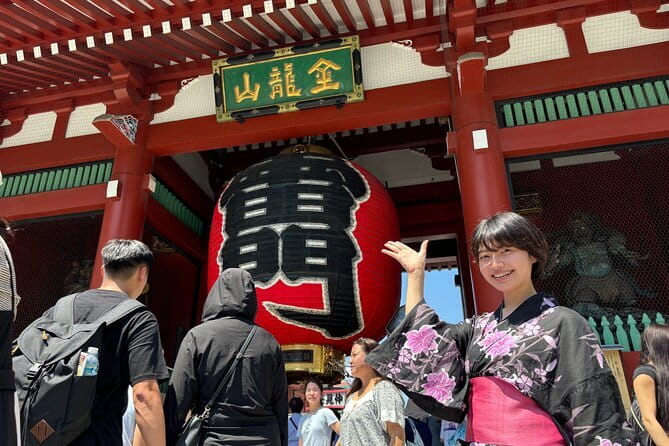
At $93, this experience costs more than simply visiting a public attraction, but there is no ordinary ticket that gives you the same access. The fee covers the stable visit, guide service, and souvenir, with the wrestler Q&A and photo session adding the largest part of the value.
I would compare it with the cost of a staged sumo performance or dinner show. Those may offer easier seating and a more polished presentation, but this morning visit is built around real training. You see the unedited work rather than a performance designed for an audience.
The value depends on what you want from sumo. If your goal is a comfortable show with food and entertainment, this may feel too strict and too early. If you want to understand how professional wrestlers train and have a chance to speak with them afterward, the price is easier to justify.
The official banzuke is a nice finishing touch, though the souvenir alone does not justify the fee. The real value is the access, the guide’s explanations, and the rare chance to ask questions directly.
What the Morning Requires From You
You should plan for a quiet, respectful visit. Food is not allowed, and neither are alcohol or drugs. Flash photography, video recording, and audio recording are also prohibited.
Photography is allowed, but you need to follow directions about timing, flash, and seating. The training session is not the time to move around, chat loudly, or hold a phone over other people.
Children under six cannot join. Older children may still need to sit quietly for the practice, so think about your child’s patience before booking.
The tournament-period schedule also deserves attention. During the Grand Sumo Tournament, held for about two weeks in January, May, and September, practice starts 30 minutes earlier and the viewing time is about one hour. That means the stable portion is shorter during these periods, even though the overall activity remains built around the same cultural introduction and interaction.
You can cancel up to 24 hours in advance for a full refund, and the reserve-now-pay-later option keeps your plans flexible. Those policies are useful, but the more important planning issue is getting to Narihira Park on time.
Who Will Enjoy This Most?
I would recommend this to first-time visitors who want a genuine cultural experience rather than a quick photo stop. The guide-led introduction makes the sport easier to understand, and the closing questions give you room to ask about the parts that caught your attention.
It also suits sports fans. You see professional preparation, repeated drills, and sparring at close range. The opportunity to ask about training and mindset adds detail that a tournament seat alone cannot provide.
It is a good choice for adults and older children who can respect a quiet setting. It is less suitable for anyone who needs a late start, cannot sit comfortably for an extended period, or wants to record everything.
The experience also works well for a Tokyo itinerary because it ends early. You can continue to the Skytree or Asakusa without giving up the rest of your day.
Final Verdict: Should You Book It?
Book this tour if you want to see real sumo training, understand the rituals, and speak with active wrestlers afterward. The strongest parts are the stable access, flexible seating, friendly guides, and generous Q&A time.
I would skip it if you want a relaxed entertainment show, a meal, or unrestricted photography. The early morning schedule and strict rules are part of the experience, not minor details.
For most visitors interested in Japanese culture or serious athletics, this is a strong use of three hours in Tokyo. At $93, it asks for a fair amount of money, but the contact with the wrestlers and access to an active stable give it a clear reason to cost more than a standard sightseeing stop.
FAQ
Where does the Tokyo sumo morning practice tour meet?
The meeting point is near the multipurpose restroom at Narihira Park in Sumida, Tokyo.
How long does the experience last?
The activity lasts three hours and usually ends around 11:00 AM.
Is transportation to the meeting point included?
No. You are responsible for getting to Narihira Park.
What seating options are available?
You can sit on a traditional zabuton floor cushion near the front or use a stool at the back.
Can I take photographs during sumo practice?
Photography is allowed, but flash photography is prohibited. You must remain quiet and follow instructions about seating and photography.
Can I record video or audio?
No. Video recording and audio recording are not allowed.
Can I speak with the sumo wrestlers?
Yes. After practice, you can ask active wrestlers questions through an organized interaction and take commemorative photos with them.
Is the tour suitable for young children?
Children under six are not permitted to join the activity.
Just added around Tokyo
- Tokyo 6hr Instagram Highlights Private Tour with Licensed Guide★ 5.0 · 38 reviews
- Tokyo Small Group Tour with Guide★ 4.5 · 38 reviews
- Tokyo Sumo Experience with Live Show & Audience Challenge★ 5.0 · 38 reviews
- Japanese Food Cooking Class in Asakusa, Tokyo★ 5.0 · 39 reviews
- Very popular in Harajuku♡Animal petting zoo★ 4.6 · 39 reviews
- Ramen Making from Scratch with Tokyo Mom(Vegan Option Available)★ 5.0 · 39 reviews
- Tokyo JDM Night: 600hp C63s AMG Edition 1 (Private)★ 4.9 · 39 reviews
- Tokyo: Kimono Rental inside Shinjuku Gyoen National Garden★ 4.9 · 39 reviews
Sumo Experiences, compared.
Tokyo Shinjuku Sumo Show & Experience with Photo
Read our review →
Sumo Show & Experience w/ Optional Kimono & Hot Pot
Read our review →
Authentic Sumo Experience in Tokyo: Enter the Sanctuary
Read our review →
Luxury Sumo Show Experience & Japanese cuisine & Drink
Read our review →Browse the lists this tour appears in