
Reviewed · SUMO EXPERIENCES
Tokyo: Sumo Morning Practice with journalists. Not fake show
Sumo begins long before tournament day. This three-hour Tokyo experience gives you access to a working sumo stable, not a staged tourist show. I especially like the chance to watch wrestlers train at close range and the guide’s first-hand insight as a national newspaper journalist. The main drawback is simple: you sit on the floor, remain quiet during practice, and follow traditional stable rules.
The tour also works well if tournament tickets are sold out. Guides such as Shinya Setsu add stories about daily life, rankings, rituals, and famous wrestlers, then continue the conversation around Ryogoku. At $103, it is not a cheap morning out, but stable access is rare, even for people living in Japan. If sumo is high on your list, I think the price can make sense.
In This Review
- What makes this sumo morning special
- Meeting in Ryogoku before the stable visit
- Entering Takasago-beya for morning practice
- What the practice reveals about sumo
- Photos with the wrestlers after training
- The guide’s stories around Ryogoku
- Is $103 a fair price?
- Who will enjoy this most?
- Practical advice for a respectful visit
- Should you book the sumo morning practice?
- FAQ
- Where does the sumo morning practice tour meet?
- How long does the experience last?
- Is the sumo practice a staged tourist show?
- Can I take photos during the practice?
- What should I wear and bring?
- Is the tour suitable for wheelchair users?
What makes this sumo morning special
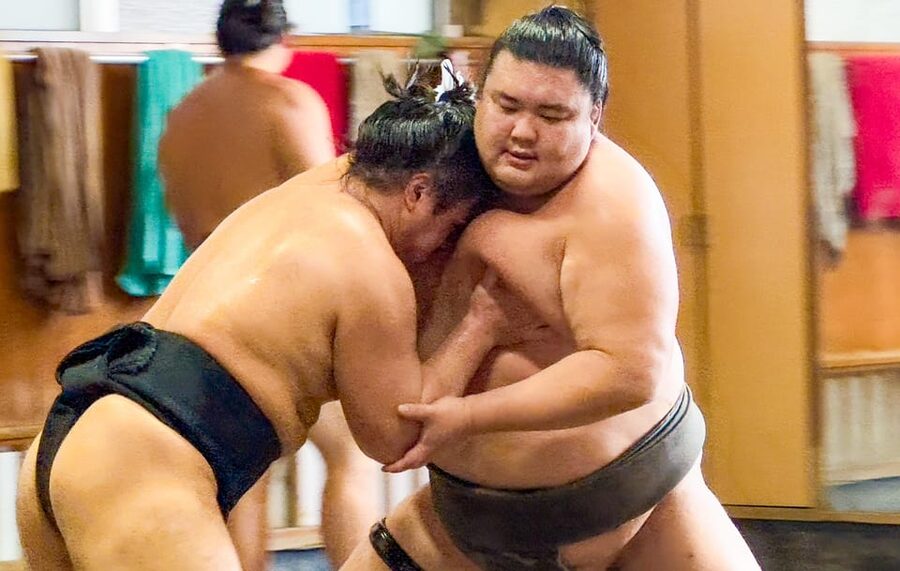
- Watch a real morning practice: You see wrestlers train in their own stable, with no staged bouts or theatrical presentation.
- Learn from a sumo reporter: The English-speaking guide brings years of reporting experience, along with stories and explanations that go beyond basic rules.
- Take commemorative photos: After practice, you get a chance to photograph the wrestlers and preserve a personal memory of the visit.
- See sumo’s daily discipline: Training, hierarchy, silence, and ritual become easier to understand when you watch the stable at work.
- Continue through Ryogoku: The walk after practice includes the local sumo district, with time around Ryogoku Edo NOREN and the sumo stadium area.
- Best alternative to a tournament: If no official tournament is running, this gives you a close look at the sport’s working side.
Meeting in Ryogoku before the stable visit
Your morning starts at Ryogoku, Tokyo’s sumo district. The meeting point is at the Ryogoku HANAWA Building, near Toei Oedo Line Ryogoku Station, exit A2 at ground level. From the east exit of JR Ryogoku Station, allow about five minutes on foot.
I would arrive early. The group leaves on time, and one participant specifically noted that arriving late could mean missing the departure. The operator sends meeting details before the tour, so read those instructions carefully rather than relying only on a map application.
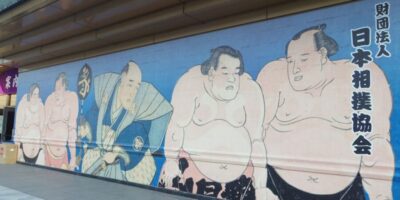
Ryogoku is a fitting place to begin. The district is home to the famous Ryogoku Kokugikan, Japan’s best-known sumo arena, and several sumo stables. This is not just a convenient Tokyo meeting point. You are entering the part of the city most closely linked with professional sumo.
From the meeting point, the transfer to Takasago-beya Sumo Stable takes about five minutes. Transportation to the stable is not included, so check the instructions you receive and be ready to cover that short journey yourself.
More Sumo Experiences in Tokyo
- Tokyo: Sumo Show Experience with Chicken Hot Pot and a Photo
★ 4.8 · 6,678 reviews - Tokyo: Sumo Show and Dining Experience
★ 4.8 · 2,742 reviews - the SUMO show
★ 5.0 · 1,960 reviews
Entering Takasago-beya for morning practice
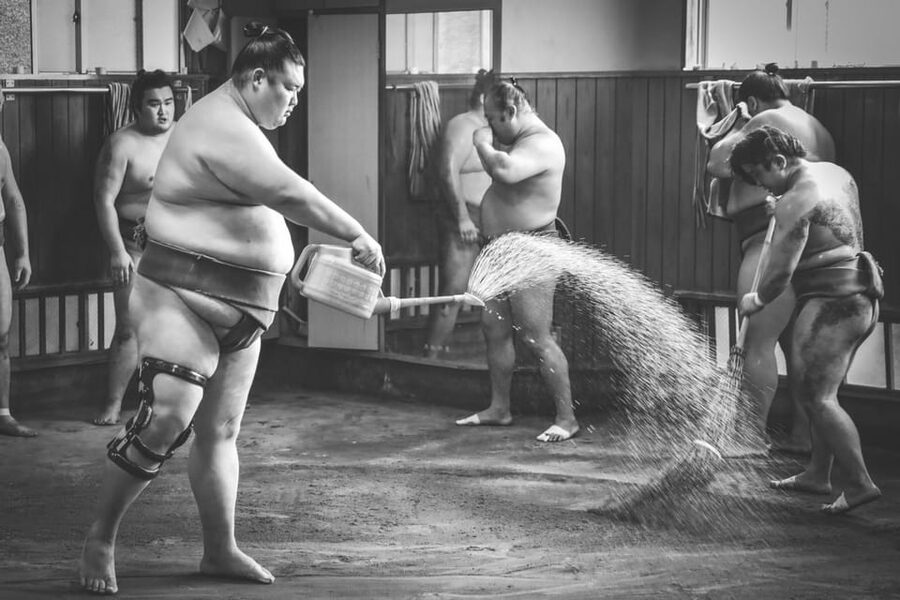
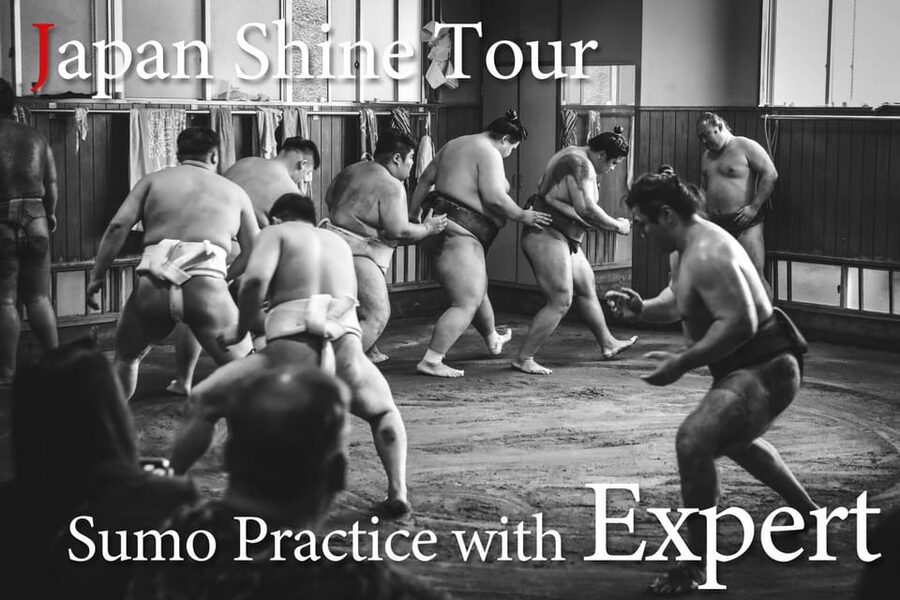
The central event is a visit to Takasago-beya, a professional sumo stable. A stable is not merely a gym. It is where wrestlers train and live within a strict system of rank, routine, duty, and respect. Access is granted by special permission, which explains why this kind of visit is difficult to arrange independently.
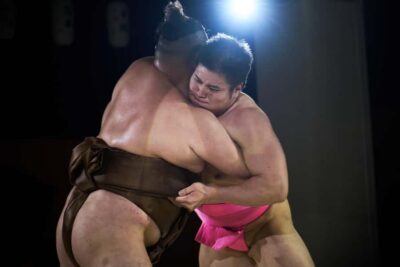
You are there to observe, not to attend a performance. The practice is conducted for the wrestlers, and your group is expected to remain quiet while training is underway. That quiet matters. You may hear the slap of bodies, the force of footwork, and the repeated sounds of wrestlers working through exercises, but there is no announcer guiding you from one moment to the next.
This is where the guide’s preparation helps. Before or after the practice, the English-speaking sumo specialist explains what you are seeing, including the sport’s rules, rituals, hierarchy, and daily structure. Guides with reporting experience can point out details that would otherwise pass quickly, such as the difference between a beginner’s work and the routines of more senior rikishi.
The viewing period is described as lasting around two hours, while one detailed account put the actual training at about 90 minutes. Plan for roughly two hours at the stable, with the exact practice schedule depending on the stable’s routine. Sumo training is not a timed stage show, so the pace may feel more observational than dramatic.
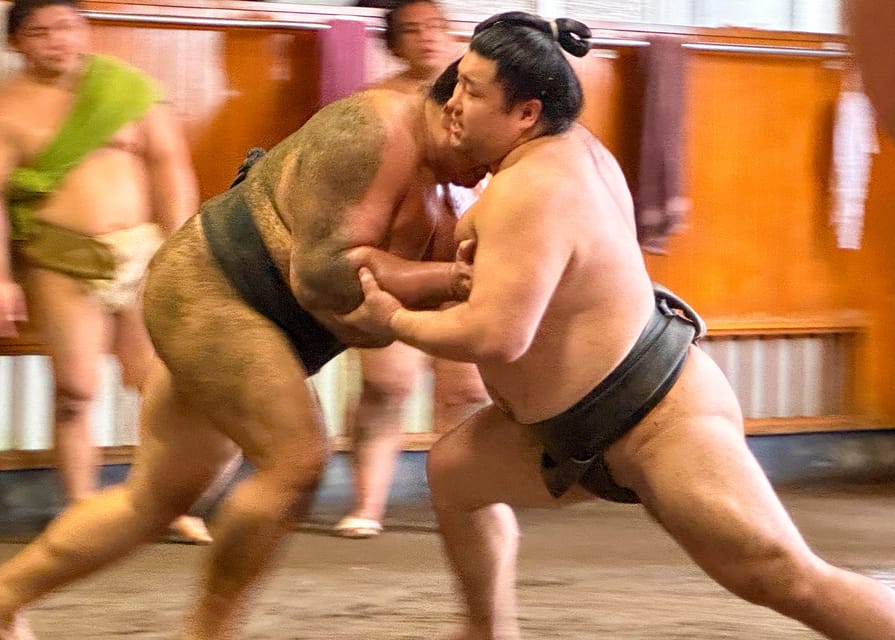
That is also the appeal. You may watch rookies work hard before more established wrestlers take their turns. One particularly memorable morning included a former ozeki, Asamoyama. The chance to see high-level wrestlers up close gives the session extra interest, though the exact wrestlers present can vary.
What the practice reveals about sumo
A tournament match gives you the polished public face of sumo. Morning practice shows the work behind it. You see repetition, physical strain, concentration, and the formal way wrestlers share the training space.
I find this especially useful for people who know sumo mainly from television. On a tournament day, the bouts are short and powerful, but the surrounding customs can seem mysterious. At the stable, the guide can explain how training fits into a wrestler’s life and how rank affects the world around him.
The experience also gives context to sumo’s rituals. Sumo is tied to Japanese tradition, but it is not simply an old-fashioned sport preserved for display. It is a demanding professional world with its own rules and social order. Watching the morning routine helps you see the human effort behind the ceremony.
You should also prepare for restraint. This is not the place for loud questions, snacks, or constant photography. Food, drinks, alcohol, and drugs are not allowed, and flash photography is forbidden during practice. You may bring a camera, but use it discreetly and follow the guide’s instructions.
Photos with the wrestlers after training
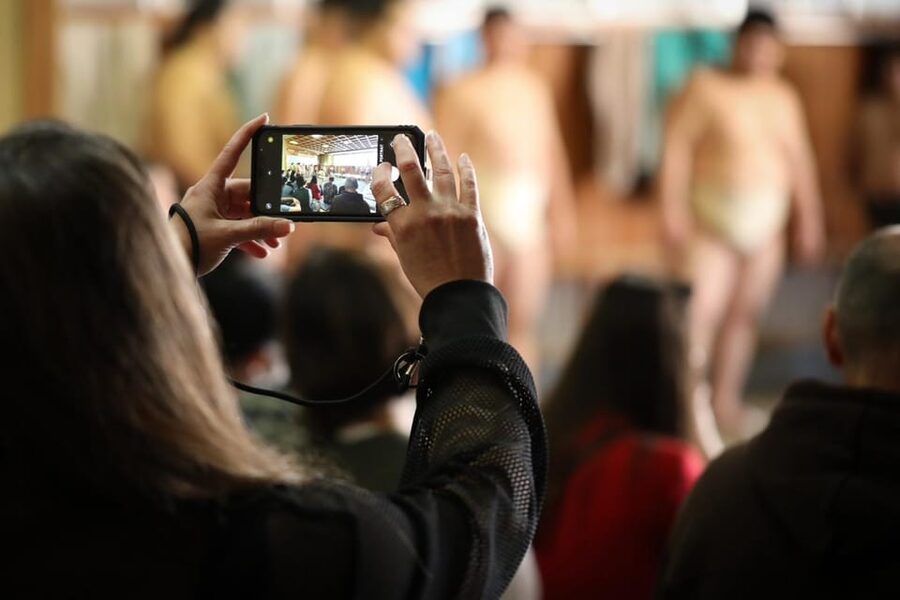
A commemorative photo opportunity follows the practice. This is one of the most appealing parts for many people because it changes the experience from distant observation to a more personal memory.
Keep your expectations sensible. You are visiting a working stable, so the photo moment remains subject to the stable’s rules and the day’s schedule. Still, the opportunity to take a photo with wrestlers is a rare privilege and a useful reason to bring a camera or phone.
Do not use flash. Wear comfortable clothing, since you will sit on the floor during the practice. The traditional arrangement is part of the experience, but it can be hard on your knees or back if you are not used to floor seating.
A completely different kind of day out in Tokyo:
- Mt Fuji and Hakone 1-Day Bus Tour Return by Bullet Train
★ 5.0 · 26,383 reviews - 1-Day Tokyo Bus Tour
★ 5.0 · 14,250 reviews - Tokyo: TOKYO SKYTREE® Admission ticket
★ 4.5 · 11,192 reviews - Tokyo: teamLab Planets TOKYO Digital Art Museum Entry Ticket
★ 4.6 · 9,779 reviews
The guide’s stories around Ryogoku
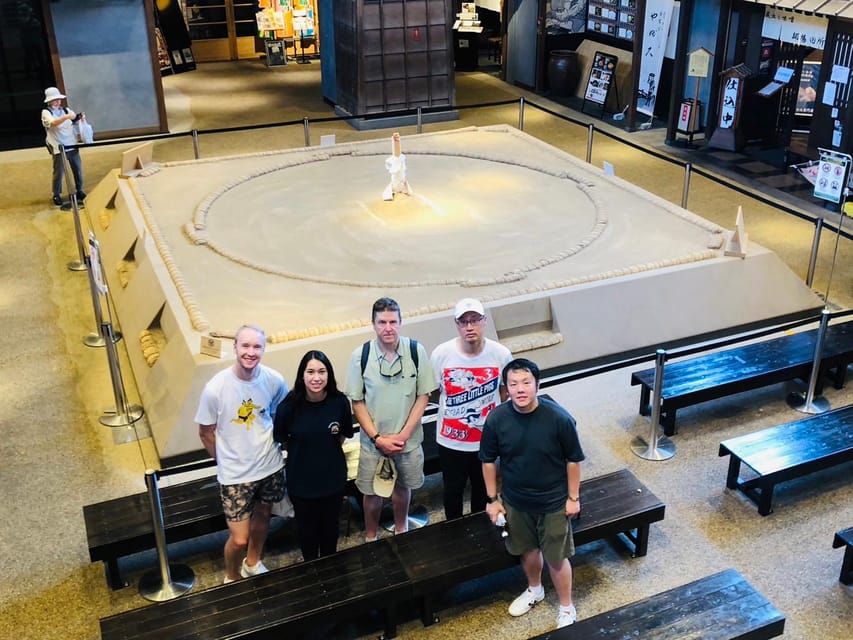
After leaving the stable, the group transfers back toward Ryogoku. The itinerary allows about 30 minutes at Ryogoku Edo NOREN, followed by a very short transfer to Ryogoku Station, where the tour ends.
The post-practice explanation is more than a quick recap. This is where the journalist guide can answer the questions you could not ask while the wrestlers were training. Guests have especially valued explanations of sumo history, the rules of the sport, wrestler lifestyles, stable hierarchy, and the meaning behind familiar rituals.
Shinya Setsu is named in several accounts as a particularly engaging guide, with a background as a sumo reporter. Other guides, including Karen and Ray, have also been praised for clear explanations and warm personalities. The exact guide may vary, but the operator’s focus is sports-related tours, and the experience is built around informed conversation rather than a scripted lecture.
Some groups walk through the area near the Kokugikan and hear stories about the stadium, sumo traditions, and famous matches. There may also be a stop at a sumo shop or museum area. One person felt the shop stop was unnecessary, while another appreciated the added look at local sumo culture. If shopping is not your interest, treat it as a brief optional-feeling pause rather than a central part of the tour.
There is also an important point about the stadium. You should not assume that you will enter the actual tournament ring. One account expected a look inside the Kokugikan ring but felt the group visited a nearby replica instead. The tour is primarily about the stable practice, not backstage access to the tournament venue.
Is $103 a fair price?
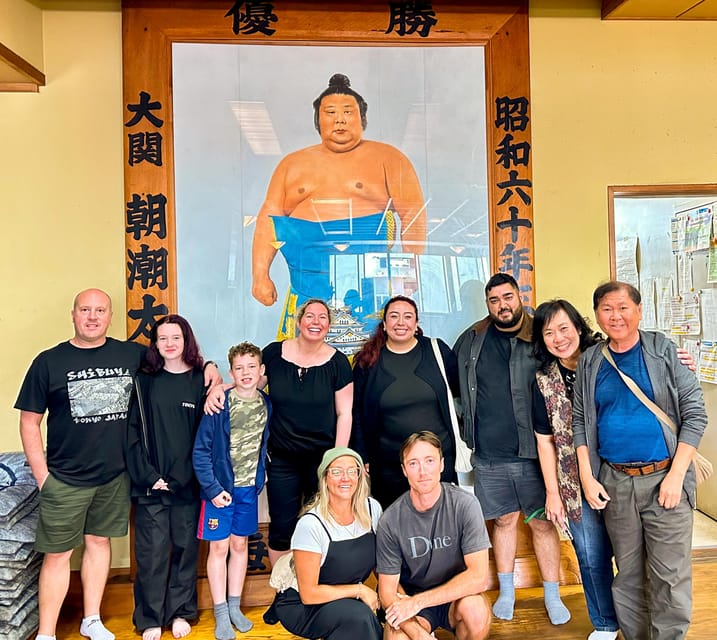
At $103 per person, this experience costs more than many ordinary Tokyo walking tours. You are paying for a small window into a private working environment, special permission from the stable, an English-language specialist, and a long period of viewing and discussion.
That makes the value depend on your interest. If you are only mildly curious about sumo, the price may feel steep, especially since meals, drinks, and transport to and from the stable are not included. If you already follow sumo, cannot obtain tournament tickets, or want an experience that feels less manufactured, the cost is easier to justify.
The tour can be especially good outside tournament periods. Official matches are held only at certain times, and tickets can be difficult to secure. Morning practice gives you a different kind of access, with more attention on training and daily life than on the spectacle of competition.
The price is also comparable to other stable visits, according to the practical feedback available. Permission to enter a stable is limited, and these visits are not usually casual drop-in activities. I would consider the fee reasonable for serious sumo fans and culturally curious visitors, but less suitable for anyone looking for a low-cost attraction.
Who will enjoy this most?
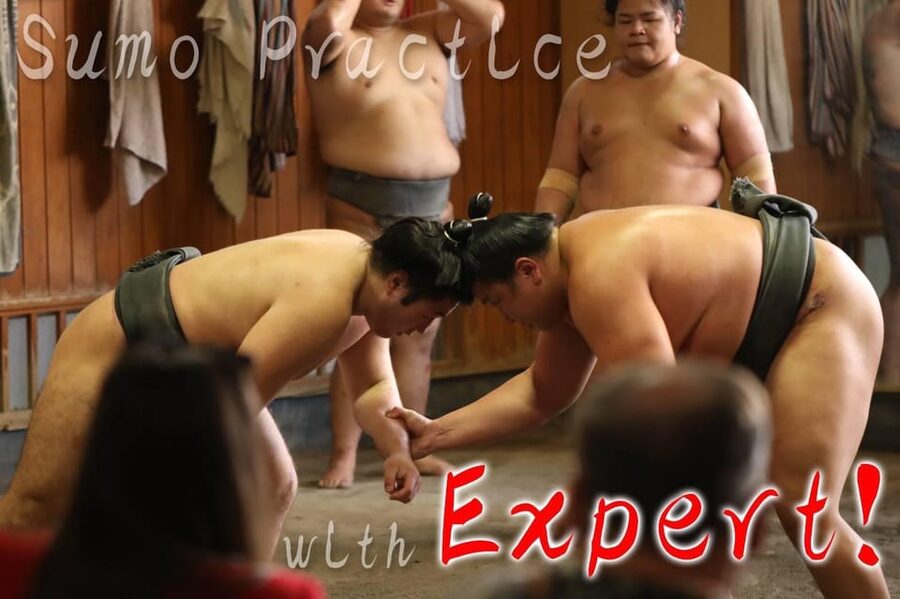
I would recommend this tour to you if you enjoy sports, Japanese customs, documentary-style experiences, or places normally closed to the public. It suits people who want to understand how a sport operates away from the arena.
It is also a strong choice if tournament tickets are unavailable. Several people found the practice even more rewarding than they expected because it showed the effort behind the short bouts seen on television.
You do not need to be an expert. A guide explains the basics, and the question period lets you fill in gaps. The tour works for a dedicated sumo follower and for a partner who knows little about the sport, as long as both are willing to sit quietly and listen.
I would hesitate to recommend it if you dislike floor seating, need full wheelchair access, or want a fast-moving sightseeing program. The traditional stable setup is not suitable for wheelchair users, and electric wheelchairs and baby carriages are not allowed. The activity is also not suitable for babies under one year old.
Practical advice for a respectful visit
Wear loose, comfortable clothes. You will sit on the floor, and the practice may last long enough for stiff legs to become a nuisance.
Arrive before the stated meeting time. The group leaves promptly, and the stable visit is the part you cannot easily replace if you miss it.
Keep your camera ready but turn off the flash. Do not bring food or drinks into the stable, and expect to remove your shoes indoors.
Most importantly, follow the guide’s lead. You are entering a private training space, not a public arena. Staying quiet, observing carefully, and waiting for permission before taking photos will help protect the access that makes this experience possible.
The booking terms are flexible: you can cancel up to 24 hours before the tour for a full refund, and a reserve-now, pay-later option is available. Starting times vary, so check availability for your chosen date.
Should you book the sumo morning practice?
Book it if you want real training rather than a staged show, especially if you cannot attend a tournament. The access to Takasago-beya is the main reason to go, while the journalist guide adds meaning to what you see.
I would not book it simply because you have a spare morning in Tokyo. The price is significant, the seating is traditional, and the visit requires quiet attention. But if sumo or Japanese heritage interests you, this is one of the more unusual ways to spend a morning in Ryogoku.
For the best experience, arrive early, wear comfortable clothes, bring a camera without flash, and save your questions for the discussion after practice. That combination lets you enjoy the rare access without treating the stable like a theme park.
FAQ
Where does the sumo morning practice tour meet?
It meets at the Ryogoku HANAWA Building, near Toei Oedo Line Ryogoku Station, exit A2 at ground level. The location is about a five-minute walk from the east exit of JR Ryogoku Station.
How long does the experience last?
The full experience lasts three hours. The main stable visit is scheduled for about two hours, followed by time around Ryogoku Edo NOREN and the area near Ryogoku Station.
Is the sumo practice a staged tourist show?
No. You watch a live morning practice at Takasago-beya Sumo Stable. The wrestlers train as part of their normal routine, and visitors must remain quiet during the practice.
Can I take photos during the practice?
You may bring a camera and have a chance to take commemorative photos with the wrestlers. Flash photography is not allowed during practice, and you should follow the guide’s instructions about when photography is permitted.
What should I wear and bring?
Wear comfortable clothes because you will sit on the floor. Bring a camera if you wish, but do not bring food, drinks, alcohol, drugs, or other prohibited items into the stable.
Is the tour suitable for wheelchair users?
The traditional stable setup is not suitable for wheelchair users. Electric wheelchairs and baby carriages are also not allowed, and the activity is not suitable for babies under one year old.
Just added around Tokyo
- Tokyo 6hr Instagram Highlights Private Tour with Licensed Guide★ 5.0 · 38 reviews
- Tokyo Small Group Tour with Guide★ 4.5 · 38 reviews
- Tokyo Sumo Experience with Live Show & Audience Challenge★ 5.0 · 38 reviews
- Japanese Food Cooking Class in Asakusa, Tokyo★ 5.0 · 39 reviews
- Very popular in Harajuku♡Animal petting zoo★ 4.6 · 39 reviews
- Ramen Making from Scratch with Tokyo Mom(Vegan Option Available)★ 5.0 · 39 reviews
- Tokyo JDM Night: 600hp C63s AMG Edition 1 (Private)★ 4.9 · 39 reviews
- Tokyo: Kimono Rental inside Shinjuku Gyoen National Garden★ 4.9 · 39 reviews
Sumo Experiences, compared.
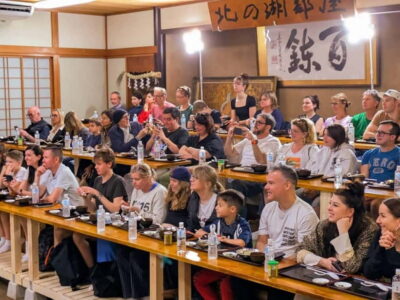
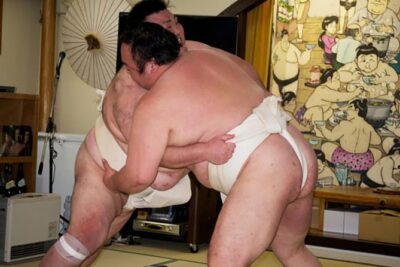
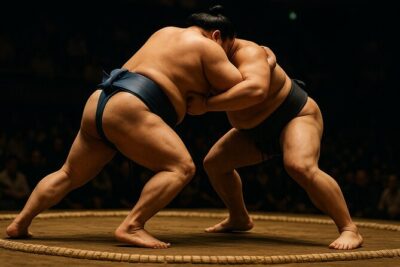
Tokyo Shinjuku Sumo Show & Experience with Photo
Read our review →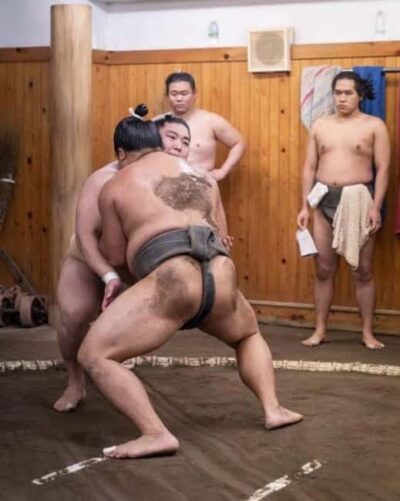
Sumo Show & Experience w/ Optional Kimono & Hot Pot
Read our review →
Authentic Sumo Experience in Tokyo: Enter the Sanctuary
Read our review →
Luxury Sumo Show Experience & Japanese cuisine & Drink
Read our review →Browse the lists this tour appears in