
Reviewed · SUMO EXPERIENCES
Tokyo: Sumo Tournament with Guide & Assigned Reserved Seat
Sumo gets serious fast. This Tokyo experience gives you a reserved second-floor seat at Ryogoku Kokugikan, plus an English-speaking guide who explains the rules, rituals, rankings, and personalities that can otherwise leave first-time spectators scratching their heads. I especially like the guaranteed tournament entry and the clear explanations from guides such as George, Lily, Cesar, and Miki.
The main drawback is price. At $209 per person, this costs far more than the face value of a basic sumo ticket, and the group may be large enough that hearing the guide takes effort. Still, when official tickets are difficult to obtain, the convenience and cultural context can make the premium worthwhile.
In This Review
- What makes this sumo experience worthwhile
- Why watching sumo live changes everything
- Starting near the heart of Tokyo’s sumo district
- The 30-minute introduction at Ryogoku Kokugikan
- Four hours inside the arena
- The guide is the real added service
- The $209 question: convenience versus ticket value
- Who should book this experience?
- Practical tips for a better afternoon
- Should you book the Tokyo sumo tournament tour?
- FAQ
- Where does the Tokyo sumo experience take place?
- How long does the sumo tour last?
- What type of seat is included?
- Is a guide included?
- Are food and drinks included?
- Is the activity suitable for people with mobility impairments?
What makes this sumo experience worthwhile
- You watch an official tournament at Ryogoku Kokugikan, Tokyo’s famous sumo venue.
- Your B or C class reserved seat is on the second floor, giving you a set place rather than leaving entry and seating to chance.
- An English-speaking sumo guide explains the action, including rankings, ceremonies, rules, and techniques.
- The experience lasts about four to five hours, with a 30-minute guided introduction followed by roughly four hours at the stadium.
- The setting offers useful photo opportunities, including the sumo district and nearby traditional sites.
- The tour solves a real ticket problem, since tournament seats can be hard to secure through ordinary channels.
Why watching sumo live changes everything
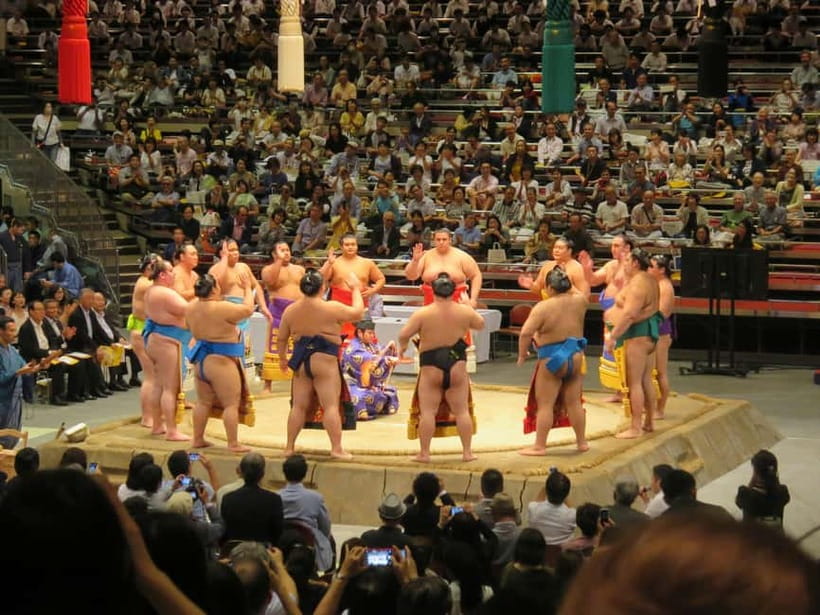
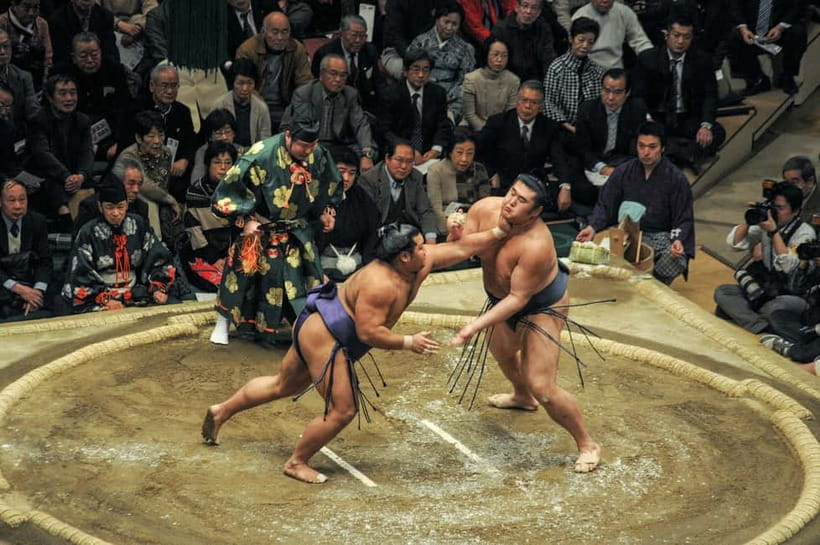
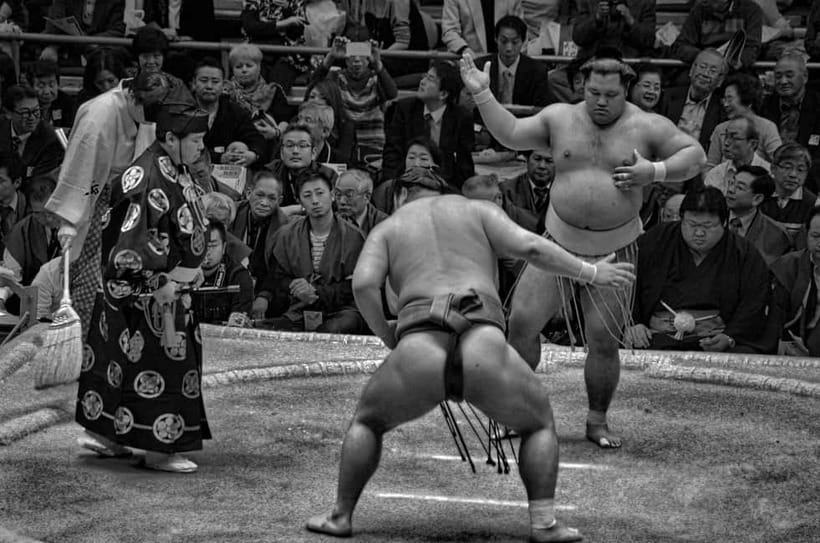
Sumo is easy to misunderstand if you only see short clips online. A bout may last a few seconds, but the build-up can take much longer. Wrestlers enter, face one another, stamp, throw salt, and repeat ritual movements before the actual contest begins.
That pause is not empty time. It is part of the sport. Sumo joins athletics with ceremony, rank, discipline, and public tradition. The wrestlers are not simply charging at one another. Every gesture carries meaning, and the crowd responds to familiar routines with a level of attention that makes the arena feel very different from a normal sporting event.
I like this tour because it helps you watch with understanding. A guide can explain why a wrestler spends so long preparing, how a match is won, and why a wrestler’s rank matters. Without that background, you may notice the noise and force but miss the structure underneath.
The guide also helps you follow the ranking system. Sumo has its own ladder of titles and promotion rules, and these can be hard to grasp from a printed program alone. You learn to see the tournament as an ongoing test of status, form, and consistency.
More Sumo Experiences in Tokyo
- Tokyo: Sumo Show Experience with Chicken Hot Pot and a Photo
★ 4.8 · 6,678 reviews - Tokyo: Sumo Show and Dining Experience
★ 4.8 · 2,742 reviews - the SUMO show
★ 5.0 · 1,960 reviews
Starting near the heart of Tokyo’s sumo district
The meeting arrangements can vary by the option you book. The listed starting point is the Matsuura-Bungo Mansion Site, and the walk continues toward Ryogoku Kokugikan.
This beginning is useful because it gives you a chance to get oriented before entering the arena. Guides have used nearby landmarks, including a temple, a cemetery, and a garden, to introduce the local setting and the traditions connected with sumo. These stops are not the central reason to book the experience, but they add context to an afternoon that could otherwise feel like simply arriving, sitting down, and watching.
I would keep your expectations sensible here. The extra sightseeing is a pleasant addition, not a separate Tokyo walking tour. One part of the route may be noisy, which can make a spoken explanation difficult to catch. If your guide begins talking beside a busy street, move closer and ask for anything you miss.
The meeting point deserves attention before the day of the tournament. Since it may differ by booking option, check your confirmation carefully rather than assuming every group gathers in the same place.
The 30-minute introduction at Ryogoku Kokugikan
The formal guided portion at Ryogoku Kokugikan lasts about 30 minutes. This is where the afternoon becomes much easier to follow.
A good introduction should cover the basic rules, the ranking system, the significance of the rituals, and what to watch for during a bout. The best guides also answer practical questions. George, Lily, Cesar, Miki, Jorge, Erik, and Francesco have all been praised for being friendly, clear, and engaged with their groups.
Cesar, in particular, is described as able to explain the tournament, the names of wrestlers, and the customs surrounding the matches. George has been praised for helping newcomers understand what was happening before and during the event. These details matter because a guide’s enthusiasm can determine whether sumo feels mysterious or immediately compelling.
The introduction is also the right time to ask about techniques. Some people feel the explanations focus more on history and buildings than on the actual mechanics of the fights. If you want to understand throws, pushing techniques, footwork, and the reasons behind a referee’s decisions, ask directly.
That small bit of preparation pays off. Once the tournament gets moving, you will have a better idea of why one wrestler is favored, why a match ended quickly, and what the crowd is reacting to.
Four hours inside the arena
The tournament visit takes about four hours, so this is not a quick photo stop. You have time to watch the rhythm of the event, settle into your seat, and see how the atmosphere changes as higher-ranked wrestlers appear.
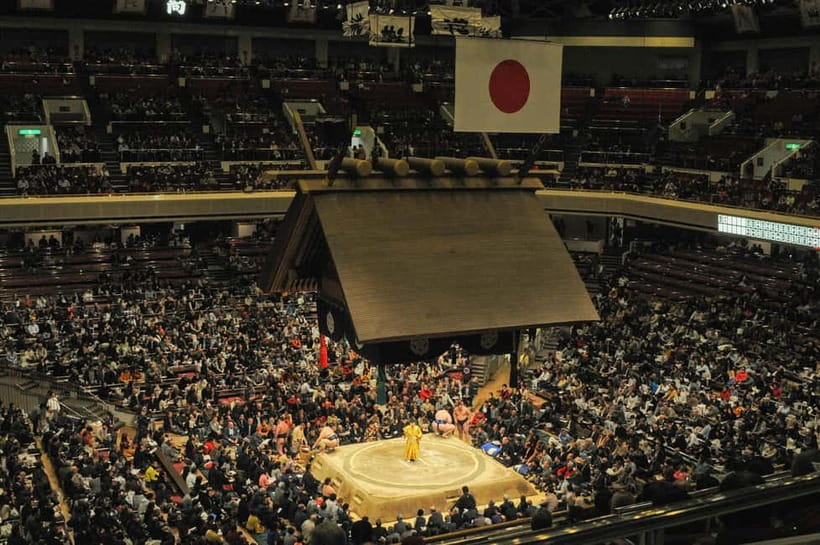
Your ticket is for a reserved B or C class seat on the second floor. You do not choose the exact seat, so the view will depend on the assignment. Several people have found the sightlines good and said they could clearly see the fights. That is encouraging, but you should not book this expecting a ringside position.
The assigned seating also creates a practical issue for groups. Seats may be random or split up, especially when several people book together. Guides try to speak with everyone during the event, but they cannot provide constant commentary to every person from one place.
For me, the second-floor position has a useful advantage: you can see the ring and the surrounding crowd as a whole. You may lose some close-up detail compared with a lower seat, but you gain a broad view of the ceremony and arena activity.
Bring patience for the pauses. The tournament is not a nonstop sequence of short fights. The repeated ceremonies are part of the experience, and a guide helps you understand why they matter rather than treating them as delays.
Food and drinks are not included, and the activity information says food and drinks are not allowed. Plan around that restriction. Since the visit lasts several hours, it is sensible to check the current instructions before you arrive and avoid assuming that you can eat at your seat.
A completely different kind of day out in Tokyo:
- Mt Fuji and Hakone 1-Day Bus Tour Return by Bullet Train
★ 5.0 · 26,383 reviews - 1-Day Tokyo Bus Tour
★ 5.0 · 14,250 reviews - Tokyo: TOKYO SKYTREE® Admission ticket
★ 4.5 · 11,192 reviews - Tokyo: teamLab Planets TOKYO Digital Art Museum Entry Ticket
★ 4.6 · 9,779 reviews
The guide is the real added service
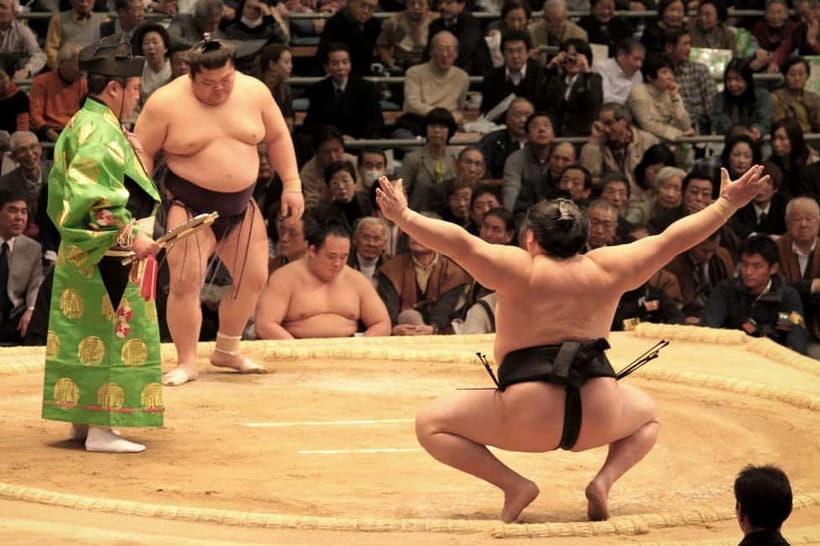
The ticket gets you through the door, but the guide is what makes this more than a standard sporting event. Guides are assigned rather than selected, so you cannot count on a particular person. Still, the feedback is unusually consistent about the quality of the English explanations.
Lily has been praised for her energy, care, and strong command of sumo. George is often described as funny and well prepared. Cesar is noted for answering questions and keeping the group involved. Miki has been praised for looking after people attentively from the first meeting point through the end of the afternoon.
That does not mean every explanation will suit every interest. One person may want more about techniques, while another wants the history of the sport or how promotions work. I recommend telling your guide what you want to learn early. A direct question is more likely to produce useful detail than waiting for the group talk to cover everything.
Group size affects the experience. A large group can make it hard to hear, especially outside near traffic. Inside, the guide may need to move between people or speak during breaks rather than narrate every bout. If you value private, constant commentary, this is not that kind of tour.
The $209 question: convenience versus ticket value
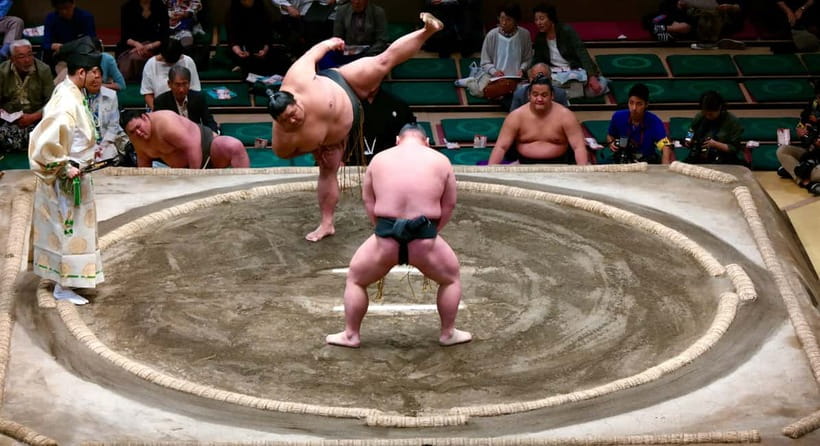
The cost is the biggest concern. The advertised price is $209 per person, while basic B or C class tickets may cost around ¥5,000 to ¥6,000 according to information discussed by participants. That creates a large gap between the ticket’s face value and the price of this package.
You should not pretend the difference is small. Part of the charge pays for access, advance arrangements, staffing, and the ability to secure a seat when official sales are difficult. The guide also adds real value if you know little about sumo and want help making sense of the rituals and rankings.
But the premium can feel steep if you already understand sumo or are comfortable attending without assistance. The value is strongest for a first visit, a special occasion, or a short Tokyo stay when losing a day to failed ticket searches would be frustrating.
Several people have described official tickets as nearly impossible to obtain, which explains why a guaranteed seat can matter. I would book early if you decide to go. Waiting can leave you with fewer choices and a higher price.
The booking process itself is described as simple, with clear tournament dates, assigned seat confirmation, and quick electronic tickets. There have been occasional slow page loads, and a seat map is not provided before payment. Those are minor annoyances, but they matter when you are committing this much money.
The activity is non-refundable. Check the date, meeting point, seat class, and number of participants carefully before paying.
Who should book this experience?
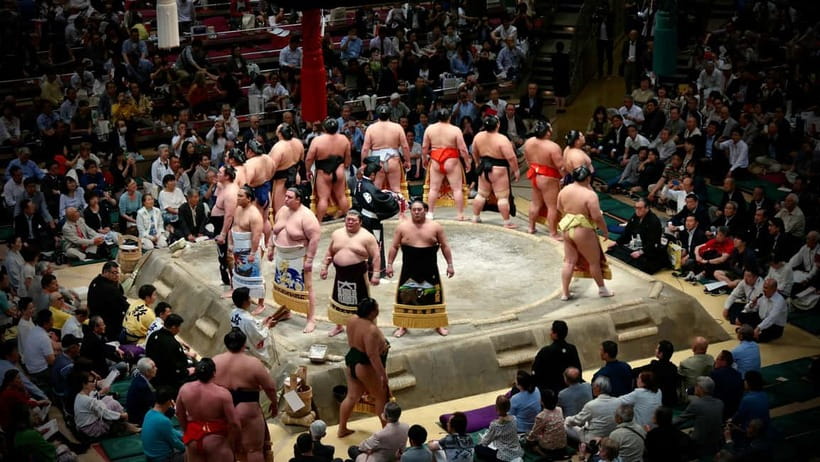
This is a strong choice if you fit several of these descriptions:
- You have never watched a live sumo tournament.
- You want cultural explanation in English.
- You value a guaranteed reserved seat more than the lowest possible ticket price.
- You are visiting Tokyo during a tournament and do not want to gamble on finding official tickets.
- You enjoy traditional ceremony as much as fast action.
- You are happy with an assigned second-floor B or C class seat.
I would think twice if you are on a tight budget, already know the rules well, or mainly want the cheapest way into the arena. You may feel that the guide and booking service do not justify the large markup.
The activity is also not suitable for people with mobility impairments, according to the stated restrictions. Since you will spend much of the afternoon at the venue and the meeting point can vary, consider your comfort with walking and arena access before booking.
Practical tips for a better afternoon
Read the meeting instructions twice. The starting point may vary, and arriving at the wrong side of Ryogoku can create unnecessary stress.
Do a little homework before you go. You do not need to memorize every rule, but knowing the basic idea of wrestler rankings and the difference between a ceremonial routine and the bout itself will help.
Ask about techniques. If you want more than general cultural background, say so early. The guide can tailor answers when you make your interests clear.
Expect seats to be assigned. If you are booking with companions, do not assume you will sit together. The tour information confirms the seat class, not a specific location.
Keep your phone ready for photos at suitable moments, but do not let photography replace watching. The arena, rituals, and surrounding sumo district provide the storybook setting promised by the experience.
Finally, allow the full four to five hours. This is not an activity to squeeze between two tightly scheduled attractions. The long format is part of its value, since you see the event develop rather than rushing through one or two matches.
Should you book the Tokyo sumo tournament tour?
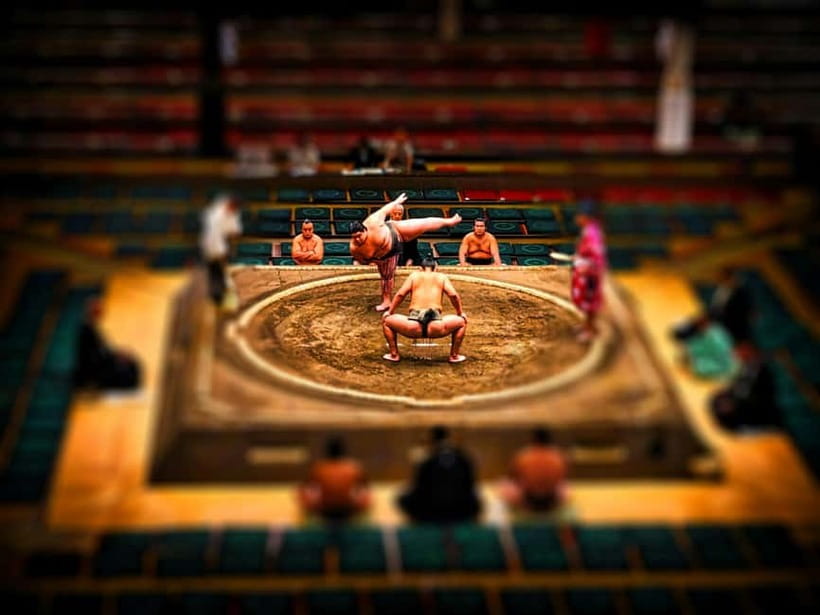
I would book this if live sumo is high on your Tokyo list and you want help understanding what you see. The reserved ticket removes much of the uncertainty, and guides such as George, Lily, Cesar, and Miki have made a strong impression through clear explanations, warmth, and genuine enthusiasm for the sport.
I would not call it a bargain. The $209 price is a serious premium over the basic ticket cost, and the assigned seating and possible large group limit the personal service. But if tournament tickets are sold out, your schedule is short, and this is a once-in-a-lifetime cultural priority, the added cost may be easier to accept.
For a first-time visitor, the guide is the deciding factor. For a repeat sumo fan, the price is harder to defend. Book early, check the meeting details, and go in ready to appreciate the ceremonies as much as the clashes.
FAQ
Where does the Tokyo sumo experience take place?
The tournament visit takes place at Ryogoku Kokugikan in Tokyo, on Honshu, Japan. The experience begins at a meeting point that may vary by the booking option, with the Matsuura-Bungo Mansion Site listed as a starting location.
How long does the sumo tour last?
The full activity lasts about four to five hours. The guided introduction at Ryogoku Kokugikan lasts approximately 30 minutes, followed by about four hours at the venue.
What type of seat is included?
The package includes an assigned reserved B or C class seat on the second floor. You do not select the exact seat.
Is a guide included?
Yes. An English-speaking sumo guide is included and explains the rules, rituals, rankings, techniques, and cultural meaning of the tournament.
Are food and drinks included?
No. Food and drinks are not included, and the activity information states that food and drinks are not allowed.
Is the activity suitable for people with mobility impairments?
No. The experience is listed as not suitable for people with mobility impairments.
Just added around Tokyo
- Tokyo 6hr Instagram Highlights Private Tour with Licensed Guide★ 5.0 · 38 reviews
- Tokyo Small Group Tour with Guide★ 4.5 · 38 reviews
- Tokyo Sumo Experience with Live Show & Audience Challenge★ 5.0 · 38 reviews
- Japanese Food Cooking Class in Asakusa, Tokyo★ 5.0 · 39 reviews
- Very popular in Harajuku♡Animal petting zoo★ 4.6 · 39 reviews
- Ramen Making from Scratch with Tokyo Mom(Vegan Option Available)★ 5.0 · 39 reviews
- Tokyo JDM Night: 600hp C63s AMG Edition 1 (Private)★ 4.9 · 39 reviews
- Tokyo: Kimono Rental inside Shinjuku Gyoen National Garden★ 4.9 · 39 reviews
Sumo Experiences, compared.
Tokyo Shinjuku Sumo Show & Experience with Photo
Read our review →
Sumo Show & Experience w/ Optional Kimono & Hot Pot
Read our review →
Authentic Sumo Experience in Tokyo: Enter the Sanctuary
Read our review →
Luxury Sumo Show Experience & Japanese cuisine & Drink
Read our review →Browse the lists this tour appears in