
Reviewed · FISH MARKET TOURS
Tokyo: Tsukiji Fish Market Walking Tour
Fresh seafood is only part of Tsukiji’s story. This two-hour walk through Tokyo’s Tsukiji Outer Market pairs food tasting with useful cultural context, and I especially like the small group of up to 10 and the way guides help you find specialties you might miss alone. I also like that guides such as Doren, Nao, Ryo, Yota, and Nicholas have led visitors to affordable stalls and explained how foods fit into Japanese cooking. The main consideration is that this is now an outer-market food walk, not a look at a working wholesale fish auction, and some food samples cost extra.
You meet at the Starbucks near Tsukiji Station, about a two-minute walk from the station, then spend the full tour on foot before returning to the same place. The English-language tour costs $17 per person, which is a low price for two hours of orientation, food advice, and company in a crowded market.
In This Review
- Key points to know before you go
- Why Tsukiji Outer Market is worth your morning
- Meeting at Tsukiji Station
- Walking through the Outer Market
- What you may taste, and what costs extra
- Food culture explained in plain language
- A possible Tsukiji Hongwanji Temple stop
- Why the small group matters
- Is this really a fish-market tour?
- Accessibility, weather, and what to wear
- Value at $17 per person
- Who should book this Tsukiji walk?
- Practical details before booking
- Should you book it?
- FAQ
- Where does the Tsukiji Fish Market Walking Tour meet?
- How long does the tour last?
- Is food included in the tour price?
- What language is the tour offered in?
- Is the tour wheelchair accessible?
- Can I cancel the tour?
Key points to know before you go
- Tsukiji Outer Market is the main focus: Expect retail stalls, prepared foods, ingredients, kitchen tools, and food counters rather than a wholesale auction floor.
- Food samples are not included: Bring cash for tastings because some stalls do not accept cards.
- Guides make the market easier: The value comes from knowing which stalls to try, what to order, and how local ingredients are used.
- Two hours is a useful length: You have enough time for several tastings and shopping without the market becoming an all-day commitment.
- The group is limited to 10 people: That makes it easier to hear explanations and stay together in narrow market lanes.
- A short shrine stop may be included: Some itineraries have included Tsukiji Hongwanji Temple before the food stops.
Why Tsukiji Outer Market is worth your morning
Tsukiji is one of those Tokyo places that can feel confusing at first. The lanes are crowded, signs may not be easy to read, and every counter seems to offer something worth trying. A guide gives the market a shape, turning a fast walk past food stalls into a lesson in Japanese ingredients, eating habits, and shopping customs.
The market’s role has changed over time, and it helps to keep your expectations in check. This tour visits Tsukiji Outer Market, where you find retail vendors, seafood, meat, fruit, sweets, cooking ingredients, knives, and other kitchen goods. It is not presented as a tour of the wholesale fish auction, so you should book it for food culture and market browsing rather than for industrial fish trading.
I like this distinction because it matches what the tour does best. You are not simply looking at seafood behind a counter. You are learning why certain ingredients matter, how vendors serve them, and which small bites make sense for a first visit.
More Market Tours in Tokyo
- Tokyo Tsukiji Fish Market Food and Culture Walking Tour
★ 5.0 · 3,184 reviews - Tokyo: Tsukiji Fish Market Food and Walking tour
★ 5.0 · 1,724 reviews - Tokyo: Tsukiji Fish Market Guided Walking Tour
★ 4.9 · 1,397 reviews
Meeting at Tsukiji Station
The starting point is the Starbucks close to Tsukiji Station, around a two-minute walk from the station. The tour returns here after the market visit, which is handy if you want to continue sightseeing in another part of Tokyo without arranging a second pickup point.
There is no hotel pickup or drop-off. You need to reach the meeting place on your own, so allow time to find the correct Starbucks and arrive ready to walk. The listed coordinates are 35.6679239, 139.7720981 if you prefer to check the location before leaving your hotel.
The meeting point also gives you a clear place to regroup before entering the market. That matters in Tsukiji, where busy lanes and frequent stops can make a loose group difficult to follow.
Walking through the Outer Market
The main part of the experience is a guided walk through Tsukiji Outer Market. You can expect stalls selling fresh seafood, meat skewers, fruit, sweets, prepared food, specialty ingredients, and cooking tools. The market is a place to browse with your eyes, but the tasting opportunities make it more than a sightseeing stroll.
The guide’s role is especially useful here. You might otherwise walk past a counter without knowing what to order, how much it should cost, or how the food connects to Japanese cooking. Guides have pointed out tuna sushi, oysters, fatty tuna, Kobe beef, wagyu skewers, eel, fresh fruit, mochi, and unusual snacks such as wasabi beans.
That list should not be read as a fixed menu. The precise stops and purchases can vary, and the food is not listed as included in the $17 price. Think of the tour as a guided introduction to the market, with the freedom to buy the items that appeal to you.
This arrangement has an advantage. You are not forced into a set meal or a long restaurant stop. If you want to try seafood, you can focus on seafood. If you prefer sweets, fruit, or cooking ingredients, the guide can help you notice those options. Andra, a self-described food lover, particularly valued being able to choose what to eat and also buy ingredients for later meals.
What you may taste, and what costs extra
Food is the strongest reason to choose this tour. Several people praised the chance to try foods they would not have ordered alone, including tuna, oysters, wagyu, eel, mochi, fruit, and wasabi beans. One guide-led walk even included beers while the group sampled different foods, though you should not assume drinks are included in every booking.
Bring cash. This is the most practical warning in the entire experience. Some market stalls do not accept cards, and food samples are not included in the tour price. David specifically noted that visitors should know cash is needed for tastings, while Brian also found cash useful for stops serving oysters, toro, and wagyu skewers.
The $17 tour price is therefore only part of your budget. You pay the guide fee upfront, then decide how much more to spend on food. That is good for travelers with different appetites, but less convenient if you expect an all-inclusive tasting tour.
I would bring enough cash for several small purchases, while keeping your spending under control. Tsukiji can tempt you with one more skewer, one more sushi serving, and one more sweet. The guide can explain which stalls offer good value, but you still make the final buying decisions.
More Walking Tours in Tokyo
- Tokyo: Imperial Palace and Shogun Historical Walking Tour
★ 5.0 · 2,251 reviews - Tokyo: Shinjuku Local Bar and Izakaya Guided Walking Tour
★ 4.9 · 1,794 reviews - Tokyo: Asakusa Walking Tour with Sensoji Temple Visit
★ 4.8 · 1,583 reviews - Tokyo Castle & Imperial PalaceーShogun Walking Tour
★ 4.7 · 1,068 reviews
Food culture explained in plain language
A strong guide does more than point at a fish and name it. The best part of this walk is the explanation of ingredients and customs. You learn about the foods used in traditional dishes, Japanese culinary habits, and the reasons certain market products matter.
The guide can also explain how to approach local restaurants and specialty counters. That advice helps you make better choices after the tour, even if you return to Tsukiji on your own. Nicholas, Doren, Nao, Ryo, Yota, and other guides received praise for giving clear explanations and helping people find good stops.
Different guides bring different personalities. Yota was remembered for his informative style and playful resemblance to Master Yoda. Doren was described as energetic and fun, while Ryo was praised for patience and kindness. These details matter because a market tour works best when the guide is comfortable answering questions and keeping the group moving.
Do not expect a formal history lecture. The information is tied to what you see and eat, which makes it easier to remember. You may learn about an ingredient at the same moment you are deciding if you want to taste it.
A possible Tsukiji Hongwanji Temple stop
Some tours have included a short stop at Tsukiji Hongwanji Temple before moving through the market. Michelle appreciated this extra cultural visit, since it added a place of worship and local history to a food-focused morning.
The temple stop is not described as a separate long visit, so you should view it as a brief addition rather than the main purpose of the tour. Still, it helps balance the experience. Tsukiji is not only about eating. A nearby shrine or temple gives you a moment to consider the area beyond its stalls and menus.
If your guide includes this stop, listen for the connection between local traditions and the market district. The experience is stronger when you understand the neighborhood as a cultural place, not merely a row of food counters.
Why the small group matters
The group limit is 10 people. That is small enough for a guide to explain ingredients without shouting across a large crowd, and it gives you a better chance to ask what something is before buying it.
Small groups also matter physically. Market lanes can be tight, and stopping in the wrong place can block other shoppers or vendors. A guide who knows the route can keep the group moving while still allowing time for tastings and questions.
There is one tradeoff. Even with 10 people, you are walking through a busy market, not a quiet museum. You may need to stay close to the guide, wait briefly at popular counters, and accept that some stalls will be crowded.
The two-hour limit helps. Several people found it long enough to sample a range of foods and shop for ingredients, while still short enough to avoid fatigue. Deanne found the early timing worth the effort, though you should check available starting times and consider how early you want to begin your Tokyo day.
Is this really a fish-market tour?
Yes, but with an important qualification. The title may suggest rows of fish and a wholesale operation. In practice, the experience centers on the Outer Market, where food vendors and specialty shops serve shoppers and sightseers.
Michael’s assessment gives the clearest warning: there was excellent tuna sushi and a friendly atmosphere, but not much fish on display beyond street vendors selling fish and meat skewers. If your main goal is to see large-scale fish trading, this tour may not match your expectations.
If your goal is to understand Japanese food through market stalls, the fit is much better. You get to see how seafood sits alongside meat, sweets, fruit, seasonings, and culinary tools. You also have a guide to explain which products are worth your attention.
Accessibility, weather, and what to wear
The activity is listed as wheelchair accessible. Since this is a walking tour through a working market, you should still be prepared for crowded paths and frequent stops. The available information confirms accessibility, but it does not provide detailed route measurements or restroom information, so contact the provider if you need specific arrangements.
Wear comfortable shoes. Two hours on foot, with market lanes and repeated stops, calls for practical clothing rather than anything formal. Rain does not necessarily ruin the outing. Jackie had an enjoyable tour despite wet weather, tasting Kobe beef, fatty tuna, and mochi with guide Yota.
Cash is the one item specifically required in the tour information. I would also keep your hands free for browsing and food, since you may want to buy ingredients or small market goods.
Value at $17 per person
At $17, this is inexpensive by Tokyo tour standards. The price covers a two-hour walking tour and an English-speaking guide, not hotel transport or food. The value comes from reducing the guesswork in a market where an uninformed visitor can easily miss the best options or spend money without knowing what they are buying.
You also receive practical orientation. Guides have helped people locate affordable shops, understand local specialties, and choose unusual samples. Morris was initially worried that Tsukiji might be packed with overpriced tourist stops, but guide Nao led the group to places he considered affordable and appealing.
That does not mean every purchase will be cheap. Premium tuna, oysters, wagyu, and other sought-after foods can add up. The good news is that you control the extra spending, and the guide’s recommendations can help you avoid ordering at random.
For a first visit, I think the price is fair. For a repeat visitor who already knows Tsukiji well, the benefit depends on how much you value food explanations and guided tastings.
Who should book this Tsukiji walk?
I would recommend it to first-time visitors to Japan, curious eaters, and anyone who wants help navigating Tsukiji without planning every stop in advance. It also suits solo visitors who like meeting a few people from different countries while trying local foods.
Families and mixed groups may appreciate the flexible tasting style. One person can choose tuna, another can try fruit or sweets, and nobody has to commit to a full set menu. The two-hour schedule also fits neatly into a larger Tokyo itinerary.
You may want to skip it if you dislike seafood markets, do not want to pay extra for samples, or prefer exploring independently. It is also not the right pick if your top priority is seeing a wholesale fish auction or a market filled only with fish.
Practical details before booking
The tour lasts two hours and uses English-speaking guides. It starts and ends at the Starbucks near Tsukiji Station, with no hotel transportation. Check the available starting time before booking, especially if you want to combine the tour with another morning activity.
You can cancel up to 24 hours in advance for a full refund, and the reserve-now, pay-later option keeps your plans flexible. Those terms are useful in Tokyo, where weather, jet lag, and changing schedules can affect your morning.
The overall rating is 4.9 from 205 reviews, with repeated praise for the guides, food choices, cultural explanations, and ability to find good market stops. The lower-scoring feedback is not harsh, but it reinforces the key warning: the market is more than fish, and the experience may include street food rather than a long look at seafood displays.
Should you book it?
Book this Tsukiji Fish Market Walking Tour if you want an affordable introduction to Japanese food culture, guided tasting ideas, and a manageable two-hour walk. The best reason to go is not simply to see fish. It is to learn what to try, where to spend your money, and how market ingredients connect to daily cooking in Japan.
Bring cash, expect food purchases to cost extra, and keep your expectations focused on the Outer Market. If that sounds like your kind of Tokyo morning, $17 buys useful guidance and a much better starting point than wandering the lanes without a plan.
FAQ
Where does the Tsukiji Fish Market Walking Tour meet?
The meeting point is the Starbucks near Tsukiji Station, about a two-minute walk from the station. The coordinates are 35.6679239, 139.7720981.
How long does the tour last?
The tour lasts two hours. It begins and ends at the Starbucks near Tsukiji Station.
Is food included in the tour price?
No. The $17 price includes the walking tour and guide, but food samples and other purchases are not included. Bring cash because some market stalls do not accept cards.
What language is the tour offered in?
The tour is offered in English with a live English-speaking guide.
Is the tour wheelchair accessible?
Yes, the activity is listed as wheelchair accessible.
Can I cancel the tour?
Yes. You can cancel up to 24 hours in advance for a full refund. A reserve-now, pay-later option is also available.
More Shopping Tours in Tokyo
- Tsukiji Fish Market Small-Group Food Walking Tour
★ 5.0 · 621 reviews - Tokyo: Tsukiji Fish Market Sushi Making Class with Pro Chef
★ 4.9 · 506 reviews - Tokyo Food Tour Taste Fresh Delights at Tsukiji Market
★ 5.0 · 429 reviews - Tokyo Tsukiji Fish Market Tour and Sushi Making Lesson
★ 5.0 · 390 reviews
More Fish Market Tours in Tokyo
- Tokyo Sushi Making Class in Tsukiji with Professional Chef
★ 5.0 · 1,177 reviews - Tsukiji Fish Market Guided Tour and Sushi Making with Pro Chef
★ 5.0 · 775 reviews - Tokyo: Tsukiji Fish Market Food and Culture Walking Tour
★ 4.7 · 757 reviews - Tsukiji Fish Market: Street Food & Culture Walking Tour
★ 5.0 · 669 reviews
Just added around Tokyo
- Tokyo 6hr Instagram Highlights Private Tour with Licensed Guide★ 5.0 · 38 reviews
- Tokyo Small Group Tour with Guide★ 4.5 · 38 reviews
- Tokyo Sumo Experience with Live Show & Audience Challenge★ 5.0 · 38 reviews
- Very popular in Harajuku♡Animal petting zoo★ 4.6 · 39 reviews
- Japanese Food Cooking Class in Asakusa, Tokyo★ 5.0 · 39 reviews
- Ramen Making from Scratch with Tokyo Mom(Vegan Option Available)★ 5.0 · 39 reviews
- Tokyo: Kimono Rental inside Shinjuku Gyoen National Garden★ 4.9 · 39 reviews
- Tokyo JDM Night: 600hp C63s AMG Edition 1 (Private)★ 4.9 · 39 reviews
Fish Market Tours, compared.
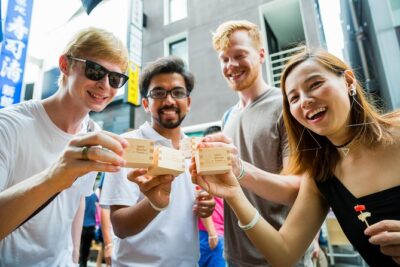
Tokyo Tsukiji Fish Market Food and Culture Walking Tour
Read our review →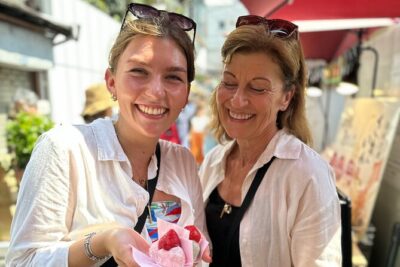
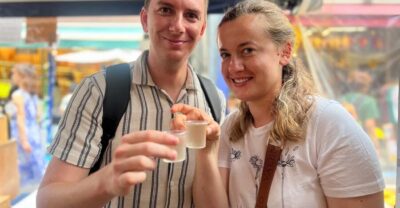

Tokyo Sushi Making Class in Tsukiji with Professional Chef
Read our review →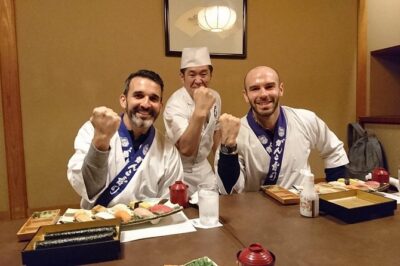
Tsukiji Fish Market Guided Tour and Sushi Making with Pro Chef
Read our review →Tsukiji Fish Market Food and Culture Walking Tour
Read our review →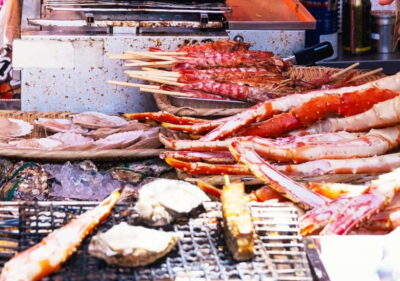
Tsukiji Fish Market: Street Food & Culture Walking Tour
Read our review →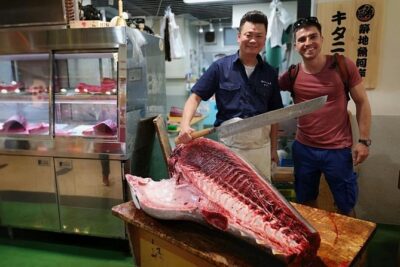
Tsukiji Fish Market Small-Group Food Walking Tour
Read our review →Browse the lists this tour appears in