
Reviewed · FISH MARKET TOURS
Tokyo’s Kitchen: Tsukiji Market Food & Culture Walk
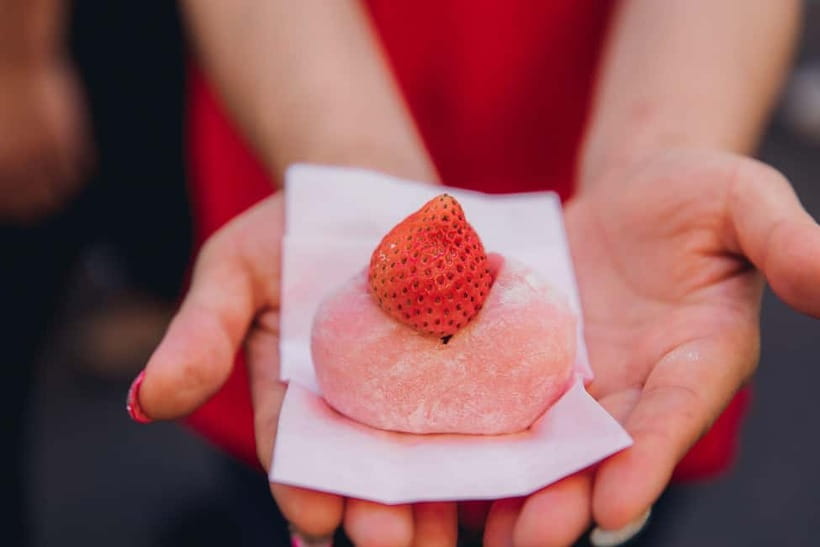
Tokyo tastes best before lunch. This three-hour walk through Tsukiji Outer Market combines generous food samples with clear explanations of sushi, local customs, and the market’s spiritual roots. I like the tiny group size, limited to six people, and the way guides such as Oku, Mihori, Shino, and Yumi use friendly vendor relationships to make the market easier to understand. I also like that the food is not treated as a quick checklist. Sushi, tamagoyaki, wagashi, matcha, dashi, and other bites all come with a story.
The main thing to consider is that Tsukiji is busy, and the market floor can be wet. You will be walking and standing for three hours, often among queues and tight shopfronts, so closed-toe shoes and practical clothing matter. If you hope to see the wholesale market’s full working operation, keep expectations in check: the famous tuna auction moved to Toyosu, and this experience focuses on the Outer Market’s shops, food, vendors, and shrines.
In This Review
- Key points to know before you book
- Why Tsukiji still matters after the tuna auction moved
- Meeting at Kabukiza and starting with Kabuki Inari Shrine
- Walking into Tsukiji Outer Market with a guide
- What you may taste at Tsukiji
- Sushi and sashimi
- Tamagoyaki and savory snacks
- Wagashi, matcha, and seasonal tastes
- Namiyoke Inari Jinja and the spiritual side of food
- How the guides shape the morning
- What the tour does not promise
- Is $80 a fair price for three hours?
- Who will enjoy this Tsukiji walk most?
- Practical tips for getting the most from the morning
- FAQ
- Where does the Tsukiji Market Food & Culture Walk meet?
- How long does the tour last?
- What language is the tour conducted in?
- How many people can join the group?
- What food is included?
- Can children join the tour?
- Are vegetarian and vegan options available?
- What should I wear?
- Should you book it?
Key points to know before you book
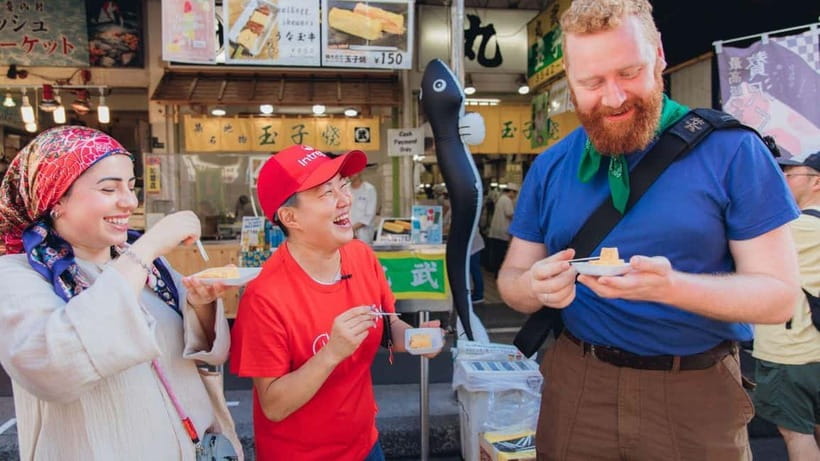
- The food keeps coming: Tastings can include sushi, sashimi, tamagoyaki, Japanese snacks, wagashi sweets, matcha, dashi, Kobe beef, and sake, depending on the day and available vendors.
- Six people is the limit: A small group makes it easier to stay together and ask questions in crowded lanes.
- The market is more than seafood: You may see strawberries, soybeans, tea, wasabi, sweets, beef, tuna, and cooking ingredients alongside the fish stalls.
- Two shrines frame the walk: Kabuki Inari Shrine begins the route, while Namiyoke Inari Jinja adds a quieter cultural stop near the market.
- The guides make the difference: Past guides including Oku, Mihori, Shino, Kyou, Yumi, Shinto, and Kimi have been praised for warmth, humor, and careful attention to food preferences.
- Come hungry, but not frantic: The samples are substantial enough that a full breakfast beforehand may leave you too full to enjoy the best bites.
Why Tsukiji still matters after the tuna auction moved
Many people hear Tsukiji and picture the old wholesale fish market. That part of the operation moved to Toyosu, but Tsukiji Outer Market remains a lively food district where small shops sell seafood, produce, kitchen goods, tea, sweets, and prepared foods.
That change is important when deciding if this tour fits your plans. You are not being taken into the modern wholesale auction area. Instead, you are walking through the public market where food is bought, prepared, displayed, and eaten close to the source.
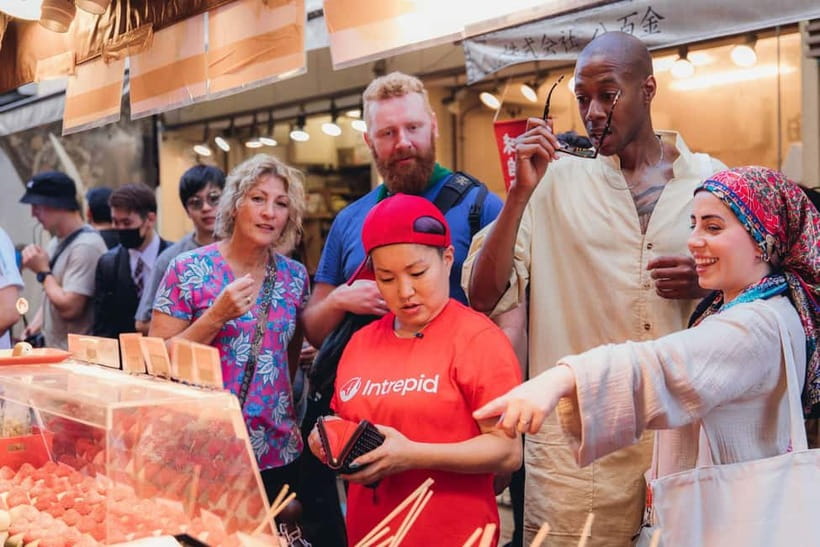
I think that makes a guided visit especially useful. The lanes can feel confusing at first, with signs, smells, samples, and queues competing for your attention. An English-speaking guide helps you know what you are looking at, how it is used, and which foods are worth trying. The guides also know the difference between simply pointing at a stall and creating a respectful introduction.
The small group limit matters here. Six people can gather around a counter or shop without creating the unwieldy cluster that often makes market tours tiring. If your group is smaller, the tour may feel even more personal. One couple joined a walk with only their guide, while another small group praised the chance to ask questions and move at an unhurried pace.
More Food Tours in Tokyo
- Tokyo: Shinjuku Food Tour (13 Dishes at 4 Local Eateries)
★ 5.0 · 6,603 reviews - Tokyo Tsukiji Fish Market Food and Culture Walking Tour
★ 5.0 · 3,184 reviews - Tokyo: Shinjuku Food Tour (15 Dishes and 4 Eateries)
★ 4.9 · 2,033 reviews
Meeting at Kabukiza and starting with Kabuki Inari Shrine
The meeting point is Higashi-ginza Station, Exit 3, served by the Tokyo Metro Hibiya Line and Toei Asakusa Line. At street level, go to the top of the escalator and look for the Kabukiza Theatre on the side of Harumi Street. The meeting spot is by the small shrine and torii gate.
This is a place where precision helps. Tokyo stations can have several exits, and Higashi-ginza is no exception. Give yourself enough time to come up to street level and identify the theatre rather than rushing out of the station at the last minute.
The first stop is Kabuki Inari Shrine, a small shrine associated with the Kabukiza area. It gives the tour an unusual opening. Instead of beginning with a snack, you begin with a little context about Japanese religious customs and the simple gestures used to show respect.
You do not need prior knowledge of Shinto rituals. Your guide explains what to do and why, keeping the lesson practical rather than formal. This early stop also helps you notice a theme that returns throughout the morning: food in Japan is tied to place, gratitude, season, work, and ceremony.
Walking into Tsukiji Outer Market with a guide
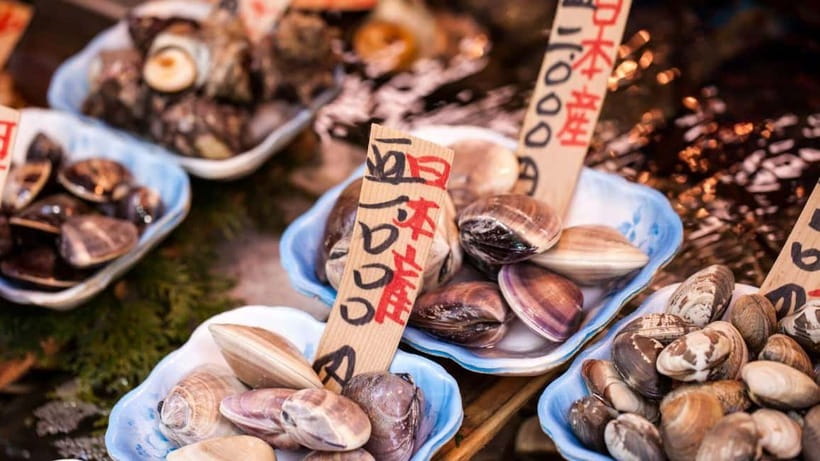
From the shrine, the route leads toward Tsukiji Outer Market. This is where the tour becomes highly sensory. You might see seafood arranged for sale, hot snacks prepared at the counter, handmade sweets, fresh fruit, tea, soy products, beef, and ingredients used in everyday Japanese cooking.
A guide gives these sights a useful order. Instead of sampling at random, you learn how individual foods fit into Japanese meals and traditions. One guide used photographs, maps, and models to explain what the group was seeing. That sort of visual aid can be helpful when unfamiliar fish, tools, or preparation methods appear in quick succession.
The market is also a working place, not a staged food court. Some lanes are tight, some stalls attract queues, and shopkeepers are busy. Your guide’s relationship with vendors can make the experience more comfortable. Several guides were praised for greeting stall owners by name and showing clear respect for their work.
That personal connection does not mean every shop opens its back room to the group. It does mean you are more likely to receive a thoughtful explanation rather than simply being pointed toward a display. Keep your pace flexible and be ready to pause when a vendor is serving customers.
What you may taste at Tsukiji
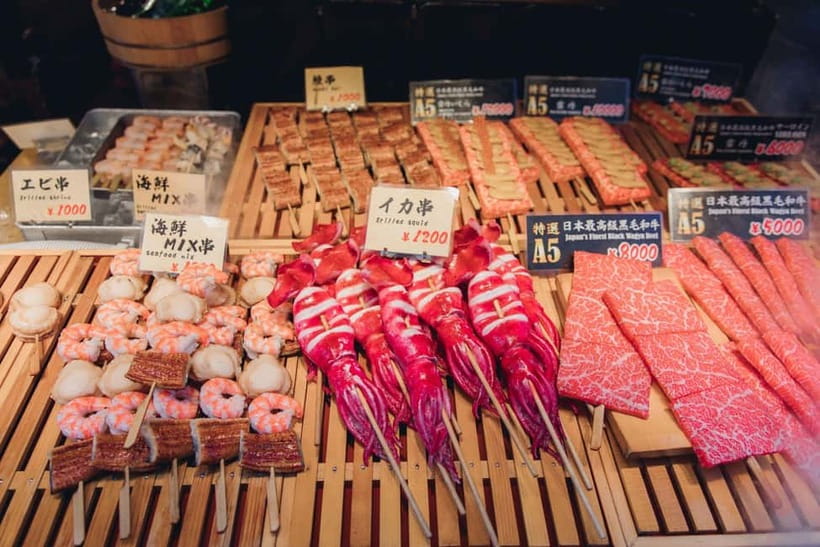
The exact selection can change with the season, vendor availability, and dietary needs. Still, the tasting element is one of the strongest reasons to book this walk. You are not paying only to look at food. The price includes multiple samples, and the morning can add up to a small meal.
More Market Tours in Tokyo
- Tokyo: Tsukiji Fish Market Food and Walking tour
★ 5.0 · 1,724 reviews - Tokyo: Tsukiji Fish Market Guided Walking Tour
★ 4.9 · 1,397 reviews - Tsukiji Fish Market Guided Tour and Sushi Making with Pro Chef
★ 5.0 · 775 reviews - Tokyo: Tsukiji Fish Market Food and Culture Walking Tour
★ 4.7 · 757 reviews
Sushi and sashimi
Fresh sushi and sashimi form the expected center of a Tsukiji food walk. Depending on the day, you may taste several small pieces and learn how sushi developed, how it relates to the market, and how preparation affects flavor.
Some groups ended with a generous sushi serving, sashimi, and sake. One guide even included freshly grated wasabi as part of the meal. That is a memorable detail because it turns a familiar condiment into something you can examine and taste on its own.
Do not assume the sushi stop is a formal restaurant meal. The experience is built around market foods and small tastings. You will likely stand or move between stops, so it suits you if you enjoy eating in an active setting rather than sitting down for a long, quiet lunch.
Tamagoyaki and savory snacks
Tamagoyaki, the softly layered Japanese omelet, is another recurring highlight. The guide may show you where it is made and explain how the layers are formed. Watching a specialist prepare it helps you appreciate the patience behind a food that can look simple on the plate.
Other possible tastings include Kobe beef skewers, dashi, pepper cola tea, soybeans, and other Japanese snacks. The mix gives you more than seafood. It also shows how Tsukiji functions as a food district serving home cooks, restaurant staff, and curious eaters.
Wagashi, matcha, and seasonal tastes
Seasonal wagashi sweets add a softer finish to the savory foods. Their appearance and ingredients can change with the time of year, so you may encounter something different from another group.
Matcha, green tea, and other drinks may also be included. Alcoholic drinks such as sake are available only to people aged 20 and over under Japanese law. Anyone younger receives a non-alcoholic alternative.
The best approach is to treat each tasting as a small lesson. Ask what you are eating, when it is usually served, and how locals buy or prepare it. The guide is there to translate the market’s shorthand into something you can use during the rest of your Japan trip.
Namiyoke Inari Jinja and the spiritual side of food
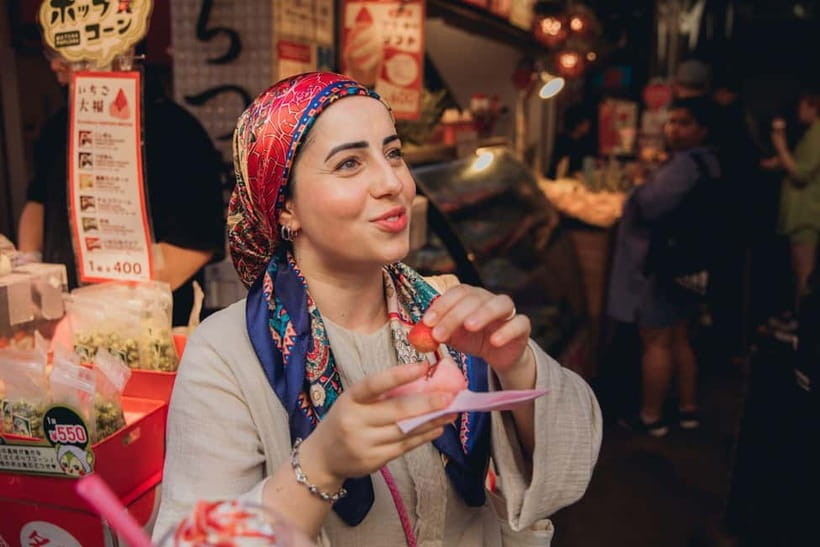
The route includes Namiyoke Inari Jinja, a historic shrine near Tsukiji. This stop gives the walk a pause from the food lanes and connects the market to Shinto beliefs and Buddhist influences.
The connection is not presented as an abstract lecture. Your guide explains how ideas about respect, offerings, purity, gratitude, and community appear in daily food culture. You also learn simple shrine gestures, so you can visit other Japanese shrines with more confidence.
I appreciate this part of the route because it prevents Tsukiji from becoming just a series of snacks. The market is a place of work, but it is also tied to the people who depend on the sea, the seasons, customers, and one another. The shrine makes that connection visible.
It is also a useful breathing space. Three hours around food stalls can feel intense, especially when the market is crowded. A short shrine visit gives you time to listen, look around, and understand why the tour includes cultural context alongside tastings.
How the guides shape the morning
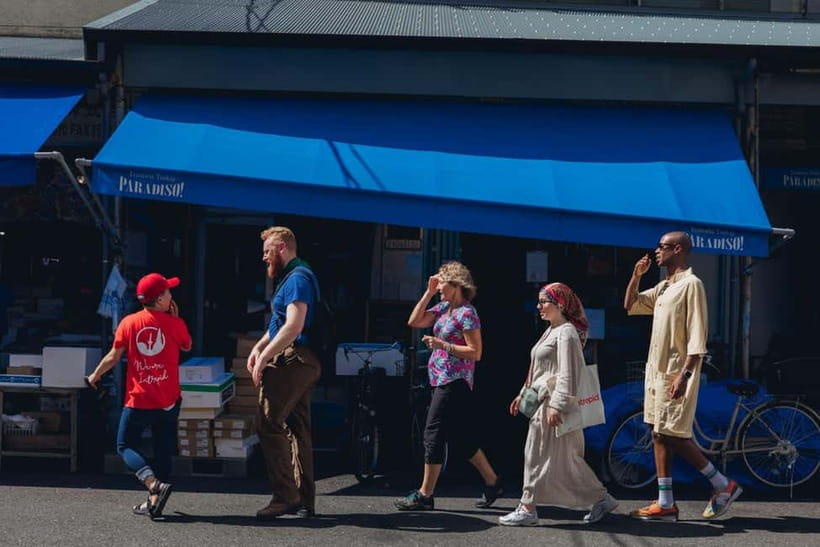
The experience depends heavily on the person leading it. The guide names associated with especially strong outings include Oku, Mihori, Shino, Yumi, Kyou, Shinto, and Kimi.
Oku was praised for using humor, photographs, maps, and models while explaining everything from strawberries and tuna to matcha, dashi, Kobe beef, and tamagoyaki. Mihori was noted for being warm and flexible with food preferences. Shino was praised for enthusiasm and for preparing a substantial sushi finish, including a hands-on wasabi moment.
Other guides received similar praise for friendliness and care. One helped a nervous eater become more comfortable around fish. Another waited while the group spent extra time eating and shopping. Those details matter because a market tour can quickly become stressful if the guide rushes ahead or ignores different appetites.
The group may include people from several countries, which can add a pleasant social element. Still, this is not a private tour unless your booking happens to be the only one. The six-person limit keeps it personal, but you will still need to share the guide’s attention.
What the tour does not promise
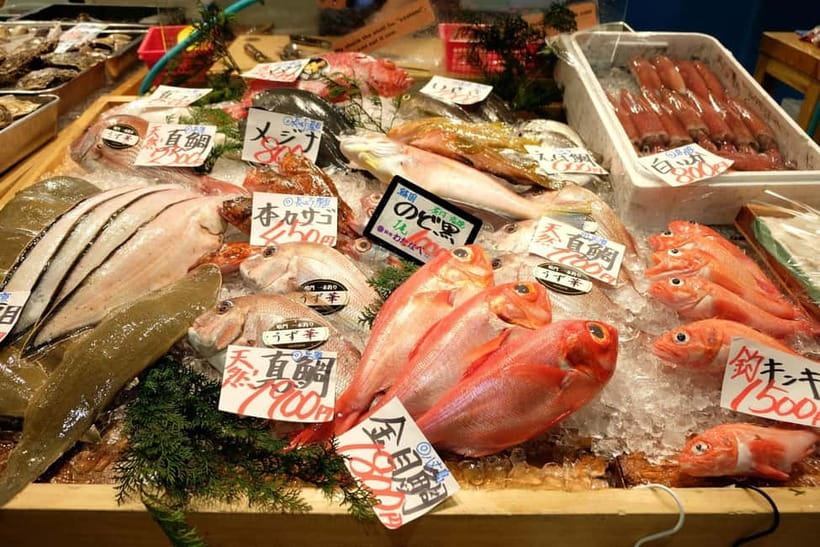
The main limitation is the lack of a guaranteed behind-the-scenes wholesale experience. If your main goal is to watch large-scale fish distribution or visit the tuna auction, this is not the right product. The auction is now at Toyosu, and the route remains in and around Tsukiji Outer Market.
The market itself can also become repetitive after a while. Rows of seafood, ingredients, and similar shopfronts may blur together if you are not interested in food shopping. The guide’s explanations help, but the tour is still centered on market culture rather than a broad tour of Tokyo.
Weather is another practical concern. Rain and wind can make the open-air portions uncomfortable, and the wet floors call for sturdy closed-toe shoes. I would wear sneakers and avoid anything that makes walking or standing difficult.
Dietary restrictions can usually be discussed ahead of time. Vegetarian and vegan choices are available where possible, though options may be limited because seafood is central to the market. Tell the operator when booking so the guide can plan around your needs.
Is $80 a fair price for three hours?
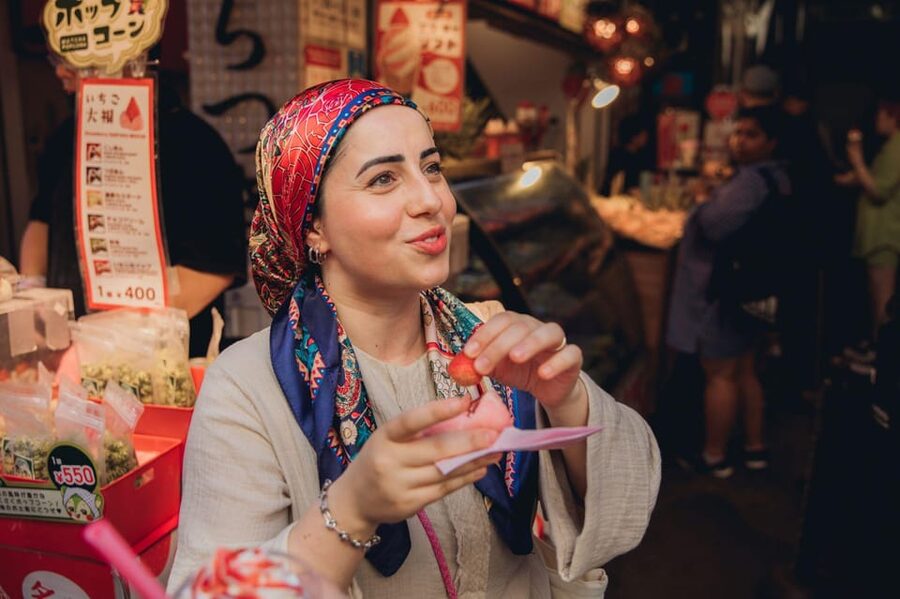
At $80 per person, this is not the cheapest way to walk through Tsukiji. You can enter the market on your own and buy individual snacks for less.
The value comes from the added structure. You receive an English-speaking local guide, several tastings, shrine visits, cultural explanations, and help navigating a busy district. The food alone may amount to a satisfying breakfast or early lunch, especially if your route includes sushi, sashimi, tamagoyaki, sweets, tea, and sake.
I think the price is reasonable for first-time visitors who want to understand what they are eating. It is less compelling for confident Tokyo food hunters who already know the market, speak Japanese, and prefer to choose every stall independently.
The carbon-neutral operation and certified B Corp status may also matter to you. This does not change the food or route, but it indicates an effort to support local people and reduce the environmental cost of the experience.
Who will enjoy this Tsukiji walk most?
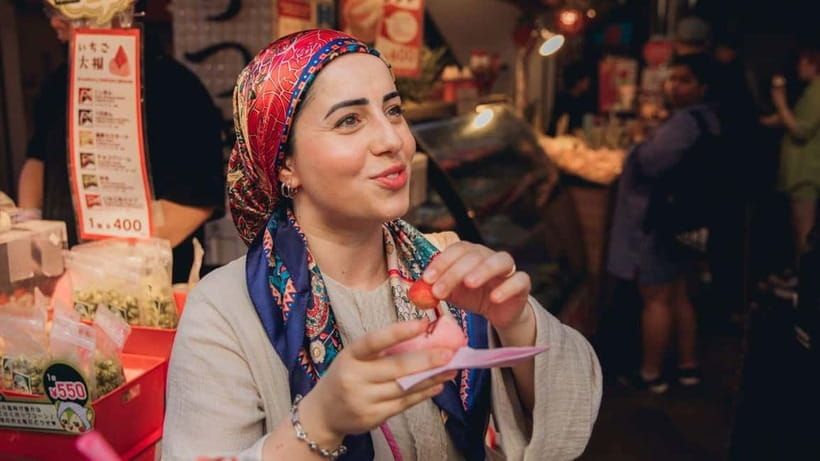
I would recommend it for:
- First-time visitors to Tokyo who want an easy introduction to Japanese food.
- People who enjoy tasting many small portions instead of ordering one large meal.
- Couples, families, and small groups who value personal attention.
- Anyone curious about sushi, market customs, shrines, and everyday Japanese traditions.
- Parents with young children, since children aged five and under can join free when arranged in advance.
It may be less suitable if you want a quiet sit-down breakfast, a wholesale auction visit, or a long shopping period. It also demands some tolerance for crowds, queues, wet surfaces, and changing food options.
The tour has earned a 4.7 rating from 74 ratings, and the strongest praise consistently centers on the guides, generous tastings, and friendly access to the market. Those are the parts I would value most when deciding.
Practical tips for getting the most from the morning
Wear closed-toe shoes with good grip. The floors may be wet, and sandals are a poor match for a food market where you will be walking and standing.
Do not eat a large breakfast first. Several outings included so many samples that arriving with an empty or nearly empty stomach was the better plan. You should still avoid arriving uncomfortably hungry, since the group may not stop at every food stall you notice.
Tell the operator about vegetarian, vegan, or other dietary needs before the tour. The team can often adjust the tastings, but the market’s main products are seafood and other animal-based foods.
Bring curiosity rather than a fixed menu. Seasonal wagashi, market drinks, and available snacks can vary. If you see something unfamiliar, ask the guide what it is and how it is normally eaten.
Allow time after the official finish if you plan to shop or eat more. The route ends at the Tsukiji Fish Market area, but the included three hours are focused on guided walking and tastings.
FAQ
Where does the Tsukiji Market Food & Culture Walk meet?
It meets at Higashi-ginza Station, Exit 3, for the Tokyo Metro Hibiya Line and Toei Asakusa Line. At street level, find the top of the escalator in front of Kabukiza Theatre, on the Harumi Street side, by the small shrine and torii gate.
How long does the tour last?
The walk lasts three hours. Starting times vary, so you should check availability when booking.
What language is the tour conducted in?
The live guide conducts the tour in English.
How many people can join the group?
The group is limited to six participants, allowing for a more personal walk through the market.
What food is included?
Included tastings may feature fresh sushi, sashimi, Japanese snacks, seasonal wagashi sweets, and other market foods. Past outings have also included items such as tamagoyaki, matcha, dashi, Kobe beef, and sake, but the exact selection can change.
Can children join the tour?
Children aged five and under join free. You should notify the operator when booking if you are bringing a child under six.
Are vegetarian and vegan options available?
Vegetarian and vegan options are available where possible, but choices may be limited because Tsukiji is strongly centered on seafood and other market foods. Share dietary requirements in advance.
What should I wear?
Closed-toe shoes, such as sneakers, are recommended because the market floors may be wet. Dress for walking and standing in a busy market setting.
Should you book it?
Book this walk if you want Tsukiji explained, not just photographed. The small group, generous tastings, shrine visits, and friendly vendor connections turn a confusing market into a readable part of Tokyo life.
I would make it an early-trip activity, especially on your first morning in the city. You will learn what foods to notice, how to approach market stalls, and how Japanese food customs connect with everyday rituals. Skip it only if you mainly want the wholesale auction, a private restaurant meal, or complete freedom to explore at your own pace.
More Fish Market Tours in Tokyo
- Tokyo Sushi Making Class in Tsukiji with Professional Chef
★ 5.0 · 1,177 reviews - Tsukiji Fish Market: Street Food & Culture Walking Tour
★ 5.0 · 669 reviews - Tsukiji Fish Market Small-Group Food Walking Tour
★ 5.0 · 621 reviews - Tokyo: Tsukiji Fish Market Sushi Making Class with Pro Chef
★ 4.9 · 506 reviews
More Walking Tours in Tokyo
- Tokyo: Imperial Palace and Shogun Historical Walking Tour
★ 5.0 · 2,251 reviews - Tokyo: Shinjuku Local Bar and Izakaya Guided Walking Tour
★ 4.9 · 1,794 reviews - Tokyo: Asakusa Walking Tour with Sensoji Temple Visit
★ 4.8 · 1,583 reviews - Tokyo Castle & Imperial PalaceーShogun Walking Tour
★ 4.7 · 1,068 reviews
Just added around Tokyo
- Tokyo 6hr Instagram Highlights Private Tour with Licensed Guide★ 5.0 · 38 reviews
- Tokyo Small Group Tour with Guide★ 4.5 · 38 reviews
- Tokyo Sumo Experience with Live Show & Audience Challenge★ 5.0 · 38 reviews
- Very popular in Harajuku♡Animal petting zoo★ 4.6 · 39 reviews
- Japanese Food Cooking Class in Asakusa, Tokyo★ 5.0 · 39 reviews
- Ramen Making from Scratch with Tokyo Mom(Vegan Option Available)★ 5.0 · 39 reviews
- Tokyo: Kimono Rental inside Shinjuku Gyoen National Garden★ 4.9 · 39 reviews
- Tokyo JDM Night: 600hp C63s AMG Edition 1 (Private)★ 4.9 · 39 reviews
Fish Market Tours, compared.
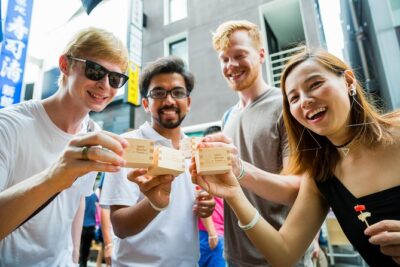
Tokyo Tsukiji Fish Market Food and Culture Walking Tour
Read our review →

Tokyo Sushi Making Class in Tsukiji with Professional Chef
Read our review →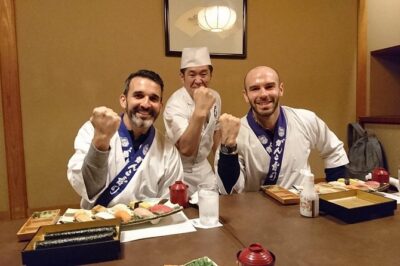
Tsukiji Fish Market Guided Tour and Sushi Making with Pro Chef
Read our review →Tsukiji Fish Market Food and Culture Walking Tour
Read our review →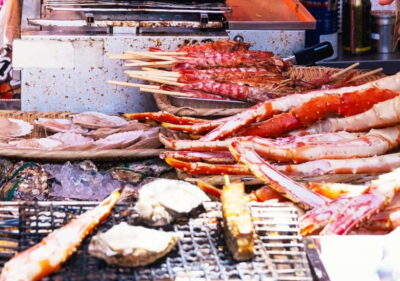
Tsukiji Fish Market: Street Food & Culture Walking Tour
Read our review →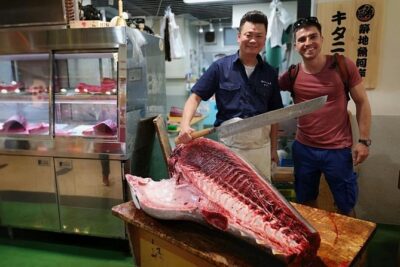
Tsukiji Fish Market Small-Group Food Walking Tour
Read our review →Browse the lists this tour appears in