
Reviewed · SAMURAI & NINJA EXPERIENCES
Authentic Ninja Weapon Forging Experience in Kyoto
Forge something you can actually take home. This Kyoto workshop lets you heat, hammer, shape, darken, and polish a real steel ninja weapon under the care of skilled craftsmen. I like the hands-on forging and the chance to add a personal kanji engraving. The main drawback is value: at $151.92 per person, it is costly if you expect to make every part of the weapon from raw metal.
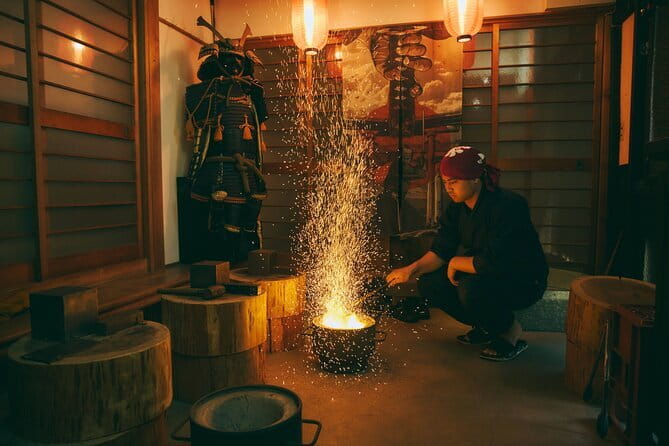
The 2.5-hour session also has a strong sense of theater, from the blacksmith uniform and head cloth to the sparks flying from the 800°C furnace. I like that it includes stories about ninja tools, not just a quick photo opportunity. Still, the studio is off the main tourist route, directions may feel vague, and one participant felt some of the hammering was too limited.
In This Review
- Key points to know before booking
- A Kyoto workshop far from the usual sights
- Changing into a samue sets the mood
- Choosing between three shuriken styles and a kunai
- The 800°C furnace is the heart of the experience
- Sanding and shaping require more care than strength
- Kanji engraving makes the souvenir personal
- Blackening and polishing finish the steel
- The ninja history session adds context
- What the $151.92 price really buys you
- Who will enjoy this most
- Timing, cancellation, and basic planning
- Should you book the Atelier NIN workshop?
- FAQ
- Where does the ninja weapon workshop take place?
- How long does the experience last?
- Do I need previous blacksmith experience?
- What weapons can I choose to make?
- Is equipment provided?
- Can I take the finished weapon home?
- What is the cancellation policy?
Key points to know before booking
- You choose a shuriken or kunai: Pick from three shuriken styles or one kunai design, with a kunai costing an additional 3,000 yen according to one booking experience.
- You work with hot steel: The central forging step uses an 800°C furnace, hammers, files, and other rented tools under staff guidance.
- You finish the weapon yourself: Sanding, blackening, polishing, and kanji engraving give the piece a personal finish.
- You dress for the part: A samue blacksmith uniform and tenugui head cloth make the workshop feel more like a traditional craft session.
- You leave with a boxed souvenir: The studio provides a clean box and bag, and one participant successfully packed the finished weapon in checked baggage.
- Allow extra time for the location: The studio is at Yasenosechō in Sakyo Ward, away from central Kyoto, and a taxi app may be useful.
A Kyoto workshop far from the usual sights
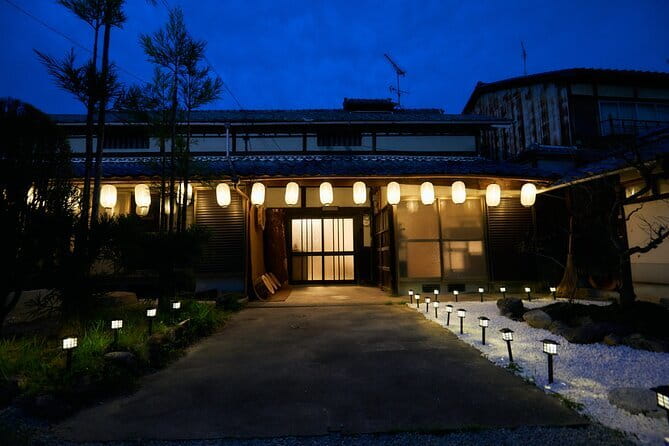
Atelier NIN is located at studio NIN, 168-1 Yasenosechō, Sakyo Ward, Kyoto, postal code 601-1254. The activity begins and ends at the same place, so you do not need to manage a second meeting point after the workshop.
The location is near public transportation, but it is not in the center of Kyoto’s main sightseeing zone. Several people found the directions less detailed than they expected, and one specifically advised having a taxi app ready. I would not schedule this tightly between major sights in Gion, Arashiyama, or central Kyoto. Give yourself a comfortable margin for reaching the studio.
That extra travel time is part of the trade-off. You are not simply walking into a shop beside a famous temple for a 30-minute demonstration. You are heading to a working studio for a small-group craft activity. The maximum group size is 25, though the experience can feel more personal when the session is not full.
More Samurai & Ninja Experiences in Kyoto
- Kyoto Samurai Experience
★ 5.0 · 1,294 reviews - Kyoto: Kendo and Samurai Experience with Uniform and Gear
★ 4.9 · 815 reviews - Kyoto: Samurai Sword Class by Experts in Traditional Arts
★ 4.9 · 657 reviews
Changing into a samue sets the mood
The workshop starts with a small but effective piece of stagecraft: you change into a samue, the traditional work clothing associated with craftspeople, and wrap a tenugui around your head. It is practical clothing for a workshop, but it also gives the session a clear identity.
This matters because the activity is partly about making and partly about memory. You are not just receiving a finished souvenir. You are preparing to work as a beginner blacksmith, even if your experience with steel begins and ends here.
The staff keep the tone lively and friendly. Their energy is one of the most praised parts of the activity. Families, adult friends, and teenagers all seem to fit the format, and the instructors adjust the work to different comfort and stamina levels.
Do not confuse the playful atmosphere with a lack of safety. The process involves heat, sparks, sharp edges, sanding equipment, and chemical finishing materials. The workshop is designed for beginners, but you still need to listen closely and follow instructions.
Choosing between three shuriken styles and a kunai
Next comes the most important choice: what you want to make. You can select from three shuriken styles or choose a kunai. Each shape has a different look and feel, so this is more than picking a souvenir from a display shelf.
A shuriken is the compact throwing star most people picture when they think of ninja equipment. The different styles give you some room to choose a shape that appeals to you. The kunai has a different profile and, based on the booking feedback, may require an additional 3,000 yen.
Check the price at the time you book, especially if the kunai is the reason you are interested. The advertised cost is $151.92 per person, but that extra charge could affect the final value.
The choice also makes this activity work well for families or friends. You can compare designs, make different pieces, and leave with souvenirs that are not identical. A parent and teenager, or two friends traveling together, can turn the selection into part of the fun.
The 800°C furnace is the heart of the experience
The main forging stage begins when the steel is heated in a furnace reaching about 800°C. The metal glows, sparks appear, and you use a hammer to shape it with guidance from the craftsmen.
This is the moment that gives the workshop its strongest sense of authenticity. You are not merely painting a pre-made ninja prop. You are taking part in the basic process of heating and shaping steel.
At the same time, keep your expectations realistic. One disappointed participant felt the weapon arrived mostly sharpened and that the hands-on hammering amounted to only a few strikes for the photographs. Other participants felt they completed the techniques needed to create the weapon from start to finish.
Those two impressions can both be true. Beginner workshops often prepare some steps in advance so the activity fits into 2.5 hours and remains safe. You will take part in the forging, but you should not expect to produce a finished blade entirely from an untouched bar of metal using traditional blacksmith methods alone.
The staff appear to keep the hammering accessible. Easier sharpening options are available for people with less stamina, which is helpful for younger participants or anyone who does not want a strenuous craft session.
A completely different kind of day out in Kyoto:
- PERFECT KYOTO 1-Day Bus Tour
★ 5.0 · 13,518 reviews - Kyoto: Fushimi Inari, Kinkakuji, Bamboo Grove 1 Day Bus Tour
★ 4.8 · 4,316 reviews - Kyoto: Tea Ceremony in a Traditional Tea House in Kiyomizu
★ 4.9 · 3,519 reviews - Kyoto Geisha Walking Tour: Gion District & Hidden Gems
★ 4.7 · 3,273 reviews
Sanding and shaping require more care than strength
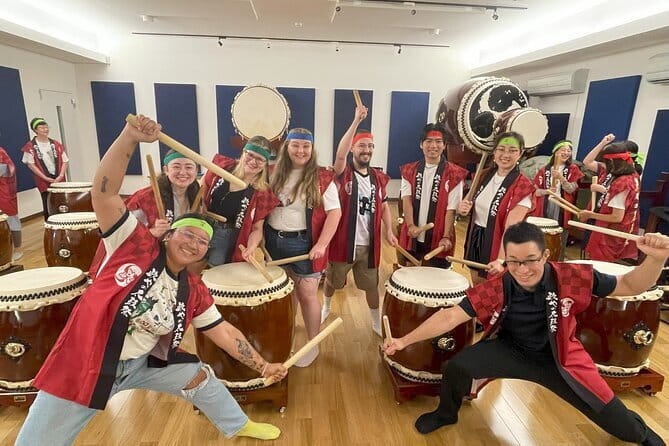
After the hot forging stage, you refine the shape with files and a professional belt sander. The rented tools include files for sharpening steel and hammers for the forging work.
This stage changes the rough metal into a recognizable weapon. It is also where patience matters. Your piece may need small adjustments to become more symmetrical, and one participant specifically appreciated help making a kunai more even.
The belt sander is a professional machine, so staff guidance is important. You do not need previous experience, but you do need moderate physical fitness and enough focus to handle a tool carefully. The workshop is active rather than passive, with repeated hammering, filing, polishing, and standing.
If you want a gentle cultural demonstration, this may feel like too much work. If you want to learn a basic craft and take part in the process, the physical effort is one of the reasons the experience feels worthwhile.
Kanji engraving makes the souvenir personal
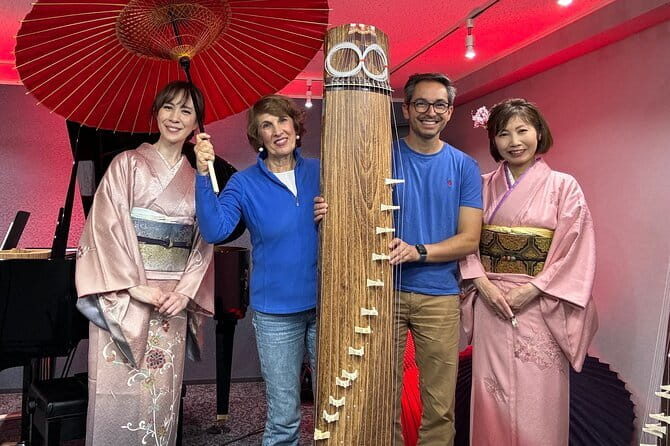
Once the metal has taken shape, you choose a kanji character for engraving. Skilled staff engrave it onto the weapon, giving you a personalized mark that helps separate your piece from a mass-produced souvenir.
This is one of the strongest reasons to choose the workshop instead of buying a ninja-themed item in a shop. The object carries both the craft session and your chosen character. You can make the engraving part of your own travel memory or select a kanji connected to a quality, name, or idea you value.
The engraving is done by the staff rather than by you, which is sensible given the precision involved. Your creative role is choosing the character and deciding what meaning you want attached to the finished piece.
Blackening and polishing finish the steel
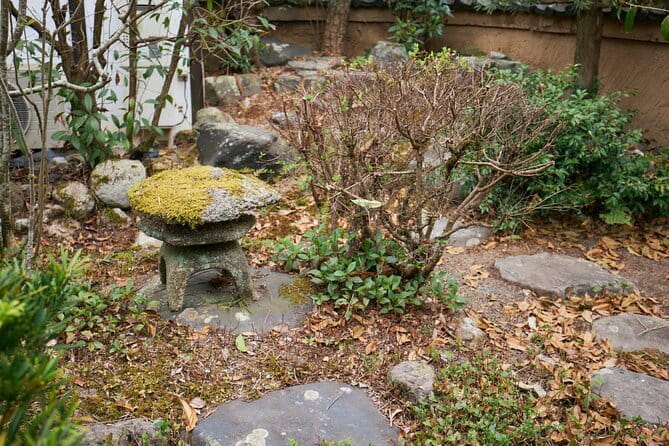
The next steps are less dramatic than the furnace, but they are important. You apply a special solution that protects the metal and gives it a dark finish associated with ninja tools. Then you polish the weapon to bring out its final shine.
This sequence helps you understand that forging is not just heating and hammering. A usable metal object also needs shaping, protection, and finishing. The stages give the workshop a clear beginning, middle, and end.
The black finish also gives the item a more finished appearance than a plain piece of newly worked steel. After polishing, the staff place it in a box and bag for you to take home.
One participant reported successfully putting the weapon in checked baggage for the trip home. That is useful practical evidence, but airline and airport rules can vary. You should check the requirements for your own journey rather than assume every carrier will handle the item in the same way.
The ninja history session adds context
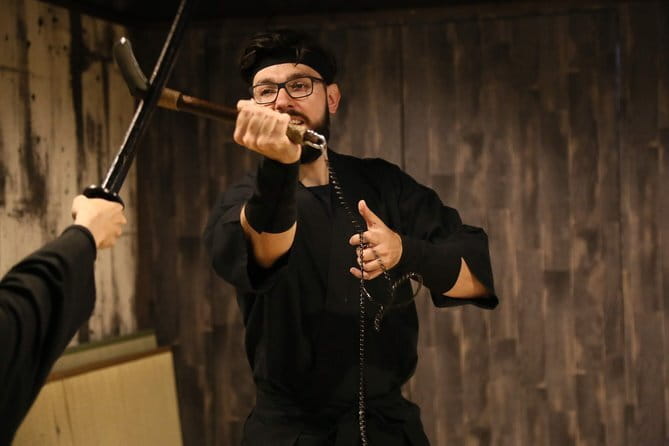
Between the practical steps, the staff explain the history and purpose of ninja weapons, along with secret techniques and related background. This short teaching section helps prevent the activity from becoming a simple costume-and-photo workshop.
The cultural material is especially useful if your knowledge of ninja history comes mainly from films or video games. The session gives the tools a setting and purpose, even though the main focus remains the craft.
The quality of this part may depend on the pace of the group and the guide leading the session. Most feedback praises the staff for being friendly, clear, and enthusiastic. One participant found the instructions occasionally vague and was unsure if the technique was being done correctly. If you are uncertain, ask for clarification early rather than quietly repeating a mistake.
The instructors use English well enough for the activity, according to one participant, and they remain available to help with difficult steps. Staff members named in the feedback include Taka, who was singled out several times for patient, upbeat assistance.
What the $151.92 price really buys you
At $151.92 per person, this is not a cheap add-on. You are paying for a guided craft session, equipment, protective workshop clothing, staff time, the steel, finishing materials, kanji engraving, and a box and bag for the completed piece.
The price makes more sense if you place a high value on doing something unusual and bringing home a souvenir you helped create. It is also easier to justify for a special family activity, a birthday-style outing, or a trip where you want one memorable event beyond temples and food.
The value is weaker if you mainly want a dramatic photograph or a fully traditional forging lesson. The negative assessment focused on the limited amount of independent forging and the feeling that some parts were prepared in advance.
I would judge the experience by the process, not only the object. You are paying for 2.5 hours of instruction, activity, atmosphere, and personal involvement. If you want a handcrafted souvenir but do not care how it is made, a shop purchase will cost less. If you want to learn, work, laugh with your group, and leave with a personalized object, the cost is easier to defend.
Who will enjoy this most
This workshop suits you best if you like making things with your hands and want a break from standard sightseeing. It is also a good match for families with older children, teenagers, couples, and groups of friends.
You do not need previous blacksmith experience. The instructors teach the process and provide the required tools, including hammers and files.
You should be comfortable with moderate physical activity. Hammering, filing, sanding, and polishing require effort and concentration. The staff can offer easier sharpening options for people with less stamina, but this is still an active workshop.
It may not suit you if you want a quiet museum-style lesson, have very limited time in Kyoto, or are uncomfortable around hot metal and workshop equipment. You should also think carefully about transporting the finished weapon home before booking.
Timing, cancellation, and basic planning
The activity lasts about 2 hours and 30 minutes. Since it begins and ends at the studio, plan your transport in both directions, not just for arrival.
Confirmation is provided when you book, and the experience has a mobile ticket. Free cancellation is available if you cancel at least 24 hours before the local start time. Cancellations or changes made within 24 hours are not refunded or accepted.
Wear clothing that you can work comfortably in, though the studio rents the special craftsman uniforms. You should also arrive ready to pay attention during the hot-metal and sanding stages. The staff provide a box and bag, but you remain responsible for checking how your airline handles the finished item.
Should you book the Atelier NIN workshop?
I would book this if you want a genuinely hands-on Kyoto activity and you are happy to pay for the memory as much as the metal. The strongest features are the energetic staff, the clear sequence from furnace to polish, the kanji engraving, and the fact that you leave with a personalized object.
I would hesitate if your main goal is a long, independent blacksmith session. The amount of actual forging may feel brief, and the location takes extra planning. Check the kunai surcharge, allow time for transport, and keep your expectations focused on a guided beginner workshop rather than a full apprenticeship.
For families, friends, and craft-minded visitors, this is one of Kyoto’s more unusual activity choices. The high rating and 98 percent recommendation fit the overall picture: most people find it fun, friendly, educational, and memorable, with price and hands-on depth being the main points to consider.
FAQ
Where does the ninja weapon workshop take place?
The experience starts and ends at studio NIN, 168-1 Yasenosechō, Sakyo Ward, Kyoto, 601-1254, Japan.
How long does the experience last?
The workshop lasts approximately 2 hours and 30 minutes.
Do I need previous blacksmith experience?
No. The experience is designed for beginners, and skilled craftsmen teach you how to heat, hammer, shape, and finish the steel.
What weapons can I choose to make?
You can choose from three shuriken styles or one kunai. A review of the experience states that the kunai required an additional 3,000 yen, so check the current price when booking.
Is equipment provided?
Yes. The studio rents specialized tools such as hammers and files, as well as uniforms for the craftsmen workshop.
Can I take the finished weapon home?
Yes. The studio provides a clean box and bag for taking it home. One participant reported placing the weapon in checked baggage, but you should confirm the rules for your own airline and route.
What is the cancellation policy?
You can cancel at least 24 hours before the start time for a full refund. Cancellations or changes made less than 24 hours before the start time are not accepted and are not refunded.
Just added around Kyoto
- Kyoto: Private Customizable Day Trip by Car★ 5.0 · 38 reviews
- Kyoto: Gion Night Walking Tour with Geisha Insight★ 5.0 · 39 reviews
- Kyoto: Full Day Bike Tour★ 4.9 · 39 reviews
- Private Japanese Calligraphy in Kyoto – Learn Shodō with a Master★ 5.0 · 39 reviews
- Experience a tea ceremony in an authentic tearoom, in Kyoto!★ 4.5 · 41 reviews
- Kyoto: Gion Evening Walk with Hidden Gems, Geisha & Sake★ 5.0 · 41 reviews
- Kyoto Private Photo Shoot & Tour by SnapKyoto★ 5.0 · 41 reviews
- The Way of Tea: Kyoto Crafts, Hidden Temples & Wabi-Sabi Walk★ 5.0 · 41 reviews
Samurai & Ninja Experiences, compared.

Samurai Ninja Museum Guided tour and Experience
Read our review →
Kendo and Samurai Experience with Uniform and Gear
Read our review →
Samurai Sword Class by Experts in Traditional Arts
Read our review →
Skip the lines Basic Ticket at SAMURAI NINJA MUSEUM KYOTO
Read our review →
Samurai Sword & Archery Class from Samurai Descendant
Read our review →
Browse the lists this tour appears in