
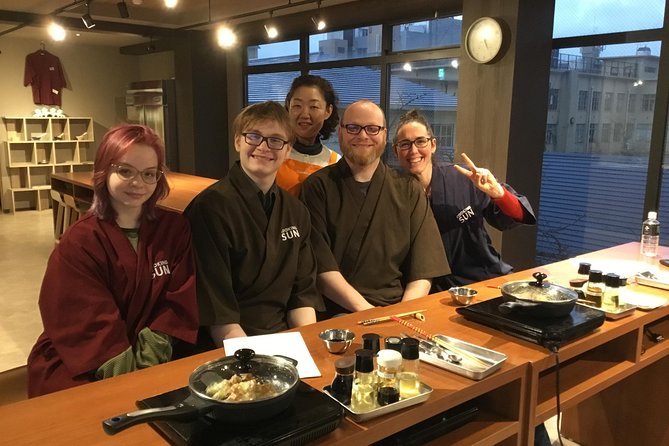
Reviewed · COOKING CLASSES
Bento Box Cooking Class
Bento tells a story in small portions. This three-hour Kyoto class turns that everyday Japanese meal into a hands-on lesson in food, culture, and technique. I especially like the chance to learn several dishes in one morning, then sit down to eat the lunch you prepared. I also like that recipes go home with you, so the class can keep working after your Japan trip ends.
The main consideration is that the food comes at the end. If you skip breakfast, the cooking may feel long before lunch arrives. The menu also changes every three months, so the exact dishes listed here are examples rather than a promise.
In This Review
- Key things to know before booking
- Why a Bento Makes a Good Kyoto Food Lesson
- Arriving at Cooking Sun Kyoto at 9:30 a.m.
- Meeting the Chefs and Learning the Menu
- The Hands-On Cooking: Tempura, Egg Rolls, and Sushi
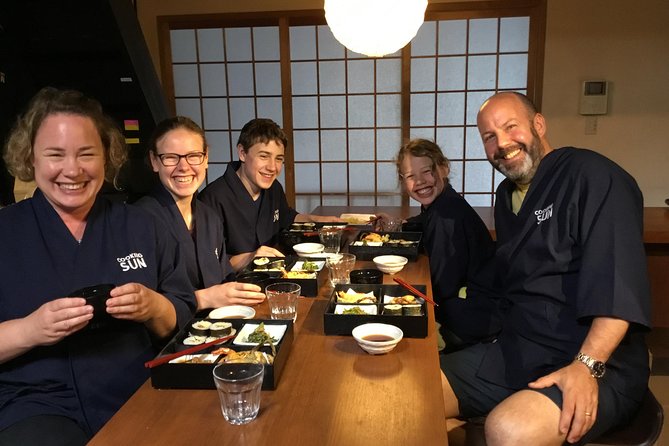
- Eating Your Own Bento for Lunch
- Recipes You Can Actually Use at Home
- Price, Group Size, and What the Fee Covers
- Who Will Enjoy This Class Most
- Booking Flexibility and Planning Tips
- Should You Book the Kyoto Bento Class?
- FAQ
- Where does the Bento Box Cooking Class meet?
- What time does the class start?
- How long does the cooking class last?
- Is lunch included?
- Are ingredients and an apron provided?
- Is the class taught in English?
- Can I tell the cooking school about dietary requirements?
- Is hotel pickup included?
Key things to know before booking
- A bento is more than a lunchbox: You learn why this compact meal matters in Japanese daily life, not just how to arrange food in a box.
- Several techniques fit into one class: Past menus have included tempura, sushi rolling, rolled omelet, teriyaki chicken, miso soup, and vegetable side dishes.
- English instruction is built in: The cooking leaders demonstrate each task, explain the food, and give hands-on help as you work.
- The food is your lunch: Ingredients, an apron, and the meal are included, with recipes provided for cooking at home.
- The class is compact but full: It runs about three to three and a half hours, beginning at 9:30 a.m. at Cooking Sun Kyoto.
- Dietary needs need advance notice: Tell the operator about allergies or other requirements when you book.
Why a Bento Makes a Good Kyoto Food Lesson
A bento looks simple until you try to make one. Its small compartments may hold rice, vegetables, protein, pickles, egg, and other carefully prepared items. Each part needs to taste good on its own, yet the whole box must feel balanced.
That is what makes this class more useful than a quick demonstration. You are not only shown a finished meal. You learn several basic Japanese cooking methods and see how separate dishes become one practical lunch.
The class begins with background on the origins of bento. The supplied information connects the word to the 13th century, when bento was used in the Song Dynasty as slang for something convenient. That detail gives the food a wider setting, although the class is mainly focused on cooking rather than a long academic lecture.
I like this balance. You get enough cultural context to understand what you are making, then move on to the practical work. If you want a full food-history seminar, this is not that. If you want a useful introduction to Japanese home cooking, the format makes good sense.
More Cooking Classes in Kyoto
- Ramen Cooking Class at Ramen Factory in Kyoto
★ 5.0 · 1,937 reviews - Kyoto: Ramen Cooking Class at a Ramen Factory with Souvenir
★ 4.9 · 532 reviews - Kyoto: Ramen, Gyoza, and Onigiri Cooking Class
★ 5.0 · 445 reviews
Arriving at Cooking Sun Kyoto at 9:30 a.m.
You meet at Cooking Sun Kyoto, at 679 Funayacho, Shimogyo Ward, Kyoto, 600-8466. The class begins at 9:30 a.m. and ends back at the meeting point. The studio is near public transportation, but hotel pickup and drop-off are not included, so you need to make your own way there.
The morning start works well with a Kyoto sightseeing plan. You can cook first, eat lunch, and still have much of the afternoon for temples, markets, or neighborhoods. It is less useful if you prefer slow mornings or have booked an early attraction across town.
The activity lasts about three hours, though the detailed schedule allows roughly three to three and a half hours. Plan your morning around the longer estimate. Cooking several dishes takes time, and the final meal is part of the experience rather than a rushed snack.
The advertised maximum is eight people per booking and eight participants for the activity. That is small enough for the instructor to watch your work and help with tricky steps. Some individual class accounts describe larger groups with several instructors, so the exact room setup may vary, but the key point is that the course is designed for personal guidance rather than a large lecture.
Meeting the Chefs and Learning the Menu
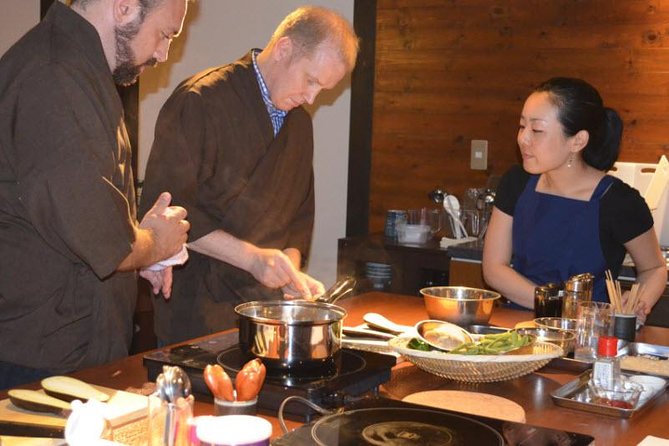
The class starts with a demonstration from a Japanese master chef or cooking instructor. The staff explain the ingredients and show techniques before asking you to try them. This order matters. You can watch the motion first, then copy it while the steps are still fresh.
The menu changes every three months to match seasonal ingredients. That is a strength because Japanese cooking often depends on using food at its best time of year. It also means you should not book expecting one fixed menu.
Dishes described for the course include:
- Miso soup
- Tempura vegetables and, on some menus, shrimp
- Japanese rolled egg or omelet
- Teriyaki chicken
- Spinach with sesame
- Sushi or a maki roll
- Rice and other bento components
The class may not include every one of these on your date. Still, the range shows why this is more than an omelet lesson. You work with soup, fried food, seasoned vegetables, egg, meat, and sushi in one sitting.
The instructors reportedly prepare ingredients thoughtfully so the class can cover a lot without becoming chaotic. Some chopping may be done ahead of time, which is worth understanding. You still cook and assemble the food, but you may not handle every preparation step from a whole raw ingredient.
For me, that is a sensible compromise in a three-hour class. Fully preparing every ingredient would leave less time for techniques such as tempura frying, egg rolling, and sushi shaping. If your goal is professional knife practice, ask about the current format before booking. If your goal is to make and eat a broad Japanese meal, the preparation keeps the session moving.
The Hands-On Cooking: Tempura, Egg Rolls, and Sushi
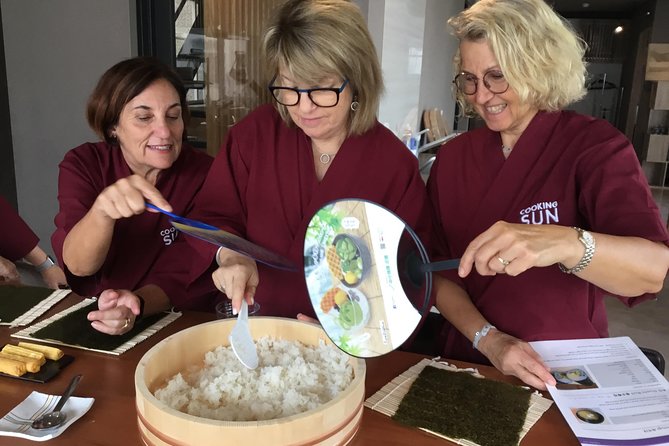
The most praised part of the experience is the balance between demonstration and doing. The instructors show the more technical tasks, then let you take over. You are not expected to sit quietly while someone else cooks your lunch.
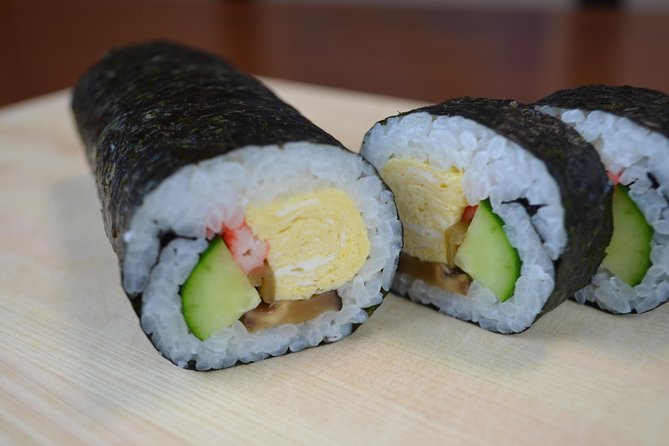
The rolled egg is a good example. Japanese omelet can be tricky because it is built in layers rather than cooked as one flat pancake. You add and roll successive layers, learning how the shape develops. It is a small task, but it gives you a real feel for control and timing.
Tempura offers another useful lesson. You learn how vegetables, and sometimes shrimp, are coated and fried. The class format lets you try the process while an instructor watches, which is more helpful than simply reading a recipe.
Sushi rolling is also a highlight for many people who want a skill they can repeat at home. Rolling neatly takes coordination, and the instructors demonstrate how to manage the filling and shape. Even if your first roll is not perfect, the activity makes the technique less mysterious.
Teriyaki chicken and sesame spinach add a different kind of value. These dishes show how Japanese cooking can move between savory, sweet, salty, and nutty flavors without relying on heavy sauces. One particularly useful lesson noted in the class feedback is guidance on making dashi and choosing between different colors of soy sauce.
That kind of small advice is where a cooking class earns its keep. A recipe may list soy sauce, but a teacher can explain how the choice affects color and flavor. You also get a better sense of how a simple stock supports miso soup and other dishes.
The instructors are described as patient, clear, friendly, and sometimes humorous. Several accounts praise the fact that they explain both the how and the why. That suits beginners, but it also gives confident home cooks something to take away. People who already cook Asian food may still pick up a new rolling method, seasoning tip, or frying trick.
A completely different kind of day out in Kyoto:
- PERFECT KYOTO 1-Day Bus Tour
★ 5.0 · 13,518 reviews - Kyoto: Fushimi Inari, Kinkakuji, Bamboo Grove 1 Day Bus Tour
★ 4.8 · 4,316 reviews - Kyoto: Tea Ceremony in a Traditional Tea House in Kiyomizu
★ 4.9 · 3,519 reviews - Kyoto Geisha Walking Tour: Gion District & Hidden Gems
★ 4.7 · 3,273 reviews
Eating Your Own Bento for Lunch
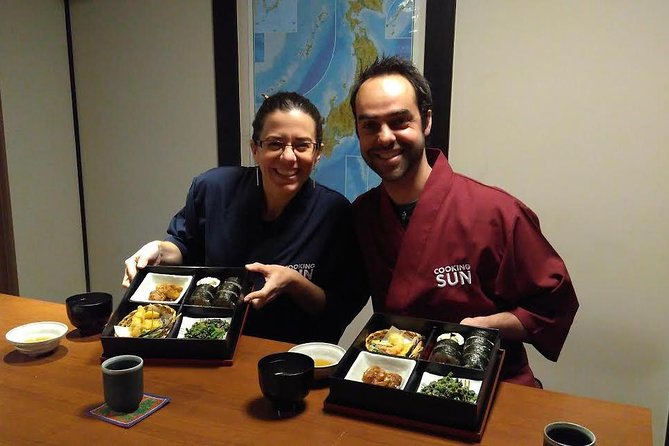
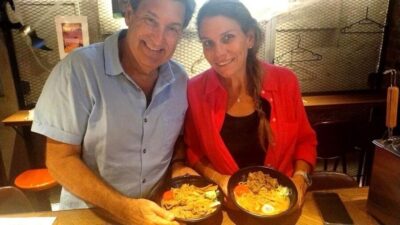
At the end, you put away the apron and sit down with the food you made. This is not a token taste. The class includes lunch, and the food produced across the session becomes a full meal.
The final bento gives the cooking a clear purpose. You see how the separate dishes fit together, and you get to judge the results while the flavors are fresh. Several comments describe the meal as delicious, filling, and larger than expected.
That last point matters when planning breakfast. The experience itself advises caution about arriving too hungry because you may cook for a while before eating. I would have a light breakfast, especially if you are taking the morning class. You want enough energy to pay attention, but not so much that a substantial bento lunch feels like too much.
The shared meal also gives the class a social finish. You eat with the other people in the session instead of rushing away after the final dish. For couples, families, and friends, this creates a natural way to compare results and talk about what you learned.
The finished presentation is part of the fun. Bento is about arrangement as well as flavor, so the final box can feel surprisingly satisfying even when your cooking experience is limited. The class lets you appreciate the work behind a meal that is often bought ready-made in Japan.
Recipes You Can Actually Use at Home
The recipe copies are one of the strongest practical benefits. You do not have to rely on memory after returning home, and the dishes are varied enough to form the base of a Japanese lunch.
You can use the recipes separately or rebuild the complete bento. Teriyaki chicken could become a weeknight main dish. Sesame spinach works as a quick side. Miso soup and dashi offer building blocks for other meals, while the egg roll and sushi provide skills to practice when you have more time.
I also like that the lesson shows how a number of modest dishes can become a satisfying meal. You are not simply learning one restaurant specialty that requires rare equipment. Some techniques may take practice, especially tempura and rolled egg, but the class is aimed at home cooking.
The recipes also help you remember the cultural lesson. A bento is designed for convenience, balance, and portability. Recreating one at home gives you a practical way to keep a piece of Kyoto in your regular kitchen rather than leaving the experience as a one-time lunch.
Price, Group Size, and What the Fee Covers
At $71.35 per person, the class sits in the moderate range for a three-hour food activity in Kyoto. The price includes all ingredients, an English-speaking instructor, an apron, and lunch. That makes the fee easier to judge because you are not adding a separate meal or ingredient charge afterward.
The value is strongest if you want active instruction. You receive several demonstrations, hands-on practice, cultural background, and recipes. A cheaper food tour might let you taste more without asking you to work, while a private class could offer more personal attention at a higher price.
Group discounts may be available, which can help families or friends booking together. The stated maximum is eight people, giving the class a more personal feel than a large cooking workshop.
There are limits. Drinks are not included unless specifically stated, and there is no hotel transfer. You also need to reach the studio at your own expense. These are small costs, but they matter when comparing the total price with other Kyoto activities.
Who Will Enjoy This Class Most
I would recommend the class to:
- First-time visitors who want a food activity tied to Japanese culture
- Couples looking for a shared morning activity
- Families with older children or teenagers who enjoy making their own lunch
- Home cooks who want techniques they can repeat
- People with only one open morning in Kyoto
- Anyone who wants a substantial meal as part of the activity
It also works for experienced cooks. The instruction is not limited to basic food preparation, with demonstrations covering dashi, soy sauce choices, sushi rolling, tempura, and layered egg.
You should think twice if you dislike group activities, cannot eat the planned ingredients, or want a class built around one specialized dish. The changing seasonal menu means the exact food is not fixed, and the class may cover more ground than it explores any single recipe.
Food allergies and dietary requirements should be disclosed when you book. The staff are described as careful and helpful with allergies, but advance notice is still essential. Service animals are allowed, and the studio is near public transportation.
Booking Flexibility and Planning Tips
Confirmation is provided when you book. Free cancellation is available if you cancel at least 24 hours before the local start time. Cancellations or changes made inside that window are not accepted for a refund.
For planning, I would keep the morning free from another fixed appointment immediately afterward. The expected duration is three hours, but allowing three and a half gives you breathing room. Wear something comfortable for cooking, and remember that an apron is included.
Have a light breakfast, bring your appetite, and tell the operator about dietary needs at booking. If you are traveling with a group, check the group discount and confirm how the current eight-person limit applies to your reservation.
Should You Book the Kyoto Bento Class?
I would book this if you want to do more than eat Japanese food. The class gives you a useful look at bento culture, teaches several techniques, and ends with a generous lunch you prepared yourself. The friendly English instruction and hands-on format make it approachable for beginners, while tips on dashi, soy sauce, tempura, sushi, and egg rolling give experienced cooks something new to practice.
Skip it if your Kyoto schedule cannot spare a full morning, or if you want a guaranteed menu with no advance questions. For most food-loving visitors, though, $71.35 buys a well-rounded activity rather than just a meal. You leave with recipes, new skills, and a better understanding of why a small Japanese lunchbox can require so much care.
FAQ
Where does the Bento Box Cooking Class meet?
The class meets at Cooking Sun Kyoto, 679 Funayacho, Shimogyo Ward, Kyoto, 600-8466, Japan.
What time does the class start?
The scheduled start time is 9:30 a.m.
How long does the cooking class last?
The experience lasts about three hours, with the detailed description allowing roughly three to three and a half hours.
Is lunch included?
Yes. The meal made during the class is included as lunch.
Are ingredients and an apron provided?
Yes. All cooking ingredients and an apron are included.
Is the class taught in English?
Yes. An English-speaking cooking instructor leads the experience.
Can I tell the cooking school about dietary requirements?
Yes. You should advise the operator of specific dietary requirements when booking.
Is hotel pickup included?
No. Hotel pickup and drop-off are not included, so you must travel to and from the meeting point yourself.
Just added around Kyoto
- Kyoto: Gion Night Walking Tour with Geisha Insight★ 5.0 · 39 reviews
- Kyoto: Private Customizable Day Trip by Car★ 5.0 · 38 reviews
- Kyoto: Full Day Bike Tour★ 4.9 · 39 reviews
- Private Japanese Calligraphy in Kyoto – Learn Shodō with a Master★ 5.0 · 39 reviews
- Kyoto: Gion Evening Walk with Hidden Gems, Geisha & Sake★ 5.0 · 41 reviews
- Experience a tea ceremony in an authentic tearoom, in Kyoto!★ 4.5 · 41 reviews
- Kyoto Private Photo Shoot & Tour by SnapKyoto★ 5.0 · 41 reviews
- The Way of Tea: Kyoto Crafts, Hidden Temples & Wabi-Sabi Walk★ 5.0 · 41 reviews
Cooking Classes, compared.
Ramen Cooking Class at Ramen Factory in Kyoto
Read our review →
Ramen & Gyoza Cooking Class in Tokyo with Local Supermarket Visit
Read our review →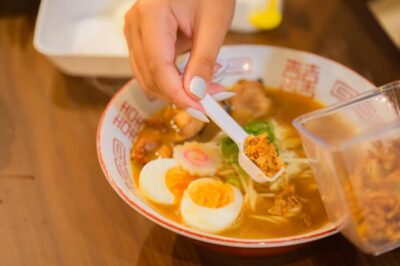
Ramen Cooking Class at a Ramen Factory with Souvenir
Read our review →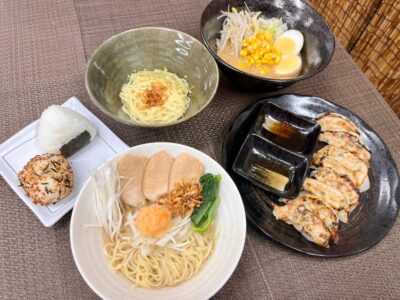
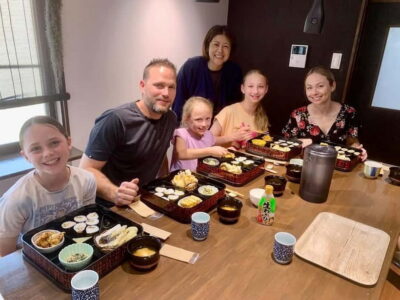
Japanese Washoku Bento Small Group Cooking Class
Read our review →
Easy Ramen Cooking Experience in Kabukicho, Shinjuku
Read our review →
Ramen and Sushi Cooking Class with Sake Pairing Set in Tokyo
Read our review →Browse the lists this tour appears in