
Reviewed · COOKING CLASSES
Gyoza Cooking Class in Kyoto: Traditional Japanese Dumplings
Come hungry and leave with a new skill. This Kyoto cooking class gives you a hands-on way to understand Japanese food, starting with your own filling and ending with freshly cooked gyoza. I like the from-scratch wrappers and the chance to choose your filling, since you are doing more than simply folding prepared dumplings. I also like the friendly English-speaking instruction, with guides such as Hama, Maya, Ryo, and Yo earning especially warm praise for making the steps easy.
The main drawback is the price: $118.19 per person is a lot for a 90-minute food activity, especially if you are comparing it with a restaurant meal. The class can also run closer to two hours, so allow a little extra time if your schedule is tight.
In This Review
- Key points at a glance
- Why gyoza makes a good Kyoto cooking class
- Arriving at the Kyoto townhouse
- Choosing the filling and making the wrappers
- Folding 10 to 12 gyoza by hand
- Cooking the dumplings with the baking machine
- Samurai culture and the optional armor photos
- The instructors make the difference
- What you take home besides dinner
- Is $118.19 a fair price?
- Practical planning for your Kyoto day
- Who should book this experience?
- Should you book the Kyoto gyoza class?
- FAQ
- Where does the gyoza cooking class begin?
- How long does the experience last?
- Is an English-speaking instructor included?
- How many people can join the class?
- Is Samurai armor included?
- Can I cancel for a full refund?
Key points at a glance
- Make gyoza from the beginning: You prepare wrappers, choose a filling, shape the dumplings, and cook them yourself.
- Work in a traditional Kyoto townhouse: The setting gives the class more character than a plain modern kitchen.
- Expect warm, clear instruction: Hama, Maya, Ryo, and Yo are praised for friendly teaching and comfortable English.
- Plan on roughly 10 to 12 dumplings: The class leaves you with a filling meal, not just a quick taste.
- Try samurai armor afterward: Dressing up is optional, but it adds a playful cultural photo opportunity.
- Take home a useful souvenir: Participants receive an apron, and some also mention a headband and cooking instructions.
Why gyoza makes a good Kyoto cooking class
Gyoza began in China, but Japan developed its own styles, sizes, fillings, and cooking habits. That makes the dumpling a useful little lesson in how food changes as it crosses borders. You are not preparing an ancient Kyoto specialty in the strict sense, but you are learning about a dish that has become a much-loved part of modern Japanese food culture.
I like gyoza classes because the finished dish is practical. You can order gyoza almost anywhere in Japan, but after this class, you will understand what goes into them. You can also try making them at home for family or friends, which gives the experience a longer life than a photo stop or a single restaurant meal.
The format is active from start to finish. You do not simply watch an instructor prepare a batch while you wait at the table. You choose a filling, make wrappers, practice the folding technique, and cook your own dumplings with the supplied tools.
That hands-on format works well for families, couples, and older children. One family with two parents and a 10-year-old found that everyone could take part, and the personal workstations helped each person stay involved. Older children and teens should have enough to do without the activity feeling like a formal lesson.
More Cooking Classes in Kyoto
- Ramen Cooking Class at Ramen Factory in Kyoto
★ 5.0 · 1,937 reviews - Kyoto: Ramen Cooking Class at a Ramen Factory with Souvenir
★ 4.9 · 532 reviews - Kyoto: Ramen, Gyoza, and Onigiri Cooking Class
★ 5.0 · 445 reviews
Arriving at the Kyoto townhouse
The class begins at 230-1 Kamimyōkakujichō in Nakagyo Ward, Kyoto, postal code 604-0025. The meeting point is near public transportation, but private transportation is not included, so you need to make your own way there.
That is worth planning carefully. Kyoto has many small streets, and a townhouse address can take a little more attention than a large hotel or major station. Keep the mobile ticket ready on your phone and give yourself time to find the entrance without rushing.
The setting is one of the experience’s strongest touches. A traditional Kyoto townhouse feels more connected to the city than a generic cooking studio. It gives you a sense of place before you even begin chopping, mixing, or folding.
The group can include up to 20 people. That is a reasonably large maximum for a practical class, though the personal station noted by one family is a useful sign that the setup is designed for individual participation. Your experience may feel smaller if the session is lightly booked. In fact, some evening sessions have ended up as private classes when only one person booked.
That possibility is pleasant, but you should not book expecting a guaranteed private lesson. Treat it as a lucky bonus rather than part of the standard promise.
Choosing the filling and making the wrappers
The first important choice is your filling. The exact filling options are not specified, so you should check the choices when you arrive rather than assume a particular meat or vegetable blend. The freedom to choose gives the class a personal touch and lets you think about what kind of gyoza you want to eat.
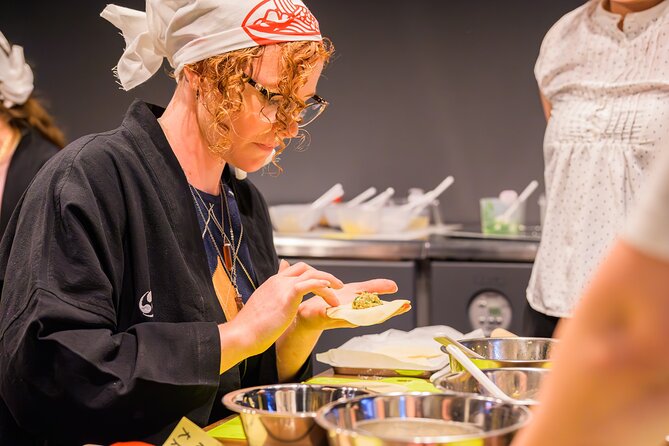
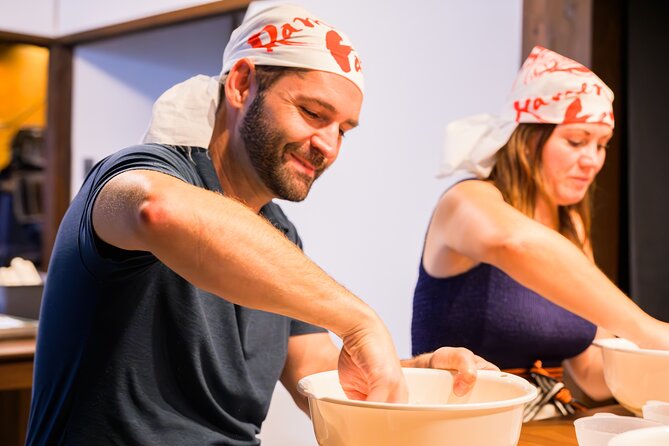
Next comes the wrapper. Making gyoza wrappers from scratch is the part that turns this into a real cooking lesson. A prepared wrapper would save time, but it would also remove one of the most useful skills.
The wrapper needs to be shaped thin enough to fold while still holding the filling. This is where an instructor matters. Hama, Maya, Ryo, and Yo are each praised for clear and friendly guidance, and that is especially helpful if you have never made dumpling dough before.
Some instruction may include paper practice before you work with the actual dough. That small step matters. Gyoza folding can look easy when someone else does it, but your first few attempts may come out uneven. Paper practice lets you learn the hand movement without wasting food.
You should not worry about producing restaurant-perfect pleats. The point is to learn the basic method and make a dumpling that stays closed. Your first one may look like a folded coin, while the last may begin to resemble the neat examples on the table. That gradual improvement is part of the fun.
Folding 10 to 12 gyoza by hand
Once the filling and wrappers are ready, you shape the dumplings. You place the filling in the wrapper, moisten the edge as instructed, and fold it closed. The class focuses on the art of wrapping, so you get time to repeat the motion rather than making just one sample.
Expect around 10 to 12 gyoza per person, based on the details shared by a participant. That is enough to make the meal satisfying, especially when you have handled every stage yourself.
This is also the most social part of the activity. You can compare shapes, laugh at the first awkward folds, and improve through repetition. For families, each person can work at their own pace. For couples and friends, it gives you an easy shared task instead of another activity where one person watches while the other takes photos.
The class is described as suitable for older children and teens. I would agree with that assessment based on the work involved. Younger children may need close help with dough and folding, but the supplied information does not specify a minimum age, so check before booking if age is an issue for your group.
A completely different kind of day out in Kyoto:
- PERFECT KYOTO 1-Day Bus Tour
★ 5.0 · 13,518 reviews - Kyoto: Fushimi Inari, Kinkakuji, Bamboo Grove 1 Day Bus Tour
★ 4.8 · 4,316 reviews - Kyoto: Tea Ceremony in a Traditional Tea House in Kiyomizu
★ 4.9 · 3,519 reviews - Kyoto Geisha Walking Tour: Gion District & Hidden Gems
★ 4.7 · 3,273 reviews
Cooking the dumplings with the baking machine
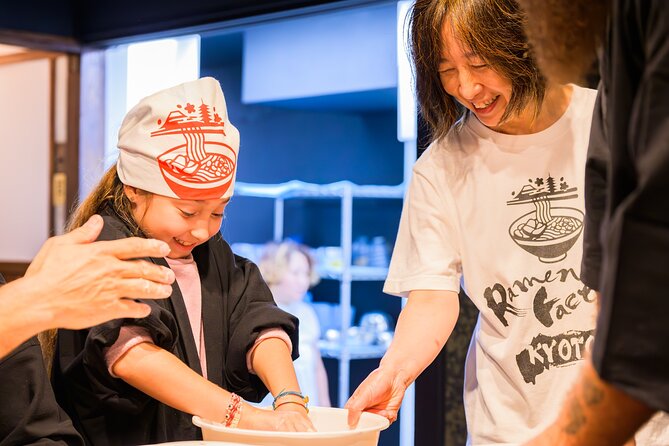
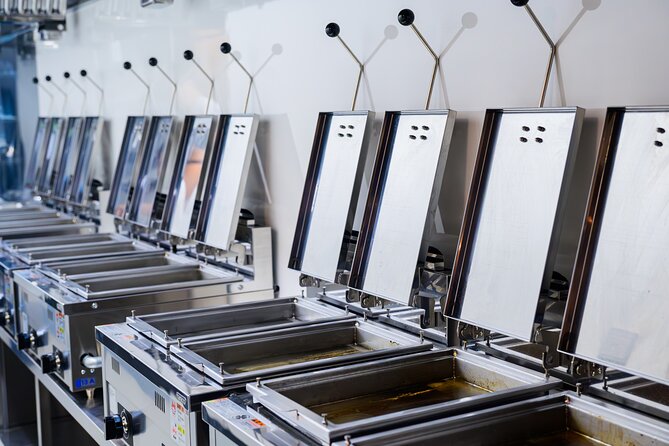
After folding comes cooking. The class uses a professional baking machine to cook the gyoza, which helps produce a consistent result without asking you to manage a hot pan on your own.
That equipment is practical for a group setting. It keeps the process moving and reduces the chance of uneven cooking. You still get the satisfaction of cooking your own dumplings, but the machine gives you a more controlled finish.
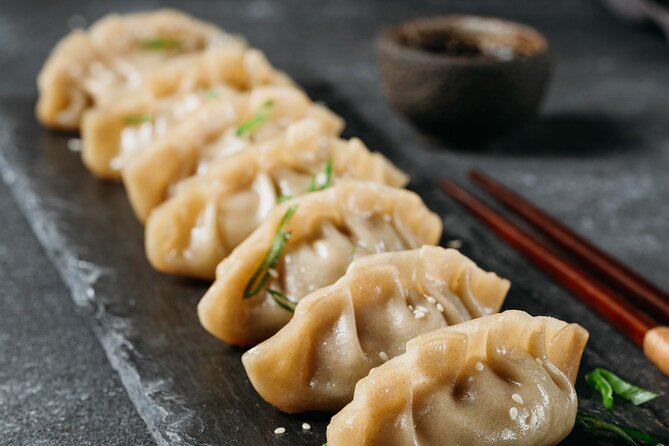
The final reward is immediate: sit down and eat the gyoza you made. The class is not just a demonstration followed by a snack. The food you eat represents the dough you prepared, the filling you selected, and the dumplings you folded.
Go hungry. The 10 to 12 dumplings can make a proper light meal, and arriving after a large lunch would take some of the pleasure out of the cooking and tasting. The experience does not specify additional dishes or drinks, so do not plan on a full multi-course dinner.
Samurai culture and the optional armor photos
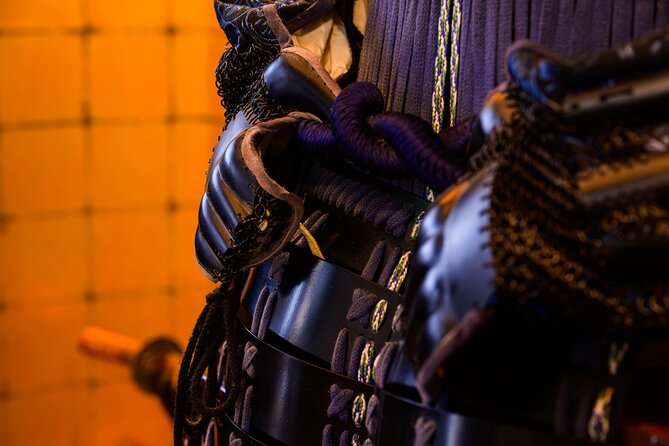
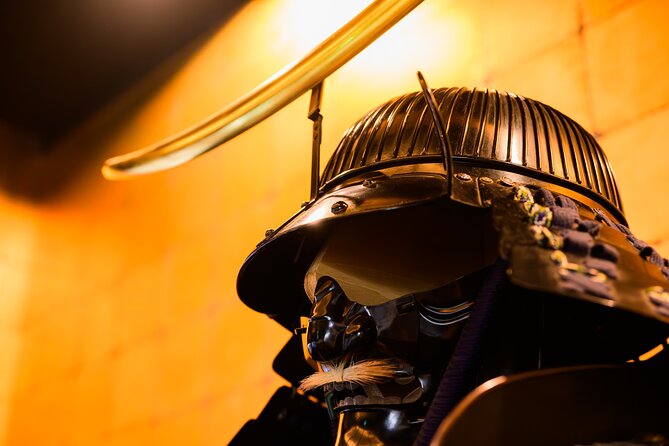
The cooking class also includes a bit of Samurai culture and Japanese history. The exact length of this cultural portion is not stated, so think of it as an added layer rather than a full museum-style history lesson.
The optional armor experience comes after cooking. You can dress up in Samurai armor and take photos, or skip it if you prefer to focus only on the food.
I see this as a bonus rather than the reason to book. If you are traveling with children, teens, or anyone who enjoys costumes, it can turn a good cooking activity into a memorable evening. If you want a quiet, food-focused class, you can leave the armor aside without losing the main experience.
The combination of dumpling making and Samurai photos may sound unusual, but it gives the class a broader sense of Japanese culture. Just keep your expectations in proportion. The cooking is the central activity, while the Samurai element is optional and playful.
The instructors make the difference
The strongest praise centers on the instructors. Hama is repeatedly described as warm, fun, and easy to learn from. Maya receives similar praise for clear English and a friendly teaching style. Ryo is described as personable and especially good with an older-child and teen-friendly group, while Yo is praised for creating a simple, comfortable class in an ideal setting.
That matters because cooking classes can become frustrating when instructions move too fast. Gyoza making has several small steps, and a patient instructor can turn them into an easy sequence.
The available information does not promise a particular instructor. You may be taught by Hama, Maya, Ryo, Yo, or another member of the team. Still, the consistently positive comments about the teaching style suggest that the class places real value on personal guidance.
English instruction is included. That makes the class accessible to English-speaking visitors who want more than a recipe card but do not speak Japanese.
What you take home besides dinner
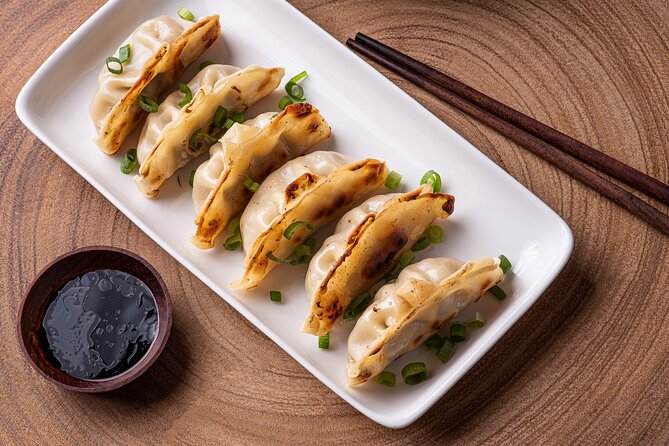
The apron souvenir is one of the nicest practical extras. You receive an apron to keep, and some participants also mention a headband. It is a small item, but it helps the experience last beyond the meal and photographs.
Cooking instructions are also provided. One participant forgot to take the recipe while leaving, but the provider offered to send it afterward. I would ask for the recipe before you depart, or confirm how to receive it digitally, so you can repeat the dish at home.
This is where the class offers better value than a simple food tasting. You take home a skill, a souvenir, and the memory of making the meal yourself. The recipe may not make the $118.19 price feel cheap, but it does make the cost easier to justify for people who value an activity they can repeat.
Is $118.19 a fair price?
At $118.19 per person, this is a premium cooking activity. You are paying for the instructor, the traditional townhouse setting, the ingredients, the supplied tools, the hands-on format, and the cultural additions. You are not paying only for a plate of gyoza.
The price makes more sense if you want a structured Kyoto activity with English instruction and a take-home skill. It is also easier to justify if you receive plenty of personal help or happen to get a small group or private session.
The value is weaker if your main goal is simply to eat gyoza. Kyoto restaurants can give you a delicious dumpling meal for far less money. This class earns its price through participation, not quantity of food.
I would also compare the advertised duration with your day plan. The class lasts about 1 hour 30 minutes, but one session was described as taking about two hours. That is not a major difference, but it matters if you have a timed reservation afterward.
The activity is highly rated, with a 5 out of 5 score from 210 reviews and 100 percent recommendation shown in the supplied details. Those figures support confidence in the teaching and enjoyment factor, but they do not change the basic price question. Decide if you want a memorable activity, not just a cheap meal.
Practical planning for your Kyoto day
The class ends back at the meeting point, so you will not need to arrange a separate return transfer. Since private transportation is not included, plan your route using nearby public transportation and keep the address available on your phone.
The mobile ticket is useful for a phone-based itinerary. I would still save the meeting address and booking confirmation before leaving your hotel, especially if your phone connection is unreliable.
Free cancellation is available if you cancel at least 24 hours before the start time. Cancellations made less than 24 hours ahead are not refunded, and changes inside that period are not accepted. The cut-off follows Kyoto local time, so check the clock carefully if you are changing plans from another time zone.
The activity has a maximum of 20 people. That size can work well, but it is not the same as a guaranteed intimate workshop. If having close personal attention is important, ask the provider about expected group size before booking.
Who should book this experience?
I would recommend this class to you if you want an active food experience, especially if you enjoy learning dishes you can recreate at home. Families with older children, couples, friends, solo cooks, and first-time visitors looking for an evening activity should all find something worthwhile here.
It is a particularly good choice for people who like cultural activities but do not want a long lecture. You learn a little about gyoza’s Chinese origin and Japanese development, hear some Samurai-related history, then put your hands to work.
Solo visitors may get excellent value if the class is lightly booked and becomes private, though that cannot be promised. The format also gives solo participants a natural way to meet others without forced conversation.
I would hesitate if you dislike dough work, cannot eat the available filling choices, or mainly want the lowest-cost meal in Kyoto. The experience is also not the right fit if you need a tightly timed 90-minute commitment, since some sessions may take closer to two hours.
Should you book the Kyoto gyoza class?
Book it if you want to make your own meal, learn a repeatable Japanese cooking skill, and enjoy a friendly cultural activity in a traditional townhouse. The standout features are the from-scratch wrappers, the personal folding practice, the optional Samurai armor photos, and instructors who make the process feel easy.
Skip it if $118.19 feels too high for a meal or if you would rather spend your evening visiting a restaurant. For everyone else, this is a cheerful, useful Kyoto experience with enough food to satisfy you and enough instruction to bring the memory home. Ask for the recipe before you leave, arrive hungry, and allow more than the advertised 90 minutes if your evening plans are close together.
FAQ
Where does the gyoza cooking class begin?
The class begins at 230-1 Kamimyōkakujichō, Nakagyo Ward, Kyoto, 604-0025, Japan.
How long does the experience last?
The advertised duration is approximately 1 hour 30 minutes. One session was described as lasting about two hours, so allowing extra time is sensible.
Is an English-speaking instructor included?
Yes. An English-speaking instructor is included.
How many people can join the class?
The maximum group size is 20 people. Smaller groups or private sessions may occur, but a private class is not guaranteed.
Is Samurai armor included?
Dressing in Samurai armor is optional and takes place after the cooking class. You can wear it for photos if you choose.
Can I cancel for a full refund?
Yes, if you cancel at least 24 hours before the experience start time. Cancellations or changes made less than 24 hours in advance are not accepted for a refund.
Just added around Kyoto
- Kyoto: Gion Night Walking Tour with Geisha Insight★ 5.0 · 39 reviews
- Kyoto: Private Customizable Day Trip by Car★ 5.0 · 38 reviews
- Kyoto: Full Day Bike Tour★ 4.9 · 39 reviews
- Private Japanese Calligraphy in Kyoto – Learn Shodō with a Master★ 5.0 · 39 reviews
- Kyoto: Gion Evening Walk with Hidden Gems, Geisha & Sake★ 5.0 · 41 reviews
- Experience a tea ceremony in an authentic tearoom, in Kyoto!★ 4.5 · 41 reviews
- Kyoto Private Photo Shoot & Tour by SnapKyoto★ 5.0 · 41 reviews
- The Way of Tea: Kyoto Crafts, Hidden Temples & Wabi-Sabi Walk★ 5.0 · 41 reviews
Cooking Classes, compared.
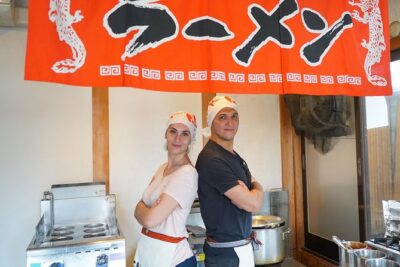
Ramen Cooking Class at Ramen Factory in Kyoto
Read our review →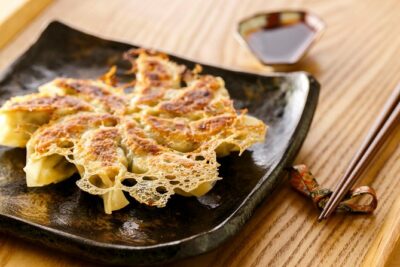
Ramen & Gyoza Cooking Class in Tokyo with Local Supermarket Visit
Read our review →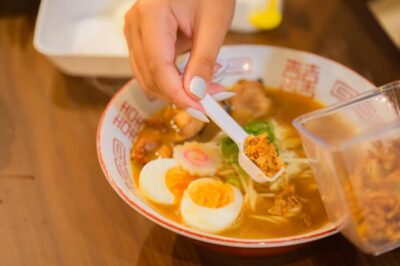
Ramen Cooking Class at a Ramen Factory with Souvenir
Read our review →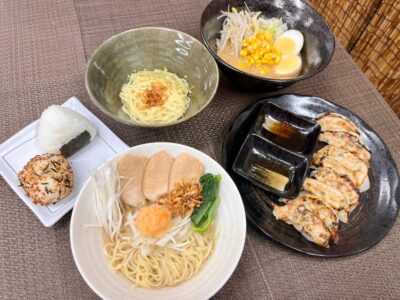
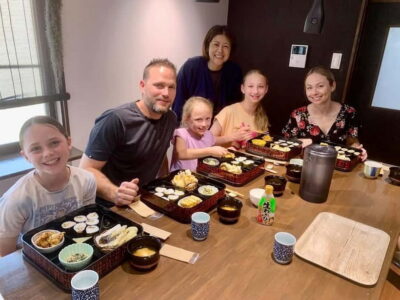
Japanese Washoku Bento Small Group Cooking Class
Read our review →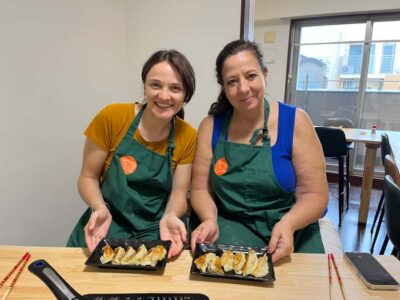
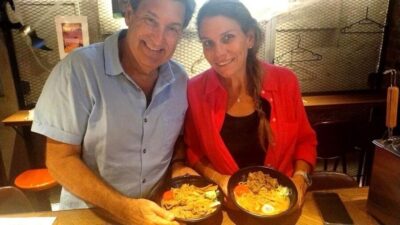
Easy Ramen Cooking Experience in Kabukicho, Shinjuku
Read our review →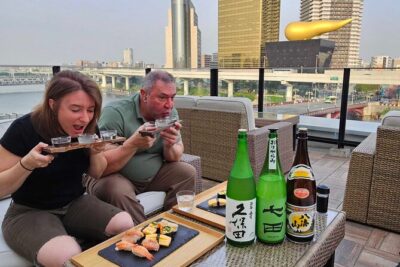
Ramen and Sushi Cooking Class with Sake Pairing Set in Tokyo
Read our review →Browse the lists this tour appears in