
Reviewed · HISTORICAL TOURS
Hiroshima: History and Hidden Gems Tour
Hiroshima asks you to slow down. This three-hour walking tour links the city’s key memorials with lesser-noticed corners, giving you a clearer sense of Hiroshima’s past, present, and daily life. I like the way the route combines the Peace Memorial Museum and Park with places such as Shukkeien Garden, rather than treating the atomic bombing as Hiroshima’s only story. I also like the flexible approach of guide Awais, who has adjusted routes, walking time, and museum time to suit different groups.
The main consideration is pace. You will cover a lot on foot, and the tour can run longer than three hours when the group has questions or spends extra time at the sites. The castle and garden portion also needs clarification when you book, since the listed route and drop-off information do not spell out exactly how much time is spent inside each attraction.
That small uncertainty aside, this is a strong choice if you want context, not just a checklist of monuments. Awais is repeatedly praised for clear English, patience, warmth, and careful explanations of difficult material. At $57 per person, the price is reasonable for a private-feeling experience, especially for a small party that wants the route shaped around its interests.
In This Review
- Key Points Before You Book
- Why a Guide Helps at the Peace Memorial Park
- Reading the Memorials Beyond the Atomic Bomb Dome
- The Museum Visit: How Much Time Should You Allow?
- Hiroshima Castle and the City’s Earlier Story
- Shukkeien Garden: A Welcome Change of Pace
- Awais, the Guide Who Shapes the Experience
- Walking Conditions, Weather, and Comfort
- What $57 Buys You
- Who Will Get the Most From This Tour?
- Should You Book the Hiroshima History and Hidden Gems Tour?
- FAQ
- Where does the tour begin?
- How long does the tour last?
- What language is the tour in?
- Is the tour wheelchair accessible?
- Which main sites are included?
- Is museum admission included?
- Is Shukkeien Garden admission included?
- What should I bring?
- Can I cancel the booking?
Key Points Before You Book
- A serious but compassionate introduction to Hiroshima: The Peace Memorial Museum and surrounding park form the emotional center of the tour.
- Awais is the major strength: He explains wartime history, local culture, and present-day issues in clear English, while welcoming questions.
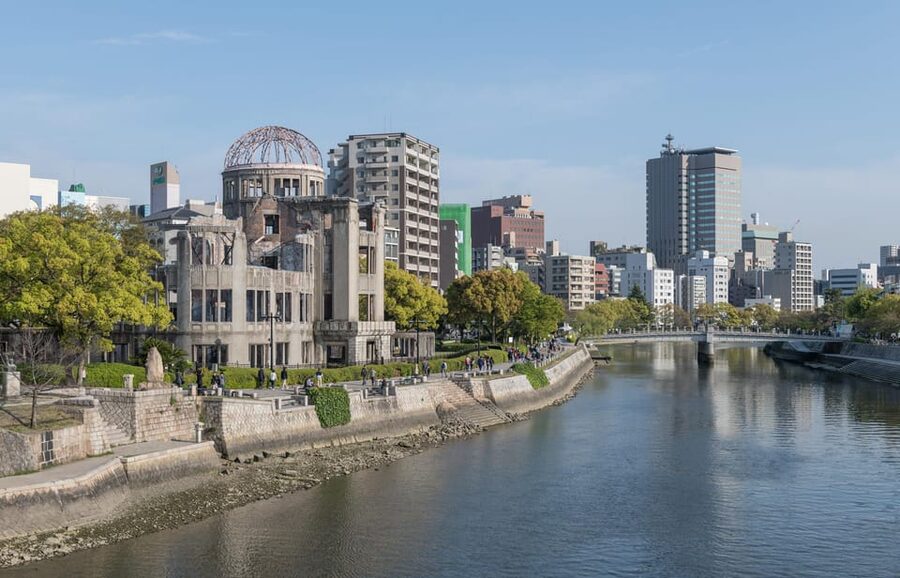
- The route connects major sights: Expect the Atomic Bomb Dome, Aioi Bridge, memorials, the Korean Atomic Bomb Victims Cenotaph, and the burial mound.
- Shukkeien changes the mood: The old Japanese garden offers a quieter look at Hiroshima after the intense memorial sites.
- Plan for plenty of walking: Comfortable shoes, sun protection, and weather-appropriate clothing matter.
- Flexible timing is useful: Awais has shortened museum visits, changed routes, offered breaks, and adapted plans around rain and other commitments.
Why a Guide Helps at the Peace Memorial Park
You can visit Hiroshima’s Peace Memorial Park on your own, but the meaning of each monument is not always obvious. The park contains memorials, bridges, cenotaphs, ruins, and markers spread across a large area. Without context, it is easy to see the Atomic Bomb Dome, take a photograph, and miss the human stories close by.
This tour begins at the Hiroshima Peace Memorial Museum, then moves through the park in a connected sequence. That order matters. You first encounter the museum’s personal accounts and objects, then walk outside to places tied to the people and communities affected by the bombing.
The museum can be emotionally heavy. Displays focus on the destruction of August 6, 1945, and on the lives of survivors and those who died. I would not describe this as light sightseeing, and you should allow yourself time afterward if you need a quiet break. Awais’s style is useful here because he explains the history in a calm, compassionate, nonpartisan way rather than turning the visit into a lecture.
The tour also includes a safety briefing and scenic views along the way. That may sound routine, but Hiroshima’s hot summers, rain, and long walks make practical care worthwhile. One group experienced heavy rain, and Awais adjusted the route and kept people sheltered when possible. Another group needed less time inside the museum, so he shortened that section and gave more attention to the outdoor memorials.
More History Tours in Hiroshima
- Hiroshima Historical Walking Tour – Why A-Bomb was Dropped
★ 4.8 · 893 reviews - Hiroshima Peace (Heiwa) Walking Tour at World Heritage Sites
★ 5.0 · 872 reviews - Miyajima Half-day Trip Historical Walking Tour
★ 5.0 · 284 reviews
Reading the Memorials Beyond the Atomic Bomb Dome
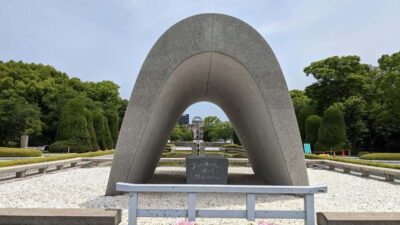
The Atomic Bomb Dome is Hiroshima’s best-known surviving ruin. Its exposed structure gives you a direct physical link to the blast, but it is only one part of the park. A good guide helps you read the wider setting instead of treating the dome as an isolated photo stop.
The route includes the Hiroshima National Peace Memorial, the Children’s Peace Monument, and the Atomic Bomb Memorial Burial Mound. Each place carries a different focus. The Children’s Peace Monument points toward the effect of the bombing on young lives and the continuing wish for peace. The burial mound recalls victims whose remains could not be identified or returned to families.
The Korean Atomic Bomb Victims Cenotaph is another important stop. It broadens the story beyond a purely Japanese account and recognizes Korean victims of the bombing. This is the kind of detail you might pass without noticing if you are walking alone with limited time.
Aioi Bridge is also part of the route. Its location helps you understand how the memorial park relates to the surrounding city and river. The itinerary lists several additional guided stops without naming each one, so the exact sequence may vary. That flexibility can work in your favor, but I would ask Awais at the start which sites he plans to cover.
The tour includes repeated references to the burial mound, likely reflecting the route’s detailed set of stops rather than two separate major attractions. Do not expect every point to feel like a large monument. Some are quiet markers where the guide’s explanation supplies much of the meaning.
The Museum Visit: How Much Time Should You Allow?
The museum is listed as the starting point and includes a guided and self-guided element. In practical terms, you should expect Awais to introduce the museum and help you understand the most important sections, while giving you time to look at the displays yourself.
This arrangement suits people who want direction but do not want a guide talking continuously beside them. The subject matter requires pauses. Personal belongings, survivor accounts, and accounts of those who died can stay with you longer than a standard sightseeing stop.
Three hours is enough for an overview, but not enough for a slow reading of every display plus a leisurely tour of the park, castle, and garden. Several groups spent longer than the advertised duration, and one group specifically noted that extra time could affect later plans. If you have a train, restaurant booking, or another timed activity, tell Awais at the beginning.
Some participants chose a shorter museum visit so they could see more of Hiroshima outdoors. That is a sensible option if you have already visited another memorial or prefer architecture and streets to museum exhibits. Others wanted fuller historical explanation and used the guide’s flexibility to ask questions along the way.
Hiroshima Castle and the City’s Earlier Story
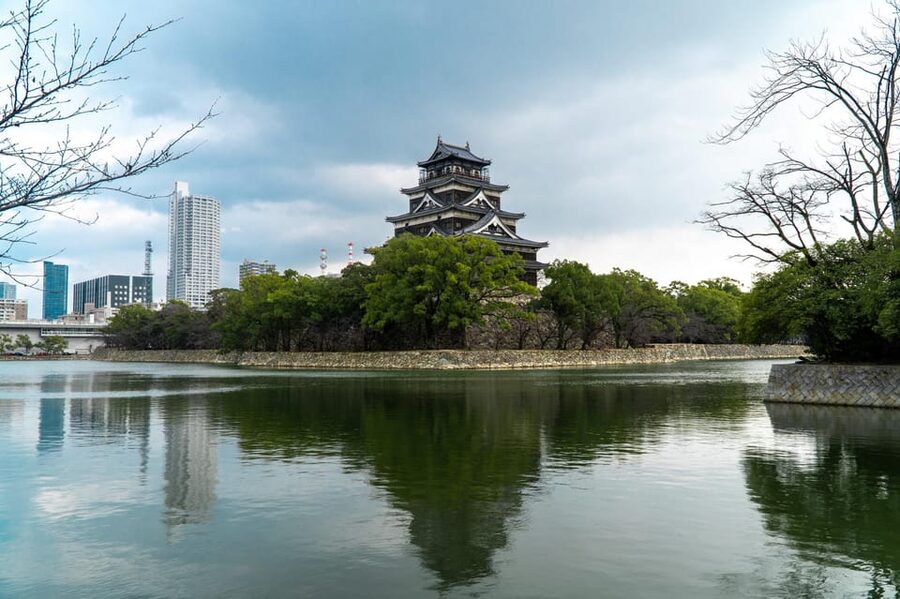
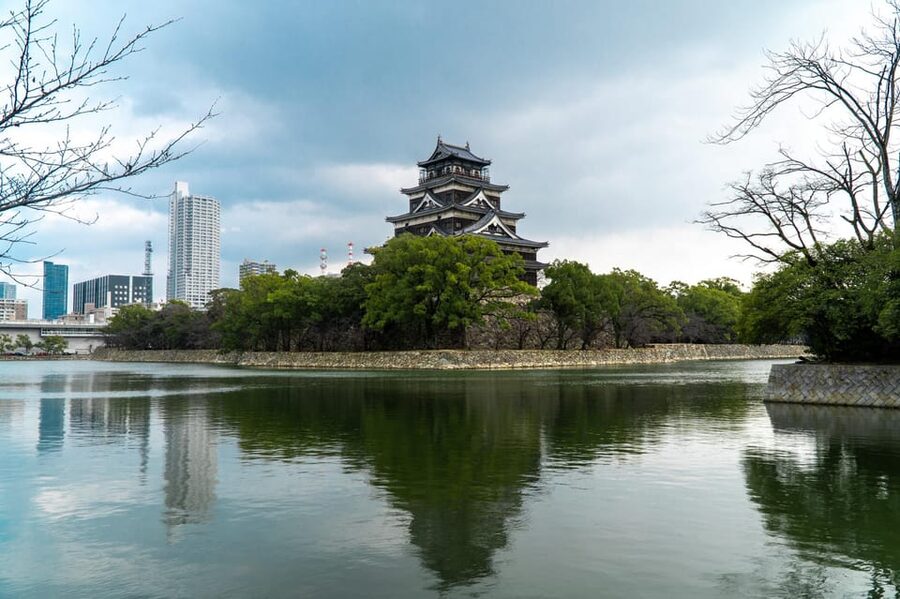
The tour description includes Hiroshima Castle as one of the city’s major historical sights. This is an important counterpoint to the Peace Park because it shifts your attention from 20th-century war to Hiroshima’s earlier political and architectural life.
The castle is described as a place to go inside rather than wait in line to view its exhibits and masterpieces. However, the supplied route information does not clearly state how much of the castle visit is included in the three-hour schedule. Some participants received extra time at the castle and garden, while the official drop-off points are Shukkeien Garden and the Peace Memorial Museum.
For that reason, treat the castle as a possible part of the outing, not a guaranteed long interior visit unless confirmed at booking. Ask whether admission is covered and whether the tour enters the castle or simply passes through the area. The general inclusion list names the historical tour and English-speaking guide, but it does not clearly list entrance tickets.
This is not a deal breaker. The main value of the tour is the guide and the connected walking route. Still, precise planning matters when the itinerary includes several major sites in only three hours.
More hidden gem tours:
- Kyoto Geisha Walking Tour: Gion District & Hidden Gems
★ 4.7 · 3,273 reviews - Private Kyoto Tour with a Local, Highlights & Hidden Gems, Personalised
★ 5.0 · 1,543 reviews - Osaka Kickstart: Hotspots & Hidden Gems Tour
★ 5.0 · 1,306 reviews - Osaka: Hotspots & Hidden Gems Walking Tour Private or Group
★ 4.9 · 1,300 reviews
Shukkeien Garden: A Welcome Change of Pace
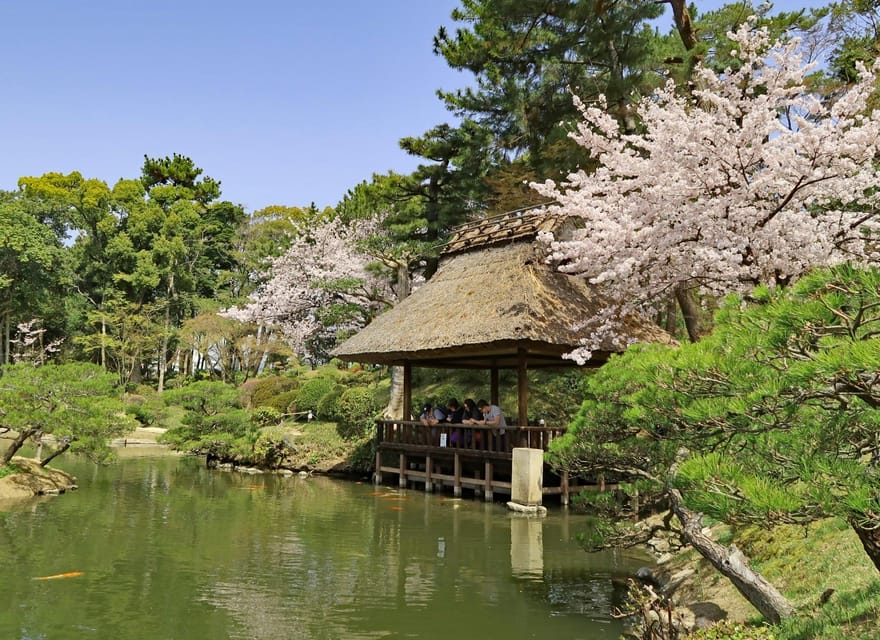
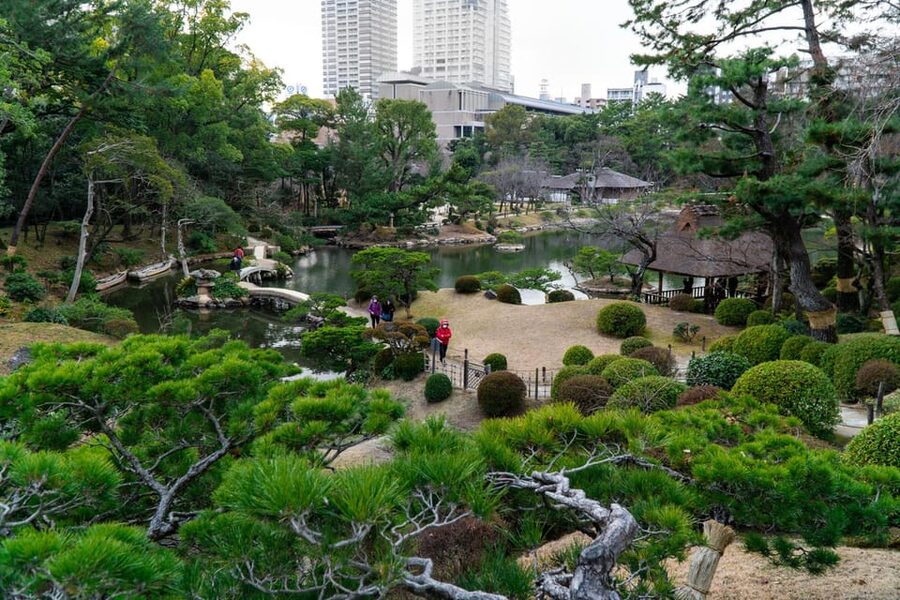
Shukkeien Garden is described as Hiroshima’s oldest garden, dating from the 16th century. After the memorial park and museum, it gives the tour a gentler rhythm and shows a different side of the city.
The garden’s appeal is not just pretty scenery. Its layout, structures, and carefully framed views offer a glimpse into older Japanese design. Awais explains the garden’s past and present, helping you notice how architecture and natural features work together.
For some people, Shukkeien becomes the favorite part of the day because it provides room to breathe after the museum. It also gives families and mixed-age groups a change from the serious memorial sites. One visitor with two teenage sons found the Peace Park engaging but especially enjoyed the garden.
Again, confirm the practical details. The official activity information does not clearly state that garden admission is included, although one participant understood the price to cover entry to both the museum and garden. I would ask before arrival rather than assume. The listed drop-off locations are Shukkeien Garden and the Peace Memorial Museum, which gives you some choice about where to finish.
Awais, the Guide Who Shapes the Experience
The strongest part of this tour is Awais’s personal approach. He is described as fluent and easy to understand in English, with a strong grasp of Hiroshima’s wartime history, World War II, local culture, and current issues.
His value is not only factual. He has adjusted the route when people had already seen the Hall of Remembrance, shortened the museum section for groups with limited time, and offered taxis or breaks when walking became difficult. He has also stayed longer than planned to show the castle and Shukkeien Garden.
That kind of flexibility helps because no two visitors arrive with the same needs. Some want a serious history lesson. Others want the main memorials, local background, and recommendations for the rest of the day. Awais has supplied restaurant and sightseeing suggestions after tours, and one participant finished with coffee at a small local place after rain and tired feet changed the plan.
You should still communicate clearly. Tell him if you have mobility limits, a fixed departure time, or a particular interest in architecture, survivor accounts, Japanese culture, or present-day Hiroshima. The activity is wheelchair accessible, but the exact route and time at each site should be discussed in advance.
Walking Conditions, Weather, and Comfort
This is a walking tour, not a bus excursion. You will move between the museum, park monuments, bridges, memorials, and other city sights. Even people who enjoyed the walking noted that it can be substantial, so bring comfortable shoes.
Hiroshima weather can affect the experience. Pack a hat, sunscreen, and clothing suited to the forecast. Rain protection is also sensible. Awais has adapted the route during heavy rain and helped keep people sheltered, but weather can still slow the group and make outdoor stops less comfortable.
The walking pace is generally adjustable. Awais has offered breaks and accepted requests for a slower or shorter route. That makes the tour suitable for many ages, provided you are comfortable spending much of the three hours on foot.
The best strategy is to keep the rest of your day open. The tour may finish close to the planned three-hour mark, but questions, museum time, weather, and an extra look at the garden can extend it.
What $57 Buys You
At $57 per person, this tour costs more than simply walking through the Peace Memorial Park alone. You are paying for an English-speaking guide who connects the sites, answers questions, and can reshape the experience around your interests.
The value is strongest for a first visit. If you know little about Hiroshima, the guide helps you understand why the Children’s Peace Monument, Korean victims’ cenotaph, burial mound, Aioi Bridge, and Atomic Bomb Dome all matter. You also gain a route that moves beyond the most photographed site.
For a small group, the price can feel especially fair because the outing may become nearly private. Several parties were groups of two or otherwise small enough for detailed conversation. That allows you to ask questions that would be difficult in a large scheduled tour.
Admission needs attention. The official inclusions specify the historical tour and English-speaking guide, while entrance coverage is not clearly stated. One participant understood museum and garden admission to be included, but I would confirm this directly before booking. The only explicit non-inclusion is a souvenir shop stop, so do not expect shopping time as part of the plan.
Free cancellation up to 24 hours before the start and the option to reserve now and pay later add useful flexibility. These policies matter if your Japan itinerary is still moving around.
Who Will Get the Most From This Tour?
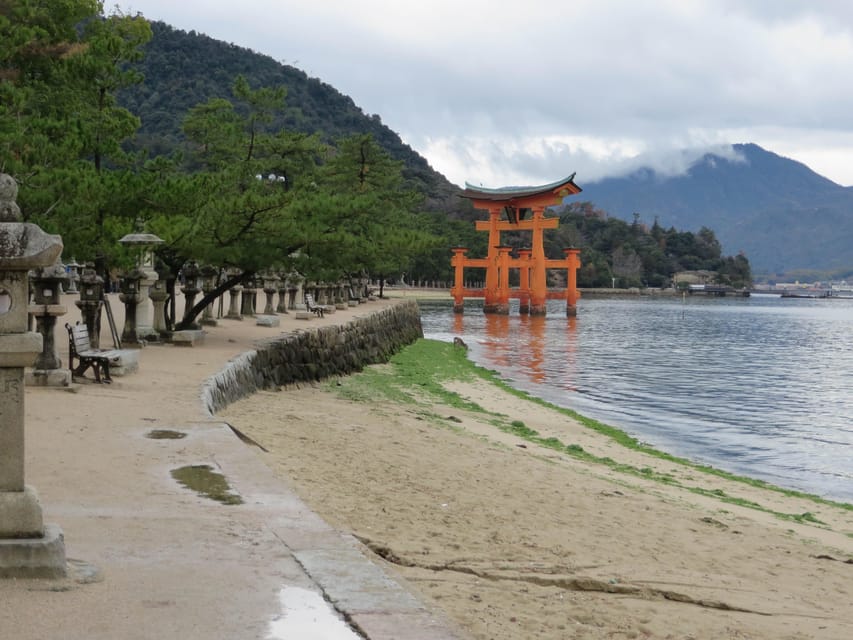
I would recommend it to first-time visitors who want Hiroshima explained with care. It is also a good fit for families with older children and teenagers, history-minded visitors, and people who prefer conversation to a recorded audio guide.
The tour suits you if you want to combine the Peace Memorial Museum with outdoor monuments and a more traditional garden. It is particularly useful if you have only one day in Hiroshima and want help deciding what deserves your limited time.
You might prefer a self-guided visit if you need complete control over museum pacing or want to spend several hours reading every display. You may also find three hours too tight if your main goal is a long castle and garden visit. In that case, use the tour as an introduction and return to the places you want to explore more fully.
The subject is serious, so this is not a casual sightseeing walk. Still, Awais’s friendly manner, humor, and willingness to talk about modern Hiroshima keep the experience human rather than grim from beginning to end.
Should You Book the Hiroshima History and Hidden Gems Tour?
Book it if you want the Peace Memorial Park to make sense, not just look familiar in photographs. The combination of memorial sites, the museum, possible castle time, and Shukkeien Garden gives you a fuller picture of Hiroshima than a quick visit to the Atomic Bomb Dome alone.
The best reason to choose it is Awais. His clear English, patience, flexibility, and care with difficult history have made this a highly praised experience. Ask him to confirm the castle and garden schedule, entrance fees, meeting point, and your preferred balance of museum time and walking before you begin.
At $57, it is good value for a small group seeking personal guidance. Pack good shoes, leave some time after the tour, and expect the route to be thoughtful rather than rushed.
FAQ
Where does the tour begin?
The stated starting location is the Hiroshima Peace Memorial Museum. You may also choose a different meeting point, so confirm the location with the guide in advance.
How long does the tour last?
The planned duration is three hours. It may take longer if you ask many questions, spend extra time at the museum, or add time at Hiroshima Castle or Shukkeien Garden.
What language is the tour in?
The live tour is conducted in English by Awais.
Is the tour wheelchair accessible?
Yes, the activity is listed as wheelchair accessible. Discuss the route and any specific needs with the guide before starting.
Which main sites are included?
The route includes the Hiroshima Peace Memorial Museum, Peace Memorial Park, Hiroshima National Peace Memorial, Children’s Peace Monument, Atomic Bomb Memorial Burial Mound, Aioi Bridge, Korean Atomic Bomb Victims Cenotaph, and Atomic Bomb Dome. Hiroshima Castle and Shukkeien Garden are also part of the advertised experience, although the exact time at each should be confirmed.
Is museum admission included?
The official inclusion details name the historical tour and English-speaking guide, but they do not clearly list entrance tickets. Confirm museum admission when booking.
Is Shukkeien Garden admission included?
The official information does not clearly confirm this. Some participants understood that garden admission was covered, so ask for the current policy before the tour.
What should I bring?
Bring comfortable shoes, a hat, sunscreen, and clothing suitable for the weather. Rain protection is also a sensible choice because much of the experience takes place outdoors.
Can I cancel the booking?
You can cancel up to 24 hours in advance for a full refund. The reserve-now, pay-later option also lets you keep your plans flexible.
Just added around Hiroshima
- Hiroshima & Miyajima: Private Full-Day Tour with a Local Guide★ 5.0 · 39 reviews
- Hiroshima and Miyajima 1 Day Walking Tour★ 5.0 · 43 reviews
- Hiroshima History Tour : A-Bomb Dome, Peace Memorial & City★ 5.0 · 43 reviews
- The Journey of Hiroshima from Tragedy to Peace★ 4.8 · 44 reviews
- Cultural Activities :Kimono, tea ceremony, Calligraphy and Amulet★ 5.0 · 44 reviews
- Miyajima: Private Rickshaw Tour to Itsukushima Shrine★ 4.9 · 45 reviews
- Hiroshima Private Tour: Best Highlights in a Day★ 5.0 · 49 reviews
- Hiroshima & Miyajima All-Inclusive Tour w/Licensed guide Pancho★ 5.0 · 54 reviews
Historical Tours, compared.
World Heritage Shirakawa-go and Experience Tours from Kanazawa
Read our review →
Imperial Palace and Shogun Historical Walking Tour
Read our review →
World Heritage Kyoto & Nara Uji Authentic Matcha Experience
Read our review →
Kyoto Gion: 2-Hour Geisha Culture & History Walking Tour
Read our review →
World Heritage Shirakawa-go Morning Guided Tour
Read our review →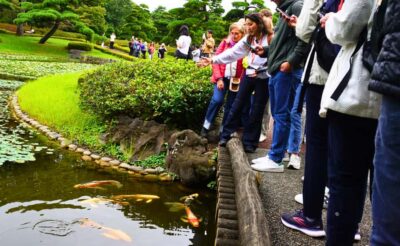
Hiroshima Historical Walking Tour – Why A-Bomb was Dropped
Read our review →
Hiroshima Peace (Heiwa) Walking Tour at World Heritage Sites
Read our review →Browse the lists this tour appears in