
Reviewed · TEA CEREMONY EXPERIENCES
Kimono Tea Ceremony at Kyoto Maikoya, Karasuma Shijo
Kyoto slows down here. This 90-minute experience combines two memorable parts of Japanese culture: dressing in a kimono and learning how to prepare matcha in a traditional tea ceremony. I especially like the careful hair styling and outfit selection, followed by the chance to whisk your own tea under a tea master’s guidance. The main consideration is pace. The schedule is tightly arranged, so the experience may feel more like a well-run cultural session than a long, quiet meditation.
The price is $65.39 per person, which is fair if you value the kimono, simple hairstyling, instruction, tea, snacks, and photographs as one package. I also like that the group size is advertised as no more than four people, although you should confirm this at booking because one participant was placed with a larger group before staff corrected the situation.
In This Review
- Key points to know before booking
- Arriving at Maikoya Karasuma Shijo
- Choosing a kimono and preparing your look
- A traditional tea room and the rules of attention
- Whisking your own matcha
- The value of the 90-minute format
- Photos, etiquette, and what to bring
- Who will enjoy this Kyoto experience most
- Is $65.39 a fair price?
- Booking and cancellation details
- Should you book the Maikoya tea ceremony?
- FAQ
- How long does the Kimono Tea Ceremony at Kyoto Maikoya last?
- Where does the activity begin and end?
- Is kimono rental included?
- Is food and drink included?
- Can children participate?
- Can I take photographs during the ceremony?
- Is transportation included?
- What is the cancellation policy?
Key points to know before booking
- Kimono, shoes, bag, and simple hairstyling are included, so you arrive without needing to arrange separate costume rental.
- You prepare your own bowl of matcha, rather than only watching a demonstration.
- The tea master explains the meaning behind the tools, gestures, and etiquette, not just the mechanics of whisking tea.
- The session lasts about 90 minutes and begins and ends at Maikoya Karasuma Shijo.
- The experience is near public transportation, but transportation and hotel pickup are not included.
- Children under six cannot participate, and tripods are not permitted during the ceremony.
Arriving at Maikoya Karasuma Shijo
The meeting point is Kimono Tea Ceremony MAIKOYA Karasuma Shijo at 220 Itoyacho, Shimogyo Ward, Kyoto. It is near public transportation, which makes it a practical choice if you are already exploring central Kyoto.
You should arrive ready for a short sequence of activities rather than a slow afternoon at a tea house. The total duration is approximately one hour and 30 minutes, and the preparation, dressing, tea lesson, tasting, and photographs all fit inside that window.
The experience ends where it begins. That is useful if you have a temple visit, shopping, or dinner reservation afterward. You will not need to arrange a ride back to your hotel, and there is no hotel pickup or drop-off included.
More Kimono Experiences in Kyoto
- Kimono Tea Ceremony at Kyoto Maikoya, NISHIKI
★ 5.0 · 911 reviews - Kyoto: Kimono Rental with Hairstyling and Accessories
★ 4.8 · 653 reviews - Kyoto: Kimono Tea Ceremony at Orizuruya Gion
★ 4.9 · 618 reviews
Choosing a kimono and preparing your look
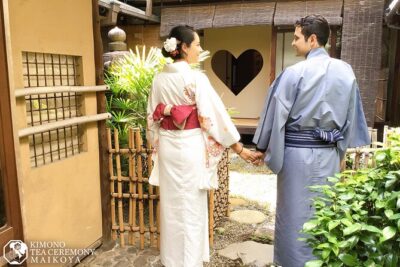
The kimono portion is a major reason to book this experience. Staff help you choose from an assortment of kimonos, along with shoes and a bag, then assist with dressing. Simple hairstyling is included, adding a finished look without requiring you to visit a salon first.
This is not just a costume thrown over ordinary clothes. The dressing process helps you understand how much care goes into presenting oneself in traditional Japanese clothing. The staff are praised for being patient, friendly, and skilled, and several people particularly enjoyed the hair styling and the care taken with the final appearance.
You should keep your expectations sensible. These are rental garments used for many sessions, not valuable ceremonial kimonos. One participant found some of the choices a little flimsy, though they still looked good in photographs. That is a fair trade-off at this price. The point is to enjoy the appearance, the ceremony, and the experience of wearing the clothing, not to handle museum-quality textiles.
The kimono can also change how you move. Walking, sitting, and turning require a little more care than usual. If you have never worn one, staff guidance makes the process straightforward, but you may want to avoid bringing bulky personal items.
A traditional tea room and the rules of attention
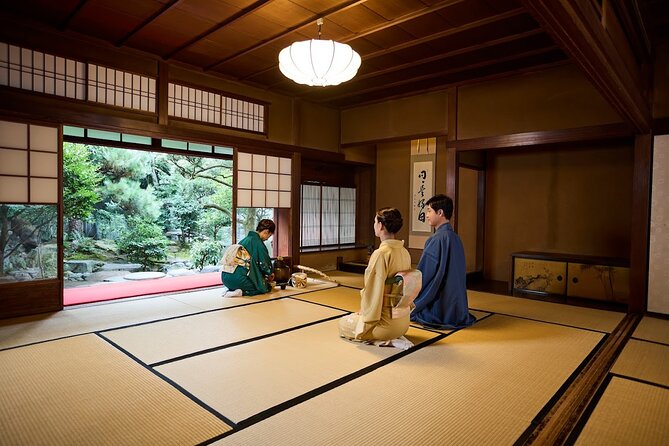
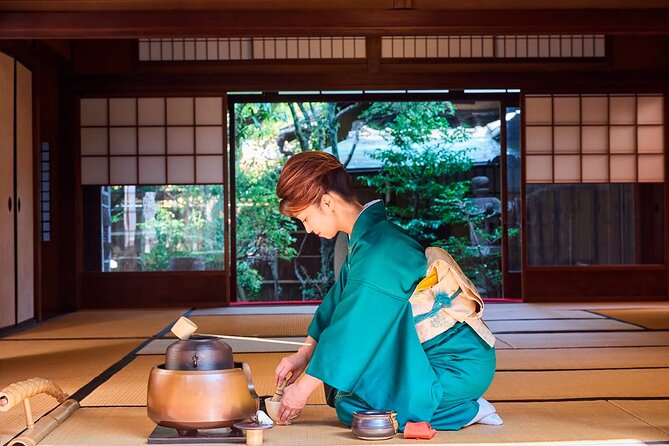
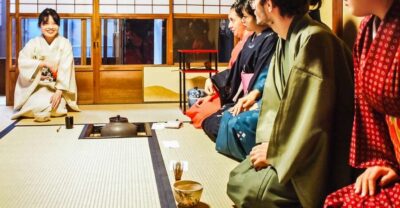
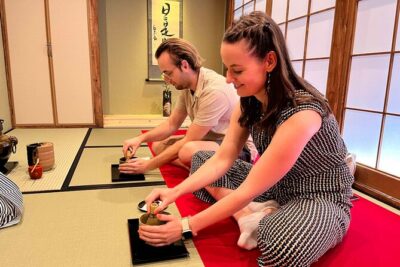
After dressing, you move to a tatami room for the tea ceremony. The setting helps shift the mood from getting ready to paying attention. You sit, observe the tea master, and learn that the ceremony is built from precise gestures, respectful handling of utensils, and quiet hospitality.
The instructor explains the tools and the order of the ceremony, along with the etiquette for receiving and drinking the tea. You learn why movements are deliberate and how the ceremony reflects Kyoto’s cultural traditions. This context matters. Without it, whisking green tea could feel like a simple craft activity. With it, the bowl, scoop, whisk, and serving gestures become part of a larger social custom.
The teaching style seems to be one of the strongest parts of the experience. Guides are described as warm, humorous, and encouraging, while Miki and Yuki are each praised for friendly instruction and strong English. The exact tea host may vary, but the format is designed to make the ceremony understandable even if you know nothing about matcha etiquette.
You are not expected to sit silently without help. The tea master explains each stage and gives you a chance to follow along. That makes this suitable for first-time visitors who want cultural context without signing up for a long formal lesson.
Whisking your own matcha
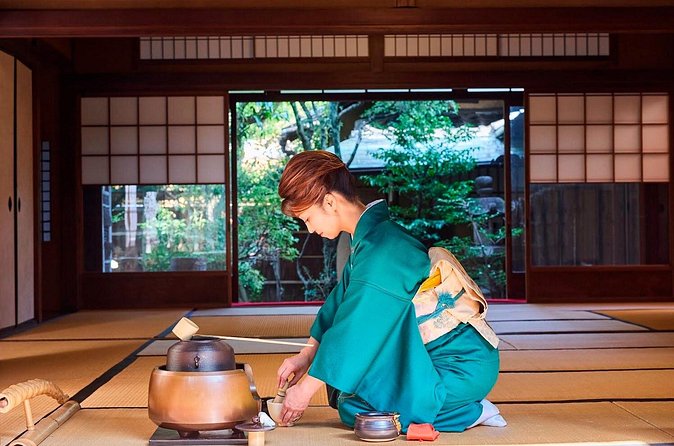
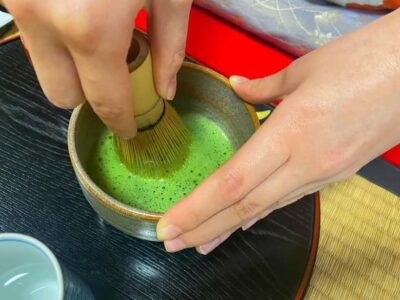
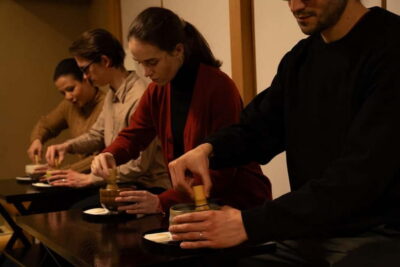
The hands-on portion is where the experience becomes more than a viewing session. After watching the tea master, you prepare your own bowl of matcha with the provided utensils and high-quality green tea.
You will be guided through the process, including how to handle the tools and whisk the tea. The goal is not to produce a perfect bowl on your first try. It is to feel the concentration and care involved in a familiar Japanese ritual.
The activity works well for people who do not normally drink matcha. One participant who does not enjoy matcha still had a wonderful time because the dressing, instruction, and atmosphere were enjoyable on their own. You may find the tea bitter or unfamiliar, but the experience does not depend on loving the flavor.
Green tea and traditional snacks are included. The snacks provide a small contrast to the tea and help make the tasting feel complete. This is not a full meal, so plan lunch or dinner separately.
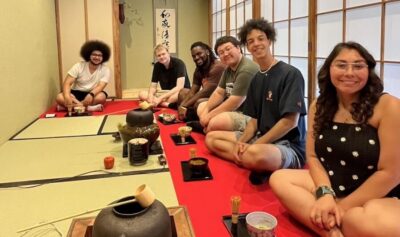
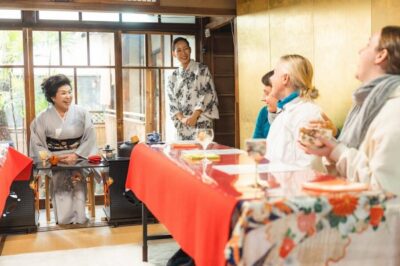
The ceremony also has a social side. You may share the room with other people and meet visitors from different countries. That can add energy and laughter, though it may reduce the quiet feeling some people expect from a formal tea ceremony.
More Tea Ceremonies in Kyoto
- Kyoto: Tea Ceremony in a Traditional Tea House in Kiyomizu
★ 4.9 · 3,519 reviews - Kyoto: Tea Ceremony Ju-An at Jotokuji Temple
★ 4.9 · 3,207 reviews - Kyoto: 45-Minute Tea Ceremony Lesson Experience
★ 4.3 · 2,378 reviews - Kyoto: Table-Style Tea Ceremony at a Kyo-Machiya
★ 4.9 · 1,211 reviews
The value of the 90-minute format
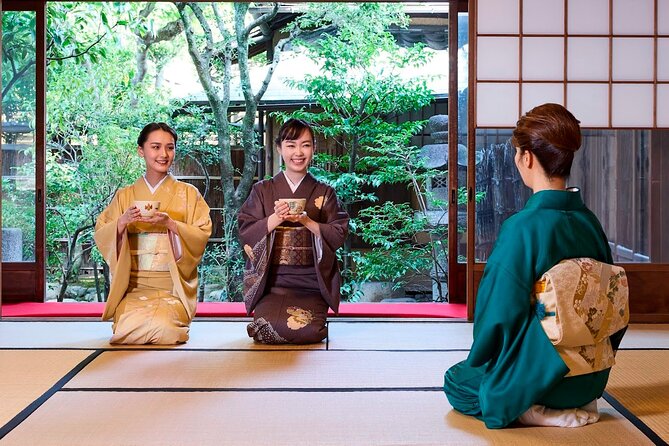
The short format is both a strength and a weakness. I like that you can fit the activity into a busy Kyoto day. You receive a kimono, hairstyling, cultural instruction, tea preparation, snacks, and time for photos without giving up half a day.
At the same time, the schedule is packed. One participant felt that the group moved quickly from one stage to the next and did not get enough value for the price. That criticism is worth taking seriously. If you want a long, contemplative tea gathering with extended conversation, this may not be the right choice.
For most visitors, though, 90 minutes is enough to gain a clear introduction. You see how the outfit is assembled, learn the basic meaning of the ceremony, prepare tea, and leave with photographs and a memorable cultural reference point. It is a compact introduction rather than an advanced study of tea practice.
The advertised maximum is four people when booking through the stated platform, but the operating conditions note that other bookings may add more participants. One person reported being placed with 12 people despite expecting a smaller group, then having the matter corrected by staff. I would confirm the expected group size before paying, especially if privacy or personal instruction matters to you.
Photos, etiquette, and what to bring
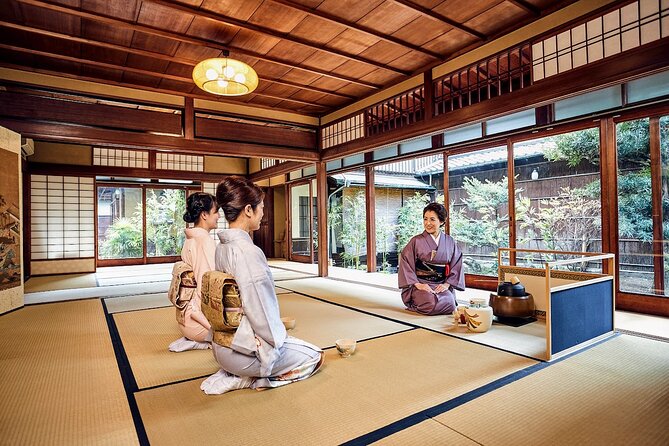
The kimono and hairstyle create plenty of photo opportunities. Staff assist with the dressing and help you look presentable, and several people especially enjoyed taking photographs in the finished outfit.
Photography and video are not unrestricted during the ceremony. Follow the tea master’s directions about when it is appropriate to take pictures. Tripods are not allowed. That rule protects the order of the ceremony and keeps equipment from getting in the way in the tatami room.
A phone is more practical than a camera setup. You can take pictures during suitable moments, but you should not treat the ceremony as a photo shoot from start to finish. The best memories may come from paying attention to the gestures and explanations rather than trying to record every movement.
Sitting on the floor can be difficult, especially if you have knee or hip problems. A small chair may be available for those who need one, and using it does not remove you from the ceremony. Since the activity includes traditional floor seating, consider this before booking.
Who will enjoy this Kyoto experience most
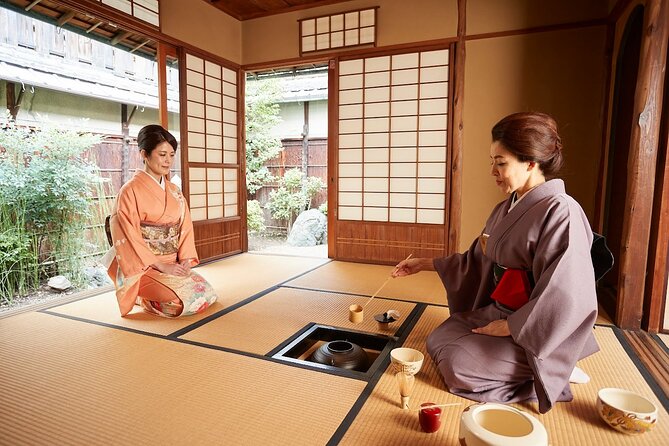
I would recommend this activity to first-time visitors who want a clear, approachable introduction to Japanese customs. It suits couples, families with older children, solo visitors, and small groups looking for something different from another temple or shopping street.
It is also a good fit if you want photographs in traditional clothing but prefer an organized experience. The staff handle the dressing and hairstyling, so you do not need to know how to arrange a kimono yourself.
Families should note the age restriction. Children under six are not permitted, so do not book this activity if your group includes a child below that age.
You do not need to be a matcha fan. The ceremony, clothing, explanations, and setting carry much of the experience. I would be more cautious if you dislike structured group activities, dislike floor seating, or want complete control over photography.
Is $65.39 a fair price?
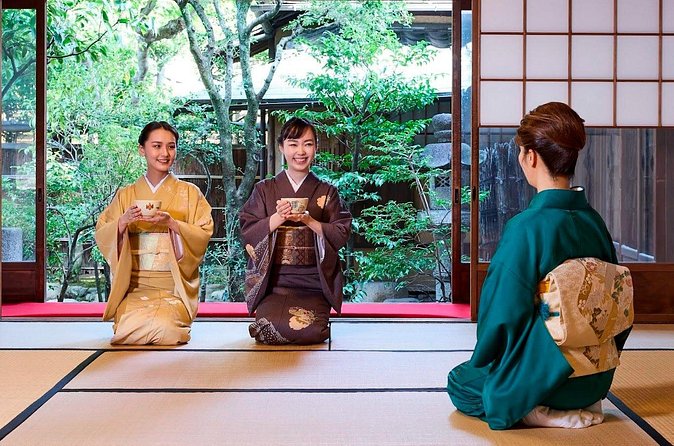
At $65.39, the price makes the most sense when you count the package as several separate services: kimono rental, dressing help, simple hairstyling, tea utensils, matcha, snacks, a guided lesson, and the ceremony itself.
You could spend less on a brief tea tasting, but that would not include the full clothing preparation. You could also rent a kimono separately, but then you would need to arrange dressing, hair, and a cultural activity on your own. The convenience is part of the value.
The price is less compelling if you only care about drinking tea. The tea portion is relatively short because the session must also cover dressing and photographs. You are paying for the combined cultural experience, not an extended tea lesson.
The strong rating and full recommendation level suggest that the format works very well for many people, but I would not let that replace your own priorities. If you want a polished, friendly introduction, the cost is reasonable. If you want a slow and highly private ceremony, look for a longer or more specialized option.
Booking and cancellation details
Confirmation is provided at booking, and the experience accepts a mobile ticket. You can cancel for a full refund up to 24 hours before the local start time. Cancellations or changes made less than 24 hours before the start time are not accepted for a refund.
Because group size can affect the mood, confirm how many people are expected in your session. The stated maximum for this activity is four participants, but the operating note says that bookings from other sites may result in additional participants.
Should you book the Maikoya tea ceremony?
Book it if you want to combine kimono dressing and matcha preparation in one convenient Kyoto activity. The kind staff, simple hairstyling, careful outfit selection, clear explanations, and hands-on tea preparation make this a strong choice for first-time visitors.
I would book it particularly for a family with children over six, a solo visitor who wants an easy cultural activity, or anyone who wants meaningful photographs without arranging several separate services. I would skip it if your priority is a long, silent, highly formal ceremony or if sitting on tatami is likely to be uncomfortable.
The experience is organized and somewhat quick, but that is also why it fits neatly into a Kyoto itinerary. You leave with a better understanding of tea etiquette, a taste of matcha and traditional snacks, and the memory of wearing a kimono in a setting built around respect and attention.
FAQ
How long does the Kimono Tea Ceremony at Kyoto Maikoya last?
The experience lasts approximately one hour and 30 minutes.
Where does the activity begin and end?
It begins at Kimono Tea Ceremony MAIKOYA Karasuma Shijo, 220 Itoyacho, Shimogyo Ward, Kyoto, 600-8432, Japan. It ends back at the same meeting point.
Is kimono rental included?
Yes. Kimono costume rental is included, along with assistance with dressing, shoes, a bag, and simple hairstyling.
Is food and drink included?
Yes. Green tea and traditional snacks are included. The experience does not provide a full meal.
Can children participate?
Children under six are not permitted to join this activity.
Can I take photographs during the ceremony?
Photography and video may be limited. You must follow the tea master’s instructions about suitable times and manners. Tripods are not allowed.
Is transportation included?
No. Transportation and hotel pickup and drop-off are not included. The meeting point is near public transportation.
What is the cancellation policy?
You can cancel at least 24 hours before the local start time for a full refund. Cancellations or changes made less than 24 hours before the start time are not accepted for a refund.
Just added around Kyoto
- Kyoto: Gion Night Walking Tour with Geisha Insight★ 5.0 · 39 reviews
- Kyoto: Private Customizable Day Trip by Car★ 5.0 · 38 reviews
- Kyoto: Full Day Bike Tour★ 4.9 · 39 reviews
- Private Japanese Calligraphy in Kyoto – Learn Shodō with a Master★ 5.0 · 39 reviews
- Kyoto: Gion Evening Walk with Hidden Gems, Geisha & Sake★ 5.0 · 41 reviews
- Experience a tea ceremony in an authentic tearoom, in Kyoto!★ 4.5 · 41 reviews
- Kyoto Private Photo Shoot & Tour by SnapKyoto★ 5.0 · 41 reviews
- The Way of Tea: Kyoto Crafts, Hidden Temples & Wabi-Sabi Walk★ 5.0 · 41 reviews
Tea Ceremony Experiences, compared.
Tea Ceremony in a Traditional Tea House in Kiyomizu
Read our review →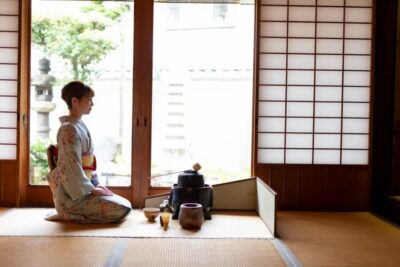
Browse the lists this tour appears in