
Reviewed · TEA CEREMONY EXPERIENCES
Kimono Tea Ceremony Experience at Kyoto Oritzuruya, Nishiki
Tea can be a quiet way into Kyoto culture. This 90-minute experience combines a kimono fitting and simple hairstyling with a guided tea ceremony near Nishiki Market, making Japanese customs easier to approach without worrying about every small gesture. You choose from more than 200 kimono designs, learn how to whisk matcha, and enjoy wagashi, traditional Japanese sweets.
I especially like the small maximum group of 10, which keeps the activity more personal than a large cultural show. I also like the chance to walk around the area in your kimono afterward, reportedly until 6 p.m. The main consideration is that the tea ceremony itself may feel brief or more like a demonstration than a full ceremonial participation, especially if your main interest is the spiritual meaning behind every movement.
In This Review
- Key points to know before booking
- Why this Kyoto tea ceremony works for first-time visitors
- Picking a kimono from more than 200 designs
- The small photo session and time in the kimono
- Entering the tea room and learning the cleansing ritual
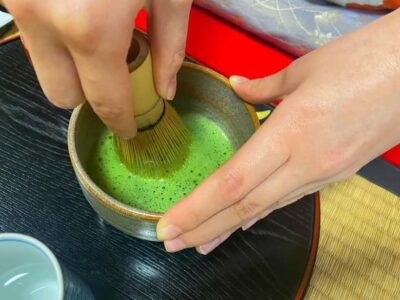
- Making matcha with a bamboo whisk
- Optional calligraphy for a souvenir with meaning
- Comfort, seating, and practical limits
- Is the $50.87 price good value?
- Who should book this experience?
- Should you book the Kyoto Orizuruya tea ceremony?
- FAQ
- How long does the Kimono Tea Ceremony Experience last?
- Where does the experience begin and end?
- What is included in the standard price?
- Can I make my own matcha?
- Is calligraphy included?
- What happens if I need to cancel?
Key points to know before booking
- Choose from more than 200 kimono designs: Staff help you select the kimono, sash, cords, sandals, and hair accessories.
- Learn to make your own matcha: You watch the formal preparation, then use a bamboo whisk to prepare and drink your own bowl.
- Simple hairstyling is included for women: Hairpins, flowers, and other adornments complete the traditional look.
- Wagashi comes from a century-old confectionery: The sweet is served with the matcha as part of the tea experience.
- Optional calligraphy adds a personal souvenir: You can learn basic brushwork and take home your own character or phrase.
- The activity starts and ends near Nishiki Market: Transportation is not included, but the meeting point is close to public transit.
Why this Kyoto tea ceremony works for first-time visitors
Japanese tea ceremony has many rules, from how you enter the room to how you handle the bowl. That formality can make you worry about doing something wrong. This experience removes much of that pressure by having an instructor explain the main gestures and guide you through the process.
You do not need prior knowledge of tea ceremony etiquette. The instructor demonstrates the movements, explains the cleansing ritual, and shows you how to use the chasen, the traditional bamboo whisk. You then prepare your own matcha rather than only sitting silently while someone else performs.
That distinction matters. Some participants find the ceremony less participatory than expected because the instructor performs the formal portion. Your own role is mainly to watch, follow the explanations, whisk the matcha, and enjoy the tea and sweet. I would book this for a cultural introduction, not as a complete study of chanoyu, the Japanese tea tradition.
The setting helps. After changing into your kimono, you enter a serene tea room where the pace slows down. The contrast with Kyoto’s busy shopping streets is part of the appeal, even though the experience is clearly designed to be accessible to international visitors.
More Kimono Experiences in Kyoto
- Kimono Tea Ceremony at Kyoto Maikoya, NISHIKI
★ 5.0 · 911 reviews - Kyoto: Kimono Rental with Hairstyling and Accessories
★ 4.8 · 653 reviews - Kyoto: Kimono Tea Ceremony at Orizuruya Gion
★ 4.9 · 618 reviews
Picking a kimono from more than 200 designs
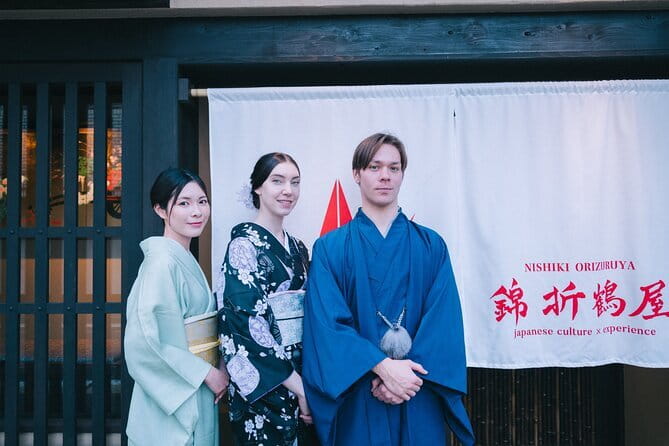
The fitting is a major part of the experience, and for many people it becomes the most enjoyable section. You select your own kimono from a large collection of colors and patterns, with staff helping you find a style that suits you.
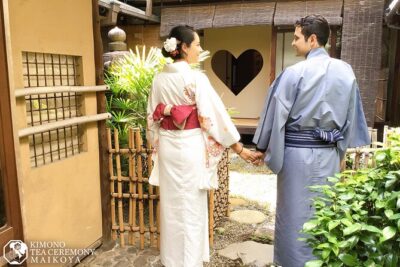
The outfit is not just a robe thrown over your clothes. Staff add the sash, or obi, the decorative cord, or obijime, sandals, and other pieces. The dressing process takes time because several layers and adjustments are involved. This gives you a useful glimpse into why putting on a formal kimono is a skilled task rather than a quick costume change.
The selection is broad enough to help people of different sizes find a comfortable choice. A plus-size participant had several suitable options, which is encouraging if you are concerned about fit. You can also expect a light, moisture-wicking underlayer beneath the kimono.
For women, simple hairstyling is included. You can select hairpins, flowers, and other ornaments to match your kimono. The hair service is not presented as a full salon makeover, and makeup is not included, but the styling makes the finished outfit feel much more complete.
Staff have also worked successfully with a range of hair types and textures. One Black participant specifically praised the care taken with her hair. That detail matters because a traditional hairstyle should not require you to compromise your own hair or feel like an afterthought.
The staff are described as warm, patient, and efficient. Several people found the dressing itself as memorable as the tea ceremony. If you enjoy clothing, color, and photography, plan to give this section your full attention.
The small photo session and time in the kimono
Once you are dressed, staff take a few photographs. This is a simple photo opportunity, not a long professional portrait session, but it gives you a record of the finished look before the tea ceremony begins.
You may also be able to walk around the nearby streets in the kimono after the activity, as long as you return by the stated closing time, reported as 6 p.m. This is a real value boost for anyone who wants photographs near Nishiki Market and the surrounding shopping lanes.
Keep in mind that the kimono is formal clothing. Walking comfortably in sandals and moving at a relaxed pace will be easier than trying to cover a large part of Kyoto. Treat the extra time as a chance to explore the immediate neighborhood, not as a full-day sightseeing outfit.
The location at 452 Jūmonjichō, Nakagyo Ward, places you near Nishiki Market. That makes it easy to pair the activity with food stalls, shops, or other central Kyoto sights. Since hotel pickup is not provided, plan your route before arriving.
Entering the tea room and learning the cleansing ritual
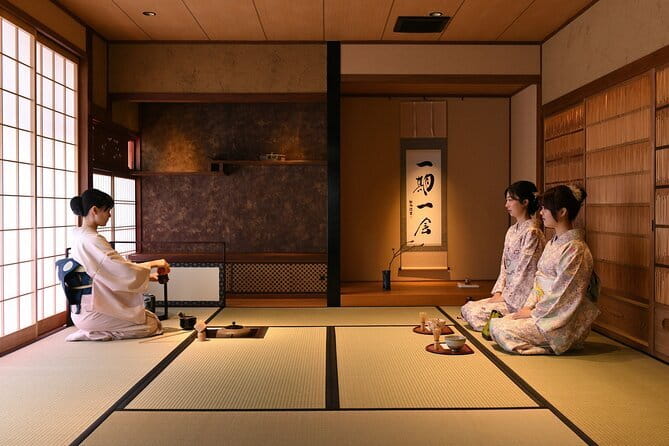
The tea ceremony begins with an explanation of the room and the preparation that comes before the tea. One of the most useful lessons is the cleansing process, which reflects the care and order built into the ceremony.
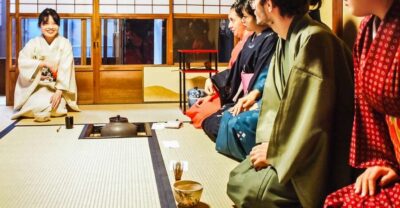
You are shown how guests prepare themselves before entering and how the host welcomes them. These actions can seem mysterious if you only watch a tea ceremony from a distance. Here, the instructor explains the intention behind the motions, helping you see that the ceremony is not simply about making a drink.
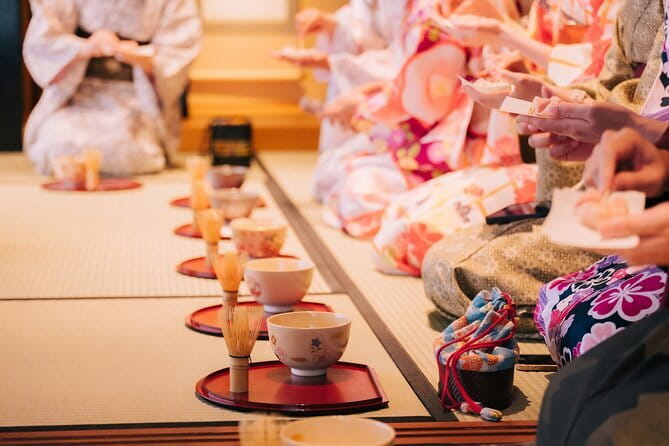
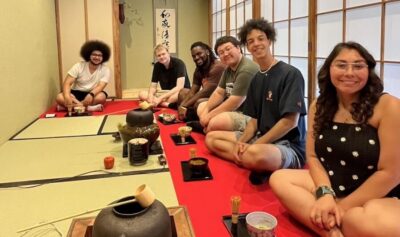
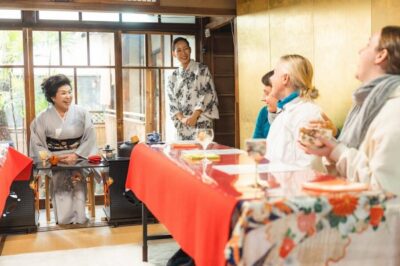
The room is meant to feel calm. You sit with the other members of your small group and watch the instructor prepare the tea in the formal style. Expect graceful movements, pauses, and careful handling of each utensil.
The depth of the explanation may vary by instructor and by the questions asked. One disappointing experience involved a host who could not answer much beyond the basic presentation. That is worth keeping in mind if you want detailed discussion of tea schools, philosophy, architecture, or historical development.
For a first introduction, the format is still useful. You get to see the order of the ritual and understand why preparation takes time. If you already have a strong interest in Japanese tea ceremony, you may find the explanation too light.
More Tea Ceremonies in Kyoto
- Kyoto: Tea Ceremony in a Traditional Tea House in Kiyomizu
★ 4.9 · 3,519 reviews - Kyoto: Tea Ceremony Ju-An at Jotokuji Temple
★ 4.9 · 3,207 reviews - Kyoto: 45-Minute Tea Ceremony Lesson Experience
★ 4.3 · 2,378 reviews - Kyoto: Table-Style Tea Ceremony at a Kyo-Machiya
★ 4.9 · 1,211 reviews
Making matcha with a bamboo whisk
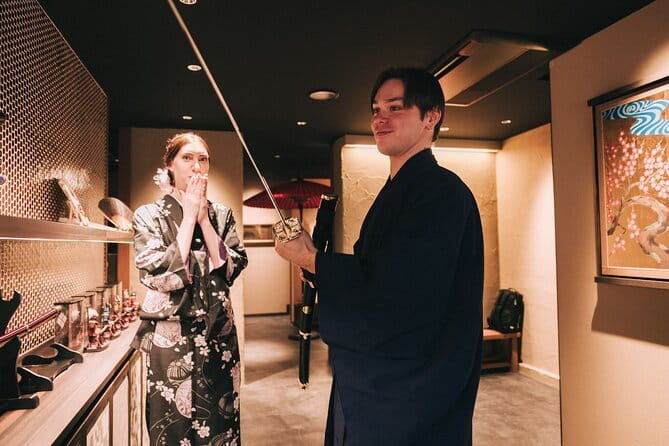
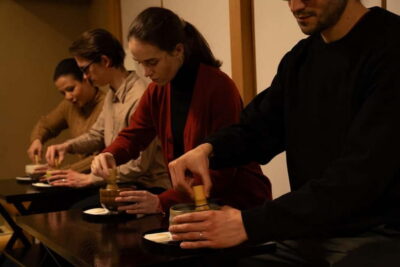
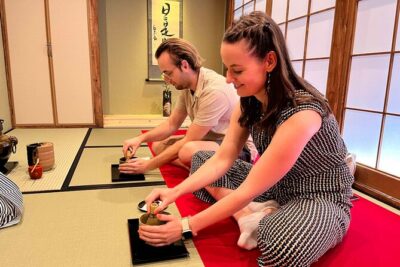
After watching the formal preparation, you make your own bowl of matcha. The instructor provides the utensils and demonstrates how to whisk the tea with the chasen.
This is the most hands-on part of the activity. You can feel how the powder, water, and whisk work together, and you get to drink the result. The tea is paired with wagashi, a traditional Japanese sweet, which balances the bitterness of matcha.
The wagashi is described as coming from a confectionery with a century of history. That small detail adds context to the snack. It is not merely a generic sweet placed beside the tea, but part of the traditional pairing that makes matcha easier to appreciate.
Do not expect to become a tea master in one sitting. The lesson gives you a practical skill and a basic understanding of the process, but it does not cover every technical detail of matcha preparation.
The experience is particularly suitable for families and mixed-age groups because the activity is short and focused. A family found the 90-minute length ideal for fitting into a busy Kyoto schedule. The hands-on whisking also gives children and first-time participants something to do rather than asking them to watch the entire ceremony.
Optional calligraphy for a souvenir with meaning
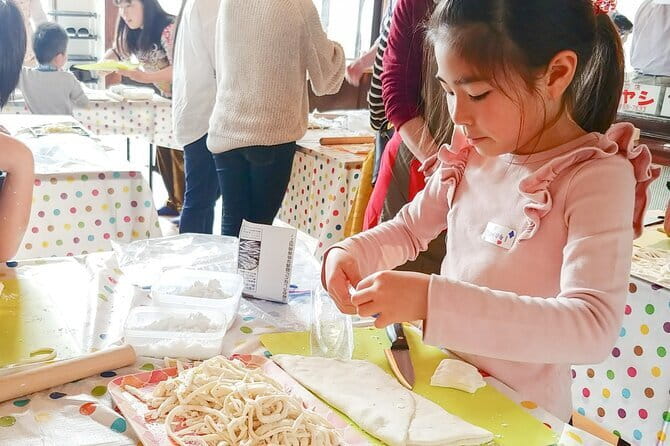
Calligraphy is available as an optional addition. If you choose it, you receive instruction in the basic strokes and create a piece to take home.
This is a good choice if you want more than photographs from the day. A private calligraphy lesson can give the activity a quieter, more personal finish, and the finished work makes a lightweight souvenir.
One participant chose the kanji for beautiful, which suited the day and created a keepsake with a clear personal meaning. You will need to confirm the additional cost and availability when booking because calligraphy is not clearly listed among the standard inclusions.
If you are deciding between simply taking photographs and adding calligraphy, I would choose the add-on if you enjoy hands-on arts. If your schedule is tight, the kimono and tea ceremony already form the main experience.
Comfort, seating, and practical limits
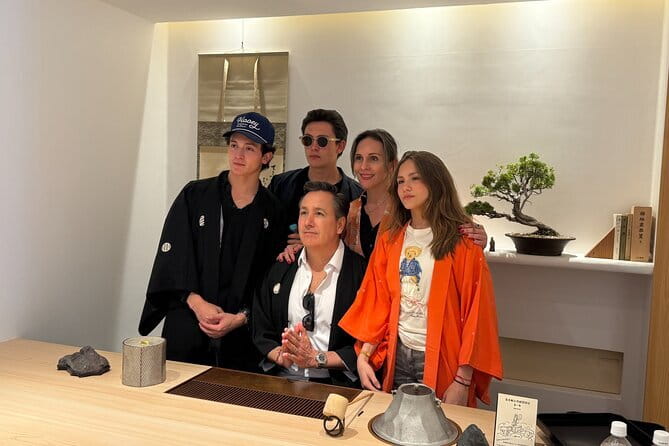
The ceremony traditionally involves sitting on the floor, which can be uncomfortable for anyone with bad knees or limited mobility. The staff have accommodated an older participant with a small table and chair, so ask for assistance if you need a different seating arrangement.
The available information does not promise every accessibility feature, so you should contact the provider before booking if you have specific mobility needs. The experience is near public transportation, but you must arrange your own journey to and from the meeting point.
The full activity lasts about one hour and 30 minutes. Allow extra time before the start for arrival and check-in, especially because changing and hairstyling are part of the schedule.
You must open the website page from the voucher on your smartphone and press the Use button for staff. Screenshots and printed tickets are not accepted. Your phone needs an internet connection, so check your data access before leaving your hotel.
Date or time changes are not flexible after booking. To change them, you must cancel the original reservation and book again. Free cancellation is available up to 24 hours before the start time, while cancellations or changes inside that window are not refunded or accepted.
Is the $50.87 price good value?
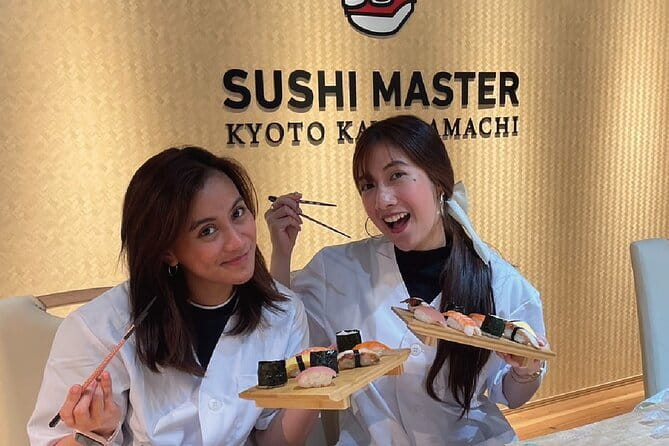
At about $50.87 per person, the price is reasonable if you value the full package. You receive the kimono rental, dressing assistance, simple hairstyling for women, tea utensils, matcha, wagashi, instruction, and the tea ceremony itself. Taxes and guide fees are included.
The value improves if you use the kimono time after the ceremony for photographs and a short walk near Nishiki Market. You are paying not only for a cup of tea, but also for the clothing experience and the staff time required to dress you properly.
The price is less attractive if you want a serious tea education. The formal ceremony is relatively short, and your participation centers on whisking your own matcha. Someone seeking a long, deeply explained ritual may prefer a specialized tea school or a private cultural lesson.
The optional calligraphy session may cost extra, so factor that into your budget. Transportation and hotel transfers are also your responsibility. Still, for a central Kyoto activity that combines clothing, grooming, sweets, tea, and a possible souvenir, the standard price offers a lot in a compact schedule.
The 97 percent recommendation rate and 4.9 rating from 116 ratings suggest a consistently strong experience, though the lower scores point to a clear dividing line. People who want dressing, photos, and a gentle cultural activity tend to find the price worthwhile. People expecting to take part in every formal stage of the tea ceremony may feel shortchanged.
Who should book this experience?
I would recommend it to first-time visitors who want an easy introduction to Japanese customs. It suits couples, families, solo visitors, and small groups who enjoy dressing up, taking photographs, and trying a hands-on activity.
It is also a good fit if you have a busy Kyoto itinerary. Ninety minutes is long enough to feel special but short enough to place between sightseeing stops. The Nishiki Market location makes the surrounding neighborhood convenient for the rest of your day.
This experience is especially appealing for anyone who has always wanted to wear a kimono but does not know how the layers and accessories work. The staff handle the difficult parts while still letting you choose the look.
I would be more cautious if your priority is advanced cultural study. You will learn the basic purpose and sequence of the tea ceremony, but the event has a polished, visitor-friendly format. It is cultural entertainment with real traditional elements, not a substitute for a long apprenticeship.
Should you book the Kyoto Orizuruya tea ceremony?
Book it if you want a friendly, photogenic introduction to Kyoto culture, with real participation through matcha preparation and optional calligraphy. The kimono selection, careful dressing, hairstyling, and chance to walk near Nishiki Market afterward give the experience more substance than a simple tea demonstration.
Skip it if you expect to perform the complete tea ceremony yourself or receive a detailed lesson in its spiritual and historical background. For most visitors, though, the mix of tradition and accessibility is the point. You get a taste of formal tea culture, a new skill, a traditional sweet, and a memorable outfit without needing to know the rules before you arrive.
FAQ
How long does the Kimono Tea Ceremony Experience last?
The activity lasts approximately one hour and 30 minutes.
Where does the experience begin and end?
It begins at Nishiki Orizuruya, 452 Jūmonjichō, Nakagyo Ward, Kyoto, 604-8121, Japan. It ends back at the same meeting point.
What is included in the standard price?
The standard inclusions are kimono costume, simple hairstyling for women, matcha, wagashi snacks, utensils, guide service, and all fees and taxes.
Can I make my own matcha?
Yes. The instructor demonstrates the preparation, and you use a traditional bamboo whisk to make your own bowl of matcha.
Is calligraphy included?
Calligraphy is an optional session rather than a clearly stated standard inclusion. Confirm the availability and additional price when booking.
What happens if I need to cancel?
You can cancel for a full refund up to 24 hours before the experience start time. Cancellations or changes made less than 24 hours beforehand are not refunded or accepted.
Just added around Kyoto
- Kyoto: Private Customizable Day Trip by Car★ 5.0 · 38 reviews
- Kyoto: Gion Night Walking Tour with Geisha Insight★ 5.0 · 39 reviews
- Kyoto: Full Day Bike Tour★ 4.9 · 39 reviews
- Private Japanese Calligraphy in Kyoto – Learn Shodō with a Master★ 5.0 · 39 reviews
- Kyoto: Gion Evening Walk with Hidden Gems, Geisha & Sake★ 5.0 · 41 reviews
- Experience a tea ceremony in an authentic tearoom, in Kyoto!★ 4.5 · 41 reviews
- Kyoto Private Photo Shoot & Tour by SnapKyoto★ 5.0 · 41 reviews
- The Way of Tea: Kyoto Crafts, Hidden Temples & Wabi-Sabi Walk★ 5.0 · 41 reviews
Tea Ceremony Experiences, compared.
Tea Ceremony in a Traditional Tea House in Kiyomizu
Read our review →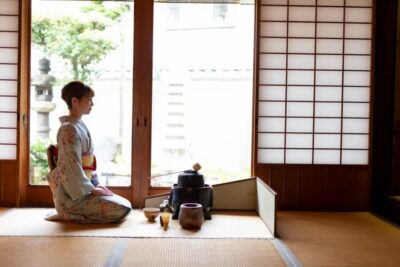
Browse the lists this tour appears in