
Reviewed · GEISHA & GION DISTRICT TOURS
Kiyomizu Temple and Backstreets of Gion, Half Day Group Tour
Kyoto reveals itself on foot. This four-hour walk links Kiyomizu-dera, old slopes, small shrines, Kennin-ji, and Gion in a compact route that gives you both famous sights and quieter cultural stops. A local guide adds the context that can be hard to find when you are simply following signs from one temple to the next.
I like the route’s strong sense of place, from the uphill streets of Sannenzaka and Ninenzaka to the wooden facades of Hanamikoji. I also like the small group size, capped at eight people, which makes it easier to hear the guide and adjust the pace. The main drawback is simple: you will walk uphill and downhill for much of the morning or afternoon, often in crowded areas, so comfortable shoes are essential.
The tour costs $59.45 per person and includes admission to Kiyomizu-dera and Kennin-ji. That is a fair price if you want a well-organized introduction to Kyoto’s eastern temple district, especially when your time is short. If you prefer lingering alone at each site, the fixed four-hour route may feel brisk.
In This Review
- Key points to know before you book
- Why this Kyoto walking route works
- Starting at the Kyoto Ceramic Center
- Kiyomizu-dera and the uphill reward
- Sannenzaka, Ninenzaka, and the old Higashiyama streets
- Garden calm and the Yasaka Pagoda view
- Yasaka Koshindo and its colorful charms
- Yasui-Konpiragu and the tradition of cutting ties
- Kennin-ji, Kyoto’s oldest Zen temple
- Hanamikoji and the backstreets of Gion
- Guide quality and the value of a small group
- Is $59.45 good value?
- Who should book this Kyoto walk?
- Should you book it?
- FAQ
- How long does the tour last?
- Where does the tour begin?
- Where does the tour end?
- What sights are included?
- Are admission tickets included?
- How many people can join the tour?
- What happens if it rains?
Key points to know before you book
- A compact route through eastern Kyoto: You visit Kiyomizu-dera, Sannenzaka, Ninenzaka, Yasaka Koshindo, Yasui-Konpiragu, Kennin-ji, and Gion in one half-day.
- Small groups capped at eight: The size suits a personal walking tour without the distance or cost of a large coach excursion.
- Two major temple admissions included: Entry to Kiyomizu-dera and Kennin-ji is covered in the price.
- A steady uphill start: The route reaches Kiyomizu-dera first, then generally works downhill toward Gion.
- Strong guide-led cultural context: Guides such as Mitsuhiko, Mika, Takuma, Kiyoto, and Toshi have been praised for clear explanations, warm personalities, flexibility, and local direction.
- Rain or shine: The walk operates in all weather, and the end time can run late, so leave room after the tour.
Why this Kyoto walking route works
Eastern Kyoto is easy to visit badly. You can arrive at Kiyomizu-dera, join the crowd, take a few photos, and leave without understanding how the temple fits into Japanese religious life. You can also walk through Gion and see attractive wooden buildings without knowing why the district has such a careful atmosphere.
This tour gives you a useful framework. It connects Buddhist temples, Shinto shrines, traditional streets, gardens, and the geisha district in one continuous walk. Instead of treating each stop as a separate attraction, the guide can explain how religious practice, local customs, architecture, and daily life meet in this part of Kyoto.
The route begins at the Kyoto Ceramic Center, where you meet in front of the official shop and gallery. The meeting point is in Higashiyama Ward, at 583-1 Yugyomaecho. From there, you head toward Kiyomizu-dera.
The tour is listed as customizable, so you can discuss your interests with the guide. That flexibility matters if you care more about temple design, Zen Buddhism, Japanese snacks, photography, or the customs of Gion. One guide, Kiyoto, was especially praised for tailoring the walk to personal interests and offering advice about Japan beyond the scheduled stops.
More Temple & Shrine Tours in Kyoto
- Kyoto: Fushimi Inari, Kinkakuji, Bamboo Grove 1 Day Bus Tour
★ 4.8 · 4,316 reviews - Kyoto: Tea Ceremony in a Traditional Tea House in Kiyomizu
★ 4.9 · 3,519 reviews - Kyoto: Tea Ceremony Ju-An at Jotokuji Temple
★ 4.9 · 3,207 reviews
Starting at the Kyoto Ceramic Center
The Kyoto Ceramic Center is a sensible meeting point for this route. It places you close to the Higashiyama temple district and gives the group a clear, specific place to gather rather than a vague corner near a station.
The stop itself lasts about 10 minutes and has no admission charge. Think of it as a meeting and orientation point, not a full museum visit. Your guide can set the pace, explain the route, and help you understand that the first major section involves an uphill walk.
Because the tour takes place on foot, arrive ready to walk. The streets around Kiyomizu-dera can be crowded, and the route includes slopes and historic lanes rather than broad, level paths. If your feet are already tired from a morning of sightseeing, this is the point to reconsider your footwear, not halfway up the hill.
Kiyomizu-dera and the uphill reward
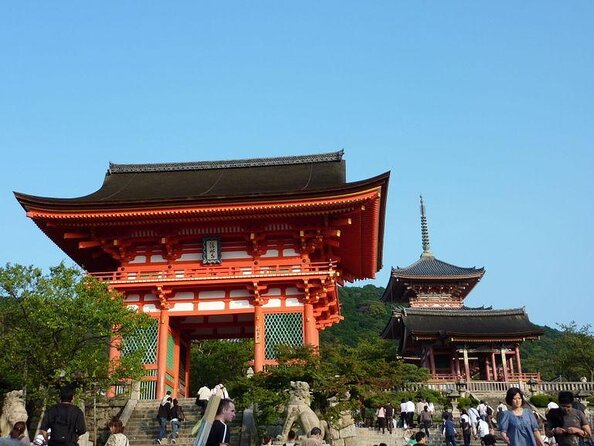
Kiyomizu-dera receives about an hour, with admission included. This is the centerpiece of the experience, and rightly so. The temple is both a major religious site and a UNESCO World Heritage Site, with broad views over Kyoto from its elevated position.
A guide is particularly useful here. Kiyomizu-dera is filled with visual details and religious references that are easy to miss. You can learn about its cultural role, its history, and the meaning behind what you see instead of treating the temple as just another scenic stop.
The approach is part of the experience. You walk uphill through the Higashiyama area, so reaching the temple feels different from stepping off a bus at a gate. The climb also means the tour is not ideal for anyone seeking a low-effort sightseeing outing.
Crowds are another factor. The area can become heavily congested, especially around the best-known temple approaches. The guides have been praised for handling crowded sections calmly and helping the group keep moving without losing the main sights. That local direction has real value when the street feels more like a human river than a quiet approach to a temple.
Allow yourself time to look up and around. The views, temple buildings, and slope-side streets create a strong first impression of Kyoto. The guide’s explanations help turn that impression into something more lasting.
Sannenzaka, Ninenzaka, and the old Higashiyama streets
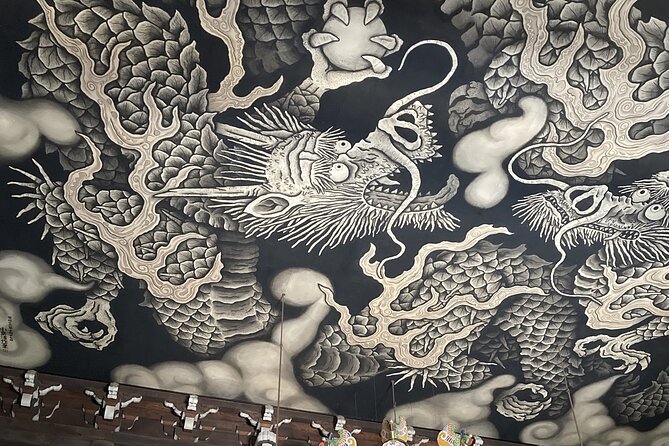
After Kiyomizu-dera, the route spends about 30 minutes on Sannenzaka and Ninenzaka. These historic streets lead toward the temple and are lined with shops, old-style buildings, food stands, and places selling local goods.
Sannenzaka is the longer, steeper slope. Ninenzaka is somewhat gentler, though neither should be mistaken for a flat stroll. The surfaces and crowds can make the walk slower than the distance suggests.
This is one of the most enjoyable parts of the route because it gives you a taste of Kyoto outside temple gates. You see the traditional wooden style of the Higashiyama district while moving through a living shopping area. Some tours rush through these lanes in search of the next ticketed sight. Here, the streets receive enough attention to make them part of the story.
You may also have chances to sample Japanese snacks. One particularly positive account described the walk as a cultural outing that included tasting different snacks. Since food sampling is not listed as a guaranteed feature, treat this as something that may depend on timing and guide preference rather than a promise.
The drawback is that these lanes can feel busy and commercial. You will find attractive traditional buildings, but also crowds and shops aimed at sightseeing trade. The guide helps you read the area, but this is not a quiet village walk.
More geisha district walks in Kyoto:
- Kyoto Geisha Walking Tour: Gion District & Hidden Gems
★ 4.7 · 3,273 reviews - Kyoto: Gion Magical Night Walking Tour with Geisha Trivia
★ 4.9 · 2,393 reviews - Kyoto: Gion Geisha District Walking Tour – Stories of Geisha
★ 4.7 · 2,187 reviews - Best of Kyoto: Gion, Geisha, Pagodas & Cobblestones
★ 4.9 · 2,058 reviews
Garden calm and the Yasaka Pagoda view
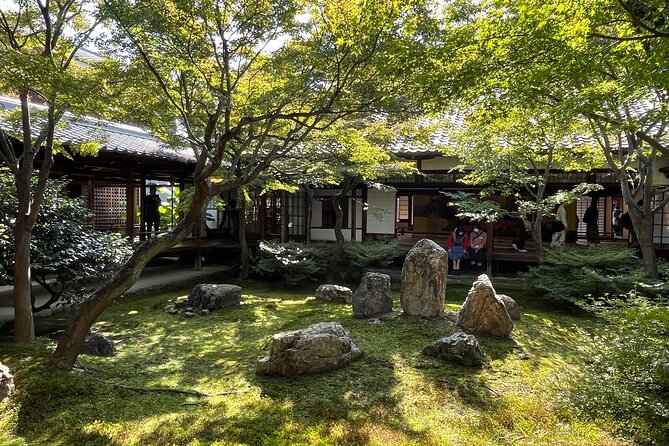
The route also includes a Japanese garden near Kiyomizu-dera, with ponds, traditional wooden bridges, and carefully arranged plants. The supplied schedule does not give this stop a formal name or a separate time allowance, so it appears to be a shorter passage or visit between the better-defined stops.
That uncertainty is worth noting. You should enjoy the garden as a peaceful pause, but do not book this experience expecting a long garden visit. Its value is in the change of mood after the busy temple streets.
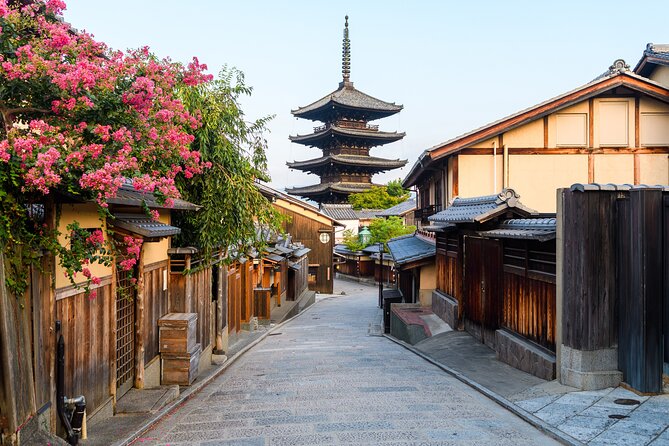
The walk also brings you near Yasaka Pagoda, a five-story landmark and one of the most recognizable sights in this part of Kyoto. It is associated with the surrounding Higashiyama district and makes a memorable architectural reference point as you move through the old streets.
These brief stops show why a walking guide can be useful. You get more than a straight line between admission gates. The route includes small visual moments that help you understand how the district is arranged.
Yasaka Koshindo and its colorful charms
Yasaka Koshindo is a small traditional temple dedicated to Koshin, a guardian deity associated with protection from illness and misfortune. The temple is known for its colorful kukurizaru charms, which give the site a distinctive appearance.
The visit lasts about 10 minutes and has no admission charge. It is a short stop, but that is part of its appeal. After the scale and crowds of Kiyomizu-dera, a small religious site lets you see a more personal side of Kyoto’s worship.
Your guide can explain the beliefs connected with the temple and the meaning of the charms. Without that context, you might simply see a bright collection of fabric figures and move on. With an explanation, the stop becomes a useful look at the customs that continue alongside Kyoto’s major tourist sights.
Do not expect a large complex or a lengthy visit. This is a compact cultural pause, not a headline attraction. Its value depends on your interest in local religious practice and small details.
Yasui-Konpiragu and the tradition of cutting ties
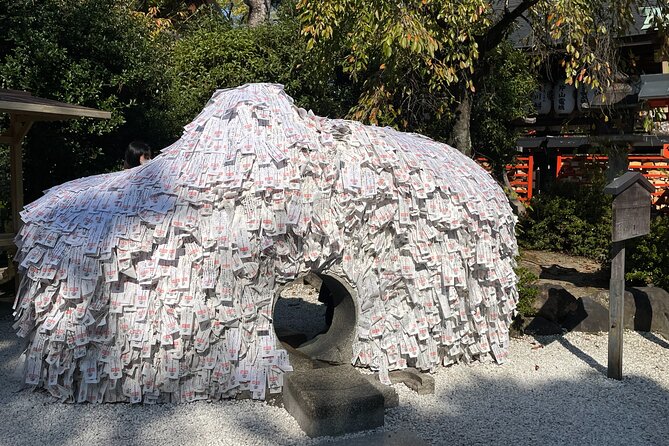
Yasui-Konpiragu is a Shinto shrine with a very specific purpose. It is known as a place to cut negative relationships and form positive ones. The shrine’s unusual ritual attracts people who are eager to take part, sometimes creating long lines.
The scheduled visit is about 10 minutes, with no admission charge. That time is enough to learn what the shrine represents and see the ritual area, but it may not allow for a long wait if the line is heavy.
This stop adds variety to the tour. Kiyomizu-dera introduces a major Buddhist temple, while Yasui-Konpiragu shows a different side of Japanese religious life. The contrast is one of the route’s strengths. You are not simply collecting temples. You are seeing different ways people use sacred places for guidance, protection, renewal, and personal hopes.
If you want to perform the shrine ritual yourself, ask the guide how much time is available. The tour has several later stops, and the schedule may not allow for an extended queue.
Kennin-ji, Kyoto’s oldest Zen temple
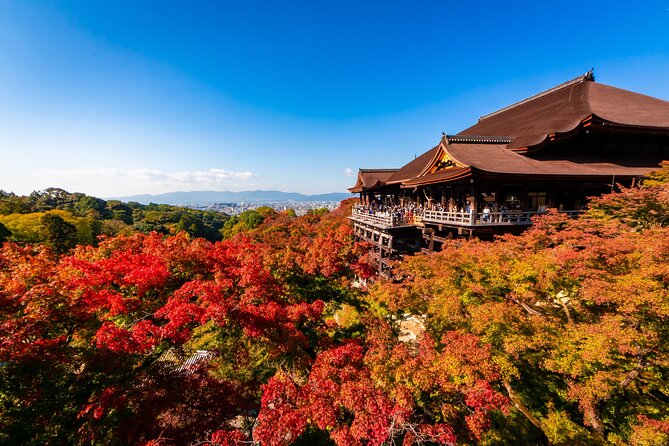
Kennin-ji receives about 50 minutes, and admission is included. Founded in 1202, it is described as Kyoto’s oldest Zen temple. Despite its central location, the grounds offer a calmer setting than the surrounding streets.
This is the second major temple visit and an important counterpoint to Kiyomizu-dera. Kiyomizu-dera is famous for its hillside setting and city views. Kennin-ji gives you more time to consider Zen temple design, open space, and quiet.
The Dharma Hall is one of the major features to look for. The guide can also explain Zen Buddhism in plain terms, which is helpful if religious vocabulary is unfamiliar. Several guides have been praised for explaining Buddhist and Shinto beliefs in an accessible way, rather than assuming you already know the difference.
Fifty minutes is a useful amount of time here. It allows room for explanation and observation without turning the tour into a full temple study. If you want to sit quietly for a long period or examine every detail at your own pace, you may find the group schedule limiting.
Still, Kennin-ji is a strong inclusion. It gives the half-day a quieter final temple stop before the walk reaches Gion.
Hanamikoji and the backstreets of Gion
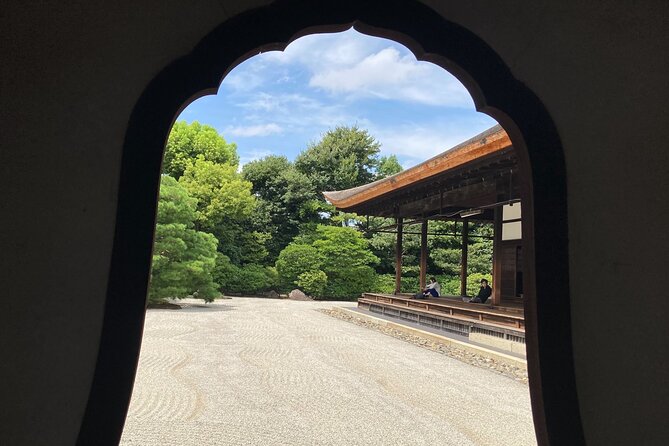
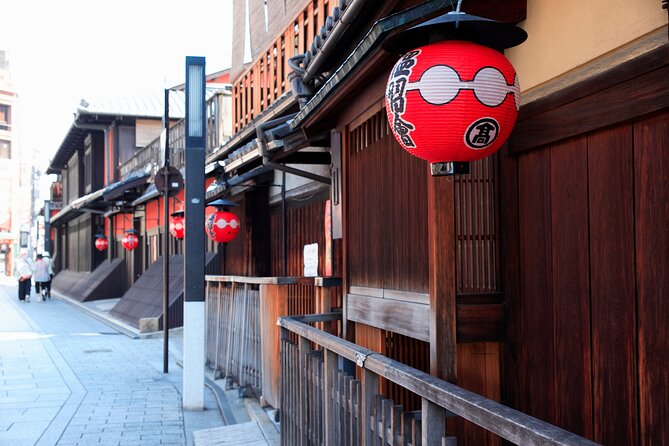
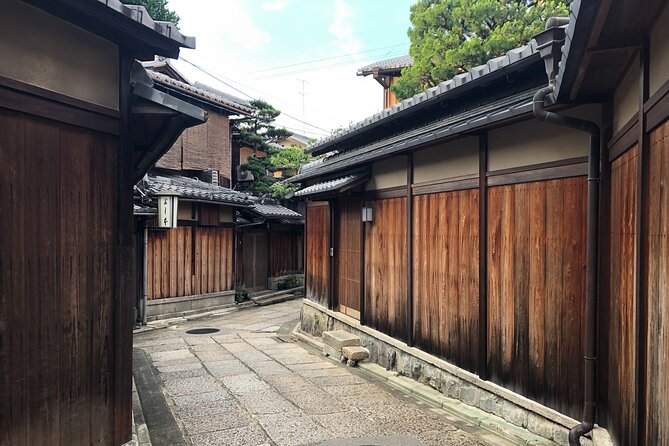
The final section leads through Gion, described as Japan’s largest geisha district, including Hanamikoji. The street is lined with traditional wooden machiya houses, teahouses, shops, and restaurants.
This is where a guide’s local judgment matters most. Gion is not simply a themed historic area. It is also a working district, and visitors need to move respectfully, avoid blocking entrances, and follow local instructions about photography and private spaces.
The tour ends at 571 Gionmachi Minamigawa in Higashiyama Ward. That location puts you in a useful part of Gion for continuing your own plans, though you should not assume the guide will escort you to a restaurant or evening performance.
The end point also gives the route a pleasing shape. You begin near the ceramic center, climb toward Kiyomizu-dera, pass through old Higashiyama streets, visit smaller religious sites, pause at Kennin-ji, and finish among Gion’s wooden lanes.
Guide quality and the value of a small group
The strongest praise for this experience focuses on the guides. Mitsuhiko has been described as organized, informative, and well paced. Mika has been praised for calmly leading groups through crowded sights and explaining temples, shrines, Buddhism, Shinto, and Kyoto culture.
Takuma is noted for a warm, engaging approach, while Kiyoto has been praised for kindness, enthusiasm, personal recommendations, and adapting the tour to individual interests. Another guide, possibly named Toshi, was valued for flexibility and skill in navigating the busiest areas.
You may not receive a particular guide, so treat these names as examples of the guiding style you can hope for, not a guarantee. The consistent pattern is more important: clear explanations, friendly direction, and attention to pace.
A maximum of eight people keeps the group manageable. You can hear the guide more easily than in a large crowd, and the leader has a better chance of adjusting for children or different walking speeds. One family found the guide accommodating to the children’s pace and interests.
There is still a group schedule. If one person wants extended shopping time or a long photo session, the rest of the group may need to continue. The tour is best for people who want structure with some flexibility, not complete independence.
Is $59.45 good value?
At $59.45 per person, the tour offers solid value if you want several important Kyoto sights covered in four hours. The price includes admission to Kiyomizu-dera and Kennin-ji, plus a guide through areas where crowds, slopes, and confusing side streets can cost you time.
The real value is not simply the entrance tickets. It is the route planning and explanation. If you are visiting Kyoto for a short stay, this tour can give you a useful first look at Higashiyama and Gion without spending half a day figuring out where to go next.
It is also a practical choice for a solo visitor on a day trip from Tokyo. One solo participant used the walk to cover the main sights in a single day and found the afternoon productive and enjoyable.
The value drops if you already know these districts well or want to spend most of your time shopping. You will also want to account for the physical effort. Wear walking shoes, bring weather protection, and avoid scheduling an appointment immediately after the tour. The end can be delayed, and the walk operates rain or shine.
Who should book this Kyoto walk?
I would recommend it to first-time visitors who want an introduction to Kyoto’s temples and traditional districts without a full-day commitment. It also suits solo visitors, couples, families with older children, and anyone who wants cultural explanations instead of a self-guided route.
It is a good fit if you care about the differences between Buddhist temples and Shinto shrines, want help handling busy streets, or prefer a small group to a large sightseeing crowd.
I would hesitate if you have difficulty with slopes, need a precisely timed finish, or prefer to explore at your own speed. The route is active, the historic streets can be crowded, and several short stops leave limited time for lingering.
Should you book it?
Book this tour if you want to see Kiyomizu-dera, the Higashiyama streets, Kennin-ji, and Gion in one well-planned half-day. Its best qualities are the compact route, the included temple admissions, the small group, and guides who can explain Kyoto’s religious and cultural life without making the walk feel like a lecture.
Skip it if your priority is solitude or a slow visit to one temple. For most first-time visitors with four hours to spare, though, the $59.45 price is reasonable, and the route gives you a strong starting point for exploring more of Kyoto on your own.
FAQ
How long does the tour last?
The tour lasts approximately four hours.
Where does the tour begin?
It begins in front of the Kyoto Ceramic Center, at 583-1 Yugyomaecho, Higashiyama Ward, Kyoto.
Where does the tour end?
It ends at 571 Gionmachi Minamigawa in Higashiyama Ward, Kyoto.
What sights are included?
The route includes Kiyomizu-dera, Sannenzaka, Ninenzaka, a Japanese garden near Kiyomizu-dera, Yasaka Pagoda, Yasaka Koshindo, Yasui-Konpiragu, Kennin-ji, and Gion’s Hanamikoji street.
Are admission tickets included?
Admission to Kiyomizu-dera and Kennin-ji is included. The other listed stops have no admission charge.
How many people can join the tour?
The activity has a maximum of eight participants.
What happens if it rains?
The tour operates rain or shine. Comfortable walking shoes are recommended, and you should allow extra time afterward because the tour may finish later than planned.
Just added around Kyoto
- Kyoto: Gion Night Walking Tour with Geisha Insight★ 5.0 · 39 reviews
- Kyoto: Private Customizable Day Trip by Car★ 5.0 · 38 reviews
- Kyoto: Full Day Bike Tour★ 4.9 · 39 reviews
- Private Japanese Calligraphy in Kyoto – Learn Shodō with a Master★ 5.0 · 39 reviews
- Kyoto: Gion Evening Walk with Hidden Gems, Geisha & Sake★ 5.0 · 41 reviews
- Experience a tea ceremony in an authentic tearoom, in Kyoto!★ 4.5 · 41 reviews
- Kyoto Private Photo Shoot & Tour by SnapKyoto★ 5.0 · 41 reviews
- The Way of Tea: Kyoto Crafts, Hidden Temples & Wabi-Sabi Walk★ 5.0 · 41 reviews
Geisha & Gion District Tours, compared.
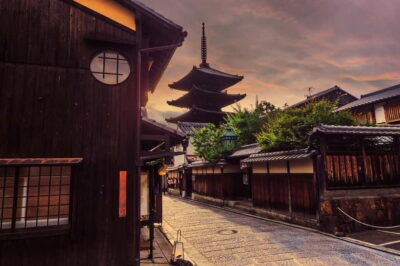
Kyoto Geisha Walking Tour: Gion District & Hidden Gems
Read our review →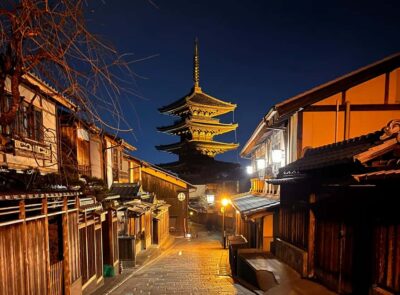
Gion Magical Night Walking Tour with Geisha Trivia
Read our review →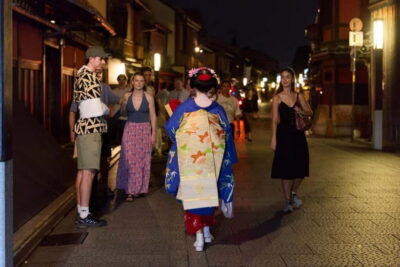
Gion Geisha District Walking Tour – Stories of Geisha
Read our review →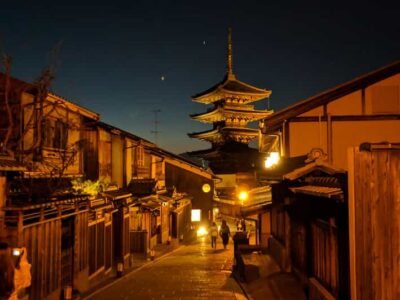
Best of Kyoto: Gion, Geisha, Pagodas & Cobblestones
Read our review →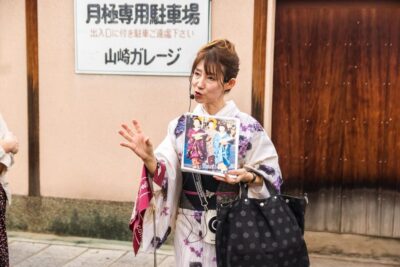
Kyoto Night Foodie Tour in Gion (9+ dishes + 6 Sake tastings)
Read our review →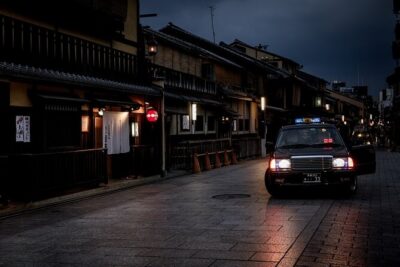
Kyoto Gion Geisha District Walking Tour – The Stories of Geisha
Read our review →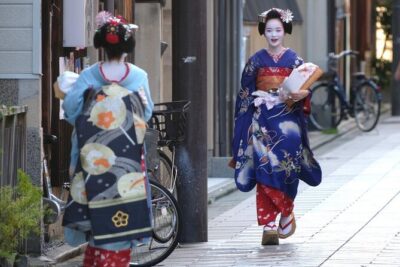
Kyoto Gion: 2-Hour Geisha Culture & History Walking Tour
Read our review →Browse the lists this tour appears in