
Reviewed · GEISHA & GION DISTRICT TOURS
Kyomai Dance by Maiko Geiko and Visits of Gion Art Museum Kyoto
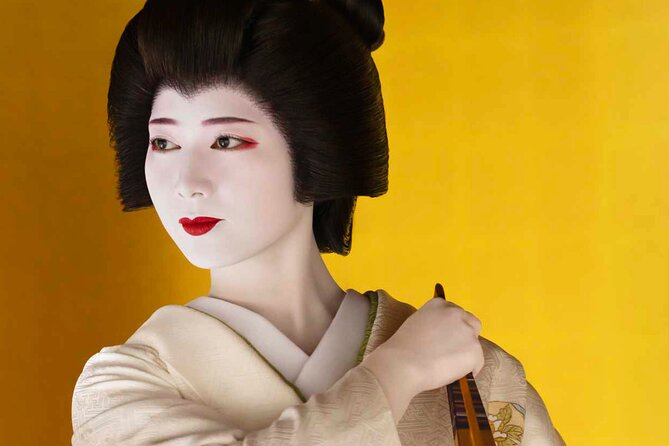
Kyoto’s geiko world appears for fifteen minutes. I like the chance to see a live Kyomai dance and the well-presented museum of kimonos, hair ornaments, and maiko belongings. The setting in Gion adds atmosphere without requiring a costly dinner or elaborate evening booking.
The main drawback is the short performance. Two songs take about 15 minutes, and the entire visit lasts roughly 20 minutes, so anyone expecting a full stage show may find it too brief. Still, for about $20, this is a good-value introduction to Kyoto’s geiko and maiko traditions.
In This Review
- Key Points Before You Book
- Entering Gion’s Kagai Culture
- The Museum Comes First
- A Fifteen-Minute Kyomai Performance
- Why the Setting Makes a Difference
- A Better Value Than a Larger Geisha Show
- When to Arrive and How to Use the Twenty Minutes
- What You Can and Cannot Photograph
- Who Will Enjoy This Most
- Booking, Cancellation, and Access Details
- My Take: Book It for Context, Not Spectacle
- FAQ
- Where does the experience begin and end?
- How long does the experience last?
- Who performs the dance?
- What does the admission include?
- What can I see in the museum?
- Is photography allowed during the dance?
- Do I need to remove my shoes?
- How many people can join the activity?
- Is the activity suitable for children?
- Can I cancel for a refund?
Key Points Before You Book
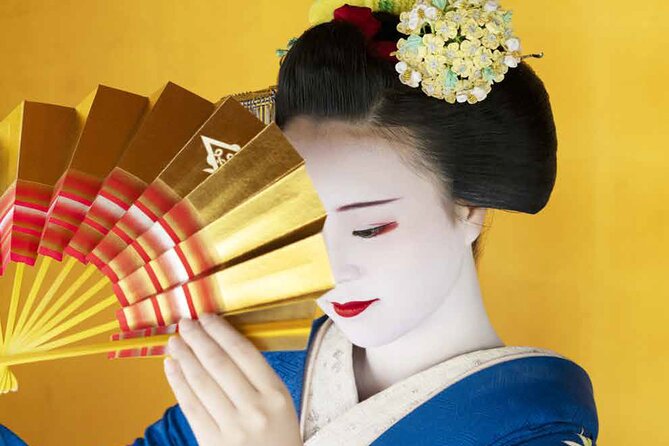
- Two traditional Kyomai songs: A geiko or maiko performs in the Inoue style of Kyoto dance.
- Gion Kagai Art Museum included: Admission covers exhibits on geiko and maiko culture.
- A small-scale cultural encounter: The activity has a maximum of 25 people, giving the performance an intimate feel.
- Allow time for the exhibits: Arrive early to see Yuzen kimono, Nishijin obi, kanzashi, cosmetics, and formal black kimono.
- Shoes come off indoors: Prepare to remove your shoes before entering the building.
- Photos of the dance are not allowed: A separate photo session costs 2,000 yen per group of up to five people.
Entering Gion’s Kagai Culture
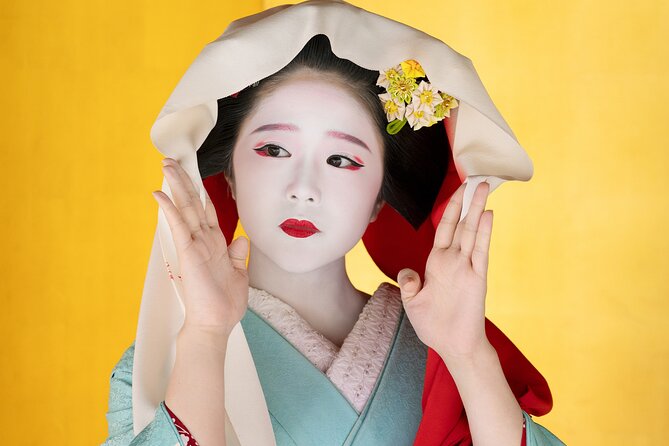
The Gion Kobu quarter carries more than three centuries of geiko and maiko tradition. The word kagai refers to Kyoto’s entertainment districts, where artists train in dance, music, etiquette, and performance for private banquets.
You do not enter a private banquet here, but the museum gives you a public window into that world. That matters because geiko culture is not usually something you can simply watch while walking through Gion. The women you may see on the street are often moving quickly to appointments, and casual street encounters reveal little about their training.
This experience offers a more respectful setting. You sit quietly, watch a formal performance, and then examine objects connected to the art form. It is brief, but it gives you context that a passing glimpse in Gion cannot provide.
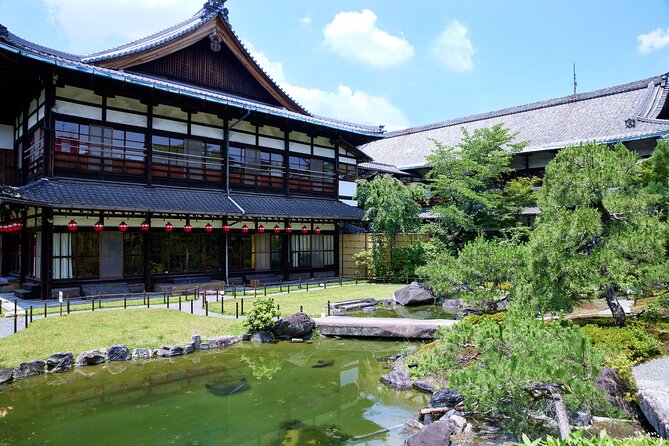
The meeting point is the Gion Kagai Art Museum, also identified as the Yasaka Club, at 570-2 Gionmachi Minamigawa in Kyoto’s Higashiyama Ward. It is near public transportation, though the supplied details do not specify which station or bus stop is closest. The activity begins and ends at the same place, making it easy to fit into a day of sightseeing in eastern Kyoto.
More Museum Visits in Kyoto
- Kyoto: Tea Museum Tickets and Matcha Grinding Experience
★ 4.9 · 739 reviews - Skip the lines Basic Ticket at SAMURAI NINJA MUSEUM KYOTO
★ 4.5 · 632 reviews - Kyoto : Geiko Maiko Dance of Kyoto & Visits of Gion Museum
★ 4.6 · 415 reviews
The Museum Comes First
The smartest way to plan this visit is to arrive early and see the permanent exhibit before the dance begins. The museum explains the culture of geiko and maiko through objects rather than long abstract descriptions.
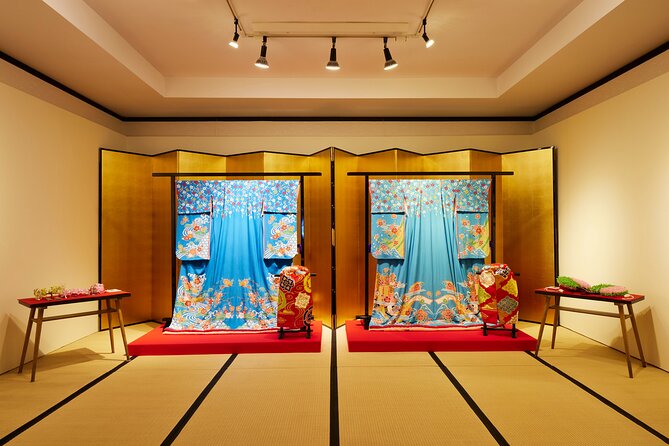
You can expect displays of hand-painted Yuzen kimono, Nishijin brocade obi sashes, seasonal kanzashi hair ornaments, and makeup used by maiko. The collection also includes personal belongings and black crested formal kimono, garments rarely seen inside the Gion quarter itself.
These details help you read the performance. A kimono is not just a pretty costume, and a kanzashi is not merely decoration. Seasonal ornaments, fabric, color, and formal dress all carry meaning within the world of traditional Kyoto entertainment.
The exhibit is particularly useful if this is your first contact with geiko culture. You can look closely at the construction and decoration of the clothing, then see how the performer handles herself in a formal room. The museum turns an unfamiliar performance into something easier to understand.
The building also has beautiful grounds and a garden. One parent found the garden useful for a ten-year-old child who had less patience for the exhibit after the dance. That makes the museum more flexible for families, though the quiet performance still calls for good behavior from children.
A Fifteen-Minute Kyomai Performance
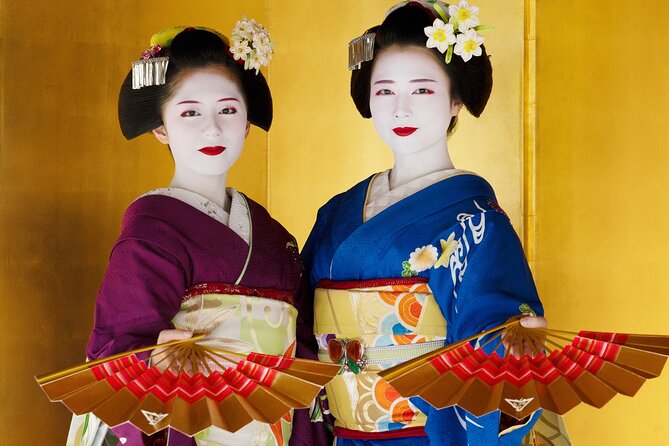
The central event is a live Kyomai performance. Kyomai, or Kyoto Mai, is a traditional Kyoto dance style. The performance follows the Inoue school, one of the major dance traditions associated with Gion Kobu.
A geiko or maiko performs two songs, with the dance lasting about 15 minutes. The choreography is graceful and controlled rather than large or theatrical. Expect precise hand movements, measured steps, formal posture, and expressive use of the fan or other traditional gestures if used in the selected piece.
This is not a Broadway-style production. There is no promise of a long program, a large ensemble, or a running explanation throughout the dance. The appeal lies in seeing a trained performer work within a traditional form, close enough for you to notice small movements and details of dress.
That intimacy is one of the strongest reasons to book. The activity is limited to a maximum of 25 people, according to the supplied booking information. One account described shows accommodating roughly 40 to 50 people, so the exact room size or seating arrangement may vary by session. Either way, this is designed as a close viewing experience rather than a distant theater spectacle.
The performance may feel simple if you expect dramatic movement. One attendee found it lackluster because it was so short and understated. That criticism is fair. Kyomai asks you to pay attention to restraint, not speed or spectacle.
I would set your expectations carefully. Think of this as a brief encounter with a highly formal art, not a full evening of entertainment. If you appreciate traditional music, costume, and controlled movement, the 15 minutes can feel focused and memorable. If you need constant action, the dance may seem too quiet.
Why the Setting Makes a Difference
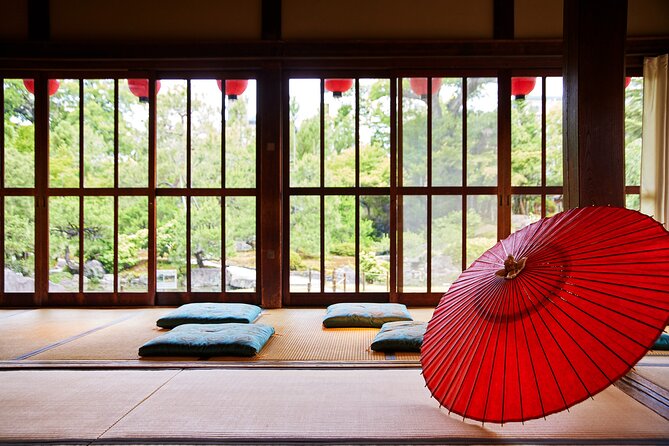
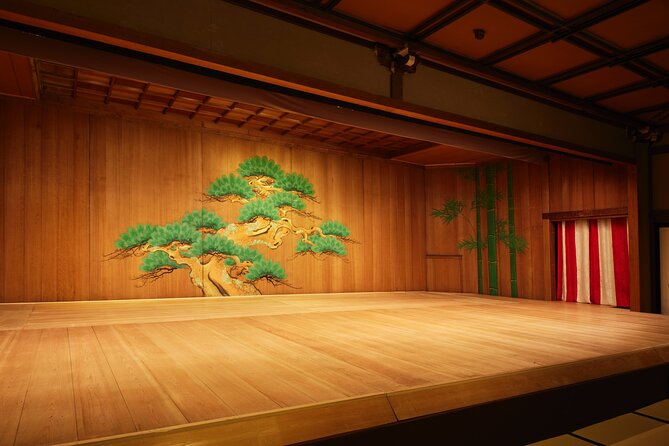
The dance takes place in an atmospheric banquet-room setting connected with Gion’s traditional culture. That setting gives the performance a sense of place that a general cultural show might lack.
The room is not simply a neutral stage. You are seeing the dance in the same broad cultural world where geiko and maiko perform for private gatherings. The experience remains designed for public access, but it avoids turning the subject into a loud or overly polished stage attraction.
This also explains why silence and attention matter. A guest specifically advised keeping children quiet, and that is sensible. The dance is short, so every minute counts. Talking, phone sounds, or movement can distract from the performer and from other people seated nearby.
Shoes must be removed before entering the building. Wear socks you are comfortable being seen in, especially if this visit falls during a long day of sightseeing. It is a small practical point, but knowing in advance makes the arrival easier.
More geisha district walks in Kyoto:
- Kyoto Geisha Walking Tour: Gion District & Hidden Gems
★ 4.7 · 3,273 reviews - Kyoto: Gion Magical Night Walking Tour with Geisha Trivia
★ 4.9 · 2,393 reviews - Kyoto: Gion Geisha District Walking Tour – Stories of Geisha
★ 4.7 · 2,187 reviews - Best of Kyoto: Gion, Geisha, Pagodas & Cobblestones
★ 4.9 · 2,058 reviews
A Better Value Than a Larger Geisha Show
At about $20, admission includes the museum and dance performance, along with all fees and taxes listed for the activity. There is no separate admission charge waiting for you at the door.
The value depends on what you want. You are paying for a short performance, but also for access to a specialized museum in Gion. If you rushed in for the dance, watched two songs, and left, the price might feel high compared with the time spent. If you explore the exhibits and garden as well, the visit makes more sense.
It is also less expensive than arranging a private cultural evening or booking a meal with entertainment. You receive a small, public introduction rather than a personal encounter, but the cost is far easier to fit into an ordinary Kyoto itinerary.
The included admission saves you the trouble of buying separate tickets for the two parts. It does not necessarily mean this is the cheapest possible method of entry. One person suggested checking direct museum ticket prices while already walking through Gion, since several performance times may be available during the day. That is useful advice if you are nearby and want to compare prices.
The mobile ticket is convenient. Keep it accessible on your phone, and allow enough time to enter, remove shoes, and see the exhibit before your scheduled performance.
When to Arrive and How to Use the Twenty Minutes
The stated duration is approximately 20 minutes, while the dance itself lasts about 15 minutes. That leaves only a small amount of time around the performance, so do not treat the entire booking as a long museum visit with a show somewhere inside it.
I would arrive early for three reasons:
- You can view the permanent exhibit before taking your seat.
- You have time to find the entrance and handle the shoe-removal procedure.
- You can read the displays first, which makes the dance easier to appreciate.
The museum may offer several performance times during the day, according to one detailed account. That gives you some room to arrange the visit around nearby sights in Gion, though you should still book a time that fits your plans rather than assume you can switch at the last moment.
The activity returns to the same meeting point. It does not function as a walking tour through Gion, so plan your route to the museum separately and use the area’s other sights before or after the performance.
What You Can and Cannot Photograph
Photography of the dance is not allowed. This can disappoint anyone hoping to capture the maiko’s costume or the performance for social media, but it also helps keep the room quiet and focused.
A separate photo session costs 2,000 yen per group, with a maximum of five people. One family chose this option after the performance and found it worthwhile, especially because their ten-year-old daughter wanted a keepsake.
Think of the photo session as an optional extra, not part of the $20 admission. If you want a posed image with the maiko, budget for it in advance. If you are content to remember the visit through the museum exhibits and your own impressions, you can skip the charge.
The restriction also means you should not plan to record the two songs. Put your phone away and watch closely. The short format makes it easier to give the performance your full attention.
Who Will Enjoy This Most
This experience suits you if you have an interest in:
- Kyoto’s traditional performing arts
- Geiko and maiko culture
- Japanese costume and textile design
- Small museums and focused cultural visits
- Quiet, formal performances
- Short activities that fit between larger attractions
It works especially well on a first evening in Kyoto, when you want a gentle introduction to the city’s traditional side without committing to a long dinner or multi-hour show. Several high ratings focused on the combination of an interesting museum, beautiful grounds, and a graceful dance.
Families can make it work, but the age and temperament of your children matter. One ten-year-old enjoyed the experience, while another parent noted that the museum was not especially engaging for small children after the performance. The garden may provide some breathing room, but this remains a quiet cultural visit, not a children’s attraction.
You should consider another activity if you expect a lengthy performance, extensive narration, or a chance to photograph the dance. You may also feel underwhelmed if you are not interested in subtle movement and traditional costume.
Booking, Cancellation, and Access Details
Confirmation is provided when you book, and the activity uses a mobile ticket. Service animals are allowed, and most people can participate. The published maximum is 25 people.
Free cancellation is available if you cancel at least 24 hours before the local start time. A cancellation within 24 hours is not refunded, and changes inside that window are not accepted.
The optional photo session is not included. It costs 2,000 yen per group of up to five people.
My Take: Book It for Context, Not Spectacle
I would book this for a compact and reasonably priced introduction to Gion’s geiko and maiko culture. The museum adds real value, the garden gives the visit a pleasant setting, and seeing a geiko or maiko perform Kyomai in a traditional room is a rare opportunity.
Arrive early, read the exhibits, and expect a restrained 15-minute dance rather than a grand show. If you make that adjustment, the visit can become one of Kyoto’s most memorable small cultural stops.
Skip it if you want a long program or if the $20 price feels too high for a 20-minute activity. For most visitors interested in traditional Kyoto, though, the combination of museum access and live Kyomai makes this a sensible use of a short stretch of your day.
FAQ
Where does the experience begin and end?
It begins and ends at the Gion Kagai Art Museum, also called the Yasaka Club, at 570-2 Gionmachi Minamigawa in Kyoto’s Higashiyama Ward.
How long does the experience last?
The full activity lasts approximately 20 minutes. The Kyomai dance itself takes about 15 minutes and includes two songs.
Who performs the dance?
A geiko or maiko performs the Kyomai dance in the Inoue style.
What does the admission include?
Admission includes access to the Gion Kagai Art Museum and the dance performance. All listed fees and taxes are included.
What can I see in the museum?
The permanent exhibit includes hand-painted Yuzen kimono, Nishijin brocade obi sashes, seasonal kanzashi hair ornaments, maiko makeup, personal belongings, and black crested formal kimono.
Is photography allowed during the dance?
Photography during the dance is not allowed. A separate photo session is available for 2,000 yen per group of up to five people.
Do I need to remove my shoes?
Yes. Shoes must be removed before entering the building.
How many people can join the activity?
The published maximum is 25 people.
Is the activity suitable for children?
Most people can participate, and children can attend, but the dance requires quiet behavior. The garden may be more appealing to children than the exhibit.
Can I cancel for a refund?
Yes, if you cancel at least 24 hours before the experience start time. Cancellations within 24 hours and changes made during that period are not refunded or accepted.
Just added around Kyoto
- Kyoto: Private Customizable Day Trip by Car★ 5.0 · 38 reviews
- Kyoto: Gion Night Walking Tour with Geisha Insight★ 5.0 · 39 reviews
- Kyoto: Full Day Bike Tour★ 4.9 · 39 reviews
- Private Japanese Calligraphy in Kyoto – Learn Shodō with a Master★ 5.0 · 39 reviews
- Experience a tea ceremony in an authentic tearoom, in Kyoto!★ 4.5 · 41 reviews
- Kyoto: Gion Evening Walk with Hidden Gems, Geisha & Sake★ 5.0 · 41 reviews
- Kyoto Private Photo Shoot & Tour by SnapKyoto★ 5.0 · 41 reviews
- The Way of Tea: Kyoto Crafts, Hidden Temples & Wabi-Sabi Walk★ 5.0 · 41 reviews
Geisha & Gion District Tours, compared.

Kyoto Geisha Walking Tour: Gion District & Hidden Gems
Read our review →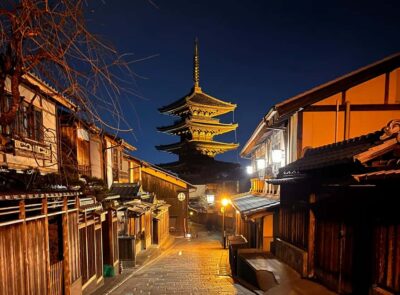
Gion Magical Night Walking Tour with Geisha Trivia
Read our review →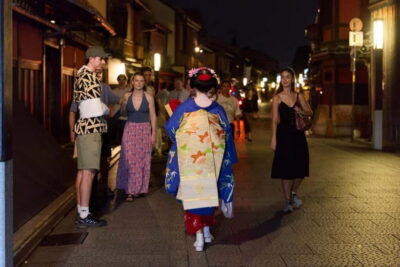
Gion Geisha District Walking Tour – Stories of Geisha
Read our review →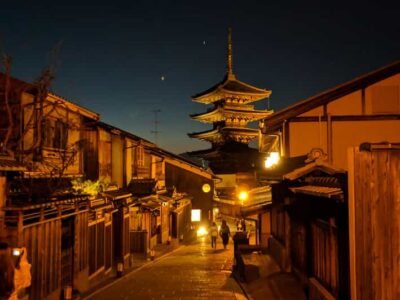
Best of Kyoto: Gion, Geisha, Pagodas & Cobblestones
Read our review →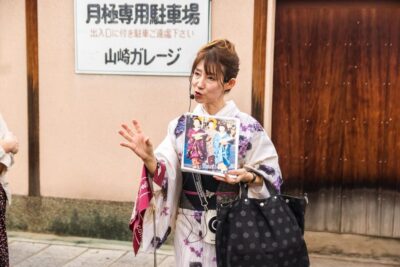

Kyoto Night Foodie Tour in Gion (9+ dishes + 6 Sake tastings)
Read our review →
Kyoto Gion Geisha District Walking Tour – The Stories of Geisha
Read our review →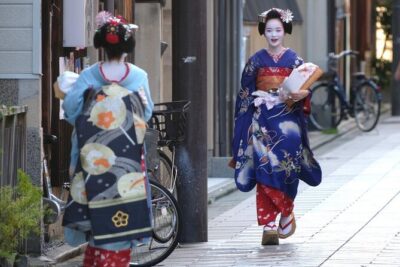
Kyoto Gion: 2-Hour Geisha Culture & History Walking Tour
Read our review →Browse the lists this tour appears in