
Reviewed · SAMURAI & NINJA EXPERIENCES
Kyoto: Forge Your Own Ninja Weapon with Japanese Tin Casting
Tiny metal, big bragging rights. This Kyoto workshop lets you cast and finish a small ninja weapon or oni mask using traditional Japanese tin techniques, rather than simply buying a souvenir. I especially like the hands-on process, from making the sand mold to polishing the cooled metal, and the three-minute walk from Demachiyanagi Station makes it easy to fit into a day of sightseeing.
The main thing to consider is time. A shuriken or kunai takes about two hours, while the oni mask can take roughly 150 minutes, and completion may run longer. The work is beginner-friendly, but it still involves molten tin, tools, filing, and patience. Bring a drink, since water is not provided.
In This Review
- Key points to know before you book
- Why this Kyoto workshop is worth your time
- Arriving near Demachiyanagi Station
- Choosing between a shuriken, kunai, and oni mask
- Shuriken
- Kunai
- Oni mask
- Making the mold from casting sand
- Watching tin reach 230 degrees
- Cooling, hammering, filing, and polishing
- Protecting the metal and packing your souvenir
- What the $103 price gets you
- Is this a good family activity?
- Who should book this experience?
- Practical booking advice
- Should you book the Kyoto ninja casting class?
- FAQ
- Where is the ninja weapon casting workshop?
- How long does the experience take?
- What can I make?
- Is the activity suitable for children?
- What language is the instruction in?
- What should I bring?
- Can I cancel or pay later?
Key points to know before you book
- You cast the metal yourself: With staff supervision, you pour molten tin into a mold you have made.
- Choose your creation: Pick a shuriken, kunai, or oni-inspired mask, with the kunai and mask available as upgrades.
- The final piece is small: Weapons measure about 8 to 10 centimeters and come in a dedicated box.
- It suits families and beginners: Children can take part with staff help, but anyone under 15 must have a guardian.
- The instructors get high marks: Daiki and his colleague are praised for patient guidance, clear English, and useful Kyoto and Osaka tips.
- Your souvenir is genuinely yours: You hammer, file, protect, oil, and finish the item instead of taking home a factory-made trinket.
Why this Kyoto workshop is worth your time
Kyoto has no shortage of temples, gardens, and polished cultural demonstrations. This activity gives you something different: a chance to work with a material and take part in a sequence of old-style metalworking tasks.
You are not making a museum-grade blade. The finished weapon is made from tin, and its small size is part of the design. Still, the pleasure comes from the process. You make the mold, watch solid metal turn liquid, pour it, cool it, shape it, and polish it. That gives the souvenir a personal story that a shop-bought ninja star cannot match.
I also like that the workshop does not assume you already know anything about casting. Staff guide you through each stage, and the experience is offered in English and Japanese. Several people singled out the patient explanations and easy pace. That matters because the most enjoyable part is working with your own hands, not trying to keep up with an expert.
The 5.0 rating from 48 reviews points to a very consistent experience, with praise focused on the instructors, the fun of making something from scratch, and the quality of the final keepsake. One person enjoyed a one-on-one session and received tips for Kyoto and Osaka. Group size can vary, so you may have a quiet session or share the room with other makers.
More Samurai & Ninja Experiences in Kyoto
- Kyoto Samurai Experience
★ 5.0 · 1,294 reviews - Kyoto: Kendo and Samurai Experience with Uniform and Gear
★ 4.9 · 815 reviews - Kyoto: Samurai Sword Class by Experts in Traditional Arts
★ 4.9 · 657 reviews
Arriving near Demachiyanagi Station
The studio is about a three-minute walk from Demachiyanagi Station, a useful location in northern central Kyoto. You do not need to build a long journey around this class. It can work before or after a visit to nearby parts of the city, though the exact opening times should be checked when you reserve.
That short walk is more valuable than it sounds. Kyoto sightseeing often involves several train, bus, and walking connections. Here, the workshop is easy to reach by rail, and you can arrive without setting aside half a day for transport.
Plan to arrive with some flexibility. The stated time is about two hours for a shuriken or kunai and about two and a half hours for the oni mask. Small differences in mold detail, filing, polishing, and finishing can affect the end time.
Wear something practical for workshop work. An apron is provided, along with the equipment and materials needed for one weapon. Bring a drink, as water is not supplied. Food, alcohol, smoking, drugs, and personal fire-making are not allowed.
Choosing between a shuriken, kunai, and oni mask
Your first decision shapes the rest of the class. The three options offer different levels of detail and different kinds of display value.
Shuriken
The shuriken, or ninja star, is the most compact choice. It is a good fit if you want the shorter session and a recognizable ninja design.
You still take part in every main stage: mold-making, casting, cooling, shaping, filing, rust protection, and oiling. The result is about 8 to 10 centimeters and comes with its own box. One participant specifically praised the way staff helped with the finish, which is useful because the final smoothing stage can make a major difference to the appearance.
A completely different kind of day out in Kyoto:
- PERFECT KYOTO 1-Day Bus Tour
★ 5.0 · 13,518 reviews - Kyoto: Fushimi Inari, Kinkakuji, Bamboo Grove 1 Day Bus Tour
★ 4.8 · 4,316 reviews - Kyoto: Tea Ceremony in a Traditional Tea House in Kiyomizu
★ 4.9 · 3,519 reviews - Kyoto Geisha Walking Tour: Gion District & Hidden Gems
★ 4.7 · 3,273 reviews
Kunai
The kunai has a knife-like profile and offers a more substantial souvenir. It is an optional upgrade, so check the price when booking rather than assuming it is included in the base rate.
This option is a good match for someone who wants a classic ninja object with a little more shape and detail. It still remains a small crafted item, not a functional weapon. That is worth keeping clear in mind, especially if you are choosing it for a child.
Oni mask
The oni mask takes about 2.5 hours and includes extra finishing work. You can add gold leaf for a bold accent and select a cord so the mask can be worn or displayed.
This is the more decorative option, and it may suit a birthday activity, couple’s outing, or special family memory. The longer session gives you more to do, but it also means you need to protect your schedule. If you have a timed dinner reservation or another attraction across town, choose the shuriken or leave a generous gap.
Making the mold from casting sand
The first real task is forming a mold with special casting sand. This is where your chosen design begins to take shape, and it is also where careful work pays off later.
The sand defines the outer form of the tin piece. You are not simply pressing a ready-made shape and waiting for the staff to do the hard part. You help create the mold, with an instructor showing you how to form the details properly.
This stage makes the activity more creative than a basic demonstration. You have room to feel involved, but you are not left to guess. Staff assistance is available for beginners and children, and the instruction is designed to make each step easy to follow.
The tradeoff is that mold-making may feel slower than the exciting molten-metal stage. Give it your attention. A clean, well-formed mold helps produce a better final object, and the early work gives the finished item its handmade character.
Watching tin reach 230 degrees
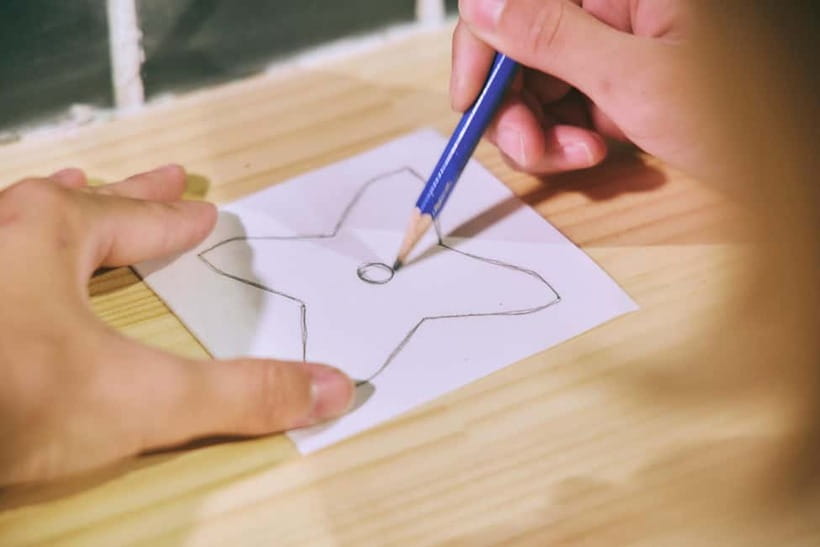
The workshop uses tin, which melts at about 230 degrees Celsius. That is hot enough to require care, but tin is also described as an easy metal to work with, making it suitable for first-time makers.
You watch the solid material become molten and then pour it into your mold under staff supervision. This is the moment many people anticipate most, but it is not a stunt. Listen closely, follow the instructor’s directions, and let the staff control the parts that require the most care.
The activity does not turn you loose with a furnace. You get a meaningful role in the casting process while trained staff guide the operation. That balance is important for families and people who have never handled molten metal.
For children, staff assistance makes the experience possible, but the age rules still matter. The activity is not suitable for children under five. Anyone under 15 must have a guardian, and babies under one are not suitable for the experience.
Cooling, hammering, filing, and polishing
Once the tin has been cast, it is cooled in water and solidifies quickly. You then begin the less dramatic but very satisfying part: shaping the piece.
The included process involves hammering, filing, and smoothing with tools. You remove rough areas and refine the surface under guidance. This is where the object stops looking like a fresh casting and starts looking like a finished souvenir.
I like this stage because it gives you control over the final character of the piece. You may find that the work requires more patience than expected. A few minutes of careful filing can improve the feel and appearance, but rushing can leave rough edges or uneven surfaces.
The instructors are repeatedly praised for helping people get started, answering questions, and offering tips without taking over. That is the right approach for a craft class. You want help when needed, but you also want to feel that your hands did the work.
Protecting the metal and packing your souvenir
After the shaping and polishing, the piece is soaked in a rust-preventive solution and coated with a special oil. These final treatments help protect the tin and give it a finished look.
The weapon is placed in a dedicated box, which makes it easier to carry home. That small detail adds real value. You are not forced to wrap a freshly finished object in clothing and hope it survives the rest of your Japan trip.
The oni mask has its own final touches. Gold leaf adds a dramatic accent, while the cord lets you prepare it for wearing or display. The mask is therefore more than a longer version of the weapon class. It is a decorative project with a more visible finish.
Photos and videos are also part of the appeal. The casting, cooling, and polishing stages give you clear moments to record, and the workshop setting provides a good backdrop for showing how the souvenir was made.
What the $103 price gets you
At $103 per person, this is not a cheap stop for a quick souvenir. The value depends on whether you want a short activity or a real craft session.
The fee includes the design stage, mold-making, tin, casting, hammering, filing, protective treatment, oil finish, apron rental, and equipment rental. You also leave with one handcrafted weapon. In practical terms, you are paying for instruction, materials, workshop access, and an activity that occupies about two hours.
I think the price is easier to justify if you care about the making process. If you only want a ninja-themed object, a shop will cost less and take less time. If you want a personal memory from Kyoto, the workshop gives you a stronger connection to the item.
The value improves for a birthday or family milestone. One person booked the class for a birthday and found the staff made the occasion feel special. Another family described the handmade souvenir as a source of serious bragging rights for children aged seven and nine.
The optional upgrades also deserve attention. The kunai and oni mask cost extra, though the supplied information does not state the upgrade prices. Check the total before confirming so the final charge does not surprise you.
Is this a good family activity?
Yes, with sensible expectations. The class has been well received by families with children around nine and ten, and staff can assist younger makers. The work is guided step by step, so your child does not need prior craft experience.
You should still remain involved if you bring a child. Tin is molten at 230 degrees, and the class includes tools, hammering, filing, and finishing treatments. The age rules are clear: children under five cannot take part, and anyone under 15 needs a guardian.
For older children, the appeal is easy to understand. They are not just looking at a ninja display or wearing a rented costume. They make a small metal object and take it home in a box. That makes the experience feel more substantial than a quick photo stop.
Adults should enjoy it too. The strongest praise comes from people who liked the instructors, the relaxed conversation, and the satisfaction of improving the finish. A solo booking may even become a more personal session if numbers are low.
Who should book this experience?
I would recommend it to you if you like practical cultural activities, Japanese craft, ninja themes, or unusual souvenirs. It suits couples, friends, solo visitors, and families with children who can follow instructions.
It is also a smart choice for a repeat visitor to Kyoto. If you have already seen the major temples, a workshop can add a different kind of cultural memory. You leave with an object that records your time in the city, complete with the imperfections that show it was handmade.
I would be more cautious if your Kyoto schedule is packed. Two hours can easily become longer, especially with the oni mask. The class also may not suit anyone who dislikes workshop tasks or expects to make a sharp, full-size weapon.
Remember that the creation is small, around 8 to 10 centimeters, and made from tin. Think of it as a display piece and personal souvenir, not something for practical use.
Practical booking advice
The activity allows free cancellation up to 24 hours before the scheduled time, and you can reserve now and pay later. That is useful if your Kyoto route is still changing.
English and Japanese instruction is available. If you need a particular language or have questions about an upgrade, confirm the details when booking.
Bring water or another non-alcoholic drink. Food is not allowed, and smoking is prohibited indoors and outside the activity rules. Since you will work with metal and tools, arrive ready to pay attention rather than treating the class as a quick drop-in.
If you want the shortest version, choose the shuriken. For a knife-like ninja design, choose the upgraded kunai. For the most decorative project and the longest session, choose the oni mask with gold leaf and a cord.
Should you book the Kyoto ninja casting class?
Book it if you want to make something, not just buy something. The three-minute station access, clear guidance, included equipment, and boxed souvenir make the experience practical. The patient instructors, including Daiki and his colleague, add warmth without removing your role in the work.
I would choose the shuriken for a first visit with a tight schedule, the kunai for a classic ninja keepsake, and the oni mask for a birthday or a slower afternoon. Bring a drink, leave extra time, and expect some filing and polishing. If that sounds enjoyable, $103 buys a memorable piece of Kyoto craft and a souvenir you can honestly say you made yourself.
FAQ
Where is the ninja weapon casting workshop?
The studio is a three-minute walk from Demachiyanagi Station in Kyoto, on Honshu.
How long does the experience take?
The shuriken and kunai sessions take approximately two hours. The oni mask takes about two and a half hours, or 150 minutes. Completion times can vary, so allow extra time.
What can I make?
You can choose a shuriken, a kunai, or an oni-inspired metal mask. The kunai and oni mask are optional upgrades.
Is the activity suitable for children?
The experience is suitable for beginners and children with staff assistance. Children under five cannot take part, and anyone under 15 must be accompanied by a guardian.
What language is the instruction in?
The instructors provide guidance in English and Japanese.
What should I bring?
Bring a drink because water is not provided. An apron, equipment, and the materials for one weapon are included.
Can I cancel or pay later?
You can cancel up to 24 hours in advance for a full refund. You can also reserve your place and pay later.
Just added around Kyoto
- Kyoto: Private Customizable Day Trip by Car★ 5.0 · 38 reviews
- Kyoto: Gion Night Walking Tour with Geisha Insight★ 5.0 · 39 reviews
- Kyoto: Full Day Bike Tour★ 4.9 · 39 reviews
- Private Japanese Calligraphy in Kyoto – Learn Shodō with a Master★ 5.0 · 39 reviews
- Kyoto: Gion Evening Walk with Hidden Gems, Geisha & Sake★ 5.0 · 41 reviews
- Experience a tea ceremony in an authentic tearoom, in Kyoto!★ 4.5 · 41 reviews
- Kyoto Private Photo Shoot & Tour by SnapKyoto★ 5.0 · 41 reviews
- The Way of Tea: Kyoto Crafts, Hidden Temples & Wabi-Sabi Walk★ 5.0 · 41 reviews
Samurai & Ninja Experiences, compared.

Samurai Ninja Museum Guided tour and Experience
Read our review →
Kendo and Samurai Experience with Uniform and Gear
Read our review →
Samurai Sword Class by Experts in Traditional Arts
Read our review →
Skip the lines Basic Ticket at SAMURAI NINJA MUSEUM KYOTO
Read our review →
Samurai Sword & Archery Class from Samurai Descendant
Read our review →
Browse the lists this tour appears in