
Reviewed · KIMONO DRESSING & PHOTOSHOOTS
Kyoto: Kimono or Yukata Rental with Dressing Service
Turn Kyoto streets into your fitting room. This rental gives you a simple way to dress for the setting, with a wide choice of traditional clothing, professional help, Japanese shoes, a small bag, and free luggage storage near Gion. I especially like the one-minute walk from Gion-Shijo Station and the chance to step straight into Kyoto’s most atmospheric streets. I also like that the staff help with styling and can suggest nearby photo spots. The main catch is the strict 5:00 PM return time, so your sightseeing day needs a clear plan.
The price is advertised at $9 per person, which makes the basic package look like one of Kyoto’s better-value cultural activities. Still, you should check the final price carefully if you want hair styling, makeup, or a photographer, since those services cost extra. The shop also gives conflicting accessibility information: it is described as wheelchair accessible in one place, but wheelchair users are listed as unsuitable, so confirm before booking.
In This Review
- Quick points to know before you book
- Starting near Gion-Shijo Station
- Choosing between a kimono and a yukata
- What the dressing appointment is like
- Walking from the shop into Gion
- Photo opportunities and local-style atmosphere
- What the $9 price really includes
- Timing your day around the 5:00 PM return
- Who will enjoy this experience most
- My final booking advice
- FAQ
- Where is the kimono rental shop located?
- What clothing is included during each season?
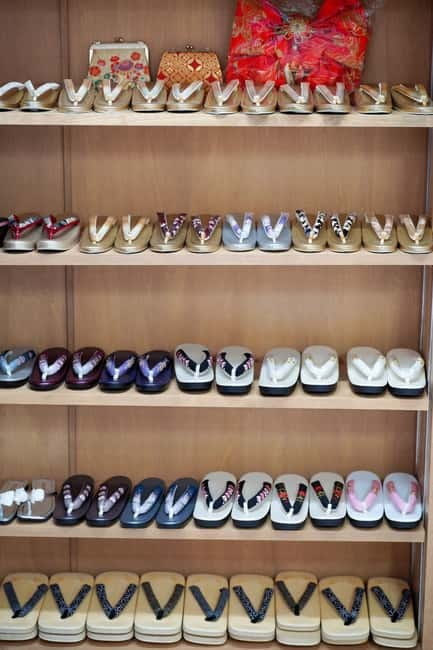
- What items are included with the rental?
- Is professional dressing included?
- Is hair styling included?
- How much do the optional services cost?
- When must I return the kimono or yukata?
- Can I store my luggage at the shop?
- Is the activity suitable for wheelchair users or pregnant women?
Quick points to know before you book
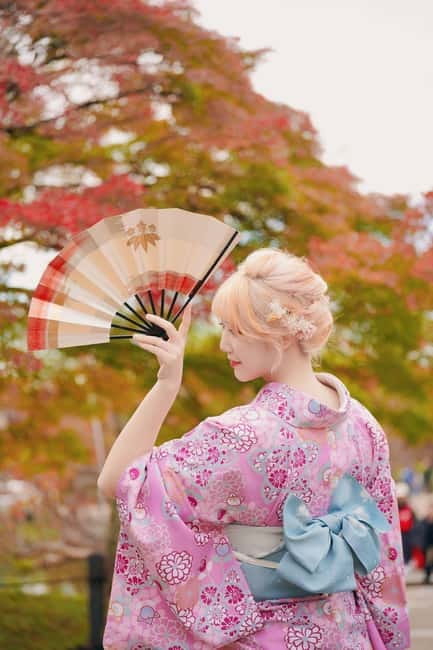
- Season decides your outfit: You get a kimono from October through May and a yukata from June through September.
- Gion begins almost at the door: Exit 1 of Gion-Shijo subway station is about a one-minute walk from the shop.
- The dressing service matters: Staff help you choose your outfit and put it on properly, which is much easier than trying to manage the layers yourself.
- Your rental includes the finishing basics: A half-width obi, Japanese shoes, socks, and a small Japanese bag are included.
- Luggage storage adds real value: You can leave your bags at the shop while exploring.
- Plan around 5:00 PM: The kimono or yukata must be returned the same day by that time.
Starting near Gion-Shijo Station
The meeting point is Kimono Rental Momo, Kyoto Store, at coordinates 35.001823, 135.7718985. The most useful landmark is Gion-Shijo subway station. From Exit 1, the shop is about a one-minute walk, making this a practical choice if you are already heading toward Gion.
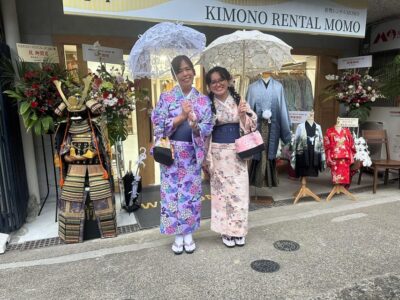
I would save the shop’s name and location before leaving your hotel. A kimono makes walking a little less hurried, and you do not want to waste time searching for the entrance. Look for the Kimono Rental Momo signboard.
Arrive 10 minutes before your scheduled appointment. That small buffer matters because the fitting takes time, and arriving late could shorten your sightseeing period. You will want enough time to choose your outfit without treating the staff like a timed contest host.
The location is one of the strongest parts of this activity. You are close to Kennin-ji Temple, Hanamikoji Street, and Yasaka Shrine. These are not remote stops requiring a separate transport plan. Once dressed, you can walk directly into the Gion area and use the rental as the starting point for a half-day of sightseeing and photographs.
More Kimono Experiences in Kyoto
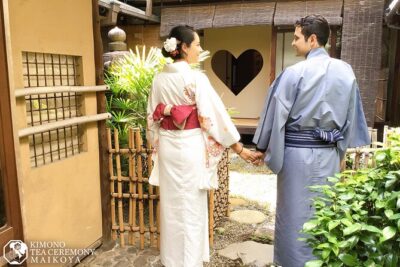
- Kimono Tea Ceremony at Kyoto Maikoya, NISHIKI
★ 5.0 · 911 reviews - Kyoto: Kimono Rental with Hairstyling and Accessories
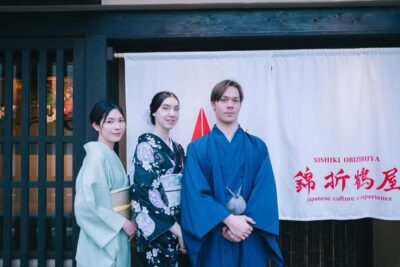
★ 4.8 · 653 reviews - Kyoto: Kimono Tea Ceremony at Orizuruya Gion
★ 4.9 · 618 reviews
Choosing between a kimono and a yukata
The clothing changes with the season. From October through May, the rental provides a kimono. From June through September, you receive a yukata.
That distinction is useful to understand before you arrive. A kimono gives you the more formal traditional look many people picture when they think of Kyoto. A yukata is the warm-season option and is generally associated with lighter seasonal wear. You do not need to choose between the two across all dates, since the season determines which type is available.
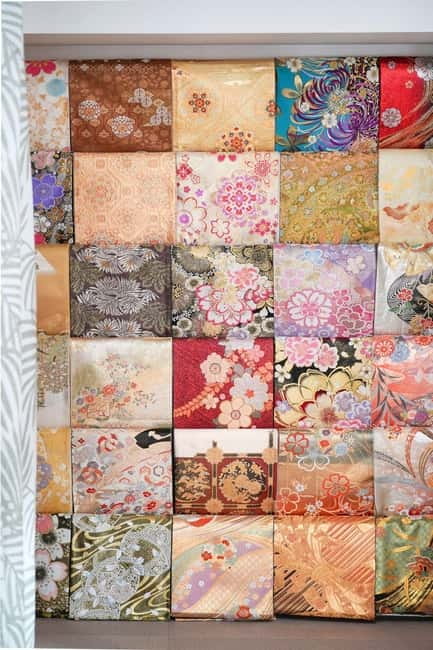
The shop offers many designs, from classic patterns to modern colorful styles. I would decide what kind of day you want before choosing. A quieter pattern may suit temple visits and traditional streets. A stronger color or more modern design can work well for photographs. The staff can help with styling, so you do not have to know the names of every garment or pattern.
Size is worth considering early. A variety of sizes is available, but the shop recommends contacting it ahead of time if you have specific requirements. That is good advice. The best design in the shop will not help if the fit is uncomfortable, especially since you may wear it for several hours.
Pregnant women should not book this experience. The clothing and dressing process are not offered as suitable for pregnancy.
What the dressing appointment is like
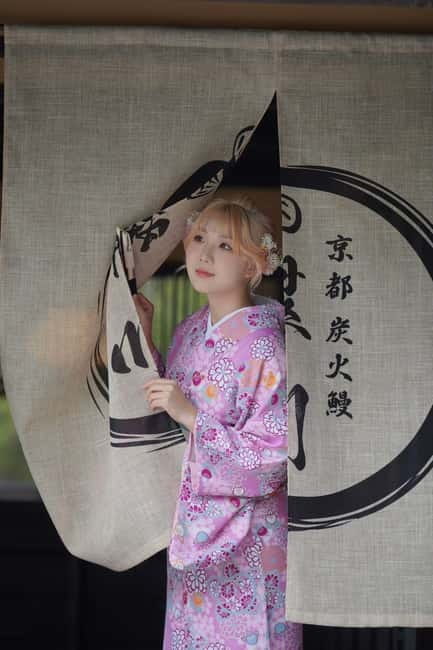
The dressing service is the heart of the experience. Staff help you select the kimono or yukata, then assist with putting it on correctly. They also help complete the outfit with the half-width obi, socks, Japanese shoes, and small Japanese bag.
That professional help is important for two reasons. First, traditional clothing has a particular structure. Second, a poorly fitted outfit can become uncomfortable during a long walk. Having a staff member handle the dressing means you can focus on the design and the day ahead rather than wrestling with folds and belts.
The service is described as personal and friendly. The strongest praise focuses on the staff being helpful, kind, and well organized from the moment of arrival. That matters in a fitting shop, where a rushed or confusing start could sour the whole outing. Recent feedback also gives special attention to hair styling being done quickly and beautifully when that add-on is purchased.
The standard package does not include a hairstyle. You can add hair styling for 1,500 yen. Makeup costs 6,600 yen, and a photographer costs 8,800 yen per half hour. These extras can make sense for a special occasion, but they change the value calculation quickly. If you mainly want to stroll and take your own pictures, the basic rental is the better deal.
The supplied information says accessories are not included as part of the optional styling service, while the base package does include a small Japanese bag, socks, shoes, and the obi. I would ask the staff exactly what is included in any hairstyle or styling upgrade before paying.
Walking from the shop into Gion
Once dressed, you are well placed to explore Gion on foot. Hanamikoji Street is nearby and is one of the area’s best-known traditional streets. Kennin-ji Temple and Yasaka Shrine are also close, giving you several clear options without needing to build an elaborate route.
The point is not simply to wear a costume for a few minutes in a shop. The rental works because it puts you in the middle of Kyoto’s older streets, temples, and shrine grounds. You can take photographs, visit famous sights, and enjoy the feeling of moving through the city in clothing connected to Japanese tradition.
I would keep the walking plan modest. You have one day with a fixed return deadline, but the rental itself is not a guided tour with a published route. You choose where to go. A sensible plan is to start with the nearby Gion streets, continue to Kennin-ji Temple or Yasaka Shrine, and leave enough time to return to the shop comfortably.
The Japanese shoes are part of the look, but they may not feel like your usual walking shoes. The practical choice is to avoid packing the day with far-flung Kyoto sights. Concentrate on Gion and the nearby attractions named for the experience. You will get more photographs and less clock-watching.
You should also remember that you are wearing rented clothing. Eat and drink carefully, and avoid activities that could stain or damage the outfit. Smoking is not allowed.
A completely different kind of day out in Kyoto:
- PERFECT KYOTO 1-Day Bus Tour
★ 5.0 · 13,518 reviews - Kyoto: Fushimi Inari, Kinkakuji, Bamboo Grove 1 Day Bus Tour
★ 4.8 · 4,316 reviews - Kyoto: Tea Ceremony in a Traditional Tea House in Kiyomizu
★ 4.9 · 3,519 reviews - Kyoto Geisha Walking Tour: Gion District & Hidden Gems
★ 4.7 · 3,273 reviews
Photo opportunities and local-style atmosphere
The shop offers recommendations for photo spots and sightseeing places nearby. That is useful because Gion can feel confusing when you first arrive. You do not have to spend the first hour guessing which streets will give you the most traditional setting.
The clothing changes how you notice the area. A temple gate, a narrow street, or a quiet corner becomes part of the day’s visual setting. The experience is especially suited to couples, friends, and solo visitors who want photographs with a strong Kyoto identity rather than ordinary vacation snapshots.
You should be respectful while taking pictures. Gion is a living neighborhood, not a film set. Stay aware of signs, private entrances, and other people moving through the streets. The rental gives you a memorable way to see the area, but it does not give permission to photograph anywhere or anyone.
A photographer is available as an optional service for 8,800 yen per 30 minutes. I would treat this as a separate purchase, not an automatic part of the rental. It may suit a proposal, anniversary, birthday, or family portrait session. For a casual day, your own phone may be enough, especially since the shop can point you toward nearby photo spots.
What the $9 price really includes
At $9 per person, the basic rate is appealing. You are not paying only for access to clothing. The price includes the garment, professional dressing, the obi, socks, Japanese shoes, a small bag, and free luggage storage.
The luggage storage is easy to overlook, but it improves the day. You can arrive carrying more than you want to take around Gion, leave your bags at the shop, and explore without hauling them through temple grounds and narrow streets. That is useful for anyone moving between hotels or arriving before check-in, though the supplied information does not specify the storage size or limits.
The price becomes less remarkable if you add every available service. Hair styling adds 1,500 yen, makeup adds 6,600 yen, and a photographer adds 8,800 yen per half hour. None of those costs are unreasonable for specialist services, but they can turn a low-cost outing into a much more expensive photo package.
I would book the base experience if your main goals are dressing in traditional clothing, walking through Gion, and taking your own pictures. Add hair styling if your photographs matter and you want a finished look. Makeup and professional photography make more sense for an important event than for an ordinary sightseeing day.
The activity can be canceled up to 24 hours in advance for a full refund, and you can reserve now and pay later. Those options are useful if your Kyoto schedule is still shifting. Advance booking is recommended if you care about a particular design or need a specific size.
Timing your day around the 5:00 PM return
The rental is valid for one day, but the kimono or yukata must be back at the shop by 5:00 PM on the same day. That is the key planning rule.
I would not treat 5:00 PM as the moment to begin heading back. Allow time to walk from your last stop, return the clothing, and deal with any unexpected delay. Since the shop is close to Gion sights, the deadline is manageable if you stay in the area. It becomes harder if you try to travel across Kyoto late in the afternoon.
The seasonal clothing schedule also affects the feel of the day. A kimono rental from October through May fits Kyoto’s cooler months, while a yukata from June through September suits the warmer part of the year. The supplied information does not give a precise fitting duration, so arriving early and keeping your plan flexible is wise.
You will need to return the rented items, including the shoes and other included pieces. The shop’s stated return time is clear, so ask about the exact return procedure when you arrive.
Who will enjoy this experience most
I think this rental is best for you if you want a cultural activity that is easy to add to a sightseeing day. It does not require a full-day coach tour, a long transfer, or a complicated itinerary. The shop’s position near Gion lets you combine dressing, photographs, temples, and traditional streets in one compact area.
It also suits people who want help with the practical side of traditional clothing. If you have never worn a kimono or yukata, professional dressing removes much of the uncertainty. The staff can help you choose a style, and you can add hair styling if you want a more complete appearance.
It may be less suitable if you want a relaxed, unrestricted day across all of Kyoto. The 5:00 PM deadline limits how far you should wander. It is also not suitable for pregnant women, and the conflicting wheelchair information requires direct confirmation before booking.
My final booking advice
I would book this for a first Kyoto visit if you plan to spend the day around Gion and want more than a standard sightseeing walk. The location, included shoes and bag, staff dressing service, and luggage storage give the low base price genuine value.
Book in advance if you need a particular size or design. Add hair styling if you want polished photographs, but think twice before adding makeup and photography unless you are marking a special occasion. Keep your route close to Gion, arrive 10 minutes early, and aim to return well before 5:00 PM.
If you want a simple, photogenic introduction to traditional Japanese clothing, this is a strong choice. If you need wheelchair access, are pregnant, or want to roam Kyoto without watching the clock, confirm the practical details first or choose a different activity.
FAQ
Where is the kimono rental shop located?
The shop is Kimono Rental Momo, Kyoto Store, near Gion in Kyoto, Japan. It is about a one-minute walk from Exit 1 of Gion-Shijo subway station. The listed coordinates are 35.001823, 135.7718985.
What clothing is included during each season?
You receive a kimono from October through May. From June through September, the rental provides a yukata.
What items are included with the rental?
The package includes the kimono or yukata, a half-width obi, a small Japanese bag, socks, Japanese shoes, and free luggage storage.
Is professional dressing included?
Yes. A staff member helps you choose your clothing and puts on the kimono or yukata for you.
Is hair styling included?
No. Hair styling is an optional extra costing 1,500 yen. Makeup and photographer services are also separate add-ons.
How much do the optional services cost?
Hair styling costs 1,500 yen. Makeup costs 6,600 yen. Photographer service costs 8,800 yen per 30 minutes.
When must I return the kimono or yukata?
You must return the rented clothing by 5:00 PM on the same day.
Can I store my luggage at the shop?
Yes. Free luggage storage is included with the activity.
Is the activity suitable for wheelchair users or pregnant women?
Pregnant women are listed as unsuitable for the activity. The information gives conflicting statements about wheelchair access, describing the activity as wheelchair accessible while also listing wheelchair users as unsuitable, so you should confirm directly before booking.
Just added around Kyoto
- Kyoto: Gion Night Walking Tour with Geisha Insight★ 5.0 · 39 reviews
- Kyoto: Private Customizable Day Trip by Car★ 5.0 · 38 reviews
- Kyoto: Full Day Bike Tour★ 4.9 · 39 reviews
- Private Japanese Calligraphy in Kyoto – Learn Shodō with a Master★ 5.0 · 39 reviews
- Experience a tea ceremony in an authentic tearoom, in Kyoto!★ 4.5 · 41 reviews
- Kyoto: Gion Evening Walk with Hidden Gems, Geisha & Sake★ 5.0 · 41 reviews
- Kyoto Private Photo Shoot & Tour by SnapKyoto★ 5.0 · 41 reviews
- The Way of Tea: Kyoto Crafts, Hidden Temples & Wabi-Sabi Walk★ 5.0 · 41 reviews
Kimono Dressing & Photoshoots, compared.

Sumo Show & Experience w/ Optional Kimono & Hot Pot
Read our review →
KYOTO Tea Ceremony with kimono near by Imamiya Jinjya Shrine
Read our review →
Kimono and Tea Ceremony Experience at Cultural Asset
Read our review →
Browse the lists this tour appears in