
Reviewed · COOKING CLASSES
Kyoto: Morning Japanese Bento Cooking Class
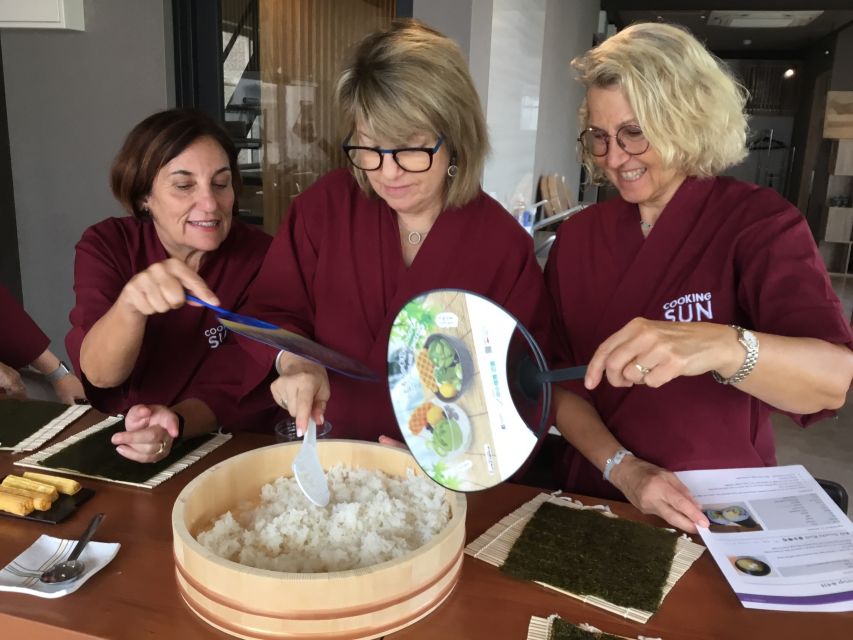
Good food makes Kyoto feel closer. This three-hour Cooking Sun class gives you a practical look at Japanese home cooking while you prepare sushi, tempura, teriyaki chicken, miso soup, and other bento dishes. I like the small-group teaching and the chance to eat a complete lunch you made yourself. I also like that recipes are provided, so the experience can continue after your Japan trip.
The class costs $67 per person, which is fair for a hands-on morning that includes ingredients, equipment, instruction, and lunch. The main limitation is that ingredients are already prepared, so this is not a knife-skills course or a full lesson in starting every dish from scratch.
Cooking Sun uses English-speaking instructors, including teachers such as Mei, Mae, Tomoko, and Yukari. The class has earned a perfect 5 rating from 149 bookings, with particular praise for clear explanations, patient teaching, dietary flexibility, and food that is easy to recreate at home.
In This Review
- Key points at a glance
- What this Kyoto bento class is really about
- Arriving at Cooking Sun in Shimogyo Ward
- A three-hour morning in the kitchen
- Sushi, tempura, and teriyaki chicken
- The teaching style: clear, friendly, and hands-on
- What you actually learn, and what you do not
- Sitting down to eat your own bento
- A good choice for families and mixed experience levels
- Is $67 a fair price?
- Practical details before you book
- Should you book the Kyoto bento class?
- FAQ
- How long does the Kyoto bento cooking class last?
- What dishes will I make?
- Is lunch included?
- Is the class taught in English?
- Can I request a vegetarian or shellfish-free meal?
- Is hotel pickup included?
Key points at a glance
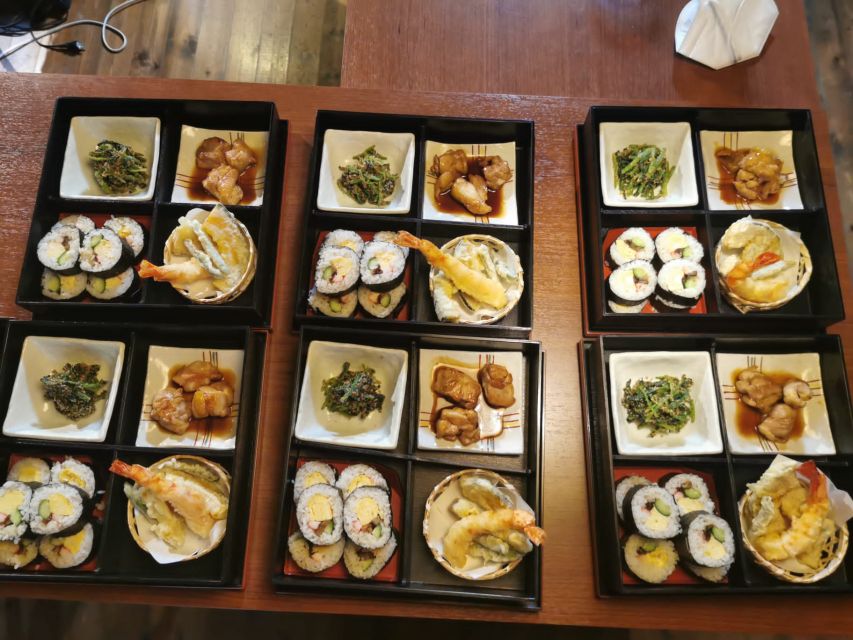
- Make a full bento lunch: Prepare sushi, tempura, teriyaki chicken, miso soup, and several other Japanese dishes.
- Learn the bento tradition: Hear how the boxed meal developed from a practical Japanese food tradition dating to the late Kamakura Period.
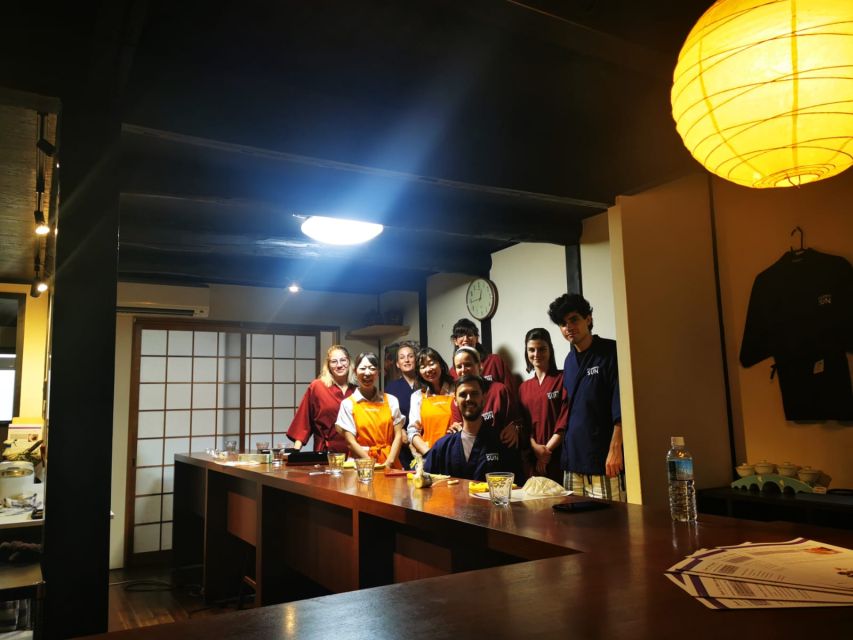
- Small classes help: Past groups have ranged from only four people to around eight or ten, allowing useful contact with the instructors.
- English instruction is clear: Teachers explain each step carefully and add cultural notes about ingredients and dishes.
- Dietary requests can be handled: Shellfish-free and vegetarian meals have been provided when arranged in advance.
- Take-home value is strong: Written recipes and suggestions for finding ingredients make the class useful beyond one Kyoto morning.
What this Kyoto bento class is really about
A bento is more than a lunch box. It is a compact meal arranged with care, often combining different tastes, colors, textures, and cooking methods in one container. That makes it a smart subject for a cooking class because you are not learning only one recipe. You are building a small Japanese meal.
Cooking Sun’s morning session introduces common dishes that many visitors already want to understand. Sushi, tempura, teriyaki chicken, and miso soup are familiar names, but cooking them yourself gives you a better sense of how they fit together.
The class also puts food into a cultural setting. You learn why bento became such a useful part of Japanese life and how separate dishes can be arranged as a balanced meal. That background adds meaning to the cooking without turning the morning into a lecture.
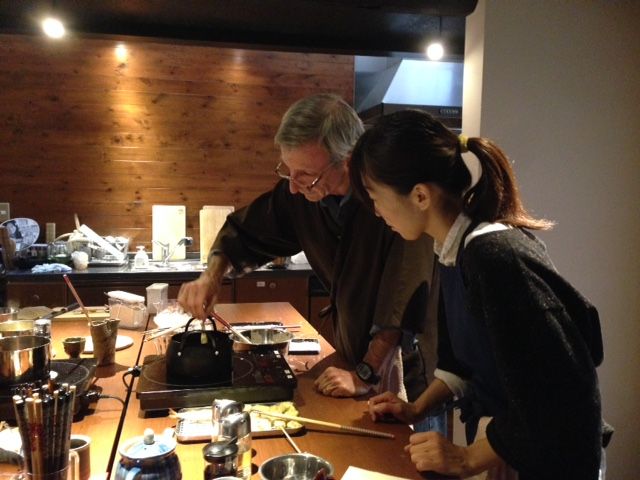
You should expect a practical session rather than a formal culinary school course. The ingredients and utensils are supplied, an apron is available, and the chef demonstrates the work before you follow along. The focus is on getting several dishes made well within a limited time.
More Cooking Classes in Kyoto
- Ramen Cooking Class at Ramen Factory in Kyoto
★ 5.0 · 1,937 reviews - Kyoto: Ramen Cooking Class at a Ramen Factory with Souvenir
★ 4.9 · 532 reviews - Kyoto: Ramen, Gyoza, and Onigiri Cooking Class
★ 5.0 · 445 reviews
Arriving at Cooking Sun in Shimogyo Ward
The meeting point is Cooking Sun on Funayacho in Kyoto’s Shimogyo Ward. Hotel pickup and drop-off are not included, so you need to make your own way there and allow enough time to find the kitchen.
One past participant had trouble locating the place, so I would not leave arrival until the last minute. Check the meeting instructions carefully before setting out, especially if your morning includes a train connection or another booked activity.
Once inside, you collect your ingredients, apron, and utensils. This simple setup matters. You do not need to pack cooking supplies, and you can begin working without shopping for unfamiliar ingredients first.
The class is listed as wheelchair accessible. If you need a specific arrangement, it is sensible to confirm the details when booking. You should also advise the provider of dietary requirements in advance, rather than waiting until the cooking begins.
A three-hour morning in the kitchen
The whole session lasts about 2.5 to 3 hours, normally in the morning. The exact starting time varies, so check availability for the date you want.
The pace is active. You are making several dishes in one class, so you will not spend the entire morning on one carefully perfected sushi roll. Instead, the chef shows you the method, explains useful tricks, and keeps the group moving toward a finished bento.
That format works well for a holiday schedule. You get a substantial activity without giving up the entire day, and you finish with lunch rather than needing to find another restaurant immediately afterward.
It can also feel like a lot to cover. One person noted that there was plenty to make in only a few hours, while another said the group prepared six traditional dishes. If you prefer slow, highly detailed instruction on one technique, this may feel brisk.
Sushi, tempura, and teriyaki chicken
Sushi is one of the class highlights, especially because it is a dish many people want to reproduce at home. You learn the steps in a guided setting, then eat the result as part of the bento.
Tempura brings a different lesson. The class shows you how to prepare this light, crisp style of cooking, along with the role of ingredients such as mirin in Japanese food. At least one participant left eager to try tempura and mirin at home, which says something about how useful the instruction can be.
Teriyaki chicken is another practical choice. It is recognizable, satisfying, and realistic for a home kitchen outside Japan. The class does not simply present an exotic dish you will never make again. It gives you food you can reasonably repeat for family and friends.
Miso soup rounds out the meal with a basic Japanese staple. Along with the other dishes, it helps you see how flavor and texture are varied across a bento. You are not just assembling a box of similar foods.
The class may include several additional dishes beyond the main highlights. One participant recalled making seven dishes, while another described learning six. The exact menu may vary, but you can expect more than a single recipe and enough variety to make lunch feel like a proper meal.
A completely different kind of day out in Kyoto:
- PERFECT KYOTO 1-Day Bus Tour
★ 5.0 · 13,518 reviews - Kyoto: Fushimi Inari, Kinkakuji, Bamboo Grove 1 Day Bus Tour
★ 4.8 · 4,316 reviews - Kyoto: Tea Ceremony in a Traditional Tea House in Kiyomizu
★ 4.9 · 3,519 reviews - Kyoto Geisha Walking Tour: Gion District & Hidden Gems
★ 4.7 · 3,273 reviews
The teaching style: clear, friendly, and hands-on
The strongest part of this experience is the instruction. Cooking Sun’s teachers are repeatedly praised for clear English, patient guidance, and a relaxed manner.
Instructors such as Mei and Mae have been singled out for making the class enjoyable and easy to follow. Tomoko and Yukari have also been praised for sharing small tips that improve Japanese cooking at home. Those little corrections often matter more than a long explanation. They help you understand how to make the dish work in an ordinary kitchen.
Past class sizes have varied. Some sessions had only two people, while others had four, eight, or around ten people with several instructors. A smaller group gives you more direct help, while a larger one can bring a pleasant social element as you cook alongside people from different countries.
One person found that the cooking equipment sometimes had to be shared, which reduced individual contact a little. That is worth keeping in mind if you want one-on-one instruction throughout. Still, the overall format appears designed to keep the class personal, with instructors available to step in when you need extra help.
The teachers have also taken photos and videos during the session for participants. That is a thoughtful touch, since your hands may be busy and you may not want to interrupt the cooking to document every step.
What you actually learn, and what you do not
This class is best for learning recipes, assembly, timing, and useful Japanese cooking habits. You follow demonstrations, work with prepared ingredients, and build several finished dishes. The written recipes give you something concrete to use later.
It is not primarily a lesson in knife handling. The ingredients are already prepped, so you should not expect a long session of chopping, trimming, or learning professional cutting techniques.
That can be a benefit. You have more time to concentrate on flavor, cooking methods, presentation, and the balance of the bento. It also keeps the class suitable for families and people with limited kitchen experience.
If you already know a lot about Japanese cooking, you should not assume the class will feel too basic. One experienced home cook still picked up new ideas and small improvements. The difficulty seems approachable without being empty of useful detail.
The recipes are also chosen with home use in mind. A participant bought some equipment after the class and planned to repeat the dishes. Another appreciated advice about where to find ingredients outside Japan, which is exactly the kind of help that makes a cooking class worthwhile after you return home.
Sitting down to eat your own bento
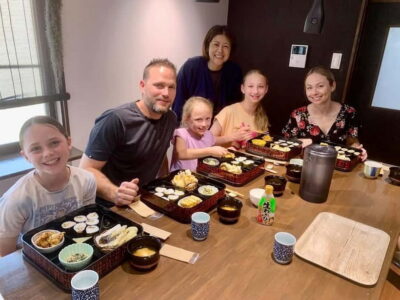
The reward comes at the end, when you arrange the dishes and eat the bento lunch. This is not a tasting menu prepared for you by someone else. You have handled the ingredients, followed the cooking steps, and can judge the finished dishes for yourself.
The meal includes the food made during class. That makes the $67 price easier to assess. You are paying for instruction and a meal, but also for ingredients, equipment, an apron, recipes, and access to a local food tradition.
The lunch is also a useful test of the recipes. If a teriyaki chicken dish or sushi roll tastes good after a first guided attempt, you can feel more confident trying it again at home. Several participants left looking forward to cooking the dishes for their families.
The bento format keeps the meal varied. You get savory food, soup, different textures, and a neat arrangement rather than one large plate of a single dish. For many people, that final box is the most satisfying part of the morning because it shows what all the separate steps were building toward.
A good choice for families and mixed experience levels
This class suits couples, families, solo visitors, and friends who want an indoor activity with a clear result. It has worked well for families with children, including twin ten-year-olds who were able to take part and enjoy the food.
Teenagers can also benefit from the format. Instructors have been patient with younger cooks who needed extra guidance, and the work is active enough to keep the morning from feeling like a demonstration watched from the sidelines.
You do not need advanced cooking skills. The instructions are given step by step, and the difficulty has been described as manageable. If you already cook often, you can still gain useful tips about Japanese ingredients, seasoning, and presentation.
Vegetarians and people avoiding shellfish should contact Cooking Sun before booking. A no-shellfish version has been provided, and vegetarian needs have been handled, but advance notice is important. The available information does not promise every dietary option, so you should explain your requirements clearly.
The class is also a good fit if you want to meet people. You cook beside an international group, share a meal at the end, and have a natural reason to talk. It offers more social contact than a private restaurant meal but remains focused on food.
Is $67 a fair price?
At $67 per person, this is not the cheapest lunch in Kyoto. You could eat a simple bento for much less. But that comparison misses the point.
The fee covers a three-hour activity, English instruction, ingredients, apron, utensils, and lunch. You also receive recipes and practical advice that can help you recreate the dishes later. For someone interested in Japanese food, the value is in the combination of a meal and a skill-based cultural activity.
The price looks strongest when you are likely to use what you learn. If you enjoy cooking, want to make sushi or teriyaki at home, or like understanding the food you eat, the class gives you something lasting.
It is less compelling if you only want a quick meal or if you dislike following instructions in a group. You should also remember that the ingredients are prepped, so you are not paying for a full food-preparation course from raw produce to finished dish.
Practical details before you book
The class is taught in English, and the instruction is intended to be easy to follow. Some instructors have spoken several languages, including German, but English is the listed teaching language.
You should allow the full three hours and avoid scheduling a tight appointment immediately afterward. The cooking includes multiple dishes, and the final lunch is part of the experience.
Free cancellation is available up to 24 hours before the activity for a full refund. You can also reserve now and pay later, which helps if your Kyoto plans are still shifting.
Cooking Sun is wheelchair accessible according to the activity details. Hotel transfers are not included, so transportation to Funayacho is your responsibility.
Should you book the Kyoto bento class?
I would book this class if you want more than a photograph of Japanese food. It gives you a complete morning of cooking, cultural context, and lunch, with recipes you can use after Japan.
The best reasons to go are the patient English instruction, the number of dishes you make, and the chance to adapt the meal for some dietary needs. Families and first-time cooks should feel comfortable, while experienced home cooks can still pick up useful techniques.
Skip it if you want a quiet morning, dislike group cooking, or expect detailed knife training. Otherwise, $67 is a reasonable price for a friendly, practical introduction to Japanese home cooking. You leave with a full stomach, a better understanding of bento, and a few recipes that can bring Kyoto back to your own kitchen.
FAQ
How long does the Kyoto bento cooking class last?
The class lasts about three hours, with the activity described as taking approximately 2.5 to 3 hours.
What dishes will I make?
The class includes sushi, tempura, teriyaki chicken, and miso soup. The full session may include six or seven dishes in total, depending on the menu.
Is lunch included?
Yes. You eat the bento lunch prepared during the class, and the price includes the cooking activity, ingredients, apron, utensils, and lunch.
Is the class taught in English?
Yes. English is the listed teaching language, and the instructors provide step-by-step explanations in English.
Can I request a vegetarian or shellfish-free meal?
You should advise Cooking Sun of dietary requirements when booking. Shellfish-free and vegetarian arrangements have been provided, but requests should be made in advance.
Is hotel pickup included?
No. Hotel pickup and drop-off are not included. You meet at Cooking Sun on Funayacho, in Kyoto’s Shimogyo Ward.
Just added around Kyoto
- Kyoto: Private Customizable Day Trip by Car★ 5.0 · 38 reviews
- Kyoto: Gion Night Walking Tour with Geisha Insight★ 5.0 · 39 reviews
- Kyoto: Full Day Bike Tour★ 4.9 · 39 reviews
- Private Japanese Calligraphy in Kyoto – Learn Shodō with a Master★ 5.0 · 39 reviews
- Experience a tea ceremony in an authentic tearoom, in Kyoto!★ 4.5 · 41 reviews
- Kyoto: Gion Evening Walk with Hidden Gems, Geisha & Sake★ 5.0 · 41 reviews
- Kyoto Private Photo Shoot & Tour by SnapKyoto★ 5.0 · 41 reviews
- The Way of Tea: Kyoto Crafts, Hidden Temples & Wabi-Sabi Walk★ 5.0 · 41 reviews
Cooking Classes, compared.
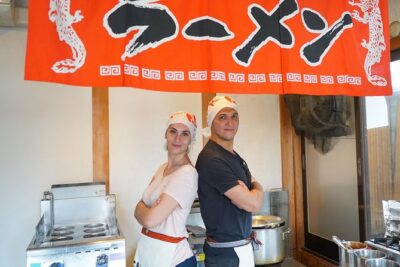
Ramen Cooking Class at Ramen Factory in Kyoto
Read our review →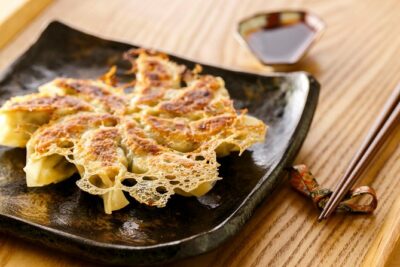
Ramen & Gyoza Cooking Class in Tokyo with Local Supermarket Visit
Read our review →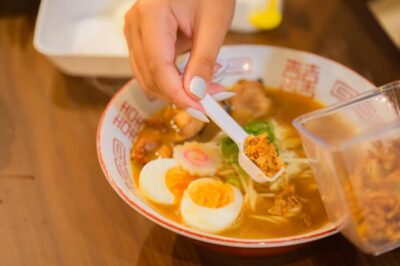
Ramen Cooking Class at a Ramen Factory with Souvenir
Read our review →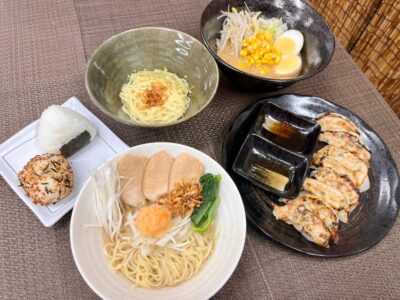
Japanese Washoku Bento Small Group Cooking Class
Read our review →

Easy Ramen Cooking Experience in Kabukicho, Shinjuku
Read our review →
Ramen and Sushi Cooking Class with Sake Pairing Set in Tokyo
Read our review →Browse the lists this tour appears in