
Reviewed · SAMURAI & NINJA EXPERIENCES
Kyoto: Ninja Weapon Forging Experience
Forge something memorable in Kyoto. This hands-on workshop lets you heat real steel, hammer it into shape, refine it, and finish it as a shuriken or kunai. I especially like the genuine blacksmithing work and the chance to leave with a souvenir you made yourself, not a mass-produced trinket.
The instructors give clear guidance in English, and names such as Taka, Mits, Ako, Yok, and Daiki come up often for good reason. The atmosphere sounds friendly and playful, with plenty of help for families and solo participants. My main caution is location: Hieizanguchi Station is close to the studio, but reaching this quieter part of Kyoto from the city center can take time.
The $148 price is not cheap for a two-and-a-half-hour activity, but it covers instruction, clothing, tools, materials, engraving, and the finished weapon. You also need to remember that a kunai costs an extra ¥3,000, and your weapon must travel in checked luggage.
In This Review
- Key points before you book
- Reaching the studio near Hieizanguchi Station
- Changing into samue sets the tone
- Choosing between three shuriken styles and a kunai
- The 800°C furnace is the main event
- Sanding and sharpening reveal the shape
- Kanji engraving makes the souvenir personal
- A short ninja lesson adds meaning
- Blackening, polishing, and boxing the finished piece
- Is $148 a fair price?
- Who will enjoy this most?
- Getting your handmade weapon home
- Booking flexibility and timing
- Should you book the Kyoto Ninja Weapon Forging Experience?
- FAQ
- How long does the Kyoto Ninja Weapon Forging Experience last?
- How much does the experience cost?
- Which weapons can I make?
- Is the class taught in English?
- Where does the experience meet?
- Can I take the weapon home on my flight?
- Are clothing and tools included?
Key points before you book
- You hammer real heated steel: The central forging session uses an 800°C furnace, a real hammer, and close instruction from the studio team.
- You choose your finished piece: Pick from three shuriken styles, or select a kunai for an additional ¥3,000.
- You personalize the weapon: A kanji character is engraved onto the metal, giving your piece a personal mark.
- You wear traditional work clothing: Samue and a tenugui head wrap make the workshop feel different from a standard craft class.
- You leave with a display-ready souvenir: The weapon is blackened, polished, placed in a beautiful box, and taken home by you.
- You need to plan the flight home: Bladed or pointed items are allowed only in checked luggage, never in your carry-on.
Reaching the studio near Hieizanguchi Station
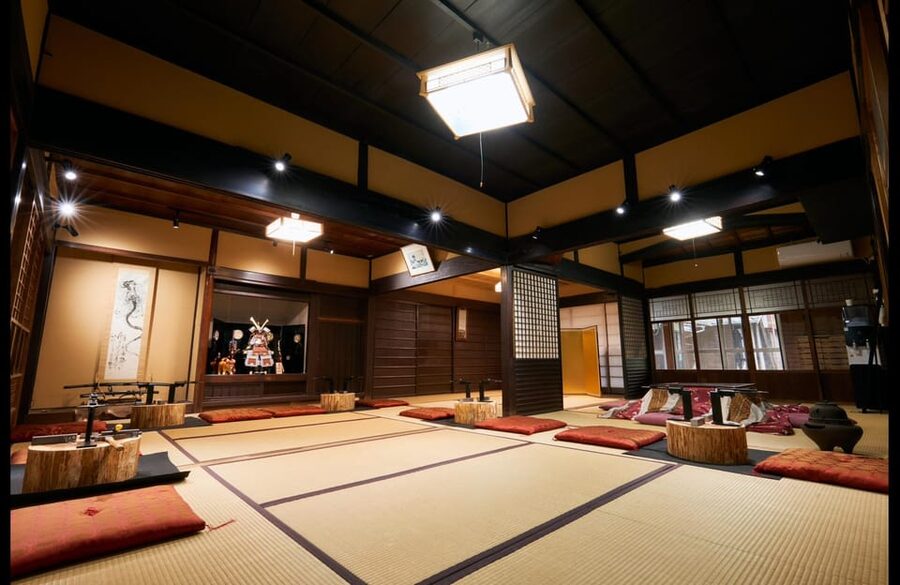
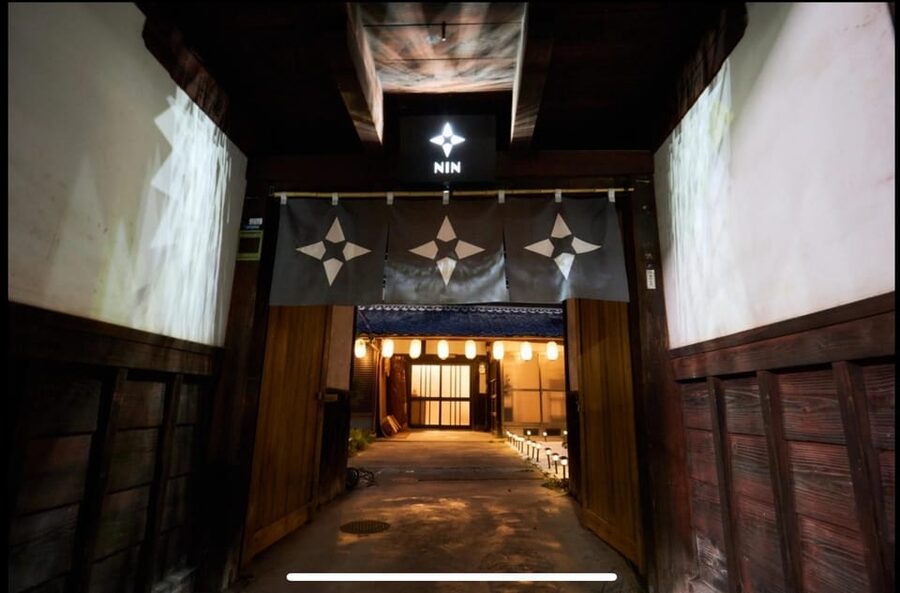
The studio is only about a minute from Hieizanguchi Station once you arrive. Look for the red postbox in front of the station, then walk up the hill as directed. That final approach is simple, but the journey from central Kyoto deserves some planning.
One participant described a bus ride of roughly 40 minutes from central Kyoto. Another said a taxi was needed because public transport did not bring them close enough without a longer uphill walk. The practical lesson is to check your route carefully and allow extra time, especially if you have a fixed booking.
The setting is away from Kyoto’s busiest sightseeing streets. That adds to the sense that you are going somewhere for a specific craft rather than squeezing another attraction into a crowded downtown day. It also means this is not the easiest activity to pair with several central temples in a tight schedule.
Once you reach the meeting point, the studio provides the needed clothing and equipment. You do not need to arrive with blacksmithing experience. The staff explain each stage before asking you to try it, which helps beginners settle in quickly.
More Samurai & Ninja Experiences in Kyoto
- Kyoto Samurai Experience
★ 5.0 · 1,294 reviews - Kyoto: Kendo and Samurai Experience with Uniform and Gear
★ 4.9 · 815 reviews - Kyoto: Samurai Sword Class by Experts in Traditional Arts
★ 4.9 · 657 reviews
Changing into samue sets the tone
Your session begins with a change into samue, the simple work clothes traditionally associated with Japanese craftspeople and Buddhist workers. You also wrap a tenugui around your head. It is partly practical, keeping hair and sweat out of the way, but it also signals that this is a workshop, not a costume photo stop.
That distinction matters. The clothing is fun for photographs, yet the main focus remains the work. You are preparing to handle tools, heat, and metal under supervision, not simply posing as a ninja for a few minutes.
The studio also takes photographs and videos during the process. This is useful because your hands will be occupied during the most exciting moments, particularly at the furnace and anvil. If you want your own shots, bring a camera or phone, but follow the staff’s instructions around the hot equipment.
The experience has been praised as suitable for children, including an eight-year-old, and for family groups with children aged 11, 12, 15, and 17. Safety guidance and staff assistance are part of the session, though parents should still stay attentive around hot metal and powered tools.
Choosing between three shuriken styles and a kunai
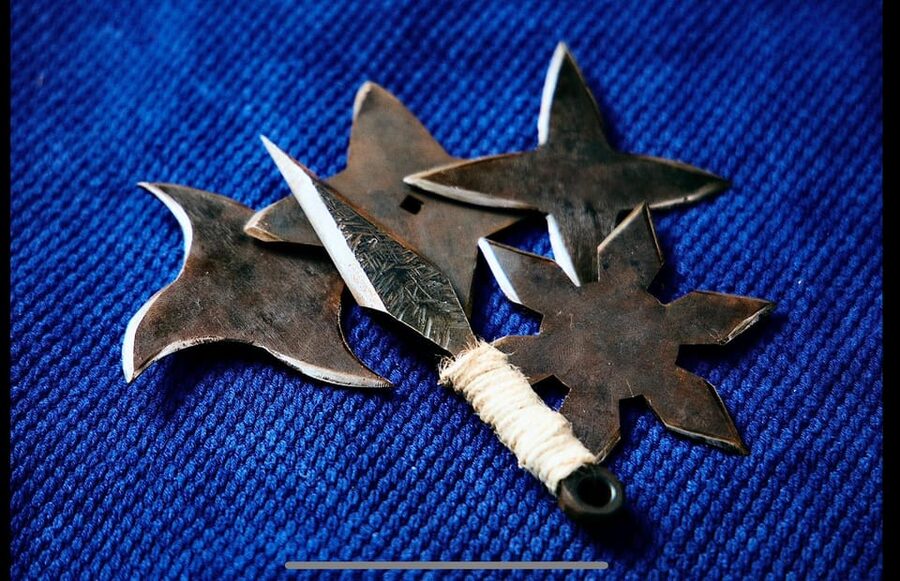
You choose your project near the start. The included options are three distinct shuriken styles. A kunai is also available, but you must select it when booking and pay the additional ¥3,000 material and processing fee.
A shuriken is the straightforward value choice because it is included in the listed price. You still get to shape, sharpen, finish, and personalize it, so choosing the included option does not mean receiving a lesser activity.
The kunai costs more, but it appeals to people who want a knife-shaped piece with a different character. If that is the item you have in mind, select it in advance rather than expecting to switch at the studio.
You are not making a fully formed weapon from an untouched bar of steel. The workshop supplies the basic shape, then gives you real work to do at several stages. That is a sensible arrangement for a 150-minute class. You get the feel of the craft without spending a full day learning the fundamentals of a professional smith.
The 800°C furnace is the main event
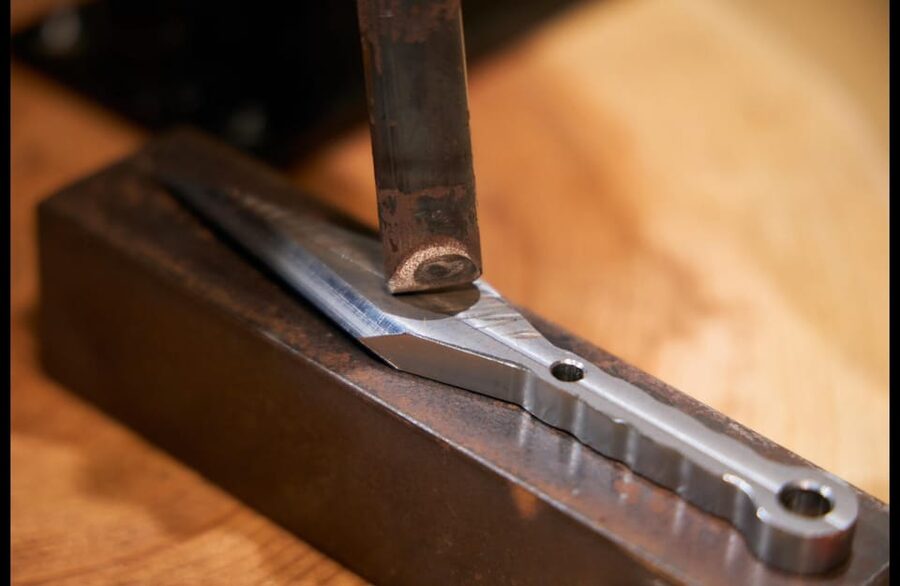
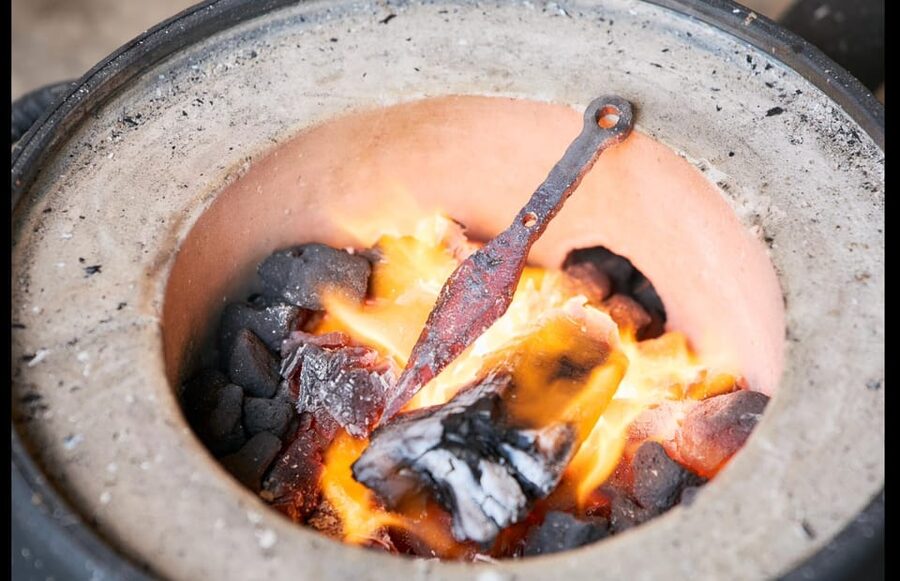
The most dramatic stage begins when your steel is placed in an 800°C furnace. As it heats, the metal begins to glow. Under instruction, you strike it with a hammer and help bring the form closer to the finished shape.
This is the moment that gives the class its value. You can feel the weight of the hammer, hear the impact, and watch sparks light the work area. It is a short, supervised introduction to Japanese forging traditions, not a demonstration where you stand at the edge of the room.
The instructors do much of the work that demands greater skill and control, but you take part in the important actions. Several participants particularly enjoyed being allowed to work through many stages themselves. That hands-on balance makes the finished souvenir more meaningful.
Do not expect unlimited time at the anvil. A few people wished for more hammering and forming. The schedule has to keep several participants moving through the workshop, and the class gives you a taste of forging rather than a complete apprenticeship.
The English instruction is a strong part of the experience. Taka is repeatedly praised for his energy and humor, while Daiki, also referred to as Dike, has been noted for explaining the forging process clearly. The team keeps the mood light without losing control of the tools and sequence.
A completely different kind of day out in Kyoto:
- PERFECT KYOTO 1-Day Bus Tour
★ 5.0 · 13,518 reviews - Kyoto: Fushimi Inari, Kinkakuji, Bamboo Grove 1 Day Bus Tour
★ 4.8 · 4,316 reviews - Kyoto: Tea Ceremony in a Traditional Tea House in Kiyomizu
★ 4.9 · 3,519 reviews - Kyoto Geisha Walking Tour: Gion District & Hidden Gems
★ 4.7 · 3,273 reviews
Sanding and sharpening reveal the shape
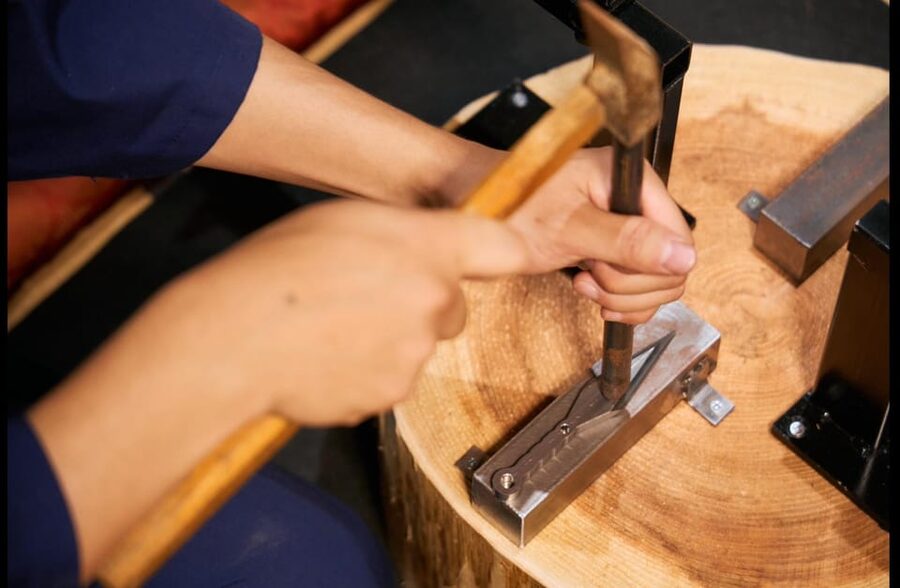
After forging, you refine the metal with a professional belt sander. This is less theatrical than the furnace, but it may be the stage where you notice the biggest visual change. Rough edges disappear, lines become cleaner, and the shape begins to look like a finished shuriken or kunai.
You receive guidance while using the equipment. The process is active, but not completely free-form. That is important for both safety and the final result, since an uneven edge or careless angle could spoil the piece.
Sharpening is another satisfying stage. You can decide how sharp to make the finished item, according to one participant who chose a dull version for display in a classroom. That option is useful if you want a decorative souvenir rather than something with a sharp edge.
The belt sander and polishing tools also give you a clearer sense of the skill involved in metalwork. A small object can require heat control, force, angle, patience, and finishing technique. You will not become a blacksmith in 150 minutes, but you will leave with a better understanding of how much work sits behind a simple metal tool.
Kanji engraving makes the souvenir personal
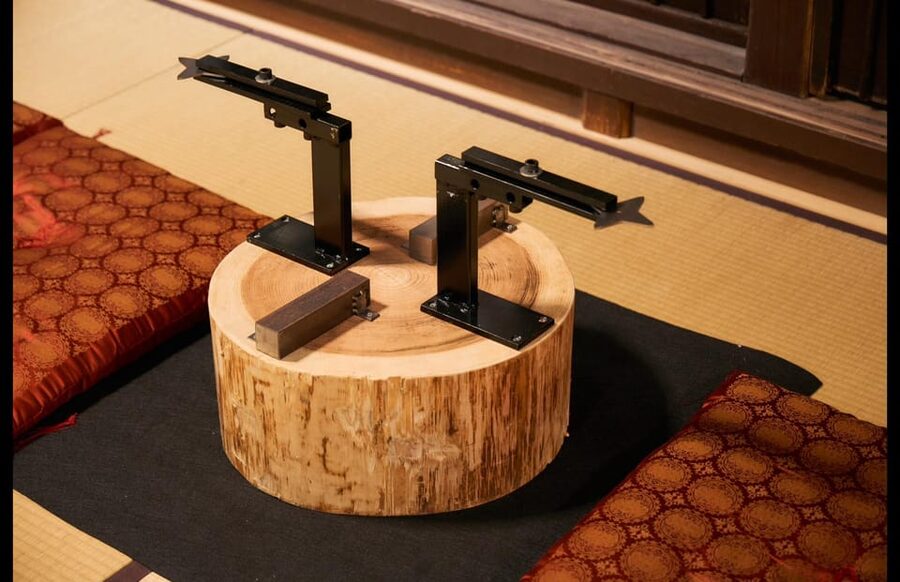
Once the basic metalwork is complete, you choose a kanji character that has meaning for you. A staff member engraves it onto the weapon with care. The engraving is a small feature, but it changes the piece from a workshop sample into your own marked creation.
You should think about your character before the class if you already have an idea. The supplied information does not list a fixed menu of kanji, so ask the instructor what choices are available and what each character means before deciding.
Yok is specifically praised for the engraving work. The staff help turn the character into a clean visual mark, rather than leaving you to scratch a symbol into the metal yourself.
This part is also a good reminder to treat the souvenir as a cultural craft object, not just a toy. The ninja theme is playful, but the class connects the object to Japanese ideas about tools, discipline, and concealment.
A short ninja lesson adds meaning
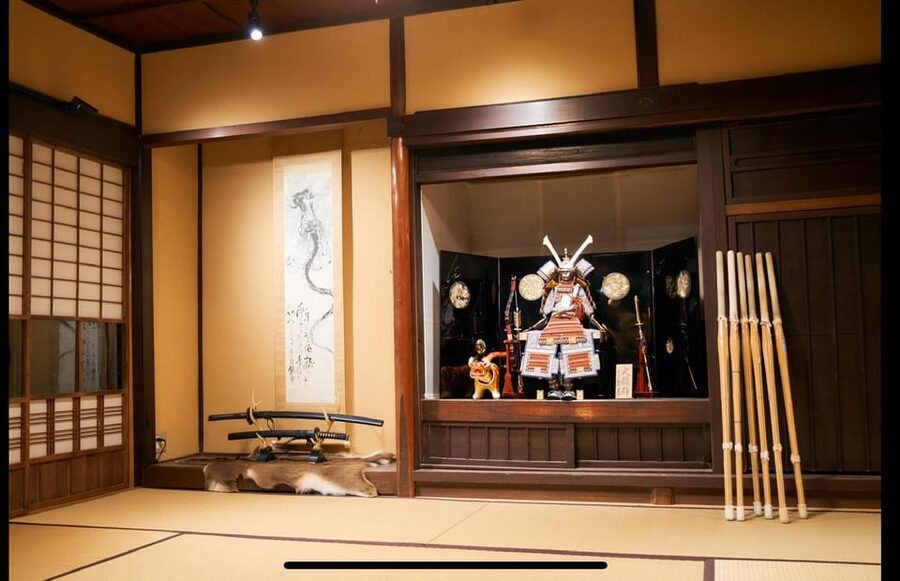
The workshop includes a session on ninja history, symbolism, and techniques. It is not simply a weapons class with a few facts added at the end. Learning why these objects are associated with ninja gives the activity a wider setting.
The lesson is especially useful for families. Children get the excitement of making a ninja weapon, while the cultural explanation gives parents something more substantial than a novelty purchase. Several families enjoyed the way the historical material was blended into the practical work.
The guides keep the teaching informal. Taka is often singled out for being funny, energetic, and easy to follow, while the wider team helps explain the stages in English. You should expect a lively class rather than a formal lecture.
If you already know a great deal about ninja history, the workshop may feel introductory. Its strength is that the information supports the craft without taking over the session.
Blackening, polishing, and boxing the finished piece
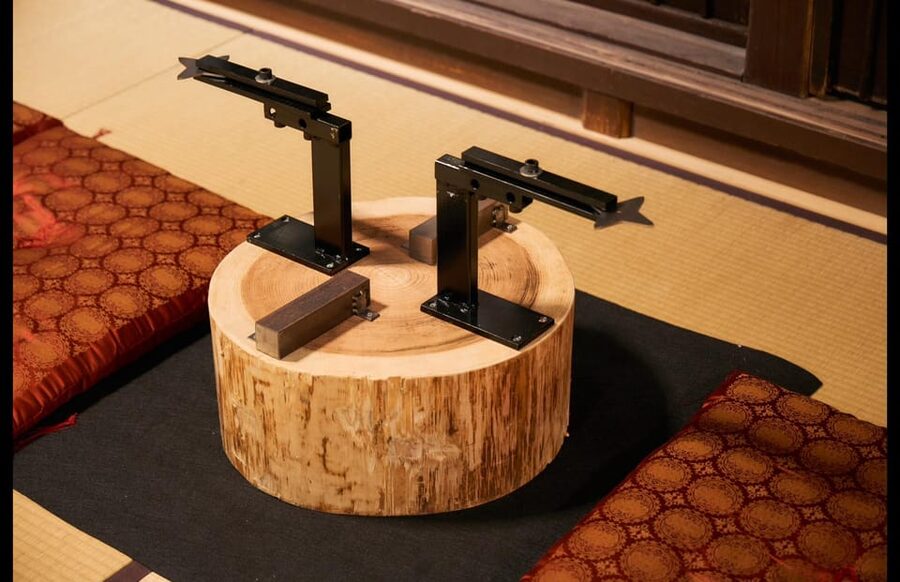
Near the end, the steel is treated with a special solution that darkens the surface and helps protect it from rust. The black finish gives the shuriken or kunai a sober, shadowy appearance that fits the ninja theme.
You then polish the piece. This final step brings out the cleaner lines and gives the metal a finished look. It is the payoff for all the earlier handling, since you can compare the rough heated steel with the polished object in front of you.
Your finished weapon goes into a beautiful box for the journey home. That packaging adds real value to the $148 price. You are not left carrying a sharp or pointed object loose in your luggage, and you have a presentable way to display or store it.
The studio also sells replica swords for an additional fee. These are not included in the class, so budget separately if you are tempted by the shop selection. The handmade shuriken or kunai is already the central keepsake.
Is $148 a fair price?
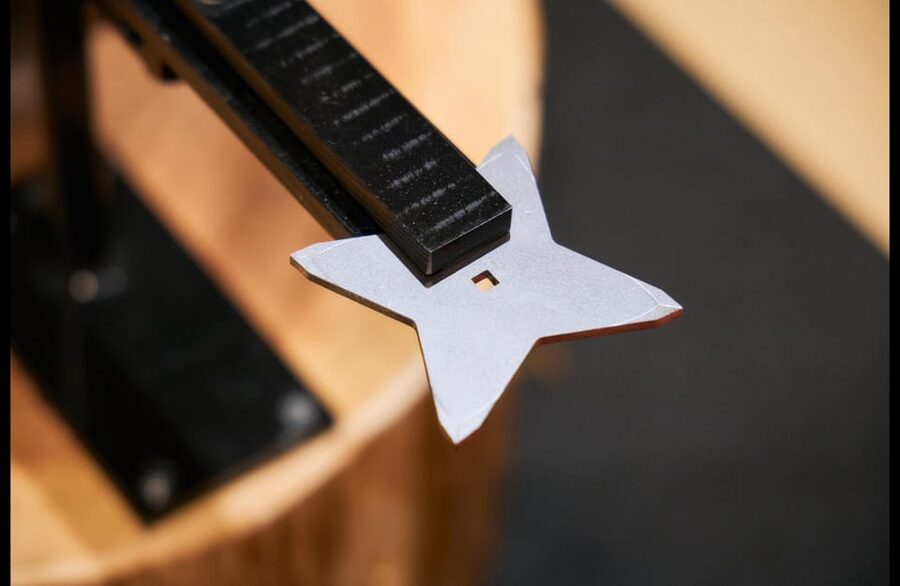
At $148 per person, this is a premium activity. You can visit temples and gardens for far less, and a standard souvenir costs only a fraction of the fee. The comparison is not quite fair, though, because this price covers 150 minutes of instruction, studio access, clothing, tools, materials, engraving, finishing, and the boxed piece you take home.
The value is strongest if you care about making something. You heat the metal, hammer it, sand it, sharpen it, choose a kanji mark, darken the surface, and polish the result. The souvenir is tied to a set of actions you performed, rather than a purchase made on the way out.
The price is less appealing if you mainly want a quick ninja photo or a low-cost family stop. It is also worth noting that the kunai adds ¥3,000. Replica swords cost extra as well.
For a special Kyoto memory, a solo activity, or a family experience that everyone can discuss afterward, I think the cost is defensible. The strongest value comes from the staff’s close guidance and the amount of work you perform yourself.
Who will enjoy this most?
I would recommend this for people who want a break from temple visits and guided sightseeing. It suits couples, families, solo visitors, and anyone drawn to Japanese craft, metalwork, or ninja culture.
Families appear to get a lot from the format. Children can take part in the practical stages, and the staff are patient and encouraging. The activity is also a good choice for a mixed-age group because you do not need previous experience.
Solo visitors should not worry about feeling stranded. The upbeat staff help participants through each stage, and one solo participant made friends during the class and later went for drinks with people from the session.
You should reconsider it if you dislike heat, noise, physical work, or workshop environments. You also need to be comfortable taking responsibility for transporting a pointed or bladed object home in checked luggage.
Getting your handmade weapon home
Plan the return journey before you book. The weapon can travel on your flight, but only in checked luggage. It cannot go in your carry-on bag.
If you are flying to Australia, one family reported getting the items through customs after declaring them. That is useful practical advice, but you should still check the current rules for your airline, departure airport, and destination country.
Do not pack the piece at the last minute in a loose bag. Keep it in the provided box, place it securely in checked baggage, and declare it if local customs instructions require that. The studio’s packaging makes this easier, but it does not replace your responsibility to check the rules.
Booking flexibility and timing
The class lasts 150 minutes, though some participants describe the full visit as closer to three hours. Allow extra time for arrival, changing clothes, photographs, the lesson, and the final packing.
English instruction is available. You can reserve now and pay later, which helps if your Kyoto schedule is still changing. Free cancellation is available up to 24 hours before the activity for a full refund.
Starting times vary, so check availability for the day you want. Since the studio is outside the central sightseeing core, avoid booking a tight connection with a temple reservation, train, dinner, or airport transfer.
Should you book the Kyoto Ninja Weapon Forging Experience?
Book it if you want a real hands-on activity and a souvenir with a story behind it. The strongest reasons are the heated steel, the chance to use the tools yourself, the kanji engraving, and the warm English-speaking team led by figures such as Taka and Daiki.
I would choose a shuriken if you want to keep the advertised price at $148. Choose the kunai only if that shape matters to you enough to pay the extra ¥3,000. Either way, remember the checked-luggage rule before you commit.
Skip it if you want a cheap, quick attraction close to central Kyoto, or if you expect to forge an entire weapon from raw steel without instructor assistance. For everyone else, this is a lively, unusual way to spend an afternoon, and the boxed object in your luggage will carry far more memory than an ordinary souvenir.
FAQ
How long does the Kyoto Ninja Weapon Forging Experience last?
The listed duration is 150 minutes. Some participants describe the complete visit as closer to three hours, so allow extra time for changing, photographs, instruction, and packing the finished weapon.
How much does the experience cost?
The price is $148 per person. Making a kunai requires an additional ¥3,000 fee for processing and materials.
Which weapons can I make?
You can choose from three shuriken styles. A kunai is also available, but you must select the kunai option when booking and pay the additional fee.
Is the class taught in English?
Yes. The instructor language is English, and English-speaking staff guide you through the forging, shaping, engraving, blackening, and polishing stages.
Where does the experience meet?
The studio is about a one-minute walk from Hieizanguchi Station. From the station, go up the hill near the red postbox.
Can I take the weapon home on my flight?
Yes, but the weapon must be packed in checked luggage. It cannot be carried onto the plane in your carry-on baggage.
Are clothing and tools included?
Yes. The activity includes the instructor, weapon-making class, uniform, tools, and the weapon you make. Replica swords and some weapon choices cost extra.
Just added around Kyoto
- Kyoto: Gion Night Walking Tour with Geisha Insight★ 5.0 · 39 reviews
- Kyoto: Private Customizable Day Trip by Car★ 5.0 · 38 reviews
- Kyoto: Full Day Bike Tour★ 4.9 · 39 reviews
- Private Japanese Calligraphy in Kyoto – Learn Shodō with a Master★ 5.0 · 39 reviews
- Experience a tea ceremony in an authentic tearoom, in Kyoto!★ 4.5 · 41 reviews
- Kyoto: Gion Evening Walk with Hidden Gems, Geisha & Sake★ 5.0 · 41 reviews
- Kyoto Private Photo Shoot & Tour by SnapKyoto★ 5.0 · 41 reviews
- The Way of Tea: Kyoto Crafts, Hidden Temples & Wabi-Sabi Walk★ 5.0 · 41 reviews
Samurai & Ninja Experiences, compared.

Samurai Ninja Museum Guided tour and Experience
Read our review →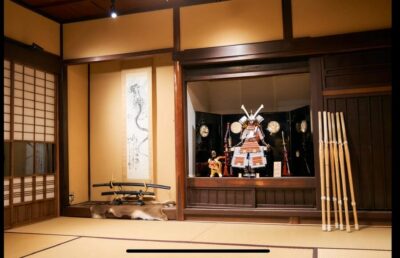
Kendo and Samurai Experience with Uniform and Gear
Read our review →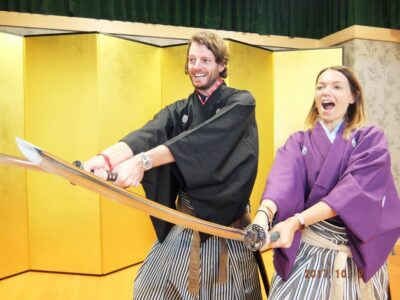
Samurai Sword Class by Experts in Traditional Arts
Read our review →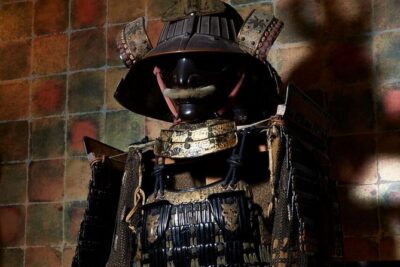
Skip the lines Basic Ticket at SAMURAI NINJA MUSEUM KYOTO
Read our review →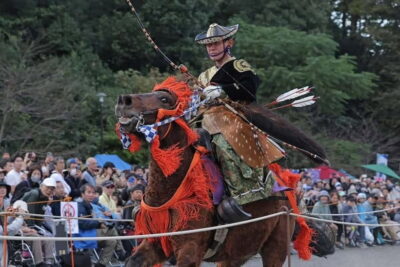
Samurai Sword & Archery Class from Samurai Descendant
Read our review →
Browse the lists this tour appears in