
Reviewed · RAMEN & NOODLE TOURS
Kyoto Ramen Noodle Making Class
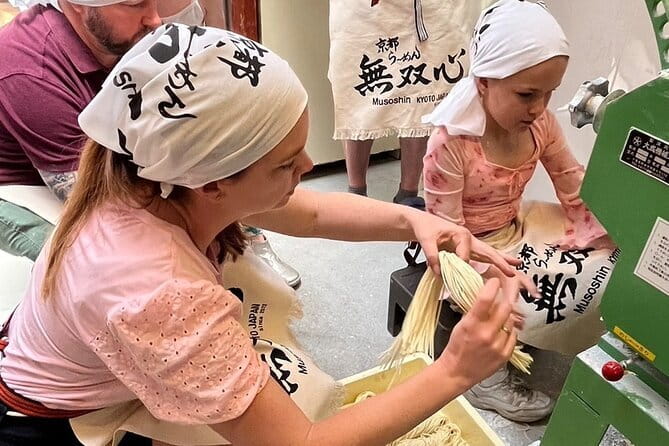
Roll up your sleeves for ramen. In Kyoto’s Gion district, this one-hour workshop lets you make noodles from scratch with a professional machine, then sit down to a bowl prepared by Musoshin’s chef. I like the hands-on format and the small group size, which is limited to six people. I also like that the session includes a drink, apron, and take-home bandana.
The main thing to understand is that this is a noodle-making workshop, not a full cooking class. You make the dough, roll it, and cut the noodles, but the chef prepares the broth and final bowl. At $48.27 per person, the price is fair for a short, focused activity, though anyone expecting to cook an entire ramen meal may want a longer class.
In This Review
- Key Points Before You Book
- What Happens at Musoshin Gion
- Mixing Two Flours Into Ramen Dough
- Rolling and Cutting the Noodles
- The Chef Takes Over for the Broth
- Finishing With a Bowl of Musoshin Ramen
- Why the Small Group Matters
- The Difference Between Noodle Making and Cooking
- Dietary Options and Wheat Flour
- Is $48.27 Good Value for One Hour?
- Who Will Enjoy This Experience Most?
- Booking, Arrival, and Cancellation Tips
- Should You Book the Kyoto Ramen Workshop?
- FAQ
- Where does the Kyoto ramen noodle workshop take place?
- How long does the experience last?
- What will I do during the class?
- Is the final ramen included?
- Is this a full ramen cooking class?
- Can vegetarian or vegan diets be accommodated?
- What is included besides the food and instruction?
Key Points Before You Book
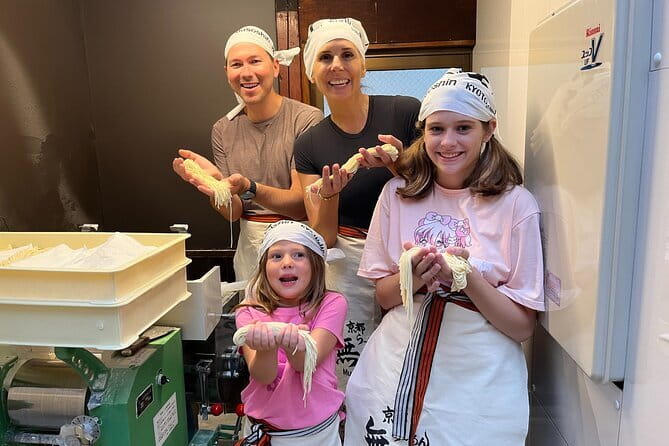
- Make noodles with a professional machine: You pour the water, knead the dough, and roll and cut it into chewy noodles.
- Small groups keep it personal: The maximum is six people, so you should receive plenty of direct help.
- Eat a chef-prepared ramen bowl: Your work ends with a bowl made by the Musoshin chef, plus one soft drink.
- English instruction is included: Instructors such as Kaz, Azu, and Amiru have received especially warm praise for their friendly teaching.
- Local Kyoto ingredients add character: The shop uses Kyotamba rice and condiments from local producers.
- Dietary needs can be handled: Vegetarian, vegan, and pescetarian options are available if you advise the provider ahead of time.
What Happens at Musoshin Gion
The class begins at Musoshin Gion, at 558-2 Komatsucho in Kyoto’s Higashiyama Ward. This is in central Kyoto’s Gion district, near public transportation, so it fits neatly into a day spent around the traditional streets and temples of eastern Kyoto.
The experience lasts about one hour and ends where it begins. That short length is useful if your sightseeing schedule is packed. You can fit it between other stops without giving up half a day, though the pace is likely to feel brisk because the workshop has several stages to cover.
You should arrive ready to take part rather than simply watch. An apron is provided, and the bandana used during the class is yours to keep afterward. It is a small souvenir, but a more personal one than a standard restaurant receipt or packaged trinket.
The class takes place at Musoshin Gion, not at Musoshin Ramen Academy. Pay close attention to that distinction when planning your route. Showing up at the wrong location would be an avoidable nuisance, especially in Kyoto, where similar restaurant names can cause confusion.
More Ramen Tours in Kyoto
- Ramen Cooking Class at Ramen Factory in Kyoto
★ 5.0 · 1,937 reviews - Kyoto: Ramen Cooking Class at a Ramen Factory with Souvenir
★ 4.9 · 532 reviews - Kyoto: Ramen, Gyoza, and Onigiri Cooking Class
★ 5.0 · 445 reviews
Mixing Two Flours Into Ramen Dough
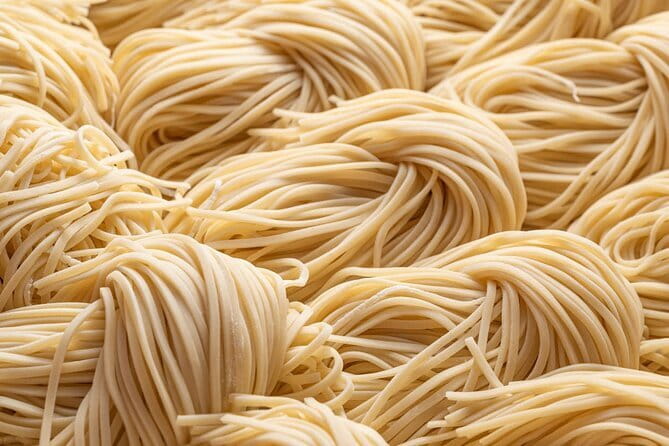
The first real task is making the dough. The noodles use two types of wheat flour, and you help pour in the water before kneading the mixture. This gives you a direct feel for one of the less glamorous but most important parts of ramen production: getting the dough to the right consistency.
You will not simply receive a ball of prepared dough and watch a demonstration. The point is to take part in the process under the instructor’s direction. That hands-on work is a major reason this activity suits families and curious food lovers.
The dough stage also helps explain why ramen noodles are not just ordinary pasta. Flour choice, water, kneading, and thickness all affect the final bite. The information provided does not give exact recipes or measurements, so you should not expect to leave with a complete formula for recreating Musoshin’s noodles at home.
Still, you will see the basic method in action. That is valuable in a way a restaurant meal is not. Afterward, when you lift noodles from a bowl, you have a better sense of the labor behind their texture.
Rolling and Cutting the Noodles
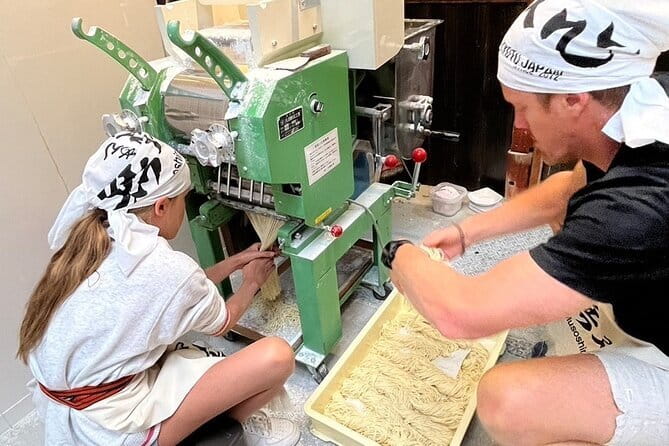
Once the dough is ready, you use a professional noodle-making machine to roll and cut it. This is the most distinctive piece of equipment in the workshop. It turns a simple mixture of flour and water into strands with an even shape and satisfying chew.
An instructor guides you through the steps, so you do not need prior cooking experience. The class is designed for beginners, and the emphasis is on participation rather than technical perfection.
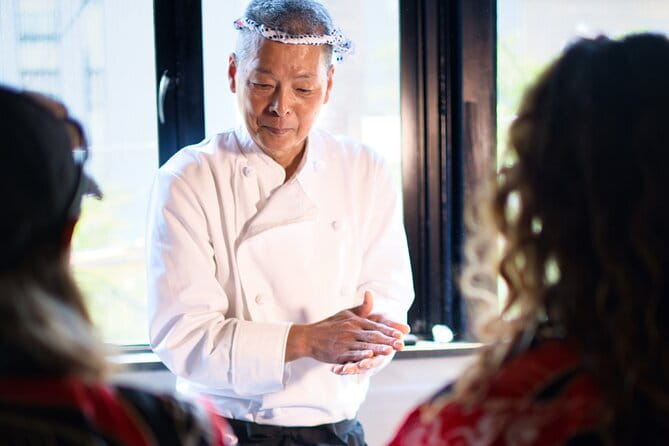
You should expect the instructor to demonstrate the process carefully before you try it. Kaz is specifically praised as a good instructor, while Azu and Amiru are also noted for making the process clear and friendly. English instruction is included, which matters when the class involves timing, dough texture, and machine use.
The best part is the change in perspective. At the start, ramen may seem like a quick bowl of noodles. After rolling and cutting dough yourself, the finished dish carries more meaning. You can see how a restaurant turns basic ingredients into a polished meal through repetition and care.
The Chef Takes Over for the Broth
The workshop does not have you prepare the broth from scratch. Instead, Musoshin’s ramen chef makes the broth, using a blend of vegetables for a savory base. This division of work keeps the experience within its one-hour schedule and lets you focus on the noodles.
For some people, this is the ideal arrangement. You get the fun, tactile part of ramen production without spending hours simmering stock. You also finish with a bowl prepared by someone who works professionally at the restaurant.
For others, the lack of broth preparation will be the main limitation. If you want to learn every stage of ramen cooking, including stock, toppings, seasoning, and final assembly, this workshop will not cover all of it. The activity makes that clear: you learn the noodle process, then the chef prepares the meal.
The broth is made with vegetables, but the exact recipe is not provided. That means you should think of this as a practical introduction to noodles rather than a full lesson in Musoshin’s kitchen methods.
A completely different kind of day out in Kyoto:
- PERFECT KYOTO 1-Day Bus Tour
★ 5.0 · 13,518 reviews - Kyoto: Fushimi Inari, Kinkakuji, Bamboo Grove 1 Day Bus Tour
★ 4.8 · 4,316 reviews - Kyoto: Tea Ceremony in a Traditional Tea House in Kiyomizu
★ 4.9 · 3,519 reviews - Kyoto Geisha Walking Tour: Gion District & Hidden Gems
★ 4.7 · 3,273 reviews
Finishing With a Bowl of Musoshin Ramen
At the end, you receive a steaming bowl of ramen prepared by the chef. This is more than a snack tacked onto a craft activity. It gives you a chance to taste the result of the noodle-making process while the experience is still fresh.
The ramen is served with local touches, including high-quality Kyotamba rice and condiments from makers in the Kyoto area. The supplied information does not specify that rice is included in the final bowl, so you should understand it as part of the shop’s broader ingredient selection rather than assume you receive a separate rice dish.
The meal also includes one soft drink. That helps the $48.27 price feel more reasonable, especially when you add the instruction, ingredients, equipment, apron, souvenir bandana, and chef-prepared bowl.
The bowl is the moment when the separate parts come together. You have handled the dough, watched it become noodles, and then tasted the finished product in a restaurant setting. Several diners singled out the ramen itself as a highlight, with one calling it among the best they had eaten. That kind of praise is subjective, of course, but it points to the meal being a serious part of the experience, not an afterthought.
Why the Small Group Matters
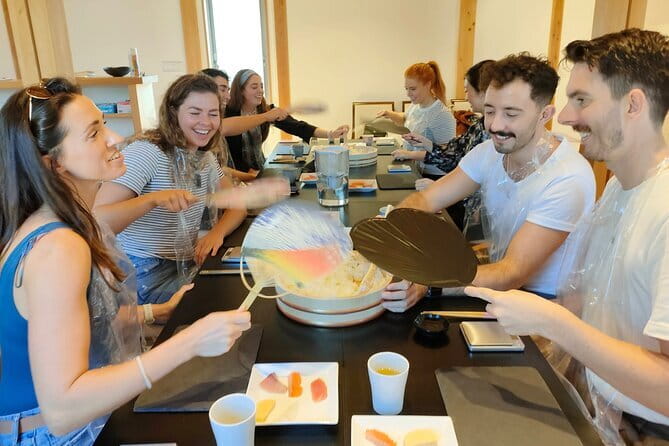
The maximum group size is six people. That is an important detail for a workshop involving dough and machinery. A large class can turn a hands-on activity into a queue, with one person working while everyone else watches.
Here, the limited size should give you more chances to ask questions and receive corrections. It also makes the class more suitable for families or small groups who want to work together without losing contact with the instructor.
The experience has been described as comfortable for families, and the friendly teaching style is a recurring strength. Kaz, Azu, and Amiru are named as instructors connected with the restaurant, and their warmth appears to be part of the appeal.
Of course, a small group is not a guarantee that every moment will be private or tailored to your exact pace. The class still has a fixed one-hour duration and a set process. But six people is a sensible limit, and it should help preserve the social, interactive feel.
The Difference Between Noodle Making and Cooking
This distinction deserves its own warning because it affects your decision. You will make ramen noodles from scratch, but you will not cook the entire bowl yourself.
Your tasks include pouring water, kneading dough, and rolling and cutting the noodles. The restaurant chef prepares the broth and serves the final ramen. You are learning one important part of the dish, not taking over the complete kitchen operation.
That makes the workshop a good match for you if you want a manageable food activity during a Kyoto sightseeing day. It is also a good pick if you enjoy eating ramen and want to understand how the noodles are made.
It is less suitable if your main goal is to learn a full ramen recipe that you can reproduce from start to finish. In that case, check the description carefully and choose an activity that includes broth-making and toppings.
Dietary Options and Wheat Flour
The noodles are made with wheat flour, so anyone avoiding wheat should take note. The supplied details do not mention a gluten-free alternative.
Vegetarian, vegan, and pescetarian diets can be accommodated for the tasting session, but you need to notify the provider in advance. The information also says no meat or fish options are available for the tasting session, so this is not limited to one special diet.
Because the broth is prepared by the chef and the exact ingredients are not listed, advance notice matters. Tell the provider your restrictions before the class rather than relying on an on-site request.
The presence of vegetarian and vegan choices makes the activity easier to share with a mixed group. One person can enjoy the standard bowl while another receives a suitable alternative, subject to advance arrangement.
Is $48.27 Good Value for One Hour?
At first glance, $48.27 may seem high for a one-hour activity. A simple restaurant bowl of ramen will cost much less. But this is not priced as a meal alone.
You are paying for instruction, ingredients, use of a professional noodle machine, a rental apron, a souvenir bandana, a soft drink, and a bowl made by the chef. You also get a small group setting in a well-known ramen restaurant with locations in Kyoto and a Michelin Guide-recognized location in Toronto.
I consider the price reasonable if you value participation and want an organized food experience in Gion. It is less compelling if you only want lunch. In that case, visit Musoshin as a restaurant and spend the difference on another Kyoto activity.
The short duration helps the value from a scheduling point of view. You do not need to sacrifice an entire afternoon, and the activity ends at its starting point. For a first visit to Kyoto, that can be useful because the city offers more sights than any single day can cover.
Who Will Enjoy This Experience Most?
I would recommend this workshop to food-minded first-time visitors, families, couples, and anyone who likes learning by doing. You do not need professional cooking skills, and the English-speaking instruction removes much of the guesswork.
It also suits people who want a break from temples and museums. Gion can fill a day with beautiful streets and cultural sights, but a practical kitchen activity gives you a different connection to Kyoto.
The class is especially appealing to ramen fans. You will not learn every part of the dish, but you will understand how the noodles are formed and why texture matters. The final bowl gives you an immediate reward.
I would hesitate to recommend it to someone with severe wheat restrictions, unless the provider confirms a suitable arrangement. I would also steer full-scale cooking enthusiasts toward a longer class that covers stock, seasoning, toppings, and assembly.
Booking, Arrival, and Cancellation Tips
Confirmation is sent within 48 hours of booking, subject to availability. The activity accepts a mobile ticket, which is convenient when you are moving around Kyoto with your phone rather than carrying printed paperwork.
The meeting point is 558-2 Komatsucho, Higashiyama Ward, Kyoto, 605-0811. The activity is near public transportation, but you should still allow time to find Musoshin Gion in the narrow, busy streets of central Kyoto.
Check the name carefully: the workshop is at Musoshin Gion, not Musoshin Ramen Academy. That is the single most useful location tip provided for this experience.
Free cancellation is available until 24 hours before the start time for a full refund. Changes or cancellations inside that 24-hour window are not accepted and are not refunded. The cut-off follows local Kyoto time, so take that into account if you are booking from another country.
Should You Book the Kyoto Ramen Workshop?
Book it if you want an interactive food experience that fits into a tight schedule and ends with a proper bowl of ramen. The small group, English-speaking instructors, professional noodle machine, local ingredients, and souvenir bandana give it more substance than a quick restaurant meal.
The strongest reasons to choose it are the hands-on dough work and the friendly teaching. You are not just shown a noodle-making process. You take part in it, then taste the result.
Skip it if you want a complete ramen cooking course or if $48.27 feels too much for a one-hour activity. But if you are already planning to explore Gion and enjoy ramen, this is an easy, cheerful way to add a little kitchen time to your Kyoto itinerary.
FAQ
Where does the Kyoto ramen noodle workshop take place?
It takes place at Musoshin Gion, located at 558-2 Komatsucho, Higashiyama Ward, Kyoto, 605-0811, Japan. It is not held at Musoshin Ramen Academy.
How long does the experience last?
The workshop lasts approximately one hour and ends back at the meeting point.
What will I do during the class?
You will pour water, knead dough made with two types of wheat flour, and use a professional noodle-making machine to roll and cut the noodles.
Is the final ramen included?
Yes. The experience includes one bowl of ramen prepared by the Musoshin chef, along with one soft drink.
Is this a full ramen cooking class?
No. It focuses on making the noodles. The chef prepares the vegetable-based broth and final bowl, so you do not cook every part of the ramen yourself.
Can vegetarian or vegan diets be accommodated?
Yes. Vegetarian, vegan, and pescetarian options are available for the tasting session. You must inform the provider about dietary restrictions in advance.
What is included besides the food and instruction?
The price includes an English-speaking instructor, noodle-making ingredients and tools, a rental apron, one soft drink, and the bandana used during the workshop as a souvenir.
Just added around Kyoto
- Kyoto: Gion Night Walking Tour with Geisha Insight★ 5.0 · 39 reviews
- Kyoto: Private Customizable Day Trip by Car★ 5.0 · 38 reviews
- Kyoto: Full Day Bike Tour★ 4.9 · 39 reviews
- Private Japanese Calligraphy in Kyoto – Learn Shodō with a Master★ 5.0 · 39 reviews
- Kyoto: Gion Evening Walk with Hidden Gems, Geisha & Sake★ 5.0 · 41 reviews
- Experience a tea ceremony in an authentic tearoom, in Kyoto!★ 4.5 · 41 reviews
- Kyoto Private Photo Shoot & Tour by SnapKyoto★ 5.0 · 41 reviews
- The Way of Tea: Kyoto Crafts, Hidden Temples & Wabi-Sabi Walk★ 5.0 · 41 reviews
Ramen & Noodle Tours, compared.
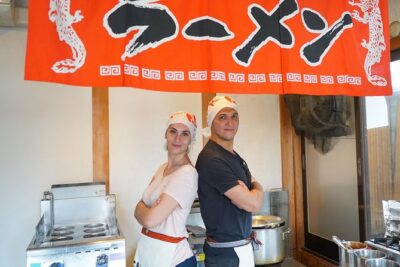
Ramen Cooking Class at Ramen Factory in Kyoto
Read our review →
Eat and Drink Like a Local: Tokyo Ueno Food Tour-Taverns&Ramen
Read our review →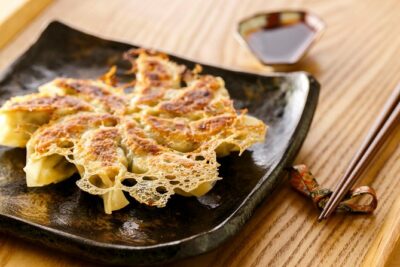
Ramen & Gyoza Cooking Class in Tokyo with Local Supermarket Visit
Read our review →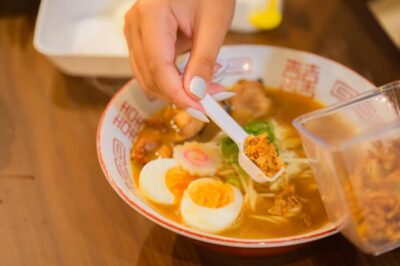
Ramen Cooking Class at a Ramen Factory with Souvenir
Read our review →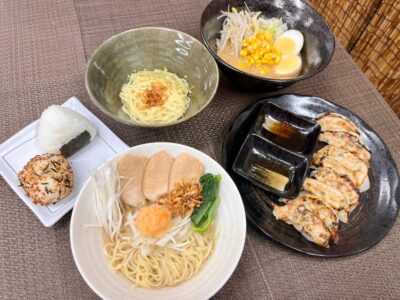
Five Must-See Highlights Walking Tour & Ramen Lunch
Read our review →
Browse the lists this tour appears in