
Reviewed · SAMURAI & NINJA EXPERIENCES
Kyoto: Samurai Ninja Museum guided tour
Come for the armor, stay for the shuriken. This one-hour Kyoto experience mixes a museum visit with hands-on fun, including samurai dress-up, a real helmet, replica sword, and ninja star throwing. I especially like the English-speaking guides, who make the material easy to follow, and the way the tour keeps children and teenagers involved instead of asking them to quietly stare at displays. The main drawback is its short length: if you want a large, serious museum visit, this can feel more like an entertaining introduction than a full study of samurai life.
I also like the small-group format, which is advertised for up to 10 people, and the useful balance between explanation and activity. Guides such as Miu, Akiko, Sayo, Aya, Ko, and Jukia receive repeated praise for clear English and lively teaching. Just note that the information also lists a maximum of 30 participants, so your actual group size may vary. At $28 per person, I see good value for families and first-time visitors, though one four-star review felt the price was high for a museum ticket and standard guide.
In This Review
- Key points before you book
- What this Kyoto experience is really like
- Entering the museum and meeting your English-speaking guide
- Armor, weapons, and the craft behind the displays
- Wearing a samurai costume and real helmet
- Katana lessons, replica swords, and ninja tools
- Finishing with shuriken throwing
- Why the one-hour schedule works, and where it falls short
- Is $28 good value in Kyoto?
- Group size, accessibility, and booking flexibility
- Who will enjoy this most?
- Should you book the Kyoto Samurai Ninja Museum tour?
- FAQ
- How long does the Samurai Ninja Museum tour last?
- How much does the experience cost?
- Is an English-speaking guide included?
- What hands-on activities are included?
- Is museum admission included?
- Is transportation included?
- Can I cancel the booking?
Key points before you book
- One hour of history and play: You get a guided museum visit plus dress-up and ninja star throwing.
- The strongest part is the guiding: Miu, Akiko, Sayo, Aya, Ko, Jukia, and others are praised for clear English, questions, and engaging explanations.
- You can wear real samurai equipment: The experience includes a real samurai helmet, samurai costume, and a replica sword for photographs.
- Shuriken throwing is the crowd favorite: Adults, children, and teenagers repeatedly enjoy this hands-on finish.
- Good for families and first visits: The interactive format helps hold attention better than a display-only museum.
- Plan around the one-hour limit: It offers an introduction, not an all-day examination of Japanese military culture.
What this Kyoto experience is really like
The Samurai Ninja Museum presents samurai and ninja history in a format built for participation. Kyoto is closely linked with Japan’s samurai past, from the early Heian period through the end of the Tokugawa shogunate, and the museum uses armor, weapons, displays, and guided storytelling to introduce that world.
You are not signing up for a long historical seminar. The appeal is the mix: a guide explains the role of samurai and ninja, you look closely at equipment and craftsmanship, then you get to handle replicas and try a ninja skill yourself. That change of pace is why the tour works well for families.
I would think of it as a lively first lesson. If you already know a great deal about Japanese military history, you may find the information fairly introductory. If you are visiting Japan for the first time, though, the hour gives you a helpful frame for understanding the warriors you see in films, books, and other Kyoto attractions.
More Museum Visits in Kyoto
- Kyoto: Tea Museum Tickets and Matcha Grinding Experience
★ 4.9 · 739 reviews - Skip the lines Basic Ticket at SAMURAI NINJA MUSEUM KYOTO
★ 4.5 · 632 reviews - Kyoto : Geiko Maiko Dance of Kyoto & Visits of Gion Museum
★ 4.6 · 415 reviews
Entering the museum and meeting your English-speaking guide
The tour begins with entry to the museum and a live guide in English. Skip-the-ticket-line access is included, which is useful when you are trying to fit this short activity into a packed Kyoto day.
The guide makes a large difference. The strongest comments focus not just on factual information, but on delivery. Mami is praised for combining historical facts with a friendly manner. Miu receives repeated approval for clear explanations and help during the visit. Akiko is noted for her explanations and photographs, while Sayo is praised for keeping the experience fun and understandable.
Other guides named in the feedback include Aya, Ko, Jukia, Taka, Saku, Taku, Aoi, Tepe, Miku, and Tera. The guide you receive depends on the session, so do not book solely to meet one particular person. Still, the repeated praise across many different guides suggests that the English presentation is one of the experience’s safer strengths.
Expect questions and interaction rather than a speech delivered over your head. One guide used questions to involve the group, and another made sure everyone took part. That matters in a museum with children, since the next activity is never too far away.
Armor, weapons, and the craft behind the displays
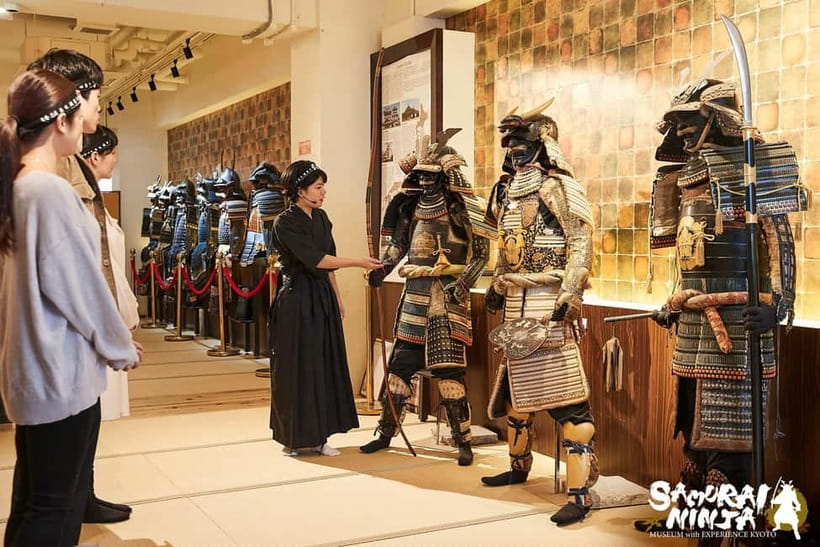
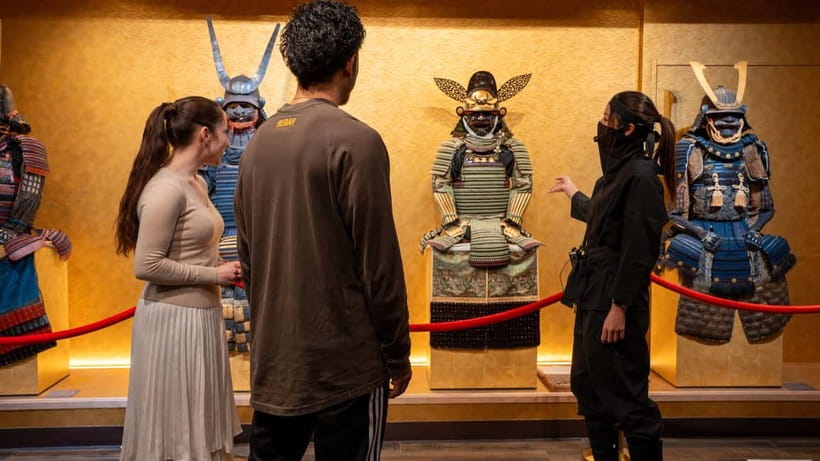
The museum portion focuses on samurai and ninja equipment, including armor and weapons. You get a closer look at the objects and the craftsmanship behind them, rather than only hearing broad stories about heroic warriors.
The armor display is a particular highlight. One visitor specifically praised the equipment and the quality of the armor display, while another enjoyed seeing the weapons and learning about their place in samurai and ninja culture. The museum also uses props and well-prepared displays to make the subject easier to picture.
The guide’s role here is important. A display case can show you a helmet, but a good explanation helps you notice its construction, purpose, and place in the wider story. The tour description also refers to historical context from Kyoto’s samurai era, giving you more than a simple costume photo stop.
Keep your expectations sensible. This is a compact museum experience lasting one hour, not a vast collection requiring half a day. The display area may satisfy a first-time visitor more than someone looking for a detailed academic treatment of armor, weapons, and warrior society.
Wearing a samurai costume and real helmet
The dress-up portion is where the tour becomes especially useful for families. You can put on a samurai costume, wear a real samurai helmet, and hold a replica sword. These are practical, visual activities, and they give you photographs that feel more connected to the subject than a quick snapshot beside a generic sign.
The helmet is a memorable detail. The experience specifically includes wearing a real samurai helmet, while the sword is a replica for handling. That distinction matters: you get the feel and appearance of the equipment without being promised access to an actual weapon.
I like this part because it turns the lesson into something physical. You are no longer simply hearing about armor. You can see how a helmet changes your appearance, hold the sword, and get a better sense of the weight and presence of the equipment.
The costume activity is also a good answer to the common family problem of mixed interest. One person can listen closely to the historical explanation while another looks forward to dressing up. Teenagers who might lose interest during a display often have a clear reason to stay engaged.
More Samurai & Ninja Experiences in Kyoto
- Kyoto Samurai Experience
★ 5.0 · 1,294 reviews - Kyoto: Kendo and Samurai Experience with Uniform and Gear
★ 4.9 · 815 reviews - Kyoto: Samurai Sword Class by Experts in Traditional Arts
★ 4.9 · 657 reviews - Ninja 1-hour Hands-on Lesson by Japanese master in Kyoto -Entry
★ 5.0 · 489 reviews
Katana lessons, replica swords, and ninja tools
The tour description includes a katana lesson and hands-on activities with a ninja fukiya, a blowgun-style tool. It also includes the chance to handle a replica sword. The exact timing of every activity is not specified, so I would treat these as part of the advertised experience rather than expect a long formal martial arts class.
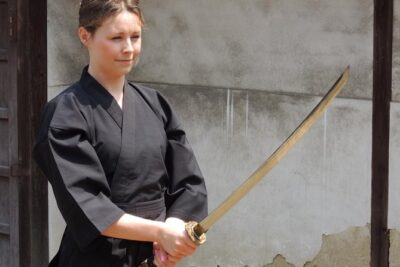
The katana segment adds movement to the museum visit. It is best understood as an introductory lesson, not professional sword training. The value is in learning how the weapon fits into the presentation of samurai culture and then trying a controlled, guided activity.
The ninja fukiya is another unusual feature. Many samurai-themed attractions stop at costumes and photographs. Adding a ninja tool gives the hour a broader focus, showing that samurai and ninja are related subjects but not identical ones.
You should also remember that the included items are clearly stated as a museum tour, samurai costume, and ninja star throwing. The broader description includes the katana lesson and fukiya activity, but the practical emphasis appears to be on the tour, dress-up, and shuriken throw. If one specific tool is the main reason you want to book, confirm the current session details before paying.
Finishing with shuriken throwing
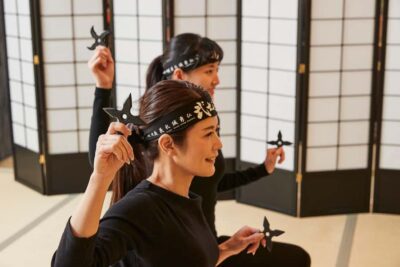
The ninja star throwing activity is the most consistently praised part of the experience. You are given the chance to throw shuriken, also called ninja stars, in a controlled activity after the museum portion.
This works as a strong ending because it gives everyone a simple goal. You listen, look at the equipment, dress up, then try something with your own hands. One family enjoyed the throwing competition because it held the children’s attention, and another visitor called it a fun way to finish the tour.
Do not expect a full ninja training course. The supplied details promise ninja star throwing, not a long series of tests or advanced instruction. The appeal is the quick challenge and the chance to share a laugh with your group.
For families, this can be the difference between a merely acceptable museum stop and a memorable one. Adults do not have to sit out, either. The feedback shows that the activity appeals across age groups, including teenagers and parents.
Why the one-hour schedule works, and where it falls short
One hour is enough to give you a taste of the subject without consuming a major part of your Kyoto day. You can pair it with other central Kyoto sightseeing, a meal, or a visit to another nearby attraction, though transportation to and from the museum is not included.
The short schedule also keeps the activities moving. There is less chance for children to become restless when the tour changes from explanation to equipment, then to costumes and throwing.
The tradeoff is depth. You will not have time for an extended examination of every object or a long discussion of the samurai system. If you want detailed military history, political history, or a large collection of artifacts, you may leave wanting more.
One four-star review described the activity as different from what was expected, though the guide’s friendly and informed approach improved the experience. That is useful advice. Book this for a guided introduction with hands-on elements, not as a substitute for a major national museum or historical site.
Is $28 good value in Kyoto?
At $28, the price is reasonable if you will use the interactive parts. The cost includes museum entry, an English-speaking guide, a samurai costume, and ninja star throwing. The real helmet, replica sword, armor displays, and additional activities add practical value beyond a basic admission ticket.
I would call it especially good value for a family. A display-only museum can be hard to justify when younger visitors lose interest quickly. Here, the costume photographs and shuriken activity give children a reason to follow the historical explanation.
Solo adults and couples should make a slightly different calculation. If you mainly want a polished museum collection, compare the price with other cultural attractions in Kyoto. If you want an easy English introduction plus a playful activity, the price is easier to defend.
One four-star assessment felt the cost was an unnecessary upcharge for a museum ticket and regular guide. That criticism is worth taking seriously. The experience is not valuable because it offers hours of museum access. It is valuable because the ticket bundles explanation, costume use, equipment handling, and shuriken throwing into a short session.
Group size, accessibility, and booking flexibility
The activity is described as a small group limited to 10 participants, which should allow you to hear the guide and take part without a long wait. However, the information also gives a maximum of 30 travelers. Since those figures do not match, check the booking details for your chosen time if group size matters to you.
The tour is wheelchair accessible. Transportation is not included, so you need to make your own way to the museum and plan enough time for arrival.
You can cancel up to 24 hours in advance for a full refund. The reserve-now-and-pay-later option lets you hold a place without paying immediately, which is useful when your Kyoto schedule is still shifting. Starting times vary, so check availability before building the rest of your day around it.
Who will enjoy this most?
I would recommend the tour to:
- Families with children who need activity as well as explanation
- Teenagers interested in ninjas, samurai, weapons, or Japanese pop culture
- First-time visitors who want a clear English introduction
- Adults who enjoy costume photographs and short interactive experiences
- Anyone with only an hour to spare
I would be more cautious if you want an extensive collection, long talks, or a quiet museum atmosphere. The tour is deliberately social and participatory. It succeeds by making the subject approachable, not by presenting every historical detail.
It also suits people who are unsure how much time to give samurai history. You get enough context to decide if you want to read more or visit another related site later in your trip. One visitor even suggested reading about ninjas in advance. That is good advice, since a little preparation will help you get more from the explanations.
Should you book the Kyoto Samurai Ninja Museum tour?
Book it if you want a short, friendly, hands-on introduction to samurai and ninja culture. The English guides are the strongest feature, and the combination of armor displays, costume photos, replica sword handling, and shuriken throwing gives the hour a good rhythm.
I would book it for a family, a first visit to Japan, or a rainy-day activity that keeps everyone involved. At $28, the package makes sense when you value participation as much as museum viewing.
Skip it if you expect a large, serious museum or a detailed study of Japanese history. For most people, though, the one-hour format is the point. You leave with a few historical ideas, some good photographs, and the memory of seeing how close you can get to the target with a ninja star.
FAQ
How long does the Samurai Ninja Museum tour last?
The tour lasts one hour.
How much does the experience cost?
The listed price is $28 per person.
Is an English-speaking guide included?
Yes. The tour includes a live professional guide in English.
What hands-on activities are included?
You can dress in a samurai costume, wear a real samurai helmet, hold a replica sword, and throw ninja stars. The experience description also includes a katana lesson and use of a ninja fukiya.
Is museum admission included?
Yes. Entry to the museum is included with the guided tour.
Is transportation included?
No. You are responsible for transportation to and from the attraction.
Can I cancel the booking?
Yes. You can cancel up to 24 hours in advance for a full refund. You can also reserve now and pay later.
Just added around Kyoto
- Kyoto: Private Customizable Day Trip by Car★ 5.0 · 38 reviews
- Kyoto: Gion Night Walking Tour with Geisha Insight★ 5.0 · 39 reviews
- Kyoto: Full Day Bike Tour★ 4.9 · 39 reviews
- Private Japanese Calligraphy in Kyoto – Learn Shodō with a Master★ 5.0 · 39 reviews
- Experience a tea ceremony in an authentic tearoom, in Kyoto!★ 4.5 · 41 reviews
- Kyoto: Gion Evening Walk with Hidden Gems, Geisha & Sake★ 5.0 · 41 reviews
- Kyoto Private Photo Shoot & Tour by SnapKyoto★ 5.0 · 41 reviews
- The Way of Tea: Kyoto Crafts, Hidden Temples & Wabi-Sabi Walk★ 5.0 · 41 reviews
Samurai & Ninja Experiences, compared.
Samurai Ninja Museum Guided tour and Experience
Read our review →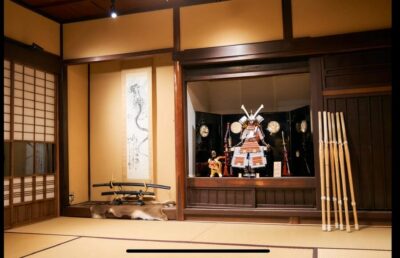
Kendo and Samurai Experience with Uniform and Gear
Read our review →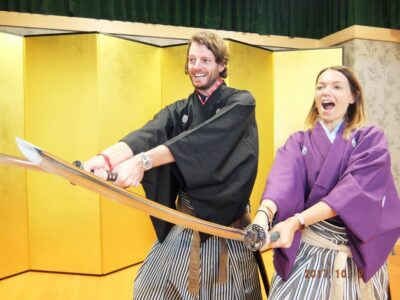
Samurai Sword Class by Experts in Traditional Arts
Read our review →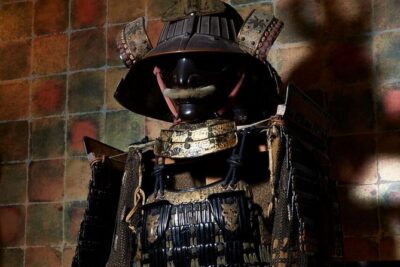
Skip the lines Basic Ticket at SAMURAI NINJA MUSEUM KYOTO
Read our review →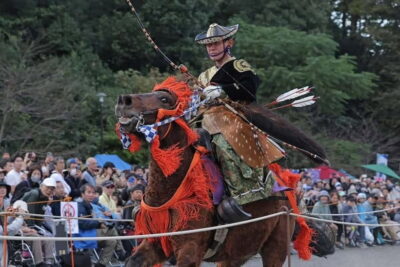
Samurai Sword & Archery Class from Samurai Descendant
Read our review →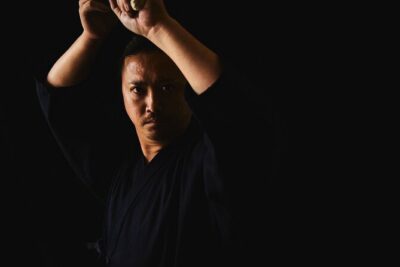
Browse the lists this tour appears in