
Reviewed · TEMPLE & SHRINE TOURS
Kyoto: Zen Meditation and Garden Tour at a Temple with Lunch
Quiet Kyoto has a lesson for you. This half-day outing combines zazen meditation with a monk and a traditional Buddhist lunch, giving you more than a quick temple stop. I especially like the gentle progression from garden viewing to meditation, and the small walking group, limited to seven people, makes it easier to ask questions.
I also like the guide’s role. Guides such as Yutaka, Eri, Louis, and Tammy have been praised for clear explanations, warm humor, and useful advice about Kyoto. The main consideration is that the meditation session may not always feel private: one participant found the room held about 30 people, even though the walking group itself was small.
In This Review
- Key points to know before booking
- Starting beside Tofukuji Station
- Kōmyō-in Garden: learning how to look at Zen
- Tofukuji Temple and its powerful old details
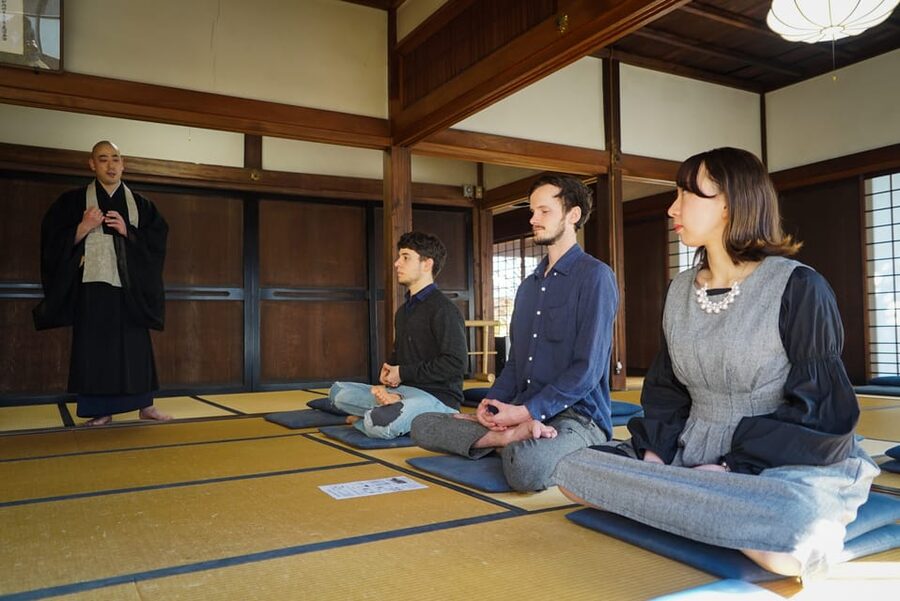
- Shōrin-ji and the one-hour zazen session
- Why the garden and meditation work well together
- Shojin ryori lunch after meditation
- The guides make a real difference
- Is $107 good value for four and a half hours?
- Practical advice for a calm day
- Who should book this Zen experience?
- FAQ
- Where does the tour meet?
- How do I reach Tofukuji Station from Kyoto Station?
- Can I take an express train from Shijō Keihan Station?
- Is the tour suitable for children?
- What food is served at lunch?
- What language is the tour conducted in?
- Should you book it?
Key points to know before booking
- Kōmyō-in’s garden comes first: You begin with 40 minutes of guided garden viewing before sitting for meditation.
- The one-hour zazen session is the heart of the day: You learn posture, breathing, and basic Zen ideas in a quiet temple setting.
- The monk may not speak English: Your guide can explain the process, but silent reading material is provided during meditation.
- Lunch comes late on the 10:45 departure: The meal is scheduled for about 14:15, so eat a proper breakfast or brunch.
- The Buddhist meal is not strictly free of animal products: Dashi fish broth and a little dairy are included.
- The tour costs $107 and lasts 270 minutes: That price covers the guide, temple and garden admissions, meditation, lunch, and photos.
Starting beside Tofukuji Station
The tour begins outside Exit 2 of Tofukuji Station, beside the Family Mart. This is a useful location because Tofukuji is easy to reach from Kyoto Station on the JR line. Rapid and local trains both work.
From Shijō Keihan Station, use the Keihan line, but do not take an express train. Sub-express, semi-express, and local trains are the correct choices. Give yourself extra time at the start. One person had trouble after a taxi driver stopped at the temple instead of the station, then had to hurry to the meeting point.
That warning matters. This tour starts on time, and if you miss the group, you cannot join later, reschedule, or receive a refund. I would arrive early, find Exit 2, and wait beside the Family Mart rather than trying to meet the guide at the temple itself.
The total duration is 270 minutes, or four and a half hours. The pace includes walking between temples, garden visits, one hour of sitting meditation, a monk discussion, and lunch. Wear shoes you can remove easily and clothing that allows you to sit comfortably.
More Temple & Shrine Tours in Kyoto
- Kyoto: Fushimi Inari, Kinkakuji, Bamboo Grove 1 Day Bus Tour
★ 4.8 · 4,316 reviews - Kyoto: Tea Ceremony in a Traditional Tea House in Kiyomizu
★ 4.9 · 3,519 reviews - Kyoto: Tea Ceremony Ju-An at Jotokuji Temple
★ 4.9 · 3,207 reviews
Kōmyō-in Garden: learning how to look at Zen
The first main stop is Kōmyō-in Temple, where you spend about 40 minutes. This is not simply a photo stop. Your guide introduces basic Zen ideas and explains how to look at a Japanese garden before you attempt meditation.
That order is smart. Many people arrive in Kyoto, see a gravel garden, take a picture, and move on. Here, you get a framework for noticing the arrangement, open space, quiet rhythm, and simple forms. You may find that the garden becomes more interesting once someone explains how Zen principles shape the way it is viewed.
The garden is also a useful pause after the station and before the formal meditation. You are not asked to understand Buddhist philosophy all at once. Instead, the guide gives you a few ideas, then lets the setting do some of the work.
The tour is conducted in English, and the guide’s personality makes a difference. Yutaka has been praised for mixing cultural information with humor, while Eri was especially appreciated for explaining Buddhist symbols and suggesting other places to visit in Kyoto. This kind of interpretation is valuable because a temple garden can be beautiful without being immediately easy to understand.
Tofukuji Temple and its powerful old details
After Kōmyō-in, you visit Tofukuji Temple for about 10 minutes. The stop is short, but the temple gives the day its historical setting.
Tofukuji has served as a place where monks lived and practiced Zen since the 13th century. The visit includes the San-mon gate, dragon paintings on a ceiling, and the oldest surviving toji, or temple toilet. That last detail may sound odd, but it offers a glimpse of ordinary monastic life rather than only grand religious architecture.
The stop is not designed as a full Tofukuji sightseeing tour. If you want to see every corner of the temple grounds, you will need separate time. Here, the focus is on understanding Tofukuji as a working Zen center and then moving to a smaller temple for sitting practice.
That balance suits the tour. You get enough architecture and history to place the meditation in context, but the day does not become another race through famous buildings.
Shōrin-ji and the one-hour zazen session
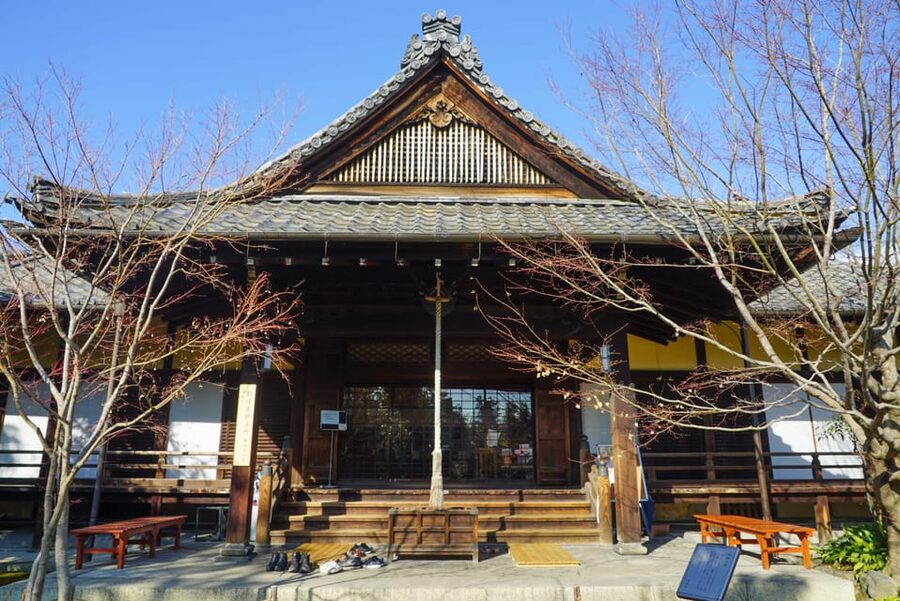
The central activity takes place at Shōrin-ji, also called Bishamon-dō Temple. The visit lasts about 70 minutes, including the meditation experience.
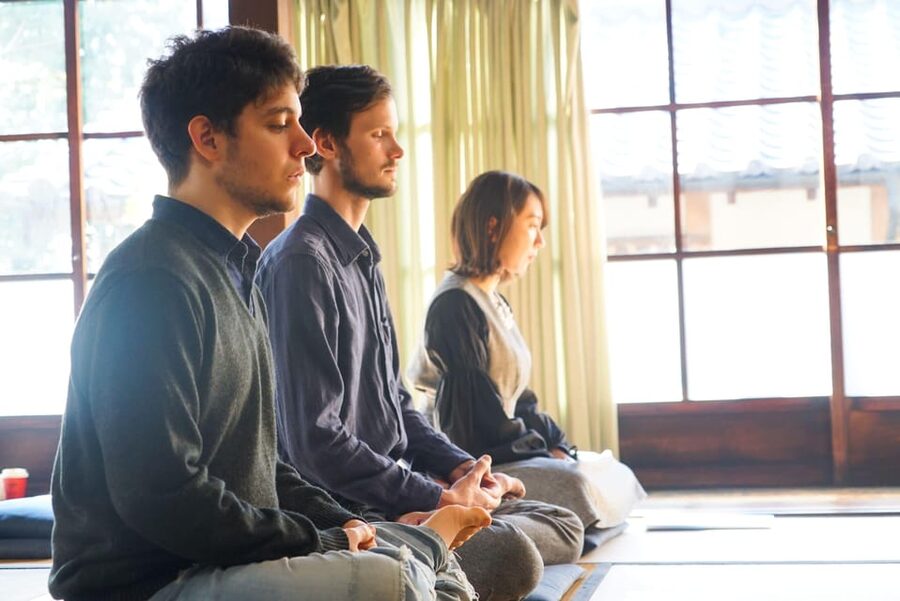
Before sitting, you learn the basic elements of zazen. These include posture, breathing, methods of practice, and the ideas behind Zen meditation. The goal is not to turn you into a Zen practitioner in one afternoon. It is to give you a direct experience and help you understand what you are doing.
The session lasts one hour. That is long enough to feel different from a short tourist demonstration, but it may also test your patience and legs. Temple floors can be cold in winter, so thick socks are a good idea. You should also expect a quiet setting and follow the instructions carefully.
During zazen, the guide remains silent. Private conversation is generally not allowed because other people are meditating. You receive special reading material that you can study quietly, but you should not expect live English commentary throughout the sitting.
This point deserves attention. Some people will love the lack of chatter. Others may feel uncertain, particularly if the monk does not speak English. One participant found the silent booklet less satisfying than having direct explanations. Another wished the meditation had been in a smaller room.
The walking group is limited to seven, which helps before and after the sitting. The meditation room itself may be shared with a larger group, however. If your ideal session is a private retreat with only a few people, this may not meet that expectation. If you want a respectful first taste of zazen in a real temple, it offers much more.
After meditation, you have a short conversation with the monk. Your guide can translate questions when needed. This can be one of the most meaningful parts because you are able to reflect on the sitting instead of simply leaving the room and moving on. The experience has also included photographs with the monk, taken by the guide, when appropriate.
A completely different kind of day out in Kyoto:
- PERFECT KYOTO 1-Day Bus Tour
★ 5.0 · 13,518 reviews - Kyoto Geisha Walking Tour: Gion District & Hidden Gems
★ 4.7 · 3,273 reviews - Kyoto: Gion Magical Night Walking Tour with Geisha Trivia
★ 4.9 · 2,393 reviews - Kyoto: 45-Minute Tea Ceremony Lesson Experience
★ 4.3 · 2,378 reviews
Why the garden and meditation work well together
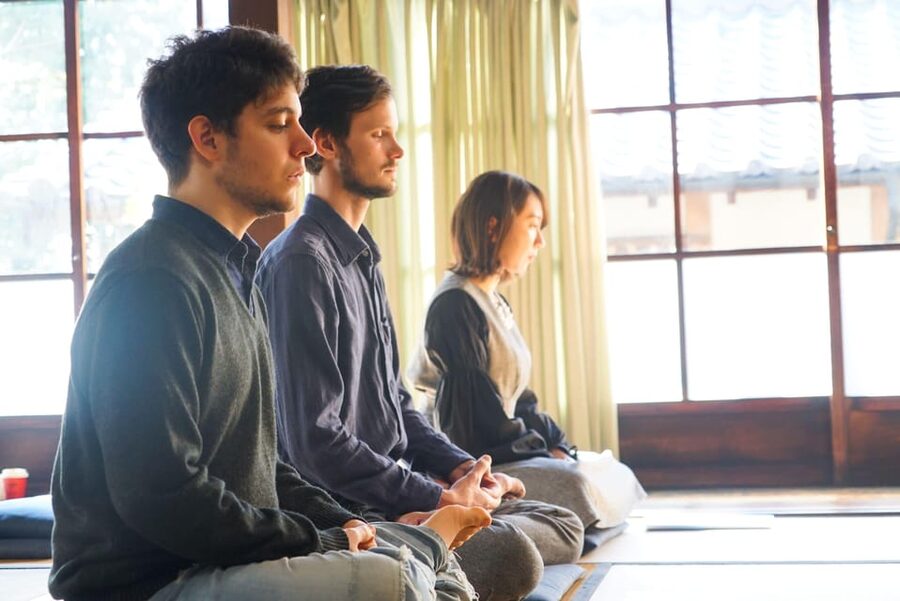
The tour’s best design choice is the connection between looking and sitting. First, you consider Zen through the garden. Then, you encounter the temple buildings and monastic setting. Finally, you sit still and pay attention to your breath and posture.
That sequence gives the day a clear shape. You are not just collecting temple names. You are given time to slow down and connect the ideas to a physical practice.
I would not expect a mystical revelation. Zen is an esoteric Buddhist concept, even for many Japanese people, and a few hours cannot explain every branch of Buddhism or every form of meditation. But the tour gives you a patient introduction without requiring prior knowledge.
It also helps if you arrive with realistic expectations. You will not spend the entire day in silence. The walking portions include explanations and questions, and the guide may be lively and funny. The quiet is concentrated mainly in the meditation session.
Shojin ryori lunch after meditation
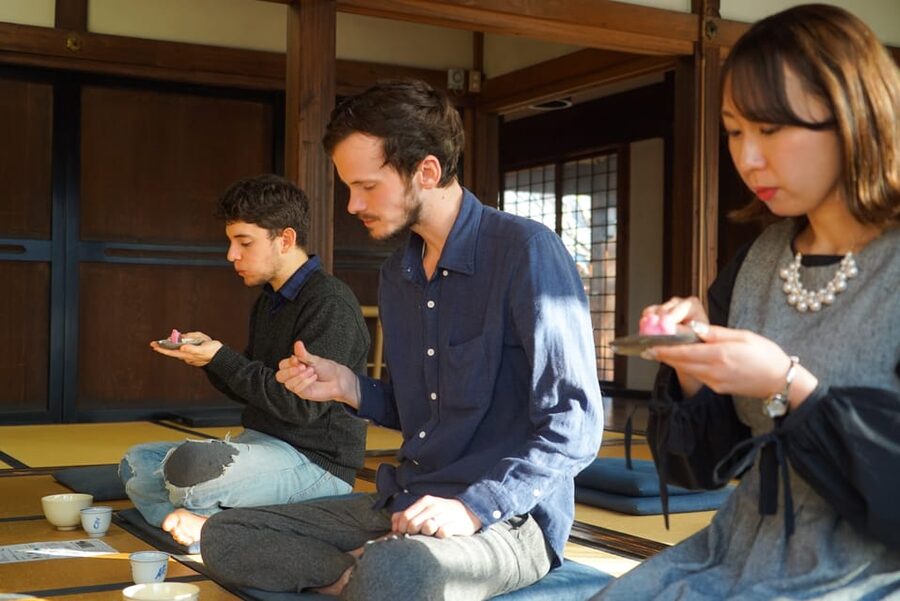
After the temple visit, you walk a short distance to a local restaurant for lunch. The meal is shojin ryori, the traditional Buddhist cuisine associated with Japanese monks since the 13th century.
The cooking centers on vegetables, mushrooms, and seaweed. It is served as a Buddhist vegetarian meal and may include several small dishes rather than one large plate. The meal is meant to continue the day’s connection with temple culture, not simply fill time between attractions.
The restaurant is beside a temple that once housed as many as 1,200 Buddhist monks in training. That setting adds useful context to the food. You are eating a style of cooking connected to monastic life, with an emphasis on simplicity and seasonal ingredients.
The meal has received strong praise, often described as delicious and better than expected. It is also a generous part of the price, since lunch, admission fees, the guide, meditation, and photos are included.
There are two important food cautions. The meal uses dashi fish broth, despite being described as vegetarian, and a small amount of dairy is included. People with gluten intolerance should not book this tour. If you follow a strict vegan, vegetarian, or allergy-related diet, ask for clarification before reserving, because the supplied information does not promise substitutions.
Timing matters too. On the 10:45 start, lunch is around 14:15, after meditation. Have breakfast or brunch first. A hungry stomach is not the ideal companion for an hour of quiet sitting.
The guides make a real difference
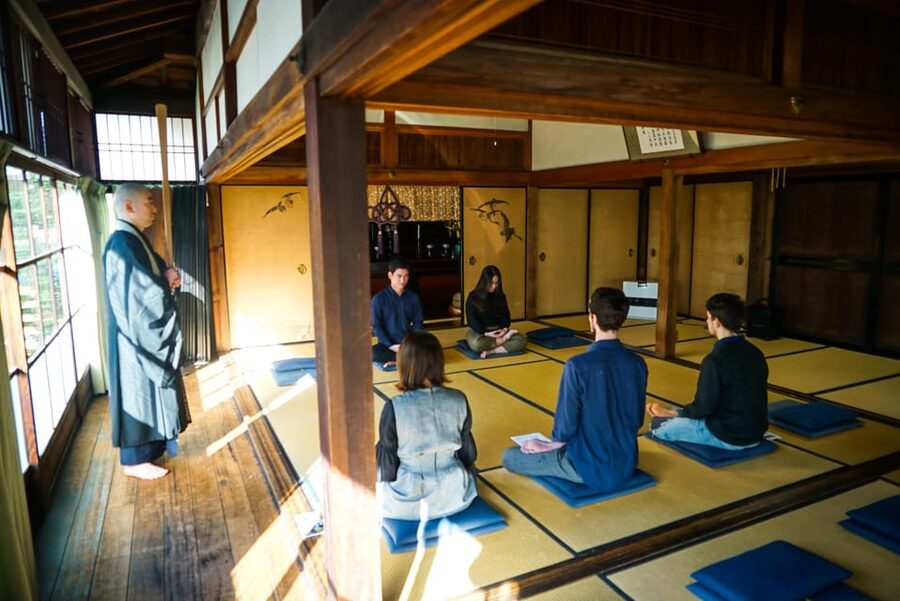
A good guide is especially useful here because the subject is difficult to read from signs alone. You need someone who can explain Buddhist symbols, temple customs, Zen vocabulary, and the difference between viewing a garden and practicing meditation.
Yutaka receives repeated praise for his calm manner, humor, patience, and ability to answer questions. People have also appreciated his help with translation and his photography. Louis has been praised for his understanding of the subject, while Eri brought strong explanations of Buddhism and practical suggestions for the rest of a Kyoto visit. Tammy has also been described as enthusiastic and well prepared.
Guide assignments can change, so you should not book solely to meet one particular person. Still, the pattern is clear: the guide is not just leading you from one gate to another. The guide shapes how much you take away from the experience.
The small group limit of seven is a real advantage. It gives you a better chance to ask about Buddhism, meditation, and Japanese customs. It also makes walking through the temple district less cumbersome than a large coach-style outing.
Is $107 good value for four and a half hours?
At $107 per person, this is not the cheapest way to see Kyoto temples. You could visit many temple grounds independently for less money, and lunch at a local restaurant can be arranged without a tour.
The value comes from the combination. Your fee includes a live English-speaking guide, garden and temple admission, a one-hour zazen experience, the monk discussion, a traditional Buddhist lunch, and tour photographs. You are also paying for interpretation, which is difficult to arrange on your own.
I consider the price fair for someone who wants cultural context and a structured introduction to Zen. It is less appealing if you already know Tofukuji well, practice zazen regularly, or prefer to explore at your own pace.
The meal strengthens the value. So does the access to a meditation session connected to an active temple. The main uncertainty is the size of the meditation room. A group of seven on foot does not guarantee seven people in the zazen session.
Practical advice for a calm day
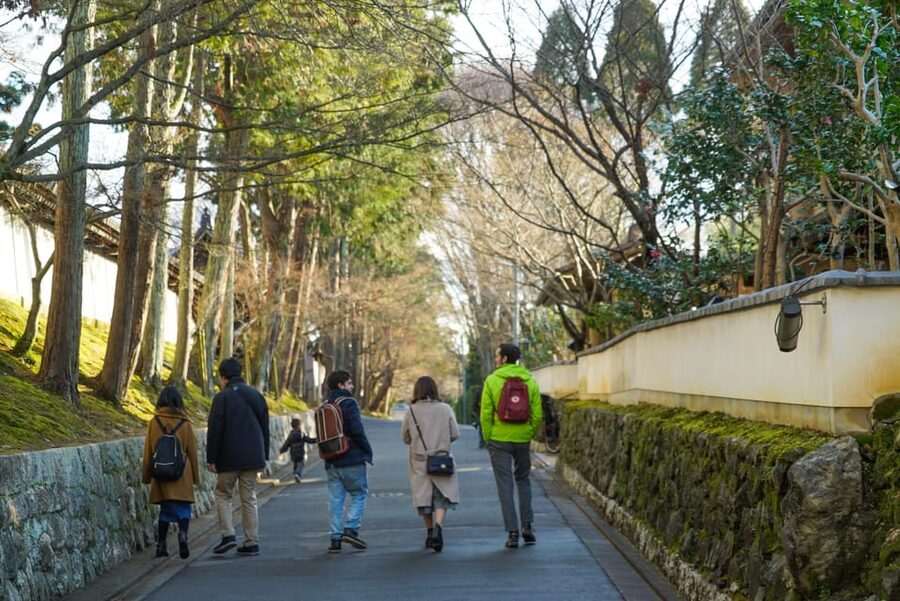
Arrive early at Tofukuji Station Exit 2. Do not go directly to the temple entrance, and do not rely on a taxi driver to understand the meeting point.
Bring water and wear a hat during Kyoto’s hot, humid summer. The tour includes outdoor walking, and heat can make the quiet meditation harder than expected.
In winter, wear thick socks. Temple floors can be cold, and you may sit for a long period without much movement. Comfortable clothing is more important than dressing formally, though you should still dress respectfully for temple visits.
Children under 12 cannot join. The experience suits adults and older teenagers who can remain quiet and sit still for an hour.
Cancellation is flexible if your plans change: you can cancel up to 24 hours before the start for a full refund, and date or time changes are allowed up to that point when space is available. Reserve-and-pay-later booking is also offered.
Who should book this Zen experience?
I would choose this tour if you want a thoughtful introduction to Japanese Buddhism rather than a quick checklist of Kyoto sights. It works particularly well for first-time visitors who want a guide to explain what they are seeing and for people curious about meditation but unsure how to begin.
It also suits you if you value smaller walking groups, a traditional meal, and contact with a real temple setting. The garden, monk conversation, and lunch give the day a strong sense of place.
I would hesitate if you need a fully private meditation session, require strict vegan or gluten-free food, dislike sitting quietly for an hour, or want a fast-paced sightseeing route. The silent reading material may also feel limiting if you expect the monk to teach in English during the session.
FAQ
Where does the tour meet?
Meet outside Exit 2 of Tofukuji Station, next to the Family Mart. Do not go directly to Tofukuji Temple for the meeting.
How do I reach Tofukuji Station from Kyoto Station?
Take the JR line from Kyoto Station. Both rapid and local trains can be used.
Can I take an express train from Shijō Keihan Station?
No. Use a sub-express, semi-express, or local Keihan train. Do not use an express train.
Is the tour suitable for children?
No. Children under 12 years old cannot join the tour.
What food is served at lunch?
You receive shojin ryori, a traditional Buddhist meal based on vegetables, mushrooms, and seaweed. The meal includes dashi fish broth and a little dairy, and the tour is not suitable for people with gluten intolerance.
What language is the tour conducted in?
The live tour guide speaks English. During zazen, the guide remains silent and provides reading material for quiet study. The monk may not speak English, but the guide can help translate questions during the discussion.
Should you book it?
Book it if you want a calm, well-explained cultural experience with real meditation, a monk discussion, and a traditional lunch. The strongest reasons are the thoughtful garden introduction, the one-hour zazen session, and the guides’ ability to make difficult ideas clear.
Skip it if you need complete privacy, strict dietary control, or a fully English-speaking meditation teacher. For most curious adults, though, this is a worthwhile way to see a quieter side of Kyoto, especially when you want the temples to mean more than a photograph.
More Lunch Experiences
- Bike Tour Exploring North Kyoto plus Lunch
★ 5.0 · 1,087 reviews - Osaka/Kyoto: Arashiyama, Nara & Fushimi Inari Shrine w/Lunch
★ 4.4 · 754 reviews - Kyoto Zen Meditation & Garden Tour at a Zen Temple with Lunch
★ 5.0 · 441 reviews - 4.5-Hour Kyoto Bike Tour with Lunch and UNESCO Zen Temples
★ 5.0 · 122 reviews
Just added around Kyoto
- Kyoto: Private Customizable Day Trip by Car★ 5.0 · 38 reviews
- Kyoto: Gion Night Walking Tour with Geisha Insight★ 5.0 · 39 reviews
- Kyoto: Full Day Bike Tour★ 4.9 · 39 reviews
- Private Japanese Calligraphy in Kyoto – Learn Shodō with a Master★ 5.0 · 39 reviews
- Kyoto: Gion Evening Walk with Hidden Gems, Geisha & Sake★ 5.0 · 41 reviews
- Experience a tea ceremony in an authentic tearoom, in Kyoto!★ 4.5 · 41 reviews
- Kyoto Private Photo Shoot & Tour by SnapKyoto★ 5.0 · 41 reviews
- The Way of Tea: Kyoto Crafts, Hidden Temples & Wabi-Sabi Walk★ 5.0 · 41 reviews
Temple & Shrine Tours, compared.
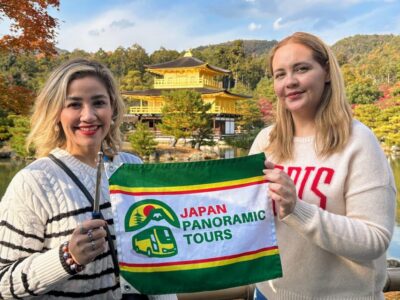
Fushimi Inari, Kinkakuji, Bamboo Grove 1 Day Bus Tour
Read our review →
Tea Ceremony in a Traditional Tea House in Kiyomizu
Read our review →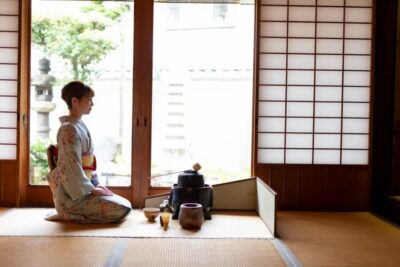

Meiji Shrine, Asakusa, Skytree Bus Tour and Cruise
Read our review →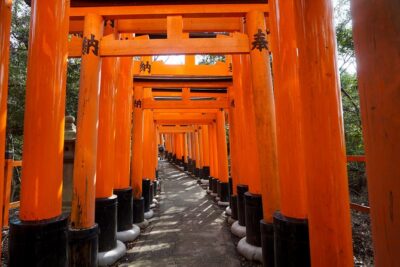
Fushimi Inari Hidden Hiking Tour (Private Option Available)
Read our review →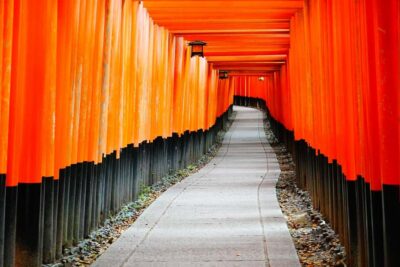
Osaka/Kyoto:Kinkakuji,Arashiyama,FushimiInariShrine,NaraPark
Read our review →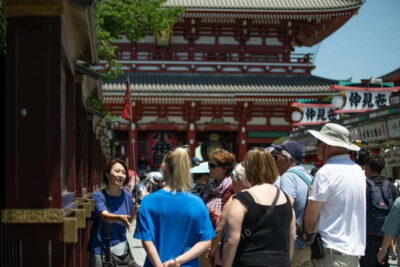
Asakusa Walking Tour with Sensoji Temple Visit
Read our review →
Nikko: Kegon Falls, Lake Chuzenji & Toshogu Temple
Read our review →Browse the lists this tour appears in