
Reviewed · HISTORICAL TOURS
Osaka: Kyoto & Nara & Uji Historical and Scenic One-Day Tour
Four historic stops, one very full day. This $56 tour links Nara, Uji, and Kyoto from Osaka, giving you deer in Nara Park, Todaiji Temple, matcha treats beside the Uji River, Byodoin Temple, and Fushimi Inari Taisha. I like the round-trip air-conditioned transport and the way an English or Chinese-speaking guide keeps the day moving. I also like the mix of famous sights and local flavor, especially Uji’s matcha street and riverside paths.
The tradeoff is clear: you cover a lot of ground in 8 to 10 hours. That means useful sightseeing without train changes, but also road time and short visits. If you want long temple visits or a slow afternoon in Uji, this schedule may feel hurried.
In This Review
- Key points to know before booking
- What this Osaka day trip is really trying to do
- Nara Park and Todaiji, deer and a giant Buddha
- Uji River, Murasaki Shikibu, and the taste of matcha
- Byodoin Temple and the calm side of Uji
- Fushimi Inari Taisha and the red torii gates
- The guide and the value of organized transport
- The biggest drawback is time on the road
- Who should book this day tour
- Should you book it?
- FAQ
- How long does the Osaka, Kyoto, Nara, and Uji tour last?
- What languages does the guide speak?
- Are Todaiji and Byodoin admission fees included?
- Are meals, drinks, and deer snacks included?
- Where does pickup and drop-off take place?
- Is the tour suitable for wheelchair users or people with animal allergies?
Key points to know before booking
- Nara’s deer come early in the day: You get about 45 minutes at Nara Park, with time to buy snacks, feed the deer, and see the park’s famous setting.
- Todaiji admission costs extra: The 30-minute temple visit includes the area around this major Buddhist site, but the entrance ticket is not included.
- Uji gets the longest visit: Two hours cover the Uji River, Byodoin Temple, local food streets, and matcha tasting opportunities.
- Fushimi Inari is a photo-rich final stop: You have about 70 minutes for the red torii gates, shrine grounds, and a walk beneath the famous corridor.
- The guide can make or break the pace: Guide Mia earned praise for local shopping advice and clear explanations, while another guide was appreciated for humorous, vivid commentary.
- This is not a relaxed countryside outing: Traffic, moderate walking, and several major stops make comfortable shoes and realistic expectations important.
What this Osaka day trip is really trying to do
This excursion attempts something ambitious: it connects several of the Kansai region’s biggest cultural sights in one day without asking you to plan a chain of local trains. You begin from a selected pickup point in Osaka, ride in an air-conditioned vehicle, and return to one of several Osaka or Kyoto drop-off points.
The route includes Nara, Uji, and Kyoto. Osaka is your starting base rather than a sightseeing stop, so the day is best understood as a three-area cultural outing from Osaka.
I see the main value in the transportation. You do not need to work out the best combination of trains, buses, and walking routes between Nara Park, Uji, and Fushimi Inari. The guide also gives context as you go, which helps turn a string of famous places into a connected day.
Still, this is a large itinerary for a single day. One experienced guide was praised for keeping everyone on schedule and using WhatsApp to stay in touch. That kind of communication matters when a group must meet back at the vehicle on time. The same tight schedule means you need to accept less freedom at each stop.
More History Tours in Osaka
- Osaka: Castle History Walking Tour / Castle Tower Admission
★ 4.9 · 230 reviews - Osaka: Osaka Castle & Historical Museum Guided Tour
★ 4.8 · 28 reviews - Osaka Castle & Samurai History Walking Tour
★ 5.0 · 22 reviews
Nara Park and Todaiji, deer and a giant Buddha
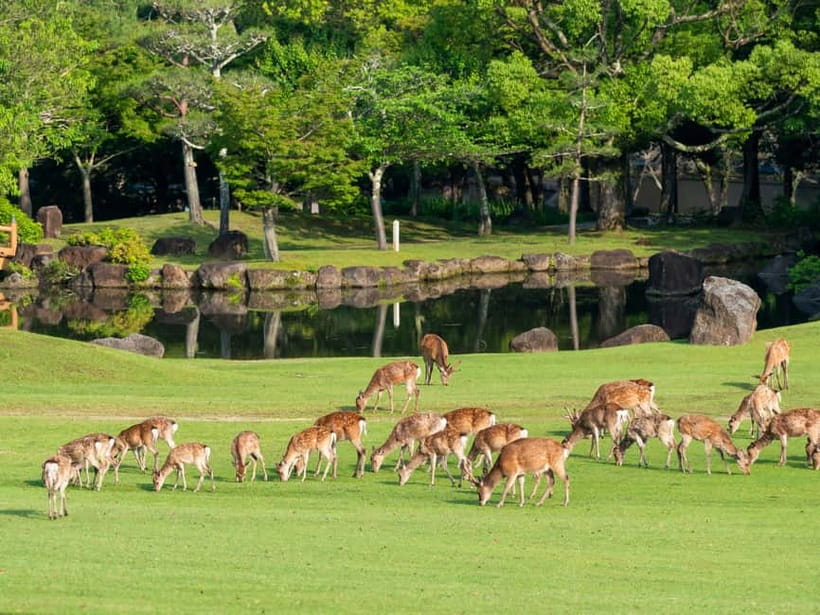
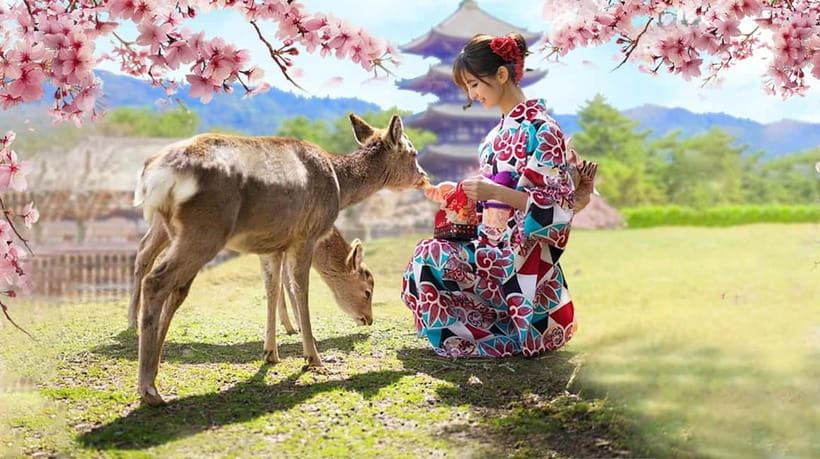
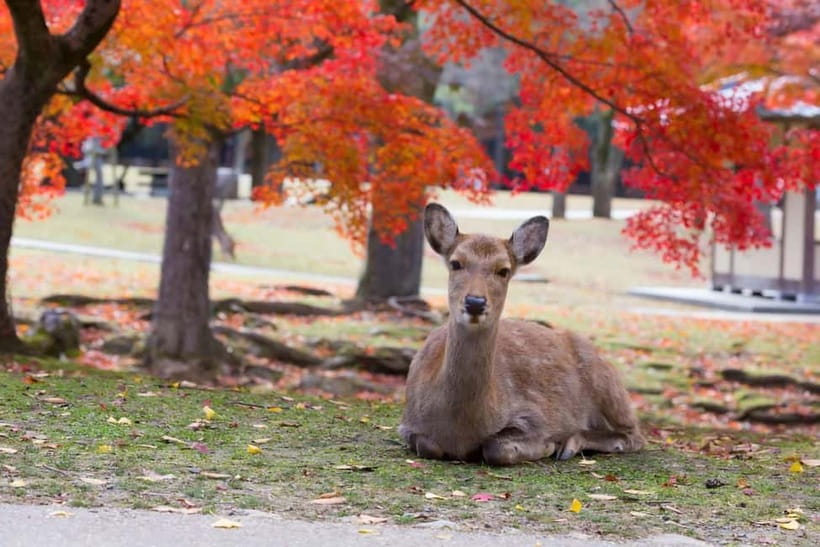
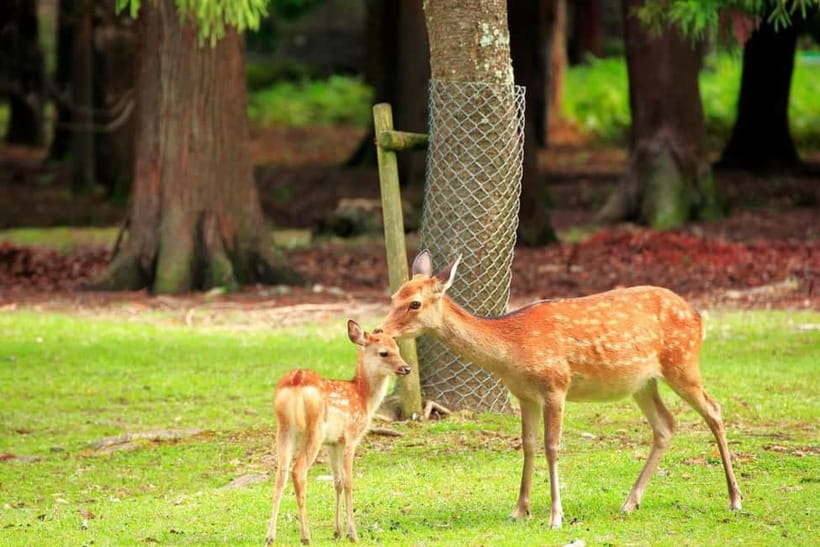
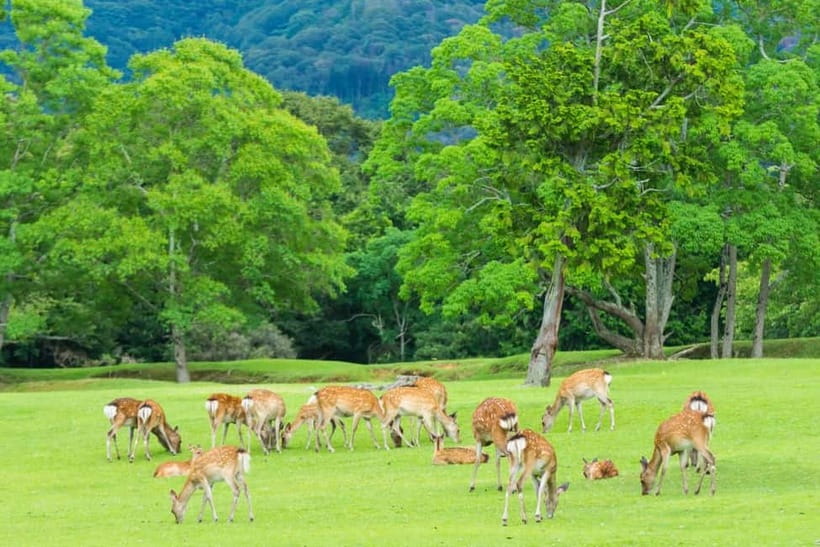
Nara Park is the first major stop, with about 45 minutes for sightseeing. The park is famous for its free-roaming deer, and you can buy a snack and offer it to them under the guide’s instructions.
The deer are wild animals, not tame pets. Some may bow or approach quickly when food appears, while others may be less interested. Keep your hands clear once the snack is gone, and follow the guide’s advice. This is one of the most entertaining parts of the day, but it can also be lively and unpredictable.
The short visit works well if your goal is to see the deer and take photographs. You should not expect a long stroll through every corner of Nara Park. If you want time for quiet walks, museum visits, or additional temples, this schedule will not provide it.
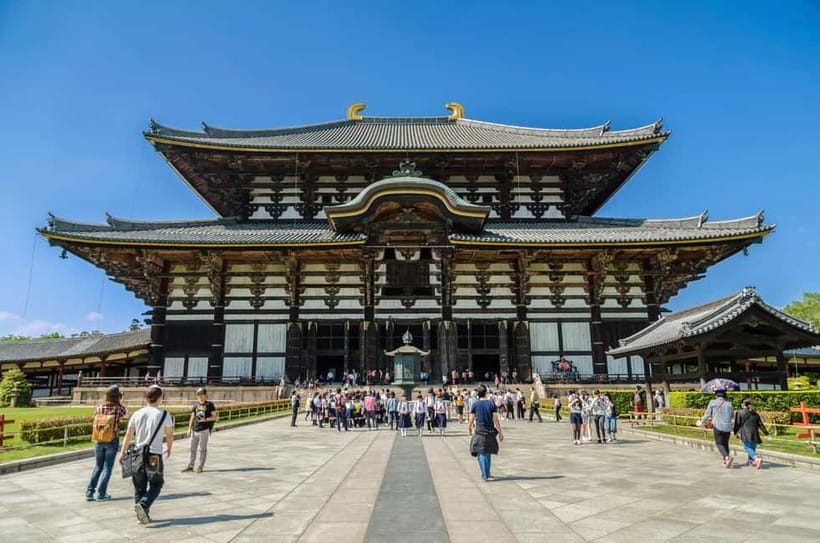
Next comes Todaiji Temple, with around 30 minutes for sightseeing. The temple is known for its enormous bronze Vairocana Buddha and its powerful sense of scale. Even a short visit gives you a look at one of Japan’s most important Buddhist sites.
Admission to Todaiji is not included, so set aside extra money at the entrance. The tour price covers transport, guide service, tolls, parking, and fuel, but not temple tickets, meals, drinks, or personal purchases.
The stop is short enough that you should keep moving and listen carefully to the meeting instructions. I would treat Todaiji as a focused introduction rather than a full temple visit. You get the central experience, but not much room for lingering.
Uji River, Murasaki Shikibu, and the taste of matcha
Uji receives about two hours, making it the most substantial stop on the route. This is where the schedule shifts from major sights to a more relaxed combination of river views, literature, temple architecture, and food.
The Uji River gives you a pleasant place to walk and pause. The itinerary also includes the Statue of Murasaki Shikibu, the writer associated with The Tale of Genji. The statue adds a literary note to a day otherwise focused on temples and shrines.
Uji is strongly linked with Japanese green tea, especially matcha. Along Byodo-in Omotesando and the local matcha food street, you can look for matcha desserts and other tea-flavored treats. Meals are not included, so this is your chance to choose and pay for food directly.
I like this part because it gives the day a different rhythm. Nara is about deer and a major temple. Uji lets you walk, snack, browse, and enjoy a more everyday side of Japanese culture. The stop is still brief, though. A direct comment from one participant was that Uji deserved more time, and I understand that view. Two hours can pass quickly once you combine lunch, shopping, the river, and a temple visit.
Plan your priorities before arriving. If Byodoin matters most, go there early in your Uji visit. If matcha sweets are your main interest, save time for Omotesando and the food street. Trying to do everything at a leisurely pace may leave you watching the clock.
Byodoin Temple and the calm side of Uji
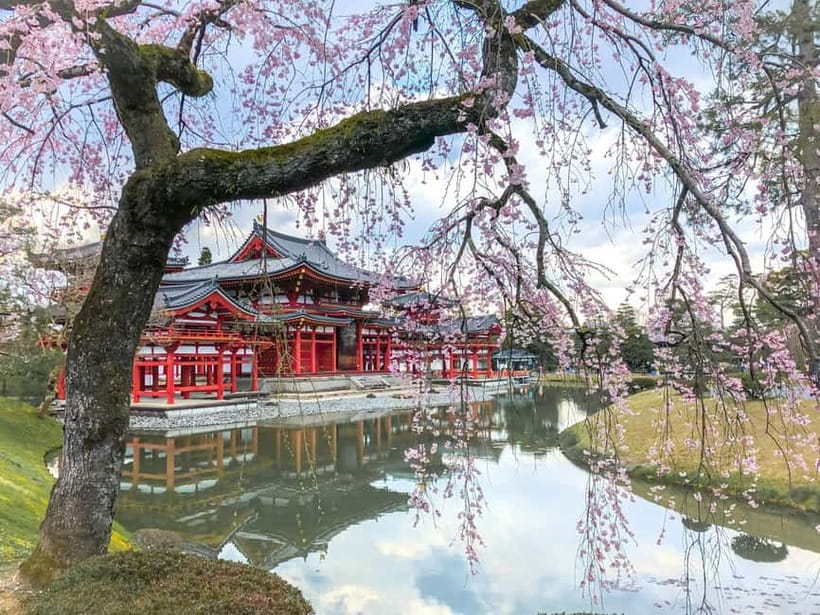
Byodoin Temple is one of Uji’s defining sights. Its graceful Phoenix Hall sits beside a pond, creating a quieter scene after the energy of Nara Park and before the crowds at Fushimi Inari.
The temple admission is extra, just like Todaiji. The tour includes time for sightseeing, but the exact amount depends on how the group moves through Uji. You should confirm with the guide how much time is available if you want to enter all areas or see the temple at a slower pace.
The itinerary also includes Kyoto Prefectural Uji Park. This adds more riverside space and gives you a chance to walk between the main points rather than simply stepping off the vehicle, taking a photograph, and returning. The Uji River and park are especially useful for a short breather.
I would not book this trip solely for Byodoin if you want detailed temple study. The strength here is variety: you see the temple, the river, the statue, and the food street in one compact visit. For a first look at Uji, that is good value. For a dedicated Uji day, it is too short.
A completely different kind of day out in Osaka:
- Osaka Go Karting Tour with Funny Costume
★ 5.0 · 2,658 reviews - Osaka Castle: Museum and Tower Entry Ticket
★ 4.5 · 2,380 reviews - Osaka: Shinsekai Food Tour with 13-15 Dishes at 5 Eateries
★ 4.8 · 2,204 reviews - Osaka Food Tour: 13 Dishes at 5 Local Eateries
★ 5.0 · 2,149 reviews
Fushimi Inari Taisha and the red torii gates
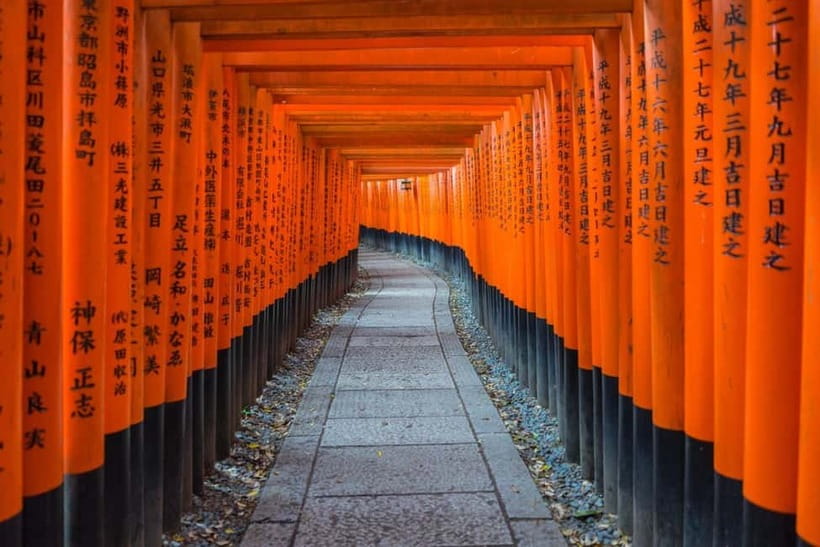
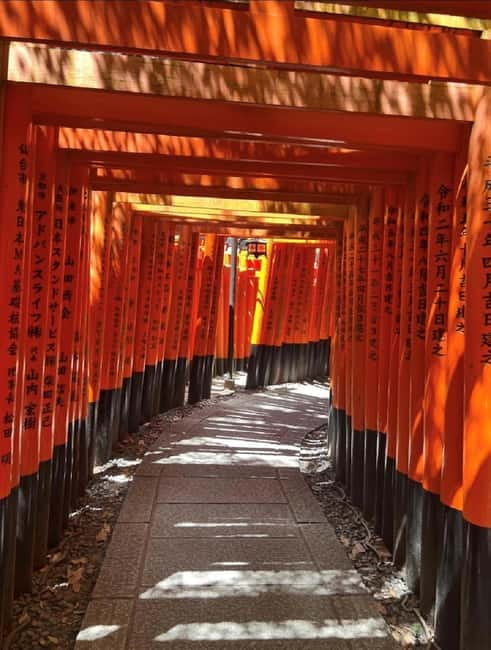
The final major stop is Fushimi Inari Taisha, with about 70 minutes for photographs, free time, and walking. The shrine is famous for its long rows of red torii gates, which create a striking path up the wooded hillside.
You do not need to hike the entire route to enjoy the shrine. The first section gives you the most recognizable torii corridor, and you can turn back when your meeting time approaches. Wear proper shoes, since the route involves walking and may include slopes or steps.
The timing is a mixed blessing. Seventy minutes is enough for a strong first impression and plenty of photos, but not enough for a full exploration of the mountain trails. The late placement in the itinerary may also matter if you are tired after Nara and Uji.
I like having Fushimi Inari at the end because it gives the day a memorable finish. The bright gates feel very different from Todaiji’s broad temple hall and Byodoin’s quiet pond. You get several distinct images of Japan in a single outing rather than five versions of the same shrine.
The guide and the value of organized transport
At $56 per person, this tour offers solid practical value if you place a high price on convenience. Round-trip vehicle transport, fuel, parking, tolls, and a live guide are included. Recreating the same route independently would require several train journeys and careful timing.
The price does not include the admission fees at Todaiji and Byodoin, food, drinks, or snacks for the deer. Those extras are easy to overlook, so budget beyond the advertised rate. You also need to choose your own meals in Uji.
The guide’s role is important because the schedule has little spare time. Mia received praise for her explanations and useful shopping tips. Another guide was appreciated for humorous, vivid, detailed commentary. Those qualities can make a packed day feel more enjoyable and help you understand what you are seeing instead of simply collecting photographs.
The group must stay coordinated. Pickup details and the guide’s contact information are sent by 8:00 pm the evening before, and hotel pickup may be available depending on the option you select. If pickup is arranged, wait in the hotel lobby 10 minutes early. If you are meeting at a designated point, arrive 15 minutes before departure.
There are several possible drop-off areas, including parts of Chuo, Kita, Fukushima, Nishi, Nishinari, and Naniwa wards, plus Kyoto Station Hachijo Entrance Square Sunken Garden. Check your selected option carefully because the starting and ending points vary.
The biggest drawback is time on the road
The main criticism I would take seriously is the amount of driving. Traffic between Osaka, Nara, Uji, and Kyoto can reduce the time you have at the sights. One person found the guide excellent but felt there was too much road time and not enough time at the attractions.
That is not a flaw the guide can fully solve. The itinerary itself covers a wide area, and traffic or weather can change the return time. If your priority is seeing many headline sights with minimal planning, the driving is a fair exchange. If you prefer to sit quietly in one temple garden or explore a town without a watch, use local transport and spend a full day in one area instead.
The walking level is moderate. Comfortable shoes and water are essential, especially because Fushimi Inari includes walking beneath the torii and Uji involves movement between several places. The vehicle reduces some physical strain, but it does not turn the day into a low-walking tour.
Who should book this day tour
I would recommend it to first-time visitors based in Osaka who want a broad introduction to Nara, Uji, and Kyoto without handling the transport themselves. It also suits you if you enjoy famous sights, short guided explanations, photographs, local sweets, and a clear timetable.
Families may like the deer and the simple transport plan, but parents should disclose infants, strollers, or large luggage when booking. Japanese traffic rules count babies as passengers, so accurate information is needed for vehicle arrangements.
The tour is not suitable for wheelchair users or people with animal allergies. Anyone who is pregnant or aged 70 and above is asked to sign a travel waiver on arrival. The moderate walking and full-day pace also deserve consideration for anyone with limited stamina.
The tour runs in English and Chinese. Cancellation is free up to 24 hours before departure, and you can reserve now and pay later, which helps if your Osaka plans are still shifting.
Should you book it?
Book this tour if you want maximum sightseeing with minimum transport planning. The deer, Todaiji, Uji’s matcha culture, Byodoin, and Fushimi Inari make a strong first look at the region, and $56 is reasonable for the vehicle, guide, road costs, and return transport.
Skip it if you want depth. Nara Park receives only 45 minutes, Todaiji about 30 minutes, Uji two hours, and Fushimi Inari about 70 minutes. For many people, that balance will feel exciting and efficient. For others, it will feel like a scenic introduction that leaves several places unfinished.
My practical advice is simple: bring water, wear shoes you can walk in all day, carry extra money for temple tickets and food, and decide in advance whether Uji’s temple or matcha street matters more to you. If you can accept the fast pace, this is a useful and affordable way to see several major cultural sights from Osaka in one day.
FAQ
How long does the Osaka, Kyoto, Nara, and Uji tour last?
The tour lasts approximately 8 to 10 hours. The exact duration can change because of traffic, weather, and other unexpected conditions.
What languages does the guide speak?
Live guides are available in English and Chinese.
Are Todaiji and Byodoin admission fees included?
No. Admission to Todaiji Temple and Byodoin Temple is not included in the tour price.
Are meals, drinks, and deer snacks included?
No. Meals, beverages, and personal expenses are not included. You should also plan to pay separately for a snack to feed the deer.
Where does pickup and drop-off take place?
The meeting point depends on the option you book. Pickup may be available, and drop-off options include several Osaka wards and Kyoto Station Hachijo Entrance Square Sunken Garden. Pickup details and the guide’s information are emailed by 8:00 pm the evening before.
Is the tour suitable for wheelchair users or people with animal allergies?
No. The experience is not suitable for wheelchair users or people with animal allergies. Pregnant people and those aged 70 or above are asked to sign a travel waiver on arrival.
Just added around Osaka
- Osaka Food Tour with 10 Classic Japanese Tastings & Drinks★ 5.0 · 38 reviews
- Osaka: Highlights & Hidden Gems Private Walking Tour★ 4.7 · 38 reviews
- Kyoto private tour (Shore excursion available from Osaka or Kobe port)★ 5.0 · 39 reviews
- Osaka Private Day Trip – Enjoy Your First-Time Visit to Osaka!★ 5.0 · 39 reviews
- Kyoto & Nara & Uji: Full Day Sightseeing Tour from Osaka or Kyoto★ 4.5 · 39 reviews
- Authentic SUSHI Course Cooking Class★ 5.0 · 39 reviews
- Osaka: Mind & Spirit Balance Temple Reiki Healing★ 5.0 · 41 reviews
- Osaka Afternoon Walking Tour with Osaka River Cruise★ 3.5 · 42 reviews
Historical Tours, compared.
World Heritage Shirakawa-go and Experience Tours from Kanazawa
Read our review →
Imperial Palace and Shogun Historical Walking Tour
Read our review →
World Heritage Kyoto & Nara Uji Authentic Matcha Experience
Read our review →
Kyoto Gion: 2-Hour Geisha Culture & History Walking Tour
Read our review →
World Heritage Shirakawa-go Morning Guided Tour
Read our review →
Hiroshima Historical Walking Tour – Why A-Bomb was Dropped
Read our review →
Hiroshima Peace (Heiwa) Walking Tour at World Heritage Sites
Read our review →Browse the lists this tour appears in