
Reviewed · HISTORICAL TOURS
Private car tour Let’s uncover secrets of majestic Kyoto history
Kyoto rewards curiosity. This private car tour gets beyond the busiest temple routes, pairing Fushimi Inari with quieter religious sites and local food stops. I especially like the hotel pickup and drop-off, which saves time in a spread-out city, and the chance to shape the day around your group. The main caution is that eight listed stops in seven hours is ambitious, so you should confirm the final route before setting out.
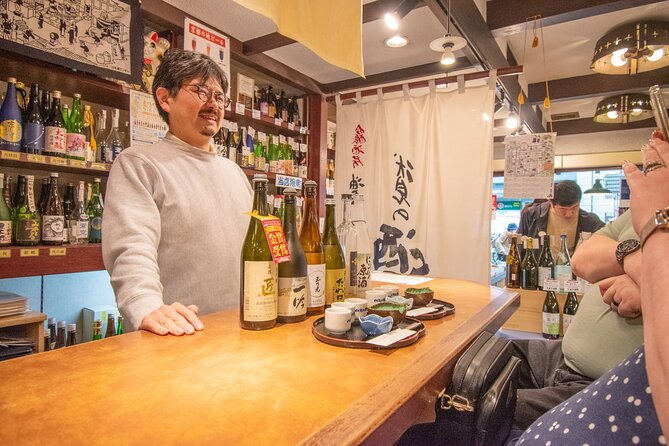
Guide Takashi is the heart of the experience. He drives an air-conditioned minivan, speaks fluent English, and adjusts the pace for families, older relatives, and couples. I also like the personal touch: past outings have included ramen, kaiseki-style meals, sake tastings, local sweets, matcha, and a century-old pickle shop. Just remember that lunch, entrance fees, and some optional activities cost extra.
In This Review
- Key points at a glance
- Why a private car makes sense in Kyoto
- Fushimi Inari and the famous red gates
- Kennin-ji and the mystery stop
- Ryoan-ji and the spare beauty of stone
- Adashino Nembutsu-ji and a quieter side of Arashiyama
- Otagi Nenbutsu-ji and playful temple art
- The Yasakanoto listing needs clarification
- Arashiyama, the dessert stop, and Monkey Park
- Kibune Shrine and the northern hills
- Food, local life, and the best part of the day
- How much value do you get for $108.58?
- What Takashi does well, and where to set expectations
- Who should book this Kyoto day?
- FAQ
- How long does the private Kyoto car tour last?
- How many people can join the private tour?
- Is hotel pickup included?
- Is transportation provided during the tour?
- Is lunch included?
- Are admission fees included?
- Can the itinerary be changed?
- What is the cancellation policy?
- Should you book it?
Key points at a glance
- Private minivan for up to 10 people: You stay with your own group instead of following a large bus and fixed schedule.
- Fushimi Inari before quieter temples: The famous torii gates are balanced with smaller, calmer religious sites.
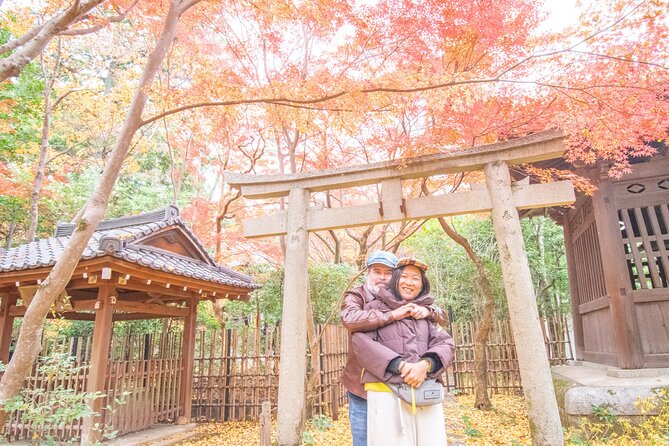
- Takashi shapes the day around you: Families, couples, seniors, and groups with special interests can request changes.
- Local food can be part of the story: The tour can include advice on ramen, kaiseki-style meals, Kyoto sweets, sake, and neighborhood restaurants.
- Seven hours covers a lot of ground: The vehicle makes distant areas easier, but you should not expect unlimited time at every stop.
- Budget for up to ¥3,000 in admission fees: The advertised price is about $108.58 per person, but meals and entry costs are separate.
Why a private car makes sense in Kyoto
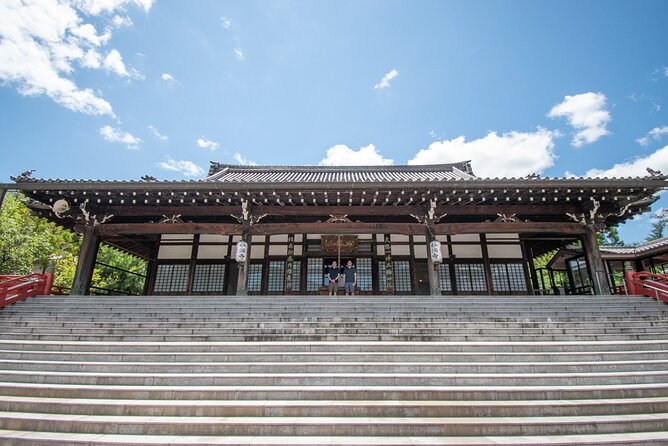
Kyoto looks compact on a map, but its sights stretch from Fushimi in the south to Arashiyama in the west and Kibune in the north. Public transport works well for many individual stops, yet changing trains and buses can eat into a short visit.
This tour uses a private, air-conditioned vehicle and includes hotel pickup and return. That matters most during Kyoto’s hot months. One outing took place in temperatures around 36°C, and the cool ride between temples made the day far more comfortable.
You also avoid the mental work of checking routes, finding parking, and deciding where to eat. That convenience is the main reason to choose this tour over a cheaper self-guided day. The tradeoff is simple: you give up some independent wandering in return for less logistical fuss.
The group limit is 10 people, though the vehicle size and comfort level may feel best with a smaller party. A large family can share the cost and keep the group together, while a couple gets a much more personal day than on a coach tour.
More History Tours in Kyoto
- Kyoto Gion: 2-Hour Geisha Culture & History Walking Tour
★ 5.0 · 1,186 reviews - Kyoto Gion Historical Walking Tour
★ 5.0 · 188 reviews - Historical Kyoto E-Bike Tour
★ 5.0 · 181 reviews
Fushimi Inari and the famous red gates
The day often begins at Fushimi Inari-taisha, Kyoto’s best-known shrine for its long corridors of vermilion torii gates. The shrine grounds extend up a mountain, so this is not simply a quick photo stop at the entrance.
The planned time here is about two hours. You can walk through the lower gates, continue into quieter sections, and see bamboo and wooded paths along the way. Birds and forest sounds offer a pleasant change from the city streets.
The practical point is pacing. Two hours can pass quickly if you try to climb far up the mountain, but you do not need to reach the summit to enjoy the setting. Wear shoes suited to uneven paths, and tell Takashi if your group prefers a short walk rather than a longer climb.
Fushimi Inari is likely to be the busiest stop of the day. That is not a flaw, since the gates are a major Kyoto sight, but the private tour works best when you understand the rhythm: one famous shrine, followed by places where the pace becomes quieter.
Kennin-ji and the mystery stop
Kennin-ji is described as a secret temple, with its name withheld until the tour. The promise is a beautiful moss garden and a setting that sees fewer people than Kyoto’s headline attractions.
That element of surprise can be fun, especially if you have already seen the standard Golden Pavilion and Kiyomizu-dera routes. It also means you should ask Takashi what kind of visit is planned if you have strong priorities, such as gardens, Buddhist art, or photography.
The scheduled visit is about one hour. At a temple, that gives you time to enter, view the garden, hear its background, and pause without being rushed from one photo point to the next. Some temples require quiet behavior, shoe removal, or careful attention to signs, so follow local instructions.
A useful detail from one full-day outing is that a temple visit included historical artwork from the seventh and eighth centuries. Exact sights vary, but the tour clearly aims to explain places rather than simply drive past them.
Ryoan-ji and the spare beauty of stone
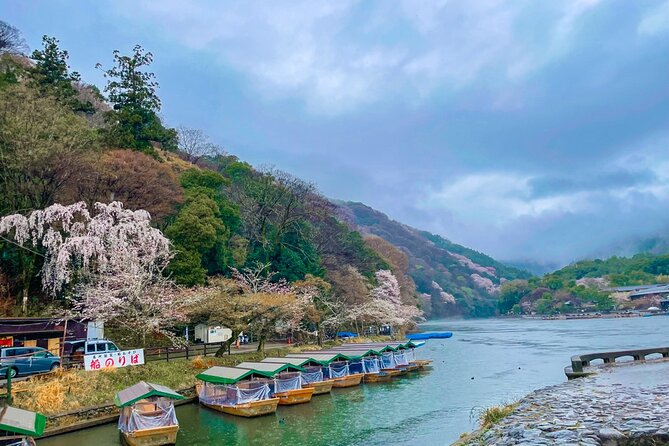
Ryoan-ji is one of northern Kyoto’s major temples, best known for its dry garden of carefully placed stones and raked gravel. Its simplicity is the point. You are given very little to look at, so small changes in arrangement, shadow, and weather become noticeable.
The planned stop lasts about an hour. That is enough for the garden and temple grounds, though it is not a leisurely study of every corner. I would treat this as a quiet pause after the movement of Fushimi Inari.
The tour description connects Ryoan-ji with major divisions in Japanese Buddhism. That makes Takashi’s explanations especially useful, since the meaning of a temple is not always obvious from the architecture alone. If you want more historical context, ask questions during the drive between stops. One piece of useful feedback was that more background during transfers would improve the day.
A few more Kyoto experiences worth weighing up
- Kyoto Private Car Tour – Full Day with Local Guide & Nara Option
★ 5.0 · 169 reviews - Private car tour in Kyoto (up to 4)
★ 5.0 · 123 reviews - Private car tour in Kyoto (up to 9)
★ 5.0 · 74 reviews - Kyoto Day Trip using Private Car with English Driver (up to 5)
★ 5.0 · 74 reviews
Adashino Nembutsu-ji and a quieter side of Arashiyama
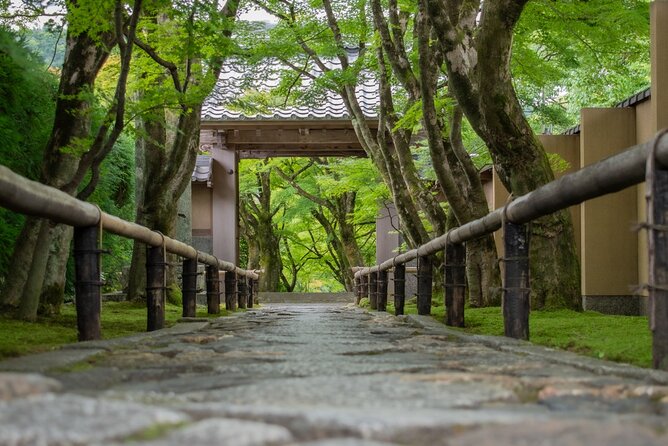
Adashino Nembutsu-ji is scheduled for about 30 minutes. The temple has long associations with memorial practice and is connected in the description with the Hatashi, an ethnic group said to have Korean roots in the fifth and sixth centuries.
The short visit should be viewed as an introduction, not a full exploration. You may see a compact temple setting, stone figures, and a more reflective atmosphere than at Kyoto’s busiest sites. Its location also fits well with an Arashiyama-focused day.
Half an hour can feel tight if you want a detailed explanation, photography, and time to sit quietly. Still, this kind of short stop helps the private vehicle cover more ground. Tell Takashi if you would rather spend longer at one temple and remove another stop.
Otagi Nenbutsu-ji and playful temple art
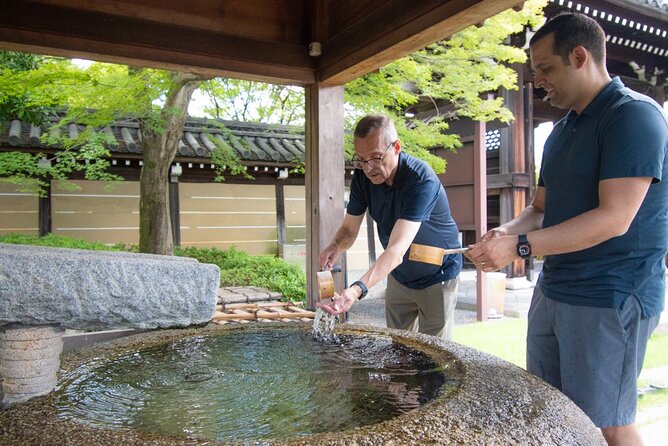
Otagi Nenbutsu-ji is another 30-minute stop. The description connects the temple with an art master whose interests included tea ceremony and calligraphy, and it points to a garden containing varied plants and tea-related objects.
The temple is also known for its many expressive stone figures, making it a welcome contrast to the formal restraint of Ryoan-ji. If you enjoy unusual details and less familiar places, this may become one of the day’s most memorable visits.
Because the stop is brief, the private format matters. Takashi can focus on what interests your group instead of delivering a standard speech to a busload of people. Families with children may appreciate the visual variety here, while photographers should ask how much time is available before moving on.
The Yasakanoto listing needs clarification
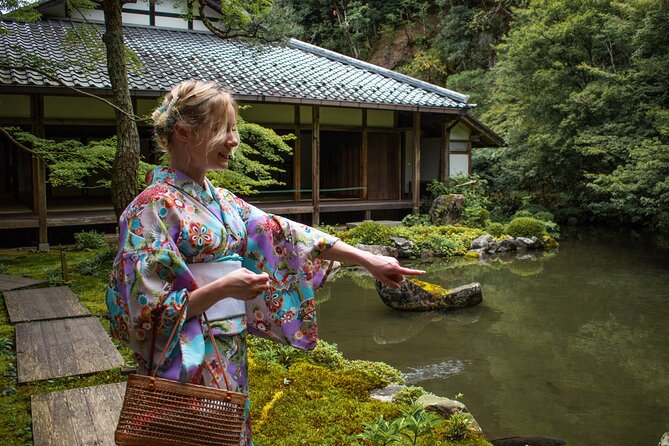
One part of the published route needs a careful check. The stop is called Yasakanoto, but its description discusses Kinkakuji, the Golden Pavilion, including its former role as a villa for shogun Ashikaga Yoshimitsu and its gold-leaf-covered upper floors.
Those are different Kyoto sights. Yasakanoto generally refers to the five-story pagoda near the Higashiyama streets, while Kinkakuji is the famous gold-covered pavilion in northern Kyoto. Since the supplied details mix the two names, contact Takashi before booking or shortly after confirmation and ask which location is actually included.
If Kinkakuji is part of your final plan, allow for crowds and a more structured visit. If Yasakanoto is intended, expect a different kind of stop, likely tied to the atmospheric Higashiyama area. This is not a small distinction, especially if you have already planned one of these places separately.
Arashiyama, the dessert stop, and Monkey Park
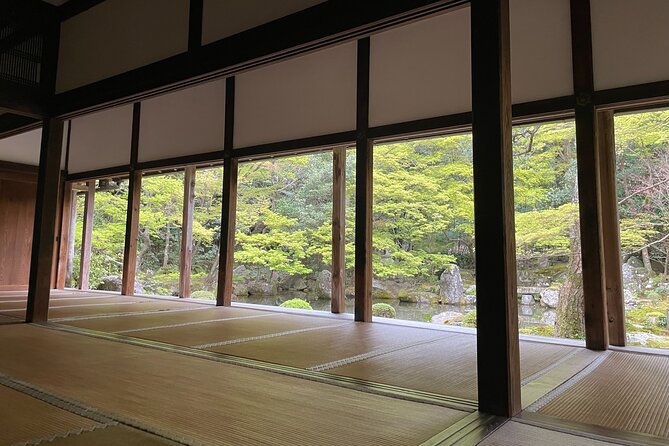
The Monkey Park Iwatayama entry includes a stop at a local dessert shop, with Kyoto-style sweets such as mochifu and shaved ice flavored with yuzu or matcha. The description does not clearly say that the walking route into the monkey park itself is included, so confirm this if seeing the macaques is important to you.
The dessert stop lasts about 30 minutes. That is enough for a quick taste, but not a long café visit. It adds an everyday food experience to a day otherwise centered on temples and shrines.
Several outings with Takashi included local snacks, including caramelized miso mochi, pickled mushrooms, and bamboo. Another included a neighborhood ramen lunch that was praised as a highlight. These food suggestions are one of the tour’s strongest personal touches, but lunch is not included in the price.
Kibune Shrine and the northern hills
Kibune Shrine is listed for 30 minutes and is described as a local shrine with a koi pond where visitors can feed the fish. The northern setting gives this stop a different feel from the urban temples and major central shrines.
Thirty minutes allows for a look around and a short explanation, but not an extensive visit to the surrounding area. If you are drawn to Kibune’s seasonal atmosphere or want a longer meal in the area, ask if the schedule can be changed.
This is where the route becomes especially ambitious. Fushimi Inari, northern Kyoto, Arashiyama, and Kibune are spread widely apart. A private car makes the connections possible, but traffic, parking, walking time, and opening hours can force changes.
Food, local life, and the best part of the day
The tour includes tips for good restaurants and dessert shops, but not lunch. Takashi can stop at a local restaurant depending on the route and timing. Past plans have included ramen, a kaiseki-style lunch, a neighborhood restaurant, and sake in Kyoto’s brewery district.
You can also ask about coffee and breakfast. One couple began with a local café before visiting less familiar places. Another outing included sake flights before noon, so alcohol can be part of the day if that suits your group. The minimum drinking age is 18.
These stops matter because they give the day a human scale. Kyoto is not only temple gates and gardens. A small food shop, a family-run pickle business, or a local sweet can help you understand how the city works now.
How much value do you get for $108.58?
At about $108.58 per person, the tour is not the cheapest way to see Kyoto. It becomes better value when you divide the cost among a larger private group and consider the included vehicle, driver-guide, fuel, parking up to ¥3,000 per day, and hotel transfers.
For a group of six to 10, the price can compare well with arranging several taxis, especially if you want distant areas in one day. For a couple, it is a premium purchase, but the flexible route and English-speaking guide may justify it if your Kyoto time is short.
Admission fees are separate, with up to ¥3,000 per person listed as an additional cost. The individual stop descriptions show free admission, so ask for a current estimate based on your exact route. Food, drinks, and optional experiences also come from your budget.
What Takashi does well, and where to set expectations
Takashi receives strong praise for his friendly manner, fluent English, flexibility, and ability to adjust plans. He has organized days around family needs, senior relatives, local food interests, Arashiyama, Kyoto, and even Nara. His spacious minivan is particularly useful when a group wants to cover several districts without changing trains.
The personal guiding style is a major advantage. You can ask for context, request a slower pace, or swap a stop. One family appreciated that he kept the day comfortable when the weather was difficult.
The main weaknesses are practical rather than dramatic. Communication before pickup has not always been perfect, and one booking failed because of a platform notification problem. The customer was refunded, but time was lost finding another tour. Confirm your pickup directly with Takashi and the booking platform.
Also, do not assume the advertised photo service is guaranteed. One half-day customer expected more photos and felt fewer places were covered than anticipated. The guide explained that the shorter option allowed only three locations. Confirm whether photographs are included and how many stops your chosen duration can realistically cover.
Who should book this Kyoto day?
I would choose this tour if you value comfort, personal attention, and places beyond the standard route. It suits families, multigenerational groups, couples on a special trip, and anyone who finds Kyoto’s transport system tiring.
It is also a good fit if you want local food advice or need help adjusting the day around heat, mobility, or personal interests. The private format gives you more control than a group excursion.
I would look elsewhere if you prefer long, unhurried visits at one or two temples, want a guaranteed list of famous sights, or enjoy planning every train and meal yourself. The route covers a lot, and the eight listed stops cannot all receive equal attention in seven hours.
Book with a clear plan. Ask which temples are confirmed, whether the route includes Kinkakuji or Yasakanoto, how much walking is involved, and which admission fees apply. That short exchange will make the day much more predictable.
FAQ
How long does the private Kyoto car tour last?
The tour lasts approximately seven hours.
How many people can join the private tour?
Your private group can include up to 10 people.
Is hotel pickup included?
Yes. Pickup and drop-off at Kyoto hotels are included.
Is transportation provided during the tour?
Yes. The tour uses an air-conditioned private vehicle.
Is lunch included?
No. Lunch is not included, although Takashi may recommend or arrange a stop at a local restaurant depending on the route and timing.
Are admission fees included?
No. An additional admission charge of up to ¥3,000 per person is listed. Confirm the exact amount for your chosen route because the individual stop descriptions show free admission.
Can the itinerary be changed?
Yes. The tour is described as flexible and personalized, with itinerary changes possible based on your group’s preferences and situation.
What is the cancellation policy?
You can cancel at least 24 hours before the start time for a full refund. Cancellations or changes made within 24 hours are not refunded or accepted.
Should you book it?
Book this private Kyoto tour if you want to see major sights alongside quieter temples, eat in local places, and let an English-speaking guide handle the driving. Takashi’s flexibility and the air-conditioned minivan are strong reasons to choose it, especially for families and larger groups.
Before paying, confirm the exact stops, the confusing Yasakanoto and Kinkakuji description, the admission total, and whether the full seven-hour route can include every place you want. With those details settled, this is a practical way to make a busy Kyoto day feel personal rather than mechanical.
Just added around Kyoto
- Kyoto: Private Customizable Day Trip by Car★ 5.0 · 38 reviews
- Kyoto: Gion Night Walking Tour with Geisha Insight★ 5.0 · 39 reviews
- Kyoto: Full Day Bike Tour★ 4.9 · 39 reviews
- Private Japanese Calligraphy in Kyoto – Learn Shodō with a Master★ 5.0 · 39 reviews
- Experience a tea ceremony in an authentic tearoom, in Kyoto!★ 4.5 · 41 reviews
- Kyoto: Gion Evening Walk with Hidden Gems, Geisha & Sake★ 5.0 · 41 reviews
- Kyoto Private Photo Shoot & Tour by SnapKyoto★ 5.0 · 41 reviews
- The Way of Tea: Kyoto Crafts, Hidden Temples & Wabi-Sabi Walk★ 5.0 · 41 reviews
Historical Tours, compared.
World Heritage Shirakawa-go and Experience Tours from Kanazawa
Read our review →
Imperial Palace and Shogun Historical Walking Tour
Read our review →
World Heritage Kyoto & Nara Uji Authentic Matcha Experience
Read our review →
Kyoto Gion: 2-Hour Geisha Culture & History Walking Tour
Read our review →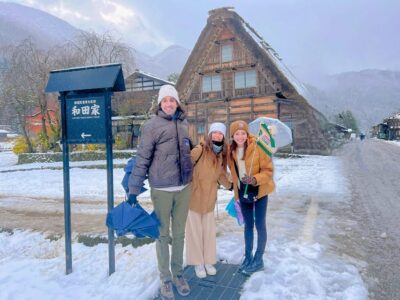
World Heritage Shirakawa-go Morning Guided Tour
Read our review →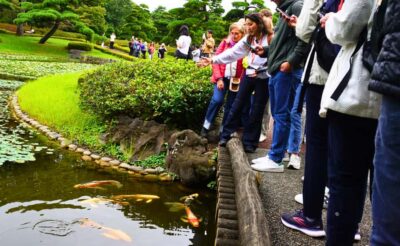
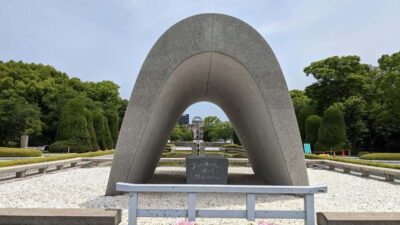
Hiroshima Historical Walking Tour – Why A-Bomb was Dropped
Read our review →
Hiroshima Peace (Heiwa) Walking Tour at World Heritage Sites
Read our review →Browse the lists this tour appears in