
Reviewed · SAMURAI & NINJA EXPERIENCES
Samurai Sword Experience (Family Friendly)at SAMURAI MUSEUM KYOTO
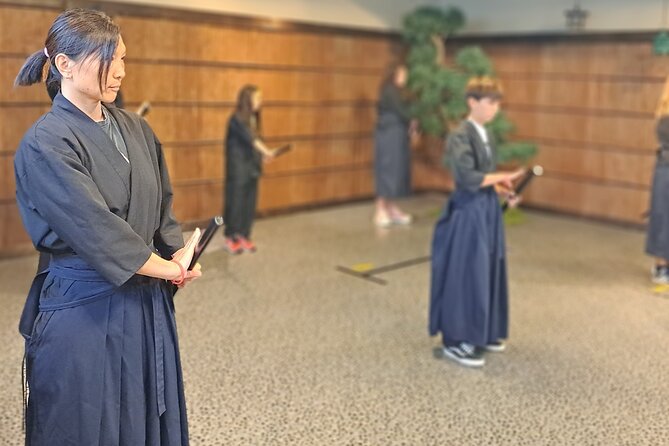
Samurai training starts with a costume. At Kyoto’s Samurai Museum, you put on samurai armor, learn basic sword movements, and pose against several themed backdrops. I like the blend of history and hands-on fun, and I like that morning and afternoon time slots make this easy to fit into a Kyoto day. The main caution is expectation: this is a family-friendly introduction, not a serious sword-fighting class.
The small-group format can make the lesson feel personal, though the published group limits vary between four, ten, and seventeen people, so check your booking details. Children love the dress-up, sword practice, and added ninja-style activities described by families, while adults may find the content a little light.
In This Review
- Key points to know before booking
- What happens at the Kyoto Samurai Museum
- Dressing as a samurai
- Learning the sword movements
- Family activities beyond the sword
- How the group size affects the lesson
- Is the $65.39 price good value?
- Choosing a morning or afternoon time
- Who will enjoy this most
- Practical advice for a smoother visit
- Should you book the samurai sword experience?
- FAQ
- Where does the samurai sword experience begin?
- Where does the activity end?
- How long does the experience last?
- Can children under three participate?
- Is the activity suitable for families?
- Are morning and afternoon time slots available?
- Are service animals allowed?
- Can I cancel for a refund?
Key points to know before booking
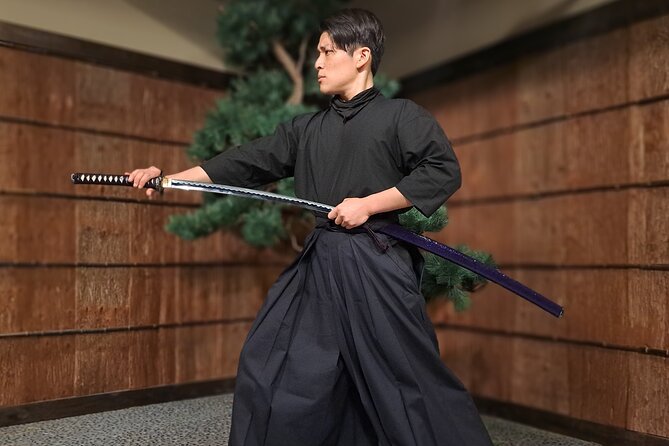
- You wear samurai clothing and armor: This is more than watching a museum display. You dress up and take part.
- A sword demonstration comes first: An instructor shows how to swing the katana before you try the movement yourself.
- The experience lasts about two hours: That gives you time for history, dressing, practice, and photographs.
- Several samurai backdrops are available: You can pose in costume instead of relying on one quick picture.
- It suits children and teenagers especially well: Families praise the relaxed format and the fun instructors.
- The group-size information is inconsistent: Details list maximums of four, ten, and seventeen, so confirm the number attached to your chosen time.
What happens at the Kyoto Samurai Museum
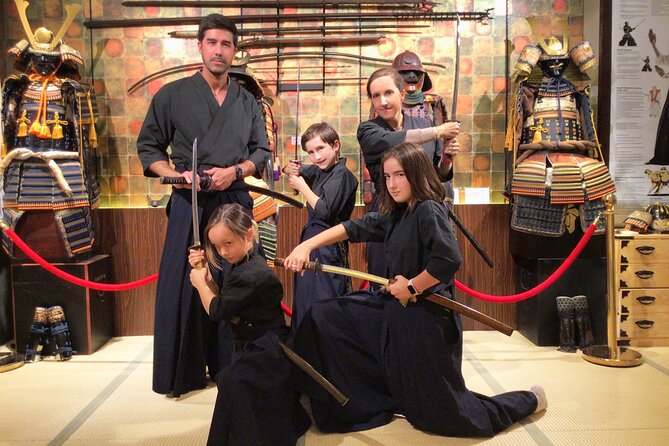
You meet at the Experience Floor of the Kyoto Samurai Ninja Museum, at 292 Higashidaimonjicho in Nakagyo Ward. The activity ends at the same place, so you do not need to arrange transport between separate venues.
The museum setting gives the activity a useful sense of place. You are not simply handed a costume in a hotel room or rented studio. The experience is tied to samurai and ninja displays, and the lesson includes an introduction to samurai history before the practical part begins.
The entire session takes about two hours. That is a sensible length for a family activity. It is long enough to feel like a proper event, but short enough that younger children are unlikely to lose patience before the end.
The exact order can vary, but you should expect four main parts:
- A historical introduction
- Dressing in traditional samurai clothing
- A demonstration and sword practice
- Posing and other hands-on activities
The attraction describes the sword activity as a chance to wield a katana. At the same time, one detailed account describes learning forms with a wooden sword, while another participant expected to see a real katana and felt disappointed. I would book this for the movement, ceremony, and costume, not for access to an authentic sharp blade.
More Museum Visits in Kyoto
- Kyoto: Tea Museum Tickets and Matcha Grinding Experience
★ 4.9 · 739 reviews - Skip the lines Basic Ticket at SAMURAI NINJA MUSEUM KYOTO
★ 4.5 · 632 reviews - Kyoto : Geiko Maiko Dance of Kyoto & Visits of Gion Museum
★ 4.6 · 415 reviews
Dressing as a samurai
The costume is the emotional center of the activity for many children. Once you are dressed, the visit changes from a museum lesson into something you can act out. Kids can see themselves in a samurai role, and teenagers often enjoy the chance to take photographs without the usual pressure to pose perfectly.
The armor and traditional clothing are included in the price. Several samurai-themed backgrounds give you different settings for photographs, which is useful if you are taking pictures of siblings or a group of friends. You can treat this as a family portrait session with a historical twist.
Keep your expectations practical. The supplied information does not promise custom armor fitting, individual portrait sessions, or professional photography. You should expect to wear the provided outfit and pose during the scheduled activity, not receive a private photo shoot.
The costume portion also takes time. One unhappy account said that uniforms were handed out so late that less than 30 minutes remained for the rest of the activity. That may not reflect the normal schedule, but it gives you a useful reason to arrive on time and listen carefully to the meeting instructions.
Learning the sword movements
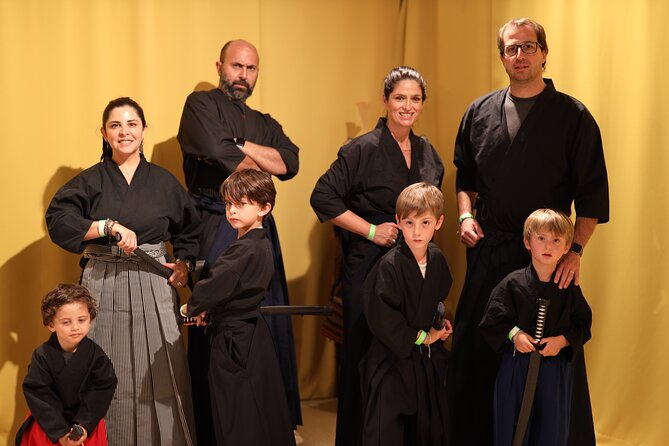
The instructor demonstrates how to swing the sword before you try it. This matters because the activity is not only costume play. You get a basic introduction to movement, posture, and the form of a samurai lesson.
A positive account praised the instructor’s patience, especially during the wooden-sword practice. Another family with three teenagers found that the instructor kept the session fun for everyone. Those details suggest that the teaching style matters more here than technical complexity.
You should not expect advanced martial arts training. The experience is designed for a broad age range, and children can participate alongside adults. The lesson appears to focus on simple movements that are safe and easy to follow, rather than difficult sword forms or a long course in Japanese martial arts.
That is a strength if you are visiting with children who have never handled a practice sword. It is also the reason some adults may find the class too basic. An adult-only experience is available at the same museum, according to one account from a participant who wished they had selected it instead.
If swordsmanship is your main interest, read the wording carefully before paying. You are buying a guided introduction with a practical element, not a specialist seminar on Japanese blades.
Family activities beyond the sword
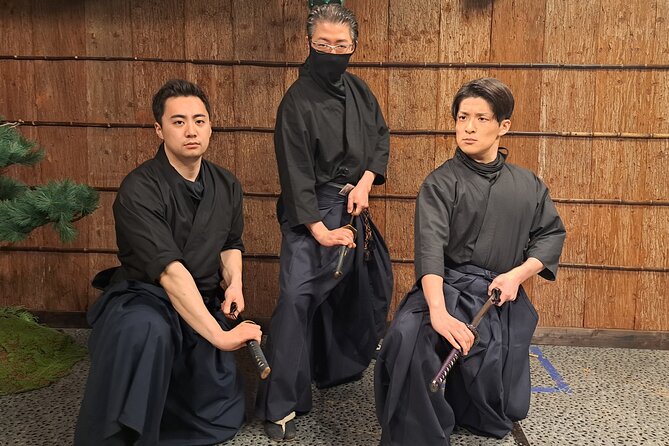
The family version can include more than samurai clothing and sword practice. One family described an informative tour, sword fighting, ninja star throwing, and samurai cosplay. These additions are especially useful when children have different interests. One child may enjoy the sword movements, while another prefers the ninja activity or photographs.
The format is relaxed rather than severe. That makes it a good choice for families who want something active between temple visits. Kyoto sightseeing often involves quiet gardens, long walks, and careful museum visits. This experience lets children move around and take part.
The age limit is clear: children under three cannot enter the samurai venue. The activity is otherwise described as suitable for most people, and service animals are allowed. No special physical requirement is stated, but participants should be comfortable taking part in a supervised sword activity and putting on traditional clothing.
The family focus can be a drawback for adults without children. Two lower-rated accounts describe the experience as mainly for kids, while another adult found the relaxed approach enjoyable but wished they had selected the adult-only option. I would treat the family label as a genuine warning, not just a marketing phrase.
More Samurai & Ninja Experiences in Kyoto
- Kyoto Samurai Experience
★ 5.0 · 1,294 reviews - Kyoto: Kendo and Samurai Experience with Uniform and Gear
★ 4.9 · 815 reviews - Kyoto: Samurai Sword Class by Experts in Traditional Arts
★ 4.9 · 657 reviews - Ninja 1-hour Hands-on Lesson by Japanese master in Kyoto -Entry
★ 5.0 · 489 reviews
How the group size affects the lesson
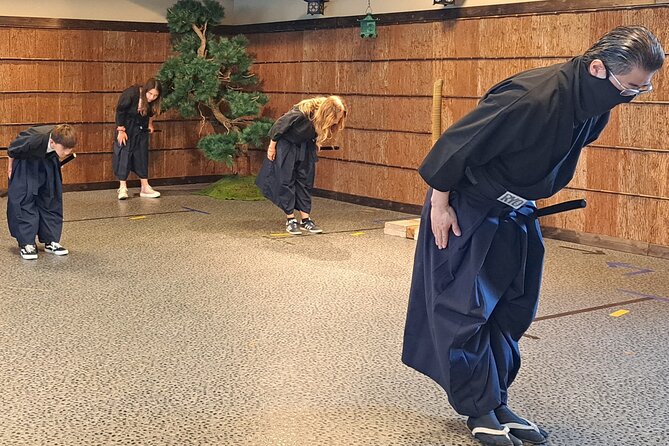
A small group can make a big difference during costume changes and sword practice. With fewer people, you have a better chance of seeing the demonstration clearly and getting help with the movements. It also makes group photographs easier.
The booking information gives three different maximums: four participants in one place, ten in the main description, and seventeen in another note. That inconsistency deserves attention. It may reflect different booking arrangements or a general venue limit, but the details do not explain the difference.
Before booking, check the exact group size for your selected departure. If the activity is capped at four or ten, it should feel more personal. If seventeen people are placed together, the session may feel more like a group presentation, particularly during costume fitting and photographs.
The experience received a 4.7 rating from 62 ratings, with 92 percent recommending it. That points to a strong overall response, especially from families, but it does not erase the gap between the best and worst outcomes. Clear expectations are important here.
Is the $65.39 price good value?
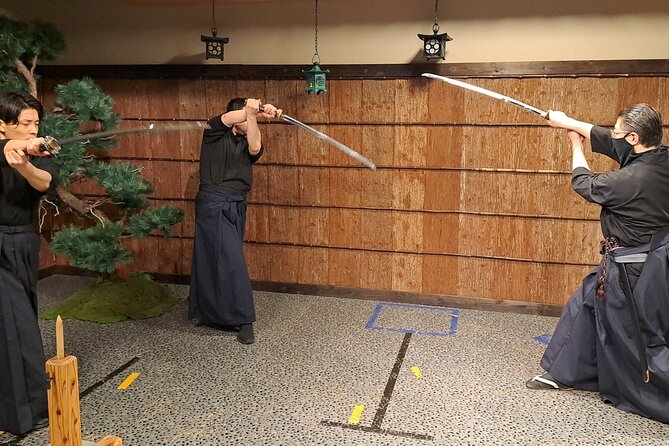
At $65.39 per person, the cost is reasonable if you value the full package: a two-hour visit, historical explanation, costume use, sword practice, and photographs in themed settings. You are paying for an organized activity at a museum, not merely for the chance to put on a costume.
The price works best for a family that wants a memorable shared activity. A child may remember the day more clearly than another temple visit because they took part, held a practice sword, and appeared in samurai clothing. For parents, that kind of engagement can justify the cost.
The value is weaker if you mainly want to inspect real swords or study samurai equipment. One dissatisfied participant specifically objected to the lack of a real katana. Since the activity focuses on basic instruction and family participation, serious sword collectors should look for a museum visit or specialist lesson with clearer details about blades.
The mobile ticket is convenient, and confirmation is provided at booking. Free cancellation is available up to 24 hours before the start time. If you cancel later or make changes within 24 hours, you do not receive a refund, so keep the local Kyoto cut-off time in mind.
Choosing a morning or afternoon time
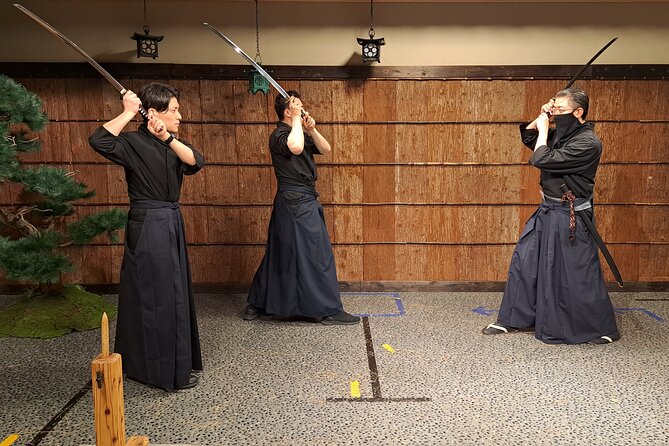
Morning and afternoon departures give you useful flexibility. You can place the experience before a day of sightseeing, or use it as a lively break after visiting temples and shrines.
A morning booking may suit families with young children who are freshest earlier in the day. An afternoon booking can work well if you want to begin with another Kyoto sight and then finish with a hands-on activity.
Allow enough time to reach the museum at 292 Higashidaimonjicho. The venue is near public transportation, but the information does not give a specific train or bus route. I would use the confirmed address and arrive with enough time to check in, especially because dressing takes part of the scheduled session.
There is also an elevator outage period from January 24 through February 19, 2026. If you visit during those dates, check the venue arrangements before booking, particularly if anyone in your party needs elevator access.
Who will enjoy this most
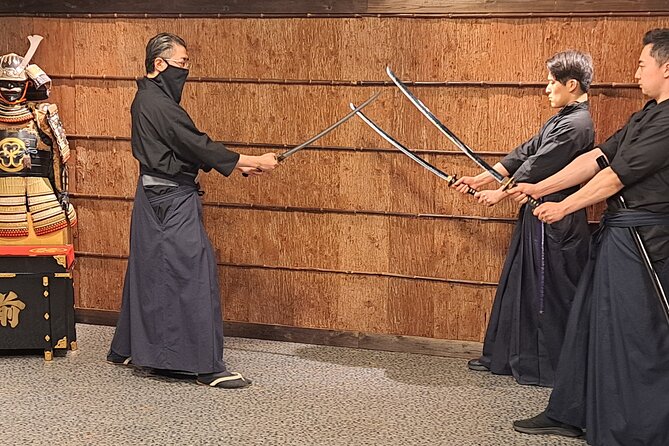
I would choose this experience for families with school-age children, children who like costumes, and teenagers who want an activity that feels different from ordinary sightseeing. It also works for adults who enjoy light historical interpretation and do not need advanced sword instruction.
It is a good fit if you want:
- A structured two-hour activity
- Photos in samurai clothing
- A simple introduction to samurai history
- Sword practice suitable for beginners
- A family activity near public transportation
- Morning or afternoon scheduling
I would be more careful if you are an adult traveling without children. The family version may feel too simple, and the lesson may not offer enough depth for someone with serious interest in Japanese swordsmanship.
I would also avoid booking it as a substitute for a traditional performance or a detailed museum tour. The strongest part is participation. The historical talk supports the activity, but it is not the entire purpose.
Practical advice for a smoother visit
Arrive ready to take part. The experience is active, and you will get more from it if you are willing to follow the instructor rather than stand back and watch.
Book the adult-only option if you are traveling as adults and want a more serious tone. One participant explicitly regretted choosing the family version after realizing the distinction too late.
Check the group-size limit attached to your reservation. The different published maximums make this one of the few details worth confirming before you commit.
Keep your camera ready, but do not expect every moment to be devoted to photographs. The activity includes history, dressing, instruction, and sword work. The pictures are part of the experience, not the whole product.
If you have a child under three, do not book this activity for that child. Children under three cannot enter the samurai venue.
Should you book the samurai sword experience?
Book it if you want a cheerful, hands-on family activity with costumes, basic sword movements, and a little samurai history. The patient instruction, flexible scheduling, and chance to pose in armor make it a strong choice for families visiting Kyoto with children or teenagers.
Skip it if you want to handle an authentic katana, study advanced sword technique, or spend two hours on detailed military history. For adults, the adult-only experience may be the better choice.
The safest way to think about this activity is simple: you are learning to play the part of a samurai in a museum setting, with enough historical context to make the costume meaningful. For the right audience, that is good Kyoto fun and fair value at $65.39. For serious sword enthusiasts, it may feel too light.
FAQ
Where does the samurai sword experience begin?
It begins at the Experience Floor of the Kyoto Samurai Ninja Museum, at 292 Higashidaimonjicho, Nakagyo Ward, Kyoto, 604-8073, Japan.
Where does the activity end?
The activity ends back at the meeting point at the Kyoto Samurai Ninja Museum.
How long does the experience last?
The activity lasts approximately two hours.
Can children under three participate?
No. Children under three cannot enter the samurai venue.
Is the activity suitable for families?
Yes. It is designed as a family-friendly activity for children and adults, with samurai clothing, sword practice, history, and themed photographs.
Are morning and afternoon time slots available?
Yes. Time slots are available in both the morning and afternoon.
Are service animals allowed?
Yes. Service animals are allowed.
Can I cancel for a refund?
Yes, if you cancel at least 24 hours before the experience start time. Cancellations or changes made less than 24 hours before the start time are not accepted for a refund.
Just added around Kyoto
- Kyoto: Gion Night Walking Tour with Geisha Insight★ 5.0 · 39 reviews
- Kyoto: Private Customizable Day Trip by Car★ 5.0 · 38 reviews
- Kyoto: Full Day Bike Tour★ 4.9 · 39 reviews
- Private Japanese Calligraphy in Kyoto – Learn Shodō with a Master★ 5.0 · 39 reviews
- Experience a tea ceremony in an authentic tearoom, in Kyoto!★ 4.5 · 41 reviews
- Kyoto: Gion Evening Walk with Hidden Gems, Geisha & Sake★ 5.0 · 41 reviews
- Kyoto Private Photo Shoot & Tour by SnapKyoto★ 5.0 · 41 reviews
- The Way of Tea: Kyoto Crafts, Hidden Temples & Wabi-Sabi Walk★ 5.0 · 41 reviews
Samurai & Ninja Experiences, compared.
Samurai Ninja Museum Guided tour and Experience
Read our review →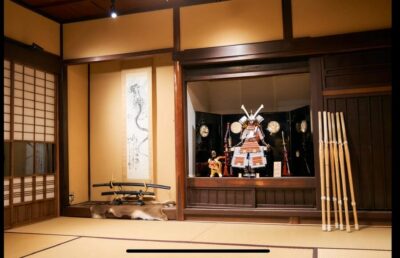
Kendo and Samurai Experience with Uniform and Gear
Read our review →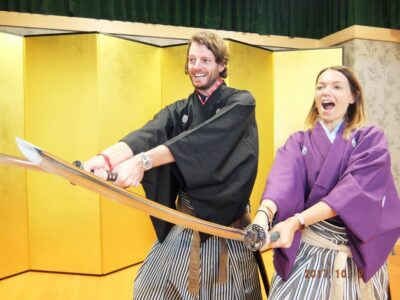
Samurai Sword Class by Experts in Traditional Arts
Read our review →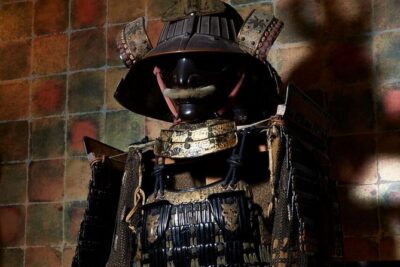
Skip the lines Basic Ticket at SAMURAI NINJA MUSEUM KYOTO
Read our review →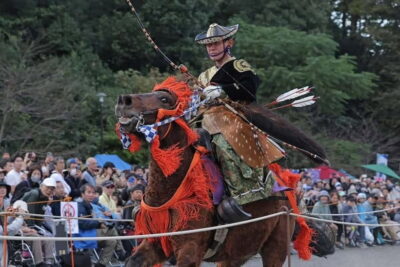
Samurai Sword & Archery Class from Samurai Descendant
Read our review →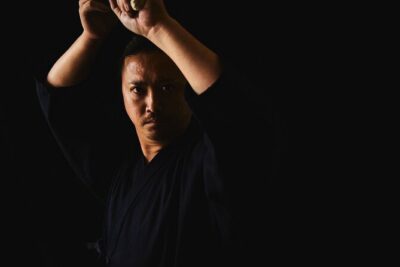
Browse the lists this tour appears in