
Reviewed · SAMURAI & NINJA EXPERIENCES
Samurai Sword & Sushi Experience with Chef Live Shows in Asakusa
Come for the sushi, stay for the samurai armor. This unusual Asakusa experience combines a hands-on sushi lesson with live chef demonstrations, Japanese food tastings, and photo time in a room filled with armor, swords, bamboo, and torch-style décor. I especially like the chance to learn techniques rarely shown in ordinary sushi restaurants, plus the easy location just one minute from Asakusa Station.
The small group size, capped at 12 people, should make it easier to follow the chef and ask questions. I also like that the food goes well beyond basic salmon and tuna, with course options that can include Wagyu beef, caviar, crab, and dashimaki. The main consideration is that drinks beyond water and green tea cost extra, and the experience may feel more like an entertaining cultural show than a quiet, traditional sushi meal.
In This Review
- Key points at a glance
- The Asakusa setting makes this easy to fit into your day
- Step inside a samurai-themed dining room
- Watch the chef prepare sushi and dashimaki
- Make your own nigiri instead of only watching
- Expect more than tuna and salmon on the plate
- How the two-hour schedule works
- Is the price of $49.54 good value?
- Who will enjoy this experience most?
- Small practical details that matter
- Should you book the Samurai Sword and Sushi Experience?
- FAQ
- Where does the Samurai Sword and Sushi Experience take place?
- How long does the experience last?
- What food is included?
- Are drinks included?
- How many people can join the activity?
- Can I cancel for a full refund?
Key points at a glance
- One-minute walk from Asakusa Station: You can reach the venue quickly, and Sensoji Temple is only about three minutes away.
- Hands-on nigiri lesson: A Japanese sushi chef demonstrates techniques and lets you make sushi yourself.
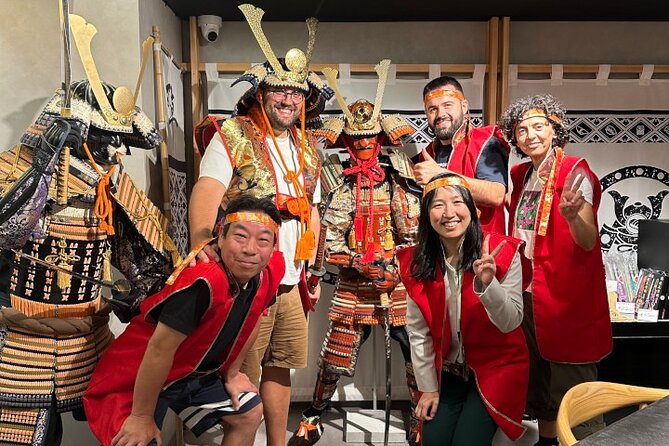
- Samurai photo opportunity: Try on samurai outfits among armor, swords, bamboo, and torch-style decorations.
- Premium tasting options: Depending on your package, you may sample tuna, salmon, Wagyu beef, caviar, crab, and other sushi.
- Family-friendly format: Games, trivia, and practical instruction help keep children and first-time sushi makers involved.
- Small maximum group: The experience accepts no more than 12 people, giving the class a more personal feel.
The Asakusa setting makes this easy to fit into your day
The venue, Jin-Asakusa, is at CREAL Asakusa Skyview Square, on the fourth floor at 1-chome 10-14 Hanakawado. It is a one-minute walk from Asakusa Station and about three minutes from Sensoji Temple.
That location is one of the strongest practical points. You can visit Sensoji, walk through the surrounding streets, and then reach the class without spending much of your sightseeing time on transport. The building also has views toward Tokyo Skytree, adding a useful sense of place before the food begins.
The meeting point and ending point are the same. You should plan to arrive ready for an indoor activity, since transportation to the venue is not included. A mobile ticket is accepted, and booking confirmation is provided at the time of reservation.
Asakusa is one of Tokyo’s best areas for combining old and new Japan in a single outing. The temple, traditional shopping streets, and riverfront are close by, while the Skytree gives the area a modern skyline marker. This class fits nicely between those stops, especially if you want more than another quick meal.
More Samurai & Ninja Experiences in Tokyo
- Tokyo: Samurai Restaurant Show Ticket with 2 Drinks
★ 4.5 · 1,307 reviews - Tokyo: Samurai Ninja Museum Guided tour and Experience
★ 4.6 · 1,010 reviews - Tokyo: Samurai Sword & Archery Class from Samurai Descendant
★ 5.0 · 603 reviews
Step inside a samurai-themed dining room
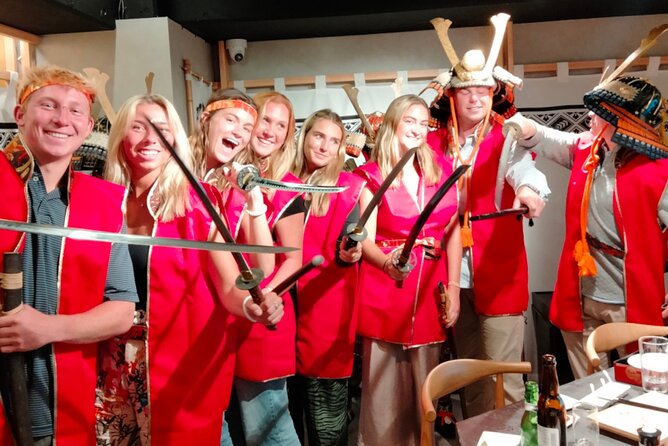
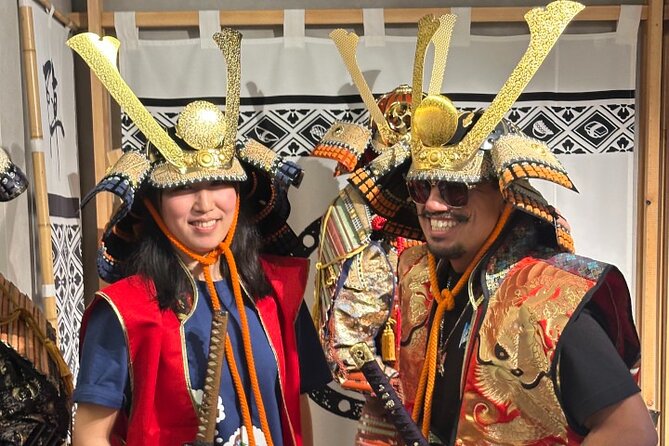
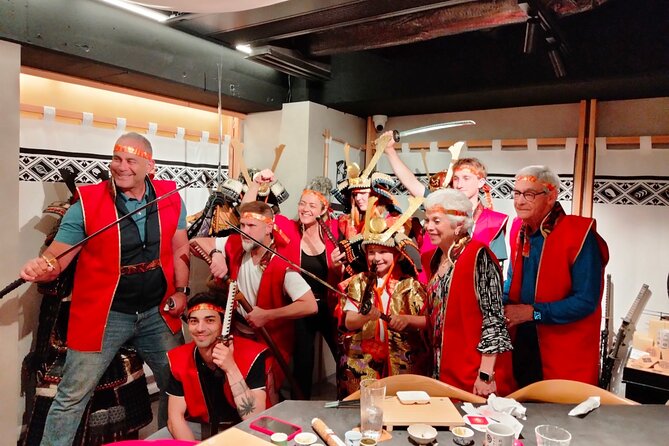
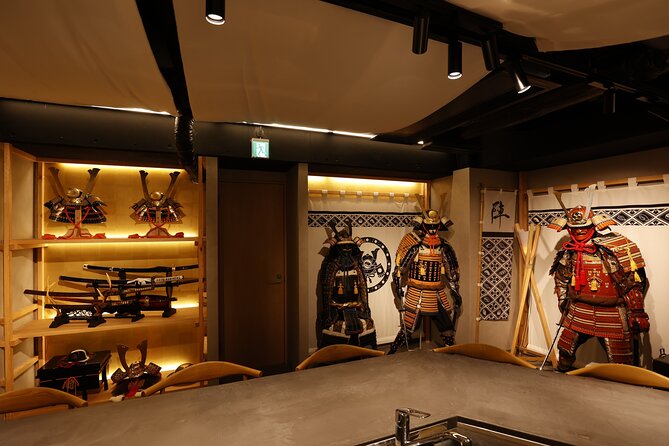
The first impression comes from the setting. The interior is designed around warlords, samurai, and ninjas, with traditional armor, swords, bamboo, and torch-like details placed around the room.
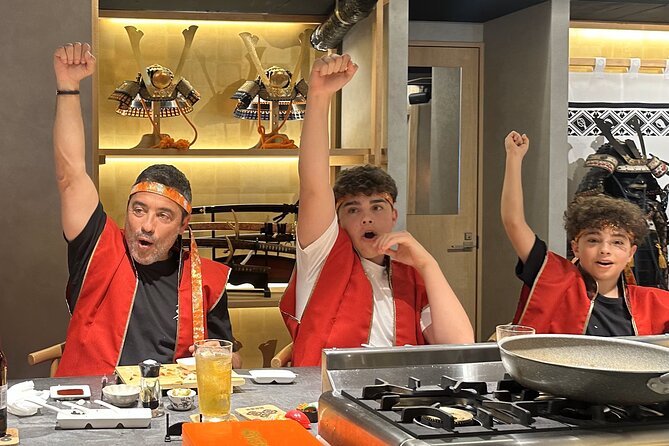
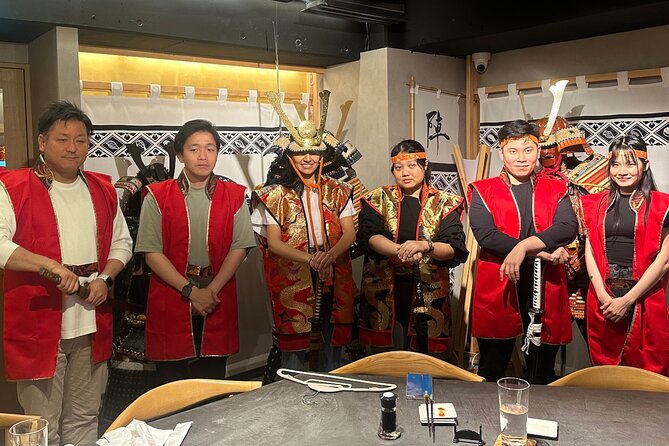
You can dress in samurai armor or an outfit inspired by samurai clothing for photographs. This is not simply a meal in a plain classroom. The costume element gives children, couples, and families something playful to do before or after eating, and it creates a clear visual memory of your time in Tokyo.
I would keep expectations sensible. The experience provides a samurai-themed setting and outfit opportunity, but the main focus is still food and instruction. If you want a full historical lesson, sword-fighting performance, or a museum-style presentation, this may not go far enough. If you want a relaxed cultural activity with strong photo potential, the balance works well.
The samurai setting also helps the class feel distinct from a standard cooking workshop. You are not only learning to shape sushi. You are doing it in a room built to remind you of Japan’s warrior past, with the Skytree nearby as a modern counterpoint.
Watch the chef prepare sushi and dashimaki
The food portion begins with demonstrations from a Japanese sushi chef. You can watch the chef prepare sushi and grill dashimaki directly in front of you.
Dashimaki is Japanese rolled omelet, and seeing it cooked on the spot adds variety to a meal that might otherwise focus only on raw fish. It also gives you a second technique to watch, since the texture and rolling method differ from shaping nigiri.
The chef explains sushi-making methods that are not usually shared in restaurants. That is valuable because restaurant sushi often arrives as a finished product. Here, you get to see the movements, follow the instructions, and try the process yourself.
English instruction is available, and the chef has been praised for making the explanations clear and easy to follow. The teaching style is intended for beginners, including people who are not especially fond of sushi. You do not need to arrive with cooking experience.
The format can include games, trivia, and other interactive moments. A trivia challenge has helped keep children engaged, and the activity has worked well for families with children ranging from about nine to fifteen years old. That makes this a stronger choice for a family than a quiet, formal sushi counter where children are expected to sit still.
Make your own nigiri instead of only watching
The hands-on section is the heart of the experience. You learn to make nigiri, the small hand-formed pieces of sushi that place fish or another topping over shaped rice.
Some versions of the course include five different types of nigiri, while the Shogun Course is described as offering 10 types plus additional items. The exact food selection depends on the package you choose, so check the option carefully before booking.
For a first-time sushi maker, this is more useful than a cooking demonstration alone. You can see how the chef handles the rice, then attempt the technique yourself. The chef and staff guide you through the process, so the activity is designed to be approachable rather than intimidating.
You may also make thick sushi rolls, known as futomaki. These add a different kind of challenge because you are working with a larger roll and several ingredients rather than one topping over rice.
I like this part because it gives you something to take home besides a full stomach. The technique may not turn you into a sushi master in two hours, but you can leave with a better sense of how sushi is assembled and enough confidence to try making it for your family.
The class is also social. You are likely to laugh at the first few imperfect pieces, compare results, and enjoy the process rather than worry about restaurant-level presentation. That relaxed tone is especially helpful for children and anyone who feels nervous about handling food in front of a group.
More Sushi-Making Classes in Tokyo
- Sushi Making Tokyo Roll and Authentic Japanese Sushi Class
★ 5.0 · 3,971 reviews - Tokyo: Roll and Authentic Sushi Making Class in Asakusa
★ 4.9 · 1,957 reviews - Make Sushi and Create Unforgettable Memories in Tokyo
★ 5.0 · 1,413 reviews - Tokyo: Sushi Making Class in a Happi Coat near a Famous Spot
★ 4.9 · 1,377 reviews
Expect more than tuna and salmon on the plate
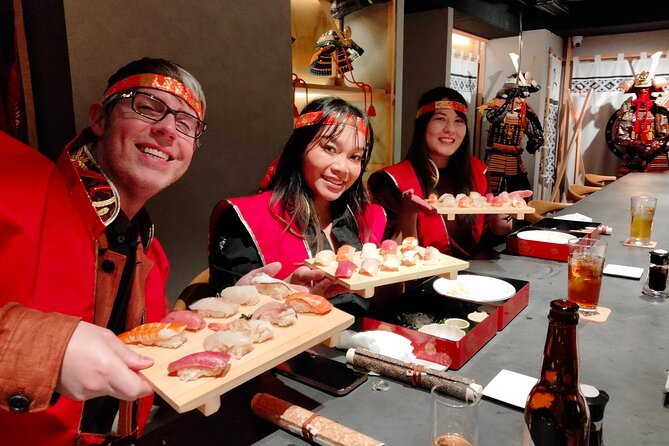
The menu is designed to feel generous. Alongside familiar sushi such as tuna and salmon, the Shogun Course can include Wagyu beef, caviar, crab, and other varieties.
The addition of Kobe-style Wagyu beef gives the meal a clear premium touch. Caviar and crab make the tasting feel more special than a basic introductory class, while tuna and salmon provide recognizable choices for anyone who prefers familiar flavors.
There is also a strong practical reason for the varied menu. If you are uncertain about raw fish, a selection of different toppings lets you find something you enjoy. One first-time participant who was not a big sushi fan still found the class approachable after learning several nigiri techniques.
The food is intended to be a substantial part of the experience, so come hungry. The combination of sushi you make, sushi prepared by the chef, dashimaki, and additional tastings can add up to a full meal rather than a small sample.
The tradeoff is that premium ingredients and several course choices can make the experience more about tasting and entertainment than mastering one sushi style in depth. You will learn useful basics, but this is not a long professional cooking course.
How the two-hour schedule works
The total experience lasts approximately two hours. Some descriptions of the sushi-making portion refer to an 80-minute course, so the exact split between instruction, eating, games, and photos may vary by package or session.
A typical flow should include:
- Arrival at the samurai-themed venue
- Introduction to the chef and the sushi-making activity
- Demonstration of sushi techniques
- Hands-on preparation of nigiri and possibly futomaki
- Chef-prepared sushi and dashimaki
- Tasting of the selected course items
- Games or trivia during the activity
- Time to try on samurai clothing and take photographs
The timing works well for a busy Tokyo day. Two hours is long enough to feel like a real activity, but short enough to combine with Sensoji Temple, Asakusa shopping streets, or an evening visit to the Skytree area.
The class is limited to 12 people. That is not a private lesson, but it is small enough to offer a better chance of seeing the chef’s demonstrations and getting help while you practice. If your booking happens to have only a few participants, the session may feel especially personal.
Is the price of $49.54 good value?
At $49.54 per person, the price is reasonable if you treat this as three activities in one: a sushi meal, a cooking lesson, and a samurai photo experience.
The value is strongest for people who would otherwise pay separately for a sushi meal and a cultural activity. You receive the meal cost, service charge, and consumption tax in the listed price. That makes budgeting easier, although additional drinks are not included.
Water and green tea are included, but other drinks cost extra. If you are trying to keep the total low, stick with those included options. The base cost is also easier to justify for families, since the interactive format gives children something to do instead of simply waiting for food.
The price is less attractive if you want an intimate high-end sushi dinner or a serious culinary course. You are paying for instruction, food variety, costumes, décor, and entertainment. That mix is the point, but it will not suit someone seeking a silent meal at a traditional sushi counter.
The experience is usually booked about 20 days ahead on average. That does not guarantee every date will sell out, but it suggests you should reserve before your Asakusa day is fixed, especially if you need a particular time or are traveling with a family.
Who will enjoy this experience most?
I would recommend it most strongly to:
- First-time visitors who want an easy cultural activity in Asakusa
- Couples looking for unusual photographs and a shared activity
- Families with children and teenagers
- People who enjoy sushi but want to learn how it is made
- Sushi beginners who prefer clear instruction
- Anyone with limited time who wants food and culture together
It also works for someone who is unsure about sushi. The course includes cooked and premium options, and the chef’s demonstrations make the food less mysterious.
You may want to skip it if you dislike group activities, do not want to handle food, or prefer a formal meal with no games or costumes. The samurai theme is playful, and the class has a lively social side. That is a strength for many people, but it may feel too theatrical if you want a quiet, traditional dinner.
Small practical details that matter
The activity ends back at the same venue, so you can plan your next stop from Asakusa Station. Since transportation is not included, you are responsible for reaching the fourth-floor meeting point.
The maximum group size is 12 people, and the venue is near public transportation. The activity is indoors, with the samurai clothing and photographs forming part of the experience.
Free cancellation is available if you cancel at least 24 hours before the local start time. A cancellation within 24 hours is not refunded, and changes inside that window are not accepted.
The course has received a perfect 5 rating from 47 submitted ratings, with 100 percent recommendation shown in the supplied information. The most consistent praise focuses on the friendly staff, clear English explanations, fresh food, hands-on instruction, and the way the class keeps children involved.
Staff members including sushi master Taisho and Saung have been thanked by name for creating a welcoming atmosphere. That personal attention matters in a hands-on class, where a patient instructor can make the difference between a frustrating activity and a fun one.
Should you book the Samurai Sword and Sushi Experience?
Book it if you want a friendly, practical, and slightly theatrical introduction to Japanese food in a convenient Asakusa location. The strongest reasons are the chance to make several kinds of sushi, taste premium ingredients, and wear samurai clothing without giving up half a day.
I would choose the Shogun Course if you want the broadest food selection, including Wagyu beef, caviar, crab, and about 10 sushi types plus additional items. For a lower-cost visit, compare the available packages and confirm exactly what each one includes.
This is not a substitute for a serious sushi apprenticeship or a formal historical tour. It is better understood as a well-priced cultural meal with real instruction, good photo opportunities, and plenty of interaction. For families, couples, and first-time visitors, that combination makes it one of the easier Tokyo activities to recommend.
FAQ
Where does the Samurai Sword and Sushi Experience take place?
It takes place at JIN-ASAKUSA, located at CREAL Asakusa Skyview Square 4F, 1-chome 10-14 Hanakawado, Taito City, Tokyo 111-0033, Japan.
How long does the experience last?
The experience lasts approximately two hours. Some course information describes the sushi-making portion as an 80-minute class, so the exact timing may depend on the package.
What food is included?
Meal costs, service charges, and consumption tax are included. The food can include sushi prepared by the chef, sushi that you make yourself, dashimaki, and course-specific items such as tuna, salmon, Wagyu beef, caviar, and crab.
Are drinks included?
Water and green tea are included. Additional drink orders are not included in the listed price.
How many people can join the activity?
The activity has a maximum group size of 12 people.
Can I cancel for a full refund?
Yes. You can receive a full refund if you cancel at least 24 hours before the experience start time. Cancellations and changes made less than 24 hours before the start time are not refunded.
Just added around Tokyo
- Tokyo 6hr Instagram Highlights Private Tour with Licensed Guide★ 5.0 · 38 reviews
- Tokyo Small Group Tour with Guide★ 4.5 · 38 reviews
- Tokyo Sumo Experience with Live Show & Audience Challenge★ 5.0 · 38 reviews
- Japanese Food Cooking Class in Asakusa, Tokyo★ 5.0 · 39 reviews
- Very popular in Harajuku♡Animal petting zoo★ 4.6 · 39 reviews
- Ramen Making from Scratch with Tokyo Mom(Vegan Option Available)★ 5.0 · 39 reviews
- Tokyo JDM Night: 600hp C63s AMG Edition 1 (Private)★ 4.9 · 39 reviews
- Tokyo: Kimono Rental inside Shinjuku Gyoen National Garden★ 4.9 · 39 reviews
Samurai & Ninja Experiences, compared.
Samurai Ninja Museum Guided tour and Experience
Read our review →
Kendo and Samurai Experience with Uniform and Gear
Read our review →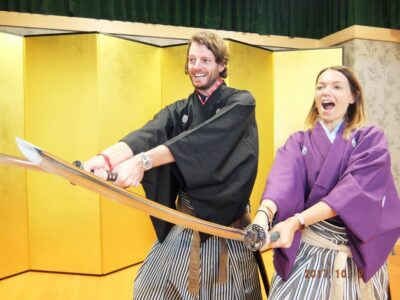
Samurai Sword Class by Experts in Traditional Arts
Read our review →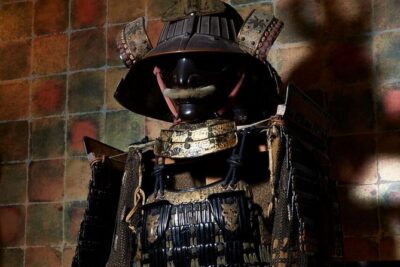
Skip the lines Basic Ticket at SAMURAI NINJA MUSEUM KYOTO
Read our review →
Samurai Sword & Archery Class from Samurai Descendant
Read our review →
Browse the lists this tour appears in