
Reviewed · SUMO EXPERIENCES
Sapporo Sumo Show Experience with Japanese Food and Photo
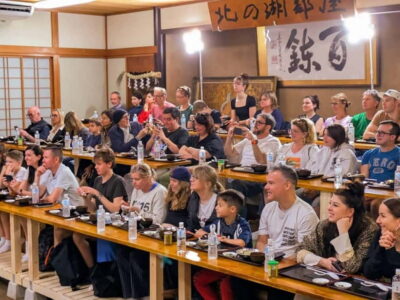
Sumo comes alive in a small Sapporo dining room. This two-hour show combines retired rikishi demonstrations with Japanese food, audience participation, and a souvenir photo. I like the close view of the dohyo from every seat, and I like that the event explains sumo customs instead of treating it as a simple wrestling stunt. The main consideration is that this is entertainment by former competitors, not a professional tournament.
The meal adds real value at $79.07 per person, especially with one drink and a commemorative photo included in the meal plan. The format is family-friendly and English-friendly, but the food details vary in the description, so I would confirm the exact menu before booking, particularly if you need a vegetarian meal.
In This Review
- Key points at a glance
- Why this Sapporo sumo show works so well
- Arriving at 2-chōme-10-1 Minami 4 Jōnishi
- Learning the customs before the match
- Watching a best-of-three bout by retired rikishi
- Taking your turn inside the dohyo
- Eating Japanese food beside the dohyo
- A traditional dance and the wider cultural setting
- Seating, photos, and the final keepsakes
- Is $79.07 a fair price?
- Who will enjoy this most?
- Practical booking advice for Sapporo
- Should you book the Sapporo Sumo Show?
- FAQ
- Where does the Sapporo Sumo Show Experience take place?
- How long does the experience last?
- Does the experience end at the meeting point?
- Is food included?
- Can I request a vegetarian meal?
- Are the wrestlers professional competitors?
- Can I challenge a wrestler?
- Is a photo included?
- Is cancellation free?
Key points at a glance
- Retired wrestlers perform the show: You see former rikishi demonstrate morning exercises, winning techniques, ring etiquette, and a best-of-three bout.
- Audience members can enter the dohyo: A limited number of people may challenge the wrestlers, with a lottery used if too many volunteers apply.
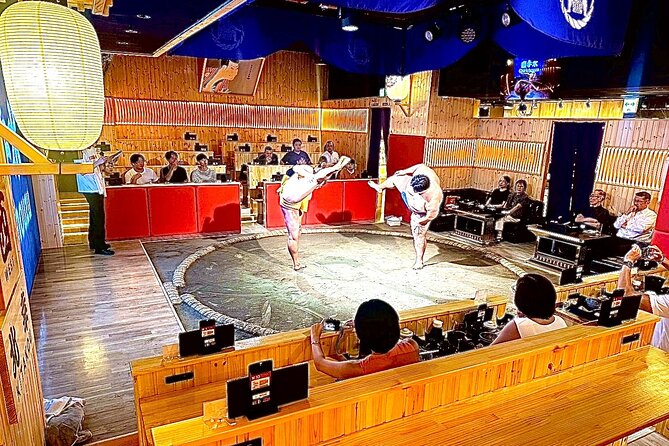
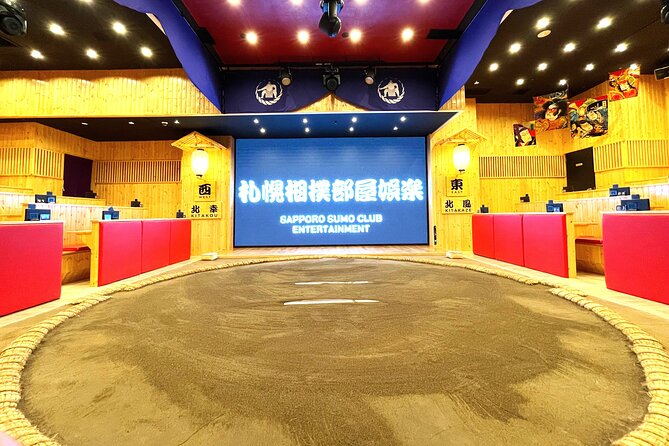
- Every seat faces the action: The intimate room gives you a direct view, while front-row seating is available for an even closer look.
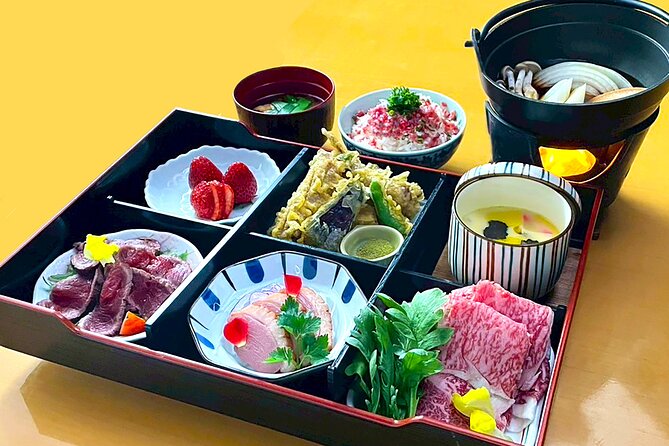
- Japanese food is part of the experience: Meal plans include Japanese cuisine, chanko-nabe, and one drink, with wagyu sukiyaki and tempura also listed in the meal details.
- The evening includes cultural extras: A traditional dancer or geiko performance may be part of the program, adding another Japanese art form to the meal.
- You leave with a keepsake: The package includes a framed group photo with the former rikishi and a souvenir gift bag.
Why this Sapporo sumo show works so well
Many cultural performances ask you to sit quietly and watch. This one pulls you closer to the action. You learn what the wrestlers are doing, see the rituals at close range, and then have the option of stepping into the ring yourself.
I especially like the balance between explanation and fun. The show covers the age of sumo, its customs, and the way it has changed over time. It also makes clear that the wrestlers are retired and performing for entertainment. That honesty matters. You get a lively cultural introduction, not a staged claim that you are watching an official competition.
The room holds a maximum of six people according to the booking information. That makes this a much more personal experience than a large theater performance. You are close enough to see the demonstrations clearly, and the staff can involve people directly without shouting across a packed hall.
The 4.7 rating from 38 ratings, with 92 percent recommending the activity, fits the strongest points of the program: friendly staff, good food, clear explanations, and plenty of chances to join in. The most enthusiastic praise centers on the atmosphere and participation, rather than on the wrestling alone.
More sumo experiences:
- Sapporo: Sumo Show Experience with Japanese food & Photo
★ 4.9 · 81 reviews - Tokyo: Sumo Show Experience with Chicken Hot Pot and a Photo
★ 4.8 · 6,678 reviews - Tokyo: Sumo Show and Dining Experience
★ 4.8 · 2,742 reviews
Arriving at 2-chōme-10-1 Minami 4 Jōnishi
The meeting point is at 2-chōme-10-1 Minami 4 Jōnishi in Chuo Ward, Sapporo. The venue is near public transportation, which is useful in a city where a short train or subway ride can save you from guessing your way through unfamiliar streets.
The activity lasts about two hours and returns you to the same location. That makes it easy to fit into a Sapporo evening, especially if you plan dinner, drinks, or a walk through the central area afterward.
Private transportation is not included. You need to make your own way to the meeting point, but confirmation arrives at booking and a mobile ticket is provided. I would allow extra time to find the venue, particularly if you are coming straight from another part of the city.
The small group size also means you should treat the start time seriously. A late arrival could mean missing the opening explanation or the first demonstrations, which help make the later action easier to understand.
Learning the customs before the match
The program begins with an introduction to sumo and its long place in Japanese culture. Sumo is often reduced to two large athletes pushing one another out of a circle, but the sport has formal rules, gestures, stances, and techniques that give the contest its shape.
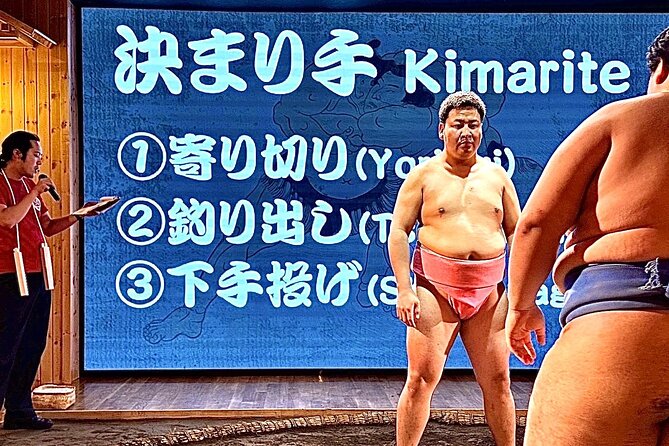
You learn about the dohyo, the raised ring where the match takes place, and the basic do’s and don’ts around it. The staff also introduce kimarite, the named techniques used to win a bout. This is one of the most useful parts for first-time viewers because it gives you something specific to watch for.
The demonstrations include asa geiko, or morning exercises. You also see examples of sumo techniques before the main bout. These demonstrations turn the physical size and strength of the wrestlers into something more understandable. Instead of watching two bodies collide without context, you can follow the stance, timing, and movement.
The educational section is simple rather than academic. That suits the format. You receive enough background to appreciate the performance, but you are not asked to sit through a long lecture before the fun starts.
For families, this part gives younger participants a reason to pay attention. One father and teenage son both enjoyed the event, including the cultural material beyond the match. That is a useful sign for parents who worry that a traditional presentation might lose a teenager after ten minutes.
Watching a best-of-three bout by retired rikishi
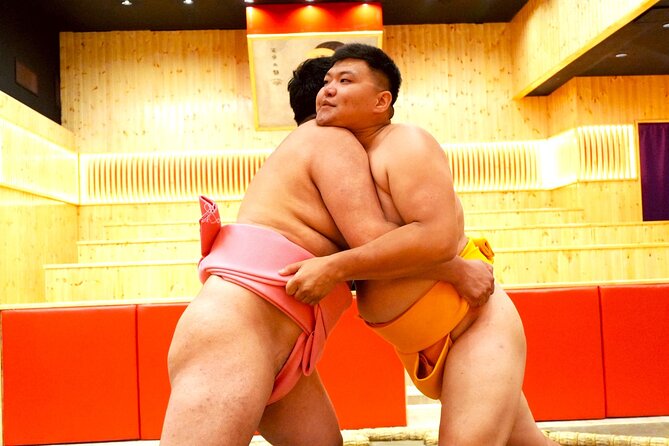
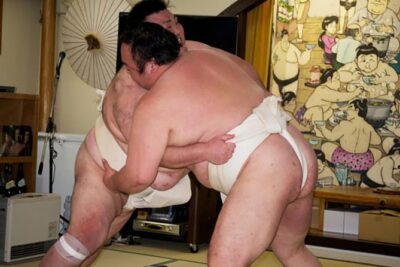
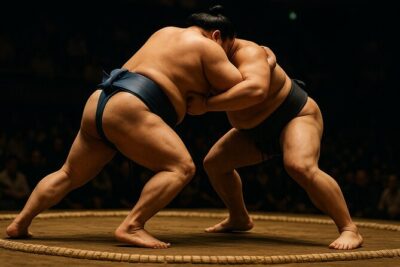
The main performance is a best-of-three competition between retired sumo wrestlers. Since the athletes no longer compete professionally, the match is designed for entertainment, demonstration, and audience enjoyment.
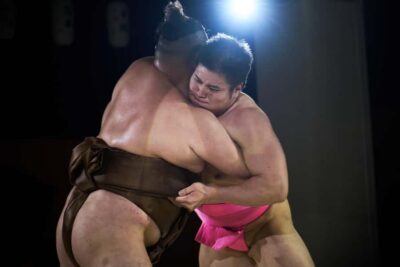
That does not make it dull. The former rikishi remain powerful athletes, and the close setting lets you feel the force and ceremony of the contest. The best moments come from seeing how quickly a match can turn. A bout may look slow at first, then end in one sharp movement.
The show also makes room for humor and interaction. The MC and staff keep the mood warm, while the wrestlers are presented as approachable people rather than distant celebrities. The result is lively without making fun of the sport itself.
One especially memorable possibility is meeting a former grand sumo rikishi. This is not described as a guaranteed part of every booking, so I would treat it as a possible bonus rather than a promised feature. For someone who already follows sumo, that kind of encounter could be a major highlight.
The performance is not a substitute for attending an official tournament in Tokyo, Osaka, Nagoya, or Fukuoka. You will not see current professional rankings or a formal tournament schedule here. What you do get is a close introduction to sumo with the chance to see and speak with former competitors in a relaxed setting.
More food tours:
- Sapporo Bar Hopping Food Tour
★ 5.0 · 232 reviews - Tokyo: Shinjuku Food Tour (13 Dishes at 4 Local Eateries)
★ 5.0 · 6,603 reviews - Tokyo Tsukiji Fish Market Food and Culture Walking Tour
★ 5.0 · 3,184 reviews - Osaka: Shinsekai Food Tour with 13-15 Dishes at 5 Eateries
★ 4.8 · 2,204 reviews
Taking your turn inside the dohyo
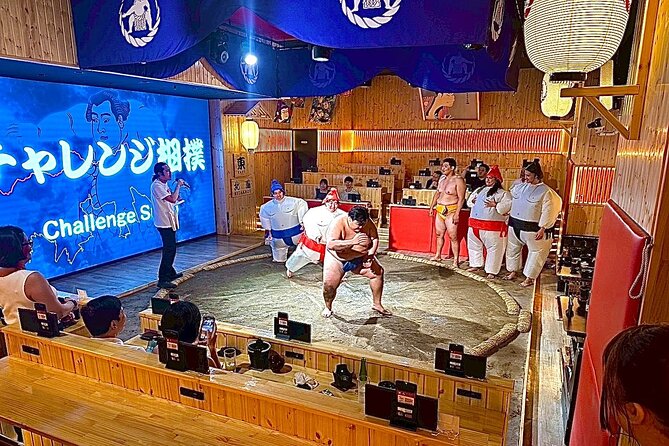
The audience challenge is the part that turns a show into a personal story. A limited number of people can enter the ring and try a sumo match against one of the wrestlers.
You do not need to participate, and nobody should feel pressured. Watching other people take their turn can be just as entertaining, especially when the staff explain what is happening and keep the mood good-natured.
If too many people volunteer, challengers are chosen by lottery. That rule keeps the process fair, but it also means you cannot count on getting into the ring. If you want to try, speak up early and accept that luck may decide the result.
The activity is listed as suitable for most people, but the supplied information does not provide detailed physical requirements. If you have concerns about balance, mobility, or strenuous activity, ask the provider before booking. Sumo involves physical contact, even in a lighthearted demonstration.
I like that the audience participation is limited. It keeps the event from becoming a chaotic free-for-all. It also protects the wrestling demonstration from being swallowed by too many side activities.
Eating Japanese food beside the dohyo
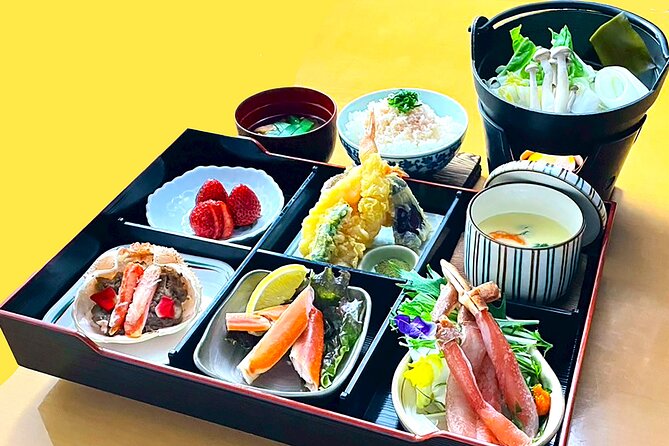
Food is not an afterthought here. A meal-inclusive booking includes a set of Japanese cuisine, chanko-nabe, and one drink. Chanko-nabe is closely associated with sumo wrestlers, so it fits the theme better than a generic restaurant meal would.
The detailed meal information also lists wagyu beef sukiyaki and tempura. Since both descriptions appear in the booking details, I would confirm which dishes are served with your selected plan. The meal may vary by plan or date, and knowing what you are paying for is especially important if food is a major reason for booking.
The meal gives you something to do during the demonstrations. You can eat while watching the exercises and techniques, then focus on the competition once the main bout begins. This relaxed rhythm helps the two-hour schedule feel full without becoming rushed.
Vegetarian food can be requested, but you need to tell the provider in advance by message. Do not wait until you arrive. The supplied information does not specify vegan substitutions, allergies, or other special diets, so ask clearly about those needs before confirming.
One drink is included with the meal plan. The information does not identify the drink, so you should not assume a particular alcoholic or nonalcoholic option. The food and service receive some of the warmest praise, with specific appreciation for the helpful staff and generous portions.
A traditional dance and the wider cultural setting
Some descriptions of the program include a geiko or traditional dancer performance. This adds a second cultural element to the meal and helps place sumo within a broader Japanese performance tradition.
The dance is not presented as a replacement for the sumo. Instead, it breaks up the program and offers a quieter contrast to the physical demonstrations. If you are visiting Japan for the first time, this combination gives you more cultural variety in one compact outing.
The exact performance schedule is not detailed, so I would not book solely for the dance. Think of it as an added feature that may be included in the program rather than the central promise. The main experience remains the retired rikishi, sumo instruction, audience challenge, meal, and photograph.
Seating, photos, and the final keepsakes
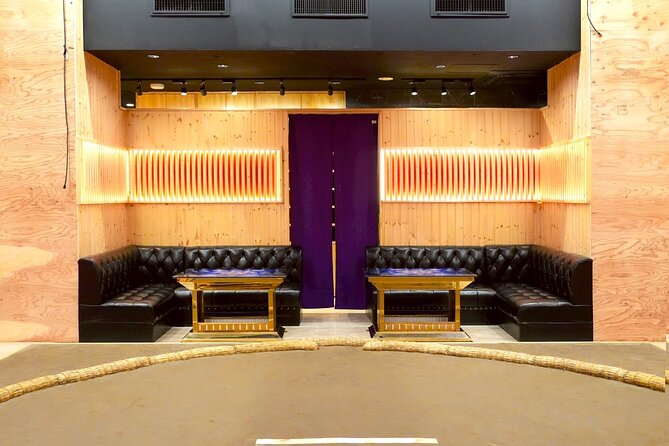
All seats provide an intimate view of the dohyo. That is important in a small sumo show because the ring is the center of the experience, not a distant stage.
A front-row upgrade is available if you want to feel even closer to the action. I would consider it worthwhile for dedicated sumo fans, photographers, or anyone who wants the strongest connection to the demonstrations. Standard seating should still work well because the room is small and every place faces the ring.
At the end, you receive a commemorative framed photo with the former rikishi and your group. A souvenir gift bag is also included. These are practical additions because the event is built around participation and personal contact. You are not leaving with only a memory of watching from a chair.
The photo also makes the experience a good choice for families and small groups. If you join the audience challenge, the picture becomes a record of a funny and unusual moment. If you prefer to watch, it still gives you a personal image with the wrestlers.
Is $79.07 a fair price?
At $79.07 per person, this is not the cheapest meal in Sapporo. You are paying for a package that combines food, a live cultural performance, instruction, audience interaction, a drink, and a framed photo when the meal plan is selected.
I think the price is fair if you value a structured cultural activity. Booking a meal and a separate performance could easily take more planning, and neither would necessarily give you this level of contact with former rikishi. The small group setting also adds value.
The price is less attractive if you only want to watch serious competitive sumo. In that case, an official tournament would be the better target, although it would offer a very different setting and schedule. This Sapporo show is designed for access, explanation, and fun.
Check the selected package carefully. The included meal is tied to the meal plan, and the food description refers to both chanko-nabe and a set featuring wagyu beef sukiyaki and tempura. If you want vegetarian food, contact the provider before the date of the activity.
Who will enjoy this most?
I would recommend the show to first-time visitors who want an easy introduction to sumo without needing to understand the sport beforehand. The rules and techniques are explained in plain terms, and the demonstrations give you an immediate sense of how the ring works.
It also suits families. The show has movement, food, humor, and audience participation, so it offers more variety than a quiet museum visit. The experience worked particularly well for a teenager who arrived with little enthusiasm and still enjoyed the cultural parts.
Sumo fans have a different reason to book. You may appreciate seeing former competitors up close, and meeting a former grand sumo rikishi would be a special extra if it happens during your visit. Consider front-row seating if the wrestlers are the main reason you are coming.
I would be more cautious if you dislike audience participation, physical demonstrations, or fixed meal packages. You can watch without challenging a wrestler, but the show puts energy into involving the room. It is also not ideal for anyone expecting current professional competition.
The staff can speak English and Japanese, which helps international visitors follow the explanations and participate with confidence. Several people singled out the friendly service, the MC, and staff member Kitadai-chi. That personal attention is a large part of the appeal.
Practical booking advice for Sapporo
Book with the mobile ticket ready and plan your route to the central Sapporo meeting point. The activity ends where it starts, so you do not need to arrange a separate return transfer.
Free cancellation is available up to 24 hours before the local start time. Inside that 24-hour window, the amount paid is not refunded, and changes are not accepted. Keep that deadline in mind if your Sapporo plans depend on weather or transport.
Ask about the food before booking if you have dietary needs. A vegetarian meal is possible with advance notice, but the available information does not explain other substitutions.
Finally, decide how much you want to participate. If you want a chance at the ring, volunteer when the opportunity opens, knowing that a lottery may be used. If you prefer photographs and food, standard seating should still give you a close view.
Should you book the Sapporo Sumo Show?
Book it if you want an approachable, interactive introduction to sumo with Japanese food and a personal souvenir. The strongest reasons are the close seating, former rikishi, clear demonstrations, friendly English and Japanese support, and the chance to join the action.
Skip it if you need an official tournament, a quiet fine-dining meal, or a guaranteed match in the ring. For most visitors seeking a memorable two-hour cultural activity in Sapporo, the combination of food, performance, and personal contact makes the $79.07 price worthwhile.
FAQ
Where does the Sapporo Sumo Show Experience take place?
It starts at 2-chōme-10-1 Minami 4 Jōnishi, Chuo Ward, Sapporo, Hokkaido 064-0804, Japan.
How long does the experience last?
The activity lasts approximately two hours.
Does the experience end at the meeting point?
Yes. The activity ends back at the same meeting point where it begins.
Is food included?
Food is included if you select a meal plan. The included meal is described as Japanese cuisine with chanko-nabe and one drink. The detailed meal information also lists wagyu beef sukiyaki and tempura.
Can I request a vegetarian meal?
Yes. You need to notify the provider in advance by message if you would like a vegetarian meal.
Are the wrestlers professional competitors?
The show features retired wrestlers, or former rikishi. It is an entertainment performance and is not an official professional competition.
Can I challenge a wrestler?
Yes. A limited number of people can challenge the wrestlers in the dohyo. If too many people volunteer, challengers are selected by lottery.
Is a photo included?
A commemorative photo with the former rikishi is included. The experience also provides a framed photo of you and your group, along with a souvenir gift bag.
Is cancellation free?
You can cancel for a full refund up to 24 hours before the local start time. Cancellations or changes made less than 24 hours before the experience are not refunded or accepted.
Just added around Sapporo
- [Departure from Sapporo] Noboribetsu Jigokudani, Lake Toya, Cape Chikyu by private car★ 5.0 · 37 reviews
- Sapporo: Furano Flower Sea & Biei Blue Pond Tour w/ Pickup★ 4.0 · 40 reviews
- 2 hours sushi class★ 5.0 · 40 reviews
- One Day Highlights Tour of Sapporo★ 5.0 · 41 reviews
- Sapporo 4hr Private Tour with Government Licensed Guide★ 5.0 · 42 reviews
- [Biei/Furano] One-day sightseeing by private car!★ 5.0 · 43 reviews
- Wagashi traditional japanese sweets class★ 5.0 · 49 reviews
- From Sapporo: Hokkaido Highlights Day Trip★ 4.6 · 56 reviews
Sumo Experiences, compared.
Tokyo Shinjuku Sumo Show & Experience with Photo
Read our review →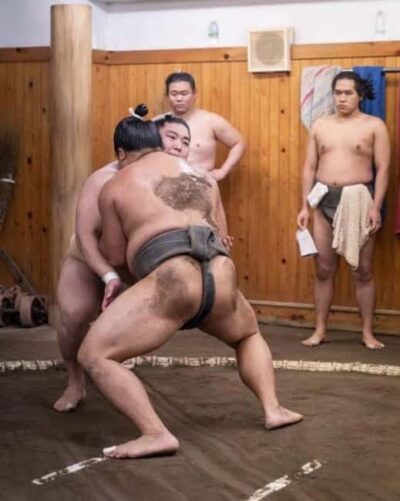
Sumo Show & Experience w/ Optional Kimono & Hot Pot
Read our review →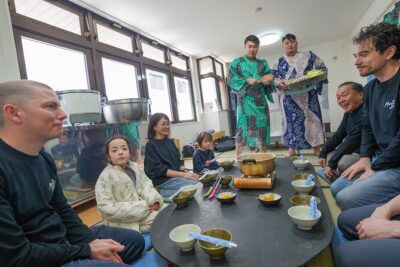
Authentic Sumo Experience in Tokyo: Enter the Sanctuary
Read our review →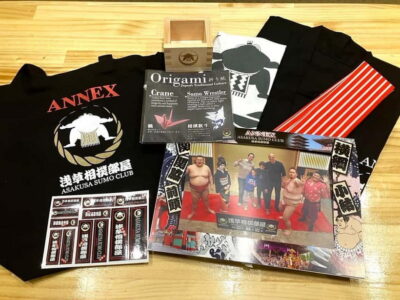
Luxury Sumo Show Experience & Japanese cuisine & Drink
Read our review →Browse the lists this tour appears in