
Reviewed · COOKING CLASSES
Sushi – Authentic Japanese Cooking Class – the best souvenir from Kyoto!
Bring home a skill, not another trinket. This two-hour class at Japanese Cooking Class Roujiya puts you in Kaori’s kitchen to prepare several types of sushi, dashi soup, pickled ginger, and sushi rice. You also learn the manners and food customs that make a Japanese meal more meaningful.
I like the hands-on teaching, especially for beginners, and I like the warm home setting rather than a large, impersonal classroom. The included meal, aperitif, green tea, ingredients, and recipes add real value. The main consideration is the meeting point: Kyoto addresses can be confusing, and one participant had a serious problem finding the house after an Uber driver got lost.
This is a good fit if you want more than a meal. You eat what you make, but you also leave with practical recipes, a better grasp of umami, and a clearer idea of how Japanese food fits into daily culture. The class begins at 11:30 a.m. and costs about $72.67 per person, which is fair for a small-group lesson with food included.
In This Review
- Key points to know before booking
- What happens inside Kaori’s Kyoto kitchen
- Starting with umami and dashi soup
- Learning sushi rice, rolling, and presentation
- Japanese manners at the table
- Eating what you prepare
- Why the recipes matter after Kyoto
- Families, beginners, and mixed groups
- Getting to 22-58 Nishikyo Ikenouchicho
- Timing, booking, and cancellation
- Who should book this sushi class?
- Should you book Roujiya?
- FAQ
- Where does the sushi cooking class take place?
- What time does the class begin?
- How long does the experience last?
- What food will I learn to make?
- Is the class taught in English?
- What is included in the price?
- Is transportation from my hotel included?
- Can I cancel for a refund?
Key points to know before booking
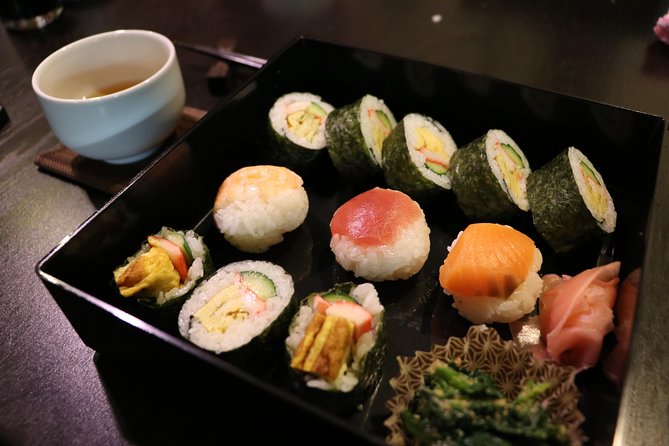
- You make several dishes, including sushi, sushi rice, dashi soup, and pickled ginger.
- Kaori teaches in excellent English, with careful explanations and a friendly, patient manner.
- Japanese etiquette is part of the lesson, including table manners and the cultural meaning behind food customs.
- The meal is included, along with ingredients, recipes, an aperitif, and Japanese green tea.
- The class lasts about two hours, making it easy to fit into a Kyoto sightseeing day.
- Plan your route carefully, using the precise map pin supplied after booking rather than relying only on the street address.
What happens inside Kaori’s Kyoto kitchen
The class takes place at Roujiya, at 22-58 Nishinokyō Ikenouchichō in Nakagyo Ward. It ends at the same location, so there is no hotel pickup or drop-off to arrange.
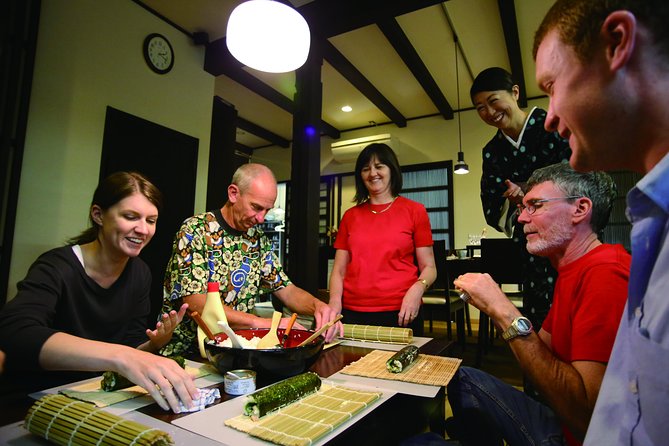
The setting is part of the appeal. Kaori welcomes you into a clean, attractive kitchen and teaches in a way that feels closer to being invited into someone’s home than attending a formal culinary school. That personal atmosphere helps the lesson feel relaxed, particularly if you arrive knowing little about sushi.
The class is conducted in English. You are not simply watching a chef work at a counter while trying to copy the motions. Kaori explains each stage, gives you a chance to practice it, and checks that you are following correctly. Several comments describe her as patient, clear, friendly, and thorough, which matters when the rice texture or rolling technique does not come out perfectly on the first attempt.
The advertised group size is small, though the supplied capacity details are not fully consistent. One description says the class is capped at eight people, while the additional information allows up to 12 participants and a maximum booking size of 13. If group size is important to you, confirm the expected number before paying. Even with a larger group, the format is designed around individual participation.
More Cooking Classes in Kyoto
- Ramen Cooking Class at Ramen Factory in Kyoto
★ 5.0 · 1,937 reviews - Kyoto: Ramen Cooking Class at a Ramen Factory with Souvenir
★ 4.9 · 532 reviews - Kyoto: Ramen, Gyoza, and Onigiri Cooking Class
★ 5.0 · 445 reviews
Starting with umami and dashi soup
The food lesson begins with basic Japanese taste. Kaori introduces umami, the savory flavor associated with ingredients such as seaweed and bonito flakes. This is not abstract food theory. It connects directly to the broth you prepare and helps you understand why a few simple Japanese ingredients can produce such a full taste.
You learn to make dashi, a foundational soup stock. This is one of the most useful parts of the class because dashi appears in many Japanese dishes, not just the soup served during the lesson. The process also gives you a clearer sense of how Japanese cooking often builds flavor through balance rather than heavy seasoning.
The soup is part of the meal, so you get to taste the result soon after preparing it. That immediate connection between technique and flavor makes the lesson easier to remember. You are not making a sample dish that disappears into the kitchen. You are preparing food that becomes part of your lunch.
The class also covers pickled ginger. It is a small side dish, but it has a practical role when eating sushi. The recipe gives you another item to recreate at home, and it rounds out the lesson beyond the better-known sushi techniques.
Learning sushi rice, rolling, and presentation
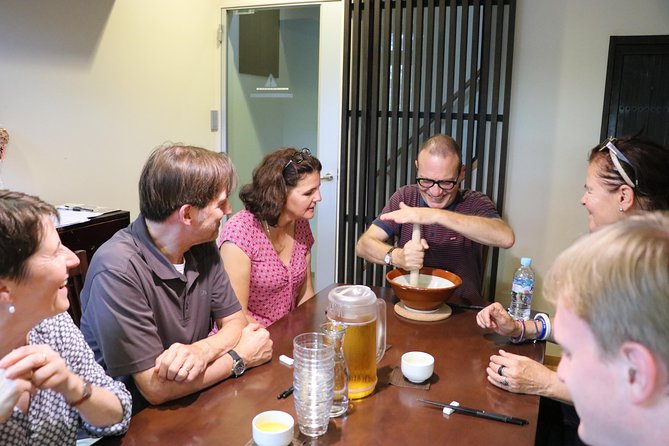
Sushi is only as good as its rice, and this class gives the rice proper attention. You learn how to prepare sushi rice and why it must be handled carefully. One useful tip highlighted during the class is fanning the rice, an unfamiliar step for many first-time cooks.
You then work through several types of sushi. The exact selection can depend on the class, but the teaching covers the basic stages and the differences between the forms being prepared. Kaori talks you through the process rather than assuming you already understand how to shape, fill, or cut sushi.
That approach suits complete beginners. One participant arrived knowing nothing about sushi making and left with enough confidence to try the recipes at home. Another person who thought they already knew how to make sushi found the class more detailed than expected. That is a good sign for mixed groups, where one person may be a keen home cook and another may be holding a bamboo mat for the first time.
You should expect some mess and a few imperfect pieces. That is part of the fun. The point is not to produce restaurant-display sushi under professional conditions. The point is to understand the ingredients, practice the movements, and learn why each step matters.
Japanese manners at the table
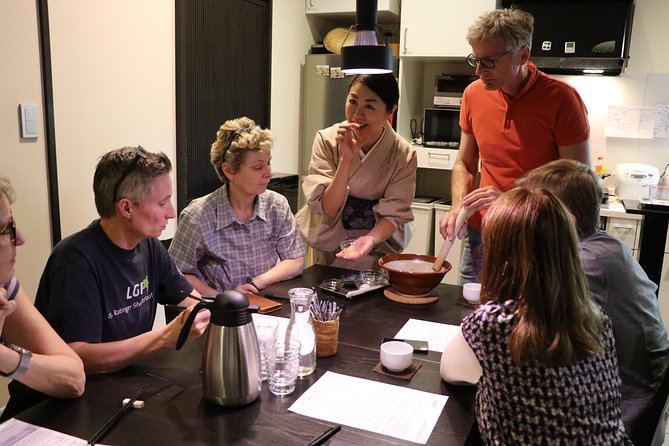
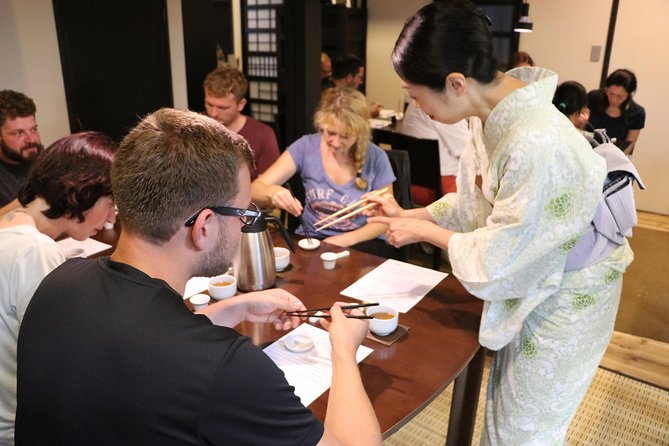
This experience goes beyond cooking. Kaori also teaches Japanese table manners and sushi dining etiquette, supported by a four-page guide covering manners, food, and recipes.
That guide is especially useful because etiquette can feel confusing when you are trying to follow local customs without knowing the reasons behind them. The class gives you a practical introduction to how food is approached, handled, and appreciated in Japan. It also explains details such as the difference between Japanese and Chinese chopsticks, including why Japanese chopsticks are shorter.
These details may sound small, but they give the meal a cultural frame. You begin to see that food in Japan is not only about flavor. Tools, presentation, ingredients, and behavior all carry meaning.
The teaching stays relevant to the meal rather than turning into a long lecture. You learn a point about food culture, then see how it connects with the soup, rice, sushi, or table in front of you. That pacing helps keep the two-hour class active.
A completely different kind of day out in Kyoto:
- PERFECT KYOTO 1-Day Bus Tour
★ 5.0 · 13,518 reviews - Kyoto: Fushimi Inari, Kinkakuji, Bamboo Grove 1 Day Bus Tour
★ 4.8 · 4,316 reviews - Kyoto: Tea Ceremony in a Traditional Tea House in Kiyomizu
★ 4.9 · 3,519 reviews - Kyoto Geisha Walking Tour: Gion District & Hidden Gems
★ 4.7 · 3,273 reviews
Eating what you prepare
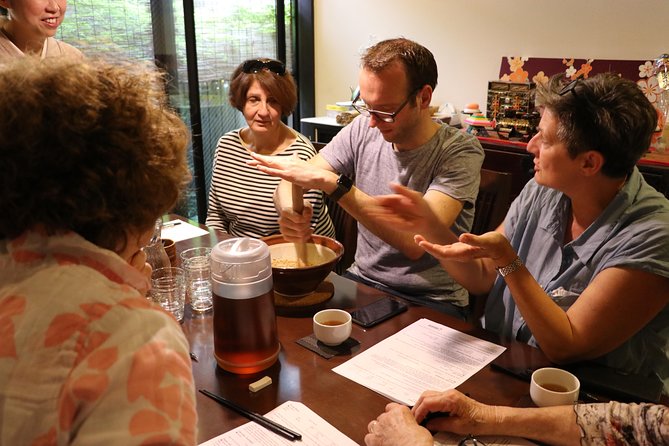
After the cooking, you sit down to eat your sushi and soup. This is where the class pays off. You have handled the ingredients yourself, so the finished meal feels more satisfying than a standard restaurant lunch.
The included aperitif and Japanese green tea add a pleasant rhythm to the experience. Some feedback also notes that sake and beer may be offered at an extra cost after the sushi is made. Since those drinks are not part of the listed inclusions, ask about the price before ordering.
The meal is described as generous enough that you should arrive hungry. That makes the $72.67 price easier to justify. You are paying for instruction, ingredients, food, a drink, recipes, and a cultural lesson, not simply for a short demonstration.
Still, value depends on what you want. If your only goal is to eat inexpensive sushi, this class will not be the cheapest way to have lunch. If you want a skill you can use after Kyoto, the included recipes and practical instruction make the cost more reasonable.
Why the recipes matter after Kyoto
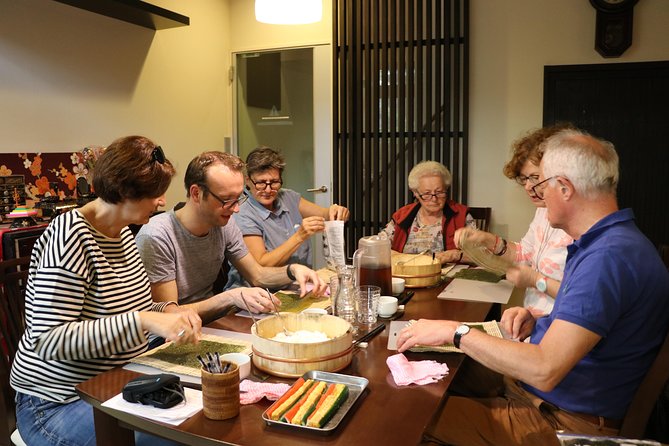
A good cooking class should survive beyond the afternoon. Roujiya makes a serious effort in that direction by providing recipes for sushi rice, soup, and pickled ginger. You also receive a guide to Japanese manners and food.
That take-home material turns the class into something you can revisit. You might not reproduce every detail perfectly on your first attempt, especially if certain ingredients are hard to find at home. But you will understand the method and have a better chance of making a successful meal than if you had watched a short online video.
The class also gives you useful language for shopping and cooking. You leave with a better sense of what dashi does, why rice needs careful treatment, and how pickled ginger fits into a sushi meal. Those are practical gains, not just pleasant memories.
For a honeymoon, family outing, or meal with friends, this is a particularly good souvenir. You can recreate the dishes later and remember the Kyoto afternoon each time you make them.
Families, beginners, and mixed groups
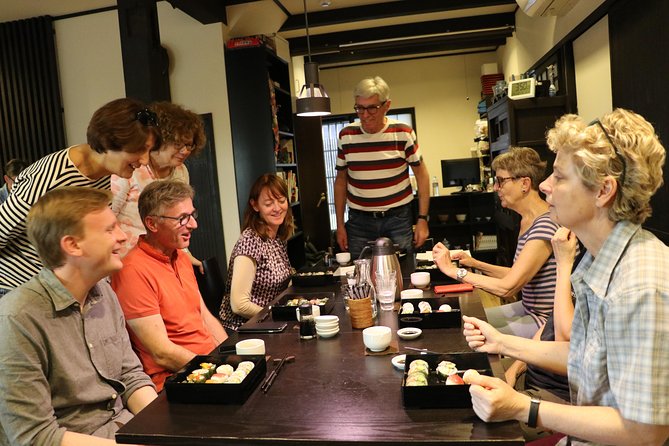
This class works well for families. Children have been able to follow the instructions, take part in the preparation, and finish with a full stomach. The work is hands-on without requiring advanced cooking skills.
It also suits couples with different levels of interest. If one person loves sushi and the other simply wants to understand Japanese food better, the etiquette and cultural material give both people something to enjoy.
Friends in their twenties have found the pace comfortable and the atmosphere social. The class includes enough explanation to be informative, but it is not presented as a formal academic lesson. Expect cooking, tasting, questions, and plenty of room for mistakes.
You should advise the provider of dietary requirements when booking. The supplied information does not provide a full list of substitutions or allergen procedures, so do not assume every diet can be accommodated without advance discussion. Gluten concerns have been handled successfully in at least one family booking, but you should still state your needs clearly before the class.
Getting to 22-58 Nishikyo Ikenouchicho
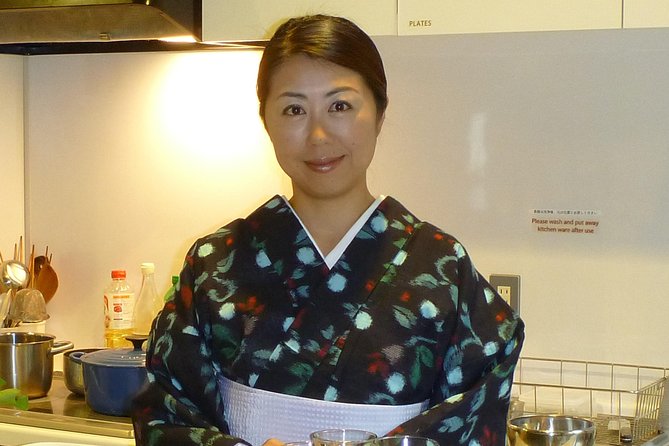
The meeting point is near public transportation, but Kyoto’s address system can be difficult to navigate. This is the one practical weakness you should take seriously.
After booking, use the Google Maps URL or exact location pin provided in the reservation information. Do not rely only on entering the written address into a taxi or rideshare app. One participant reported that an Uber driver could not find the location and that communication with the operator took too long. The provider explained that the precise map link was supplied because the address itself can be confusing.
Give yourself extra time and save the map information before leaving your hotel. If you use a taxi, showing the driver the map pin may be more useful than reading the address aloud. Since the activity begins at 11:30 a.m. and late changes are not accepted within 24 hours, careful planning is worthwhile.
The class finishes back at the meeting point. That makes it easy to continue sightseeing in Nakagyo Ward or return toward central Kyoto, but you will need to arrange your own onward transportation.
Timing, booking, and cancellation
The lesson lasts approximately two hours. That is long enough for a proper meal and several cooking stages without taking up your entire day. An 11:30 a.m. start also makes it a natural alternative to a regular lunch, followed by afternoon sightseeing.
This class is often reserved about 40 days ahead, so do not wait until the final day if your Kyoto schedule is fixed. Confirmation is sent within 48 hours, subject to availability.
You can cancel for a full refund up to 24 hours before the local start time. Cancellations or changes inside that window are not accepted for a refund. Keep the booking message and location pin handy, especially if you are traveling with children or have a tight morning schedule.
Who should book this sushi class?
I would choose Roujiya if you want a personal, useful food experience rather than a polished restaurant performance. It is particularly well suited to:
- First-time sushi makers
- Couples looking for a shared activity
- Families with children who enjoy hands-on tasks
- People interested in Japanese food customs
- Home cooks who want recipes they can use later
- Visitors who prefer small classes to large demonstrations
I would think twice if you dislike seafood-related preparation, have strict dietary needs that were not confirmed in advance, or want a class in a central hotel or restaurant. The location requires care, and the published group-size information should be clarified if a very small class is essential.
Should you book Roujiya?
Yes, if you want to take home more than photographs. The strongest parts are Kaori’s clear English instruction, the chance to prepare and eat your own food, and the cultural details that explain the meal rather than treating sushi as a simple craft project.
At about $72.67, the price is sensible for a two-hour lesson that includes ingredients, a meal, recipes, an aperitif, and green tea. Just save the exact map pin, declare dietary needs early, and confirm the group size if that matters to you. For most people, this is a tasty and practical Kyoto experience, with a souvenir you can use long after the trip.
FAQ
Where does the sushi cooking class take place?
The class takes place at Japanese Cooking Class Roujiya, located at 22-58 Nishinokyō Ikenouchichō, Nakagyo Ward, Kyoto, 604-8375, Japan.
What time does the class begin?
The class starts at 11:30 a.m.
How long does the experience last?
The cooking class lasts approximately two hours.
What food will I learn to make?
You will learn to make several types of sushi, sushi rice, dashi soup, and pickled ginger.
Is the class taught in English?
Yes. An English-speaking cooking instructor leads the class, and Kaori’s English is described as excellent.
What is included in the price?
The price includes the meal, all cooking ingredients, the English-speaking instructor, recipes, an aperitif, and Japanese green tea.
Is transportation from my hotel included?
No. Hotel pickup and drop-off are not included. The activity begins and ends at the Roujiya meeting point.
Can I cancel for a refund?
Yes. You can cancel up to 24 hours before the experience start time for a full refund. Cancellations or changes made less than 24 hours before the start are not accepted for a refund.
Just added around Kyoto
- Kyoto: Private Customizable Day Trip by Car★ 5.0 · 38 reviews
- Kyoto: Gion Night Walking Tour with Geisha Insight★ 5.0 · 39 reviews
- Kyoto: Full Day Bike Tour★ 4.9 · 39 reviews
- Private Japanese Calligraphy in Kyoto – Learn Shodō with a Master★ 5.0 · 39 reviews
- Experience a tea ceremony in an authentic tearoom, in Kyoto!★ 4.5 · 41 reviews
- Kyoto: Gion Evening Walk with Hidden Gems, Geisha & Sake★ 5.0 · 41 reviews
- Kyoto Private Photo Shoot & Tour by SnapKyoto★ 5.0 · 41 reviews
- The Way of Tea: Kyoto Crafts, Hidden Temples & Wabi-Sabi Walk★ 5.0 · 41 reviews
Cooking Classes, compared.
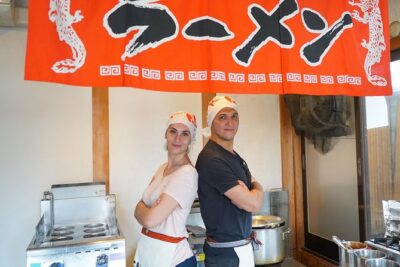
Ramen Cooking Class at Ramen Factory in Kyoto
Read our review →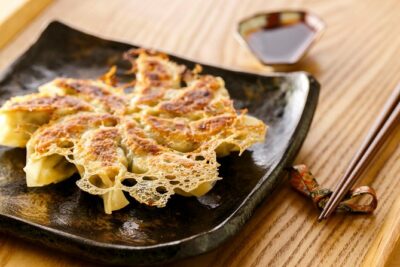
Ramen & Gyoza Cooking Class in Tokyo with Local Supermarket Visit
Read our review →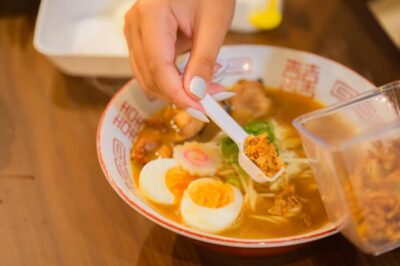
Ramen Cooking Class at a Ramen Factory with Souvenir
Read our review →
Japanese Washoku Bento Small Group Cooking Class
Read our review →
Easy Ramen Cooking Experience in Kabukicho, Shinjuku
Read our review →
Ramen and Sushi Cooking Class with Sake Pairing Set in Tokyo
Read our review →Browse the lists this tour appears in