
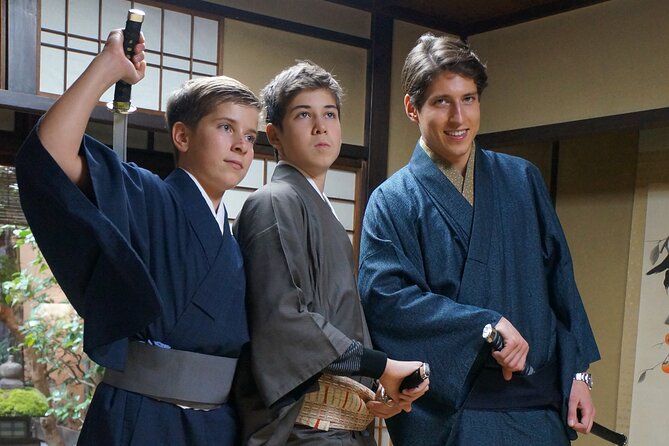
Reviewed · TEA CEREMONY EXPERIENCES
Tea ceremony and kimono experience at Kyoto, Tondaya
Step into Kyoto’s living past. Tondaya offers something more substantial than a quick cup of matcha: you dress in a silk kimono, walk through a Meiji-period machiya, and watch a traditional tea ceremony in a family home that has been cared for across generations. I especially like the historic wooden house and the chance to wear a real kimono rather than simply pose beside one. The setting feels far more personal than a modern cultural center.
I also like the opportunity to take photographs throughout the house, including its gardens and traditional rooms. The main drawback is inconsistent group size and presentation. Some sessions feel calm and informative, while others can be crowded, hot, rushed, or difficult to follow in English. At $178.34 per person, that difference matters.
In This Review
- The Tondaya experience at a glance
- Finding Tondaya in Kyoto’s Nishijin district
- Getting dressed in an authentic silk kimono
- Walking through the Meiji-period machiya
- Watching the tea ceremony
- Why the group size matters so much
- Is $178.34 a fair price?
- Practical advice for a smoother visit
- Who will enjoy Tondaya most?
- Should you book the Tondaya tea ceremony?
- FAQ
- Where does the Tondaya tea ceremony take place?
- How long does the experience last?
- Is the kimono included?
- Are makeup, hair styling, and geta sandals included?
- Do I need to bring anything?
- Can I cancel for a full refund?
The Tondaya experience at a glance
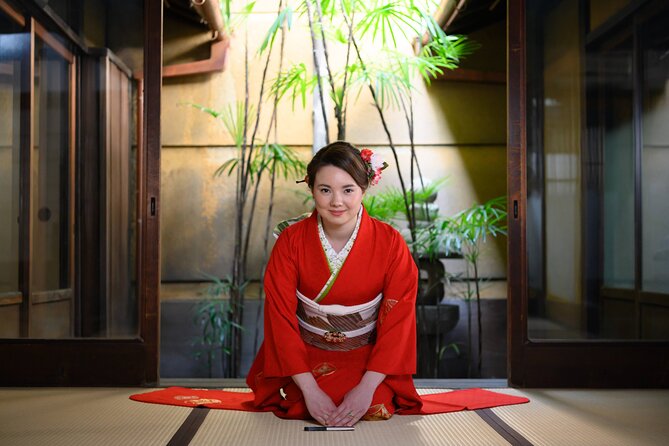
- A 140-year-old Kyoto machiya: The experience takes place inside Tondaya, a Meiji-period wooden townhouse now known as the Nishijin Lifestyle Museum.
- Real kimono dressing: Staff fit you into an authentic silk kimono over your own clothing. Hair styling, makeup, and geta sandals are not included.
- A short tea ceremony: You watch matcha being prepared, learn how to drink it, and receive tea with a traditional sweet.
- Photos are encouraged: You can photograph the house, gardens, clothing, props, tea utensils, and parts of the ceremony.
- Group size can shape the visit: The stated maximum is 20 people, but some sessions have reportedly felt much larger and less organized.
- Bring your own socks: Socks are required to protect the historic floors and cultural furnishings. You can also buy a pair at the venue.
Finding Tondaya in Kyoto’s Nishijin district
Tondaya is at 697 Ishiyakushicho in Kamigyo Ward, Kyoto. It is near public transportation, but finding the entrance can take more effort than you might expect.
This is not a large museum with a bold sign and a grand entrance. It is a traditional Japanese house, and its modest appearance can be easy to miss, especially if you arrive before opening time. Use your GPS carefully, allow extra time, and do not assume that a busy street presence will point you toward the door.
The location is part of the appeal. You are visiting a real machiya in the Nishijin area, rather than entering a purpose-built attraction designed only for tour groups. That authenticity comes with a practical tradeoff: old houses have narrow spaces, small rooms, stairs, and limited room for a crowd to move around.
The activity begins and ends at Tondaya. The total visit is listed at about 90 minutes, though the actual length may change with crowding and the pace of the group.
More Kimono Experiences in Kyoto
- Kimono Tea Ceremony at Kyoto Maikoya, NISHIKI
★ 5.0 · 911 reviews - Kyoto: Kimono Rental with Hairstyling and Accessories
★ 4.8 · 653 reviews - Kyoto: Kimono Tea Ceremony at Orizuruya Gion
★ 4.9 · 618 reviews
Getting dressed in an authentic silk kimono
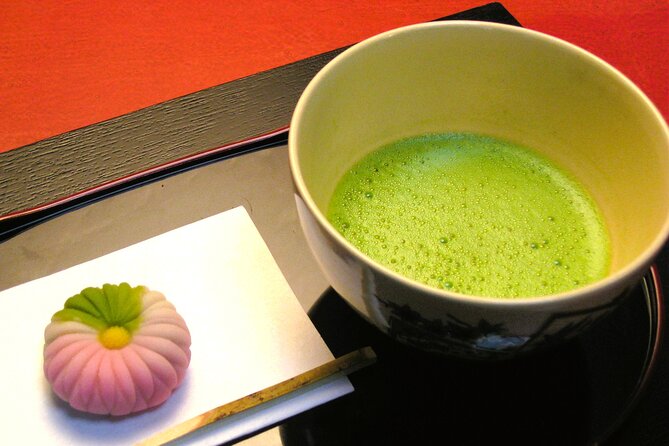
The kimono fitting is often the strongest part of the experience. On arrival, staff promptly help you select colors and dress you in an authentic silk kimono over your own clothes.
This is not a full salon appointment. Makeup and hair styling are not included, and you do not receive geta, the traditional wooden sandals. You will also need to bring socks, since bare feet are not suitable inside the historic house. Wear simple clothing underneath, since a bulky outfit can make the fitting less comfortable.
The staff are praised for being kind, patient, and very quick at dressing people. The process is practical rather than leisurely. If your main goal is a polished fashion session with a long explanation of every layer, this may feel basic. If you want to wear a beautiful kimono and get good photographs without spending half a day on preparation, it fits the bill.
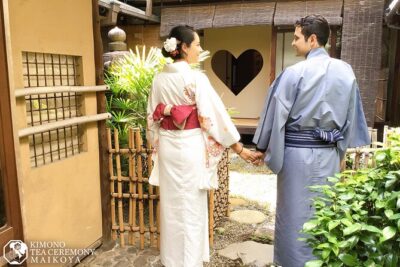
The kimonos are worn during the house visit and tea ceremony. You can take photographs after getting dressed, and the old rooms, garden areas, furnishings, and props provide plenty of useful backdrops. This is a good reason to bring a phone with enough battery power. You may also want a companion to take full-length photographs, since self-timer shots can be awkward in a fitted kimono.
Do not expect a personal stylist or elaborate hair arrangement. Think of this as a cultural fitting that supports the rest of the visit, not as a standalone kimono photo shoot.
Walking through the Meiji-period machiya
Once dressed, you can explore the house and take photographs. Tondaya was originally built during the Meiji period, and its wooden architecture gives the experience much of its character.
The home is designed around traditional Japanese rooms, open spaces, and the changing seasons. The description of gentle seasonal breezes is not just decorative language. A machiya uses its layout, wooden construction, and open passages to create a different feeling from a sealed modern building.
The house tour is one of the most valuable parts for people who want to understand everyday Japanese architecture. You might see traditional furnishings, tea equipment, decorative objects, gardens, and rooms arranged for different household or ceremonial uses. Some guides explain the rooms, furniture, and objects in detail. Other sessions provide only a brief walk-through.
That inconsistency is important. The building itself is special, but the quality of your visit depends heavily on how much explanation your particular group receives. Some people leave with a clear sense of the home’s history and cultural role. Others feel they were mainly shown around for photographs before being moved upstairs.
Because the house is old and compact, large groups can make this stage uncomfortable. You may find yourself waiting for people to clear a doorway or trying to hear an explanation while another group moves through the building. The experience works best when the pace is orderly.
Watching the tea ceremony
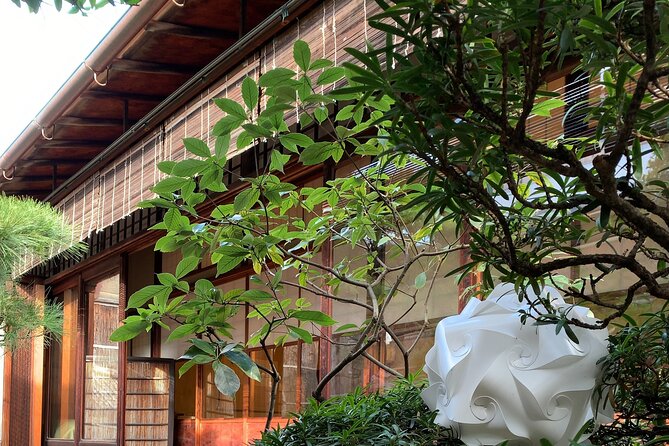
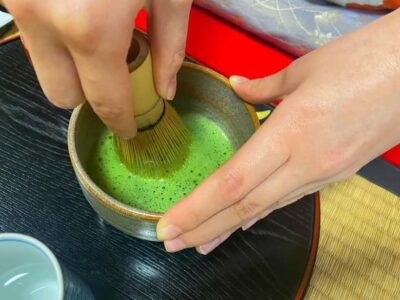
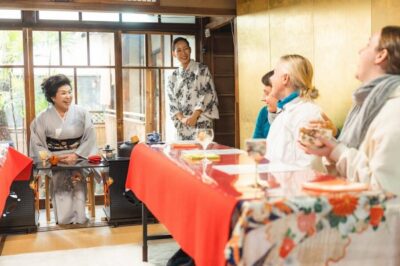
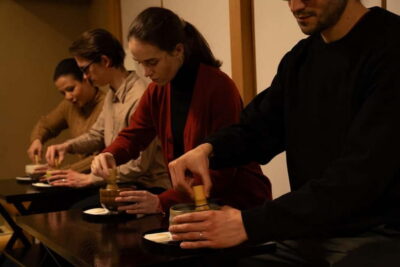
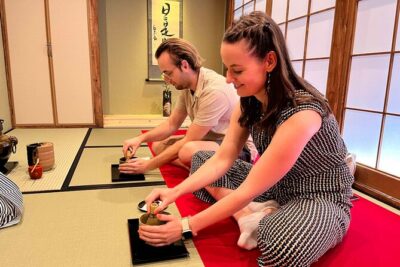
The tea ceremony takes place after the kimono fitting and house visit. You sit and watch the preparation of matcha, then receive tea and a sweet. You are shown the proper way to drink it, and photographs of the tea utensils and ceremony are generally allowed.
The ceremony is short. In some sessions, the actual preparation takes only a few minutes. The first cup may be prepared by the main tea host, with additional servings handed out on a tray. This means you should set your expectations correctly: Tondaya provides an introduction and demonstration, not an extended study of tea practice.
A good guide can make the short ceremony meaningful by explaining why the host moves in a certain way, how the tea is served, why the sweet is paired with matcha, and what role the room and utensils play. Some visitors receive that kind of explanation and find the activity educational and memorable.
In other sessions, the English explanation is limited or difficult to understand. You may learn how to hold the bowl and drink the tea without learning much about the history, symbolism, or structure of the ceremony. If you are booking mainly to study Japanese tea culture, that could feel thin for the price.
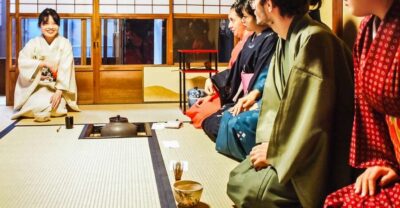
The room can also become uncomfortable if too many people are packed inside. Several accounts describe difficulty seeing the tea preparation, poor sound, heat, and interruptions from people moving up and down the stairs. A serene ceremony needs space and quiet. A crowded room can turn a careful ritual into a hurried demonstration.
The tea itself divides opinion. Some people enjoy the matcha and sweet, while others find the tea unpleasant or the sweet dry and packaged. Taste is personal, but presentation and temperature can vary with the group and timing.
More Tea Ceremonies in Kyoto
- Kyoto: Tea Ceremony in a Traditional Tea House in Kiyomizu
★ 4.9 · 3,519 reviews - Kyoto: Tea Ceremony Ju-An at Jotokuji Temple
★ 4.9 · 3,207 reviews - Kyoto: 45-Minute Tea Ceremony Lesson Experience
★ 4.3 · 2,378 reviews - Kyoto: Table-Style Tea Ceremony at a Kyo-Machiya
★ 4.9 · 1,211 reviews
Why the group size matters so much
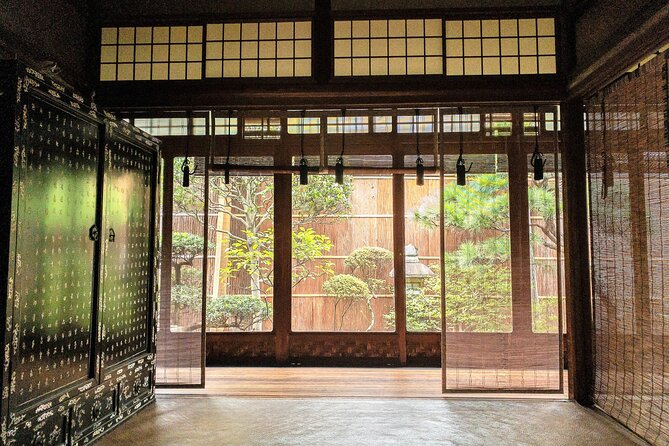
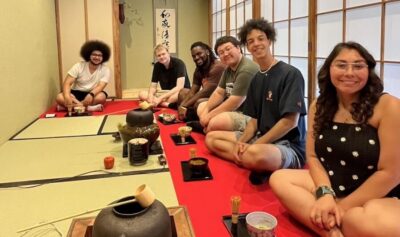
The experience is conducted in a group, with a stated maximum of 20 people. That is already a sizeable audience for a small traditional house. Some sessions have reportedly felt far larger than that, with 30 to 50 people moving through the rooms. You should confirm the expected group size before paying, especially if the cultural setting matters more to you than the kimono photographs.
A small group gives you a better chance to see the tea preparation, hear the guide, ask questions, and sit comfortably. It also helps preserve the quiet mood that makes a tea ceremony special.
A large group changes the experience. The kimono fitting can feel hurried. The house tour can become a queue. The tea room can be hot and crowded. People wearing kimonos may be placed alongside participants who are not dressed traditionally, which can weaken the visual effect if you hoped for a formal group setting.
The provider offers a private option for people who want a more personal visit. If you are spending $178.34 per person and care strongly about quiet, explanation, and a clear view, the private format may offer better value even at a higher price. If you choose the standard group option, go in expecting a shared cultural demonstration rather than an intimate ceremony.
Is $178.34 a fair price?
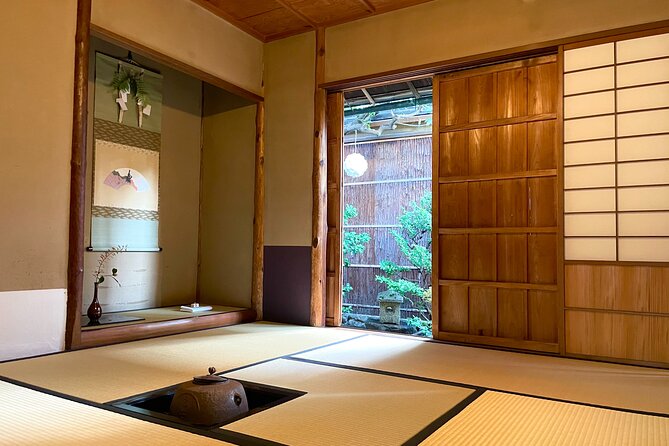
At $178.34 per person, this is an expensive one-and-a-half-hour activity. The fee includes the tea ceremony, kimono experience, and entrance to the historic house. It does not include lunch, makeup, hair styling, socks, or geta sandals.
The price makes sense if you place real value on three things:
- Wearing a genuine silk kimono
- Visiting a historic machiya that is not part of a standard sightseeing route
- Seeing a tea ceremony in a traditional setting
The price is harder to justify if your goal is simply to drink matcha or learn the mechanics of tea preparation. Kyoto has many tea experiences, and some may offer longer instruction or a smaller setting for similar money.
I would think of Tondaya as a combined cultural visit and dress-up experience. The kimono and house provide much of the value. The tea ceremony adds context and atmosphere, but it may not be long or detailed enough to carry the entire price by itself.
For a couple or family wanting memorable photographs in an old Kyoto home, the cost may feel reasonable. For a serious student of chanoyu, Japan’s formal tea tradition, I would ask very specific questions about the language of instruction, group size, and length of the demonstration before booking.
Practical advice for a smoother visit
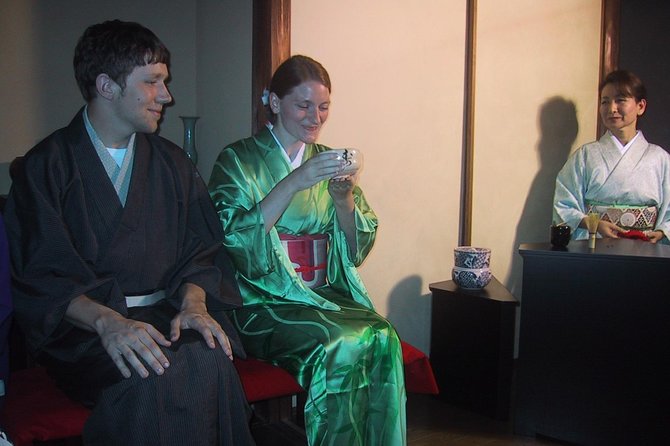
Arrive early, but do not arrive so early that you are standing outside wondering if you have the right place. The house can be easy to miss, so allow time to locate the entrance with GPS.
Bring socks. This is a firm practical requirement, not a minor suggestion. If you forget, socks may be available for purchase, but it is simpler to pack your own.
Wear comfortable clothes underneath the kimono. You will be dressed over your existing outfit, and a simple base layer will make the process easier.
Bring a phone or camera, since photographs are encouraged. The house, gardens, kimono, tea tools, and rooms all offer picture opportunities. Ask before photographing staff closely or taking photographs during a particularly formal moment.
Keep your expectations realistic about timing. The maximum visit is about 90 minutes, but the tea portion may be brief, and crowding can affect the schedule. Some sessions may finish early.
If you need detailed English instruction, contact the provider before booking or select the private option. The experience can be very educational with a strong guide, but the amount of explanation is not consistent.
The venue is near public transportation, and most people can participate. Still, remember that you are visiting an old wooden house with stairs and tight rooms. The supplied information does not promise step-free access, so ask ahead if mobility is a concern.
Free cancellation is available if you cancel at least 24 hours before the local start time. Changes or cancellations made inside that window are not accepted for a refund.
Who will enjoy Tondaya most?
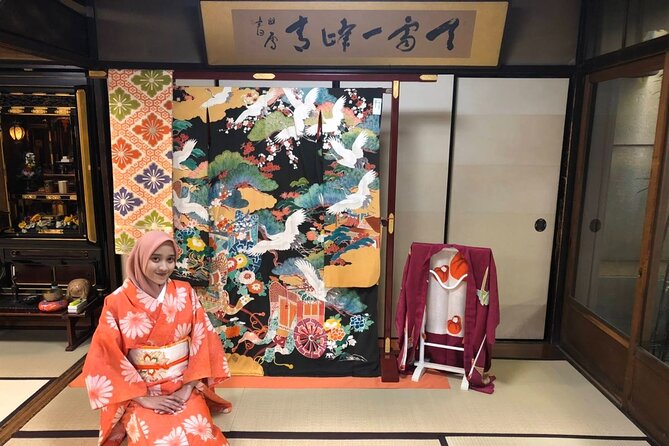
I would recommend this experience to first-time visitors who want a gentle introduction to Japanese customs without worrying about making a mistake. You are guided through the clothing, the house, and the basic tea etiquette, so you do not need prior knowledge.
It is also a good match for people who value atmosphere and photographs. The historic home gives your visit a sense of place, and the kimono fitting adds a memorable visual element.
Families and couples may enjoy it, provided everyone is comfortable with a group setting. People who want a quiet ceremony, extensive historical detail, or serious instruction should consider the private option or ask careful questions first.
I would not choose it if your only goal is a long, formal tea ceremony. I would also hesitate if $178.34 feels high for a short activity with uncertain group conditions. The building and clothing are the reliable attractions. The depth of the tea instruction is less certain.
Should you book the Tondaya tea ceremony?
Book Tondaya if you want a historic Kyoto house, an authentic silk kimono, photographs, and a short introduction to tea culture in one visit. The old machiya and helpful dressing staff can make this a memorable part of a Kyoto itinerary.
Before booking, confirm the group size and ask how much English explanation will be provided. If you want calm, space, and a clear view of the tea preparation, choose the private option. If you accept a brief group demonstration and see the kimono and house as the main event, the standard experience can be worthwhile.
The best reason to go is not the number of sips of tea. It is the chance to enter a traditional home, wear formal clothing, and see how a small part of Japanese culture is presented in a real historic setting. Just make sure that is what you are paying for.
FAQ
Where does the Tondaya tea ceremony take place?
The experience takes place at Tondaya, also known as the Nishijin Japanese Cultural Experience Museum, at 697 Ishiyakushicho, Kamigyo Ward, Kyoto, Japan.
How long does the experience last?
The maximum scheduled experience time is about 1 hour and 30 minutes. The actual duration can vary depending on crowding.
Is the kimono included?
Yes. A kimono experience is included, and staff fit you into an authentic silk kimono over your own clothing.
Are makeup, hair styling, and geta sandals included?
No. Makeup, hair styling, and geta, traditional Japanese wooden sandals, are not included.
Do I need to bring anything?
You must bring socks to protect the historic house and its furnishings. Socks may also be available to buy at the venue.
Can I cancel for a full refund?
Yes, if you cancel at least 24 hours before the experience start time. Cancellations or changes made less than 24 hours before the start time are not accepted for a refund.
Just added around Kyoto
- Kyoto: Gion Night Walking Tour with Geisha Insight★ 5.0 · 39 reviews
- Kyoto: Private Customizable Day Trip by Car★ 5.0 · 38 reviews
- Kyoto: Full Day Bike Tour★ 4.9 · 39 reviews
- Private Japanese Calligraphy in Kyoto – Learn Shodō with a Master★ 5.0 · 39 reviews
- Kyoto: Gion Evening Walk with Hidden Gems, Geisha & Sake★ 5.0 · 41 reviews
- Experience a tea ceremony in an authentic tearoom, in Kyoto!★ 4.5 · 41 reviews
- Kyoto Private Photo Shoot & Tour by SnapKyoto★ 5.0 · 41 reviews
- The Way of Tea: Kyoto Crafts, Hidden Temples & Wabi-Sabi Walk★ 5.0 · 41 reviews
Tea Ceremony Experiences, compared.
Tea Ceremony in a Traditional Tea House in Kiyomizu
Read our review →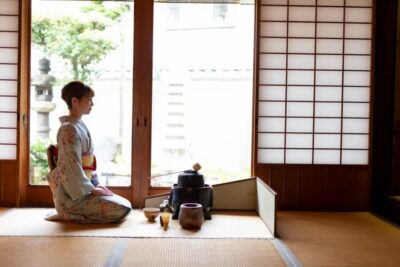
Browse the lists this tour appears in