
Reviewed · SUMO EXPERIENCES
Tokyo: Sumo Experience and Chanko Nabe Lunch
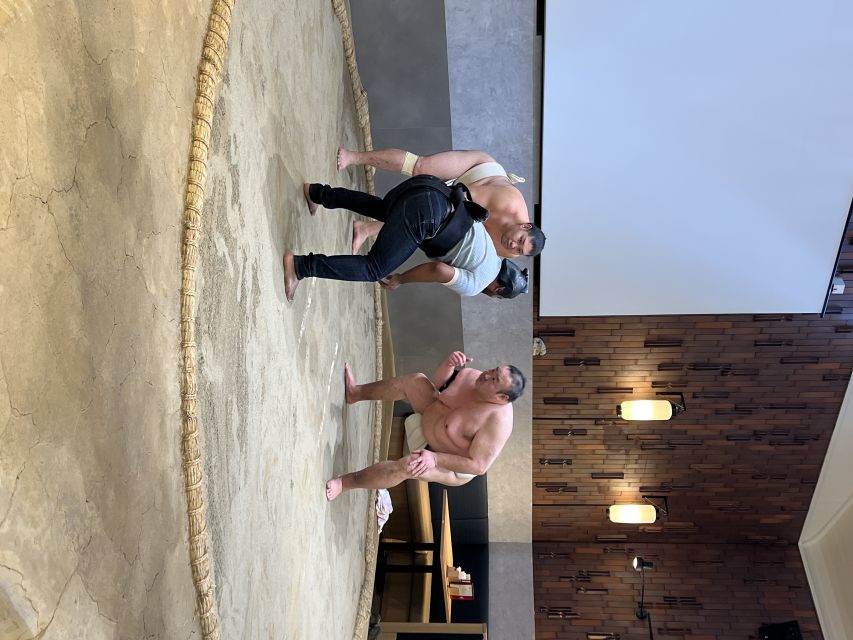
Sumo is easier to understand from inside the ring. This two-hour Tokyo experience pairs clear English instruction with a close look at rituals, rules, training, and competition. I like the friendly former wrestlers, who explain the sport without making it feel like a lecture, and I like the homemade chanko nabe lunch, a filling hot pot traditionally linked with stamina. The one drawback is that the activity is short and the meeting point is sent only with your voucher, so you need to plan your arrival carefully.
You may also be invited to put on a sumo costume and join the demonstration. That part is voluntary, and not everyone can be selected, but there is still time for photographs and interaction. At $95 per person, this is not a cheap lunch, yet the price covers instruction, entertainment, participation, and food in a small group limited to six people.
In This Review
- Key points to know before booking
- Why this sumo experience works for first-time visitors
- What happens when you arrive in Asakusa or Ryogoku
- The opening lesson: rituals, rules, and the meaning of sumo
- The demonstration puts the sport within reach
- Chanko nabe makes the lunch more than an afterthought
- Is $95 a fair price for two hours?
- Practical details that can affect your day
- Who should book this activity?
- Should you book the Tokyo sumo lunch?
- FAQ
- How long does the Tokyo sumo experience last?
- What time does the activity start?
- Where does the experience take place?
- Is the instruction available in English?
- Is lunch included?
- Can I request a vegetarian or Halal meal?
- Is the activity wheelchair accessible?
Key points to know before booking
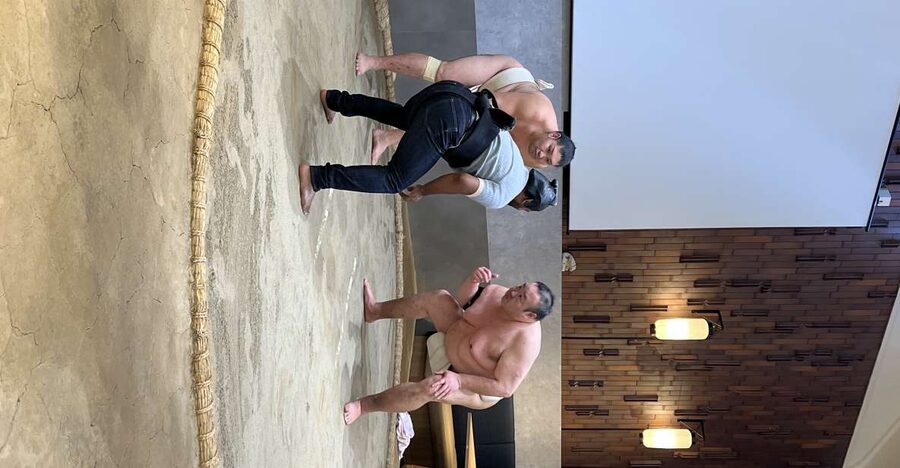
- Former professionals lead the session: You learn directly from retired sumo wrestlers, with explanations in English.
- The ring is part of the fun: You may get to challenge a wrestler in a playful bout or help with a demonstration.
- Lunch is part of the lesson: Wrestlers prepare chanko nabe, a Japanese hot pot served after the presentation.
- Two Tokyo locations: Mondays are held in Asakusa, while Thursdays take place in Ryogoku.
- Small group, lively format: The official group limit is six, though the room may feel larger if several tables are in use.
- Strict 1 p.m. start: Doors open at 12:40, and you should arrive before the activity begins.
Why this sumo experience works for first-time visitors
Sumo can look simple from the outside. Two large athletes face each other, clap, stomp, and try to force one another out of a circular ring. The details are less obvious. Why do they throw salt? What is the purpose of the foot stamping? Why can a match end almost instantly?
This experience fills in those missing pieces. Former professional wrestlers explain the meaning behind the ceremonies, the basic rules, and the demands of training and competition. Because the instruction is in English, you do not have to guess what is happening or rely on a short printed explanation.
I especially like the balance between information and comedy. The wrestlers use demonstrations and playful interaction rather than simply talking at you. You learn what makes sumo a national sport while also seeing the physical strength involved.
The mood is deliberately relaxed. You are not watching a formal tournament, and you should not expect the solemn atmosphere of a major sumo basho. Instead, you get a friendly introduction led by people who know the sport from personal experience.
That makes this a good choice if you are curious about sumo but do not know enough to attend a tournament with confidence. You leave with a better idea of what to watch for when you later see professional matches on television or at a stadium.
More Sumo Experiences in Tokyo
- Tokyo: Sumo Show Experience with Chicken Hot Pot and a Photo
★ 4.8 · 6,678 reviews - Tokyo: Sumo Show and Dining Experience
★ 4.8 · 2,742 reviews - the SUMO show
★ 5.0 · 1,960 reviews
What happens when you arrive in Asakusa or Ryogoku
The location depends on the day. On Mondays, the experience takes place in Asakusa. On Thursdays, it is held in Ryogoku, Tokyo’s best-known sumo district. Your voucher provides the exact meeting point and a map, so check it before leaving your hotel.
The timing is firm. The activity begins at 1 p.m., and you should arrive before then. The doors open at 12:40, giving you a short window to find the venue, settle in, and get ready for lunch and the presentation.
There is no hotel pick-up or drop-off. You make your own way to the meeting point, so allow extra time if you are unfamiliar with the neighborhood. This is one of those Tokyo activities where arriving early is much better than cutting it close.
The room is arranged around the sumo ring, with lunch served as part of the event. Some descriptions refer to seating around the ring, which gives you a much better view than a distant stage seat. You are close enough to see the wrestlers’ movements and take photographs during the appropriate moments.
The group is advertised as limited to six participants. One useful detail is that the wider room may contain more tables or people than you expect, even when your own booked group is small. The operation is organized and efficient, but do not assume you will have a private performance for only your party.
The opening lesson: rituals, rules, and the meaning of sumo
The first part explains the foundations of the sport. You learn about sumo’s long history and the rituals that surround a match. This matters because the ceremony is not decoration added before the real contest. It is part of how sumo expresses respect, preparation, and tradition.
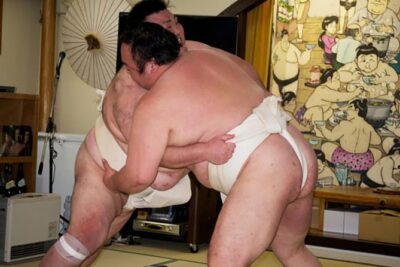
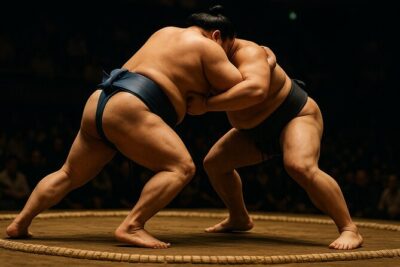
The wrestlers also demonstrate the basic actions. You can see how a bout begins, how opponents prepare, and how a match is decided. Many bouts are extremely brief, so understanding the setup helps you appreciate what happens before the final push.
The English instruction is a major advantage. The teachers speak clearly enough for people who are new to Japan and new to sumo. If you are bringing children, the visual demonstrations and humor help keep the lesson moving.
The best sessions appear to combine serious information with a light touch. Wrestlers identified in the feedback as Audrey and Jumbo were praised for their English, warmth, and showmanship. Their style may vary by session, but you can expect the presenters to be friendly and willing to answer basic questions.
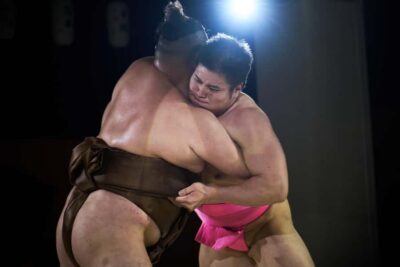
You also gain a better sense of the athletic side of sumo. It is easy to focus only on size, but the demonstrations show timing, balance, positioning, and explosive power. One large participant described feeling like a child when facing a retired wrestler, which gives you a fair warning: the playful bout may be funny, but the strength is very real.
The demonstration puts the sport within reach
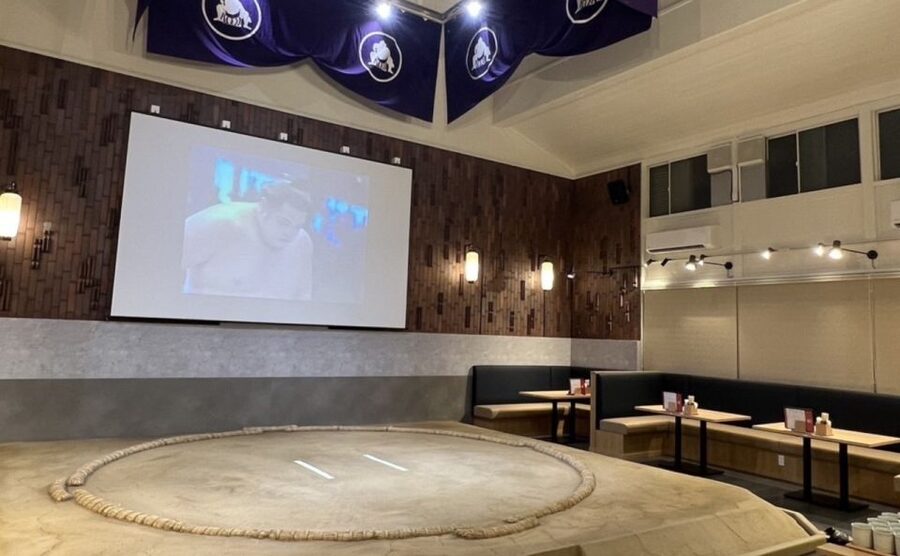
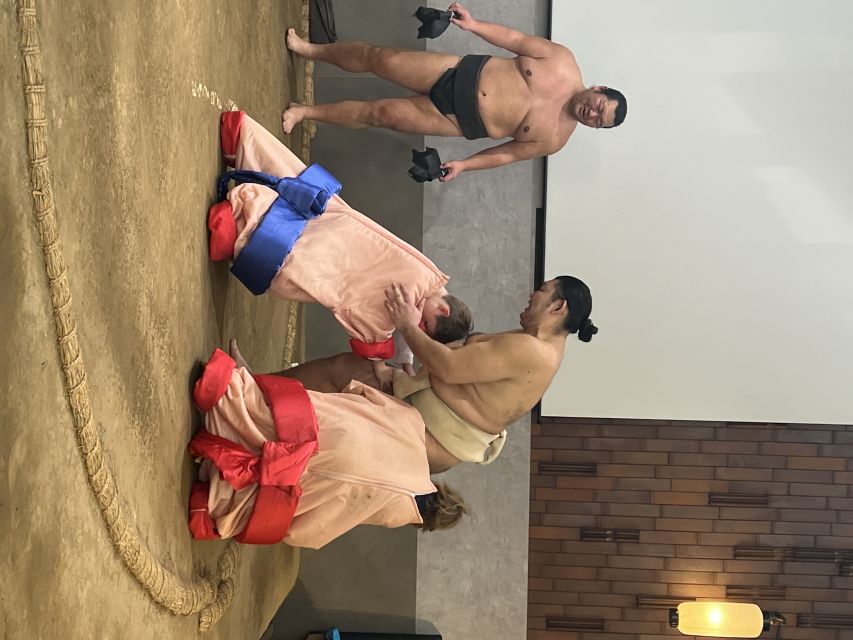
After the explanation, the event becomes interactive. The wrestlers may invite people from the audience to wear a sumo costume and assist with a demonstration. This is voluntary, and selection is not guaranteed, so do not book the activity assuming you will wrestle.
If you are chosen, expect a comic and memorable moment rather than a serious contest. The purpose is to let you feel the contrast between your own effort and the wrestler’s technique and strength. The playful nature keeps it safe and approachable, while still showing why even a short sumo bout demands skill.
Children can enjoy this section, too. Families with children from six to ten years old found the athletes engaging and kind, and the wrestlers made an effort to include younger participants. Still, the participation depends on the child’s comfort and the choices made during that particular session.
Even if you are not selected, you are not left out. The format includes demonstrations, explanations, and time for photographs. You can watch other participants step into the ring and see the techniques at close range.
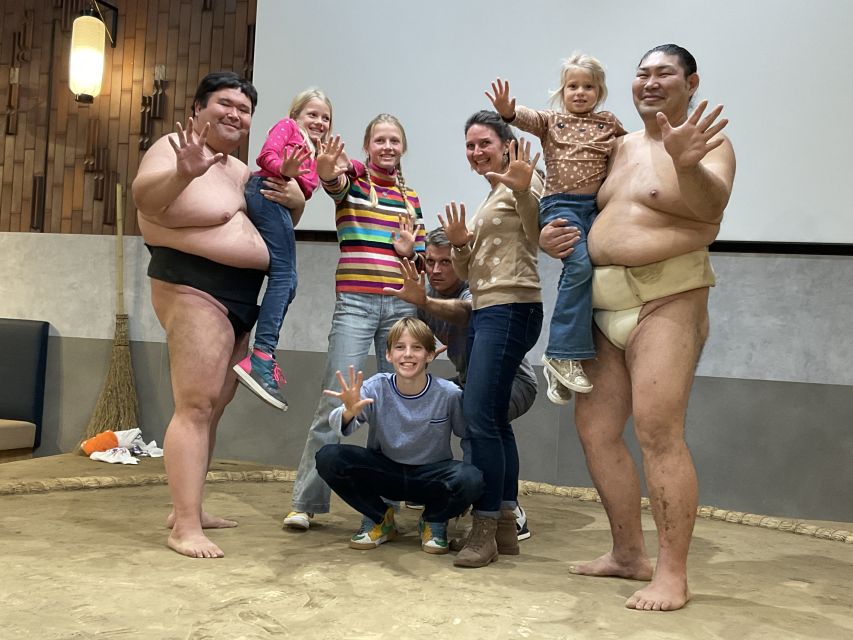
The photography time is an important benefit. Sumo wrestlers are unusual subjects, and a posed photograph gives you a keepsake that a standard museum visit cannot provide. Be ready to take pictures when invited, rather than interrupting the demonstration.
A completely different kind of day out in Tokyo:
- Mt Fuji and Hakone 1-Day Bus Tour Return by Bullet Train
★ 5.0 · 26,383 reviews - 1-Day Tokyo Bus Tour
★ 5.0 · 14,250 reviews - Tokyo: TOKYO SKYTREE® Admission ticket
★ 4.5 · 11,192 reviews - Tokyo: teamLab Planets TOKYO Digital Art Museum Entry Ticket
★ 4.6 · 9,779 reviews
Chanko nabe makes the lunch more than an afterthought
The meal is chanko nabe, a Japanese-style hot pot prepared by the wrestlers. It is traditionally associated with sumo wrestlers and is often linked with building stamina. Here, the food also gives the activity a social finish.
The soup has been praised repeatedly for being tasty, plentiful, and served hot. Some descriptions also refer to a three-course lunch, with drinks and dessert included in certain sessions. The exact meal details may vary, but lunch is included in the $95 price.
You may help prepare or assemble parts of the hot pot, depending on how the session is run. The key point is that the meal is made by the wrestlers themselves, which adds a personal connection to the food. You are not simply eating at a restaurant near a sumo venue.
This is a filling meal, not a token snack after the show. That matters if you are scheduling the experience in the middle of your sightseeing day. You can plan your afternoon around it rather than adding another full lunch afterward.
Vegetarian and Halal meals are possible only if you note the requirement when booking or contact the provider by email at least two days before the date. Do not wait until you arrive. The standard meal is not presented as vegetarian or Halal, so advance notice is essential.
Food quality is one of the strongest reasons to consider the experience. Even if the sumo lesson is your main goal, the hot pot gives the two-hour visit a satisfying close and makes the cost easier to justify.
Is $95 a fair price for two hours?
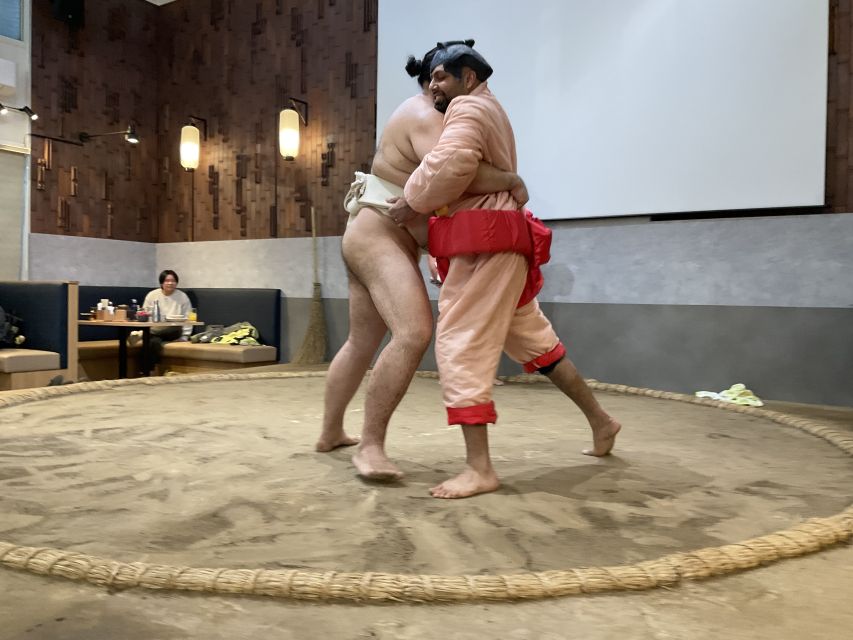
At first glance, $95 is a lot for a two-hour activity. You are not paying only for a bowl of hot pot. The fee includes entrance, participation, lunch, English instruction, a live demonstration, interaction with former professional wrestlers, and the chance to take photographs.
For a family or a small group that wants one memorable Tokyo activity, the value is reasonable. You receive several parts in one package, and the small-group format can make the interaction feel more personal than a large theater show.
The value is weaker if you only want to eat chanko nabe. Tokyo has many less expensive meals, and this is not the right booking for someone who wants a quiet lunch with no presentation.
It also may not satisfy a serious sumo fan seeking an official tournament match or a traditional training stable visit. This is an educational and entertaining introduction. Its purpose is access and explanation, not a full day of competition.
For most first-time visitors, I think the price works because the experience gives context that is hard to get from watching a match alone. You see the rituals, hear the reasoning behind them, test the strength difference, and share a meal connected to the sport.
Practical details that can affect your day
The activity lasts two hours, with starting times shown when you check availability. The supplied schedule specifies a 1 p.m. start, and punctuality matters. Arrive before the start rather than treating the opening time as a suggestion.
The exact meeting point arrives with your voucher and map. Keep that information available on your phone, and check whether your selected day places you in Asakusa or Ryogoku.
Asakusa makes sense if you are already visiting Senso-ji and the surrounding temple district. Ryogoku is the more natural setting for anyone interested in sumo, since the neighborhood is closely connected with the sport. The two-day schedule gives you some flexibility, but you should choose the location that fits your sightseeing plan.
The venue is wheelchair accessible. There is no included transport, so you are responsible for reaching the meeting point and returning to your next stop.
Cancellation is free up to ten days in advance for a full refund. That is a generous planning window, but it also means you should check your Tokyo schedule early if this experience is important to you.
Who should book this activity?
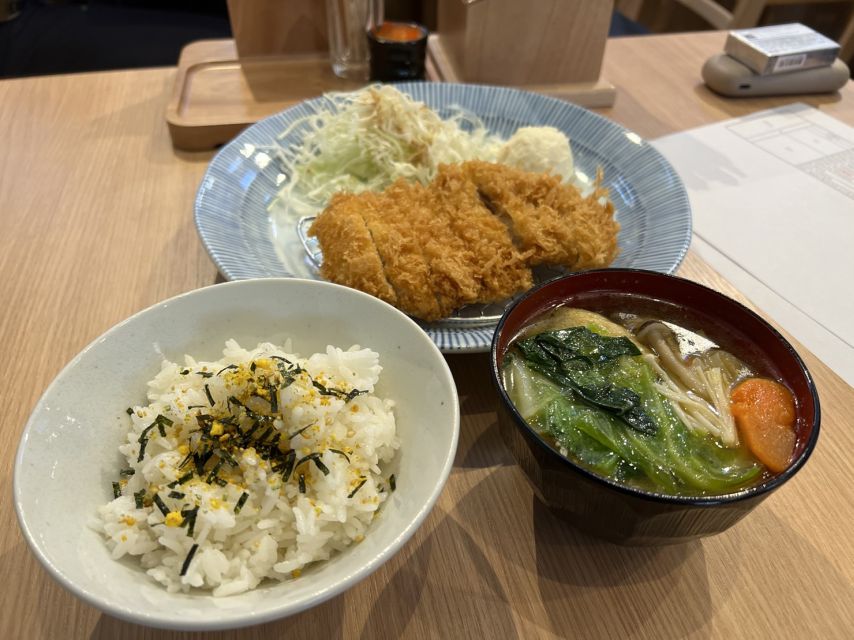
I would recommend it most strongly to families, first-time visitors to Japan, and anyone who wants an activity that combines culture with laughter. Children can take part in the playful side, while adults usually appreciate the explanations about ritual and training.
It also suits people who want an English-language experience without a large tour group. The limited group size gives you a better chance of hearing the wrestlers and taking part, although the room itself may contain more tables than the official group limit suggests.
You do not need to know anything about sumo before arriving. In fact, the less you know, the more useful the introductory lesson is likely to feel.
Consider skipping it if you dislike audience participation, staged demonstrations, or being invited to perform in front of other people. Participation is voluntary, but the event is built around interaction, so it is not a quiet museum-style visit.
Should you book the Tokyo sumo lunch?
Book this experience if you want a friendly, accessible introduction to sumo rather than a formal match. The strongest parts are the former wrestlers’ English explanations, the chance to see their strength up close, and the satisfying chanko nabe lunch.
I would book it early if you need a vegetarian or Halal meal, since the request must be made at least two days ahead. I would also choose the day based on your sightseeing route: Asakusa on Monday or Ryogoku on Thursday.
The $95 cost is justified for people who value personal interaction, food, and a clear cultural explanation in one compact visit. You may not become a sumo expert in two hours, but you will understand much more about the sport, laugh a few times, and leave with a better appreciation for what happens inside the ring.
FAQ
How long does the Tokyo sumo experience last?
The activity lasts two hours.
What time does the activity start?
The activity starts at 1 p.m. You should arrive before the start time, and the doors open at 12:40.
Where does the experience take place?
On Mondays, it takes place in Asakusa. On Thursdays, it takes place in Ryogoku. The exact meeting point and map are provided with your voucher.
Is the instruction available in English?
Yes. The instructors provide the experience in English.
Is lunch included?
Yes. Chanko nabe lunch is included, along with the entrance and participation fees.
Can I request a vegetarian or Halal meal?
Yes, but you must note the request in your reservation or contact the provider by email at least two days before the participation date.
Is the activity wheelchair accessible?
Yes, the activity is wheelchair accessible.
More Lunch Experiences
- Tokyo: Mt.Fuji & Lake Kawaguchiko 1-Day Bus Tour w/Optional Lunch
★ 4.5 · 839 reviews - Tokyo: Tsukiji Fish Market Tour with 6 Stops & Seafood Lunch
★ 4.5 · 165 reviews - Tokyo: 1 Day Bus Tour with Meiji-Jingu,Odaiba,lunch&Skytree
★ 4.6 · 156 reviews - Mt. Fuji, Oishi Park & Arakurayama Pagoda Bus Tour with Lunch
★ 5.0 · 128 reviews
Just added around Tokyo
- Tokyo 6hr Instagram Highlights Private Tour with Licensed Guide★ 5.0 · 38 reviews
- Tokyo Small Group Tour with Guide★ 4.5 · 38 reviews
- Tokyo Sumo Experience with Live Show & Audience Challenge★ 5.0 · 38 reviews
- Japanese Food Cooking Class in Asakusa, Tokyo★ 5.0 · 39 reviews
- Very popular in Harajuku♡Animal petting zoo★ 4.6 · 39 reviews
- Ramen Making from Scratch with Tokyo Mom(Vegan Option Available)★ 5.0 · 39 reviews
- Tokyo JDM Night: 600hp C63s AMG Edition 1 (Private)★ 4.9 · 39 reviews
- Tokyo: Kimono Rental inside Shinjuku Gyoen National Garden★ 4.9 · 39 reviews
Sumo Experiences, compared.
Tokyo Shinjuku Sumo Show & Experience with Photo
Read our review →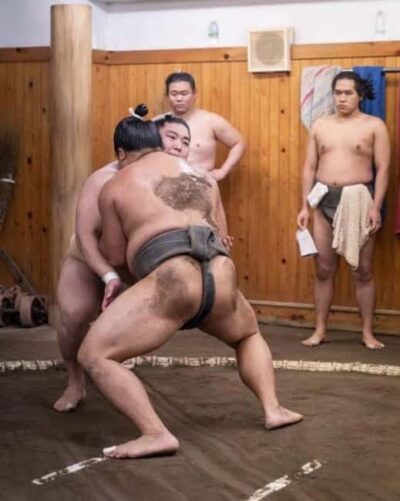
Sumo Show & Experience w/ Optional Kimono & Hot Pot
Read our review →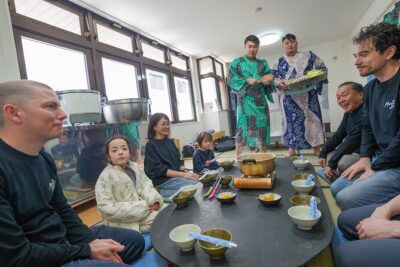
Authentic Sumo Experience in Tokyo: Enter the Sanctuary
Read our review →
Luxury Sumo Show Experience & Japanese cuisine & Drink
Read our review →Browse the lists this tour appears in