
Reviewed · TRADITIONAL CRAFT WORKSHOPS
Authentic Knife Making Experience at a Blacksmith in Kyoto
A souvenir you can actually use. At Atelier NIN, you spend about three hours forging, shaping, sharpening, and polishing a Japanese knife rather than simply watching a demonstration. I especially like the small maximum group of six and the patient English guidance, including help from instructor Daiki. The finished knife is a genuine keepsake, but expect real physical work and a workshop setting that may feel cramped.
The other big plus is the chance to wear a traditional goldsmith-style uniform and work with the same basic forging process used for Japanese kitchen knives. The main consideration is that this is a compact knife, about 13 to 15 centimeters long, with a simple iron handle. If you want a larger cooking knife or a wooden handle, you may need extra time and money.
In This Review
- What makes this Kyoto workshop special
- Reaching Atelier NIN in Kyoto’s northern hills
- Changing into the goldsmith uniform
- Forging the steel for roughly one hour
- Grinding and sharpening the blade
- The simple iron handle and knife size
- How much value you get for $158.52
- The instructors make or break the session
- Who should book this experience?
- Practical details to know before you go
- Should you book Atelier NIN?
- FAQ
- Where does the knife-making experience take place?
- How long does the experience last?
- What is included in the price?
- How many people can join the class?
- What size knife will I make?
- Does the knife have a wooden handle?
- Can I cancel for a full refund?
What makes this Kyoto workshop special
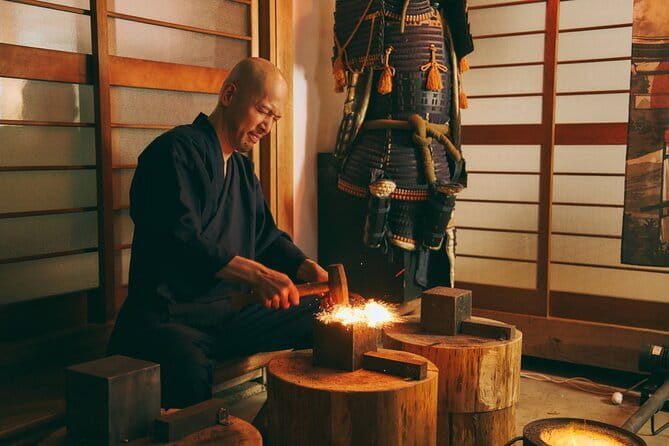
- You hammer the hot steel yourself: This is a hands-on blacksmithing session, not a sit-back demonstration.
- The knife is about 13 to 15 centimeters: Its compact size makes the project possible within roughly three hours.
- You learn several stages of knife making: The class covers forging, grinding, sharpening, and polishing.
- A traditional outfit is provided: You do not need to bring protective clothing for the class.
- The group is limited to six people: That gives the instructors room to correct mistakes and offer individual help.
- The finished knife is functional: It is more than a decorative souvenir, though you need to plan carefully if flying home with it.
Reaching Atelier NIN in Kyoto’s northern hills
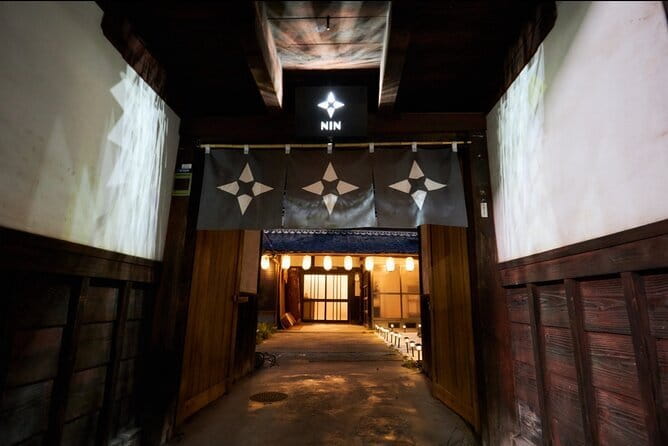
The workshop is at studio NIN, at Yasenosecho 168-1 in Sakyo Ward, Kyoto. It is near public transportation, but the final approach can be less simple than the city-center address suggests. One useful warning is that the studio sits within a residential area, and phone service may be weak near the station. Save directions before you leave.
The trip itself can feel like part of the outing. The train serving the area is a small, single-carriage train, and the workshop is near the Rurikoin area. The supplied itinerary lists Rurikoin as the stop, while the activity begins and ends at the studio, so do not assume you are getting a guided temple visit as part of the class. Think of Rurikoin as a useful local landmark for finding the general area.
Allow extra time for the walk from public transportation. One account described the walk as long but worthwhile. That matters if you are carrying luggage, arriving in hot weather, or trying to squeeze this class between major Kyoto sights.
Private transportation is not included. You will need to make your own way to the studio and back. The activity returns to the same meeting point, which makes the end of the day simple once you have found the place.
More Craft Workshops in Kyoto
- Kyoto : Chopsticks Making Workshop in Gion with Engraving Option
★ 5.0 · 958 reviews - Authentic knife making experience at a blacksmith in Kyoto
★ 4.8 · 350 reviews - Roketsu dyeing experience: M course Roketsu Dyeing Experience
★ 5.0 · 163 reviews
Changing into the goldsmith uniform
At the studio, you change into a traditional goldsmith outfit before beginning. This is a small touch, but it helps set the mood and keeps your ordinary clothes away from heat, dust, and metal filings. All the tools and materials needed for the basic project are supplied.
The class is designed for complete beginners. You do not need prior blacksmithing experience, and the instructors first explain how to use the tools safely. That early instruction is important because the work involves hot steel, heavy hammering, grinding equipment, and a very sharp final product.
The atmosphere is practical rather than polished. You are in a working studio, not a staged museum display. That gives the experience its appeal, but it also means close quarters, workshop noise, and some physical effort.
Forging the steel for roughly one hour
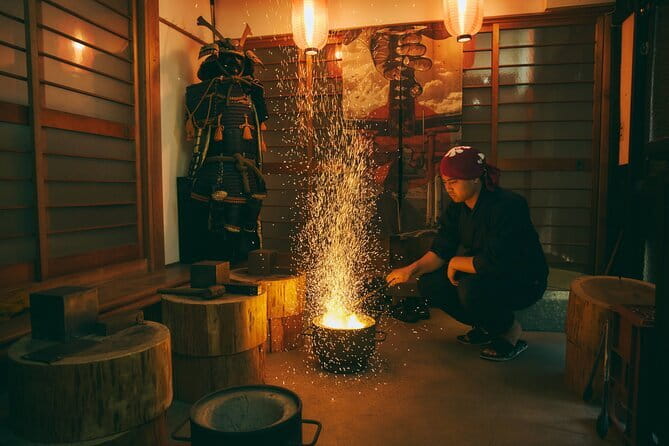
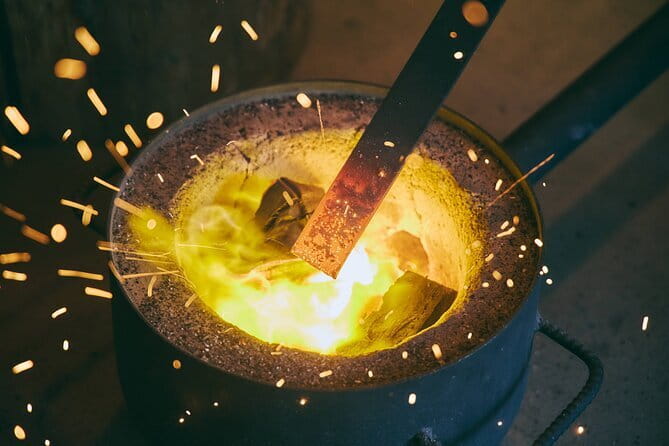
Forging is the heart of the class. You heat and hammer a steel billet, flattening and stretching it into the beginnings of a blade. The process gives you a direct feel for how much work goes into a Japanese kitchen knife.
Expect to use plenty of energy. The hammering is repetitive and strenuous, especially as you try to keep the metal under control and shape it evenly. One participant compared the effort to a workout, which is a fair way to think about it. You should arrive ready to stand, lift, strike, and concentrate.
The instructors demonstrate how to hammer safely and step in when your technique needs correction. Their approach appears to balance help with independence. You do the work, but you are not left alone when the steel or the tools become difficult to manage.
After the initial forging, the staff cuts the metal into the rough knife shape you requested. This is an important distinction: you help forge and shape the steel, but the instructors handle some of the cutting and later finishing work. The final object is still personal, though it is not made entirely without expert intervention.
The steel used for the basic project is described as white paper grade steel. That is a traditional Japanese knife steel, and it gives the finished souvenir more meaning than a generic piece of shaped metal. The class lets you see how a simple blade begins before it becomes clean, sharp, and usable.
Grinding and sharpening the blade
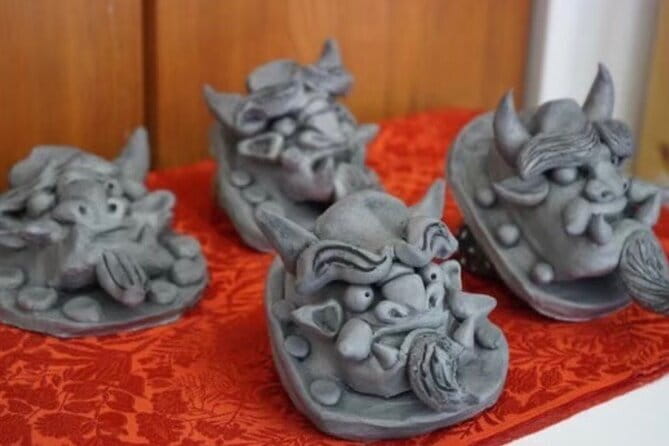
Once the rough form is ready, you move on to grinding and sharpening. This part can take up to an hour and requires a different kind of concentration. Forging is loud and forceful. Grinding is quieter in concept but less forgiving, since the angle and pressure affect the shape of the edge.
You work with a sanding belt to clean the blade and create a preliminary edge. The instructors explain the basic method, then help as needed. This is where your patience matters most. Holding the blade at the wrong angle or applying uneven pressure can leave marks or produce an irregular edge.
I would pay close attention during this stage and ask for a demonstration more than once if needed. A few people have found the grinding instructions less clear than the forging guidance. That does not ruin the class, but it means you should not rush through the sanding and sharpening steps.
The staff completes the final sharpening and finishing touches. That is sensible for safety and quality. You still get the satisfaction of having forged and shaped the knife, while the specialists make sure the cutting edge is properly finished.
The completed knife is wrapped and placed in a gift bag. A small commemorative photo may also be provided at no extra cost. The result is a usable knife with a story attached to it, not a factory-made item picked up in a souvenir shop.
A completely different kind of day out in Kyoto:
- PERFECT KYOTO 1-Day Bus Tour
★ 5.0 · 13,518 reviews - Kyoto: Fushimi Inari, Kinkakuji, Bamboo Grove 1 Day Bus Tour
★ 4.8 · 4,316 reviews - Kyoto: Tea Ceremony in a Traditional Tea House in Kiyomizu
★ 4.9 · 3,519 reviews - Kyoto Geisha Walking Tour: Gion District & Hidden Gems
★ 4.7 · 3,273 reviews
The simple iron handle and knife size

The standard knife measures about 13 to 15 centimeters, though handmade pieces vary slightly according to the person making them. This is smaller than a typical chef’s knife, and that is intentional. A larger cooking knife would take more than five hours and cost more than $400, according to the workshop information.
The basic design uses a traditional, simple iron handle rather than a wooden one. This keeps the project within the short class format and avoids adding another construction stage. It also gives the knife a plain, workshop-made appearance.
One account described the option to add a wooden handle for ¥5,000 and attach it at home. Since the standard experience information says there are no wooden handles, confirm the current options and price directly with Atelier NIN before booking if the handle matters to you.
The knife is genuinely sharp. That is part of the reward, but it also creates a packing problem. If you are flying home, plan to place it in checked luggage. A blade of this size may not be accepted in carry-on baggage, and the knife should be packed securely.
How much value you get for $158.52
At about $158.52 per person, this is not a cheap Kyoto activity. You are paying for a small class, an English guide, a uniform, workshop tools, materials, and a finished handmade knife. The price makes more sense if you value time spent learning a traditional craft rather than simply buying Japanese kitchenware.
Compare it with purchasing a knife in Kyoto. You can certainly find excellent blades in the city without spending three hours hammering hot steel. What you cannot buy in a shop is the memory of making the blade yourself, along with the knowledge of how the process works.
The workshop also offers a more personal setting than a large group demonstration. With no more than six people, the instructors have a real chance to watch your technique and step in when you need help. That is especially valuable during grinding, when a small mistake can affect the finish.
The class is also a good choice if you have limited time in Kyoto but want a serious hands-on activity. It takes roughly three hours, though you should add time for the journey to and from the studio. The compact knife design keeps the class affordable and manageable compared with a full-size custom blade.
The instructors make or break the session
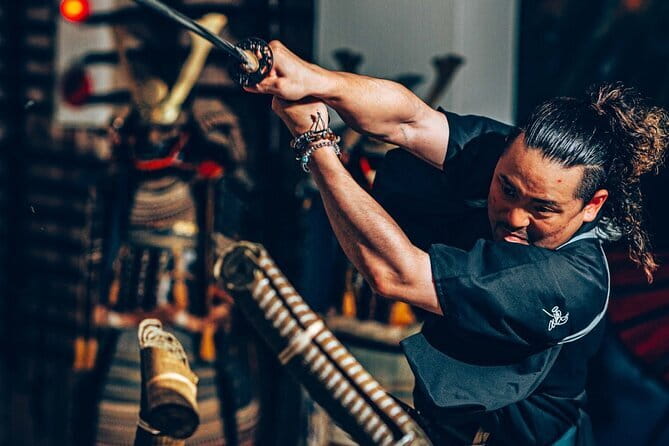
The strongest praise centers on the staff. Daiki is described as an engaging instructor who gives help quietly and at the right moment. That style suits beginners, since you get room to try the technique without feeling watched every second.
The staff’s English is strong enough to explain the work and guide the class. You should still expect some hands-on demonstration, gestures, and repeated instruction because blacksmithing techniques are easier to show than describe.
The best teaching happens when an instructor corrects your hammering or helps you recover from a mistake without taking over. That balance is central to the experience. You leave with a knife that reflects your effort, but also with the reassurance that an expert helped protect the final result.
There has been at least one disappointing interaction in which an instructor laughed at a poorly finished knife. That appears to be an exception to the generally warm and encouraging tone, but it is worth acknowledging. Beginners should expect uneven results, and the workshop would be better if every correction stayed supportive.
Who should book this experience?
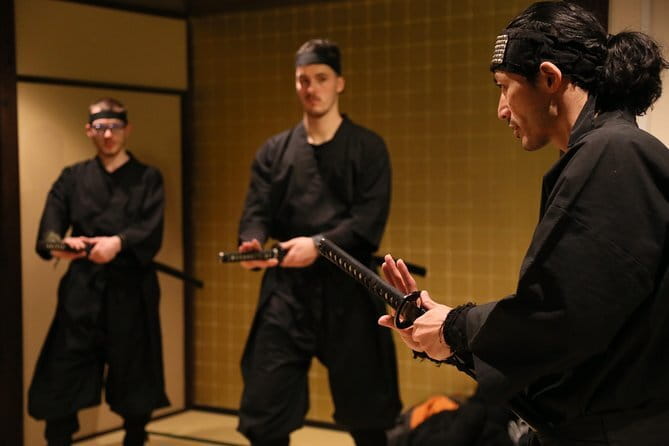
I would recommend it to adults, couples, families with older children, chefs, and anyone interested in Japanese craftsmanship. A 13-year-old successfully enjoyed the class, and the activity can work well for a parent and child or two friends who want to make different knife shapes together.
You will get the most from it if you enjoy practical work and do not mind getting tired. This is not a relaxed craft table with a finished object handed to you at the end. You hammer metal, use a sanding belt, and spend time refining the blade.
It is also a good match for people who have already watched blacksmithing programs and want to try the process for themselves. You do not need experience, but curiosity and patience help. If you dislike heat, repetitive work, or close workshop spaces, choose a gentler Kyoto activity.
The class is less suitable for anyone seeking a large professional chef’s knife. The standard product is compact, and a bigger blade requires a different amount of time and money. Ask about available designs before you commit if size or handle style is important.
You should also consider your travel plans. The activity ends with a sharp metal object, so air passengers need checked luggage. If you are moving between cities with only a carry-on, this may be awkward.
Practical details to know before you go
The maximum group size is six, and the experience lasts about three hours. The published description also refers to a two-and-a-half-hour format, so allow a little flexibility rather than scheduling a train or dinner immediately afterward.
A moderate level of physical fitness is recommended. Wear or bring nothing special for protection because a uniform is provided, but closed, sturdy footwear would be sensible. One account raised concerns about working barefoot and dropping a knife during the sanding stage, so ask about footwear and follow the studio’s safety instructions carefully.
Bring water if you need it, though water and toilets are available on site. Snacks are not included. The studio provides the tools, materials, uniform, and English instruction, so your main job is arriving prepared, alert, and ready to work.
Confirmation is provided when you book. Free cancellation is available up to 24 hours before the start time. Changes or cancellations made inside that window are not accepted for a refund.
Should you book Atelier NIN?
Book it if you want a Kyoto souvenir with fingerprints, effort, and a story behind it. The small class, friendly instruction, traditional clothing, and real forging work give the experience much more substance than a quick souvenir-making session.
I would especially choose it for a second or third day in Kyoto, when you want to step away from temples and shopping for something practical and memorable. Just plan for the remote residential setting, a long approach from public transportation, physical work, and checked luggage if you are flying.
Skip it if you want a polished full-size kitchen knife, a short demonstration, or a completely effortless activity. For everyone else, the $158.52 price is fair for three hours of instruction, supplied materials, and a handmade Japanese blade you helped create.
FAQ
Where does the knife-making experience take place?
It takes place at studio NIN, Atelier NIN, at Yase 168-1, Yasenosecho, Sakyo Ward, Kyoto, 601-1254, Japan.
How long does the experience last?
The experience lasts approximately three hours. The description also refers to a two-and-a-half-hour format, so allow some extra time in your schedule.
What is included in the price?
The price includes a uniform, an English guide, and the tools and materials used to make the knife.
How many people can join the class?
The group has a maximum of six participants.
What size knife will I make?
The finished knife is approximately 13 to 15 centimeters long. Because each knife is handmade, the size may vary slightly.
Does the knife have a wooden handle?
The standard knife uses a simple iron handle and does not include a wooden handle. One account refers to a possible wooden-handle option for ¥5,000, so confirm current availability and pricing with Atelier NIN.
Can I cancel for a full refund?
Yes. You can cancel at least 24 hours before the experience start time for a full refund. Cancellations or changes made less than 24 hours before the start time are not refunded or accepted.
Just added around Kyoto
- Kyoto: Private Customizable Day Trip by Car★ 5.0 · 38 reviews
- Kyoto: Gion Night Walking Tour with Geisha Insight★ 5.0 · 39 reviews
- Kyoto: Full Day Bike Tour★ 4.9 · 39 reviews
- Private Japanese Calligraphy in Kyoto – Learn Shodō with a Master★ 5.0 · 39 reviews
- Experience a tea ceremony in an authentic tearoom, in Kyoto!★ 4.5 · 41 reviews
- Kyoto: Gion Evening Walk with Hidden Gems, Geisha & Sake★ 5.0 · 41 reviews
- Kyoto Private Photo Shoot & Tour by SnapKyoto★ 5.0 · 41 reviews
- The Way of Tea: Kyoto Crafts, Hidden Temples & Wabi-Sabi Walk★ 5.0 · 41 reviews
Traditional Craft Workshops, compared.
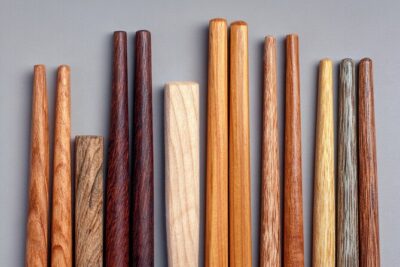
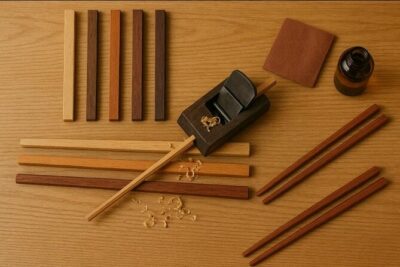
Chopsticks Making Workshop in Gion with Engraving Option
Read our review →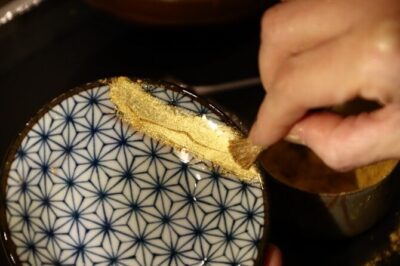
Kintsugi Experience: Art of Golden Joinery in Tokyo
Read our review →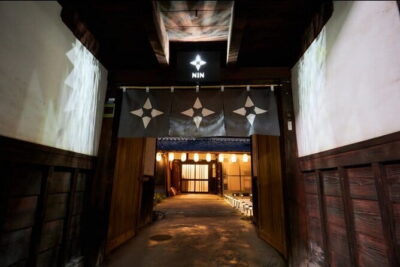
Authentic knife making experience at a blacksmith in Kyoto
Read our review →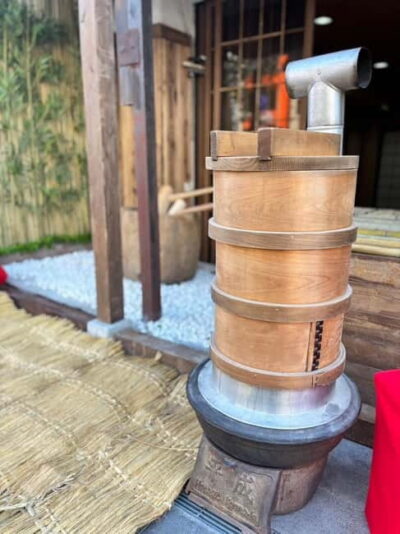
Traditional Mochi Pounding Experience with Tasting
Read our review →
Authentic Pure Gold Kintsugi Workshop with Master Taku in Tokyo
Read our review →
Roketsu dyeing experience: M course Roketsu Dyeing Experience
Read our review →Browse the lists this tour appears in