
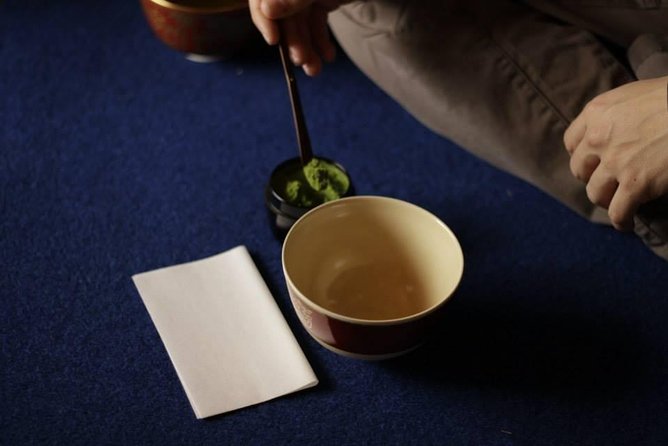
Reviewed · TEA CEREMONY EXPERIENCES
Authentic Kyoto Tea Ceremony: Camellia Flower Teahouse
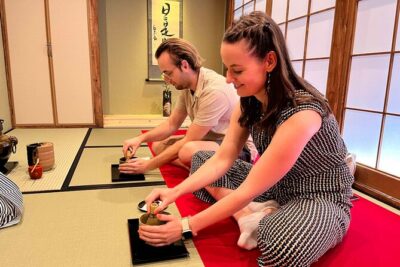
Slow down for a bowl of matcha. Camellia Flower Teahouse offers a friendly, hands-on introduction to one of Japan’s most meaningful traditions, right in Kyoto’s Higashiyama Ward. I like the small groups of up to eight and the chance to whisk your own tea rather than only watch a formal performance. I also like the clear English instruction and the seasonal sweet served with the matcha. The main drawback is that the ceremony lasts only about 45 minutes, and the room may feel plain or compact if you expect an elaborate tea-house setting.
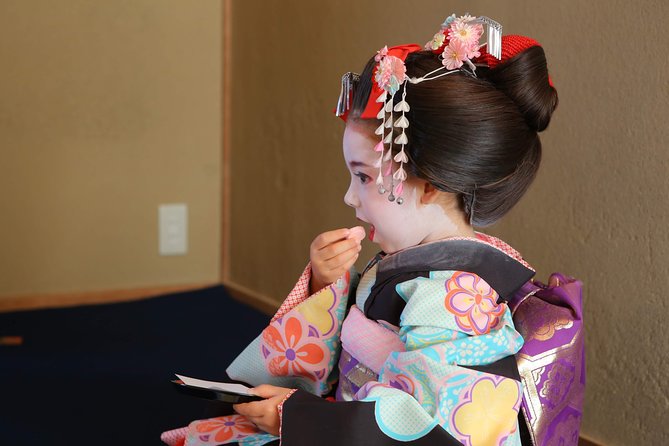
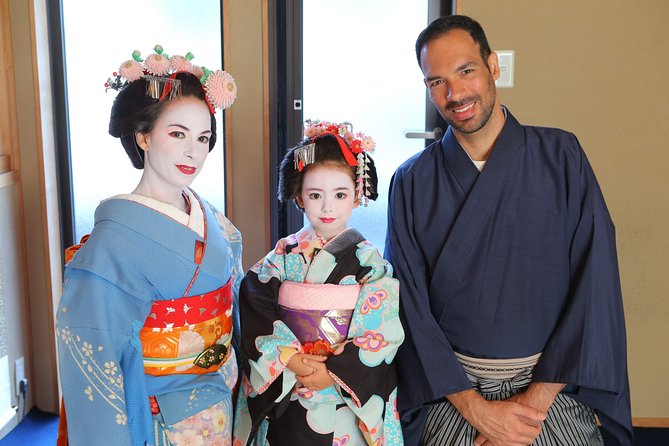
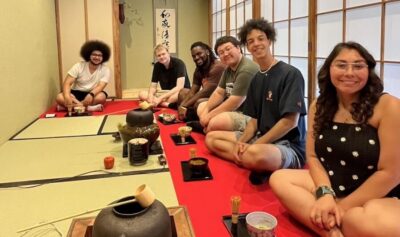
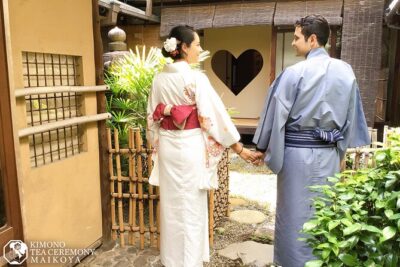
You’ll learn the purpose of the utensils, the order of the ritual, and the meaning behind gestures such as cleansing with water. The ceremony is welcoming to children age six and older, and chairs and tables can be arranged instead of floor seating. Kimono rental is available for an extra charge, and several visitors felt it added a memorable visual touch, though it is not part of the basic price.
In This Review
- Key points to know before booking
- Why this short ceremony works well in Kyoto
- Arriving in Higashiyama and entering the tea room
- Learning the tools, room, and ritual
- Matcha, seasonal sweets, and your turn with the whisk
- Floor seating, chairs, and the question of comfort
- Is the $36.48 price good value?
- What the strong praise gets right
- Who should book this experience?
- Cancellation and planning details
- Should you book Camellia Flower Teahouse?
- FAQ
- How long does the Camellia tea ceremony last?
- Where does the tea ceremony begin and end?
- How many people can join the experience?
- Is the tea ceremony suitable for children?
- Is the experience wheelchair accessible?
- Do I have to sit on the floor?
- Is kimono rental included?
- What happens if I need to cancel?
Key points to know before booking
- Your own bowl of matcha: Tea bowls, scoops, and whisks are supplied, so you practice making the tea yourself.
- A short cultural lesson: The host explains the ceremony’s history, utensils, room arrangement, and symbolism.
- Small-group setting: The maximum group size is eight, which leaves room for questions and personal help.
- English-speaking instructors: Guides speak English fluently and come from one of Kyoto’s three main tea ceremony schools.
- Higashiyama location: The meeting point is at 349-13 Masuyacho, near public transportation and many major Kyoto sights.
- Practical limitations: The experience is not wheelchair accessible, children under six cannot join, and floor seating is usual unless you request chairs and tables.
Why this short ceremony works well in Kyoto
Kyoto offers plenty of grand sights, but a tea ceremony gives you something different: a quiet look at how Japanese culture values attention, respect, and simplicity. The tea itself is only one part of the experience. The placement of the bowl, the handling of the whisk, the seasonal sweet, and the layout of the room all carry meaning.
Camellia keeps the format approachable. You do not need previous knowledge of matcha or Japanese customs. The host begins with a short introduction, then explains the main steps before performing the ceremony. You can ask questions throughout, which matters because the ritual can otherwise seem mysterious or overly formal.
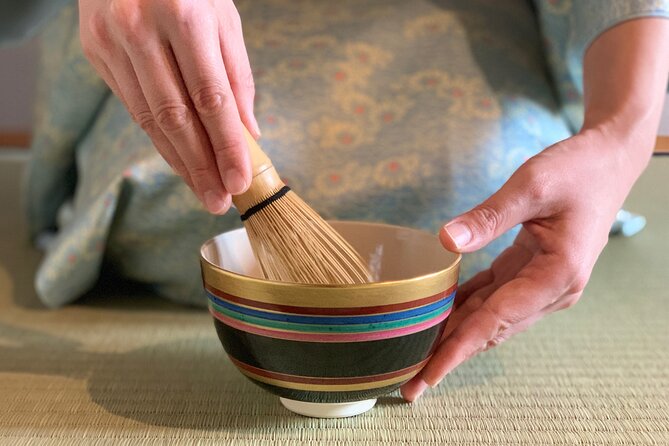
I especially like that the experience does not stop at watching. At the end, you make your own frothy bowl of matcha. This turns the ceremony from a demonstration into a small lesson you can remember and repeat at home. Several people enjoyed this practical part because it showed how much care and control are needed to make the tea properly.
The 45-minute length also fits neatly into a sightseeing day. You can place it between visits around Higashiyama without giving up half a day. At the same time, the short schedule means you should expect an introduction rather than a full study of tea ceremony schools, philosophy, or technique.
More Tea Ceremonies in Kyoto
- Kyoto: Tea Ceremony in a Traditional Tea House in Kiyomizu
★ 4.9 · 3,519 reviews - Kyoto: Tea Ceremony Ju-An at Jotokuji Temple
★ 4.9 · 3,207 reviews - Kyoto: 45-Minute Tea Ceremony Lesson Experience
★ 4.3 · 2,378 reviews
Arriving in Higashiyama and entering the tea room
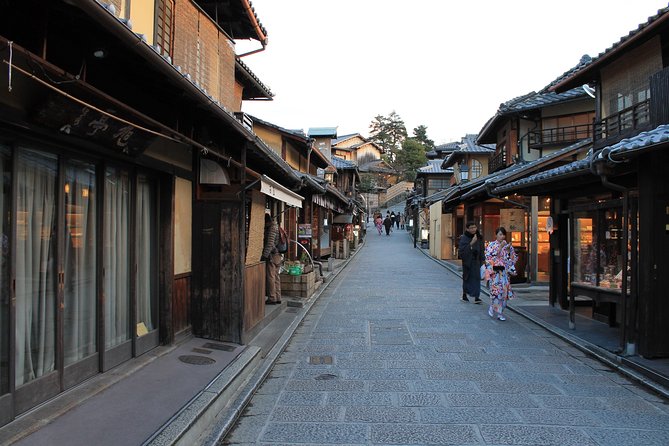
The meeting point is Tea Ceremony Camellia FLOWER at 349-13 Masuyacho in Kyoto’s Higashiyama Ward. It is near public transportation and sits in an area well suited to pairing with other Kyoto sights. You will need to make your own way there because pickup and drop-off are not included.
The activity begins and ends at the same location. That makes planning easy, especially if you are already spending time in Higashiyama. Check your route before setting out, since Kyoto’s sightseeing streets can be busy and a short walk may take longer than expected.
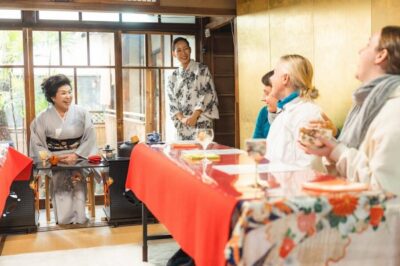
At the start, the host welcomes you and introduces the world of matcha. The tone is friendly rather than intimidating. The staff’s warmth is one of the most praised parts of the experience, and that makes a real difference if you are nervous about sitting in the wrong way or missing a step.
The setting itself may not impress everyone. One assessment described the room as small and plain, with a guide dressed in subdued clothing. If you are seeking a lavish interior or a grand performance space, this may feel modest. I see the plain setting as a useful trade-off: you are paying for instruction and participation, not elaborate decoration.
Learning the tools, room, and ritual
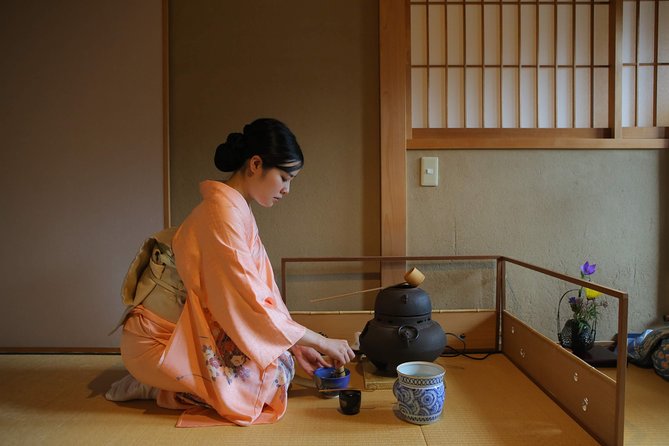
Before the tea is prepared, your instructor explains the basic utensils. You receive a tea bowl, tea scoop, and bamboo whisk for the hands-on portion. The host also explains how the room’s decoration and arrangement relate to the ceremony.
That context helps you notice details that might otherwise pass by. The ceremony is not simply a method for making a drink. The movements are measured, and the order of actions reflects care for the person receiving the tea. Explanations also cover ideas such as cleansing the mind and showing respect to the person for whom the tea is prepared.
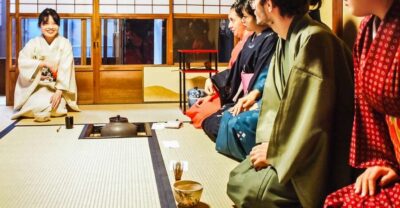
The instructor then demonstrates the ceremony. You watch the precise movements, the handling of the tools, and the preparation of the matcha. The teaching style appears to vary by instructor, but the strongest experiences combine clear English explanations with a calm, good-humored manner.
The instructors are fluent English speakers and come from one of Kyoto’s three main tea ceremony schools. That gives the session a solid cultural basis without turning it into a lecture. You are encouraged to ask about tea, customs, utensils, and Japan more broadly, so use the opportunity.
Matcha, seasonal sweets, and your turn with the whisk
A seasonal sweet is served with the tea. Its sweetness balances the strong, slightly bitter taste of matcha and gives you a small example of how Japanese tea service pairs flavor with season.
You will also drink matcha prepared as part of the ceremony. Some people find the flavor bold, especially if they are used to sweetened green tea. The experience gives you a better sense of matcha as a carefully prepared tea rather than a trendy café ingredient.
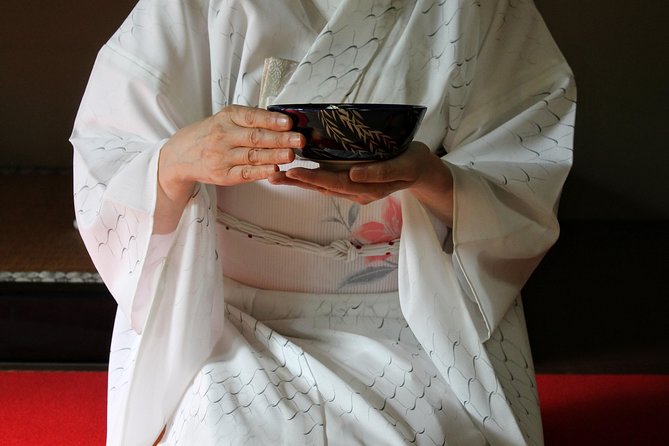
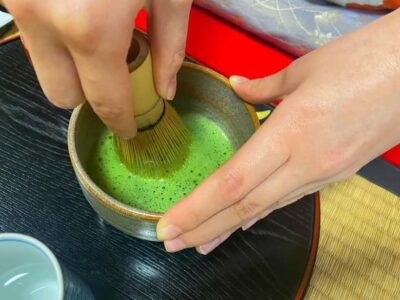
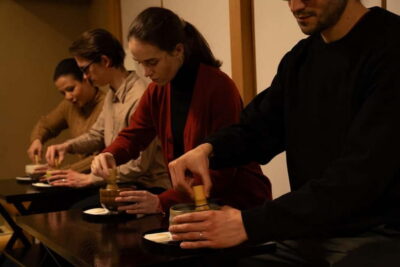
The best part for many people is making a bowl yourself. The host explains the basic whisking method, and you practice until the powder and water form a frothy drink. Do not expect to produce a tea master’s result on your first try. That is part of the lesson. The process looks simple, but the texture depends on technique.
This activity works well for families because children can take part rather than sit quietly through a formal display. Children under six cannot join, but children age six and older are allowed. Parents should decide how well their child will handle a quiet, structured session. The format is educational, but it still asks for patience and attention.
A completely different kind of day out in Kyoto:
- PERFECT KYOTO 1-Day Bus Tour
★ 5.0 · 13,518 reviews - Kyoto: Fushimi Inari, Kinkakuji, Bamboo Grove 1 Day Bus Tour
★ 4.8 · 4,316 reviews - Kyoto Geisha Walking Tour: Gion District & Hidden Gems
★ 4.7 · 3,273 reviews - Kyoto: Gion Magical Night Walking Tour with Geisha Trivia
★ 4.9 · 2,393 reviews
Floor seating, chairs, and the question of comfort
Traditional tea ceremony often involves sitting on the floor. At Camellia, chairs and tables are also available if preferred, so you should request that arrangement if floor seating is difficult or uncomfortable.
The activity is not wheelchair accessible. That is an important limitation, and you should confirm that the physical setup works for your needs before booking. Service animals are allowed, and the meeting point is near public transportation.
The maximum group size is eight. That is small enough for the instructor to watch your whisking and answer questions, but it is still a shared session rather than a fully private lesson. One person described the experience as a little short and suggested choosing a private ceremony if available. A private option may suit you if you want more time for questions or a slower pace, but the supplied details do not give its price or exact format.
Is the $36.48 price good value?
At $36.48 per person, the price is fair for a 45-minute cultural activity in central Kyoto, especially because it includes the instruction, matcha, seasonal sweet, and use of the tea equipment. You are paying for access to a traditional practice and a guided lesson, not just a cup of tea.
The value is strongest if this is your first tea ceremony. You receive enough background to understand what you are seeing, then get to practice it yourself. The English guidance removes much of the guesswork, and the small group keeps the lesson personal.
The value is weaker if you want a long, highly formal ceremony in a grand historic room. The session is compact, and the room may be simple. You also pay extra for kimono rental, which can add to the total cost.
Kimono rental can be requested by message. Several people felt the clothing and quick hairstyle made the event feel more special and helped them take better photographs. I would consider it if the ceremony is a major part of your Kyoto plans or if you want a dress-up experience. If you are mainly interested in learning how matcha is prepared, the basic booking should be enough.
Group discounts are available, and the experience uses a mobile ticket. The listed price may therefore work especially well for couples, families, or small groups who want a shared activity without committing to a full-day cultural program.
What the strong praise gets right
The most consistent strength is the staff. The hosts are repeatedly described as kind, gracious, friendly, and easy to understand in English. That matters because tea ceremony has many small rules, and a patient teacher helps you enjoy the ritual instead of worrying about mistakes.
The instruction also earns strong praise. You learn about the history of the ceremony, the purpose of the tools, the meaning of cleansing, and the importance of preparing tea for another person. The best guides explain the actions without making the session feel stiff.
The atmosphere is another plus. After a day of walking and sightseeing, 45 minutes of quiet concentration can feel like a useful pause. You are not rushed from one sight to another. You sit, watch, taste, listen, and work with your hands.
The hands-on matcha preparation is essential to the experience’s appeal. It gives children and adults something to do, and it makes the ceremony easier to remember. You also leave with a better idea of why tea masters spend years refining what appears to be a simple process.
The high rating of 4.8 from 269 ratings and 95 percent recommendation suggest that the experience delivers well for its intended purpose. Still, the lower assessment about the plain room is worth keeping in mind. The activity succeeds mainly through the people, teaching, and ritual, not through an ornate setting.
Who should book this experience?
I would recommend Camellia to first-time visitors who want a practical introduction to Japanese tea ceremony. It suits you if you enjoy cultural activities that explain meaning as well as procedure.
It is also a good match for families with children age six and older, couples seeking a calm activity, and anyone who wants a break from Kyoto’s crowded sightseeing routes. The small group and English instruction make it less intimidating than a highly formal event.
You should think twice if you need wheelchair access, dislike floor seating and do not want to request chairs, or expect a long ceremony in a highly decorated tea room. You may also want a private format if your group prefers complete control over the pace.
The experience ends where it begins, so you can continue exploring Higashiyama afterward. That location makes it easy to combine the ceremony with other nearby plans, though you should allow enough time to reach the meeting point.
Cancellation and planning details
You can cancel up to 24 hours before the start time for a full refund. Changes or cancellations made less than 24 hours before the start time are not accepted for a refund, and the cutoff uses Kyoto local time.
The activity requires good weather. If Camellia cancels because of poor weather, you will be offered another date or a full refund. Confirmation arrives when you book, and the experience is available with a mobile ticket.
You should allow about 45 minutes for the ceremony itself. Arrive prepared for a quiet, respectful activity, and ask for chairs and tables if you prefer not to sit on the floor. If you want kimono rental, request it by message before the experience and confirm the additional charge.
Should you book Camellia Flower Teahouse?
Yes, if you want an accessible introduction to matcha and tea ceremony rather than a long formal performance. The excellent English instruction, small group size, seasonal sweet, and chance to prepare your own bowl make the $36.48 price reasonable.
Book it as a cultural lesson with a calm atmosphere, not as a grand architectural spectacle. Add kimono rental if photographs and ceremony dress matter to you. Skip it only if wheelchair access is essential, you need a longer private session, or a simple room would disappoint you.
FAQ
How long does the Camellia tea ceremony last?
The ceremony lasts approximately 45 minutes.
Where does the tea ceremony begin and end?
It begins at Tea Ceremony Camellia FLOWER, 349-13 Masuyacho, Higashiyama Ward, Kyoto, 605-0826, Japan, and ends back at the same meeting point.
How many people can join the experience?
The maximum group size is eight travelers.
Is the tea ceremony suitable for children?
Yes. Children age six and older can join. Children under six cannot participate.
Is the experience wheelchair accessible?
No, the experience is not wheelchair accessible.
Do I have to sit on the floor?
Floor seating is usual, but chairs and tables are available if you prefer them.
Is kimono rental included?
No. Kimono rental is not included in the listed price, but it can be requested by message for an additional charge.
What happens if I need to cancel?
You can cancel at least 24 hours before the start time for a full refund. Cancellations or changes made less than 24 hours before the start time are not accepted for a refund. If the provider cancels because of poor weather, you will be offered a different date or a full refund.
Just added around Kyoto
- Kyoto: Private Customizable Day Trip by Car★ 5.0 · 38 reviews
- Kyoto: Gion Night Walking Tour with Geisha Insight★ 5.0 · 39 reviews
- Kyoto: Full Day Bike Tour★ 4.9 · 39 reviews
- Private Japanese Calligraphy in Kyoto – Learn Shodō with a Master★ 5.0 · 39 reviews
- Experience a tea ceremony in an authentic tearoom, in Kyoto!★ 4.5 · 41 reviews
- Kyoto: Gion Evening Walk with Hidden Gems, Geisha & Sake★ 5.0 · 41 reviews
- Kyoto Private Photo Shoot & Tour by SnapKyoto★ 5.0 · 41 reviews
- The Way of Tea: Kyoto Crafts, Hidden Temples & Wabi-Sabi Walk★ 5.0 · 41 reviews
Tea Ceremony Experiences, compared.
Tea Ceremony in a Traditional Tea House in Kiyomizu
Read our review →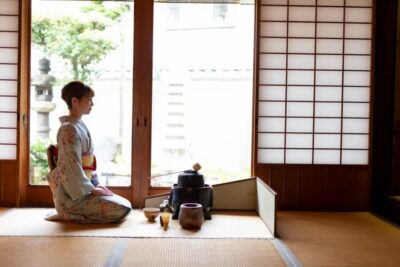
Browse the lists this tour appears in