Reviewed · GUIDED
Kyoto Highlights 7-Hour Private Guided Tour
Kyoto rewards a well-planned day. This seven-hour private tour links major sights that are spread across the city, with an English-speaking licensed guide to explain what you are seeing. I like the choice between a northwest route of gardens, temples, a castle and market, or a southeast route built around Fushimi Inari, Kiyomizudera and sake. I also like the included transport and one-day bus pass, which lets you keep exploring after the tour.
The main tradeoff is simple: you must choose one route when booking, so you cannot see all eight locations in one day unless you reserve both tours. The price is $215 per person, and the seven-hour schedule is active enough that you should expect plenty of walking, stairs and time outdoors.
In This Review
- Key points at a glance
- Why a private day helps in spread-out Kyoto
- The 9:00 a.m. start at Kyoto Station
- The northwest route: bamboo, gardens and a castle
- Bamboo Grove
- Ryoanji Temple and its rock garden
- Kinkakuji, the Golden Pavilion
- Nijo Castle or Nishiki Market
- The southeast route: shrines, temple halls and sake
- Sake brewery
- Fushimi Inari Taisha
- Sanjusangendo Temple
- Kiyomizudera Temple
- Ninenzaka or Sannenzaka
- What the guides add to the day
- Price, inclusions and practical value
- Who should choose this Kyoto tour?
- Should you book it?
- FAQ
- How long is the Kyoto Highlights private tour?
- Where does the tour start?
- Which routes can I choose?
- Is the guide private and licensed?
- Are admission fees and transportation included?
- Does the tour include hotel pickup and drop-off?
Key points at a glance
- Two distinct Kyoto routes: Choose northwest for the Bamboo Grove, Ryoanji, Kinkakuji and Nijo Castle or Nishiki Market, or southeast for Fushimi Inari, Kiyomizudera, Sanjusangendo and a sake brewery.
- Private English-speaking guidance: Your licensed guide can explain customs, architecture and local history in a way that is easier to follow than a quick visit on your own.
- A useful 9:00 a.m. start: The tour begins at Hotel Granvia Kyoto inside the JR Kyoto Station building, a practical central meeting point.
- Transport is part of the day: You receive transportation during the tour and a one-day bus pass for use afterward.
- Guides receive strong praise: Mie, Choco, Mei and other guides are described as friendly, entertaining, helpful and excellent at explaining cultural details.
- The day finishes near Gion: The tour ends around 4:00 p.m., giving you a natural chance to continue toward Kyoto’s geisha district.
Why a private day helps in spread-out Kyoto
Kyoto’s famous sights do not sit in one neat sightseeing zone. The Bamboo Grove is in Arashiyama, Kinkakuji is northwest of central Kyoto, Fushimi Inari is far to the southeast, and Kiyomizudera sits on a hill above the old streets. Seeing several of these places in one day takes planning.
I like the way this tour solves that problem without turning the day into a private race. Your guide handles the route and transportation, while you can focus on the temples, gardens and streets around you. One guide, Choco, was praised for helping with local transportation and even finding a good ramen place for lunch. Food is not included, but that kind of practical help can be useful when you are trying to make the most of a short visit.
The private format also gives you room to ask questions. If you are unsure how to behave at a shrine, curious about Buddhist garden design or puzzled by the difference between a temple and a shrine, you can ask at once. That personal conversation is one of the strongest reasons to pay more than you would for a large group outing.
Still, the tour is not an entirely private vehicle excursion. You use local transportation, and the itinerary includes several major sights. If you prefer slow museum visits or long meals, you may find the schedule brisk. The guides generally keep the pace comfortable, but seven hours is a fixed window.
A few more Kyoto experiences worth weighing up
- PERFECT KYOTO 1-Day Bus Tour
★ 5.0 · 13,518 reviews - Kyoto: Fushimi Inari, Kinkakuji, Bamboo Grove 1 Day Bus Tour
★ 4.8 · 4,316 reviews - Kyoto: Tea Ceremony in a Traditional Tea House in Kiyomizu
★ 4.9 · 3,519 reviews
The 9:00 a.m. start at Kyoto Station
The day begins at 9:00 a.m. at Hotel Granvia Kyoto in the JR Kyoto Station building, though the exact meeting point can vary with the option you select. Plan to arrive early. Kyoto Station is large, and a few extra minutes will help you find the right place without starting the day flustered.
The central start works well for anyone arriving by train or staying near the station. It also gives your guide a clear place to meet you before heading toward the chosen side of the city.
The tour runs until about 4:00 p.m. and ends near Gion according to the itinerary description. The meeting information also says the activity ends back at the meeting point, so check the final arrangements for your booked route. Either way, ask your guide where you should continue from at the end of the day.
The northwest route: bamboo, gardens and a castle
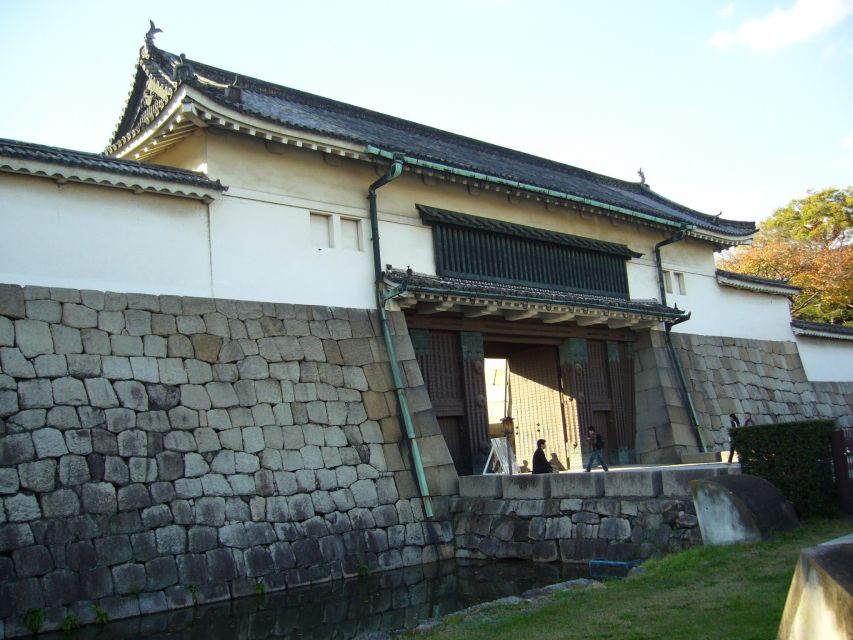
The northwest route is the stronger choice if you want a broad introduction to Kyoto’s traditional sights. It combines nature, religious buildings, a famous golden temple and a major castle, with either Nijo Castle or Nishiki Market included as the final choice.
Bamboo Grove
The Bamboo Grove provides a striking opening to the day. Tall bamboo creates a narrow green corridor, and the setting feels very different from Kyoto’s temple precincts and busy station area.
Your guide adds value here because the grove itself is easy to walk through but harder to understand in context. You can ask about the place, the surrounding area and how it fits into Kyoto’s wider cultural identity. The drawback is that the grove is mainly a short walking experience rather than a long attraction with many rooms or exhibits, so your enjoyment depends on the atmosphere and the explanation around it.
A completely different kind of day out in Kyoto:
- Kyoto Geisha Walking Tour: Gion District & Hidden Gems
★ 4.7 · 3,273 reviews - Kyoto: Tea Ceremony Ju-An at Jotokuji Temple
★ 4.9 · 3,207 reviews - Kyoto: Gion Magical Night Walking Tour with Geisha Trivia
★ 4.9 · 2,393 reviews - Kyoto: 45-Minute Tea Ceremony Lesson Experience
★ 4.3 · 2,378 reviews
Ryoanji Temple and its rock garden
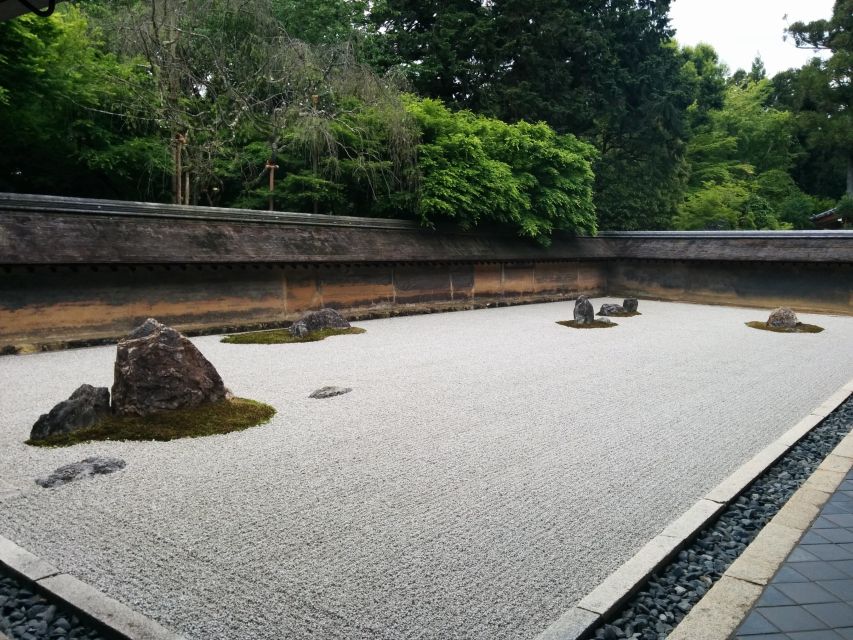
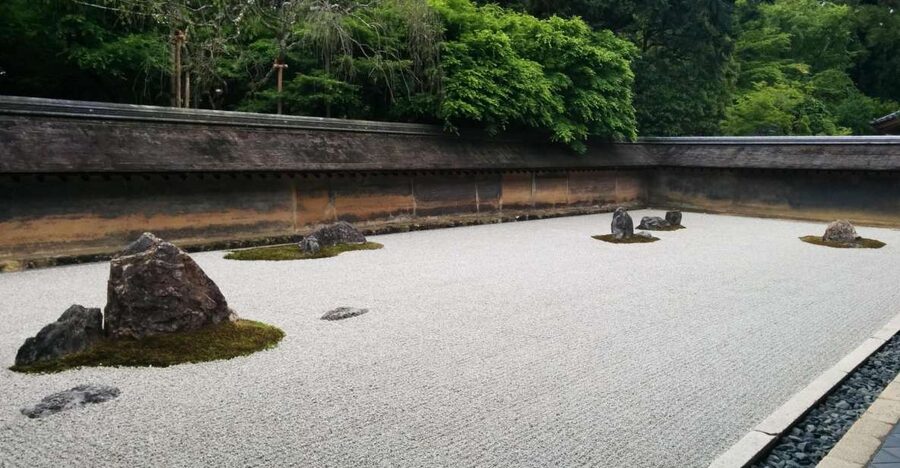
Ryoanji is one of the best stops for seeing how Japanese garden design can ask you to slow down. The famous rock garden uses a small number of rocks and carefully arranged gravel, creating a scene that looks simple but invites close attention.
This is where a good guide matters. Without context, you may look at the garden for a few minutes and move on. With help, you can think about restraint, composition and the way the garden encourages quiet observation. One guide, Mie, was praised for giving useful context about Japanese culture and the Edo period, which is exactly the sort of background that can turn a beautiful stop into a memorable one.
Do not expect a long list of objects to see here. Ryoanji is about sitting, looking and considering. If your group likes calm places, this may be one of the day’s best stops. If everyone wants constant activity, the garden’s quiet pace could feel slow.
Kinkakuji, the Golden Pavilion
Kinkakuji, also called the Golden Pavilion, is one of Kyoto’s instantly recognizable sights. Its gold-covered exterior reflects the temple’s pond, creating the sort of view that explains why it became a city symbol.
Your guide can help separate the building’s visual appeal from its religious and historical role. You will usually see the pavilion from the garden path rather than wander through every part of the building, so the stop is focused and scenic. That makes it a good fit for a packed itinerary, though you should not expect a long indoor visit.
The northwest route works well because Kinkakuji follows the quieter garden experience at Ryoanji. You get contrast: one temple asks you to study a spare composition, while the next gives you an unmistakable splash of color and reflected light.
Nijo Castle or Nishiki Market
The route includes Nijo Castle or Nishiki Market, depending on the option selected. These are very different endings, so pay attention when booking.
Nijo Castle is the better pick if you want political history and grand architecture. It gives the day another strong historical site after the temples and gardens. The castle also adds variety, since you are no longer looking only at religious buildings.
Nishiki Market is the more food-focused choice. It offers a look at Kyoto’s market culture and gives you a chance to see local ingredients and small food businesses. Since food and drinks are not included, budget separately if you want to sample anything. A market stop can also be more flexible than a castle visit, but it may feel less peaceful and less structured.
The southeast route: shrines, temple halls and sake
The southeast route is the better match if you want Kyoto’s famous orange torii gates, major temple buildings, old walking slopes and a connection to the city’s sake trade. It includes more stops than the northwest route description, so confirm the exact sequence and included locations when you book.
Sake brewery
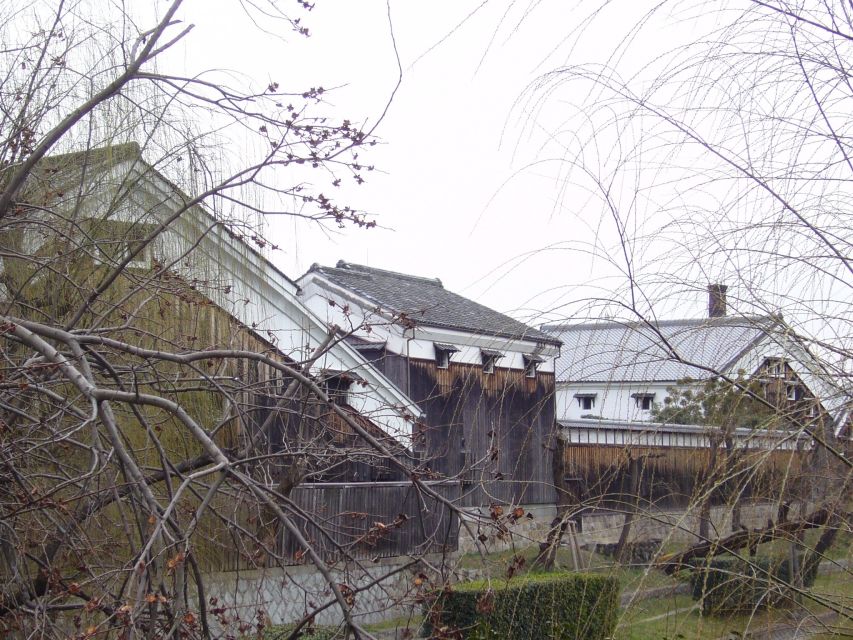
The sake brewery gives the day a useful local angle. Kyoto is famous for sake, and a brewery visit helps connect the drink with Japanese food culture and regional tradition.
This is not just another temple stop. After several religious and historic sites, the brewery gives you a change of subject and a chance to understand a product that has long been part of Japanese life. Food and drinks are not included in the tour price, so any tasting or purchase would be your responsibility.
Fushimi Inari Taisha
Fushimi Inari is known for its long lines of orange torii gates climbing through the wooded hills. Even a shorter visit can give you the essential experience, while a longer walk takes you farther from the main approach.
This stop can be physically demanding because the shrine route rises uphill. You should wear comfortable shoes and keep water handy, especially if you plan to walk beyond the first gates. The advantage of having a private guide is that you can ask how far the planned visit goes and adjust your pace where possible.
Fushimi Inari is a Shinto shrine, not a Buddhist temple, so it adds useful variety to the day. Your guide can help explain the meaning of the gates and the customs you see at the shrine, which is especially helpful if this is your first visit to Japan.
Sanjusangendo Temple
Sanjusangendo is known for its long temple hall and rows of Buddhist statues. The interior offers a different experience from the open-air gardens and shrine paths, with a strong focus on religious art and careful observation.
This is a good middle stop for anyone who wants more than scenic photographs. You can spend time looking at the figures and asking your guide about their roles and symbolism. Because the hall is more contemplative than interactive, you may appreciate it most if you enjoy art, architecture and quiet spaces.
Kiyomizudera Temple
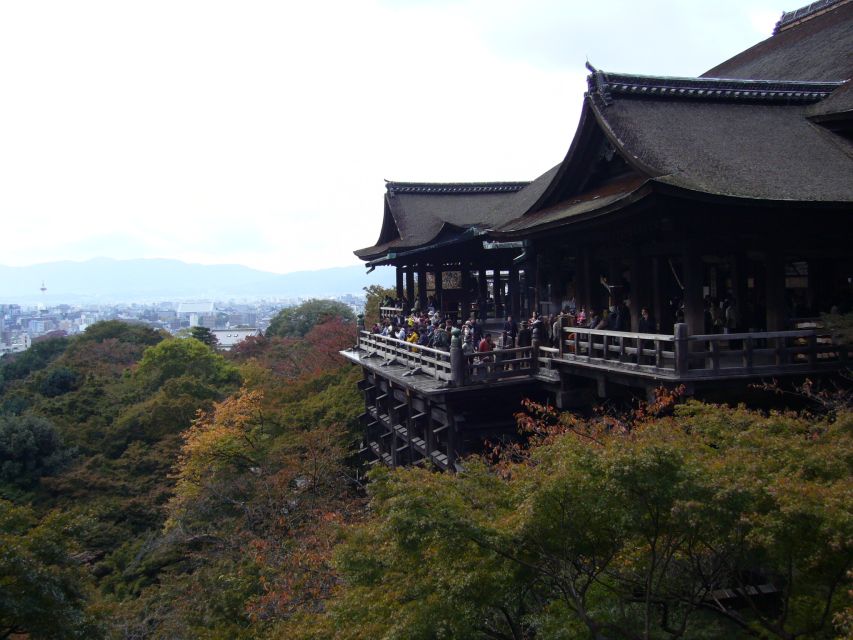
Kiyomizudera is one of Kyoto’s major temple sights, set above the city with broad views from its wooden terrace. The approach and surrounding temple grounds make this a substantial visit rather than a quick photo stop.
The temple’s hillside position means you should expect slopes and walking. The reward is a memorable combination of old architecture, city views and nearby historic streets. Your guide can help you understand the ceremonies and buildings instead of leaving you to follow the crowds without context.
Ninenzaka or Sannenzaka
The Ninenzaka and Sannenzaka slopes bring the southeast route into Kyoto’s old street setting. These stone-paved lanes are lined with traditional-looking buildings, shops and places to pause.
They are attractive but can be crowded, and the sloping streets are not ideal for anyone who struggles with uneven surfaces. Take care on the steps and allow time for a slower walk. This is also a good place to ask your guide about local etiquette before continuing toward Gion.
What the guides add to the day
The strongest part of this experience is the human element. The guides are repeatedly described as friendly, entertaining, considerate and easy to talk with. Mie was praised for placing the sights in their cultural setting, while Mei was described as making the day fun, informative and memorable.
Choco also received especially warm praise for guiding two couples, explaining Kyoto and helping with local transport. Her willingness to suggest a ramen lunch shows the practical value of a private guide, even though lunch itself is not included.
The benefit is not just facts. A private guide can explain when to bow, how to approach a shrine, why a garden looks the way it does and how Kyoto’s religious traditions fit together. You also have someone to help when the transport system or a Japanese menu feels confusing.
English is the listed tour language. The individual guides are described as speaking English very well, but the exact guide is not guaranteed in advance. If having a particular guide matters to you, ask before booking rather than assuming you will receive Mie, Choco or Mei.
Price, inclusions and practical value
At $215 per person, this is not a budget sightseeing day. The price makes more sense if you value a private guide, entrance fees, local transportation and efficient routing across a large city.
You receive temple entrance fees, transportation during the tour and a one-day bus pass that you can use after the tour. That last item adds real value if you plan to keep sightseeing. You do not receive food, drinks or hotel pickup and drop-off, so include those costs when setting your daily budget.
For a couple or small private group, the price can be reasonable because you are paying for personal attention rather than simply admission to famous sites. It is less attractive if you are happy to use a guidebook, manage buses and trains yourself, and spend only a short time at each location.
The tour has a 4.9 rating from 42 reviews, with praise focused mainly on the guides rather than just the sights. That distinction matters. Kyoto’s temples are worth seeing with or without a tour, but the guide is what turns a list of stops into a connected day.
Who should choose this Kyoto tour?
I would recommend it to first-time Kyoto visitors who want to see major sights without spending hours designing routes between them. It also suits couples, families and small groups who prefer to ask questions freely and set a comfortable walking pace.
Choose the northwest route if your ideal day includes gardens, the Bamboo Grove, the Golden Pavilion and a castle or market. Choose southeast if Fushimi Inari, Kiyomizudera, old streets and sake sound more appealing.
I would be more cautious about recommending it to repeat visitors who already know Kyoto well, or to anyone who wants a slow day with long meals and unhurried temple visits. The itinerary covers a lot of ground, and each stop receives only part of the seven-hour window.
Book early enough to protect your plans, but note the stated cancellation terms carefully. The booking information says you can cancel up to 24 hours in advance for a full refund, while the detailed conditions also state that cancellations two days before incur 50 percent and cancellations one day before or on the same day receive no refund. Confirm the applicable terms at checkout.
Should you book it?
Book this tour if you want efficient sightseeing with personal cultural guidance, especially on a first Kyoto visit. The best reason to choose it is not simply the number of temples. It is the chance to see famous places while a friendly local guide explains what makes each one meaningful.
Pick one route based on your interests, wear comfortable shoes and leave room in your budget for lunch and drinks. If you want both routes, reserve both tours, since one seven-hour day is designed around only one side of the city.
FAQ
How long is the Kyoto Highlights private tour?
The tour lasts seven hours, starting at 9:00 a.m. and ending around 4:00 p.m.
Where does the tour start?
The usual starting point is Hotel Granvia Kyoto in the JR Kyoto Station building. The exact meeting point may vary depending on the option booked.
Which routes can I choose?
You can choose a northwest-bound route or a southeast-bound route. The northwest route includes the Bamboo Grove, Ryoanji, Kinkakuji and either Nijo Castle or Nishiki Market. The southeast route includes a sake brewery, Fushimi Inari, Sanjusangendo, Kiyomizudera and either Ninenzaka or Sannenzaka.
Is the guide private and licensed?
Yes. The tour includes a private licensed guide, and English is the listed language.
Are admission fees and transportation included?
Temple entrance fees and transportation are included. You also receive a one-day bus pass for use after the tour. Food and drinks are not included.
Does the tour include hotel pickup and drop-off?
No. The tour includes pickup at a centrally located meeting point, but hotel pickup and drop-off are not included.
Just added around Kyoto
- Kyoto: Gion Night Walking Tour with Geisha Insight★ 5.0 · 39 reviews
- Kyoto: Private Customizable Day Trip by Car★ 5.0 · 38 reviews
- Kyoto: Full Day Bike Tour★ 4.9 · 39 reviews
- Private Japanese Calligraphy in Kyoto – Learn Shodō with a Master★ 5.0 · 39 reviews
- Experience a tea ceremony in an authentic tearoom, in Kyoto!★ 4.5 · 41 reviews
- Kyoto: Gion Evening Walk with Hidden Gems, Geisha & Sake★ 5.0 · 41 reviews
- Kyoto Private Photo Shoot & Tour by SnapKyoto★ 5.0 · 41 reviews
- The Way of Tea: Kyoto Crafts, Hidden Temples & Wabi-Sabi Walk★ 5.0 · 41 reviews
Guided, compared.
Tokyo 6hr Private Tour with Government-Licensed Guide
Read our review →
Shinjuku Local Bar and Izakaya Guided Walking Tour
Read our review →
Private City Highlights Tour with Local Guide
Read our review →
Kyoto Early Morning Tour with English-Speaking Guide
Read our review →
Tokyo 4hr Private Tour with Government-Licensed Guide
Read our review →
Kyoto 6hr Private Tour with Government-Licensed Guide
Read our review →