
Reviewed · TEA CEREMONY EXPERIENCES
Kyoto: Mindful Tea Ceremony in 100-Year-Old Teahouse
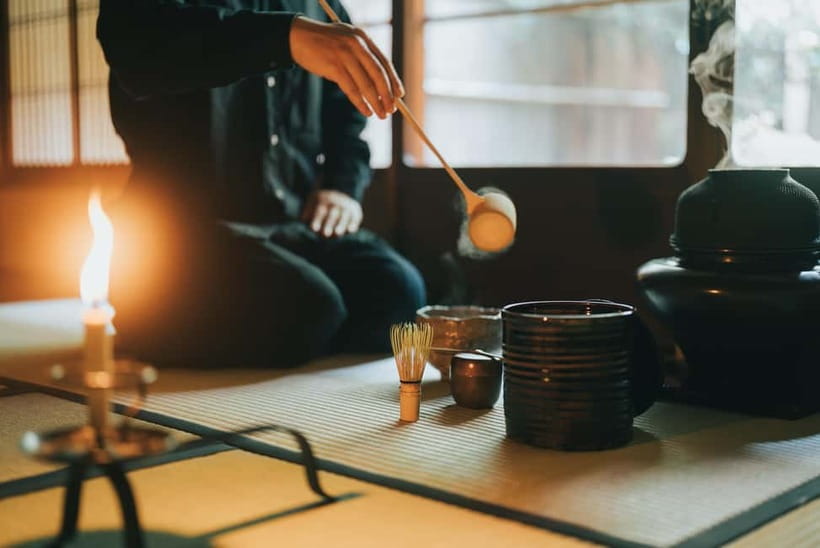
Leave the busy streets behind for a while. Oboro’s candlelit matcha ceremony offers a calm, carefully paced introduction to Japanese tea culture inside a traditional 100-year-old teahouse. I especially like the small group size, limited to eight people, and the relaxed English guidance from hosts such as Taku, Naoki, and Taiku.
The setting does much of the work. Soft light, a garden view, quiet water, seasonal sweets, and the scent of matcha make this feel more like a pause for the senses than a quick cultural demonstration. The main consideration is timing: the ceremony lasts only 45 minutes, and anyone arriving more than 10 minutes late cannot enter.
In This Review
- What makes this Kyoto tea ceremony special
- Entering Oboro’s 100-year-old teahouse
- The welcome tea and seasonal sweet
- Candlelight, silence, and the main tearoom
- Watching the matcha preparation
- Drinking matcha without worrying about perfect etiquette
- Why the small group size matters
- What you get for $45
- The final candle and the return to Kyoto
- Who should book this experience?
- Should you book Oboro’s mindful tea ceremony?
- FAQ
- How long does the Kyoto mindful tea ceremony last?
- How much does the tea ceremony cost?
- Is the ceremony conducted in English?
- How many people can join the ceremony?
- What should I wear to the tea ceremony?
- Can I take photographs?
- How early should I arrive?
- Is the ceremony suitable for children and wheelchair users?
What makes this Kyoto tea ceremony special
- A 100-year-old teahouse: Traditional rooms and a garden view give the ceremony a sense of place that a modern studio could not provide.
- Candlelight instead of harsh lighting: The dim room helps you notice small sounds, scents, movements, and flavors.
- A gentle introduction to tea etiquette: You can observe and ask questions without facing a long list of strict rules.
- Small groups of up to eight: The format allows the English-speaking host to explain the meaning behind each action.
- More than one tea: A welcome tea, seasonal sweet, and matcha give the short session a pleasing rhythm.
- A handmade candle to take home: The small parting gift extends the experience beyond the teahouse.
Entering Oboro’s 100-year-old teahouse

You begin by finding Oboro: Mindful Tea Ceremony on Google Maps. The meeting point is not described in detail here, so I would save the map location before setting out and allow enough time to arrive 10 minutes early.
Shoes must come off, so wear socks and comfortable clothes. This is not the place for bare feet or complicated footwear. You can store belongings if needed, then settle in while the host explains how the session will unfold.
The building is one of the strongest parts of the experience. A traditional Japanese house has a different feel from a purpose-built attraction. Its simple interior, old materials, and quiet rooms help you shift gears before the tea even appears.
One of the more memorable details is the garden seen through the tearoom window. You are not being asked to look at a grand temple or spectacular view. Instead, the garden offers a modest focal point, the kind of ordinary beauty that suits the ceremony’s message.
The hosts set a respectful tone without making the arrival stiff. You can listen quietly, ask questions, or simply take in the room. That flexibility matters if you have never attended a Japanese tea ceremony before.
More Tea Ceremonies in Kyoto
- Kyoto: Tea Ceremony in a Traditional Tea House in Kiyomizu
★ 4.9 · 3,519 reviews - Kyoto: Tea Ceremony Ju-An at Jotokuji Temple
★ 4.9 · 3,207 reviews - Kyoto: 45-Minute Tea Ceremony Lesson Experience
★ 4.3 · 2,378 reviews
The welcome tea and seasonal sweet
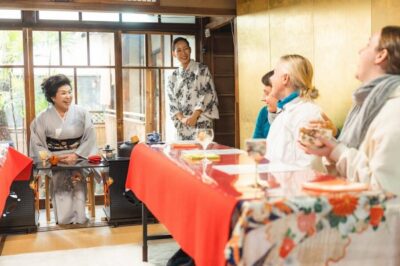
The opening tea gives you a gentle introduction before the formal preparation begins. You receive a welcome drink with a seasonal sweet, allowing you to focus on flavor and texture before thinking about etiquette.
The welcome tea may be served cold, especially in summer. One especially interesting description called it a smooth, chilled green tea, paired with an unusual snack. During warmer months, the ceremony itself also uses chilled water and ice, so do not expect every season to follow the same warm-tea pattern.
The sweet is not just a snack on the side. In a tea ceremony, sweetness helps prepare your palate for matcha’s earthy, slightly bitter character. You may find that the tea tastes more balanced after the sweet, even if you normally do not enjoy matcha.
That point is useful for hesitant drinkers. One parent who attended with a daughter did not usually like matcha but found the traditional blend and preparation soothing and delicious. I would not promise that every first-time matcha drinker will change their mind, but the careful pairing gives the tea a fair chance.
Candlelight, silence, and the main tearoom
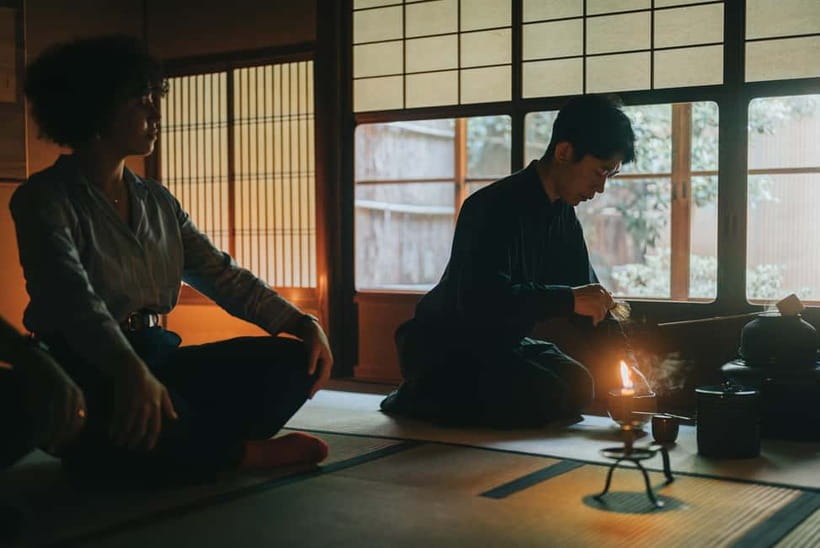
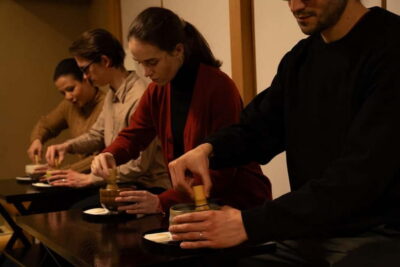
After the welcome portion, you move into the main tearoom. The design is intentionally spare. With fewer visual distractions, small details become easier to notice: water heating, the scent of fresh matcha, the movement of a utensil, or the soft sound of a bowl being placed on the mat.
The candlelight is not a flashy visual effect. Its value is practical. It removes the glare of overhead lighting and gives the room a slower, softer mood. After a day spent among Kyoto’s busy streets and major sights, that change can feel substantial.
Silence is part of the experience, so you should be comfortable with a quiet environment. You are welcome to observe without speaking, though questions are also encouraged at suitable moments. The balance is handled through gentle instruction rather than rigid performance rules.
A person who wants constant explanation or lively entertainment may find the pace too restrained. That is not a flaw, but it is worth knowing before you book. This ceremony asks you to pay attention instead of filling every minute with information.
Watching the matcha preparation
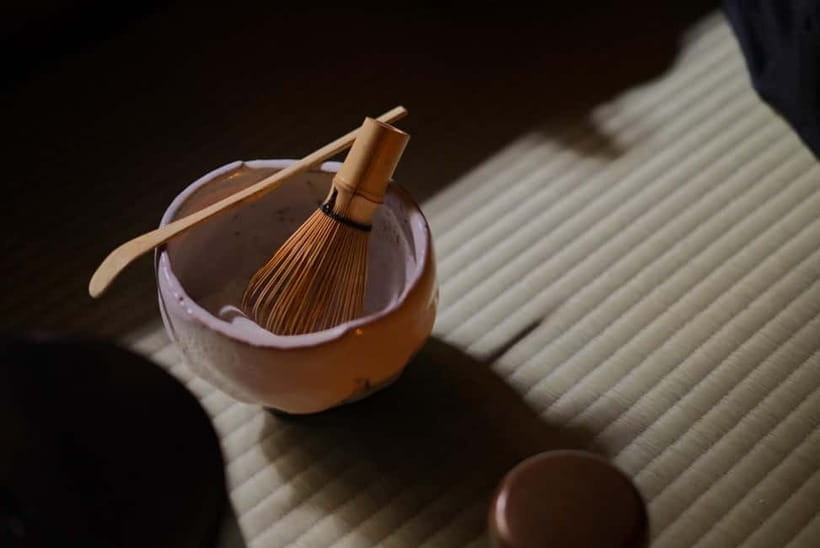
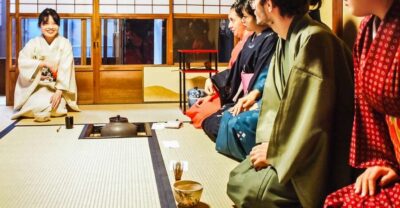
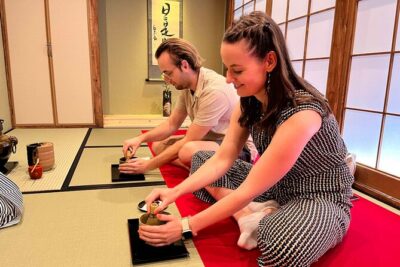
The host prepares each bowl in a measured sequence. Utensils are purified, matcha is placed in the bowl, water is added, and the tea is whisked until it is ready to serve. Each action has a purpose, and the host explains the ceremony’s background, etiquette, and meaning in English.
This explanation is one of the best reasons to choose a guided session rather than simply ordering matcha at a café. You learn why the movements matter and how the ceremony connects tea, hospitality, attention, and respect.
The hosts receive especially strong praise for clear instruction. Taku is described as passionate about tea and its traditions, while Naoki is remembered for creating a calm, thoughtful atmosphere. Taiku and Noki are also mentioned warmly for their welcoming approach. Since the host may vary, the exact personality of the session can differ, but English instruction is included.
One account described a 21-year-old tea master leading the ceremony with strong feeling and confidence. His age added an interesting touch: Japanese tea culture was not presented as something frozen in the past. It was being carried forward by a young person who cared deeply about it.
The ceremony may unfold across three rooms, each linked to a different stage of the visit. That arrangement gives the short session a sense of movement and progression, rather than making it feel like you simply sit in one place while someone prepares a drink.
A completely different kind of day out in Kyoto:
- PERFECT KYOTO 1-Day Bus Tour
★ 5.0 · 13,518 reviews - Kyoto: Fushimi Inari, Kinkakuji, Bamboo Grove 1 Day Bus Tour
★ 4.8 · 4,316 reviews - Kyoto Geisha Walking Tour: Gion District & Hidden Gems
★ 4.7 · 3,273 reviews - Kyoto: Gion Magical Night Walking Tour with Geisha Trivia
★ 4.9 · 2,393 reviews
Drinking matcha without worrying about perfect etiquette
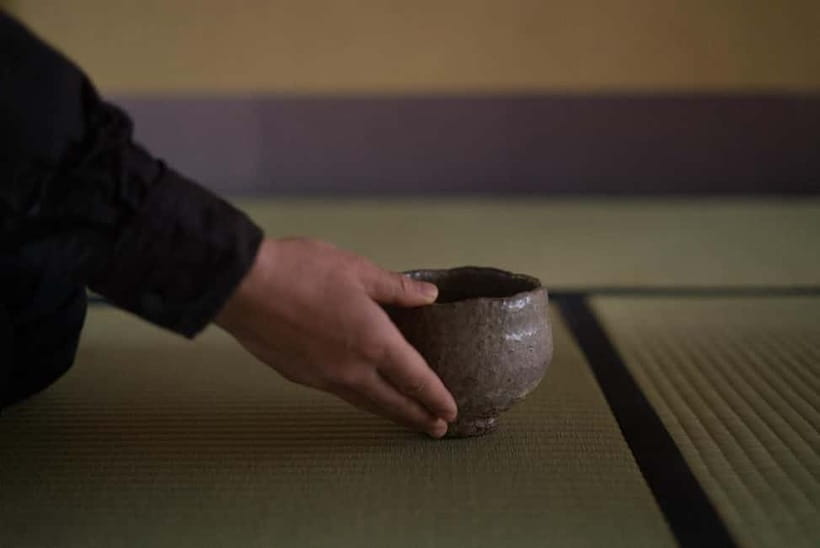
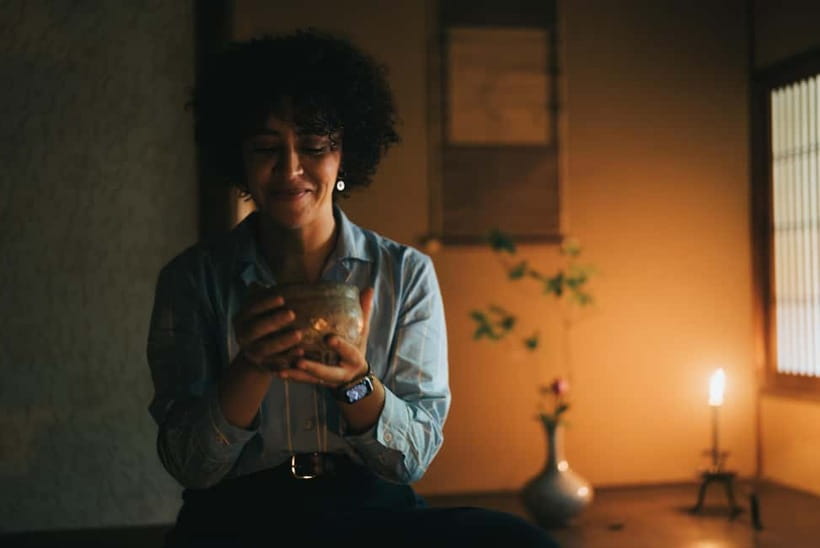
When your bowl is ready, you lift it carefully, take in its appearance and aroma, and sip slowly. The host guides you through what to do, but you are not expected to arrive with expert knowledge of Japanese etiquette.
That relaxed approach is important. Traditional tea ceremonies can seem intimidating when presented as a list of rules. Here, the ceremonial roots remain visible, but the explanations help newcomers follow along without feeling tested.
You may notice the tea’s warmth, bitterness, smoothness, and lingering taste. You may also notice how the sweet changes your impression of the matcha. The point is not to judge the drink like a competition entry. It is to give the act of drinking your full attention.
I like that the experience leaves room for quiet reflection. You can ask about matcha quality, preparation, or the meaning of specific gestures. You can also say very little. Both are valid ways to take part.
Photography is allowed without flash, but the quiet setting should come first. Flash photography and smoking are not allowed. If you want photographs, take them discreetly and follow the host’s direction so the camera does not interrupt the ceremony.
Why the small group size matters
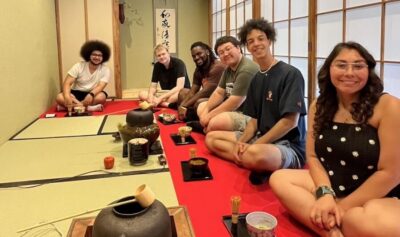
With a maximum of eight participants, Oboro avoids the impersonal feel of a large cultural demonstration. You have a better chance to hear the English explanations and ask a question without turning the session into a private lesson.
The small group also supports the quiet mood. A large crowd would make it harder to hear the simmering water, notice the host’s movements, or maintain the silence that gives the ceremony its character.
This format is a good fit for couples, solo visitors, friends, and parent-child pairs with children old enough to respect the setting. Children under six are not permitted. People with back problems should also take note, since the traditional seating and floor-based setting may not be comfortable. Wheelchair users cannot take part.
The seating is described as comfortable, but this is still a traditional tea setting rather than a fully accessible modern venue. If you have any physical concern, check the arrangements before booking.
What you get for $45
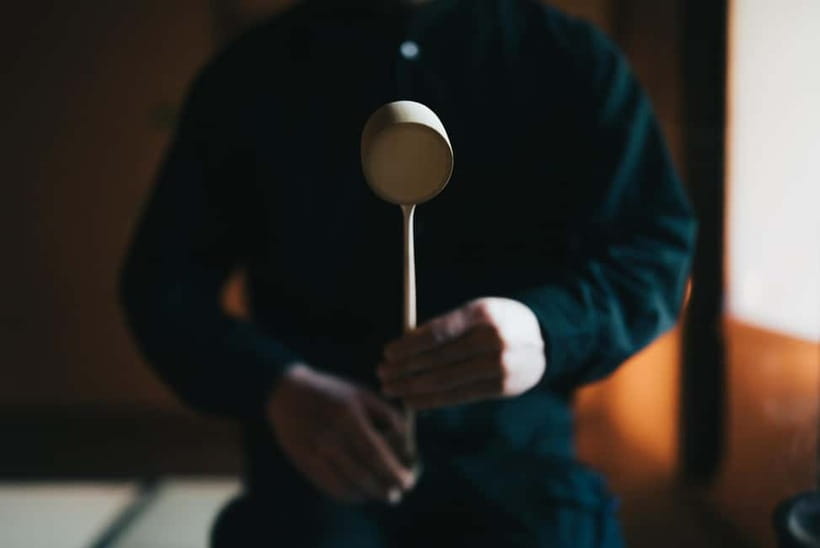
The price is $45 per person for 45 minutes. That is not the cheapest way to taste matcha in Kyoto, but you are paying for more than the tea itself.
The cost includes an English-speaking instructor, all ceremony equipment, seasonal sweets, and the candlelight setting. You also receive a small handmade candle at the end, which is a thoughtful touch rather than a generic souvenir.
The strongest value comes from the setting and instruction. A café can give you matcha quickly and cheaply. Oboro gives you a traditional house, a carefully arranged ceremony, historical context, a small group, and time to slow down.
Still, the short duration limits how much you can cover. If you want to study tea preparation in depth or practice every movement yourself, 45 minutes will feel brief. This is best viewed as a focused cultural experience, not a full-day workshop.
The reserve-now-and-pay-later option can help if your Kyoto schedule is still changing. Free cancellation is available up to 24 hours before the start time for a full refund. Check the available start times when booking, since the ceremony runs at scheduled times rather than as an open drop-in activity.
The final candle and the return to Kyoto
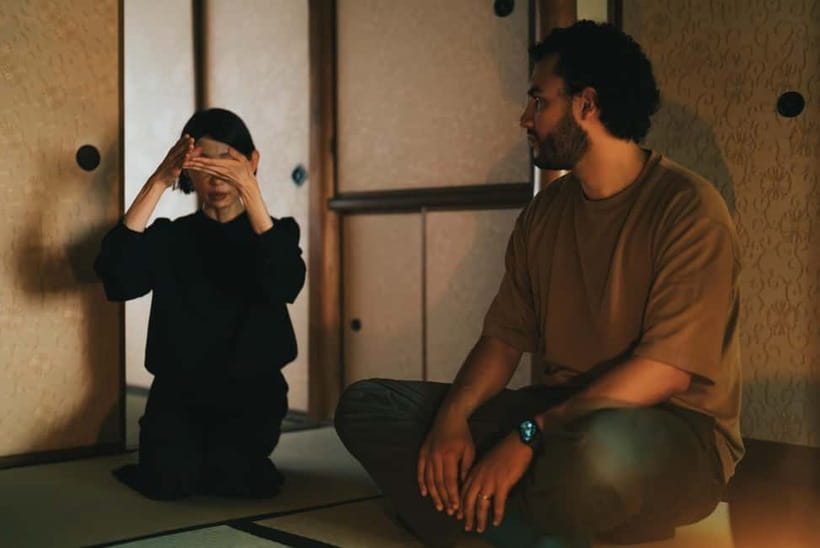
At the end, you receive a small handmade candle to take home. It is a simple gift, but it fits the experience better than a mass-produced souvenir would. Lighting it later can remind you of the room, the garden view, and the deliberate pace of the ceremony.
The closing moment also gives the session a clean ending. You have moved from arrival, to welcome tea, to formal preparation, to reflection. The handmade candle carries that final mood into the rest of your trip.
I would schedule this activity after a busy morning or before dinner, when you can appreciate the change of pace. It may be less satisfying if you are rushing to another appointment immediately afterward. One participant had to leave before the session ended because of a time constraint and found the hosts understanding, but leaving early means missing part of the experience.
Who should book this experience?
You should consider Oboro if you want a quiet, culturally focused Kyoto activity rather than a large sightseeing event. It suits first-time visitors who want to understand tea ceremony basics without being buried in formal rules.
It is also a good choice if you usually avoid matcha. The welcome tea, seasonal sweet, careful preparation, and clear explanations create a better introduction than a quick café order.
You may enjoy it most after time spent around Kyoto’s noisier attractions. The ceremony creates a distinct contrast: candlelight instead of bright signs, silence instead of street noise, and a slow bowl of tea instead of a rushed drink.
I would think twice if you need wheelchair access, have back problems, dislike quiet settings, or want a hands-on class with extensive practice. The ceremony is mainly about observing, tasting, understanding, and being present.
Should you book Oboro’s mindful tea ceremony?
For most visitors seeking an authentic and peaceful Kyoto experience, I would book it. The 100-year-old house, garden view, small group, English guidance, and candlelit rooms give the $45 price a fair value.
Book it especially if you want a meaningful break from temples, shops, and crowded streets. Arrive early, wear socks, silence your phone, and give the 45 minutes your full attention. That is when Oboro’s simple idea works best: a bowl of matcha can become a reason to pause.
FAQ
How long does the Kyoto mindful tea ceremony last?
The experience lasts 45 minutes.
How much does the tea ceremony cost?
The price is $45 per person.
Is the ceremony conducted in English?
Yes. English instruction is included, and the instructor language is English.
How many people can join the ceremony?
The activity is limited to eight participants.
What should I wear to the tea ceremony?
Wear comfortable clothes and socks. Shoes must be removed before entering the session.
Can I take photographs?
Photography is allowed without flash. Flash photography is not permitted.
How early should I arrive?
You should arrive 10 minutes before the scheduled start time. Participants arriving more than 10 minutes late will not be allowed to enter.
Is the ceremony suitable for children and wheelchair users?
Children under six are not permitted. The experience is not suitable for wheelchair users or people with back problems.
Just added around Kyoto
- Kyoto: Gion Night Walking Tour with Geisha Insight★ 5.0 · 39 reviews
- Kyoto: Private Customizable Day Trip by Car★ 5.0 · 38 reviews
- Kyoto: Full Day Bike Tour★ 4.9 · 39 reviews
- Private Japanese Calligraphy in Kyoto – Learn Shodō with a Master★ 5.0 · 39 reviews
- Experience a tea ceremony in an authentic tearoom, in Kyoto!★ 4.5 · 41 reviews
- Kyoto: Gion Evening Walk with Hidden Gems, Geisha & Sake★ 5.0 · 41 reviews
- Kyoto Private Photo Shoot & Tour by SnapKyoto★ 5.0 · 41 reviews
- The Way of Tea: Kyoto Crafts, Hidden Temples & Wabi-Sabi Walk★ 5.0 · 41 reviews
Tea Ceremony Experiences, compared.
Tea Ceremony in a Traditional Tea House in Kiyomizu
Read our review →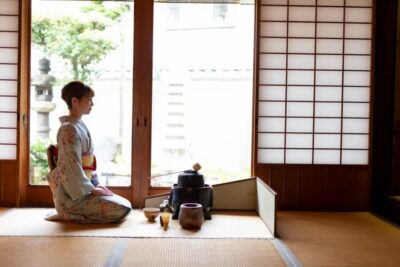
Browse the lists this tour appears in