
Reviewed · TEA CEREMONY EXPERIENCES
Kyoto Private Tea Ceremony with Tea Master at Home
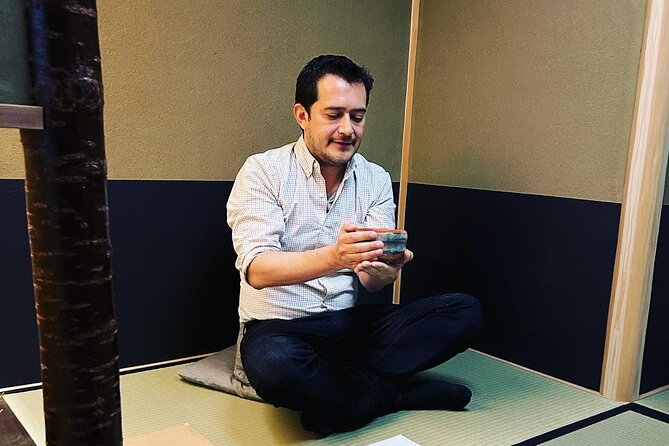
Quiet Kyoto has its rewards. This private tea ceremony brings you into a local home near Nijo Castle, where Aya-sensei explains the ritual, prepares matcha, and lets you make tea yourself. It feels personal because only your group takes part, not a room full of passing tour groups.
I especially like the home setting and the care given to each detail, from Uji matcha and handmade tea bowls to three seasonal sweets from a long-established Kyoto confectioner. I also like that you receive two bowls of matcha and a small booklet, so the lesson continues after you leave.
The main consideration is the short one-hour format. It offers a graceful introduction rather than a full study of tea ceremony, and strict rules apply: children 13 and under cannot attend, late arrivals of more than 15 minutes are refused, and you must wear socks and suitable clothing.
In This Review
- Key points to know before booking
- Entering a real tea room near Nijo Castle
- Aya-sensei’s introduction to the spirit of tea
- Watching matcha become a carefully made drink
- Your turn to whisk the matcha
- Three wagashi, three seasonal details
- Two bowls of matcha and a useful souvenir
- Why the private format is worth the price
- Dress rules are part of the experience
- Who should book this Kyoto tea ceremony
- Timing, punctuality, and cancellation
- Should you book Aya’s private tea ceremony?
- FAQ
- Where does the tea ceremony take place?
- How long does the experience last?
- Is the tea ceremony private?
- What is included in the price?
- Are the Japanese sweets suitable for special diets?
- Can children join the class?
- What should I wear?
- Can I wear perfume?
- What happens if I arrive late?
Key points to know before booking
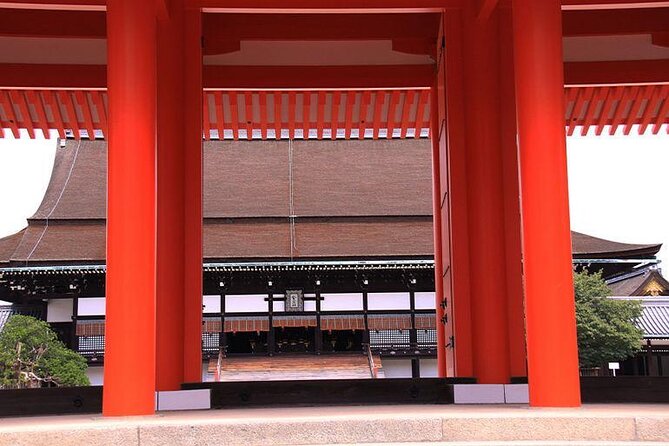
- A private Kyoto home near Nijo Castle: Your group visits Sakura Experience Japanese Culture Nijo Home, a quiet traditional setting close to one of Kyoto’s major sights.
- Aya-sensei leads the session: She is praised for her warm manner, clear English, patience, and serious training in tea ceremony.
- You prepare matcha yourself: The lesson includes a demonstration, guided whisking, and two bowls of tea made with an original blend from Uji.
- Three seasonal wagashi are included: The handcrafted Japanese sweets come from a long-established Kyoto confectioner and are gluten-free and vegan.
- Traditional etiquette matters: Wear socks, long pants or a long skirt, and a sleeved top. Leave perfume, shorts, and mini skirts at the door.
- The price is about $99.08 per person: For a private lesson with a certified tea master, handmade sweets, two bowls of matcha, and a take-home booklet, the cost is reasonable for a special-occasion activity.
Entering a real tea room near Nijo Castle
The meeting point is Sakura Experience Japanese Culture Nijo Home at 660 Izumicho in Nakagyo Ward. It is near public transportation and close to Nijo Castle. One past participant placed it about a six-minute walk from Hotel Mitsui, though you should rely on your booking directions for the final approach.
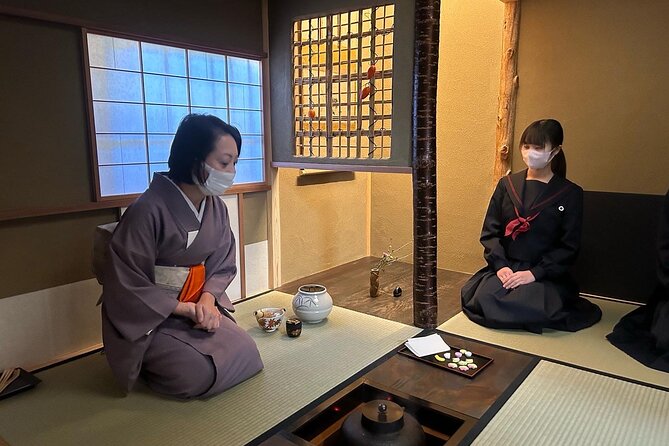
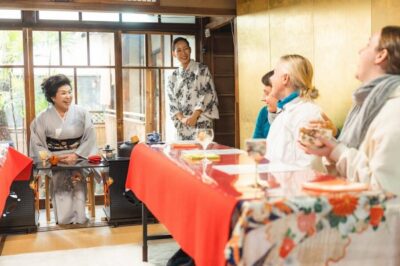
The setting is part of the appeal. This is not a large cultural show staged for dozens of people. You enter a private home and sit in traditional tea rooms called Koma and Hiroma. The provider describes the house as a place where tea ceremony, ikebana, and calligraphy are practiced as living arts.
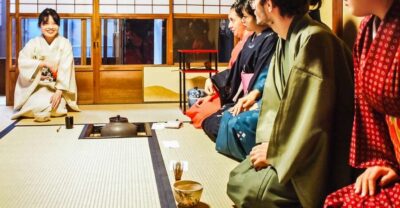
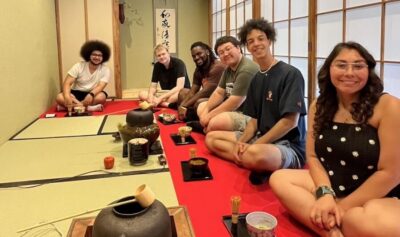
That difference matters. In a crowded demonstration, you may spend much of your time watching from the back. Here, you can ask questions, hear the explanation clearly, and take part without feeling rushed by a line of strangers. The private format also lets Aya adjust her explanations to your group.
Do not expect a grand public teahouse with elaborate tourist staging. The charm is quieter. You are being welcomed into a working cultural space, with the formality and restraint that Japanese tea ceremony requires.
More Tea Ceremonies in Kyoto
- Kyoto: Tea Ceremony in a Traditional Tea House in Kiyomizu
★ 4.9 · 3,519 reviews - Kyoto: Tea Ceremony Ju-An at Jotokuji Temple
★ 4.9 · 3,207 reviews - Kyoto: 45-Minute Tea Ceremony Lesson Experience
★ 4.3 · 2,378 reviews
Aya-sensei’s introduction to the spirit of tea
The class begins with an explanation of the ceremony’s background, purpose, and etiquette. Aya explains why movements are deliberate and why objects are placed and handled with care. The ceremony is not simply a way to make powdered tea. It is an organized act of hospitality, attention, and respect.
Her English is described as excellent, and her manner comes across as patient and approachable. That combination is important. Tea ceremony has many details, but a good instructor keeps those details from becoming a test you are afraid to fail.
You will learn how to behave in the tea room and how to observe the ceremony properly. This may include the respectful handling of the bowl, the correct way to receive tea, and the meaning behind gestures that can look mysterious if nobody explains them.
Aya’s teaching style is one of the strongest reasons to choose this experience. She has been praised for making the session both informative and comfortable, with enough warmth that you can ask questions. Several people describe the ceremony as a highlight of their Kyoto visit, not because it is loud or flashy, but because the host gives the ritual genuine care.
Watching matcha become a carefully made drink
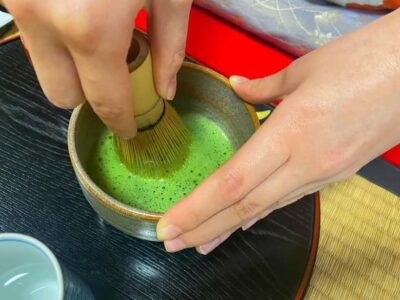
The demonstration is the visual center of the hour. Aya prepares matcha using the traditional bamboo whisk, working with measured movements rather than treating the process as a quick beverage lesson.
The matcha comes from an original blend sourced from Uji, the tea-producing area near Kyoto. Uji tea is an especially fitting choice here, since Kyoto’s tea culture is closely linked with the region. You receive two bowls of matcha during the experience, which gives you a chance to taste the drink more than once rather than treating it as a single ceremonial sample.
The tea bowls also add interest. The provider uses custom-made bowls commissioned from Kiyomizu and Raku potters. These are not disposable props. Their shape, glaze, weight, and appearance form part of the experience, and Aya has many beautiful bowls to show.
You may find yourself paying as much attention to the bowl as to the tea. That is the point. The ceremony asks you to notice small things: the object in your hands, the season, the sweets, the movements of the person serving you, and the quiet space around you.
Your turn to whisk the matcha
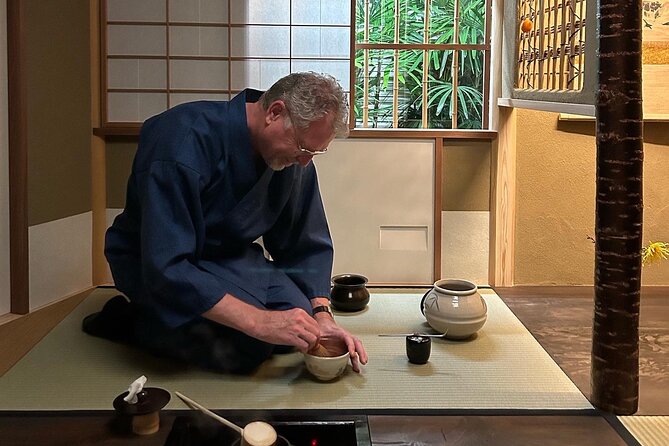
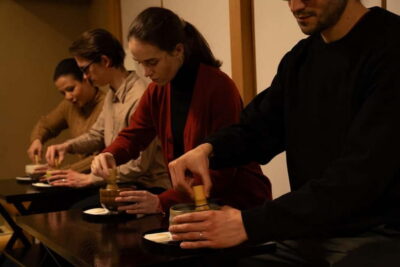
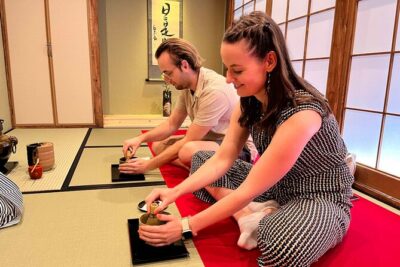
After watching Aya, you prepare matcha yourself. This hands-on portion makes the class more useful than a demonstration alone. You handle the bamboo whisk, follow the instructions, and see how much technique is involved in producing the right texture.
Do not worry about making a perfect bowl on your first try. The value is in learning the process and understanding the care behind the ritual. Aya guides you through the steps and makes the activity accessible even if you have never touched a tea whisk before.
Past participants repeatedly praise this balance of watching and doing. Some had no previous appreciation for the nuance of tea ceremony and left with a clearer sense of its cultural importance. Another person said the lesson inspired them to create their own matcha routine at home.
That is a good sign for anyone who wants more than a photo opportunity. You leave with a basic skill, a better understanding of etiquette, and a memory tied to something you actively did.
A completely different kind of day out in Kyoto:
- PERFECT KYOTO 1-Day Bus Tour
★ 5.0 · 13,518 reviews - Kyoto: Fushimi Inari, Kinkakuji, Bamboo Grove 1 Day Bus Tour
★ 4.8 · 4,316 reviews - Kyoto Geisha Walking Tour: Gion District & Hidden Gems
★ 4.7 · 3,273 reviews - Kyoto: Gion Magical Night Walking Tour with Geisha Trivia
★ 4.9 · 2,393 reviews
Three wagashi, three seasonal details
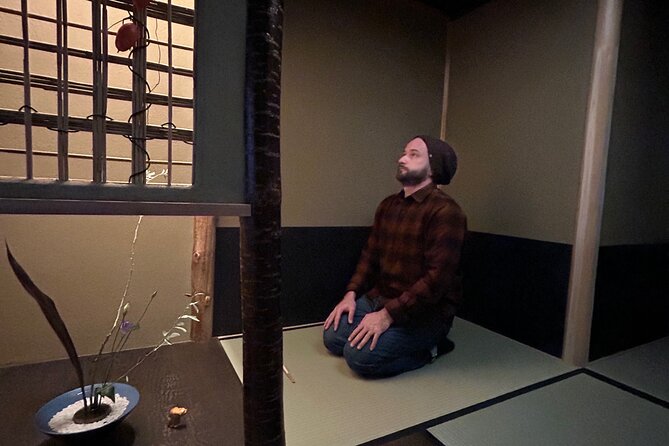
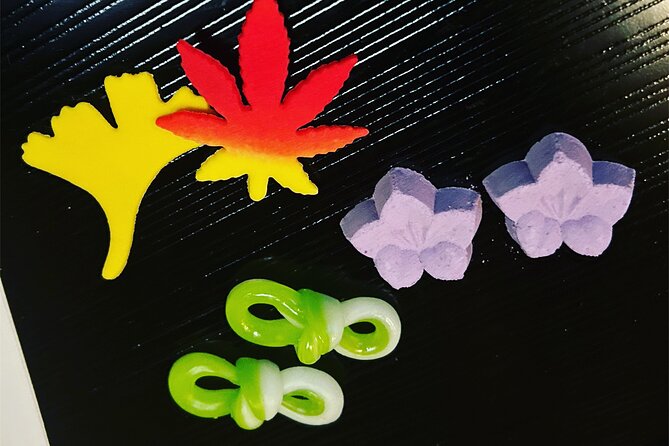
Tea is served with three different types of seasonal wagashi, or Japanese sweets. They come from a long-established Kyoto confectioner, and the sweets are gluten-free and vegan. That makes the menu useful for many people with dietary restrictions, although you should still raise any concerns when booking if you need specific confirmation.
The sweets are not just dessert. In a tea ceremony, wagashi balance the bitterness of matcha and add color, texture, and seasonal meaning. The sweets also give you another way to notice Japanese taste and design. Their small size does not mean they are an afterthought.
The seasonal element is especially appealing. What appears in the tea room can vary with the time of year, so the experience has a connection to the calendar rather than offering the same generic snack in every season.
If you have a very large appetite, keep expectations sensible. This is a tea ceremony with sweets, not a meal. Plan lunch or dinner separately.
Two bowls of matcha and a useful souvenir
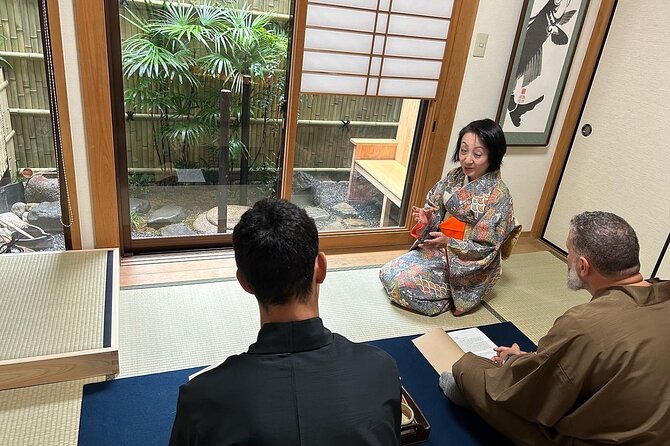
The inclusion of two bowls of matcha improves the value. You can observe Aya’s preparation and then drink the tea you prepare yourself, with another bowl also included as part of the session. For a one-hour activity, that gives the class enough substance without turning it into a long formal course.
You also take home an original tea ceremony booklet. It is described as a concise guide to the spirit and etiquette of tea. This is a modest souvenir, but a practical one. After several days of temples, gardens, and crowded streets, a short guide can help you remember what you learned and repeat some of the ideas at home.
Some people also bought tea cups after the class. That is not listed as part of the package, so treat it as an optional personal purchase, not an included feature.
Aya’s husband has taken photos during some sessions and sent them to participants before they left. This has allowed people to stay focused on the ceremony rather than stopping constantly for pictures. Since photography is not listed as an included service, ask ahead if photographs matter to you.
Why the private format is worth the price
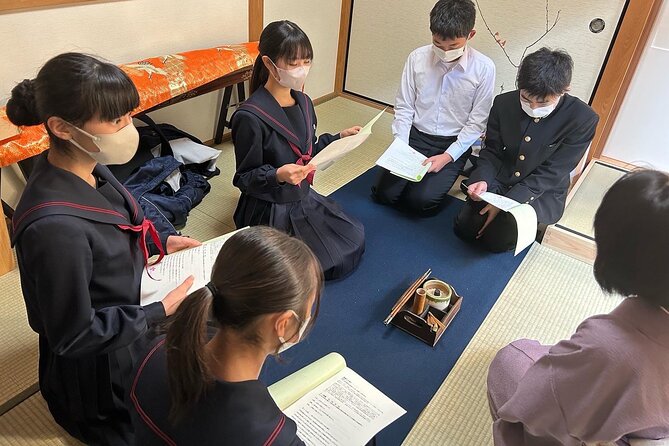
The listed price is $99.08 per person, and the experience offers group discounts. That is not a bargain-basement tea tasting, but it is fair for a private session with a certified instructor in her home.
You are paying for more than a cup of matcha. The price includes the tea master’s time, a private room, a demonstration, hands-on preparation, two bowls of Uji matcha, three seasonal sweets, and the booklet. You also avoid the impersonal feel that can come with a large class.
Value depends on what you want. If you only want to try matcha and take a quick picture, this is probably more than you need. Kyoto has cheaper ways to drink green tea. If you want to understand why the ceremony is so exact, handle the tools, and ask questions in a calm setting, the price makes more sense.
The activity is booked an average of 48 days ahead, so popular dates may disappear well before your trip. It is worth arranging early if your Kyoto schedule is fixed.
Dress rules are part of the experience
The practical rules are strict but understandable. Wear socks because bare feet are not permitted on the tatami mats. Socks can be purchased on site if you forget, but bringing your own is simpler.
Choose long pants or a long skirt and a top with sleeves. Sleeveless tops, shorts, and mini skirts are not permitted. Avoid perfume, including musk-based scents, because fragrance can disturb the tea room atmosphere. You may be asked to remove it before entering.
These rules are not decorative fussiness. Tatami requires care, and scent can interfere with the tea, sweets, flowers, and wood of the room. Follow the instructions and you will begin the class in the right frame of mind.
Small chairs are available for anyone who needs them. Tell the provider in advance so the room can be prepared.
Who should book this Kyoto tea ceremony
I would choose this for someone who values personal instruction, traditional arts, and a quiet hour away from Kyoto’s busiest sights. It works well for couples, families with older children, and small private groups who want to share one cultural activity together.
Teenagers are welcome, but children aged 13 and under cannot attend. That rule is firm, and arriving with a younger child can mean missing the class without a refund.
The experience also suits first-time visitors who feel unsure about Japanese etiquette. Aya explains the procedure and guides you through it, so you do not need prior experience. It is also a good choice for anyone already interested in matcha, pottery, Japanese sweets, or the details of formal hospitality.
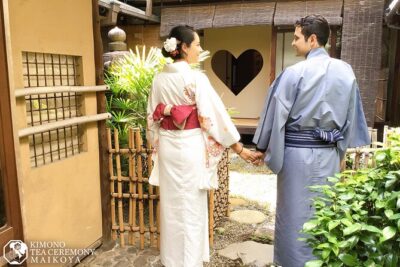
I would not pick it for someone looking for a lively performance, a kimono photo session, or a long workshop. Kimono rental is not included, and the provider no longer focuses on that kind of presentation. The emphasis is on tea culture itself.
Timing, punctuality, and cancellation
The session lasts about one hour and ends back at the meeting point. That makes it easy to combine with Nijo Castle, especially if you want a cultural activity before or after visiting the castle.
Arrive on time. A delay of more than 15 minutes means you cannot participate, with no refund. Kyoto transport can be unpredictable, so allow extra time to find the house rather than arriving at the last second.
Free cancellation is available up to 24 hours before the local start time. Cancellations or changes made inside that window are not refunded or accepted.
Should you book Aya’s private tea ceremony?
Book it if you want a personal, respectful introduction to Kyoto tea culture, especially if the chance to prepare your own matcha matters to you. Aya’s warmth, strong English, careful teaching, traditional rooms, seasonal sweets, and Uji tea make this a well-rounded one-hour experience.
Think twice if you need a child-friendly activity for younger children, expect kimono rental, or want a full meal. For everyone else, the private home setting gives this class real value. It is a small appointment in a large city, and that is exactly why it can become one of the more memorable hours of a Kyoto visit.
FAQ
Where does the tea ceremony take place?
It takes place at Sakura Experience Japanese Culture Nijo Home at 660 Izumicho, Nakagyo Ward, Kyoto, near Nijo Castle and public transportation.
How long does the experience last?
The tea ceremony lasts approximately one hour.
Is the tea ceremony private?
Yes. Only your group participates in the activity.
What is included in the price?
The experience includes three seasonal handcrafted wagashi, an original tea ceremony booklet, a demonstration, hands-on matcha preparation, and two bowls of matcha made with an original Uji blend.
Are the Japanese sweets suitable for special diets?
The three sweets are gluten-free and vegan, accommodating many dietary needs.
Can children join the class?
Children aged 13 and under are not permitted to participate.
What should I wear?
Wear socks, long pants or a long skirt, and a sleeved top. Shorts, mini skirts, and sleeveless tops are not permitted.
Can I wear perfume?
You should not wear perfume, including musk-based scents. Fragrance can disturb the tea room atmosphere, and you may be asked to remove it before entering.
What happens if I arrive late?
You must arrive on time. If you arrive more than 15 minutes after the start, you cannot participate and no refund is provided.
Just added around Kyoto
- Kyoto: Gion Night Walking Tour with Geisha Insight★ 5.0 · 39 reviews
- Kyoto: Private Customizable Day Trip by Car★ 5.0 · 38 reviews
- Kyoto: Full Day Bike Tour★ 4.9 · 39 reviews
- Private Japanese Calligraphy in Kyoto – Learn Shodō with a Master★ 5.0 · 39 reviews
- Kyoto: Gion Evening Walk with Hidden Gems, Geisha & Sake★ 5.0 · 41 reviews
- Experience a tea ceremony in an authentic tearoom, in Kyoto!★ 4.5 · 41 reviews
- Kyoto Private Photo Shoot & Tour by SnapKyoto★ 5.0 · 41 reviews
- The Way of Tea: Kyoto Crafts, Hidden Temples & Wabi-Sabi Walk★ 5.0 · 41 reviews
Tea Ceremony Experiences, compared.
Tea Ceremony in a Traditional Tea House in Kiyomizu
Read our review →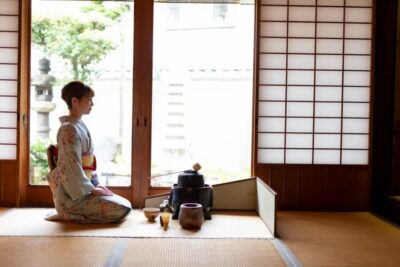
Browse the lists this tour appears in