
Reviewed · TEA CEREMONY EXPERIENCES
Kyoto: Tea Ceremony Experience in a Small Tea Room
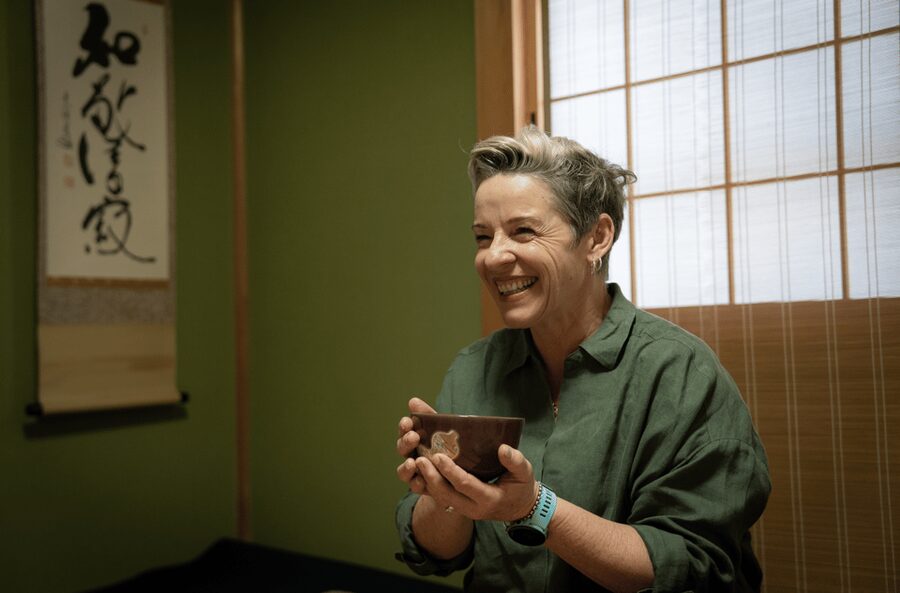
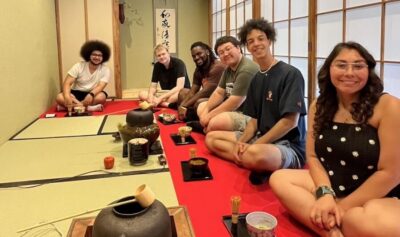
Slow down in Kyoto with a bowl of matcha. This one-hour tea ceremony offers two things I especially like: hands-on matcha preparation and a small setting limited to six people. The teacher brings more than 30 years of experience, yet the session is designed for complete beginners, not just tea experts. The price is also fair at $38 per person, especially for an intimate cultural activity.
I also like the location. You are about a 15-minute walk from the Kamogawa Delta and roughly 15 minutes from Demachiyanagi Station, so this can fit neatly into a day of quiet Kyoto sightseeing. The main consideration is time: one hour gives you a focused introduction, but not a long or highly elaborate study of tea ceremony traditions.
The English instruction is a major help. The teacher explains what you are doing rather than asking you to copy mysterious movements in silence, and the warm, patient approach has earned this experience a 4.9 rating from 70 reviews. Ms. Yamazaki is praised for her kindness and patience, which matters when you are handling matcha for the first time.
In This Review
- Key points at a glance
- Entering a small tea room near the Kamogawa Delta
- What happens during the one-hour ceremony
- Making your own matcha by hand
- Why the teacher makes such a difference
- A quiet cultural break in a busy Kyoto schedule
- Is $38 a fair price?
- Who should book this tea ceremony?
- Practical tips for a smoother visit
- Should you book it?
- FAQ
- How long does the tea ceremony last?
- How much does the experience cost?
- Is the tea ceremony conducted in English?
- How many people can join the group?
- Do I need prior experience with Japanese tea ceremony?
- Can I prepare my own matcha?
- What is included in the experience?
- Where is the meeting point?
Key points at a glance
- Small group of no more than six: You get a calmer room and a better chance to ask questions than on a large group activity.
- A teacher with 30 years of experience: The session connects the practical steps of making tea with the ideas behind the tradition.
- You can prepare your own matcha: Hands-on participation makes the ceremony easier to understand and remember.
- Near the Kamogawa Delta: Add a peaceful riverside walk before or after your tea.
- English instruction for beginners: You do not need prior knowledge of Japanese tea ceremony customs.
- $38 for one hour: A reasonable price for a personal cultural activity, though the short duration limits how much can be covered.
Entering a small tea room near the Kamogawa Delta
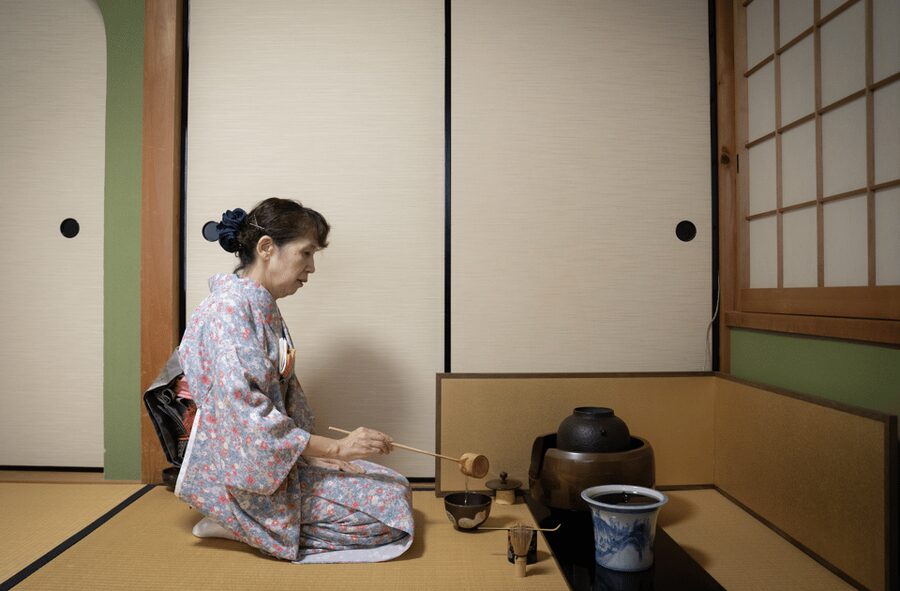
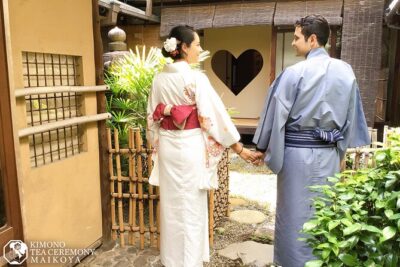
The first practical detail is finding the meeting point. Look for the Japanese house with a sign reading Tisato, then enter there. That detail is worth saving before you arrive, since a small local venue can be less obvious than a hotel lobby or a major sightseeing entrance.
The setting near the Kamogawa Delta gives this activity a useful sense of place. You are not being taken to an isolated attraction far from the rest of your day. Instead, you can pair the ceremony with a walk beside the river, where the delta offers a slower change of pace after Kyoto’s crowded central sights.
Demachiyanagi Station is also about a 15-minute walk away. This makes the tea room a practical stop if you are using the station as your base for visits toward Kibune Shrine or Rurikou Temple. The activity does not include transportation to those places, but its location can help you build a broader northern Kyoto itinerary.
I would allow enough time to find the house without rushing. The ceremony itself lasts only one hour, so arriving flustered or late would take away from the calm that makes this experience appealing.
More Tea Ceremonies in Kyoto
- Kyoto: Tea Ceremony in a Traditional Tea House in Kiyomizu
★ 4.9 · 3,519 reviews - Kyoto: Tea Ceremony Ju-An at Jotokuji Temple
★ 4.9 · 3,207 reviews - Kyoto: 45-Minute Tea Ceremony Lesson Experience
★ 4.3 · 2,378 reviews
What happens during the one-hour ceremony
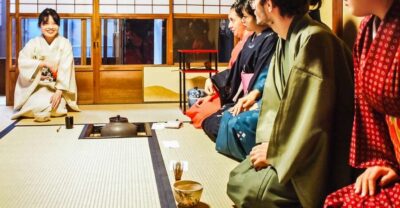
This is an introduction to Japanese tea culture, not a full-day lesson in every school and rule of tea. In one hour, the teacher guides you through the main ideas and the basic preparation of matcha, while making the experience accessible to people who may know little about the custom.
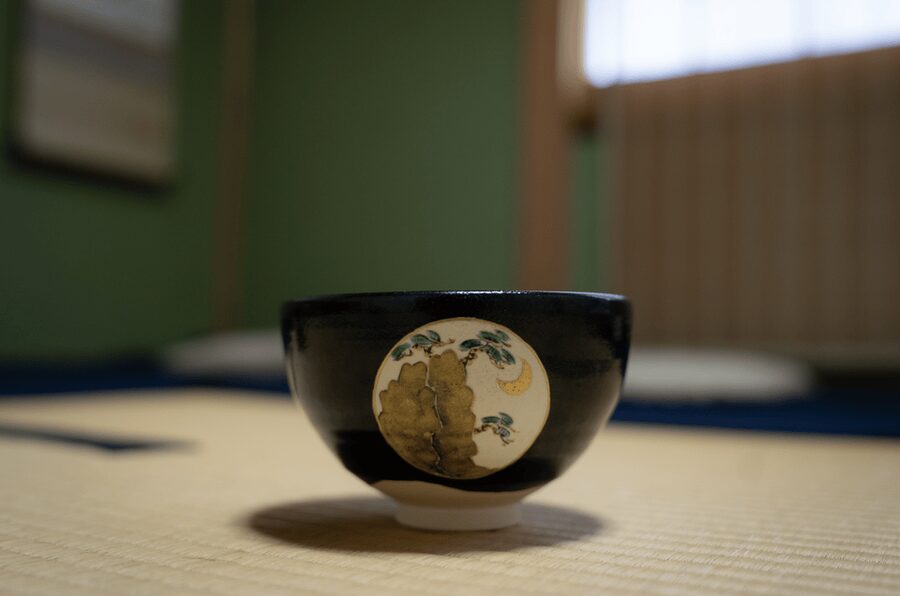
The session includes matcha tea and traditional dried sweets. The sweets are not just a snack added to the booking. They are part of the balance of the experience, giving you something lightly sweet to enjoy alongside the more earthy taste of powdered green tea.
The teacher explains the ceremony in English, which lets you understand the purpose behind the actions. That is important because tea ceremony can seem formal or difficult from the outside. With clear guidance, the movements become less intimidating and the quiet pace starts to make sense.
The activity is deliberately welcoming. You do not need prior experience, special knowledge, or a strong interest in tea to take part. If you have never seen matcha prepared in a traditional setting, you can follow along without feeling out of place.
Making your own matcha by hand
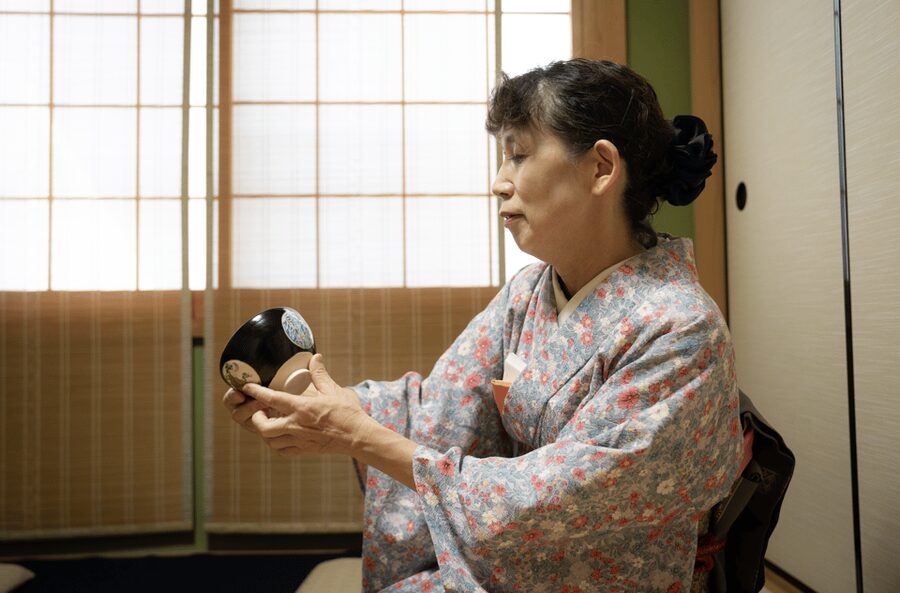
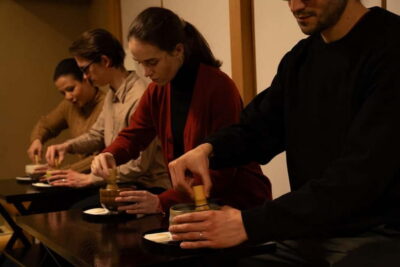
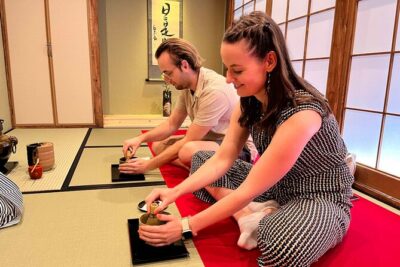
The most memorable part for many people will be preparing their own tea. Under the teacher’s direction, you learn the steps involved in whisking powdered matcha and handling the tools with care.
This hands-on part gives the experience more value than simply watching a demonstration. You are not only hearing about mindfulness, precision, and harmony. You are asked to slow down and pay attention to the movements yourself.
Do not expect to master the technique in one session. The point is not to leave as a tea master. The point is to understand how much care goes into a bowl of matcha and to gain a personal connection with a tradition that can otherwise feel distant.
I like that the activity makes participation optional in spirit. The information says you can make your own tea if you wish, so you can take part actively or focus more on watching and learning. That flexibility is useful for families, mixed groups, or anyone who feels nervous about performing a formal cultural practice.
The flavor may also surprise you. Matcha is not sweet in itself, and its strong, grassy taste can be unfamiliar. The dried sweets provide a pleasant counterpoint, and the experience helps you appreciate the drink as part of a larger ritual rather than as an ordinary cup of tea.
Why the teacher makes such a difference
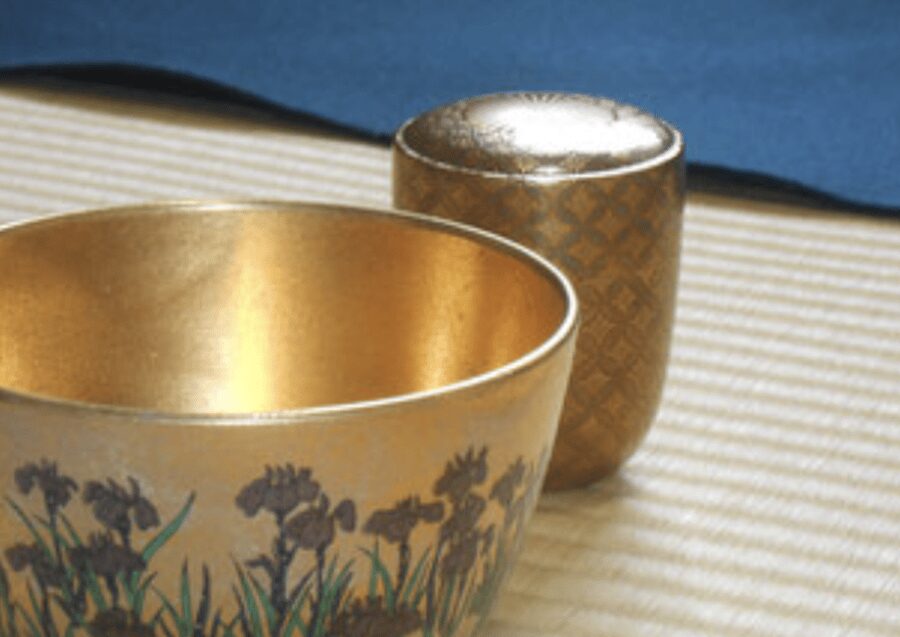
A tea ceremony depends heavily on the person leading it. A rigid instructor could make beginners feel that every small movement is a test. Here, the teacher’s 30 years of experience is paired with a friendly teaching style, so the session aims to explain rather than intimidate.
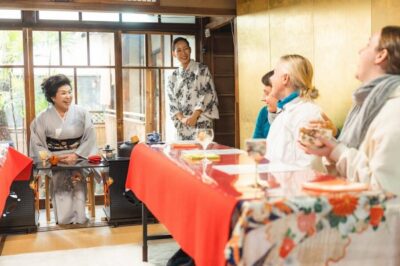
Several details point to patience as one of the strongest qualities of the experience. Ms. Yamazaki is singled out for being kind and patient, while other feedback praises how clearly everything is explained. That combination is exactly what you want when the subject has unfamiliar etiquette and precise actions.
The English instruction also makes the cultural background easier to follow. You can ask questions and understand the reasons for what you are doing, rather than leaving with only a set of movements to imitate.
The experience has received especially strong praise for being informative, authentic, and calming. Those three qualities work well together. The session gives you useful context, keeps the setting connected to Japanese tradition, and avoids turning the ceremony into a rushed photo opportunity.
A completely different kind of day out in Kyoto:
- PERFECT KYOTO 1-Day Bus Tour
★ 5.0 · 13,518 reviews - Kyoto: Fushimi Inari, Kinkakuji, Bamboo Grove 1 Day Bus Tour
★ 4.8 · 4,316 reviews - Kyoto Geisha Walking Tour: Gion District & Hidden Gems
★ 4.7 · 3,273 reviews - Kyoto: Gion Magical Night Walking Tour with Geisha Trivia
★ 4.9 · 2,393 reviews
A quiet cultural break in a busy Kyoto schedule
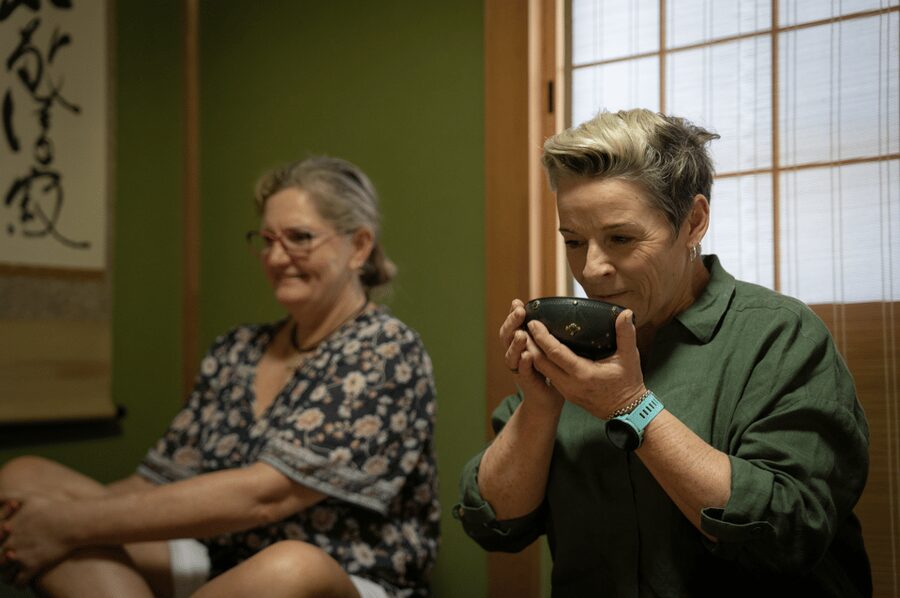
Kyoto can fill a day with temples, buses, queues, and long walks. A tea ceremony gives you a different kind of sightseeing. For one hour, the focus narrows to the room, the tea, the sweets, and the teacher’s explanations.
I see this as a good counterpoint to large temple complexes. At a major shrine, you may admire the architecture but have little time to ask questions. In this small group, the limited size should make the experience feel more personal and less like a performance for a crowd.
The nearby Kamogawa Delta adds another reason to book this activity as part of a wider route. You can stroll by the river before or after the session and let the day breathe a little. The tea ceremony does not include a guided walk to historical sites, so keep your expectations clear. The nearby places are an advantage of the location, not included stops.
The connection with Demachiyanagi Station is useful for planning. If you are already heading toward the northern areas associated with Kibune Shrine or Rurikou Temple, the tea room may fit naturally into your route. If your entire day is based in southern or western Kyoto, the extra travel may make this one-hour activity less convenient.
Is $38 a fair price?
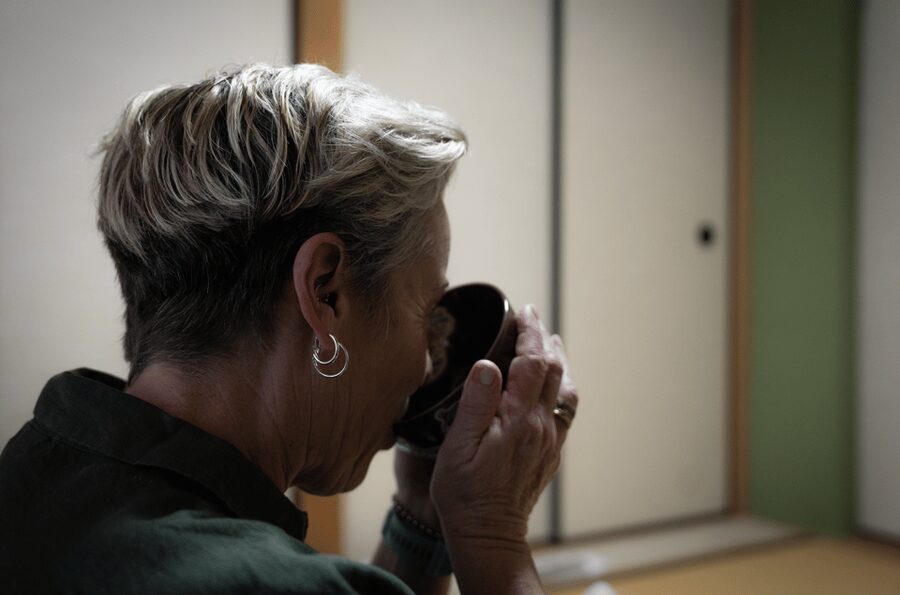
At $38 per person, this is priced above a casual cup of tea but below many longer guided cultural activities. The value comes from the small group, English instruction, experienced teacher, matcha, sweets, and the chance to prepare tea yourself.
The group limit matters. With no more than six participants, the teacher has a better chance to explain the movements and respond to questions. You are paying for attention as much as for the tea itself.
The one-hour length keeps the cost manageable and makes the ceremony easy to fit between other plans. At the same time, you should not expect an extensive course in tea history, different tea schools, or advanced preparation. If you want a deep academic study, this is not the right format.
For a first introduction, I think the price is sensible. You get a real cultural activity rather than a simple tasting, and the high rating reflects the experience’s consistent strengths: kind instruction, clear explanations, pleasant tea, and a calm atmosphere.
Who should book this tea ceremony?
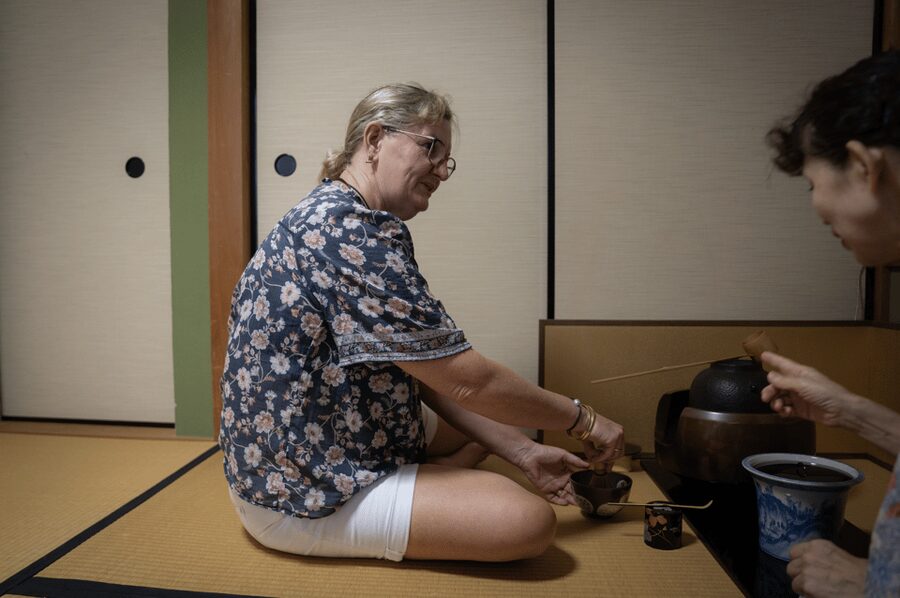
This experience suits you if you want a gentle introduction to Japanese culture without committing to a long formal program. Beginners are clearly welcome, and the English instruction removes much of the uncertainty.
It is also a good fit for solo visitors and couples who prefer small-group activities. A maximum of six people gives the session a more personal scale, while still allowing you to share the moment with a few others.
Families and groups with mixed interests may find it appealing too. Someone who loves Japanese tradition can enjoy the cultural detail, while a first-time visitor can simply learn the basic steps and taste matcha.
The activity may be less suitable if you want a major sightseeing tour packed with landmarks. It does not include transportation, a temple visit, or an extended historical walk. Its appeal is focus and calm, not volume.
I would also think about your schedule. The ceremony is near the Kamogawa Delta and Demachiyanagi Station, so it works best when you are already exploring that part of Kyoto. It is less efficient as a stand-alone trip from the opposite side of the city.
Practical tips for a smoother visit
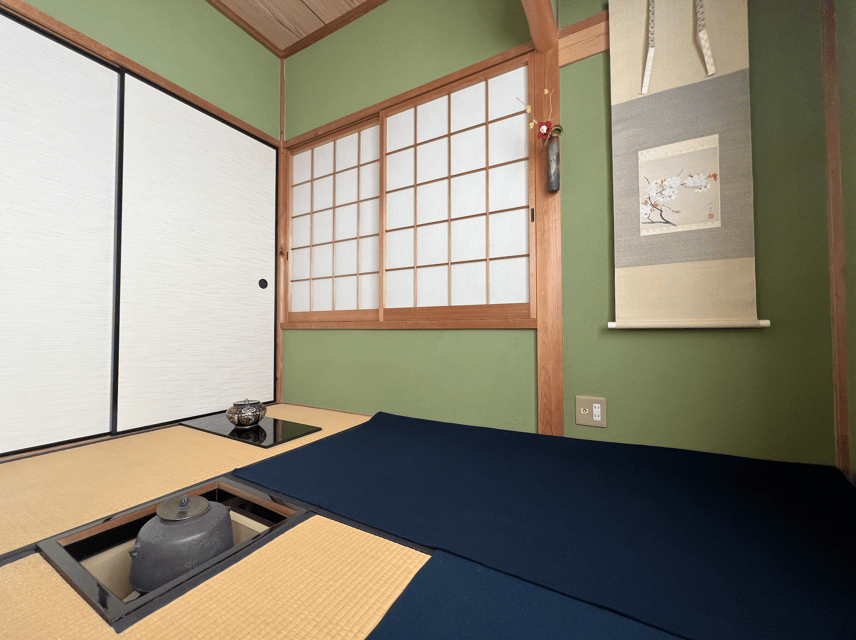
Save the meeting-point name, Tisato, before you set out. The instructions specifically direct you to a Japanese house with that sign, so use it as your main landmark.
Plan the activity around the Kamogawa Delta if you can. A river walk before the ceremony can help you arrive in a slower frame of mind, while a walk afterward gives you time to think about what you learned.
Keep your expectations realistic. You will receive a focused introduction, not a full apprenticeship. The short format is one of the activity’s strengths for busy schedules, but it also means the teacher must keep the lesson moving.
If you are uncertain about taking part, ask questions and follow the teacher’s lead. The session is built for people without prior experience, and the reported patience of Ms. Yamazaki should help make the process comfortable.
The activity allows free cancellation up to 24 hours before the start for a full refund. You can also reserve now and pay later, which is useful when your Kyoto plans are still changing.
Should you book it?
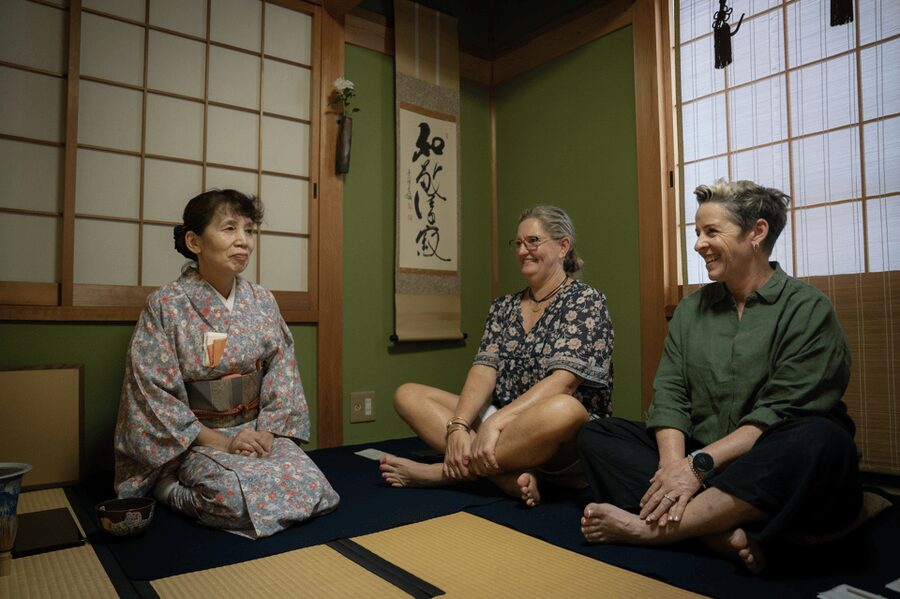
I would book this tea ceremony if you want a small, friendly, hands-on introduction to matcha rather than a long formal lesson. The teacher’s 30 years of experience, clear English guidance, and patient manner give the session substance, while the six-person limit keeps it personal.
The strongest reason to choose it is the balance of authenticity and ease. You get traditional tea, dried sweets, cultural explanation, and the option to prepare your own matcha, but you are not expected to arrive with prior knowledge.
Skip it if you are looking for a full-day cultural tour or if your itinerary never brings you near Kamogawa Delta or Demachiyanagi Station. For most first-time visitors who want one quiet hour away from Kyoto’s crowded sights, $38 is a fair price for a thoughtful and memorable stop.
FAQ
How long does the tea ceremony last?
The tea ceremony lasts one hour.
How much does the experience cost?
The price is $38 per person.
Is the tea ceremony conducted in English?
Yes. The instructor provides English instruction.
How many people can join the group?
The group is limited to six participants.
Do I need prior experience with Japanese tea ceremony?
No. The experience is designed to welcome complete beginners as well as people who already know something about tea ceremony.
Can I prepare my own matcha?
Yes. You can make your own tea under the teacher’s guidance if you wish.
What is included in the experience?
The booking includes the tea ceremony, instruction from an experienced teacher, matcha tea, and traditional dried sweets.
Where is the meeting point?
Enter the Japanese house marked with a sign that says Tisato. The location is about a 15-minute walk from the Kamogawa Delta and about a 15-minute walk from Demachiyanagi Station.
Just added around Kyoto
- Kyoto: Private Customizable Day Trip by Car★ 5.0 · 38 reviews
- Kyoto: Gion Night Walking Tour with Geisha Insight★ 5.0 · 39 reviews
- Kyoto: Full Day Bike Tour★ 4.9 · 39 reviews
- Private Japanese Calligraphy in Kyoto – Learn Shodō with a Master★ 5.0 · 39 reviews
- Experience a tea ceremony in an authentic tearoom, in Kyoto!★ 4.5 · 41 reviews
- Kyoto: Gion Evening Walk with Hidden Gems, Geisha & Sake★ 5.0 · 41 reviews
- Kyoto Private Photo Shoot & Tour by SnapKyoto★ 5.0 · 41 reviews
- The Way of Tea: Kyoto Crafts, Hidden Temples & Wabi-Sabi Walk★ 5.0 · 41 reviews
Tea Ceremony Experiences, compared.
Tea Ceremony in a Traditional Tea House in Kiyomizu
Read our review →
Browse the lists this tour appears in