
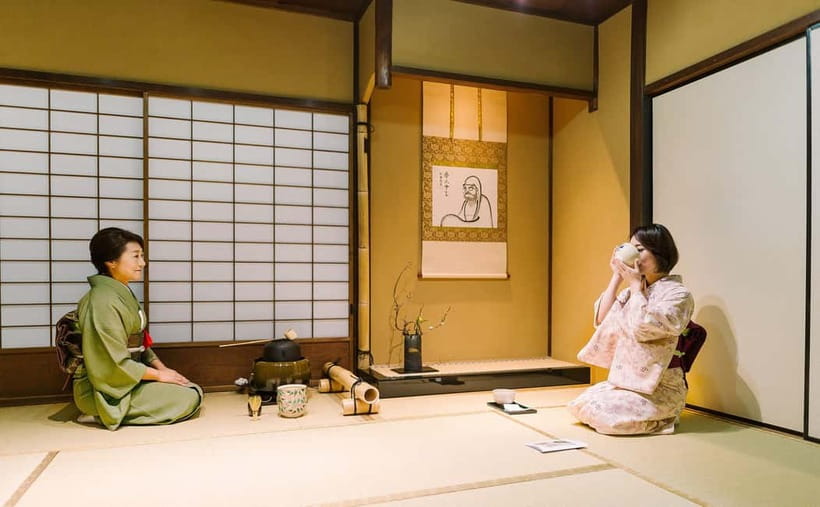
Reviewed · TEA CEREMONY EXPERIENCES
Kyoto: Tea Ceremony in 100-year-old Kyo-Machiya Townhouse
Slow down for a cup of matcha. This Kyoto experience pairs a guided Japanese tea ceremony with the calm beauty of a 100-year-old Kyo-Machiya townhouse, giving you more than a quick taste of green tea. I like the clear teaching, especially the chance to prepare your own matcha under the tea master’s eye. I also like the optional kimono rental, which lets you walk around Kyoto afterward in traditional clothing. The main drawback is timing: the kimono option takes several hours and requires you to travel between the rental shop and the townhouse on your own.
The ceremony itself lasts about 50 minutes and is suitable for first-time visitors. You learn the meaning behind the gestures, eat a traditional sweet, watch the tea master prepare matcha, and then take your own turn. Sessions can include up to 20 people, so the atmosphere may feel less private than a one-to-one lesson.
In This Review
- Key points to know before you book
- Entering Kyoto’s old townhouse near the Imperial Palace
- What happens during the 50-minute tea ceremony
- The teaching style and language support
- Adding the kimono rental at the Gojo Shop
- The optional 30-minute machiya moment
- Group size, comfort, and the quiet rules
- Is $31 a fair price for Kyoto?
- Who will enjoy this most?
- Should you book the Kyoto tea ceremony?
- FAQ
- How long does the tea ceremony last?
- Where does the tea ceremony take place?
- What do I learn during the ceremony?
- Can I make my own matcha?
- Is the ceremony held in English?
- Do I have to sit on the floor?
- What should I bring?
- Can I rent a kimono for the ceremony?
- Can I cancel my booking?
Key points to know before you book
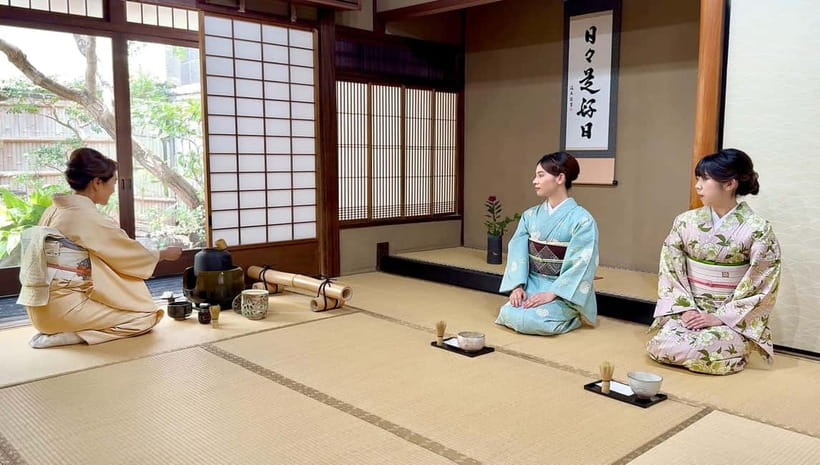
- A real 100-year-old machiya provides the setting: Tatami, paper screens, wooden details, and a quiet room make the ceremony feel connected to old Kyoto.
- You prepare your own matcha: This is not only a demonstration. The tea master guides you through the basic steps.
- The ceremony includes cultural context: You learn about tea’s arrival from China around 1,200 years ago and how the Japanese Way of Tea developed.
- The kimono option adds two to three hours: You choose a kimono at the Gojo Shop, travel to the tea house, attend the ceremony, then return the clothing by 5:30 PM.
- The experience costs about $31 without extras: That is fair value for a guided cultural activity, though hair styling, makeup, and formal kimono upgrades cost more.
- Socks are required: Sandals and flip-flops are not allowed, and you should be ready for a quiet session.
Entering Kyoto’s old townhouse near the Imperial Palace
The tea house is near Kyoto Gosho, also called the Kyoto Imperial Palace area. This part of the city has long been linked with the imperial court and aristocratic culture, so the location gives the ceremony useful context before anyone lifts a tea whisk.
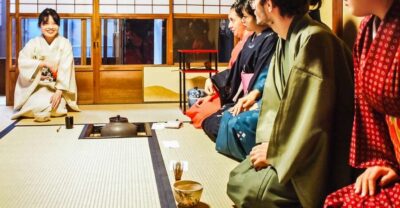
The building is a traditional machiya, a narrow Kyoto townhouse designed around practical city life. Inside, you can expect the visual language that makes these old homes special: tatami flooring, wooden construction, paper screens, and carefully arranged rooms. The age of the building matters because the ceremony is not taking place in a modern classroom dressed up with Japanese decorations. The house itself helps explain how older Kyoto customs were practiced.
The property is also next to the former residence of Nijō Yoshimoto, a high-ranking court noble from the 14th century. He was a Grand Minister of State and an early figure in the development of renga, the linked-verse poetry tradition. That detail adds a wider cultural frame: tea gatherings, poetry, art, and formal conversation were all part of the refined world around the imperial court.
You will not spend hours touring palace grounds as part of the standard ceremony. Still, the setting gives the activity more weight than a quick matcha tasting in a busy shopping arcade.
More Tea Ceremonies in Kyoto
- Kyoto: Tea Ceremony in a Traditional Tea House in Kiyomizu
★ 4.9 · 3,519 reviews - Kyoto: Tea Ceremony Ju-An at Jotokuji Temple
★ 4.9 · 3,207 reviews - Kyoto: 45-Minute Tea Ceremony Lesson Experience
★ 4.3 · 2,378 reviews
What happens during the 50-minute tea ceremony
Arrive at Yumeyakata Oike Bettei 5 to 10 minutes before the time printed on your voucher if you book the ceremony-only option. The session begins with an explanation of tea ceremony history, including tea’s introduction to Japan from China roughly 1,200 years ago.
That introduction is useful because it keeps the ritual from feeling like a string of mysterious hand movements. You learn that the ceremony has developed into a formal Japanese art with its own rules, objects, and social meaning. Several people especially appreciated the way the guides explained the reasons behind each gesture rather than simply telling everyone to copy them.
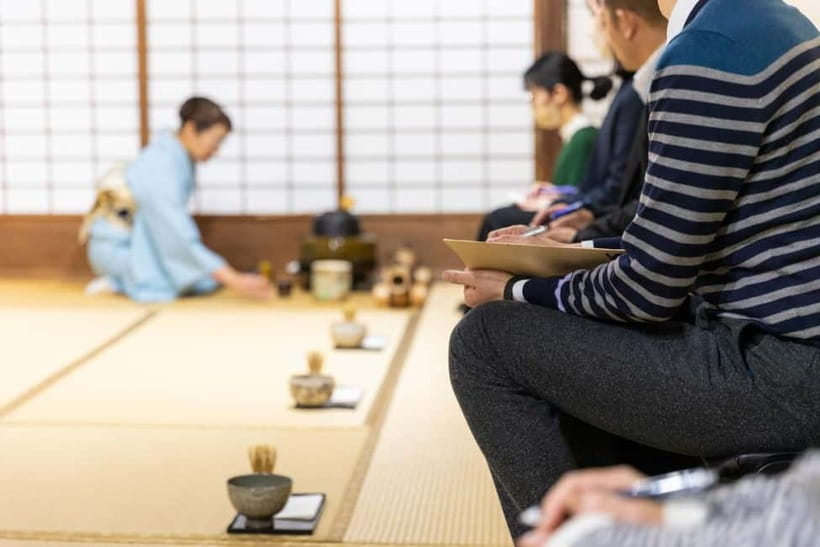
You then learn basic etiquette. The tea master or interpreter explains how to bow, which greetings to use, how to receive and eat the sweet, how to drink the tea, and how to look at the tea bowl. These details are small, but they give you a better understanding of the ceremony’s careful rhythm.
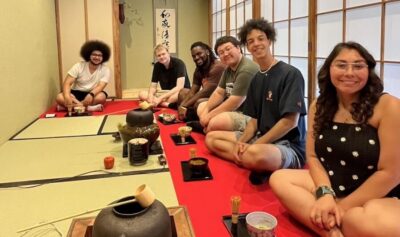
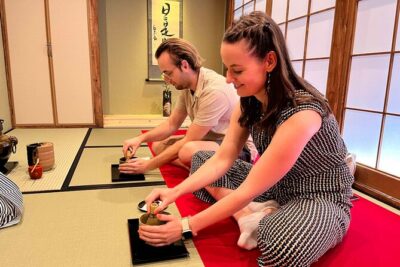
You can sit on the floor or use a small chair. This is an important practical point. Sitting formally on tatami may sound simple, but it can be uncomfortable if you are not used to it. The chairs make the activity workable for more people, although the experience still requires you to remain quiet and attentive.
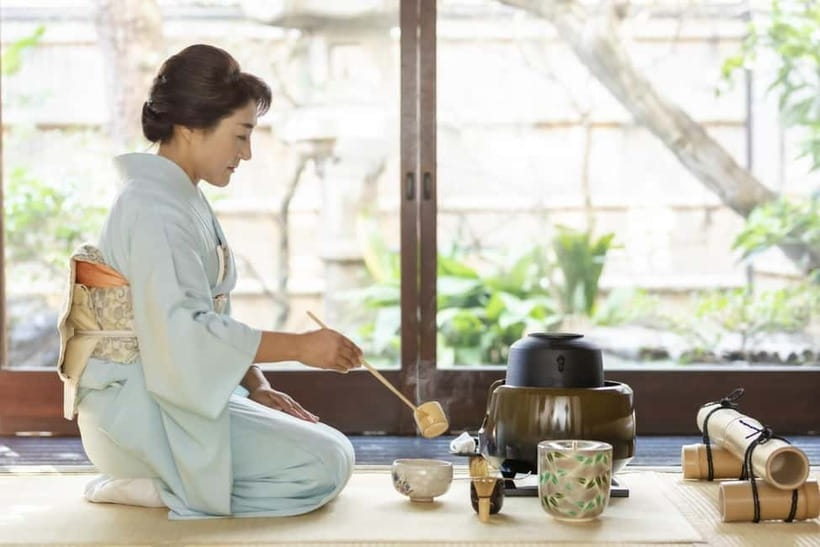
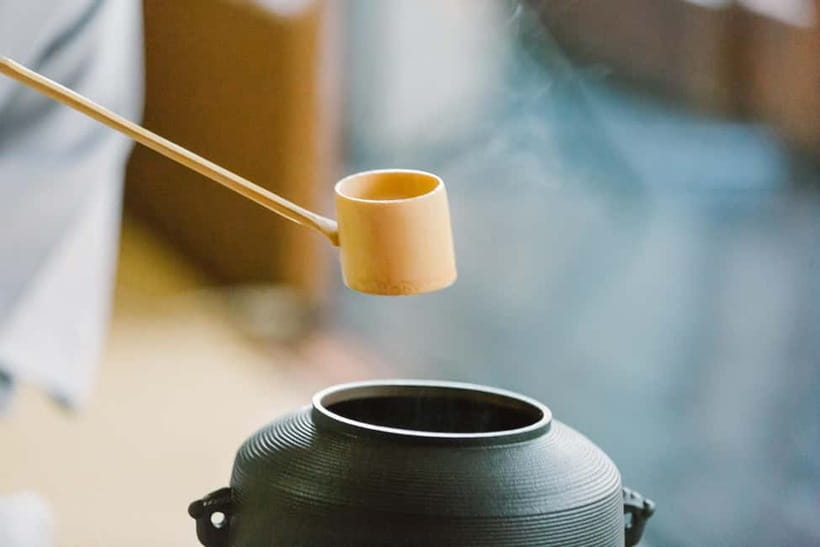
Next, the tea master brings in the utensils and prepares the first bowl of matcha for a guest. You watch the measured movements, the handling of the whisk, and the way the bowl is presented. Depending on the group, you may have the chance to sit at the front for this part. One participant described volunteering to receive the first bowl, which made the demonstration easier to see.
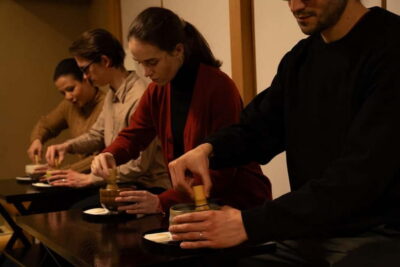
Then comes the most useful part for many first-time visitors: you prepare your own tea. The tea master supervises and helps you follow the correct sequence. You are not expected to master the entire art in one sitting, but you do get a practical feel for whisking matcha and presenting it with the right manners.
The matcha is served with a traditional Japanese sweet. The sweet is not just a snack. In the tea ceremony, its sweetness balances the bitter edge of the tea and prepares your palate. The matcha was repeatedly praised for its flavor, while the sweets were described as a pleasant part of the experience rather than an afterthought.
The tea master closes the ceremony after everyone has taken part. You can ask questions before leaving, and there may be time for photographs around the tea house. Flash photography is not allowed, and the room must remain quiet, so this is not the place for constant phone use or loud conversation.
The teaching style and language support
The ceremony is led in Japanese with English support. The listing identifies English and Japanese as the available languages, and the guide or interpreter explains the tea master’s instructions for international visitors.
The exact balance between Japanese and English may vary by session. One participant found the English slightly limited but still had no trouble following the ceremony. Others specifically praised the translation, including guides named Lim and Ling, and said the explanations were clear and friendly.
The strongest part of the teaching is its patience. The tea master demonstrates first, then gives you a chance to try. That structure works well if you know nothing about matcha beyond its bright green color. It also gives you room to ask questions about etiquette, history, and the objects used in the room.
I would book this for someone who wants cultural explanation, not just photographs. The tea master’s skill is part of the appeal, but the interpreter matters too. A good explanation turns a formal ritual into something you can understand and appreciate.
Adding the kimono rental at the Gojo Shop
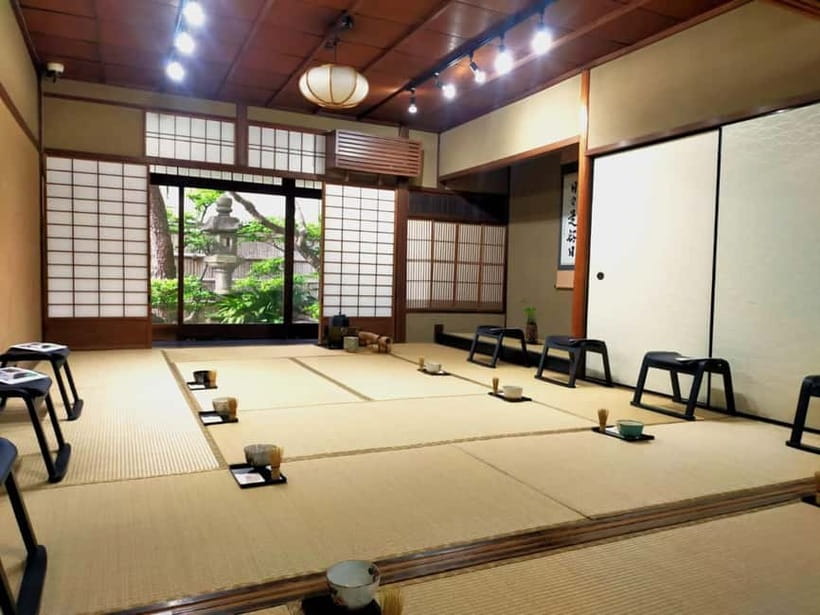
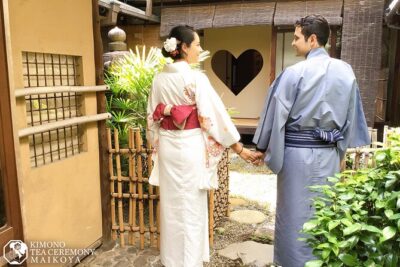
The kimono option changes the shape of the day. You first report to the Yumeyakata Gojo Shop at the starting time shown on your voucher. There, you choose from different colors, patterns, and sizes.
After you are dressed, you make your own way to Yumeyakata Oike Bettei. The ceremony begins two hours after the selected starting time. For example, an 11:00 AM booking means the tea ceremony starts at 1:00 PM.
That two-hour gap is not a minor detail. It covers the selection and dressing process, plus the journey between the shop and the townhouse. Transportation between the two locations is not included, so you need to allow enough time and pay for your own transport if needed.
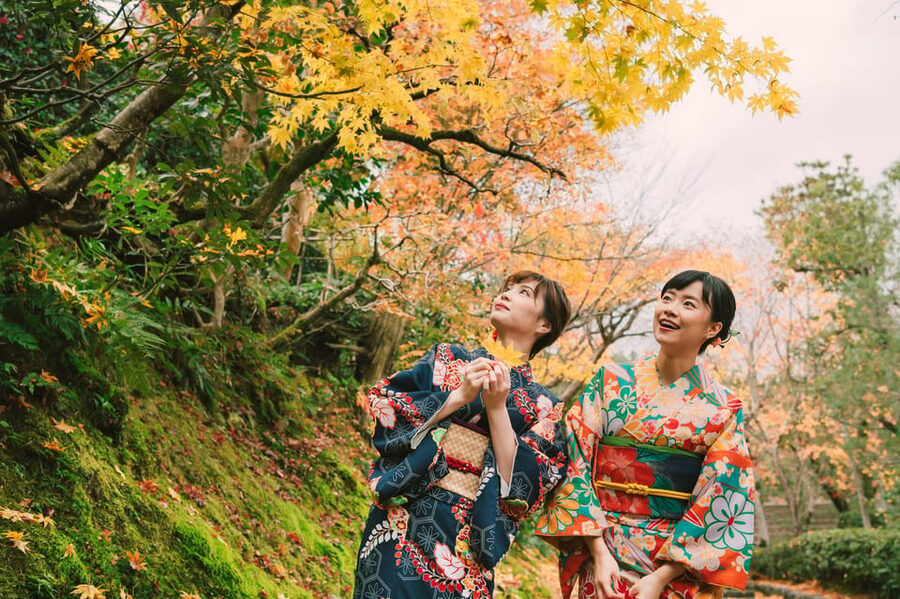
The standard kimono is a casual style. An optional package may include women’s hairstyling, makeup, a hair accessory, and an upgrade to a formal Houmongi kimono. If dressing up is a major reason you are booking, check the exact option carefully. The basic rental and the formal package are not the same experience.
People who chose the kimono often felt it added a lot to the ceremony. It changes how you enter the townhouse and makes the photographs more memorable. At the same time, traditional clothing can be warm and restrictive. One person found walking in a kimono uncomfortable on a hot day and was surprised by how many layers were involved.
After the ceremony, you can stroll around Kyoto in the kimono. You must return it to the Gojo Shop by 5:30 PM on the same day. Plan your route before you leave the tea house. The rental period is useful for taking photographs and seeing nearby areas, but it is not an all-day costume rental.
A completely different kind of day out in Kyoto:
- PERFECT KYOTO 1-Day Bus Tour
★ 5.0 · 13,518 reviews - Kyoto: Fushimi Inari, Kinkakuji, Bamboo Grove 1 Day Bus Tour
★ 4.8 · 4,316 reviews - Kyoto Geisha Walking Tour: Gion District & Hidden Gems
★ 4.7 · 3,273 reviews - Kyoto: Gion Magical Night Walking Tour with Geisha Trivia
★ 4.9 · 2,393 reviews
The optional 30-minute machiya moment
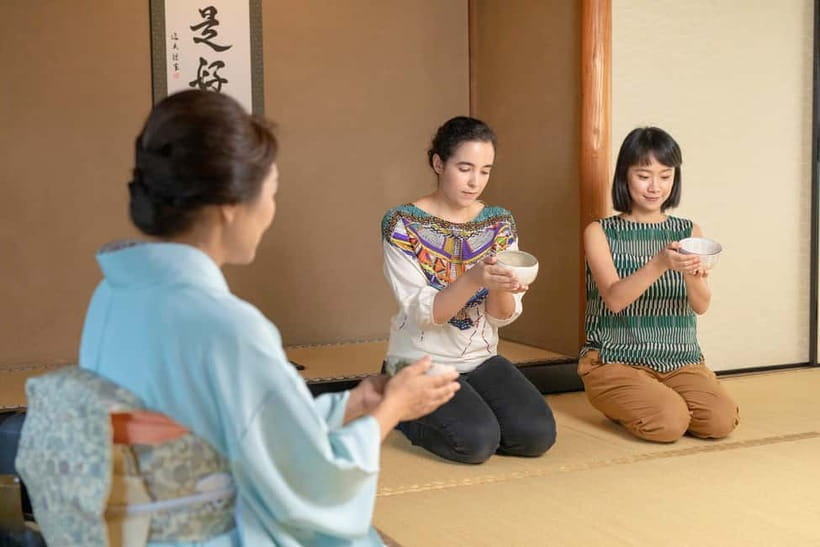
If you add the machiya option, you stay at the same property after the tea ceremony for another 30 minutes. This includes a 20-minute tour of the townhouse and 10 minutes for selfies and photographs.
The tour focuses on traditional architecture, the cultural role of machiya homes, and the less obvious functions built into their design. This is a good add-on if the building interests you as much as the tea. The house is not merely a backdrop, and the extra explanation helps you notice details you might otherwise walk past.
The photograph time can be fun for families and couples, particularly if you have rented a kimono. Some participants enjoyed taking pictures with a katana and umbrella in the garden. Professional photos and videos are not included, so you will need to use your own phone or camera.
The add-on is less necessary if your main goal is simply to learn how to make matcha. The standard ceremony already includes the important cultural explanation and hands-on practice. I would choose the machiya moment if you want more time in the building or plan to dress in kimono.
Group size, comfort, and the quiet rules
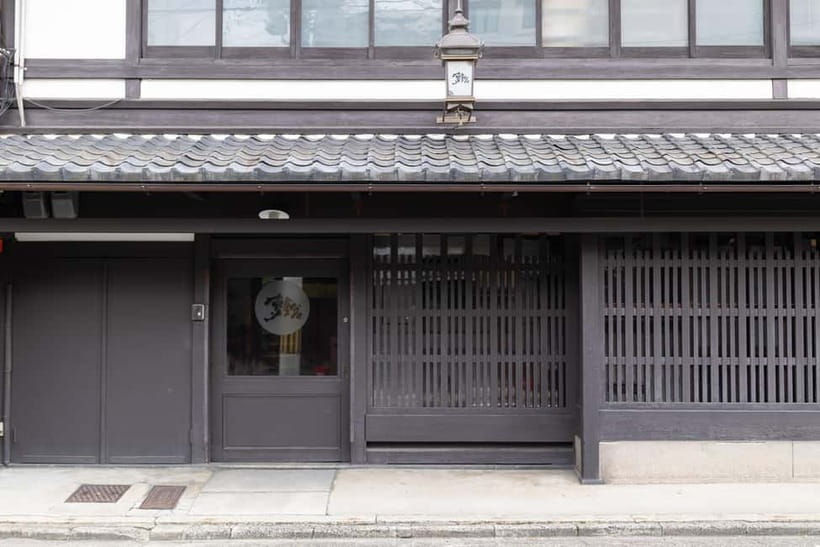
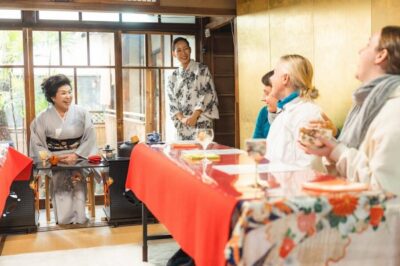
The session is a group activity with room for up to 20 people. The size of the room may change depending on attendance. A larger group can make the experience feel less intimate, but it also creates a shared learning atmosphere and helps keep the price reasonable.
You need to treat the ceremony as a quiet cultural activity. Loud behavior can lead to being asked to leave. Food and drinks beyond what is served are not allowed, smoking indoors is forbidden, and flash photography is prohibited.
Socks are required. Do not arrive in sandals or flip-flops, even in warm weather. Wear clothing that makes it easy to sit or use a small chair, and arrive early enough to settle in.
The activity is suitable for people aged 10 and above. It is not suitable for children under 10, babies under one, pregnant women, wheelchair users, people over 200 centimeters tall, people over 95 kilograms, or visually impaired people. Electric wheelchairs are also not permitted.
These limits may feel strict, but they relate to the size of the traditional room, the clothing, the floor arrangement, and the quiet nature of the ceremony. If any of these restrictions affect you, contact the provider before booking rather than relying on a last-minute adjustment.
Is $31 a fair price for Kyoto?
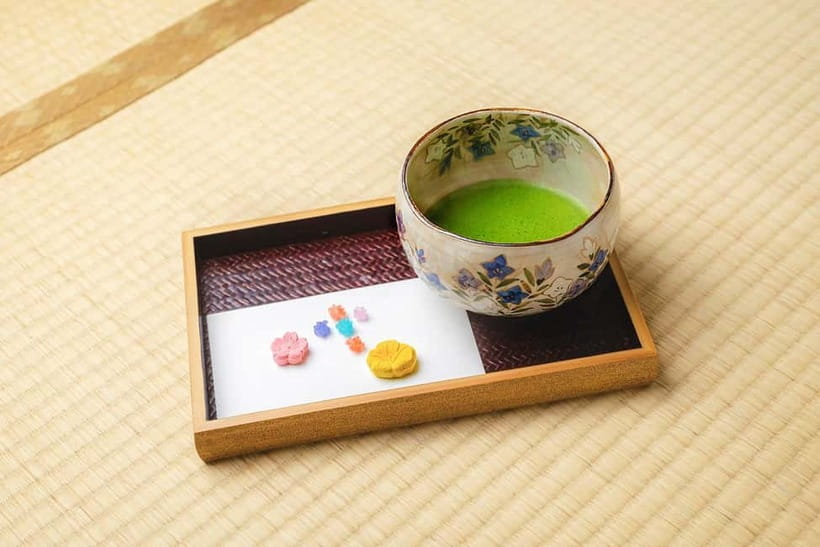
At about $31 per person, the ceremony-only option offers solid value. You receive a guided cultural lesson, matcha, a traditional sweet, use of the townhouse, an interpreter, and the chance to prepare tea yourself. Many Kyoto activities cost more while giving you less direct participation.
The value is strongest if you have never attended a tea ceremony. You are not simply watching an expert perform. You learn the basic manners, taste the tea, and take an active turn with the whisk.
The kimono option changes the calculation. The price depends on the package you select, and hair styling, makeup, the hair accessory, and the formal Houmongi upgrade are add-ons. You should compare the total cost with your budget and remember that transportation between Gojo and the townhouse is separate.
I think the casual kimono rental makes sense if photographs and a full cultural day matter to you. If you are mainly curious about matcha, book the ceremony alone and spend the rest of your money on another Kyoto sight.
Free cancellation is available up to 24 hours before the activity for a full refund, and you can reserve now and pay later. Those terms are helpful when your Kyoto schedule is still moving around.
Who will enjoy this most?
I recommend this experience to first-time visitors who want a clear introduction to Japanese customs. It is also a good choice for couples, families with older children, and anyone who prefers a calm cultural activity to another fast-moving sightseeing stop.
You will get the most from it if you enjoy learning why traditions work the way they do. The tea ceremony is formal, but the teaching makes it approachable. Several participants described the hour as peaceful, relaxing, and mindful, while others valued the history and social context.
The activity may not suit you if you want a private ceremony, a long formal lesson, or a free-flowing photo session. A group of up to 20 people, fixed timing, and strict quiet rules make this a structured experience.
If you book the kimono package, allow up to three hours for the complete outing. If you book only the tea ceremony, plan on about 50 minutes, plus the short arrival and departure time.
Should you book the Kyoto tea ceremony?
Yes, if you want a reasonably priced way to understand matcha and Japanese etiquette in a genuine old Kyoto setting. The best features are the skilled tea demonstration, the chance to make your own tea, and the helpful interpretation. The townhouse adds atmosphere without turning the event into a stage show.
Choose the kimono rental if you want photographs and time to walk around Kyoto dressed in traditional clothing. Choose the machiya tour if architecture and old Kyoto homes interest you. Otherwise, the 50-minute ceremony alone is enough to make the activity worthwhile.
Book with realistic expectations: this is a group introduction, not an advanced tea-school lesson. Arrive on time, bring socks, keep your voice low, and leave enough time to return rented clothing by 5:30 PM. For many visitors, that small pause with matcha becomes one of the most memorable cultural stops in Kyoto.
FAQ
How long does the tea ceremony last?
The tea ceremony itself lasts about 50 minutes. Options that include kimono rental can take from two to three hours, depending on the package and schedule.
Where does the tea ceremony take place?
It takes place at Yumeyakata Oike Bettei, a traditional 100-year-old Kyo-Machiya townhouse near Kyoto Gosho and the Kyoto Imperial Palace area.
What do I learn during the ceremony?
You learn about the history of tea in Japan, basic etiquette, how to bow, greetings, how to eat the sweet, how to drink the matcha, and how to observe the tea bowl.
Can I make my own matcha?
Yes. After watching the tea master prepare the first tea, you prepare your own matcha under supervision.
Is the ceremony held in English?
English and Japanese are available. An interpreter supports the tea master’s explanations for English-speaking participants.
Do I have to sit on the floor?
No. You may sit on the floor or use a small chair.
What should I bring?
Bring socks. Sandals and flip-flops are not allowed.
Can I rent a kimono for the ceremony?
Yes, if you select the kimono option. You choose the clothing at the Yumeyakata Gojo Shop, then travel to the townhouse yourself. The kimono must be returned to the Gojo Shop by 5:30 PM the same day.
Can I cancel my booking?
You can cancel up to 24 hours in advance for a full refund. A reserve-now-and-pay-later option is also available.
Just added around Kyoto
- Kyoto: Gion Night Walking Tour with Geisha Insight★ 5.0 · 39 reviews
- Kyoto: Private Customizable Day Trip by Car★ 5.0 · 38 reviews
- Kyoto: Full Day Bike Tour★ 4.9 · 39 reviews
- Private Japanese Calligraphy in Kyoto – Learn Shodō with a Master★ 5.0 · 39 reviews
- Kyoto: Gion Evening Walk with Hidden Gems, Geisha & Sake★ 5.0 · 41 reviews
- Experience a tea ceremony in an authentic tearoom, in Kyoto!★ 4.5 · 41 reviews
- Kyoto Private Photo Shoot & Tour by SnapKyoto★ 5.0 · 41 reviews
- The Way of Tea: Kyoto Crafts, Hidden Temples & Wabi-Sabi Walk★ 5.0 · 41 reviews
Tea Ceremony Experiences, compared.
Tea Ceremony in a Traditional Tea House in Kiyomizu
Read our review →
Browse the lists this tour appears in