
Reviewed · WALKING TOURS
Osaka: Half-day Ultimate Highlights Guided Walking Tour
Osaka rewards curious walkers. This five to seven-hour tour links the city’s big sights with small lanes, markets, temples, and food stops, giving you a useful first look at Osaka’s past and present. I especially like the mix of Osaka Castle, neon Dotonbori, old Hozenji Yokocho, and retro Shinsekai. The included street-food lunch is another strong point, particularly if you want help ordering local dishes.
The guides are the heart of the experience. Andy, Tim, Scott, and Anna are repeatedly praised for humor, history, pacing, train help, and practical food advice. I also like that the route shows you how Osaka works, from its merchant roots to its shopping streets and public transport. The tradeoff is simple: you walk a lot, sometimes around 15,000 steps, and the tour does not include entry to Osaka Castle.
In This Review
- Six useful things to know before booking
- Why this route works for a first day in Osaka
- Osaka Castle grounds and the samurai-era story
- Shinsaibashi and Namba, Osaka’s long shopping tradition
- Lunch with takoyaki and okonomiyaki
- Ebisu Bridge and Dotonbori after dark energy
- Hozenji Yokocho and a quiet temple beside Dotonbori
- Kuromon Ichiba, Osaka’s kitchen
- Doguyasuji and Den Den Town in the wider Namba area
- Shinsekai and Tsutenkaku’s retro Osaka
- How demanding is the walking?
- Guide quality and group atmosphere
- Is $61 a fair price?
- Who should book this Osaka walking tour?
- FAQ
- Where does the group tour meet?
- Is JR Osakajokoen Station the same as JR Osaka Station?
- Is hotel pickup available?
- Is lunch included?
- Does the tour enter Osaka Castle?
- How much walking is involved?
- What happens if it rains?
- Should you book it?
Six useful things to know before booking
- Osaka Castle is an outdoor history stop: You walk the grounds and hear about its role in Japan’s samurai-era unification, but group tours do not enter the castle.
- Lunch is included: Expect Osaka-style street food and a drink at a local restaurant, with takoyaki and okonomiyaki among the foods enjoyed on the route.
- The walking is serious: Comfortable shoes are essential, and the tour is not suitable for people with mobility impairments or pregnant women.
- Two short train rides keep the route moving: Train fares are extra, listed as ¥240 and ¥190.
- The route shifts from old Osaka to modern Osaka: Hozenji, Kuromon, and Shinsekai give the tour more character than a simple neon-sign checklist.
- Small groups make a difference: Private and small-group options allow more questions and, according to the tour information, private bookings can include hotel pickup.
Why this route works for a first day in Osaka
At $61 per person, this is not the cheapest way to see Osaka. It is a reasonable price if you value a guide, a meal, help with the trains, and a route that covers several districts in one day. You are paying less for admission tickets, since there are few paid attractions on the route, and more for local explanation and efficient movement around a large city.
The route is especially useful if you have only one day in Osaka or are staying in Kyoto and making a day trip. One visitor who did just that felt the tour made Osaka easier to understand, while also wishing for more time in the city afterward. That is a good way to view this experience: it gives you a strong orientation, then leaves you with a list of places to revisit.
The tour begins at JR Osakajokoen Station, not JR Osaka Station. That distinction matters. Meet inside the station building, just outside the ticket gates, in front of the 7-Eleven kiosk, and arrive 15 minutes early. For a private tour, hotel pickup may be arranged. Group bookings meet at the station.
You also need WhatsApp for tour updates and information. Bring water, wear comfortable shoes, and leave large bags and luggage behind. The tour runs rain or shine, so check the forecast and dress accordingly.
More Walking Tours in Osaka
- Osaka: Hotspots & Hidden Gems Walking Tour Private or Group
★ 4.9 · 1,300 reviews - Osaka Local Foodie Walking Tour in Dotonbori and Shinsekai
★ 5.0 · 985 reviews - Osaka Bar Hopping Night Walking Tour in Namba (3 bars, 6 tastes)
★ 5.0 · 958 reviews
Osaka Castle grounds and the samurai-era story
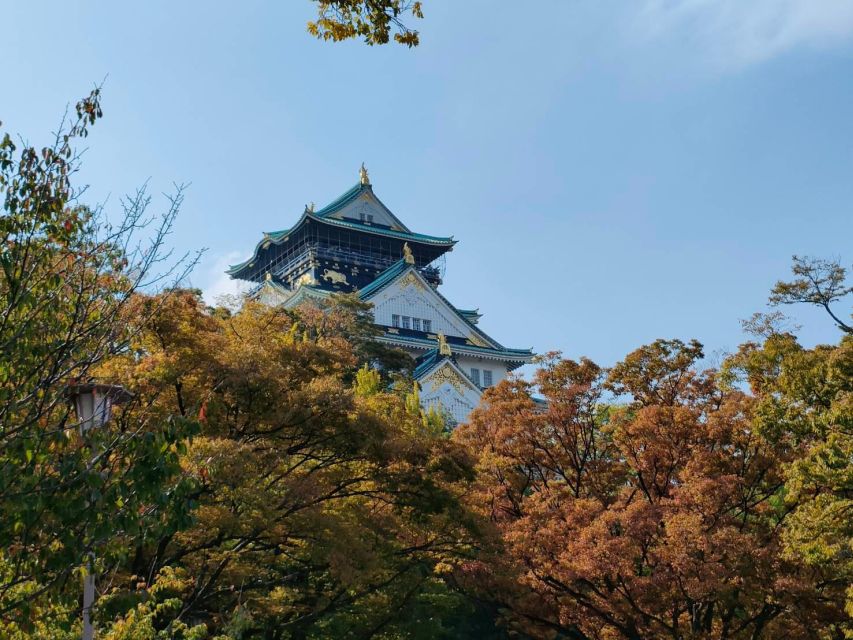
The first major stop is Osaka Castle, with about 75 minutes for guided walking and sightseeing around the grounds. This is a smart opening because the castle gives you the broad historical frame for the rest of the day.
Osaka Castle played an important role in the unification of Japan during the sixteenth century. Your guide explains that setting while you walk through the grounds, connecting the monument to the samurai period rather than treating it as just a photo stop. Guides such as Tim and Scott have been praised for making this history entertaining rather than turning it into a long lecture.
The key limitation is that group tours do not include entry into the castle. That is not necessarily a flaw. The route has a lot to cover, and entering the castle would use up time needed for Namba, the markets, and Shinsekai. One useful piece of advice from the tour experience is that lines can be long, making an interior visit difficult within this schedule.
If seeing the castle museum and interior is a top priority, plan a separate visit. If you mainly want the setting, exterior views, and historical context, the grounds provide enough for this tour’s purpose.
Shinsaibashi and Namba, Osaka’s long shopping tradition
After Osaka Castle, you take a short train ride of about 15 minutes toward the Namba area. Train fares are not included, so budget the listed ¥240 for this ride and ¥190 for the later subway trip.
The walking portion in Namba lasts about an hour. You pass through Shinsaibashi-suji, a covered shopping street that has served as one of Osaka’s main retail areas for roughly 400 years. Its 600-meter length and hundreds of shops show the city’s commercial personality in a very direct way.
This section helps explain why Osaka developed such a strong merchant culture. You are not only looking at stores. You are seeing how shopping, food, and street life have long shaped the city. The covered arcade also offers some protection from rain and strong sun, though the day remains mostly on foot.
The guides add useful orientation here. Andy has been praised for adjusting explanations to the group’s interests, while Tim has been praised for helping first-time visitors understand the train system. That practical help is valuable in Osaka, where stations and shopping districts can feel confusing at first.
Lunch with takoyaki and okonomiyaki
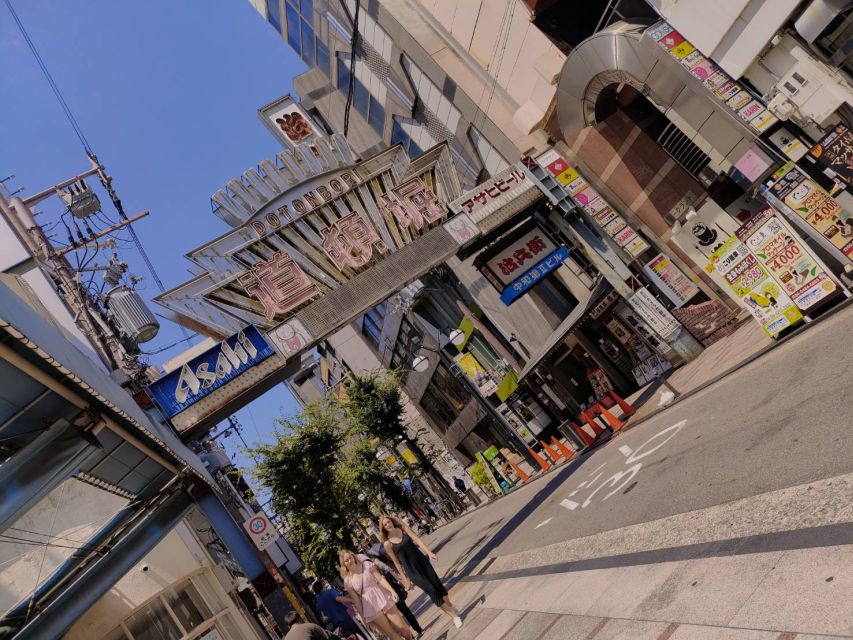
A 30-minute lunch break is built into the Namba portion. The meal includes Osaka-style street food and a drink at a local restaurant. Foods enjoyed on the tour include takoyaki, the small octopus-filled balls associated with Osaka, and okonomiyaki, a savory cabbage pancake often prepared with pork.
This is one of the better-value parts of the tour. You get to try local food without spending extra time choosing a restaurant, and the guide can explain how to eat it in a local setting. Andy was specifically praised for taking food preferences into account and helping people order. He also directed people toward good stalls for sashimi and other market foods.
The lunch is not designed for every diet. Vegan and gluten-free diets are not included, so contact the operator before booking if you have strict dietary needs. The meal is also fairly short, which keeps the tour moving but may feel rushed if food is your main reason for visiting Osaka.
A completely different kind of day out in Osaka:
- Osaka Go Karting Tour with Funny Costume
★ 5.0 · 2,658 reviews - Osaka Castle: Museum and Tower Entry Ticket
★ 4.5 · 2,380 reviews - Osaka: Shinsekai Food Tour with 13-15 Dishes at 5 Eateries
★ 4.8 · 2,204 reviews - Osaka Food Tour: 13 Dishes at 5 Local Eateries
★ 5.0 · 2,149 reviews
Ebisu Bridge and Dotonbori after dark energy

The next stops bring you into Osaka’s best-known entertainment zone. Ebisu Bridge receives about 15 minutes, and Dotonbori gets around 30 minutes.
Ebisu Bridge was made of wood in the 1600s and remains a meeting point beside the famous Glico Man sign. You will almost certainly see people taking the familiar raised-arm photo. The guide gives the scene context, turning a quick picture stop into a small lesson about how the area developed.
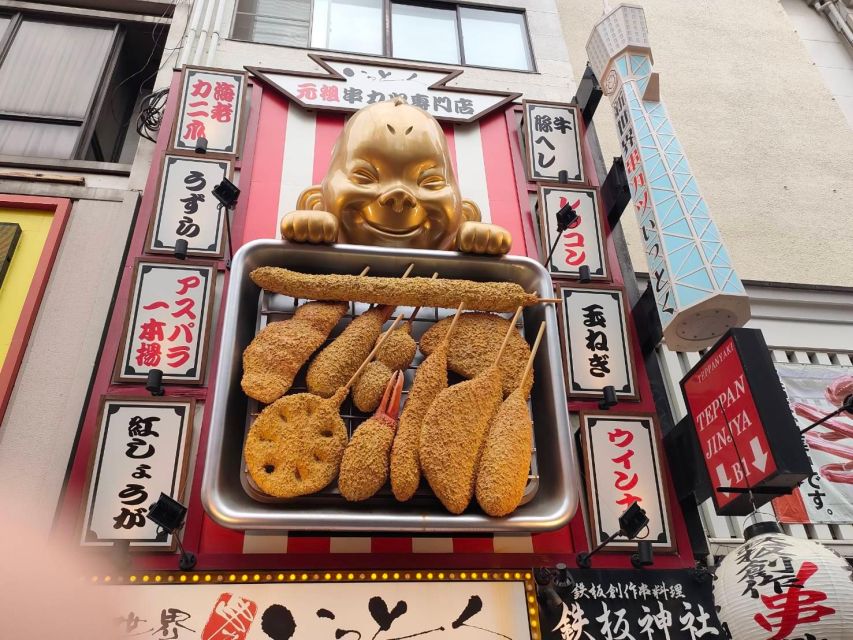
Dotonbori runs along the canal and is packed with neon signs, restaurants, bars, stores, and street food. The Glico Man sign is the obvious landmark, but the pleasure is in seeing how many layers occupy the same few blocks. Osaka’s food culture, nightlife, advertising, and old entertainment traditions all meet here.
This is the most crowded part of the walk. Your guide needs to keep the group together and manage sidewalk traffic. Tim was praised for doing exactly that while keeping the mood light. If you dislike busy commercial districts, Dotonbori may be the least relaxing part of the day. Still, it is hard to understand Osaka without seeing this loud, flashy center.
Hozenji Yokocho and a quiet temple beside Dotonbori

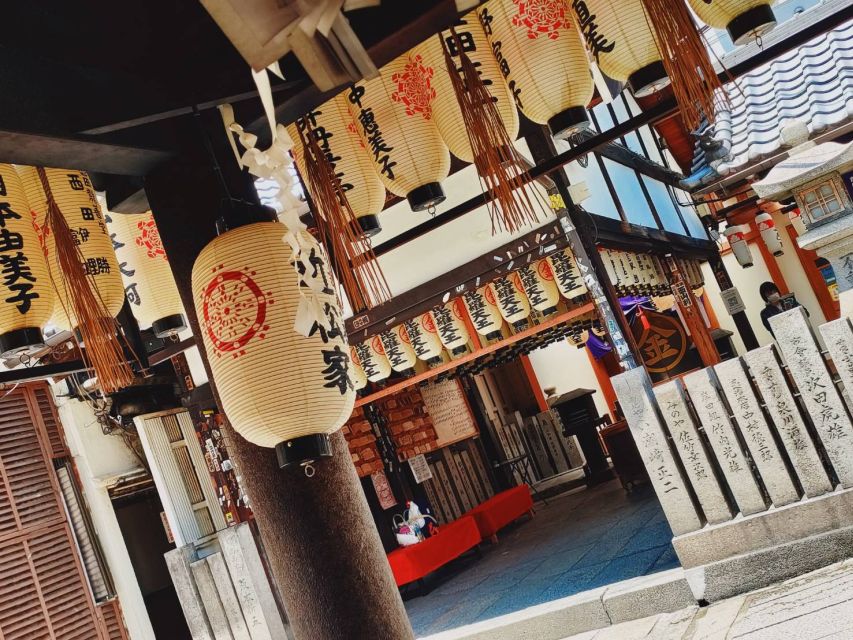
Hozenji Yokocho takes about 20 minutes and provides one of the tour’s best changes of pace. The narrow lane has traditional lanterns and cobblestone paving, preserving an older atmosphere only a short walk from Dotonbori’s bright signs.
At the end of the lane is Hozenji, a small Buddhist temple built in the seventeenth century. The temple offers a quiet pause from the commercial streets around it. This contrast is exactly why the stop works: Osaka’s old religious and merchant quarters have not vanished, even beside its busiest tourist center.
The stop is short, so do not expect a long temple visit or a full religious-site tour. Instead, listen to the guide’s explanation and notice how quickly the city changes from neon streets to a narrow, lantern-lit passage. Scott was praised for showing less obvious local corners like this one, and that is the sort of detail that gives the route its character.
Kuromon Ichiba, Osaka’s kitchen
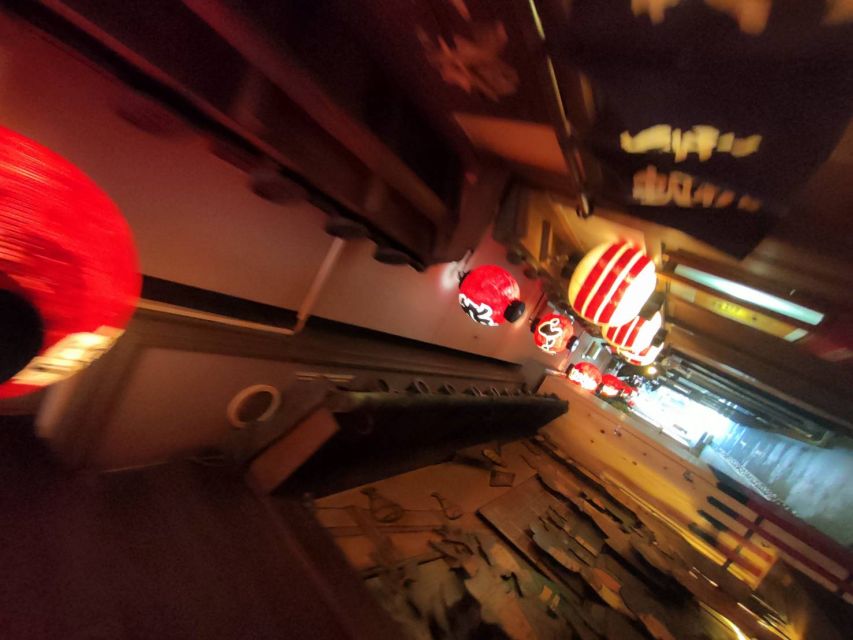
Kuromon Ichiba Market receives about 30 minutes. The covered market has served Osaka for more than 200 years and is known for seafood, meat, and produce. It is often called Osaka’s Kitchen, a name that makes sense once you see the connection between the market and the city’s restaurants.
This is a good place to pay attention to preparation as well as display. You might see large crab legs, tuna, sashimi, and other seafood being prepared and eaten. The market gives you a direct look at Osaka’s food economy, from wholesalers and specialist vendors to ready-to-eat portions.
Half an hour is enough for a guided introduction but not enough for a leisurely market meal. If you find something you want to try, you may need to move quickly. The guide can point you toward suitable stalls, which is useful when menus and ordering customs are unfamiliar.
Kuromon is also one of the tour’s strongest stops for independent exploring later. Make a note of the foods and stalls that catch your eye, then return when you have more time. That is a recurring strength of this tour: it teaches you where to go next.
Doguyasuji and Den Den Town in the wider Namba area
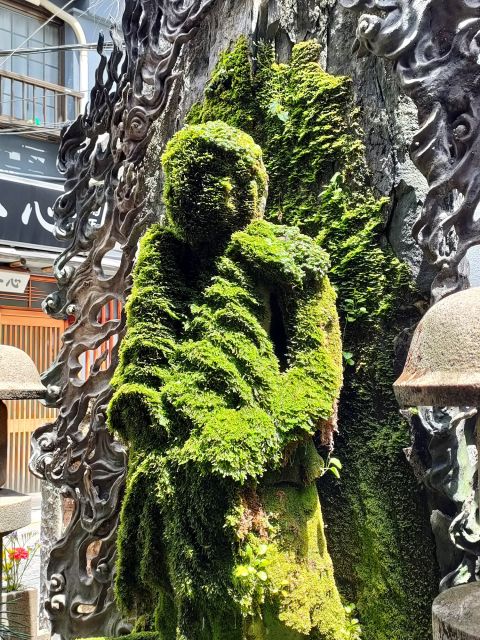
The route also covers Doguyasuji, a narrow shopping street aimed at restaurants and food businesses. Its wholesalers and specialist shops sell cutlery, crockery, and other kitchen goods. Even if you are not shopping for restaurant supplies, the street helps explain Osaka’s long relationship with cooking and food service.
The itinerary then points toward the area sometimes described as Osaka’s answer to Tokyo’s Akihabara. Here you can find electronics, cameras, computers, games, anime, and pop-culture shops. The supplied schedule does not assign a separate long stop to every one of these areas, so the exact time spent may depend on the group and the guide.
That flexibility can be useful. Andy has been praised for adapting the route to interests, and a small group can ask for more explanation about food, shopping, history, or Japanese culture. Still, if you want a serious electronics shopping session, this tour is not a substitute for a dedicated shopping afternoon.
Shinsekai and Tsutenkaku’s retro Osaka
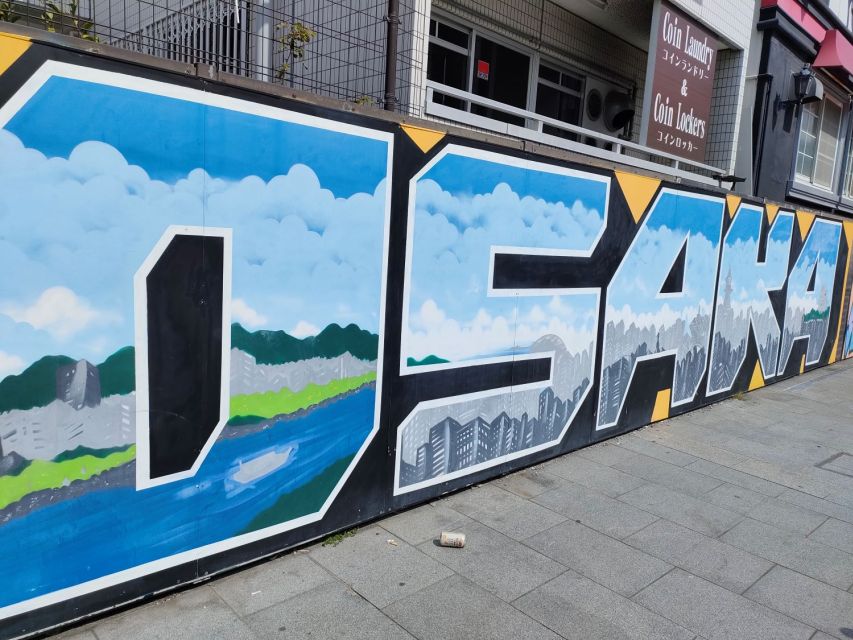
The final major district is Shinsekai, with about 20 minutes of guided walking. The tour finishes at Dobutsuen-Mae Station after this section.
Shinsekai was developed before World War II, and Tsutenkaku Tower is its nostalgia-filled symbol. The district has a retro look and a different mood from Dotonbori. Instead of polished commercial brightness, you get a glimpse of older Osaka, with neon, local eateries, and a sense of a neighborhood shaped by another period.
This is a brief introduction rather than a full evening in Shinsekai. If you enjoy the area, you can stay after the tour and explore on your own, but the listed experience ends at Dobutsuen-Mae Station. The ending is practical because the guide can help you understand where you are and how to continue by train.
Several guides have been praised for making history funny and accessible here. That matters in Shinsekai, where the visual details are easy to notice but harder to interpret without context.
How demanding is the walking?
Take the physical side seriously. The tour is mainly on foot, includes stairs and station movement, and can reach roughly 15,000 steps according to one participant’s estimate. The overall pace is often described as comfortable, with regular breaks, but comfortable does not mean easy.
Anna was praised for finding rest areas and helping the group manage hot weather. That kind of care can make a long day much more pleasant, but Osaka’s heat, rain, or winter cold will still affect you. Wear shoes you trust and avoid bringing a large bag, which is not allowed.
This tour is not suitable for people with mobility impairments or pregnant women. If you need frequent seating, limited walking, or step-free access, choose a slower and more focused experience instead.
Guide quality and group atmosphere
The strongest feature here is the guide. Andy, Tim, Scott, and Anna are praised for humor, historical explanation, cultural context, photos, train assistance, and attention to the group. The advertised guide profile also highlights a bilingual expat guide with more than 20 years of experience.
That combination is useful in Osaka. A guide can explain why a shopping arcade matters, help you cross between busy districts, point out a small temple, and show you how to order food. You get more than a list of landmarks.
Small groups are preferable if you want to ask questions. One participant specifically appreciated not being lost in a crowd, while another liked the chance to learn about Japanese society and current life as well as history. Private tours may offer more flexibility and hotel pickup, but the exact price and schedule depend on the option selected.
Is $61 a fair price?
For $61, you receive a five to seven-hour guided route, an included lunch with a drink, and a broad introduction to Osaka. You still pay the two train fares, and attractions such as the Osaka Castle interior are not included.
I consider the price fair for a first visit, especially if you want one person to handle the route and explain the city. It is less appealing if you prefer wandering alone, already know Osaka’s train system, or want to spend a full afternoon at one market or museum.
The value improves if you use the tour as an orientation day. Write down the restaurants, lanes, shops, and districts you want to revisit. Then use the rest of your Osaka stay to explore them at your own pace.
Who should book this Osaka walking tour?
You should book it if you want a broad first look at Osaka, enjoy walking, like local food, and prefer history delivered with jokes rather than formal lectures. It is also a good choice for a short Osaka stay or a Kyoto-based day trip.
You may want another option if you need an accessible route, follow a vegan or gluten-free diet, dislike crowds, or want to enter Osaka Castle. Families with young children should also think carefully about the long walking time and the no-large-bags rule.
The five-hour version may be enough for you if you tire easily, while the full seven-hour schedule suits people who want more time in the districts. Check the selected option carefully, since starting points and pickup arrangements can vary.
FAQ
Where does the group tour meet?
Group tours meet at JR Osakajokoen Station on the JR Osaka Loop Line. Meet inside the station building, just outside the ticket gates, in front of the 7-Eleven kiosk.
Is JR Osakajokoen Station the same as JR Osaka Station?
No. The meeting point is JR Osakajokoen Station, which is different from JR Osaka Station.
Is hotel pickup available?
Hotel pickup is offered for private tours only. For a private booking, the guide can meet you in your hotel lobby 15 minutes before the start if you provide the hotel details.
Is lunch included?
Yes. The tour includes Osaka-style street food and a drink at a local restaurant. Vegan and gluten-free diets are not included.
Does the tour enter Osaka Castle?
No. Group tours walk through the castle grounds and explain its historical importance, but entrance into Osaka Castle is not included.
How much walking is involved?
The tour is mainly on foot and lasts five to seven hours. One participant estimated roughly 15,000 steps, so comfortable shoes are important.
What happens if it rains?
The tour operates rain or shine. Bring suitable clothing and shoes for the forecast, and do not bring luggage or large bags.
Should you book it?
Book this tour if you want Osaka explained as a living city, not just photographed. The combination of castle grounds, shopping streets, market food, temple lanes, neon Dotonbori, and old-style Shinsekai gives you a useful cross-section in one long day.
The best reason to choose it is the guide-led context. Tim, Andy, Scott, and Anna have been praised for making history funny, helping with trains, choosing food stops, and keeping a long walk manageable. Just understand what you are buying: a brisk, food-focused city orientation rather than a slow museum tour.
If you can handle the distance and arrive ready to walk, $61 is a sensible investment for a first day in Osaka.
Just added around Osaka
- Osaka Food Tour with 10 Classic Japanese Tastings & Drinks★ 5.0 · 38 reviews
- Osaka: Highlights & Hidden Gems Private Walking Tour★ 4.7 · 38 reviews
- Kyoto private tour (Shore excursion available from Osaka or Kobe port)★ 5.0 · 39 reviews
- Osaka Private Day Trip – Enjoy Your First-Time Visit to Osaka!★ 5.0 · 39 reviews
- Kyoto & Nara & Uji: Full Day Sightseeing Tour from Osaka or Kyoto★ 4.5 · 39 reviews
- Authentic SUSHI Course Cooking Class★ 5.0 · 39 reviews
- Osaka: Mind & Spirit Balance Temple Reiki Healing★ 5.0 · 41 reviews
- Osaka Afternoon Walking Tour with Osaka River Cruise★ 3.5 · 42 reviews
Walking Tours, compared.
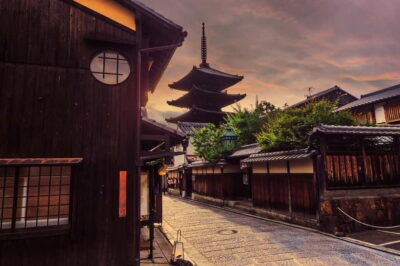
Kyoto Geisha Walking Tour: Gion District & Hidden Gems
Read our review →
Tokyo Tsukiji Fish Market Food and Culture Walking Tour
Read our review →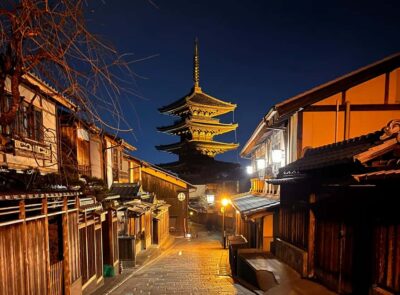
Gion Magical Night Walking Tour with Geisha Trivia
Read our review →
Imperial Palace and Shogun Historical Walking Tour
Read our review →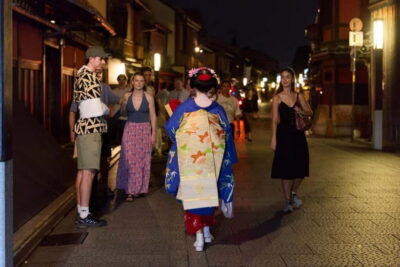
Gion Geisha District Walking Tour – Stories of Geisha
Read our review →
Shinjuku Local Bar and Izakaya Guided Walking Tour
Read our review →
Browse the lists this tour appears in