
Reviewed · WORKSHOPS
Private Mochi・Matcha sweets Making Class Near Shibuya Area
Tokyo tastes better when you make it yourself. This two-hour class in a real Japanese home near Sangenjaya gives you personal instruction from Sakura, a wagashi-making teacher, as you prepare mochi and nerikiri. I especially like the small setting and the cultural explanation behind the sweets, not just the recipe.
I also like that the class includes matcha and the option of a simple tea ceremony in a dedicated tea room. The main consideration is the household setting: there is a toy poodle named Choco, so this class is not a good choice if you have a dog allergy.
In This Review
- Key points at a glance
- What this home-based Tokyo class is really like
- Making mochi, not just eating it
- Nerikiri and the wider world of wagashi
- Matcha in a dedicated tea room
- Why Sangenjaya is a practical location
- A class that works well for families
- What makes Sakura’s teaching style useful
- The toy poodle and other practical details
- Who should book this experience?
- Is $78.83 a fair price?
- Should you book the mochi and matcha class?
- FAQ
- Where does the class take place?
- How long does the experience last?
- What sweets can I learn to make?
- Is matcha included?
- Is a tea ceremony included?
- Where does the activity end?
- How many people can join?
- Is the class suitable for children?
- Is there a dog at the location?
- Can I cancel for a full refund?
Key points at a glance

- Private instruction with Sakura: The small group format allows more attention than a large tourist cooking class.
- Two traditional sweets: You learn about mochi and nerikiri, with some sessions also featuring daifuku, dango, or shaved ice.
- A real Tokyo home: The class takes place at an authentic Japanese house in Sangenjaya, giving the experience a personal feel.
- Matcha and tea room: You can finish with a simple tea ceremony and matcha prepared for you.
- Useful local advice: Sakura also shares suggestions for things to do around Tokyo and the local area.
- Good family appeal: Children as young as six have enjoyed the activity, and groups of up to eight can attend.
What this home-based Tokyo class is really like
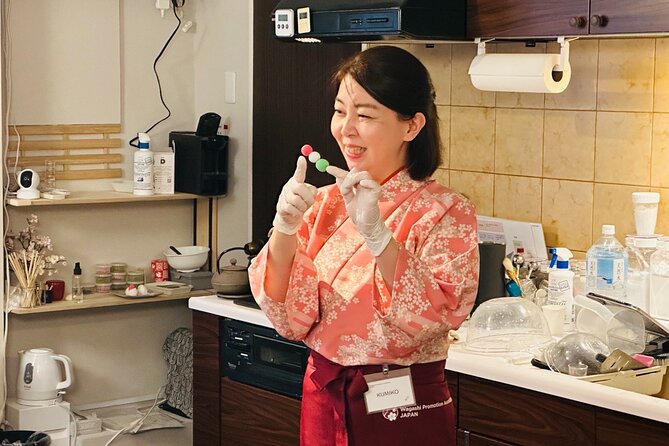
This is not a quick demonstration where you watch someone else shape sweets. You take part in the preparation, learn the basic techniques, and eat what you make during the session. That hands-on format is the main reason to choose it over simply buying mochi at a department store.
The class lasts about two hours, which is enough time to learn without taking over your whole day. You meet at 1-chōme-11-13 Sangenjaya, Setagaya City, and return to the same place at the end.
The setting matters. Instead of a commercial kitchen built for large groups, you enter a Japanese home with a tea room. That can make the class feel more personal and less staged. It also means the experience has the normal limits of a private home, including a resident dog and a more intimate atmosphere that may not suit everyone.
The group limit is eight people. That is still large enough for a family or small group of friends, but small enough for individual help. With sweets such as mochi, the final shaping can be fiddly. Having an instructor close by is useful when the dough becomes sticky or the filling starts escaping.
More Dessert Tours in Tokyo
- Matcha Making Class in Tokyo with Authentic Japanese Sweets Set
★ 5.0 · 744 reviews - Tokyo: Matcha Making Experience with Mochi Sweets in Asakusa
★ 4.9 · 388 reviews - Make Traditional Nerikiri Sweets & Matcha experience in Shibuya
★ 5.0 · 130 reviews
Making mochi, not just eating it
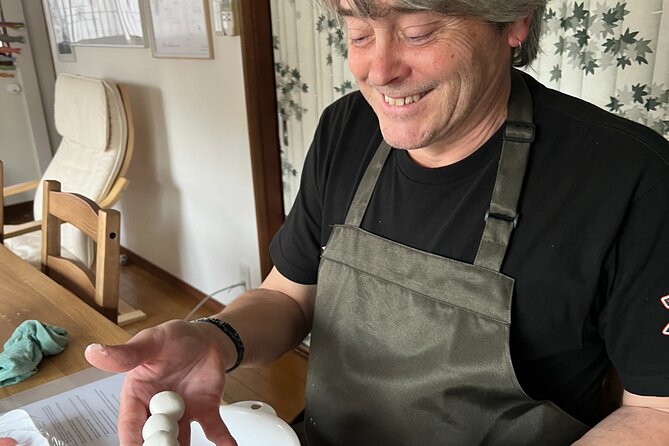
Mochi is familiar to many visitors, but its texture is easy to underestimate. The soft rice dough can look simple, yet shaping it neatly around a filling takes some practice. This class gives you a chance to understand that process rather than treating mochi as an anonymous dessert in a shop display.
The exact menu can vary, but the experience centers on making mochi or nerikiri. Past sessions have included several kinds of mochi, such as strawberry daifuku, along with dango and shaved ice. You should confirm the planned menu when booking if one particular sweet is important to you.
The strawberry daifuku option is especially appealing for families and first-time cooks. It combines soft mochi, sweet filling, and fruit, while also giving you a clear lesson in wrapping and shaping. The class is described as suitable for beginners, and the teaching style is patient and encouraging.
I would not expect professional pastry precision on your first attempt. That is part of the fun. Your sweets may look a little uneven, but you get to taste them fresh and understand why the texture and timing matter.
Nerikiri and the wider world of wagashi
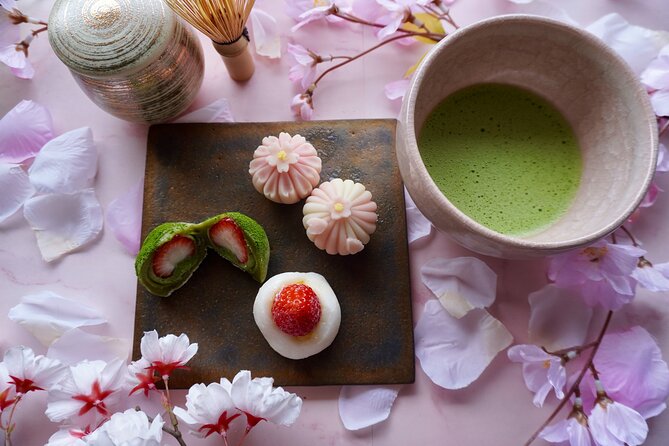
Nerikiri offers a different lesson from mochi. It is a traditional Japanese sweet often shaped with careful detail, so the focus shifts from stretching dough around a filling to forming a small edible design.
The activity also explains the place of wagashi in Japanese culture. This is one of the strongest parts of the experience because it gives the food context. You are not only learning a snack recipe. You are learning why these sweets matter, how they connect with Japanese customs, and why their appearance can be as important as their taste.
That cultural layer helps separate this class from a standard cooking activity. A restaurant can serve you a beautiful sweet, but it rarely gives you time to ask about the ingredients, preparation, and meaning behind it.
The information is presented during the practical work, so the session should not feel like a lecture. You can ask questions while making the sweets and get help when needed. The class is also described as foreigner-friendly, making it a sensible choice if you want a Japanese food experience that does not depend on advanced Japanese language skills.
Matcha in a dedicated tea room
After the sweets, you can take part in a simple tea ceremony if you wish. Matcha is included, and the tea room gives this part of the visit a fitting setting.
This is not presented as a full formal tea-school lesson. It is better understood as a short introduction that lets you enjoy the relationship between Japanese sweets and tea. The slightly bitter matcha balances the sweetness of mochi and nerikiri, and the change of pace gives the class a calm finish.
You may choose the class mainly for the sweets, but the tea portion adds value. It connects the food you have made with a wider Japanese tradition. If your schedule is tight, you should still allow the full two hours rather than planning to rush away after the cooking.
The tea ceremony is optional, according to the experience details. That is useful for families with young children or anyone more interested in cooking than tea customs.
A completely different kind of day out in Tokyo:
- Mt Fuji and Hakone 1-Day Bus Tour Return by Bullet Train
★ 5.0 · 26,383 reviews - 1-Day Tokyo Bus Tour
★ 5.0 · 14,250 reviews - Tokyo: TOKYO SKYTREE® Admission ticket
★ 4.5 · 11,192 reviews - Tokyo: teamLab Planets TOKYO Digital Art Museum Entry Ticket
★ 4.6 · 9,779 reviews
Why Sangenjaya is a practical location
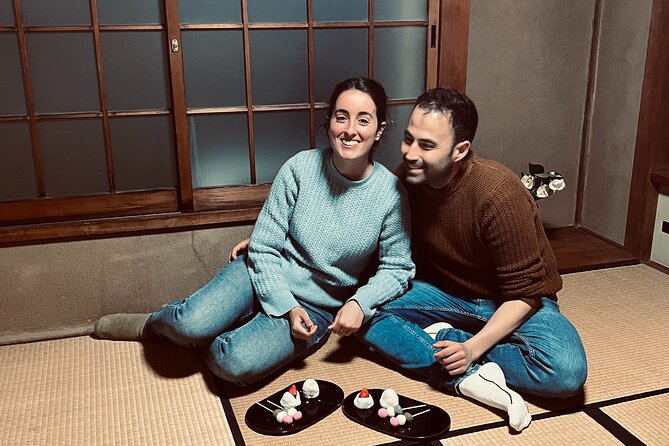
The meeting point is in Sangenjaya, in Setagaya City, southwest of central Tokyo. The class is near public transportation, and the walk from the train was described as short and easy, through a pleasant residential neighborhood.
This location is convenient for a day that includes the Shibuya area, but it is not at a major sightseeing landmark. You will need to plan your route to the exact address and leave enough time to find the home. Since the activity begins and ends at the same point, you can continue with your own plans afterward without arranging a second pickup location.
The neighborhood setting is part of the appeal. You get a brief look at ordinary Tokyo away from the busiest shopping streets. Do not expect a formal sightseeing tour of Sangenjaya, but Sakura can offer recommendations for your time in the city and advice about the local area.
I would save this class for a day when you want a slower, more personal activity. It pairs well with other plans around western Tokyo, but the two-hour duration makes it difficult to squeeze in as a last-minute stop between tightly scheduled attractions.
A class that works well for families
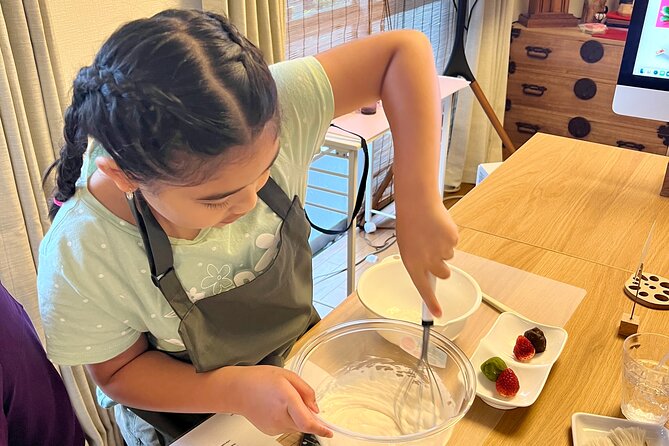
The activity has strong family appeal. A six-year-old child has enjoyed making mochi and daifuku during the class, and children can take part in shaping the sweets rather than simply watching.
That said, mochi preparation can be messy and requires some patience. Younger children may need help with the sticky dough and detailed shaping. The private format helps here, since Sakura can adjust her instructions and give attention where it is needed.
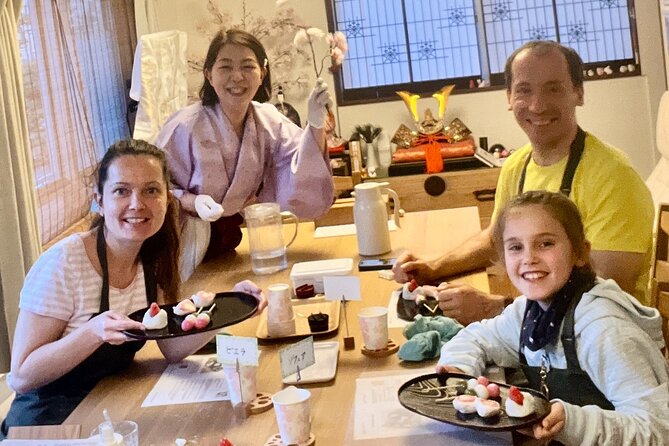
Groups of friends can also make good use of the class. A group of five has taken part together, with enough variety in the sweets to keep the session lively. The maximum is eight people, so larger families or tour groups will need to split up or choose another activity.
Solo visitors and couples should consider the price carefully. At $78.83 per person, this is not a cheap dessert stop. You are paying for instruction, ingredients, matcha, a private-home setting, and the chance to ask questions directly. For someone who only wants to taste mochi, a shop is better value. For someone who wants a personal cultural activity, the price is easier to justify.
What makes Sakura’s teaching style useful
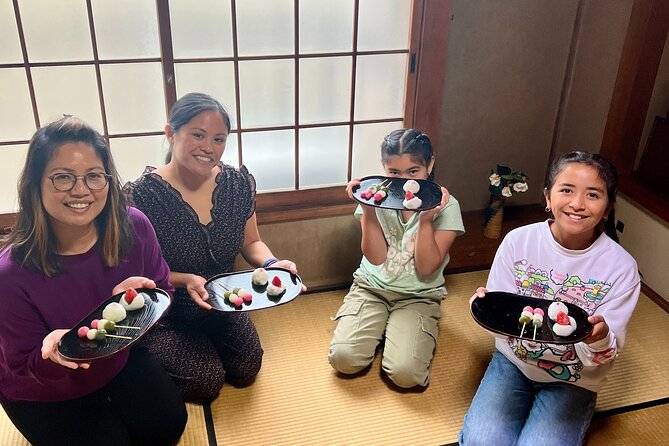
Sakura is the central reason this experience feels different from a factory-style class. The instruction is personal, and the teaching includes both practical guidance and cultural background.
The class is described as patient, attentive, and encouraging. That matters with sweets because small mistakes are normal. You may need help getting the filling centered, handling the dough, or shaping the finished piece. A teacher who keeps the pace friendly can make the activity enjoyable even when your first attempt looks more homemade than elegant.
Sakura also shares recommendations for the rest of your Tokyo visit. I would take a few notes or have your phone ready, especially if you like advice that comes from someone who lives locally rather than from a general guidebook.
The strongest praise for this class centers on the combination of fun, food, and cultural explanation. It is not just a photo opportunity. You leave with a new traditional skill, a better sense of Japanese sweets, and something you made yourself.
The toy poodle and other practical details
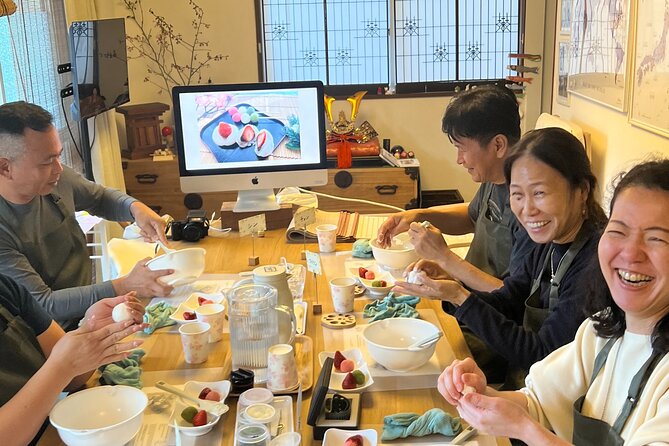
There is a toy poodle in the house named Choco. Some families have found the dog charming, but the important point is clear: this experience is not recommended for anyone with a dog allergy.
Service animals are allowed, and the home is near public transportation. The activity has a maximum group size of eight. Confirmation is sent within 48 hours of booking, subject to availability, so avoid assuming that a preferred date is secured until you receive confirmation.
The booking includes a mobile ticket. The class is listed at an average booking time of 26 days in advance, which suggests that planning ahead is sensible, especially for a particular date or a family visit.
Free cancellation is available if you cancel at least 24 hours before the start time. Changes or cancellations inside that window are not accepted for a refund. The experience may also be canceled if the minimum number of participants is not met or if poor weather affects the session. In either case, you are offered another date or experience, or a full refund.
The weather condition may seem unusual for an indoor class, so it is worth checking the provider’s message if conditions are poor.
Who should book this experience?
I would recommend this class to you if you want a personal introduction to Japanese food culture, especially if you have already seen the major Tokyo sights. It gives you a break from stations, shopping streets, and crowded attractions.
It is particularly well suited to:
- Families with children who enjoy making and eating food
- Couples looking for a quieter Tokyo activity
- Small groups of friends
- First-time visitors curious about wagashi and matcha
- Repeat visitors who want a local, home-based experience
- Anyone who prefers participation over passive sightseeing
I would think twice if you have a dog allergy, dislike home-based activities, or want a formal tea ceremony with extensive instruction. The tea experience here is simple and optional, while the main focus is sweets making.
You should also avoid booking it only because you want one specific dessert unless the menu is confirmed first. The available sweets can vary, with mochi and nerikiri as the main focus and other items appearing in some sessions.
Is $78.83 a fair price?
The price is $78.83 per person. That puts the class above the cost of buying several Japanese sweets, so the value depends on what you want from the visit.
If you measure value by the amount of food, it is not a bargain. If you measure it by the full experience, the calculation changes. The price includes roughly two hours of instruction, ingredients, personal guidance, cultural explanation, matcha, and access to a private Japanese home and tea room.
The small group size also matters. A large class may cost less, but you can spend more time waiting or watching from the back. Here, you have a better chance to ask questions and receive help with the parts that are difficult.
For me, the cultural explanation and personal setting make the price reasonable for a special holiday activity. It is less attractive for budget-conscious visitors who simply want dessert. Group discounts may also improve the value for families or friends, so check the available rate before booking.
Should you book the mochi and matcha class?
Book it if you want to make traditional Japanese sweets in a relaxed home setting, learn why they matter, and finish with matcha. Sakura’s patient instruction, the small group size, and the cultural background are the best reasons to choose it.
Skip it if you have a dog allergy, need a fully formal tea ceremony, or prefer a large commercial cooking studio. For most families, couples, and small groups, this is a warm and practical way to add a hands-on Japanese experience near the Shibuya area.
FAQ
Where does the class take place?
The class takes place at 1-chōme-11-13 Sangenjaya, Setagaya City, Tokyo 154-0024, Japan.
How long does the experience last?
The class lasts approximately two hours.
What sweets can I learn to make?
The main sweets are mochi and nerikiri. Some sessions have also included strawberry daifuku, dango, and shaved ice.
Is matcha included?
Yes. Matcha is included as part of the experience.
Is a tea ceremony included?
You can take part in a simple tea ceremony if you want to. The experience takes place in a house with a tea room.
Where does the activity end?
The class ends back at the meeting point in Sangenjaya.
How many people can join?
The maximum group size is eight travelers.
Is the class suitable for children?
Yes. A six-year-old child has taken part in the class, and the activity is suitable for families, though younger children may need help with the sweets making.
Is there a dog at the location?
Yes. There is a toy poodle named Choco in the house.
Can I cancel for a full refund?
You can cancel for a full refund if you do so at least 24 hours before the experience start time. Cancellations made less than 24 hours before the start time are not refunded.
Just added around Tokyo
- Tokyo Shibuya Walking tour With A Guide★ 4.4 · 22 reviews
- Tokyo’s Authentic and Finest Taiko Drumming Workshop★ 5.0 · 22 reviews
- Private Tokyo Local Food and Drink Tour with a Bar Hopping Master★ 5.0 · 22 reviews
- Tokyo: Visit Sumo Morning Practice with English Guide★ 4.5 · 22 reviews
- Nikko Toshogu, Kegon waterfall, Lake Chuzenji One Day Pvt. Tour★ 5.0 · 22 reviews
- Private Departure Transfer : Central Tokyo City to Haneda Airport★ 4.5 · 22 reviews
- Mt. Fuji and Hakone Private Tour with English Speaking Driver★ 5.0 · 22 reviews
- Private Tour with a Local Guide – Learn about daily life in Japan★ 5.0 · 22 reviews
Workshops, compared.
Sushi Making Tokyo Roll and Authentic Japanese Sushi Class
Read our review →

Roll and Authentic Sushi Making Class in Asakusa
Read our review →
Ramen Cooking Class at Ramen Factory in Kyoto
Read our review →
Sushi Making Class in a Happi Coat near a Famous Spot
Read our review →
Sushi Making Osaka Roll and Authentic Japanese Sushi Class
Read our review →Browse the lists this tour appears in