
Reviewed · TEA CEREMONY EXPERIENCES
Shibuya Authentic Tea Ceremony with experienced instructor
Tea takes you off the Shibuya clock. This small-group experience trades the district’s bright signs and fast pace for a quiet lesson in Japanese tea culture. I especially like the maximum group size of eight and the chance to choose your own chawan, or matcha bowl, before preparing tea with traditional tools. The main limitation is time: at about 50 minutes, this is a friendly introduction rather than a full study of tea ceremony.
I also like the simple shape of the session. You hear how tea developed in Japan, watch a tea master perform a ritual with more than 500 years of history, taste matcha with nerikiri, and then make your own bowl. The Dōgenzaka location is close to Shibuya’s main sights, but finding the small tea house at 1-chōme15 万字ビル may require careful attention to the meeting details.
In This Review
- Key points at a glance
- A quiet pause in the middle of Shibuya
- The opening lesson: Japan’s tea story and a small stone mill
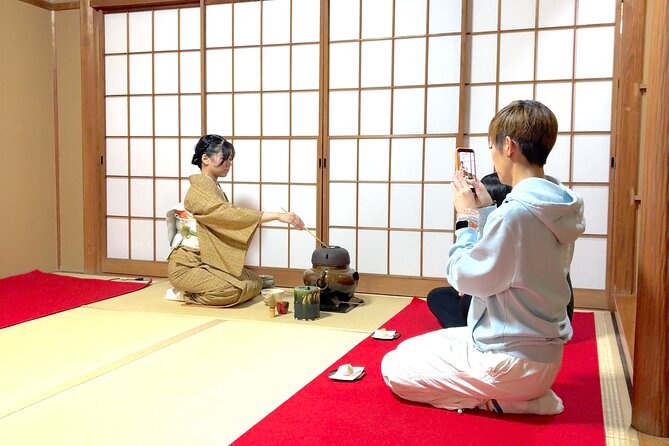
- Watching a tea master perform a 500-year-old ritual
- Matcha and nerikiri: the sweet partner matters
- Your turn with the whisk and traditional tools
- Picking a chawan adds a personal touch
- How the 50-minute format affects the experience
- Finding the Dōgenzaka meeting point
- Who will enjoy this tea ceremony most
- Booking value and cancellation timing
- Should you book the Shibuya tea ceremony?
- FAQ
- How long does the Shibuya tea ceremony last?
- Where does the activity begin?
- Where does the activity end?
- How many people can join the session?
- Do I get to make my own matcha?
- Is cancellation free?
Key points at a glance
- A small group capped at eight: You get a better view of the demonstration and more room to handle the tea tools.
- A traditional stone mill: The opening explanation includes a look at how matcha is made with a small stone mill.
- A tea master’s formal demonstration: Watch the ritual before trying it yourself, which makes the movements easier to understand.
- Nerikiri with freshly prepared matcha: The Japanese sweet is served alongside the tea, giving you the classic sweet-and-bitter pairing.
- Your choice of chawan: Pick a favorite bowl from a selection of matcha bowls for your hands-on preparation.
- A convenient Shibuya address: The activity begins and ends at the same meeting point, making it easy to fit into a day in western Tokyo.
A quiet pause in the middle of Shibuya
Shibuya is famous for motion: crowded crossings, department stores, music, fashion, and trains arriving with clockwork precision. This tea ceremony offers a useful change of pace without sending you across Tokyo. The small tea house sits on Dōgenzaka, an area close to the center of Shibuya, yet the setting is described as old, original, peaceful, and tucked away on a side street.
That contrast is a large part of the appeal. You are not only learning how to whisk matcha. You are also seeing how a traditional activity can create calm in one of Tokyo’s busiest districts. The peaceful setting gives the lesson room to breathe, even though the scheduled session is short.
I would choose this experience if you want a cultural activity that fits between major sights. It works well before shopping, after visiting Shibuya Crossing, or as a gentle break from a packed sightseeing day. It is also a good choice if you have never attended tea ceremony before and want guidance instead of trying to decode the customs alone.
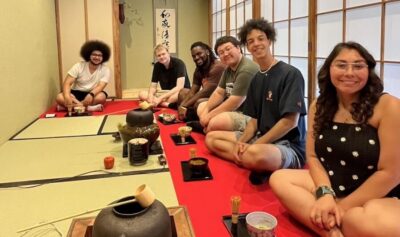
The venue’s small size matters. With no more than eight people, you should have a clearer view of the instructor’s hands than you would in a large demonstration. You also get a more direct turn with the equipment. This does not make the session private, but it should feel more personal than a large class.
More Tea Ceremonies in Tokyo
- Tokyo: Traditional Tea Ceremony with a Tea Master
★ 5.0 · 528 reviews - Tea Ceremony Workshop in Tokyo by the Experienced Instrucor
★ 5.0 · 189 reviews - Asakusa: Kimono Tea Ceremony with Matcha and Sweet
★ 4.9 · 153 reviews
The opening lesson: Japan’s tea story and a small stone mill
The session begins with a short explanation of tea’s history in Japan. The description does not promise a long academic lecture, and that is probably right for a 50-minute experience. You get enough context to understand that tea ceremony is not simply a method for making a hot drink.
The stone mill adds a useful visual detail. You can see the traditional process connected with producing matcha, rather than hearing only abstract facts about powdered tea. A small tool can make a big impression here because it shows the care behind the ingredient before it reaches the bowl.
I like this opening because it gives purpose to the practical part that follows. When you later whisk your own tea, you have already seen where matcha fits within Japanese culture and production. The lesson stays approachable, with an emphasis on seeing and doing rather than memorizing terms.
Do not expect a full historical course in this segment. The introduction is brief by design. If you already know a great deal about Japanese tea schools, the background may feel basic. For a first encounter, though, its compact format leaves more time for the ceremony and your own attempt.
Watching a tea master perform a 500-year-old ritual
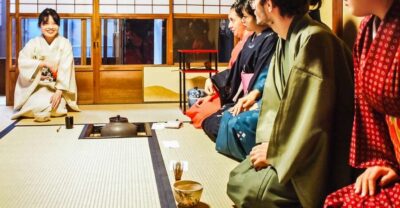
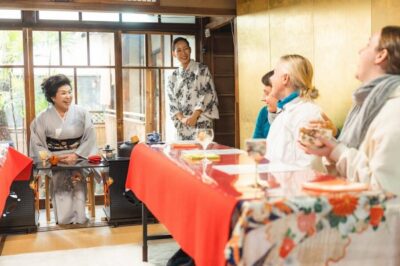
Next comes the formal tea-making demonstration. The ceremony is described as having a history of more than 500 years, and the value of watching it first is clear: you can see the order of the actions before picking up the whisk yourself.
A tea ceremony is built from small movements. The handling of the bowl, the tools, the tea, and the water all matter. In a short introductory class, you are unlikely to master every detail, but the demonstration lets you notice the care and rhythm involved.
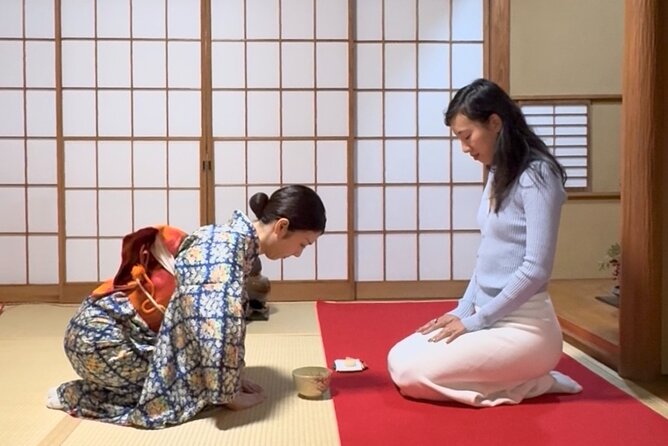
The instructor’s role is important. The host is described as kind, polite, welcoming, and well-informed about Japanese tea culture. One session was specifically praised for the teacher’s friendly approach, while another singled out Mai as making the experience peaceful and relaxing. If Mai leads your session, you may receive that same personal touch, though the supplied details do not guarantee a particular instructor for every booking.
The formal demonstration is also the moment when the activity feels most different from an ordinary cooking class. You are not just watching someone prepare matcha quickly. The ritual gives the tea a setting, a pace, and a set of manners. That is valuable if you want to understand why tea ceremony remains a cultural practice rather than treating matcha as a fashionable beverage.
Matcha and nerikiri: the sweet partner matters
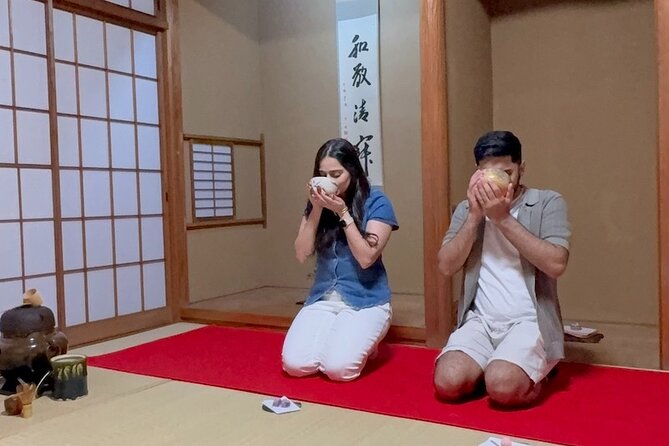
After the demonstration, you taste the freshly prepared matcha with nerikiri, a traditional Japanese sweet. This pairing is a central pleasure of the experience. Matcha can have a strong, grassy bitterness, while nerikiri provides a sweet contrast that makes the tea easier to appreciate.
The sweet is not an afterthought. In Japanese tea service, the food helps prepare your palate for the tea. You get to notice how the flavors work together instead of judging the matcha on its own. For someone trying matcha for the first time, this is a more welcoming introduction than receiving a plain bowl with no explanation.
The portion and exact flavor of the nerikiri are not specified, so I would treat it as a tasting rather than a full snack. The main point is the relationship between the sweet and the tea, along with the chance to enjoy something made in a traditional Japanese style.
This part also gives you a quiet moment to watch the instructor and absorb the setting. The experience is not packed with constant information. Its calm rhythm is one of its strongest features.
A completely different kind of day out in Tokyo:
- Mt Fuji and Hakone 1-Day Bus Tour Return by Bullet Train
★ 5.0 · 26,383 reviews - 1-Day Tokyo Bus Tour
★ 5.0 · 14,250 reviews - Tokyo: TOKYO SKYTREE® Admission ticket
★ 4.5 · 11,192 reviews - Tokyo: teamLab Planets TOKYO Digital Art Museum Entry Ticket
★ 4.6 · 9,779 reviews
Your turn with the whisk and traditional tools
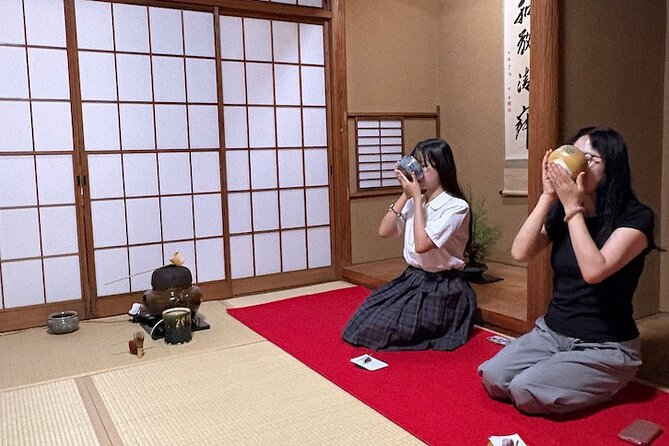
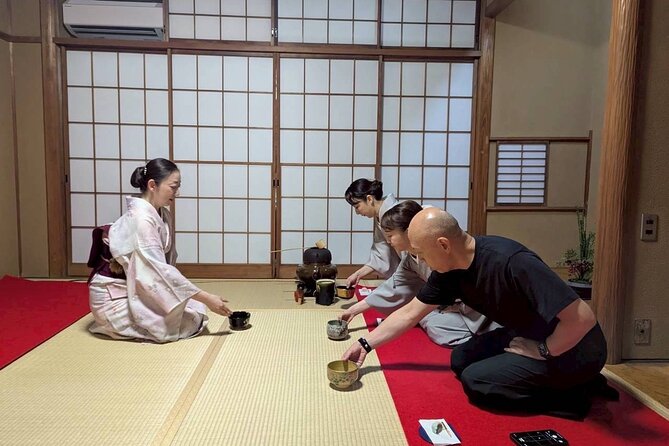
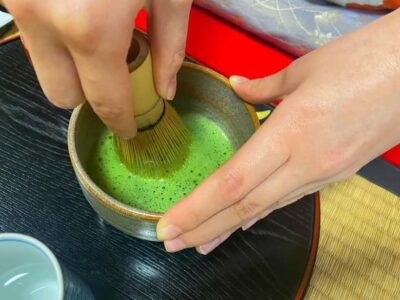
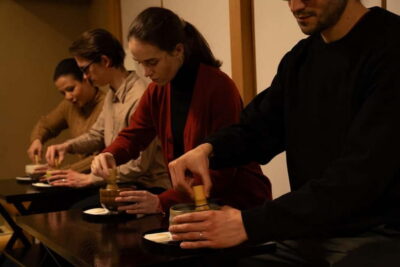
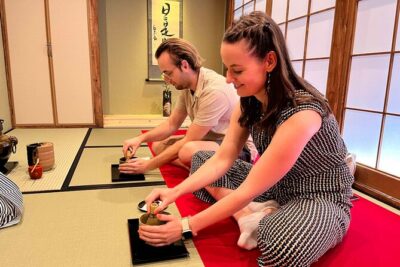
The final part is hands-on. You prepare your own bowl of matcha using traditional tea tools, including the familiar bamboo whisk. This is where the class moves from cultural demonstration to personal experience.
You do not need to arrive with prior knowledge. The earlier demonstration gives you a model to follow, and the instructor can guide you through the basic method. The goal is not perfect technique after one attempt. It is to understand how matcha is prepared and to feel the difference between watching and doing.
The hands-on portion is especially useful because it gives you something practical to remember. You can recreate the basic process at home if you later buy matcha and the appropriate tools. The activity does not promise a full home-brewing course, so you should think of this as a solid first lesson rather than a complete training session.
The small group helps here. With a maximum of eight people, the instructor has a better chance of seeing each person’s technique. You can also watch the other participants and notice that everyone’s first bowl may look a little different. That takes some pressure off. Tea ceremony rewards attention, not speed.
Picking a chawan adds a personal touch
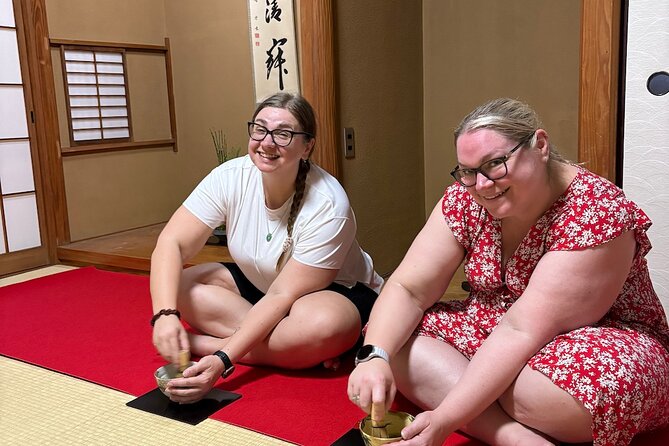
Before making your tea, you can choose a bowl from a selection of beautiful chawan. This is a simple feature, but it gives you a small personal decision within a highly structured tradition.
A chawan is not just a cup. Its shape and feel affect how you hold and view the tea. Choosing one also helps you pay attention to the object in your hands instead of treating the bowl as disposable equipment.
The selection is not described in detail, so you should not expect a museum collection or a chance to buy a particular bowl. Still, being able to choose your favorite makes the hands-on portion feel less standardized. It gives you a pleasant memory to associate with your first attempt at whisking matcha.
I would take a moment with this choice rather than grabbing the first bowl. Look at the shape, hold it comfortably, and pick the one that appeals to you. That small act fits the spirit of slowing down.
How the 50-minute format affects the experience
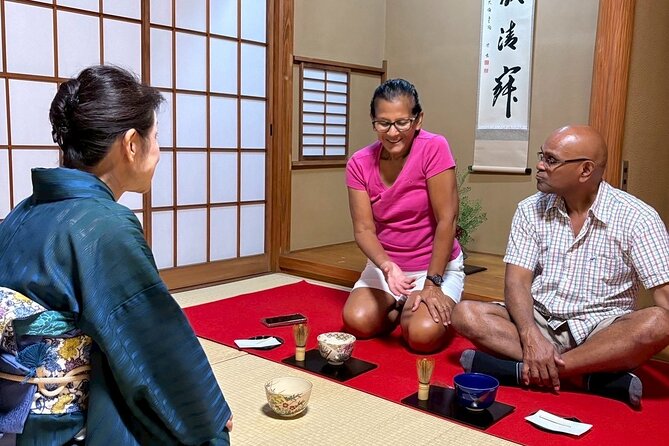
Fifty minutes is enough for a clear introduction, but it sets firm limits. You can expect the history lesson, stone mill explanation, formal demonstration, sweet and tea tasting, bowl selection, and your own preparation to move at a steady pace.
That short duration is useful for sightseeing. You do not need to sacrifice half a day, and the activity ends back at the meeting point. The same start and finish location makes it easy to continue exploring Shibuya afterward.
The tradeoff is depth. You will not experience every formality or learn the full body of etiquette associated with Japanese tea schools. The class gives you the meaning and basic technique, not an exhaustive examination of tea ceremony.
I see that as a fair arrangement for the price and setting. At $25.76 per person, you receive instruction, a live demonstration, matcha, nerikiri, access to traditional tools, and the opportunity to prepare your own tea. In central Tokyo, that is a reasonable fee for a focused cultural activity, especially when the group stays small.
The value is strongest for first-time visitors. If you already attend tea ceremony regularly, you may want something longer and more specialized. If this is your first bowl of matcha prepared in the traditional way, the session offers plenty to take away.
Finding the Dōgenzaka meeting point
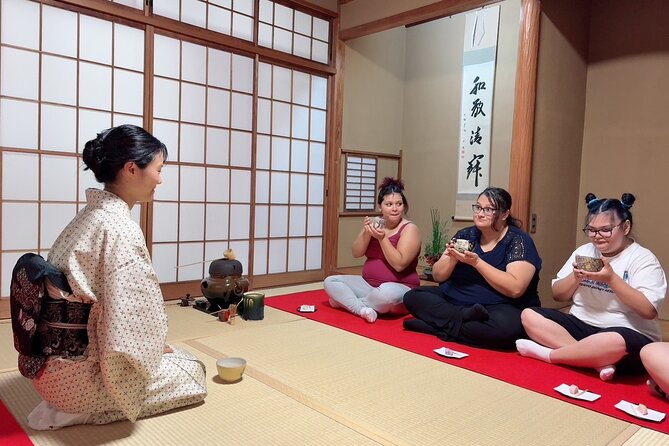
The meeting point is in Shibuya at 1-chōme15 万字ビル, Tokyo 150-0043. The activity begins and ends there. Since the tea house is described as being on a small side street, I would save the address on your phone before leaving your hotel and allow enough time to locate the building.
This is not a bus tour with a large vehicle or a guide waiting beside a major landmark. The intimate setting is part of the charm, but it also means you should pay attention to the exact address. A mobile ticket is provided, and booking confirmation arrives at the time of booking.
The location is a practical advantage once you find it. You can pair the ceremony with the rest of a Shibuya visit instead of spending time traveling to a distant neighborhood. The nearby city energy makes the quiet interior feel even more pronounced.
Because the session ends at the meeting point, you are free to plan the next stop yourself. You could continue sightseeing, shop in Shibuya, or simply take a break before returning to the streets.
Who will enjoy this tea ceremony most
I would recommend this experience to you if you want:
- A first introduction to Japanese tea ceremony
- A short activity near central Shibuya
- A small group instead of a crowded class
- A chance to handle traditional tea tools
- A cultural experience that includes both explanation and participation
- A calm pause during a busy Tokyo day
Families, couples, solo visitors, and small groups of friends can all fit the format, provided the maximum group size is respected. The activity also suits people who prefer learning by watching and then trying the technique themselves.
You may want to choose another experience if you are looking for a long, highly formal ceremony or advanced instruction. The available information points to a welcoming introduction, not a multi-hour study of tea etiquette. The short format is a strength for convenience, but it is also the clearest limitation.
The activity may also appeal to matcha fans who want to understand the drink in context. You are not only tasting powdered green tea. You are learning how it connects to tools, manners, sweets, and a centuries-old ritual.
Booking value and cancellation timing
The $25.76 price is easy to justify if you value a guided cultural activity rather than a simple food tasting. You receive a structured lesson, a demonstration by an experienced instructor, matcha with nerikiri, and a hands-on attempt with your chosen bowl.
Free cancellation is available if you cancel at least 24 hours before the start time. Cancellations made less than 24 hours before the experience are not refunded, and changes inside that window are not accepted. The cut-off follows Tokyo local time, so check the timing carefully if you are booking from another country.
The activity has been booked more than five times in the past week, and the current rating is 5 from 54 ratings, with 100 percent recommending it. Those figures suggest strong demand and consistent approval, but I would still base your decision on the format: a short, small-group introduction with real participation.
Should you book the Shibuya tea ceremony?
Book it if you want a peaceful, hands-on look at Japanese tea culture without leaving Shibuya. The best reasons are the small group, the clear progression from history to demonstration to practice, the nerikiri pairing, and the freedom to choose your own chawan.
I especially like that you do not merely watch. You see the tea master’s ritual, taste the finished matcha, and then make a bowl yourself. That sequence turns a brief class into something you can remember and repeat at home.
Skip it only if you want an advanced or extended tea ceremony. For most visitors seeking an authentic cultural pause at a modest price, this is a well-shaped 50-minute experience with a calm setting and plenty of useful detail.
FAQ
How long does the Shibuya tea ceremony last?
The experience lasts approximately 50 minutes.
Where does the activity begin?
It begins at 1-chōme15 万字ビル in Dōgenzaka, Shibuya, Tokyo 150-0043.
Where does the activity end?
The experience ends back at the meeting point.
How many people can join the session?
The maximum group size is eight people.
Do I get to make my own matcha?
Yes. You can prepare your own bowl of matcha with traditional tea tools.
Is cancellation free?
Yes, if you cancel at least 24 hours before the scheduled start time. Cancellations made less than 24 hours before the start time are not refunded.
Just added around Tokyo
- Tokyo 6hr Instagram Highlights Private Tour with Licensed Guide★ 5.0 · 38 reviews
- Tokyo Small Group Tour with Guide★ 4.5 · 38 reviews
- Tokyo Sumo Experience with Live Show & Audience Challenge★ 5.0 · 38 reviews
- Japanese Food Cooking Class in Asakusa, Tokyo★ 5.0 · 39 reviews
- Very popular in Harajuku♡Animal petting zoo★ 4.6 · 39 reviews
- Ramen Making from Scratch with Tokyo Mom(Vegan Option Available)★ 5.0 · 39 reviews
- Tokyo JDM Night: 600hp C63s AMG Edition 1 (Private)★ 4.9 · 39 reviews
- Tokyo: Kimono Rental inside Shinjuku Gyoen National Garden★ 4.9 · 39 reviews
Tea Ceremony Experiences, compared.
Tea Ceremony in a Traditional Tea House in Kiyomizu
Read our review →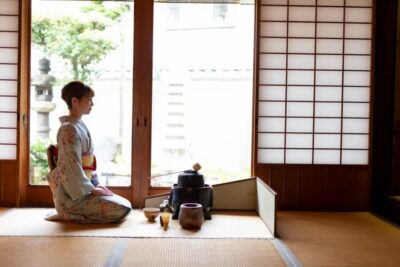
Browse the lists this tour appears in